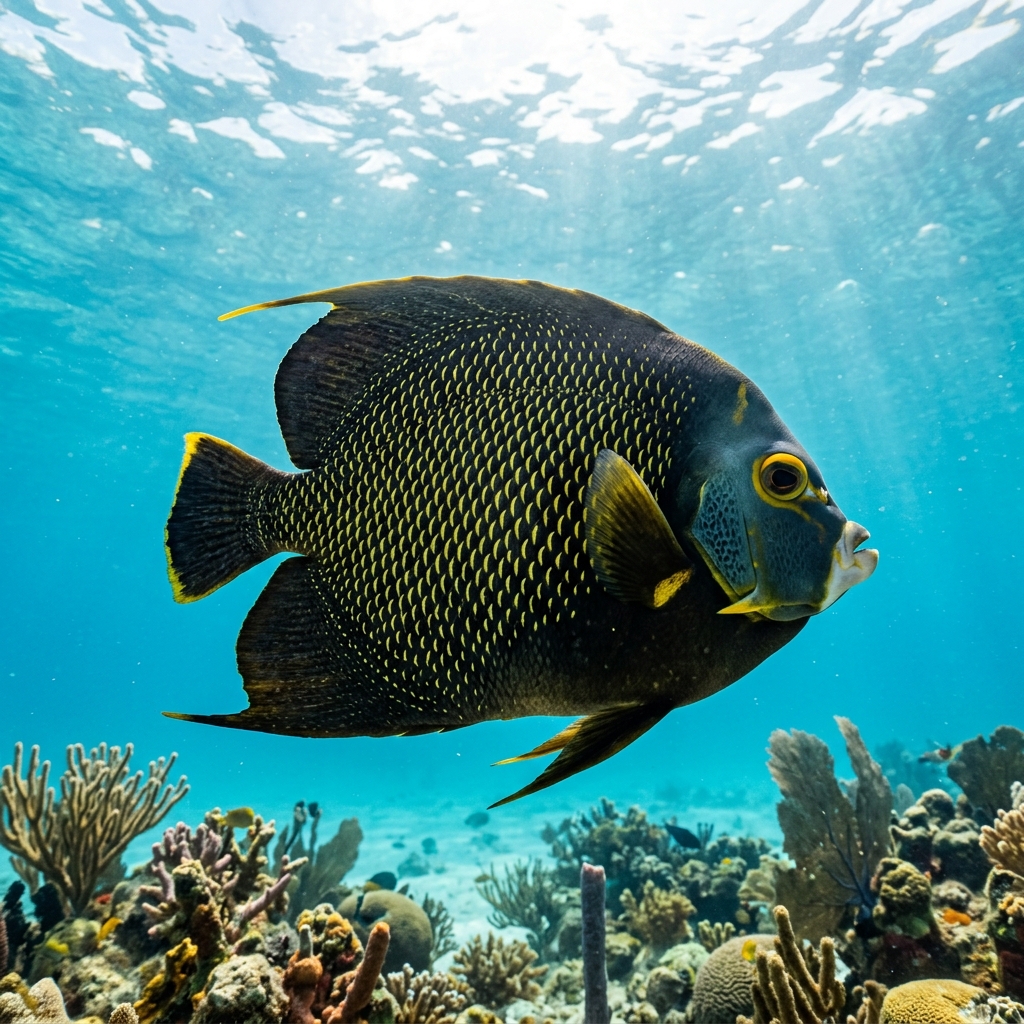
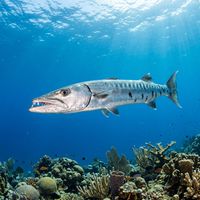
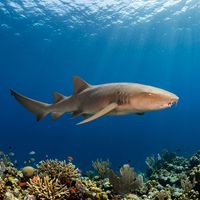
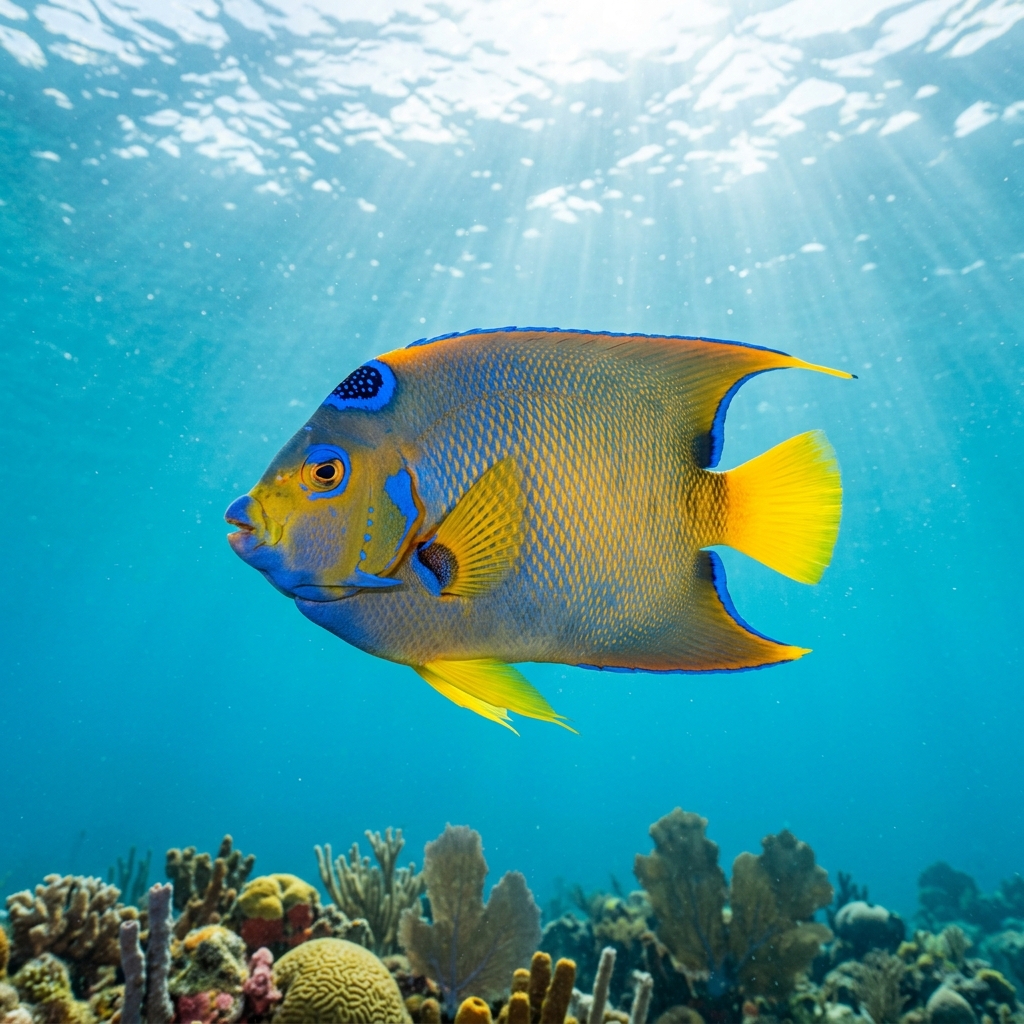
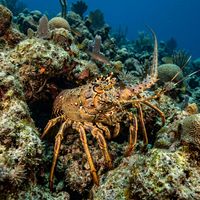
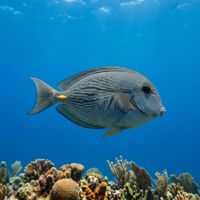
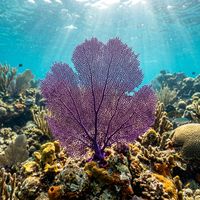
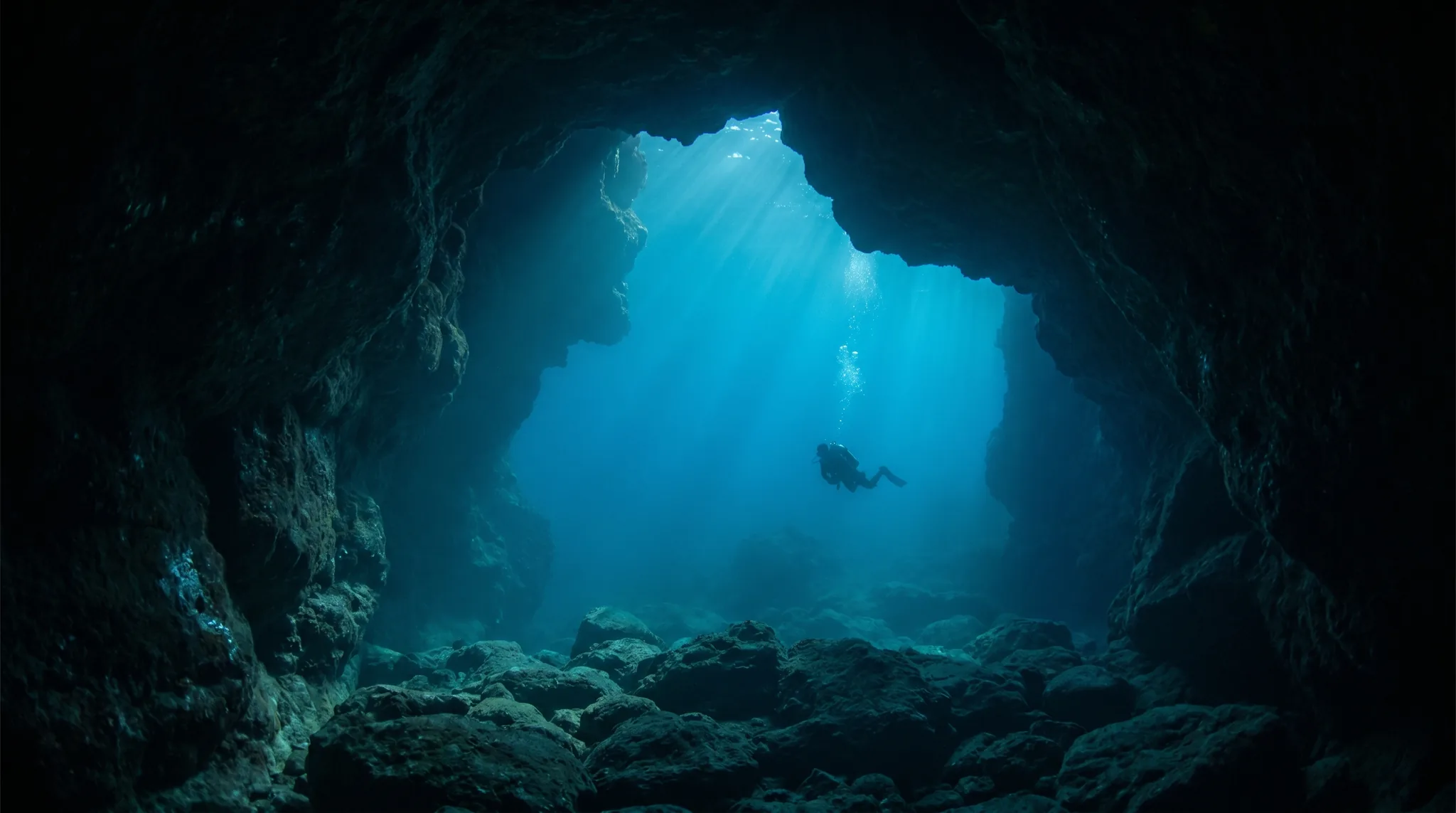
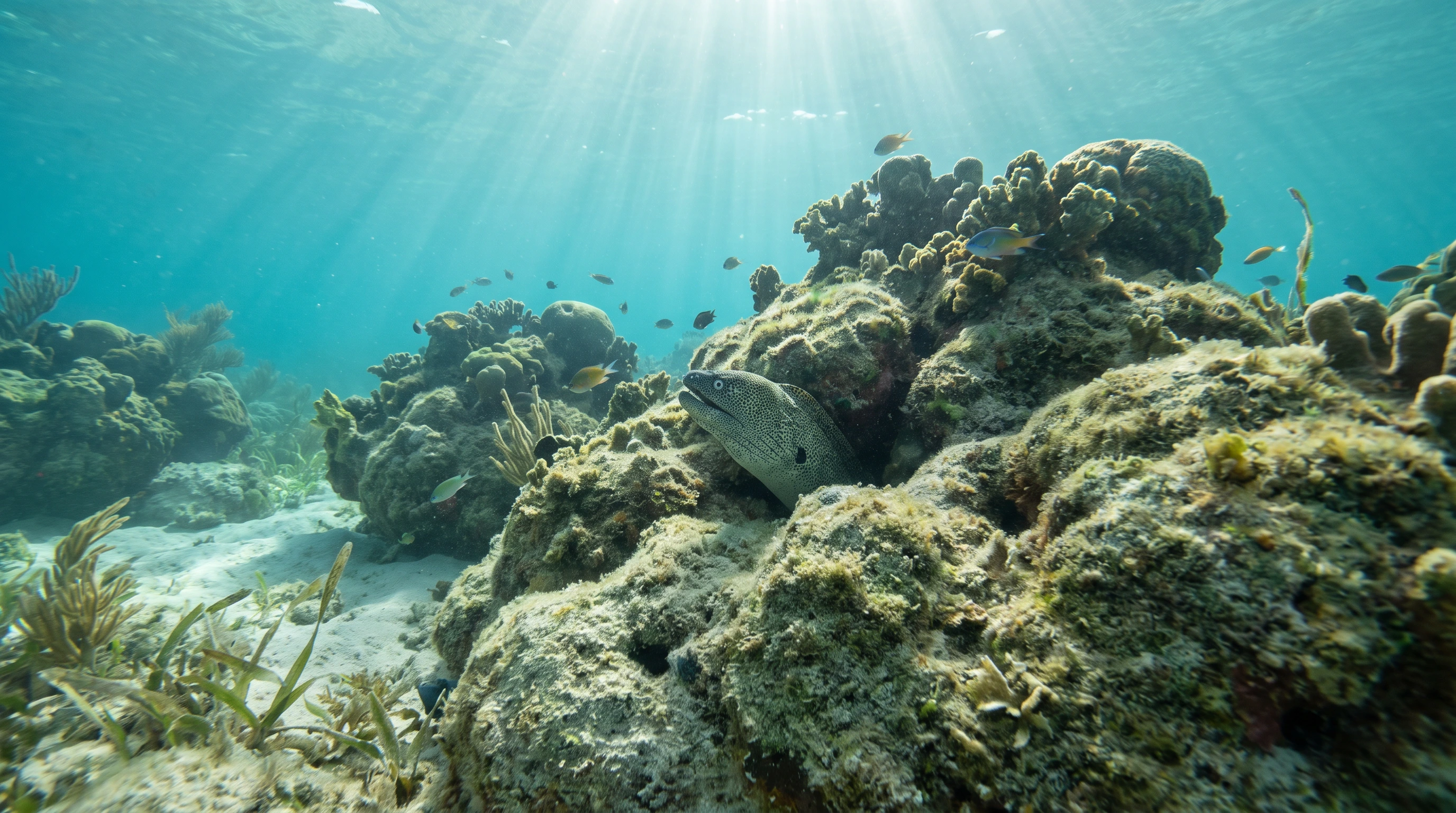
The Yucatán Peninsula offers a rare double identity underwater: an extensive network of freshwater cenote cave systems running beneath the jungle interior, and a chain of coral reefs stretching along the coast. Riviera Maya holds the greatest concentration of sites, while Cozumel and Cancun offer distinct reef and wall diving characters, and Costa Maya provides a quieter southern alternative. Cenote diving ranges from beginner-friendly caverns to advanced deep caves with haloclines and hydrogen sulphide layers. Reef sites bring consistent sightings of Green Sea Turtle, Nurse Shark, French Angelfish, and Great Barracuda across skill levels.
4 areas
 231
231Freshwater cenotes alongside barrier reef diving, with Nurse Shark, French Angelfish and Great Barracuda observed across the region.
 64
64Whale Sharks, wrecks and an underwater sculpture museum spread across Isla Mujeres and the Cancun Hotel Zone.
 47
47Drift reefs, deep walls and a Navy wreck, packed with French Angelfish, Nurse Shark and Great Barracuda.
40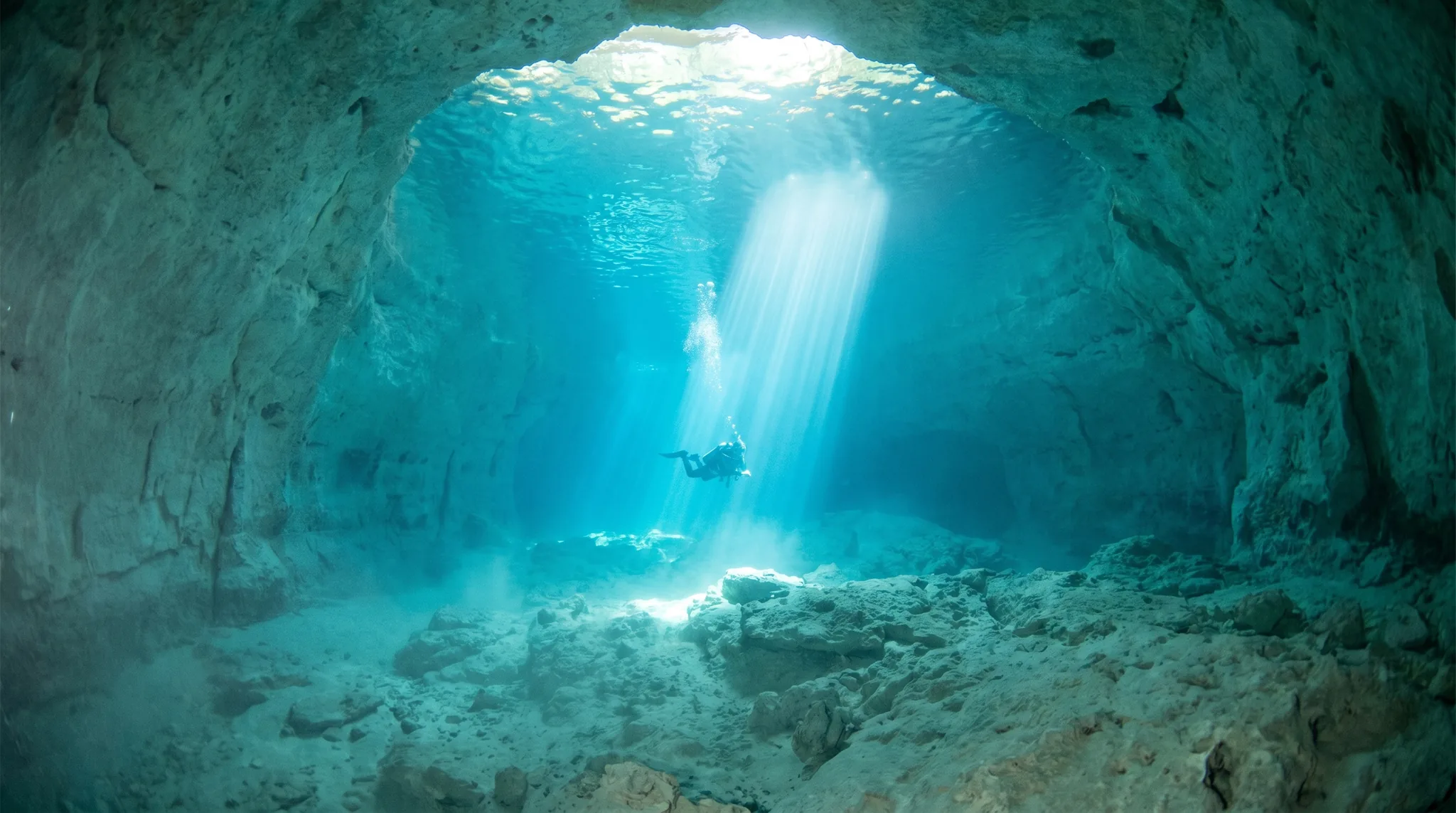
Monthly water temperature across Yucatán Peninsula's sites, from satellite sea-surface data corrected for depth. The band shows the site-to-site spread.
Water stays warm throughout the year, with temperatures rising through summer and peaking around August and October. Activity data points to a broad high season from March through September, making spring and early summer particularly favourable for combining good conditions with lively marine activity. Cenote diving is largely sheltered from surface conditions, while coastal reef sites can be influenced by seasonal swells on more exposed stretches.
232 operators


A reef-rich coastline spanning three sub-areas, from beginner-friendly Mahahual to the remote wreck and wall diving of Banco Chinchorro.
Water temperature around Yucatán Peninsula ranges from about 27°C in January to 30°C in August, based on satellite sea-temperature data for its dive sites.
With water around 27–30°C, a rash guard or 3mm shorty works in Yucatán Peninsula year-round.
Fin maps 382 sites in Yucatán Peninsula (354 scuba diving sites and 79 snorkelling spots, with some suited to both), organised into 4 areas.
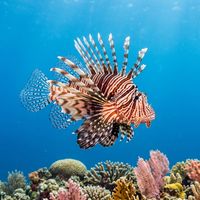
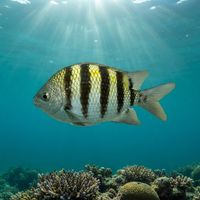
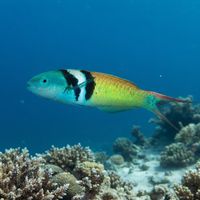
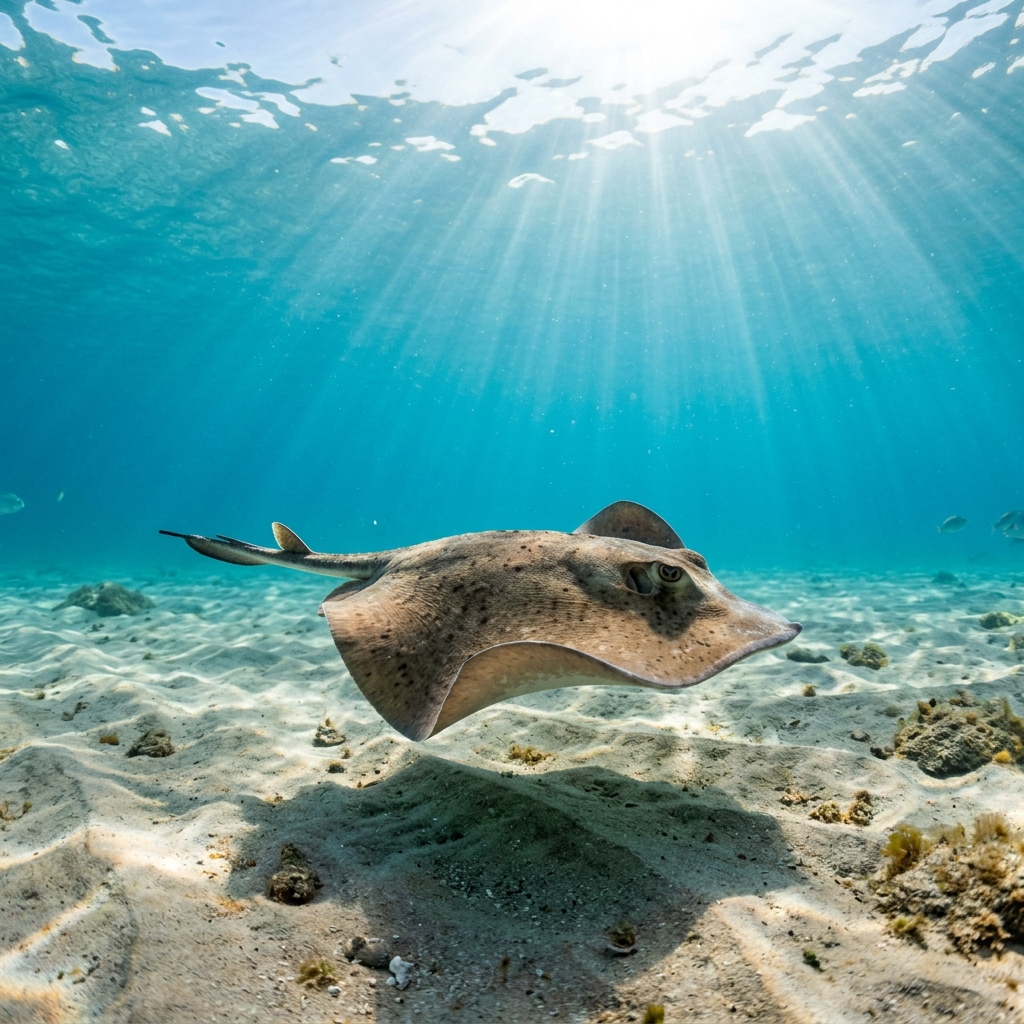
The reefs and cenotes of the Yucatán Peninsula support a rich variety of observed species. Nurse Shark, Green Sea Turtle, and Great Barracuda are among the signature encounters, while French Angelfish, Queen Angelfish, and Blue Tang are very commonly sighted across reef sites. Visitors also regularly spot Caribbean Spiny Lobster, Round Stingray, Green Moray, Porcupinefish, and Indian Lionfish.
A good portion of the sites are rated beginner level, including reef dives at Akumal Reef, Tankah II, and La Poza in Xcalak, as well as accessible cenotes such as Cenote Kukulkan, Cenote Chikin Ha, and Cenote Pet Cemetery. Intermediate and advanced sites also exist, particularly among the deeper cave systems like Cenote Angelita and Cenote El Pit. Beginners should focus on the shallow reef and open cavern options and consider guided trips with one of the many local operators.
Riviera Maya is by far the largest sub-area and contains the majority of cenote cave and cavern sites, particularly around Akumal and Tulum. Cozumel and Cancun lean more heavily toward coral reef and wall diving. Costa Maya, in the south, offers a noticeably smaller and quieter selection of sites. Each sub-area suits a different mix of interests, so it is worth considering which site types you prioritise when choosing a base.
Both options are widely available depending on the site. Most cenote dives, including Cenote Chan Hol, Tak Be Lum, Cenote Nicte Ha, and Cenote Angelita, are shore-entry. Many coastal reef sites such as Akumal Reef, Tankah II, and La Poza require a short boat ride. Cenote El Pit offers both shore and boat access. Operators including Mexico Divers, Phantom Divers, Jaguar Divers, and Scuba Life Cozumel can arrange guided access to both types of site.