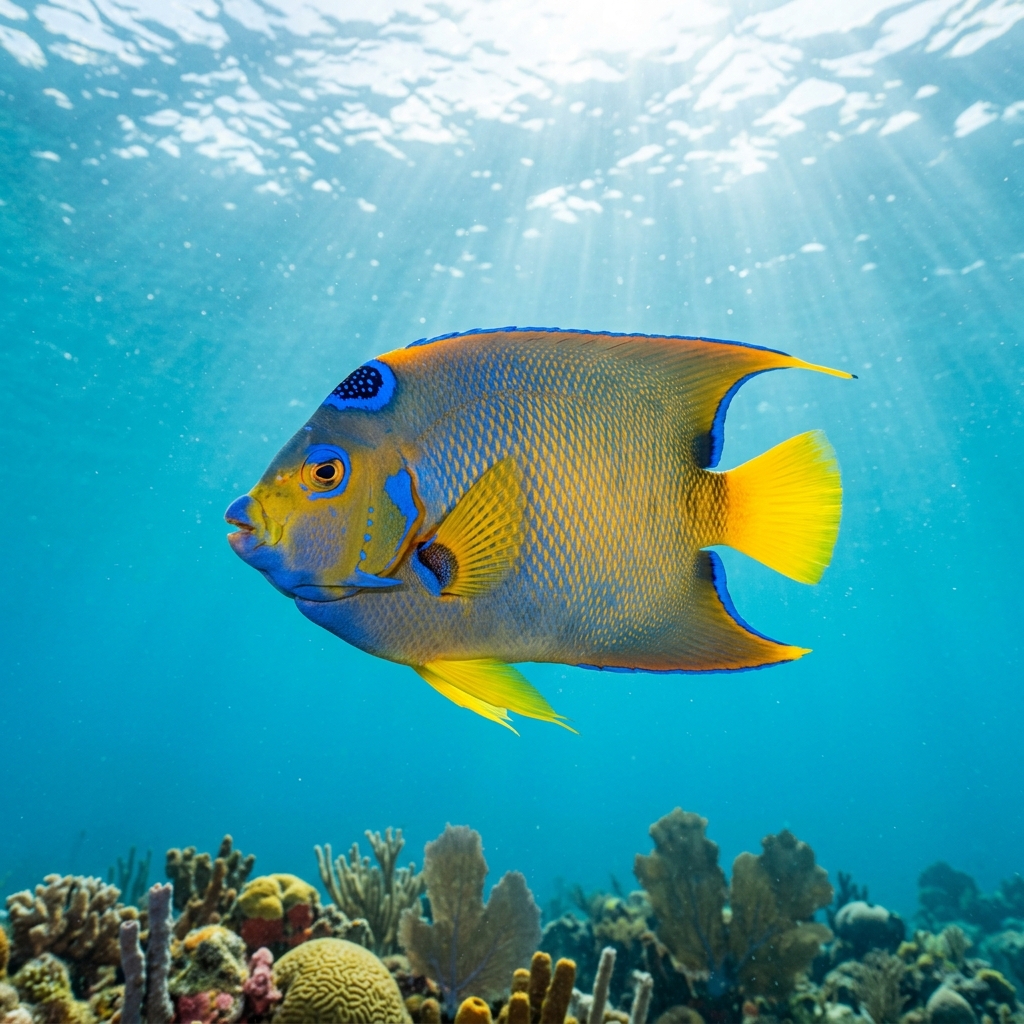
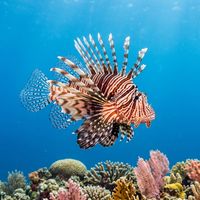
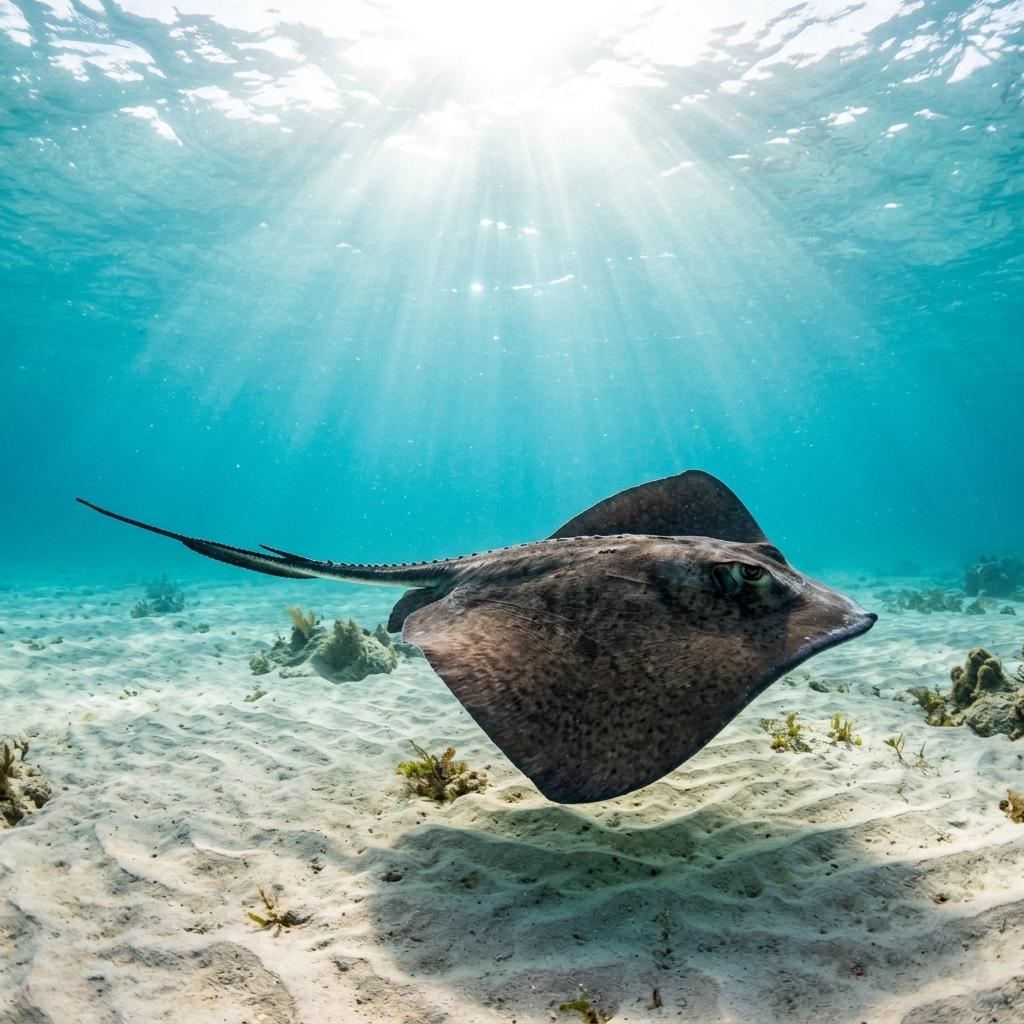
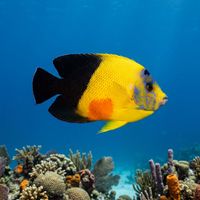
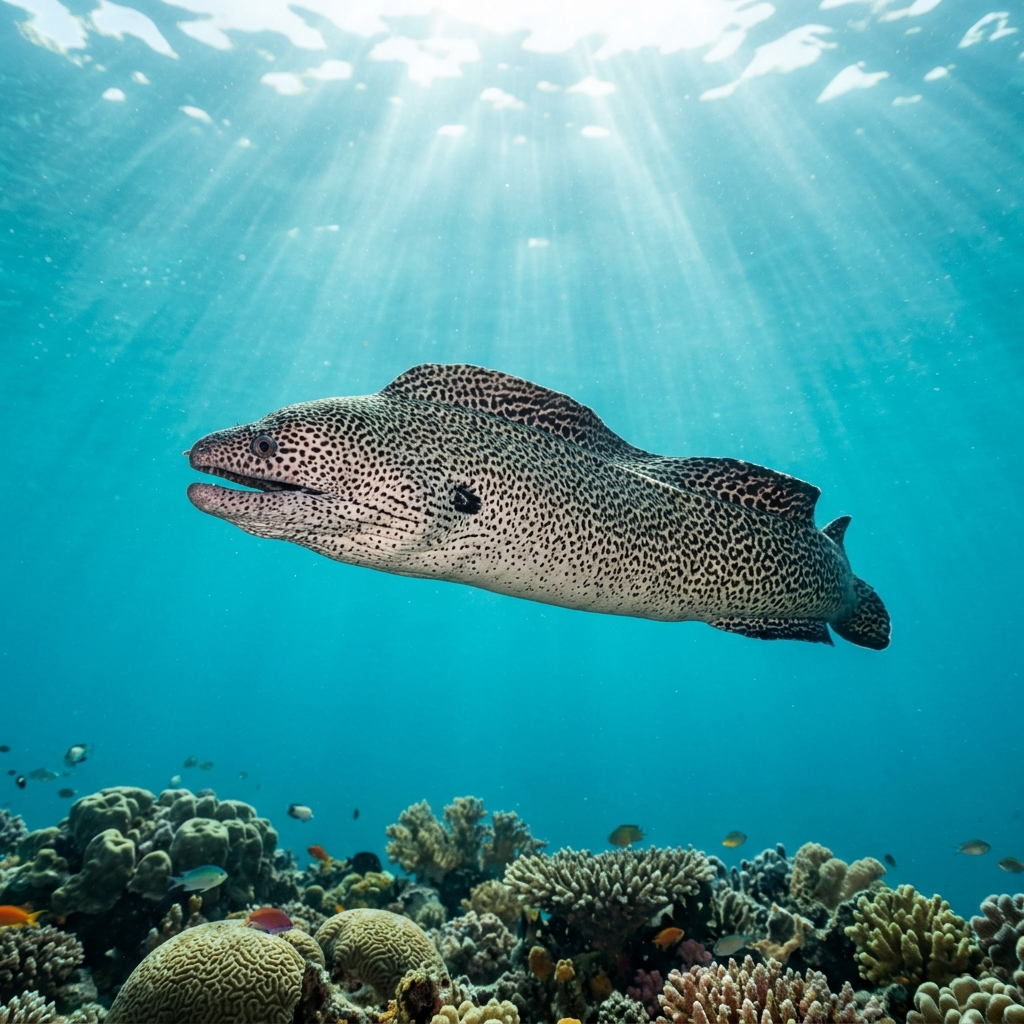
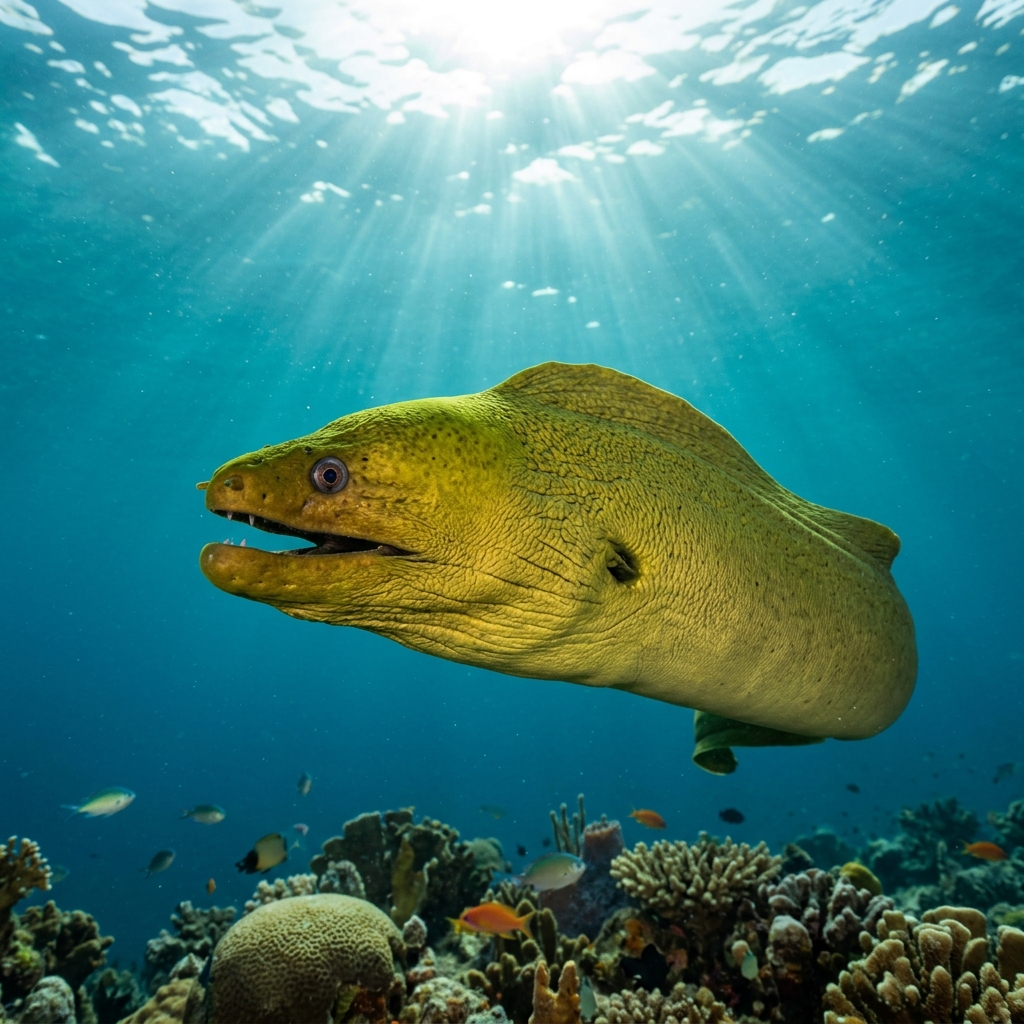
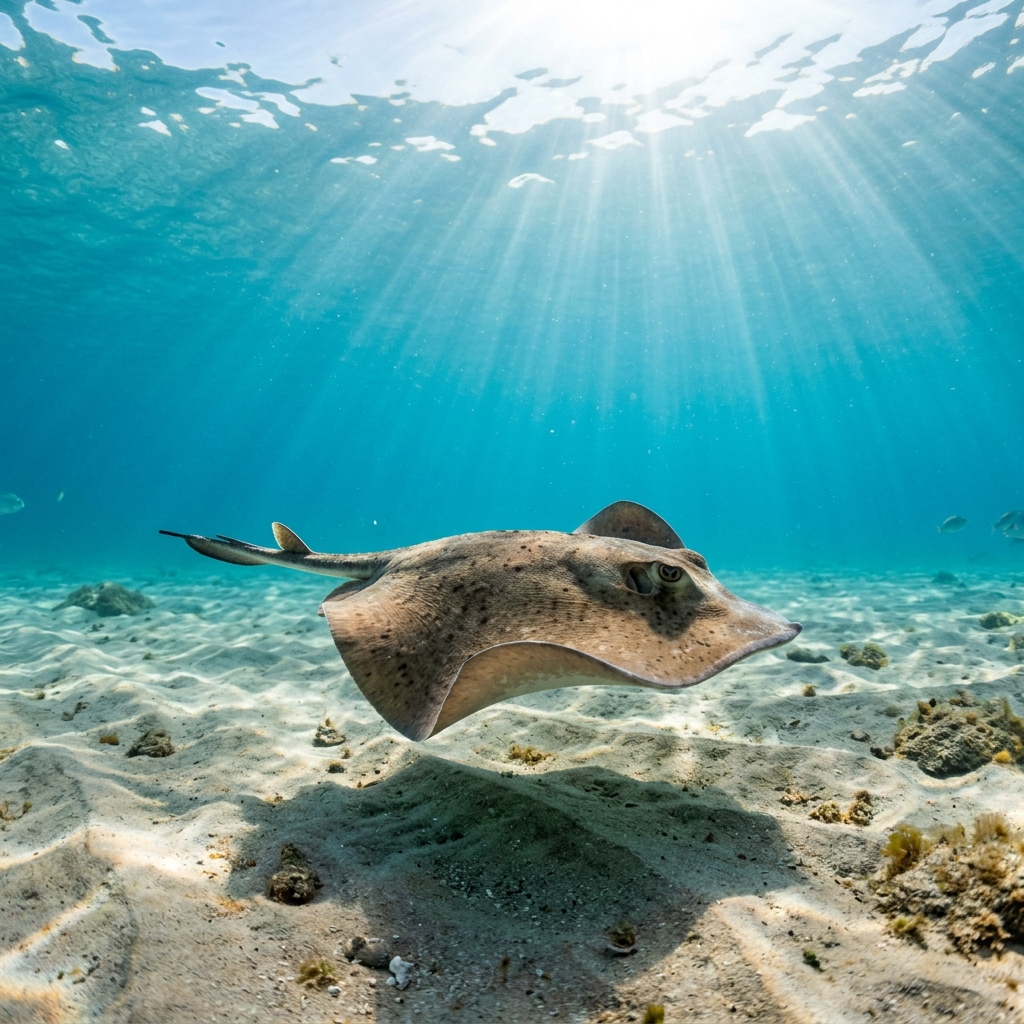
Puerto Morelos offers a reef-led dive programme that spans shallow coral gardens, drift dives along walls, purpose-sunk wrecks, and freshwater cenote cave systems. Beginner sites cluster along the barrier reef close to shore, with boat access opening up deeper walls and drift lines for intermediate and advanced divers. Signature encounters include the Queen Angelfish, Nurse Shark, Chupare Stingray, and Indian Lionfish. The C-56 Juan Escutia wreck and Cenote Maravillas draw advanced divers seeking something beyond the reef.

Monthly water temperature across Puerto Morelos's sites, from satellite sea-surface data corrected for depth. The band shows the site-to-site spread.
Water stays warm throughout the year, rising to its peak during late summer and remaining comfortable even in the cooler months of January through March. Conditions are generally calmest from May through June, which aligns with the strongest showing in the best-months data. Drift potential increases at wall and deep reef sites, so divers should factor current into site selection when planning trips outside the peak window.
10 operators
Mexico
Alfredo V. Bonfil, Mexico
17 more sites to explore
Water temperature around Puerto Morelos ranges from about 27°C in January to 30°C in August, based on satellite sea-temperature data for its dive sites.
With water around 27–30°C, a rash guard or 3mm shorty works in Puerto Morelos year-round.
Fin maps 29 sites in Puerto Morelos (28 scuba diving sites and 2 snorkelling spots, with some suited to both).
Across Puerto Morelos's dive sites, May, June, July, August and September are most often reported as the best months to visit.
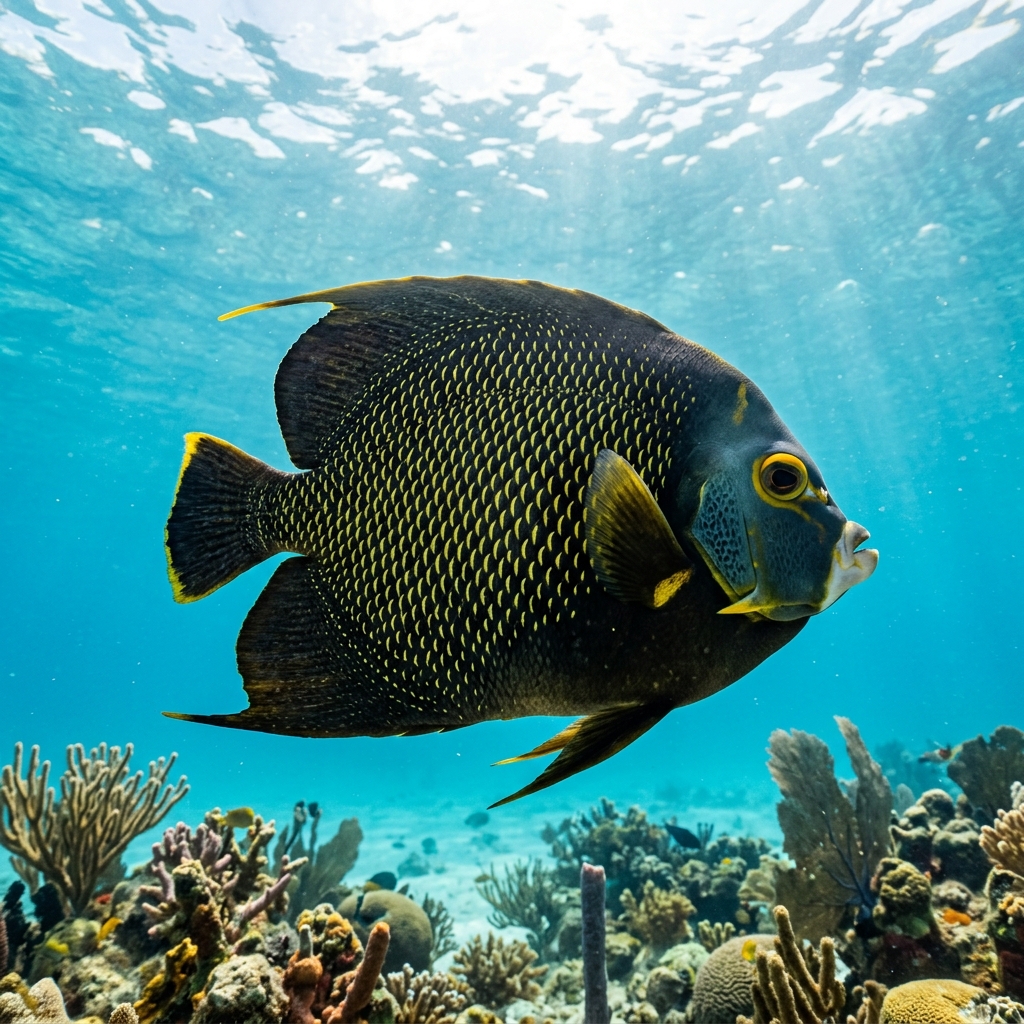
The reef system hosts a rich cross-section of species. Queen Angelfish, French Angelfish, and Blue Tang are seen on almost every dive. Nurse Shark and Chupare Stingray are regularly encountered, and Indian Lionfish and Spotted Scorpionfish reward attentive divers who scan the coral carefully. Caribbean Spiny Lobster shelter in crevices and beneath man-made lobster homes at sites such as Mini Wall.
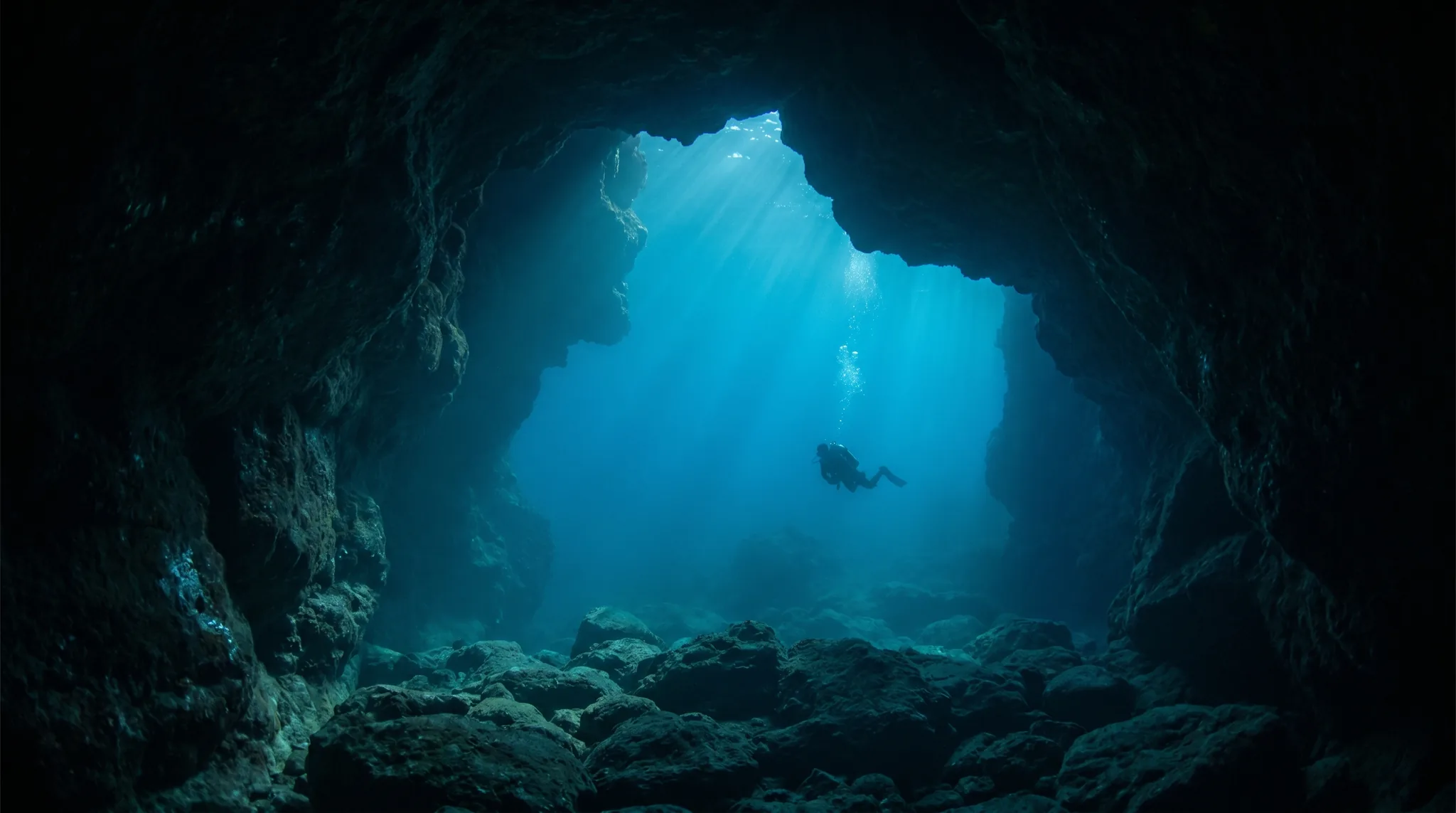
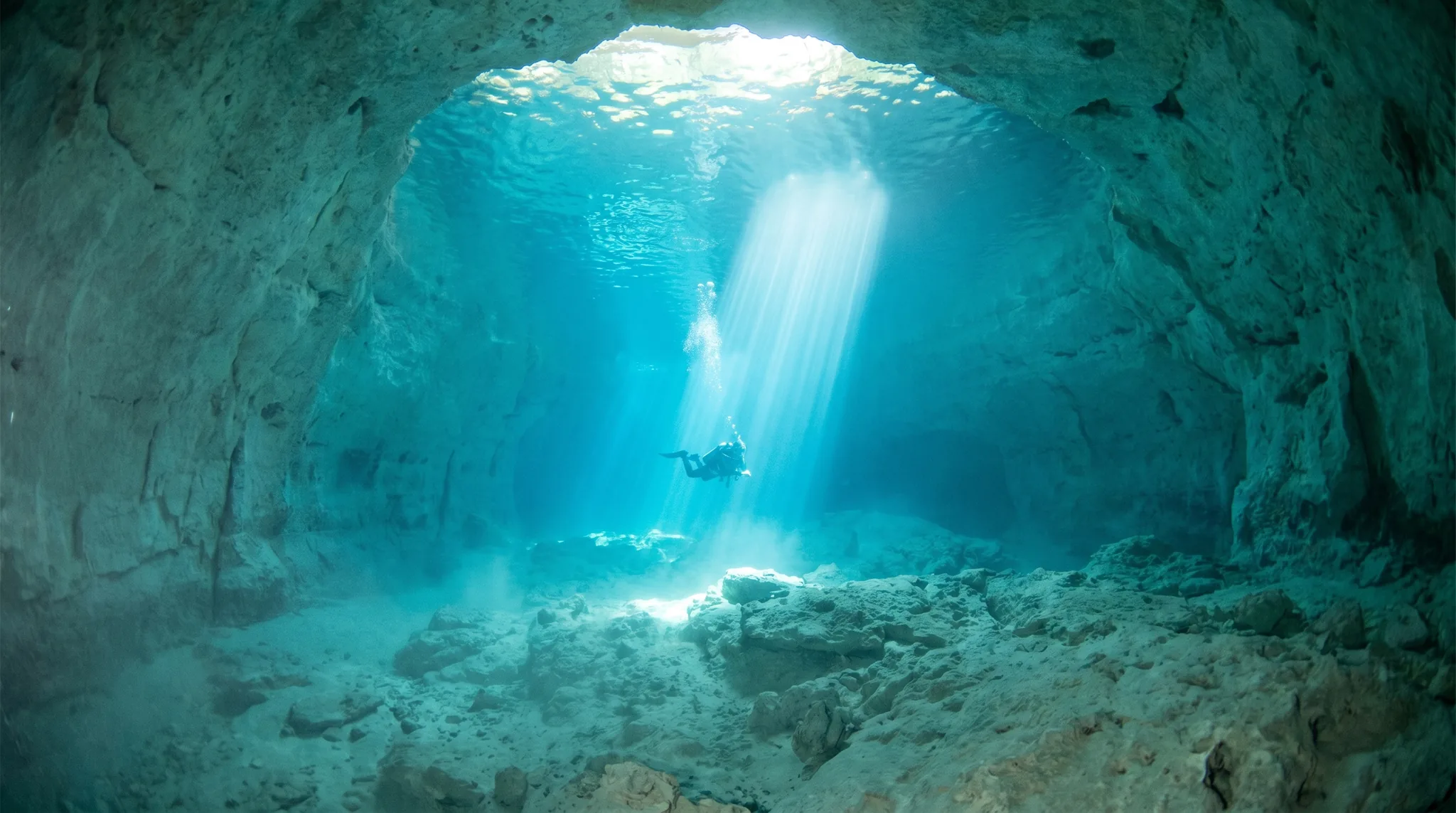
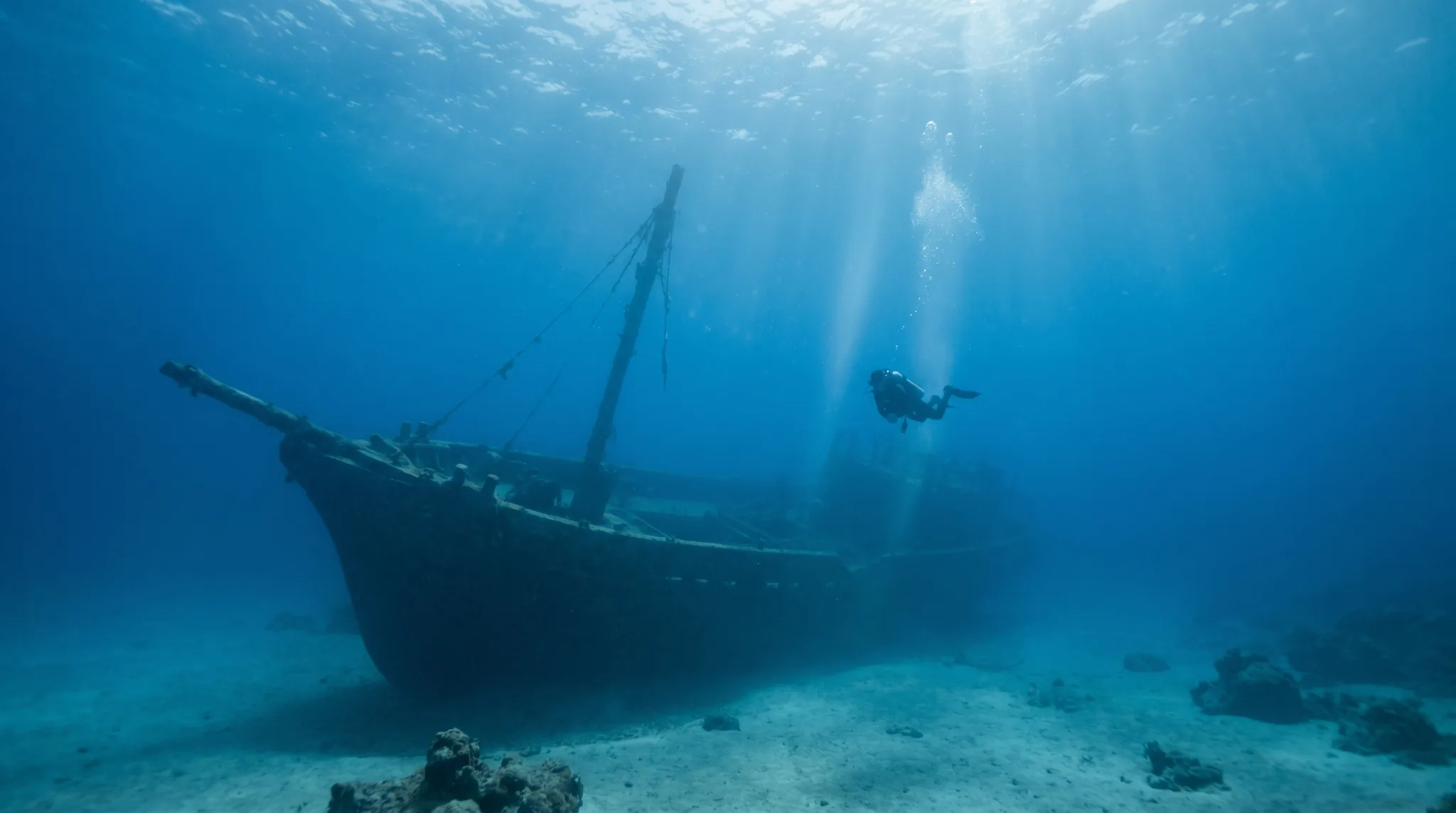
The majority of sites here are rated beginner level, including the reef directly off the town shore, Fish Market, J-3, and Puentes. These are shallow, boat-accessible reefs with mild currents. Advanced sites such as the C-56 Juan Escutia wreck and the cenote cave systems at Cenote Maravillas and Cenote Zapote require relevant certification and experience, so there is a clear progression available as skills develop.
Shore entry is available at the namesake reef site and at the cenote sites, making it easy to get in the water without organising a boat for those particular dives. The bulk of the reef programme, however, runs on boat-based trips departing with operators such as Scuba Public Diving, DiveMex, or Pluto Dive. Boat access opens up drift sites like The Corner and Moc Che Deep that are too far offshore for a practical shore entry.
The site mix covers four quite different environments within a compact area. Shallow coral reef and artificial reef structures suit newcomers and photographers. Wall and drift dives along the barrier reef offer more dynamic conditions. The scuttled C-56 Juan Escutia provides a wreck experience at depth. Inland, the freshwater cave and cavern systems of Cenote Maravillas and Cenote Zapote are a truly separate discipline requiring cave certification.