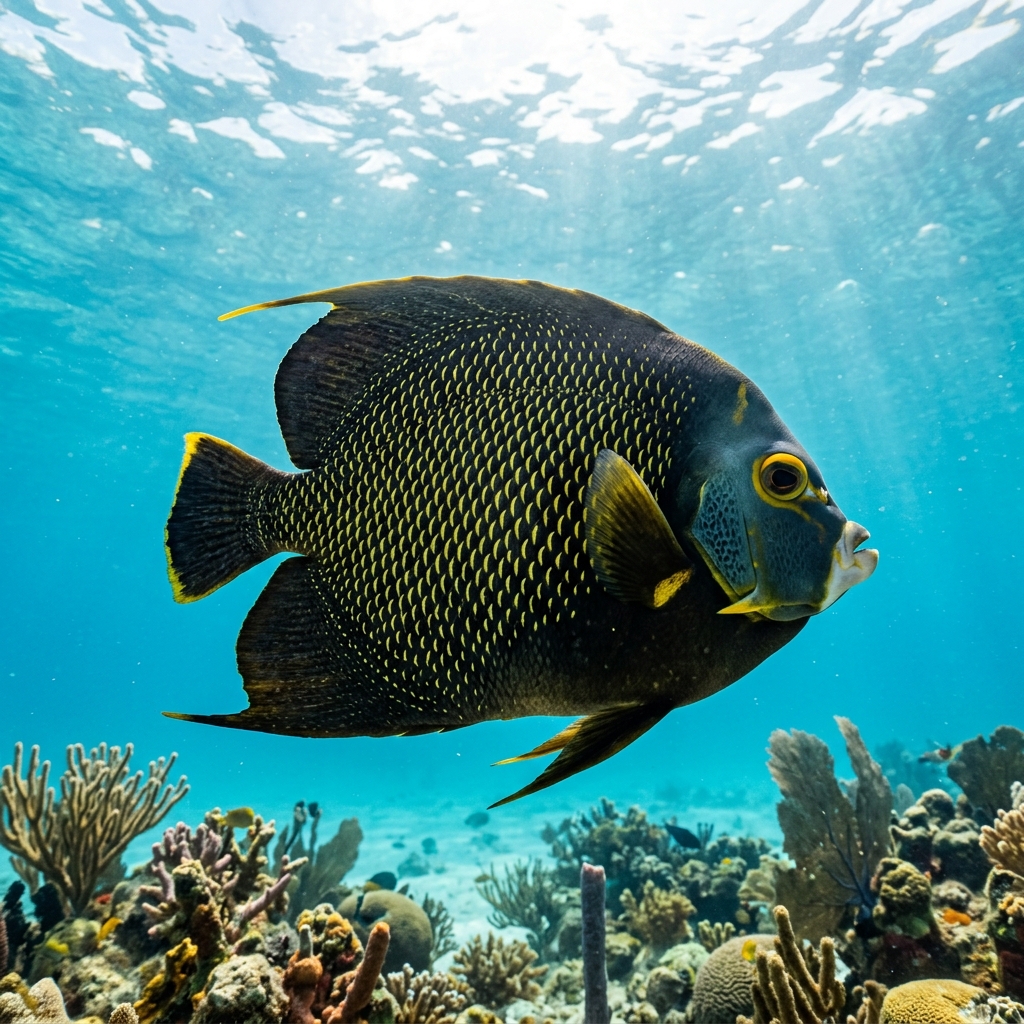
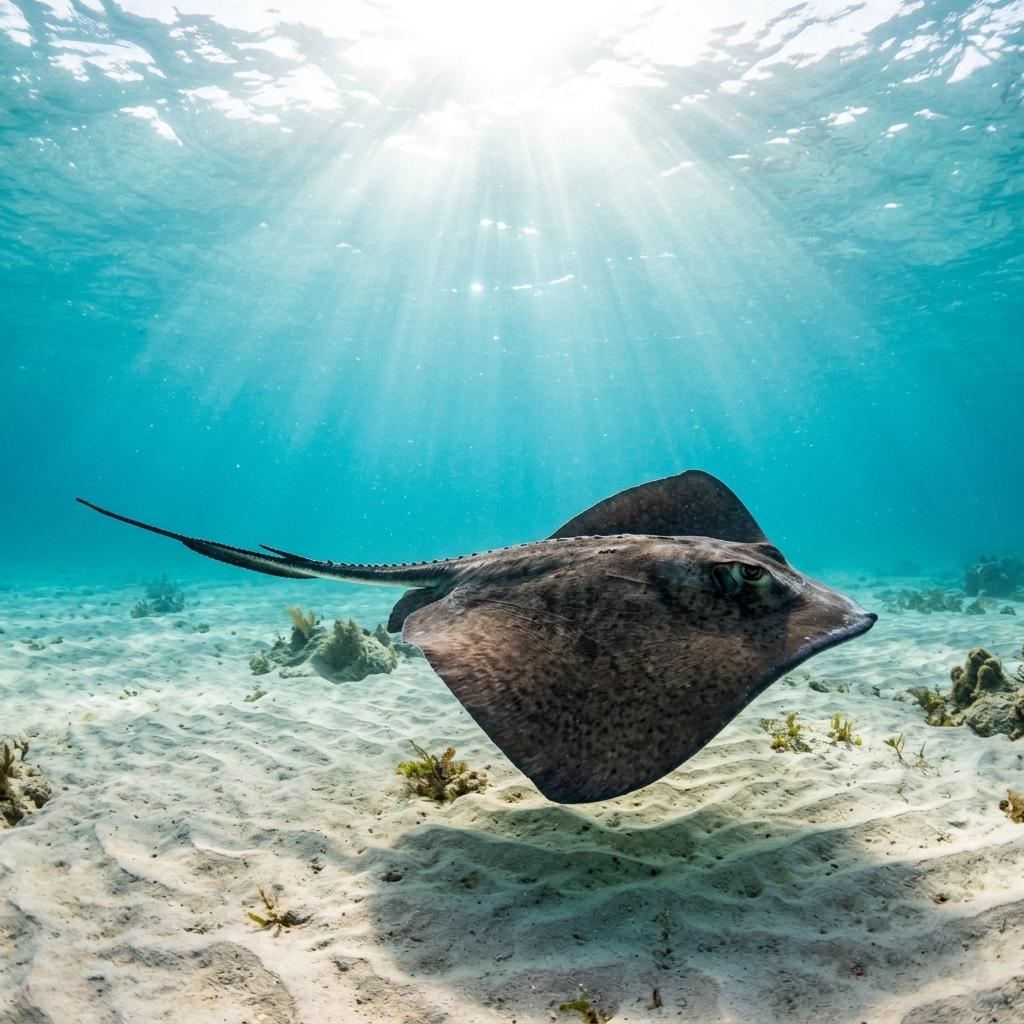
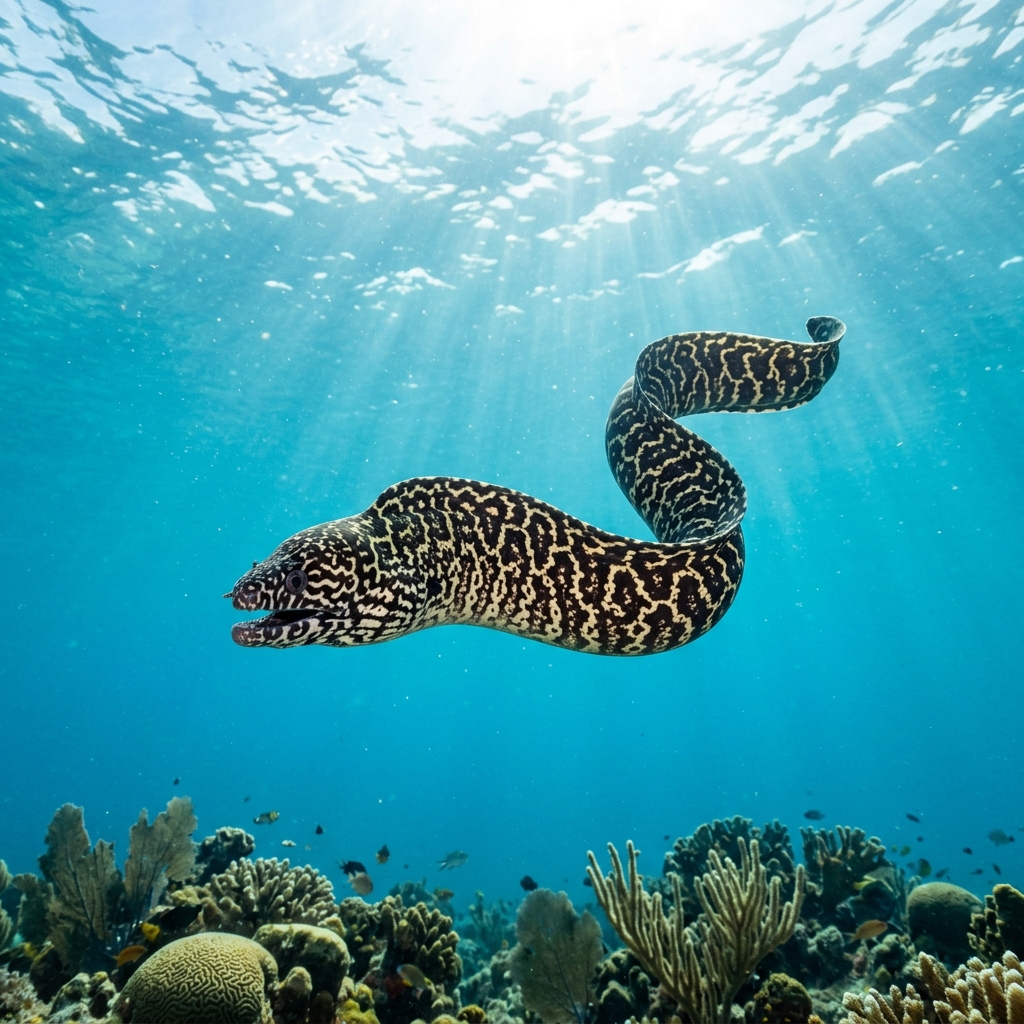
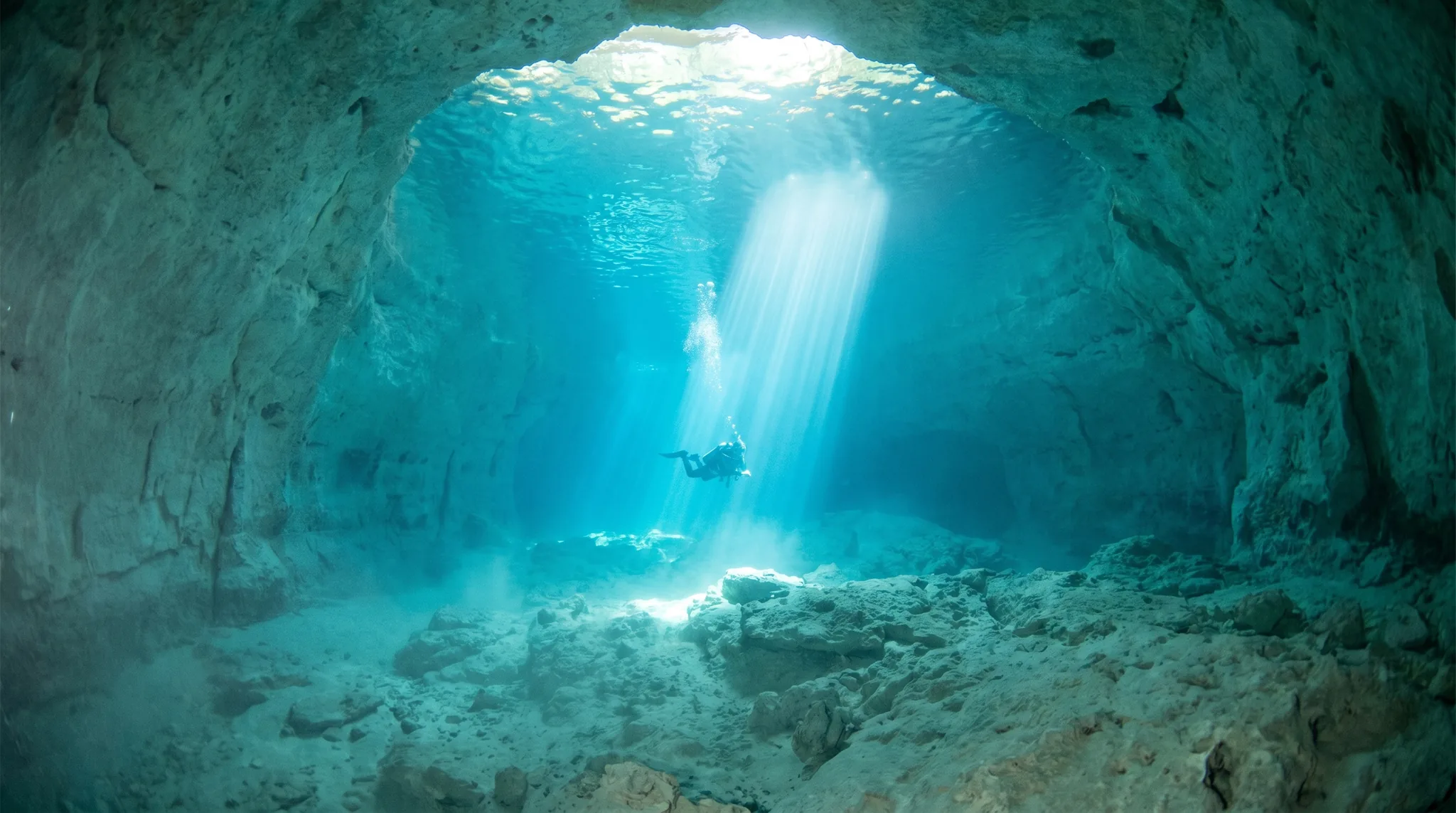
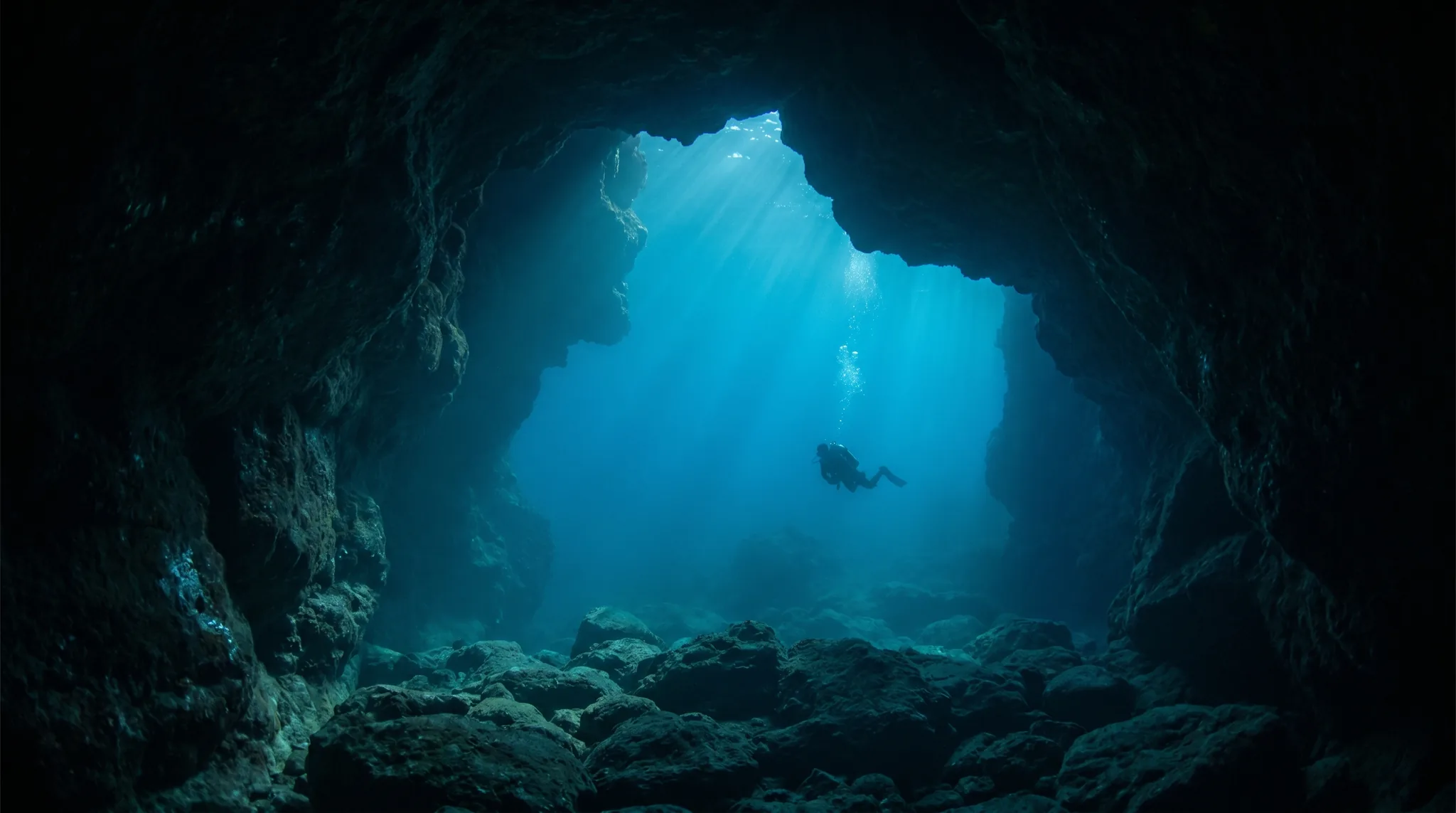
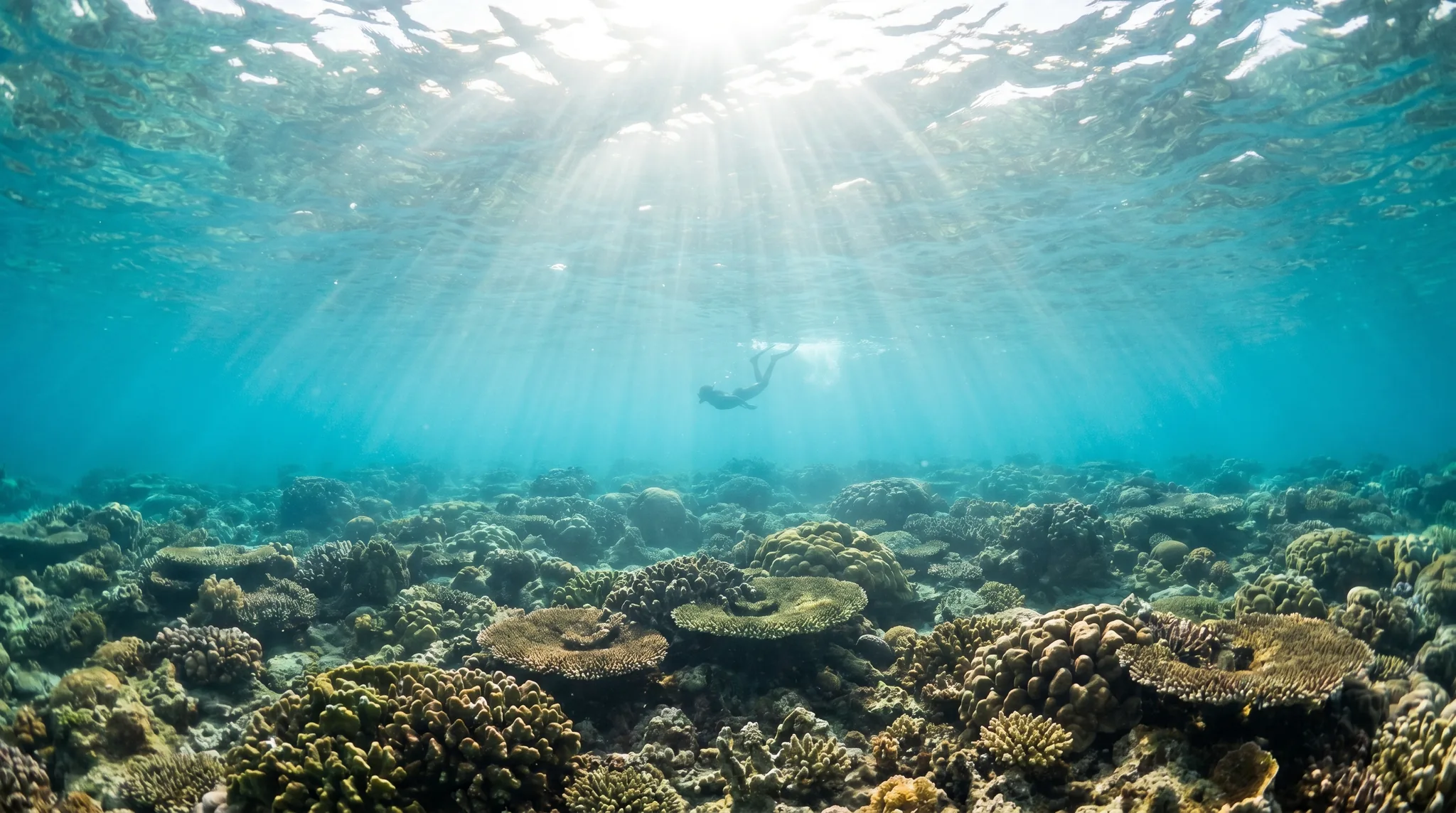
Akumal divides neatly between its freshwater cenote systems and its barrier reef. The cenotes range from shallow, light-filled caverns accessible to beginners through to deep, halocline-layered cave dives for advanced divers. Offshore, reef sites such as Akumal Reef, Tortuga Reef and Las Esponjas host French Angelfish, Chupare Stingray, multiple moray species and Great Barracuda. The Pelicano Wreck adds a deeper, boat-accessed option for those wanting something different. Conditions are warm year-round, with the calmer months falling from March through May.
Monthly water temperature across Akumal's sites, from satellite sea-surface data corrected for depth. The band shows the site-to-site spread.
Water stays warm throughout the year, rising to its peak in late summer and early autumn, then easing slightly through winter. The histogram favours March through May as the most popular window, likely when visibility in both cenotes and reef sites is most reliable. Summer months remain perfectly diveable but coincide with warmer, busier conditions.
35 operators
Mexico
Mexico
50 more sites to explore
Water temperature around Akumal ranges from about 27°C in January to 30°C in August, based on satellite sea-temperature data for its dive sites.
With water around 27–30°C, a rash guard or 3mm shorty works in Akumal year-round.
Fin maps 62 sites in Akumal (54 scuba diving sites and 15 snorkelling spots, with some suited to both).
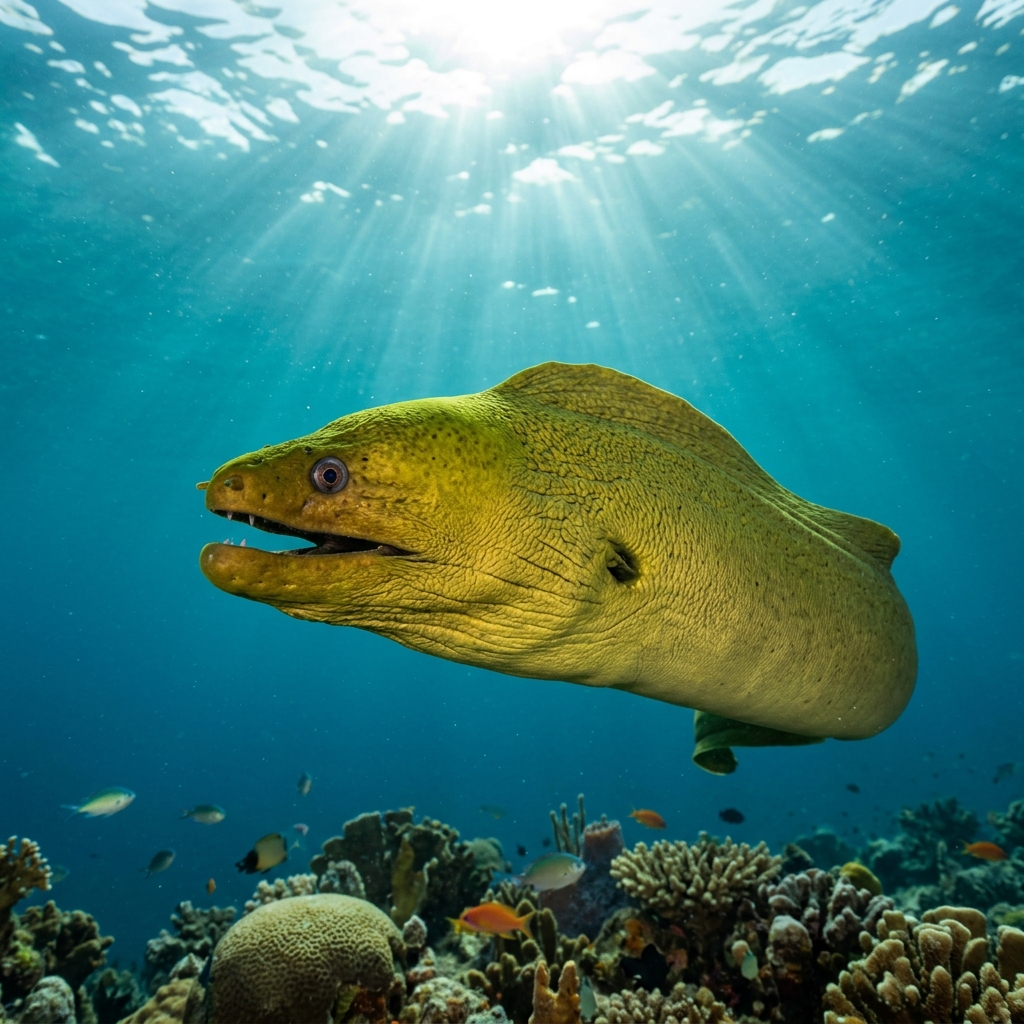
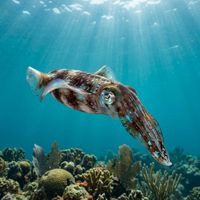
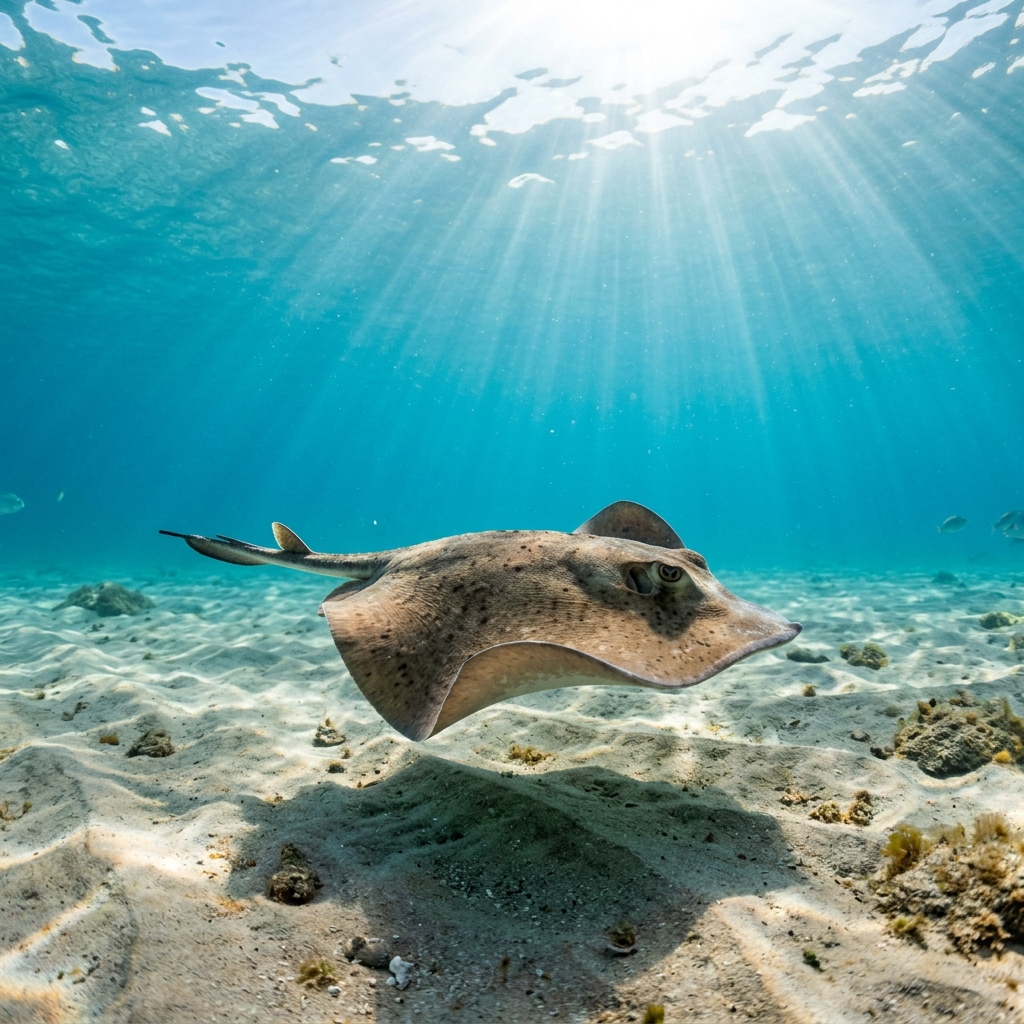
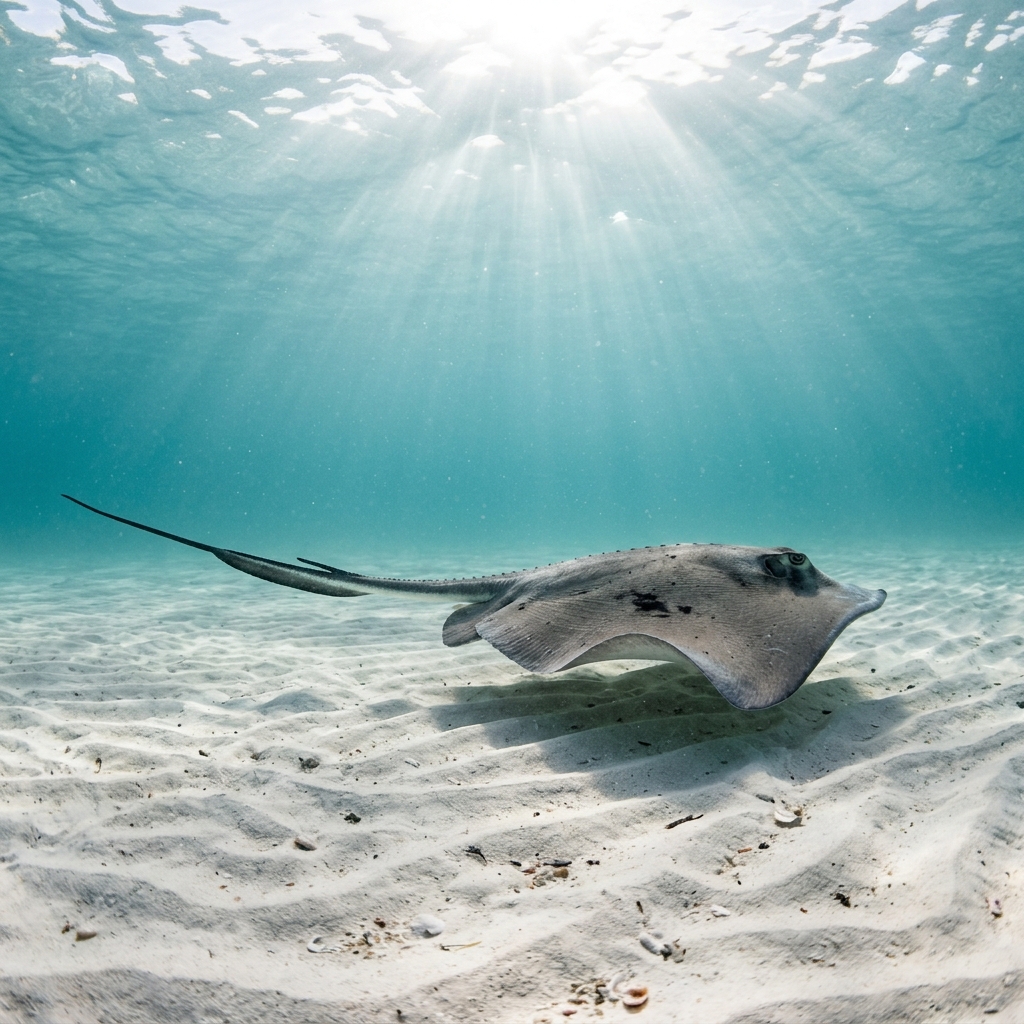
Reef sites regularly produce sightings of French Angelfish, Chupare Stingray, Blue Tang, Bluehead Wrasse and Reef Squid. Moray encounters are particularly notable, with both Chain Moray and Green Moray observed across many sites. Great Barracuda and Mutton Snapper are also commonly seen, alongside Flamingo Tongue on the coral.
A good number of sites are rated beginner level, including Cenote Cristalino, Little Brother Cenote, Cenote Chikin Ha and the reef sites Akumal Reef, Tortuga Reef and Esquela. Intermediate and advanced sites such as Tak Be Lum, Taak Bi Ha and Cenote El Pit are also available for more experienced divers. The range means Akumal works well for mixed-ability groups.
The cenotes are freshwater, shore-entry systems with overhead environments, haloclines and geological formations such as stalactites. Sites like Cenote El Pit involve deeper, more dramatic conditions suited to advanced divers. The reef sites sit offshore and require a short boat trip, offering warm saltwater diving among coral, sea fans and reef fish in open-water conditions.
Shore entry is very common, particularly for the cenote sites, where most dives begin directly from land. The offshore reef sites, including Akumal Reef, Tortuga Reef and Las Esponjas, are reached by boat. Cenote El Pit offers both entry options. Operators such as Blue Experience Diving, Yucatan Dive Crew and The Cenote Guy are among those providing guided access to both site types.