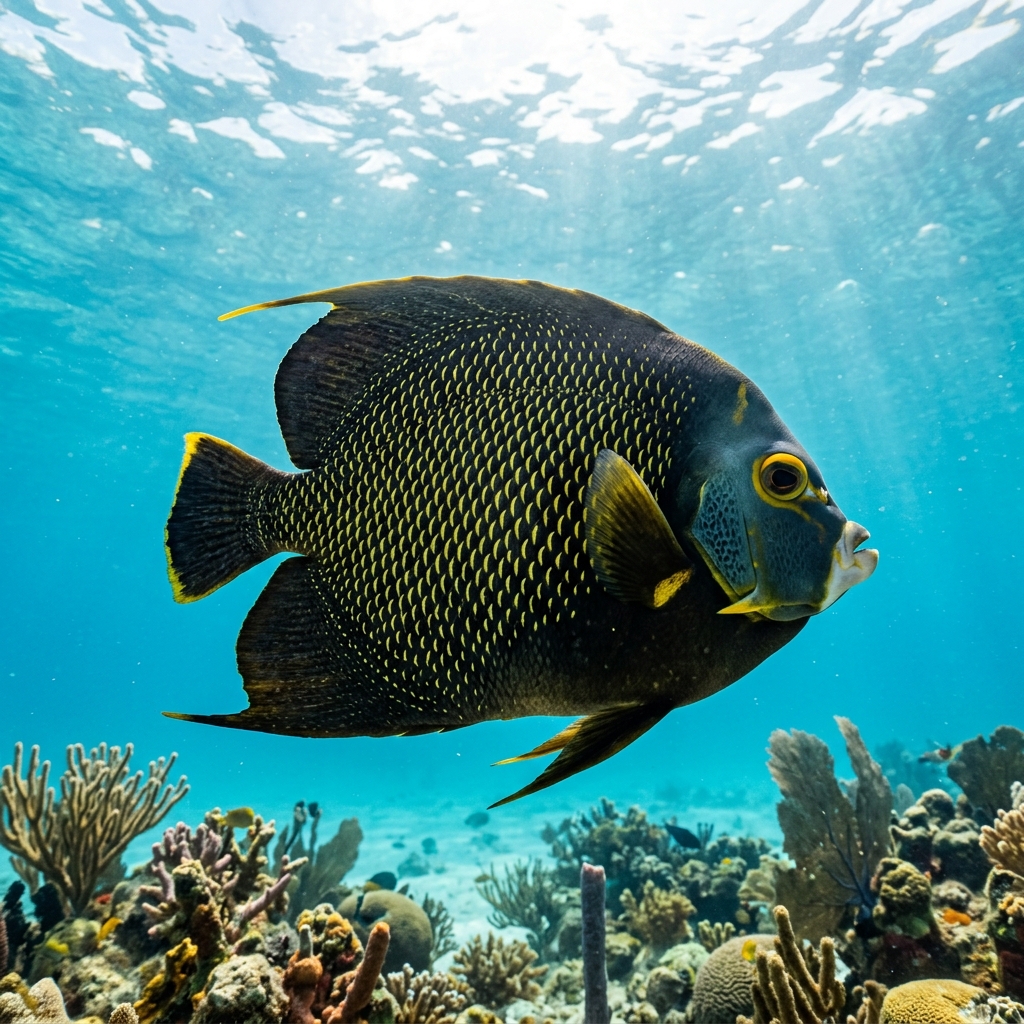
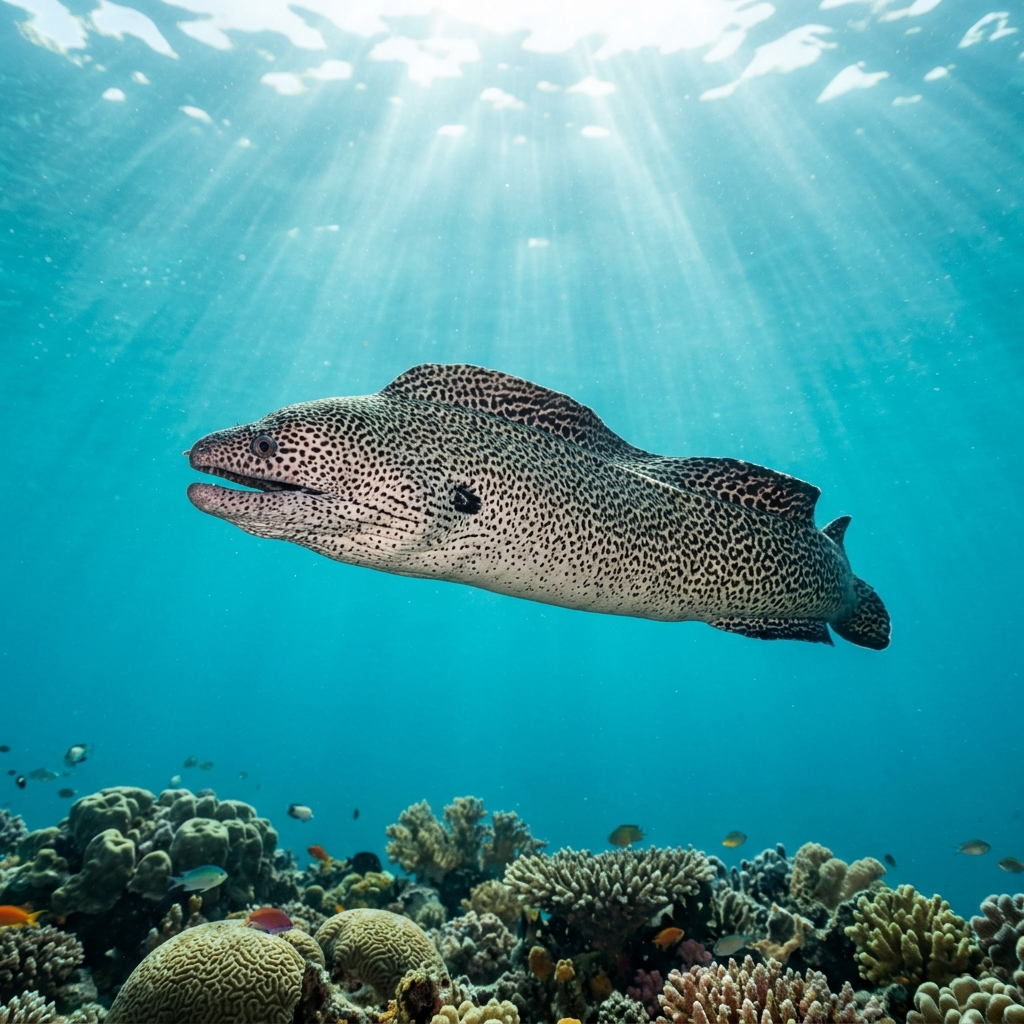
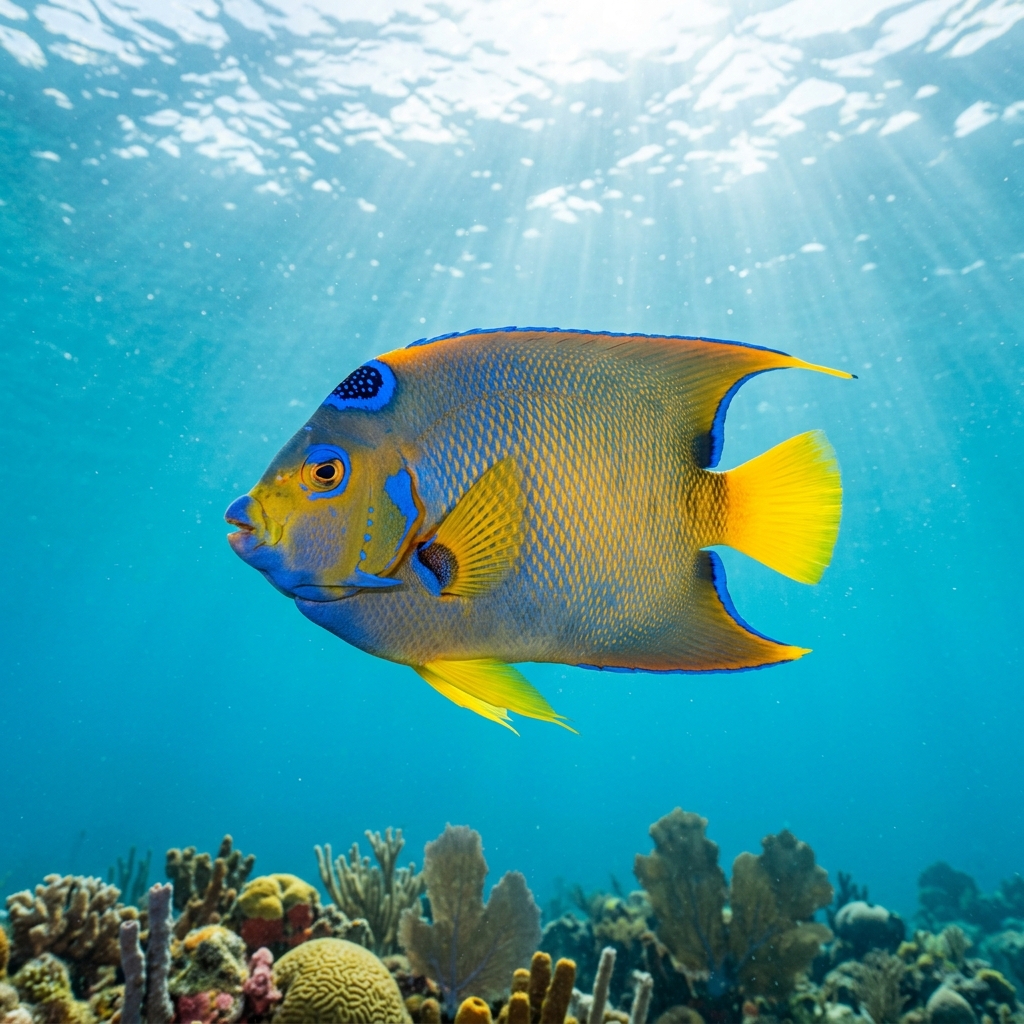
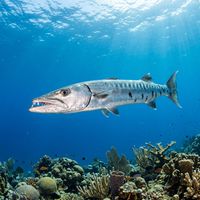
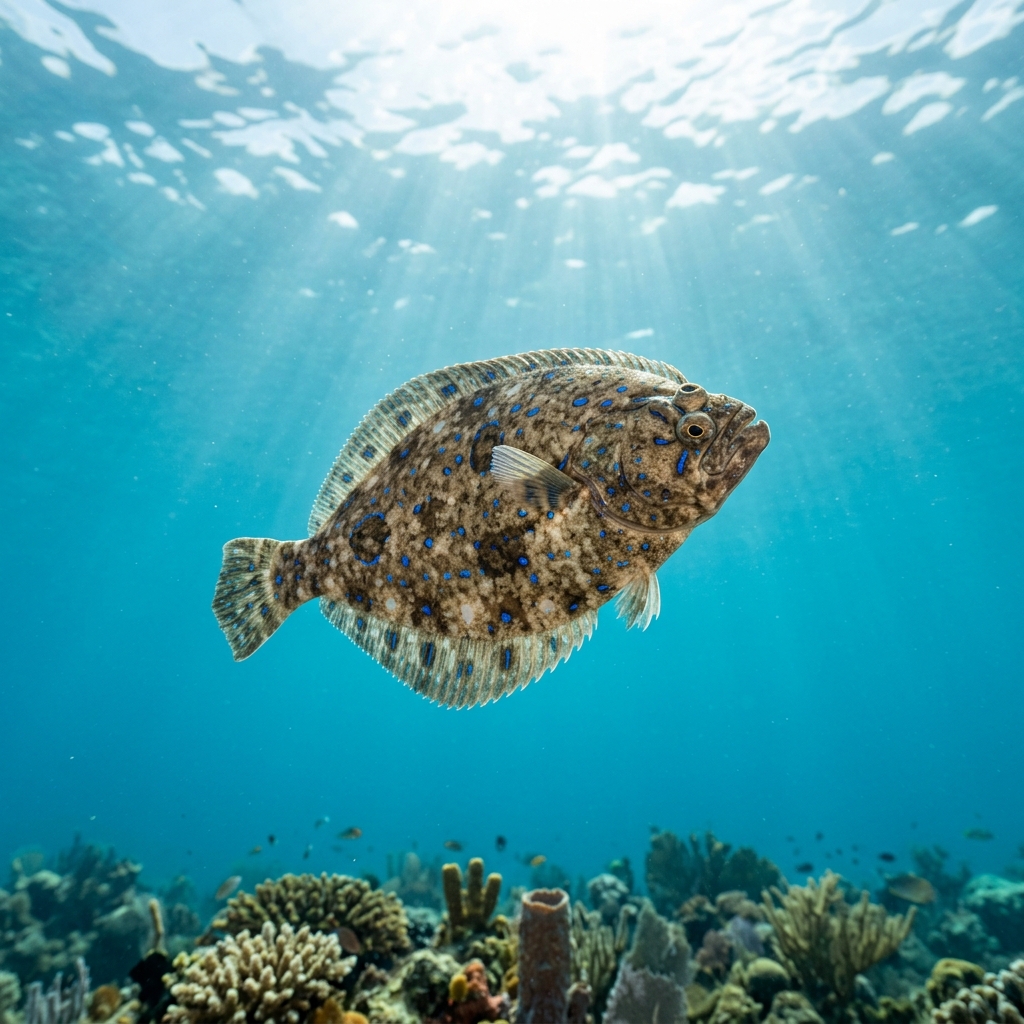
Cozumel's diving ranges from shallow beginner reefs to deep walls with strong drift currents. Reef and wall combinations define the character here, with sites like Barracuda Point dropping dramatically and gentler spots such as Paraiso Bajo suiting newer divers. The C-53 Felipe Xicotencatl wreck adds variety as an established artificial reef. Marine life is rich across the board: French Angelfish, Nurse Shark, Great Barracuda, and Spotted Moray are all regularly observed. Water stays warm year-round, peaking in late summer.
Monthly water temperature across Cozumel's sites, from satellite sea-surface data corrected for depth. The band shows the site-to-site spread.
Water temperature remains warm throughout the year, nudging its highest in late summer and early autumn, making a light wetsuit comfortable in most months. Visibility is reliably strong, particularly from March through May and again in December, which aligns with when divers rate conditions most favourably. Drift diving is a defining feature of the region, so currents can be brisk at exposed wall sites and require appropriate experience.
35 more sites to explore
Water temperature around Cozumel ranges from about 27°C in January to 30°C in August, based on satellite sea-temperature data for its dive sites.
With water around 27–30°C, a rash guard or 3mm shorty works in Cozumel year-round.
Fin maps 47 sites in Cozumel (45 scuba diving sites and 8 snorkelling spots, with some suited to both).
Across Cozumel's dive sites, January, February, March, April, May and December are most often reported as the best months to visit.
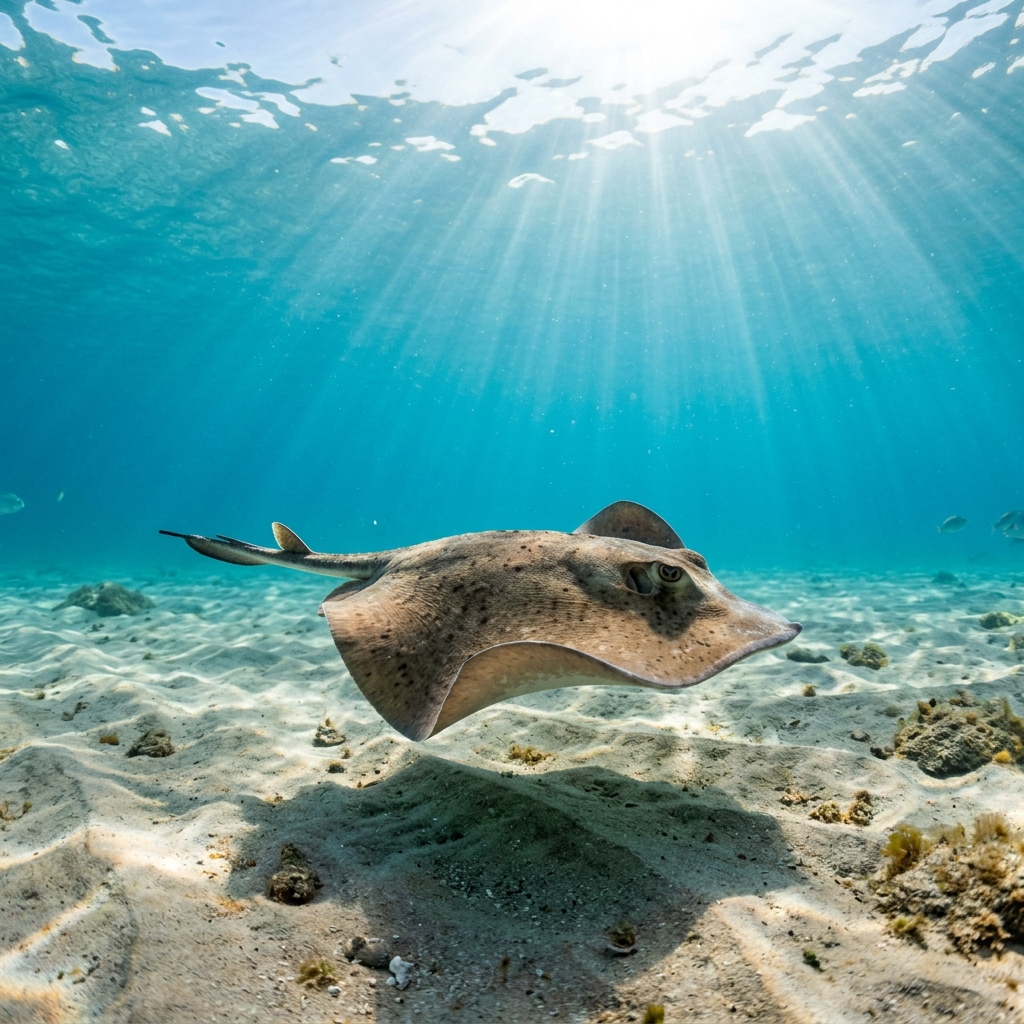
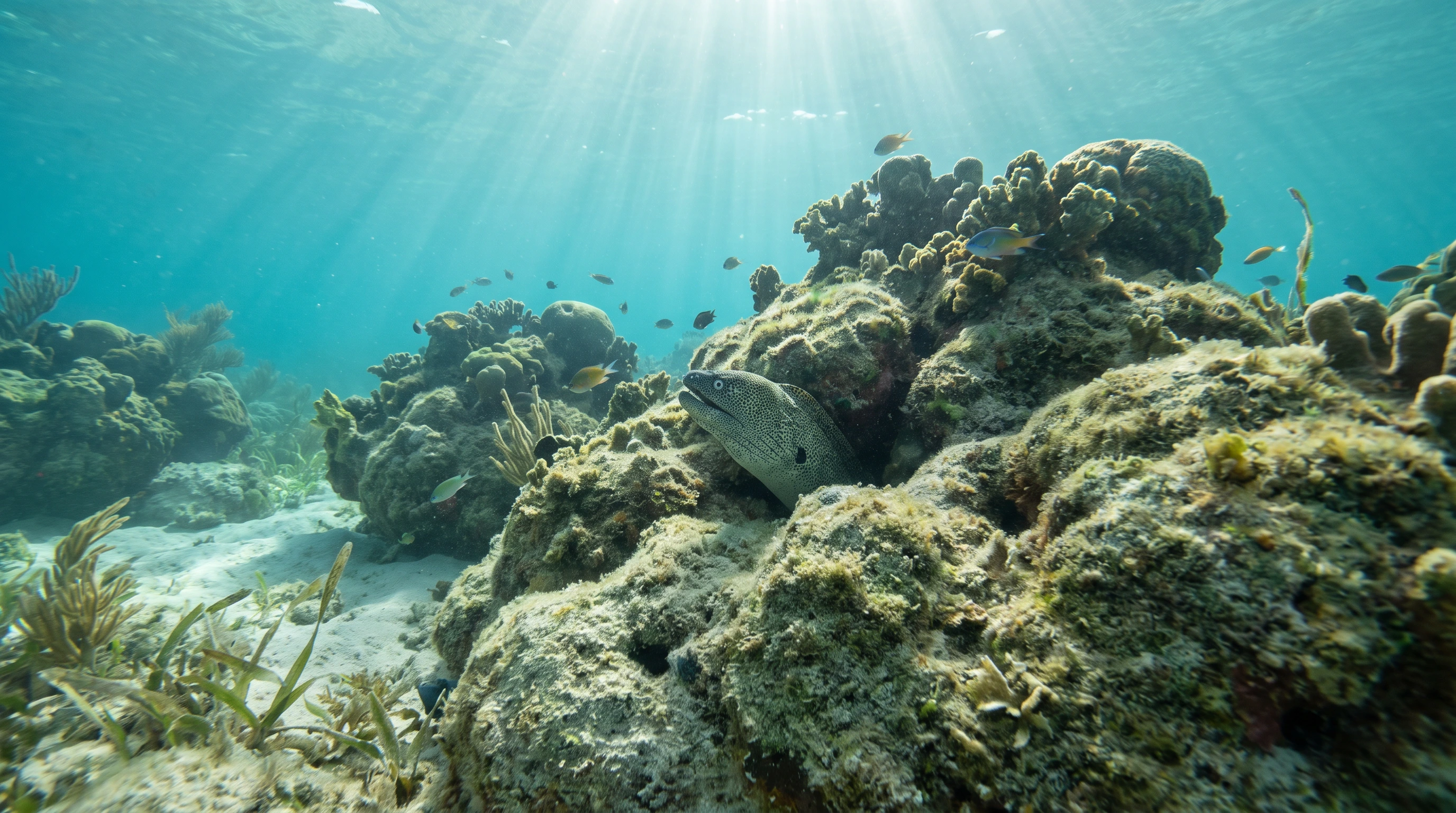
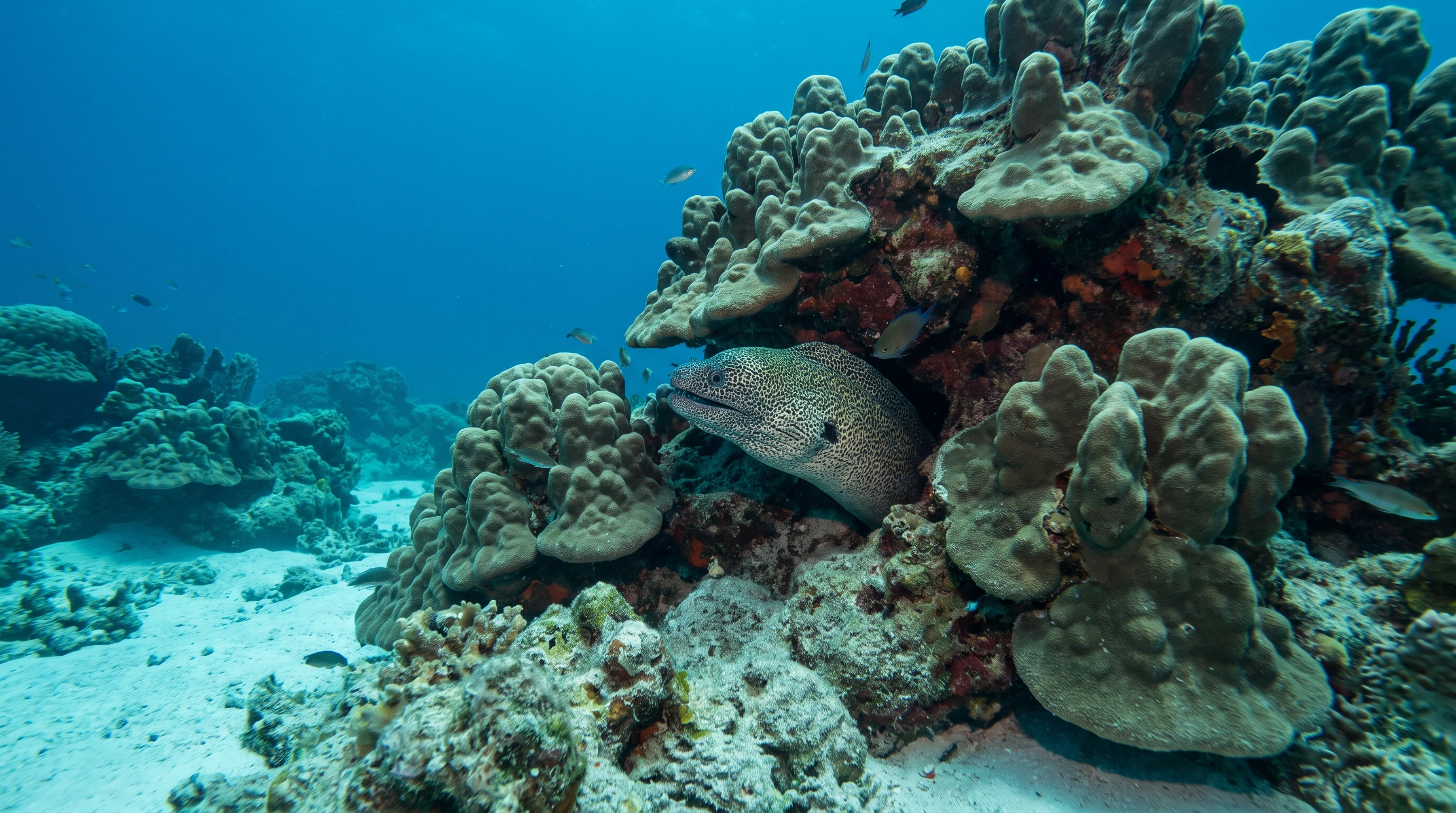
Cozumel's reefs host a wide range of observed species. French Angelfish and Queen Angelfish are seen across the majority of sites, alongside Spotted Moray, Chain Moray, and Nurse Shark resting on sandy patches. Great Barracuda patrol the water column, while Peacock Flounder, Round Stingray, and Caribbean Reef Octopus reward divers who look closely at the substrate.
A good portion of the sites listed here are rated beginner level, including Paraiso Bajo, Paraiso Reef, and La Palomita, which offer shallow reef diving in calm conditions. That said, several sites such as Barracuda Point and Barracuda Reef involve deep walls and strong currents that require advanced skills and solid buoyancy control. Beginners should select sites carefully and dive with guidance.
Yes. The C-53 Felipe Xicotencatl is an intentionally sunk Mexican Navy minesweeper that now sits on a sandy bottom and functions as an artificial reef. It is rated intermediate and accessed by boat, making it a step up from the purely shallow beginner reefs but accessible to divers with some experience. The wreck structure offers a different kind of diving from the coral reef and wall sites that dominate the region.
The majority of sites in Cozumel are boat-access only, which reflects the offshore nature of the reef and wall topography. A smaller number of sites, including Villa Blanca Shallows and Julio Kin, offer shore entry or a combination of both, giving more flexibility for independent divers. Drift sites in particular almost always require boat support to manage pick-up after the dive.