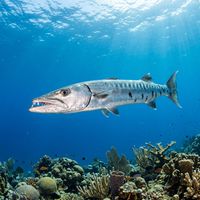
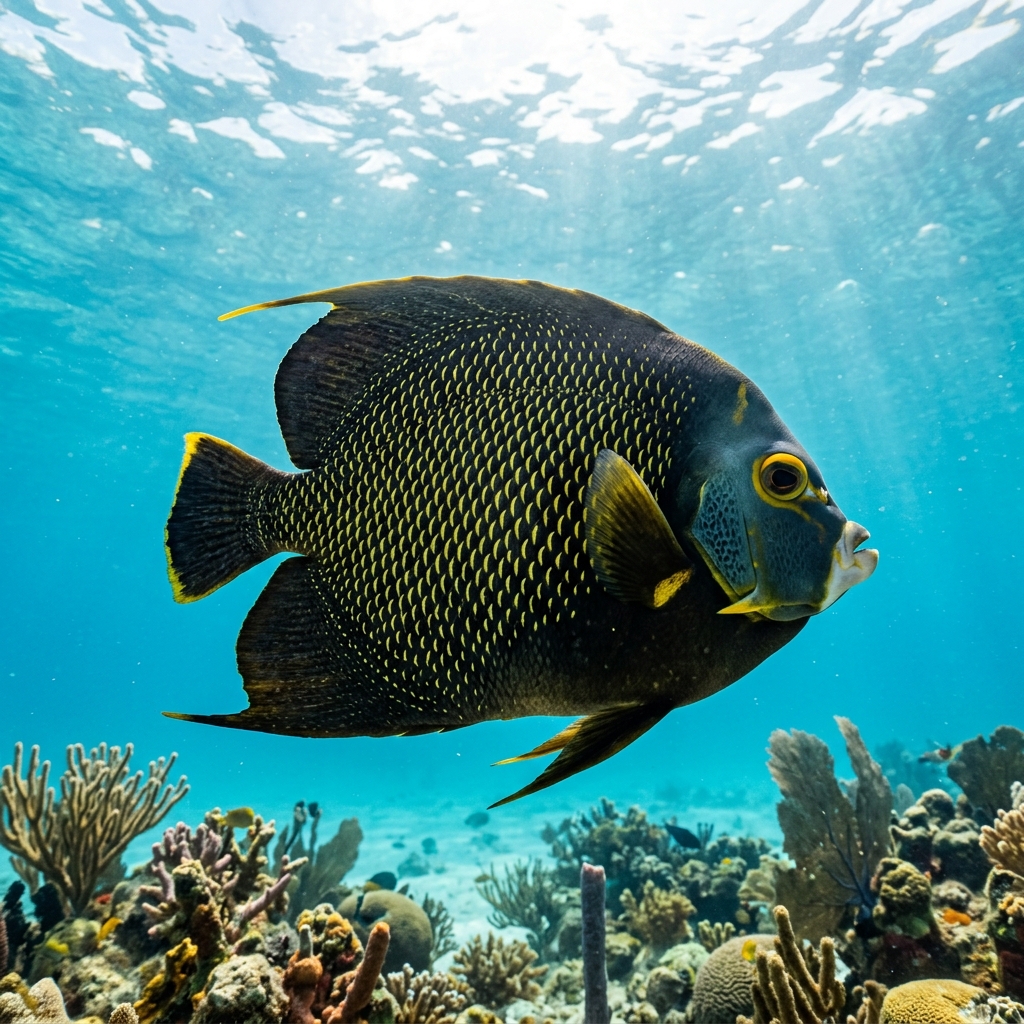
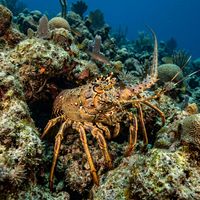
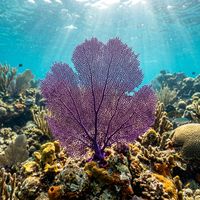
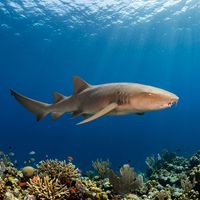
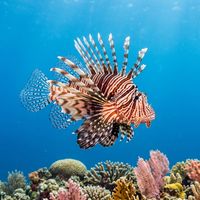
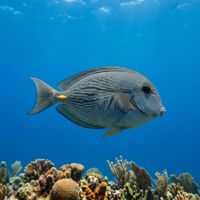
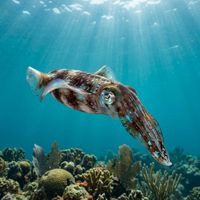
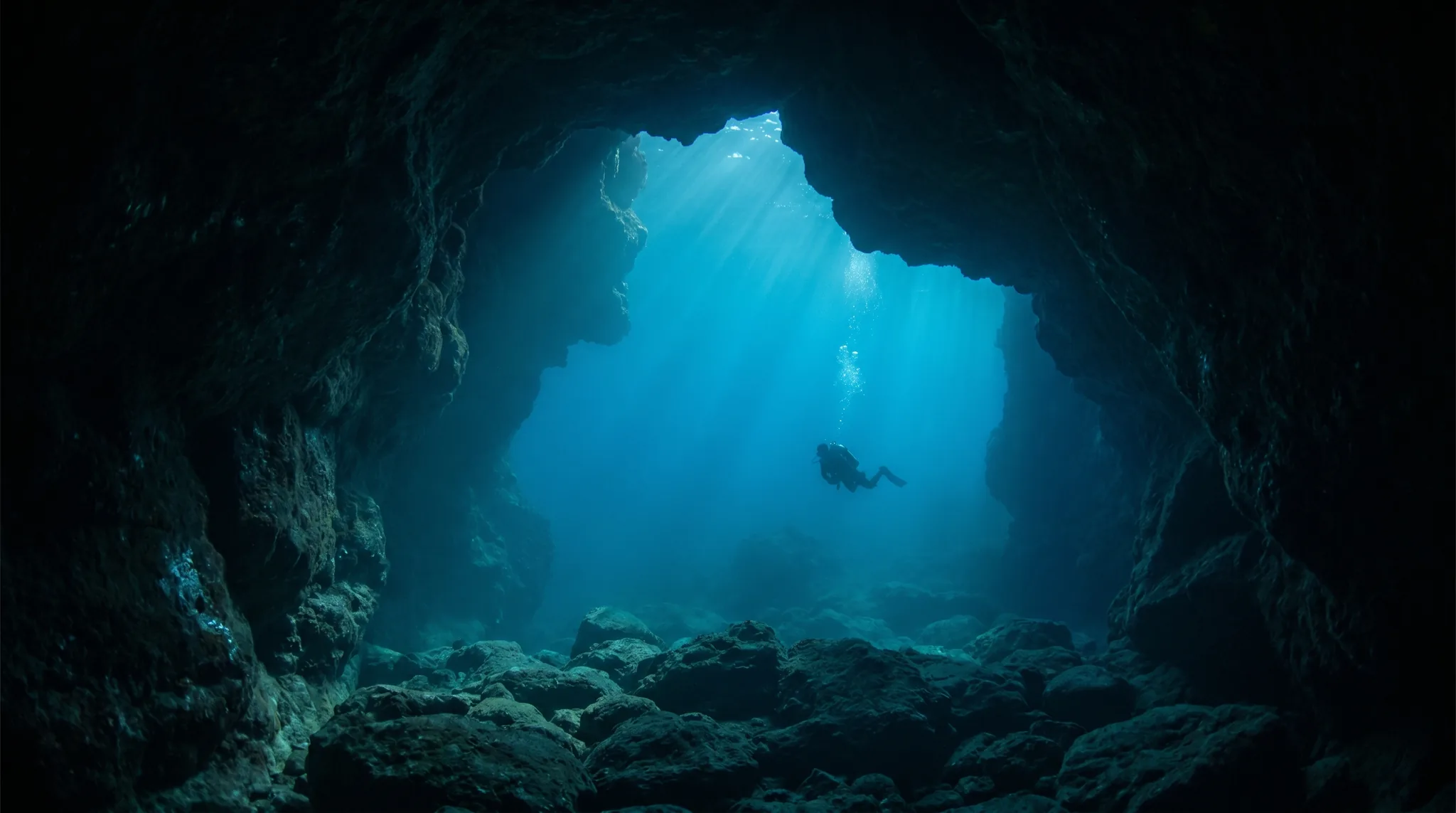
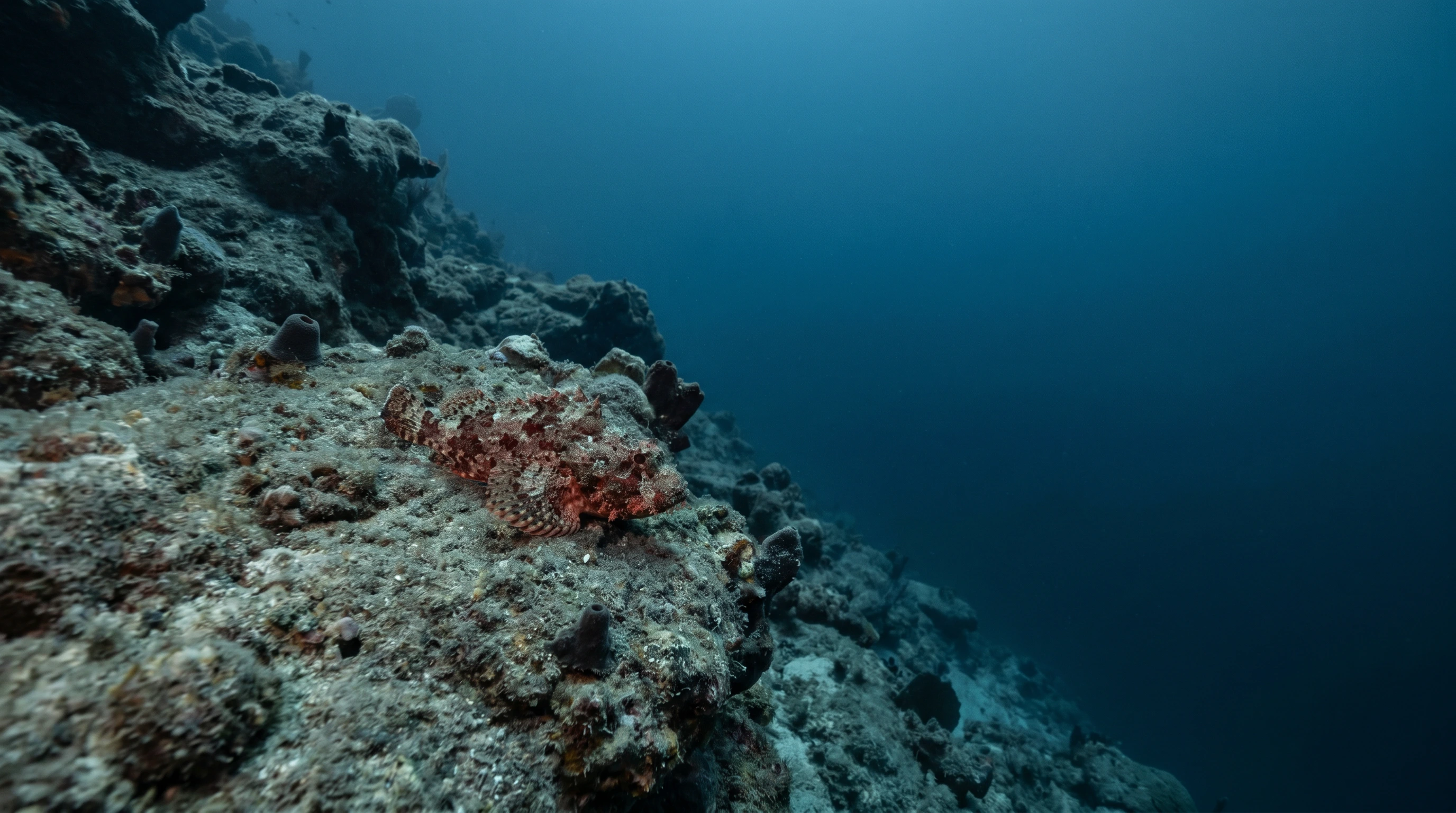
Costa Maya's underwater character is shaped by a long reef system running through three distinct sub-areas: the busy, beginner-friendly sites around Mahahual, the quieter reefs and drift dives of Xcalak, and the remote atoll of Banco Chinchorro, where wrecks and walls reward those willing to make the journey. Most sites are shallow to mid-range and boat-accessed. Blue Tang, Bluestriped Grunt, French Grunt and Purple Sea Fan appear across nearly every site, while Nurse Shark, Great Barracuda and the occasional West Indian Manatee provide the standout encounters.
3 areas

Monthly water temperature across Costa Maya's sites, from satellite sea-surface data corrected for depth. The band shows the site-to-site spread.
Water stays warm throughout the year, reaching its highest point from late summer into early autumn and dropping only slightly in the cooler months, never becoming cold. The peak diving window runs from late spring through to early autumn, when conditions are most settled and visibility is at its best. Sites range from gentle shallow reefs suited to new divers to deeper walls and drift dives at Banco Chinchorro that demand more experience.
15 operators
Mexico
28 more sites to explore
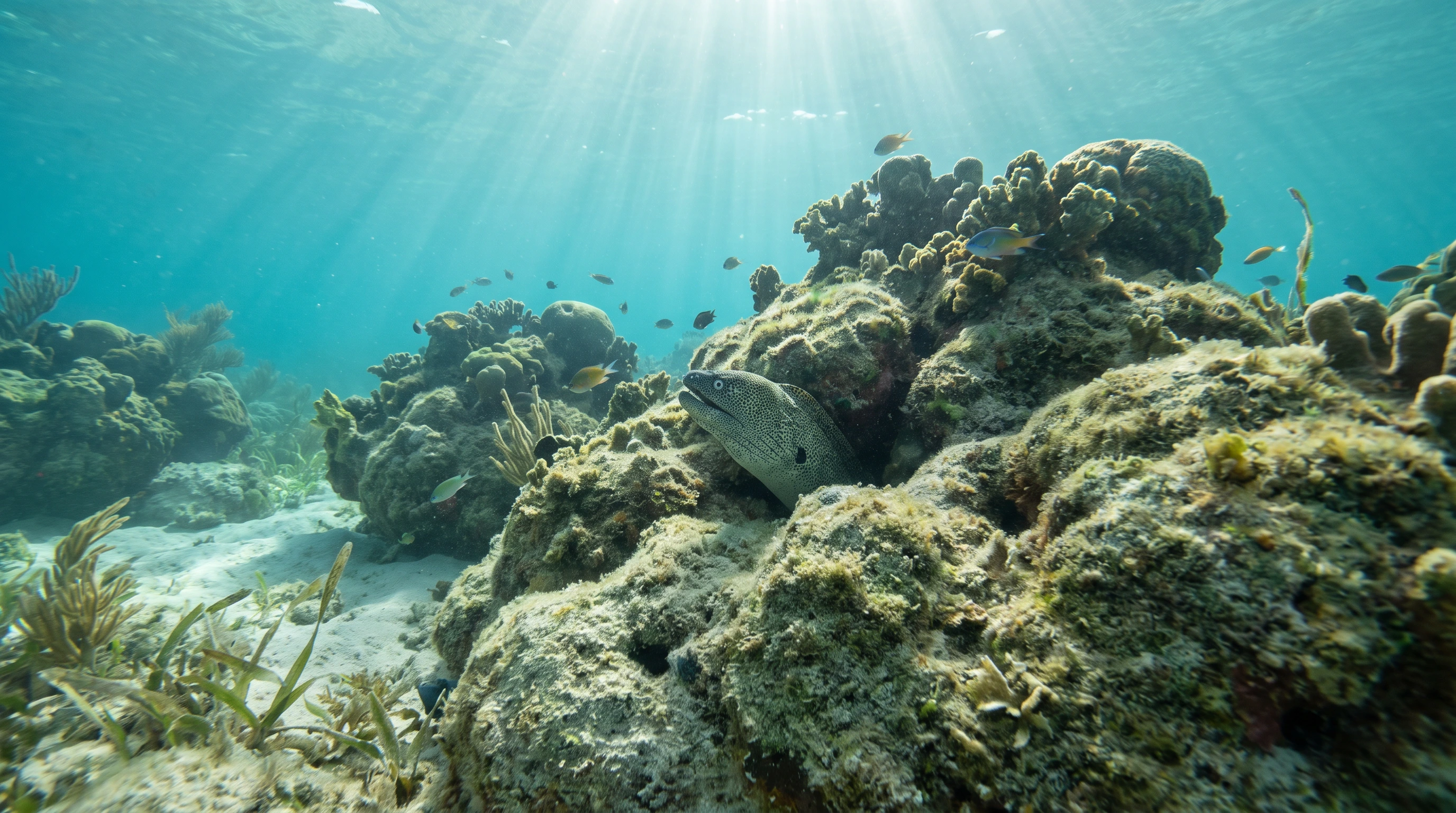
Beginner-friendly reefs close to shore, with remote drift dives and wrecks at Banco Chinchorro for those ready to venture further.
Water temperature around Costa Maya ranges from about 27°C in January to 30°C in August, based on satellite sea-temperature data for its dive sites.
With water around 27–30°C, a rash guard or 3mm shorty works in Costa Maya year-round.
Fin maps 40 sites in Costa Maya (33 scuba diving sites and 14 snorkelling spots, with some suited to both), organised into 3 areas.
Across Costa Maya's dive sites, May, June, July, August and September are most often reported as the best months to visit.
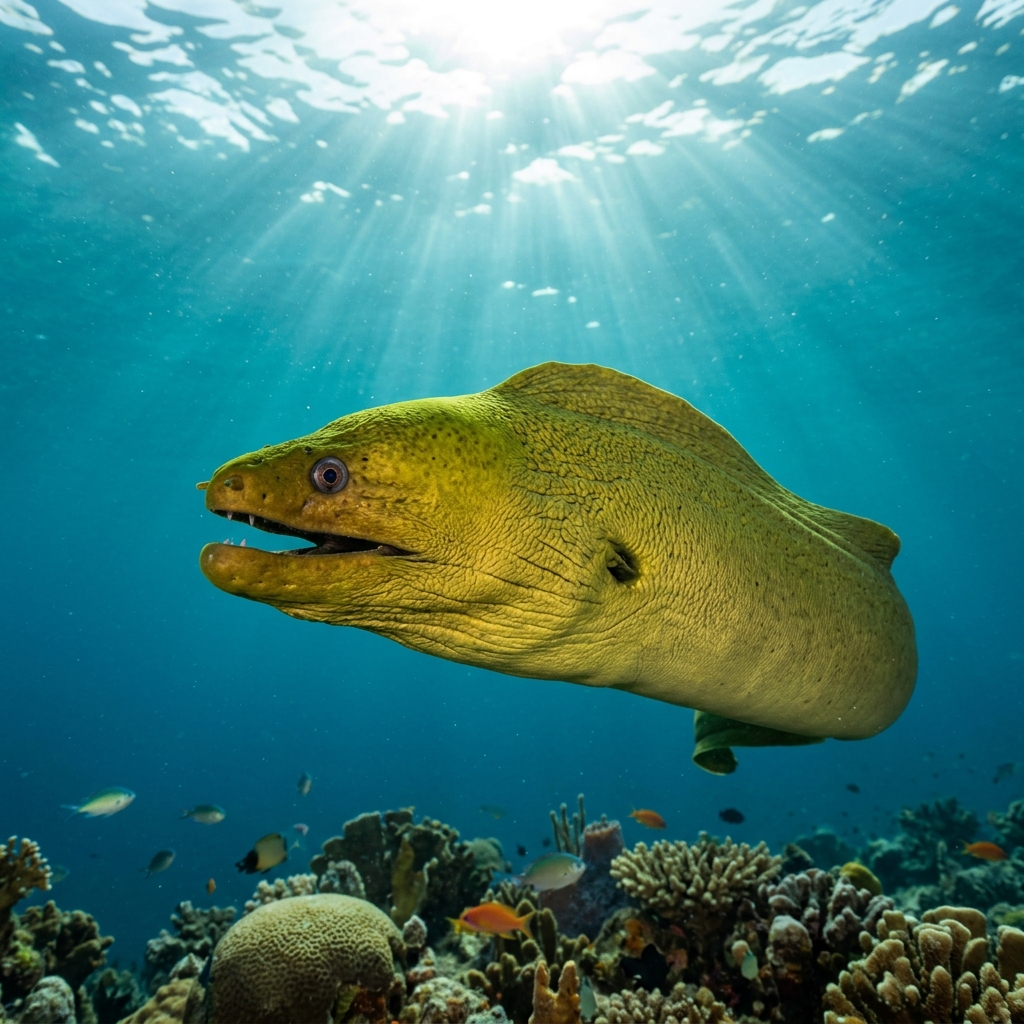
The reefs here support a wide cast of species. Blue Tang, Bluestriped Grunt, French Grunt and Purple Sea Fan are present across almost every site. Nurse Shark and Great Barracuda are regularly sighted, and the West Indian Manatee makes occasional appearances, particularly around the Xcalak area.
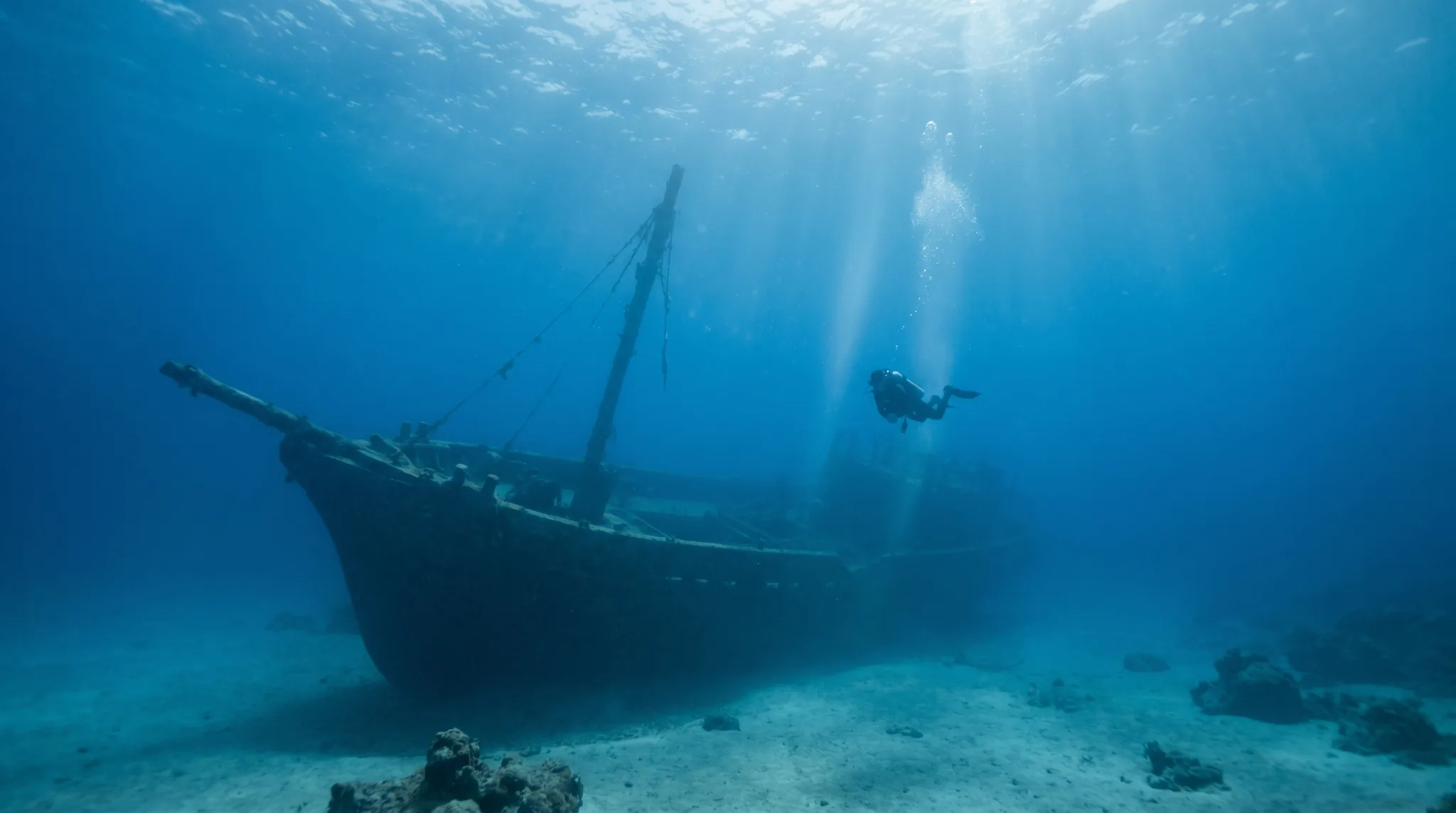
The majority of sites in Costa Maya are rated for beginners, including popular spots such as Mahahual Reef, Acuario, La Poza and the SS Far Star wreck at Banco Chinchorro. Currents at most sites are mild and depths are manageable. Intermediate and advanced options such as La Chiminea and Ginger Scout are available for those wanting a greater challenge.
Mahahual has the largest concentration of sites and is the most accessible, with a range of reef dives close to shore. Xcalak offers a quieter experience with reef, wall and drift diving, including sites open to snorkellers. Banco Chinchorro is the most remote sub-area, with fewer but more dramatic sites including wrecks, walls and drift dives that tend to suit experienced divers.
All sites in Costa Maya are boat-accessed. Operators based in Mahahual and Xcalak run trips to the local reefs, and dedicated liveaboard or day-trip boats serve the more remote Banco Chinchorro sites. Operators including Gypsea Divers, Pepe Dive Mahahual, Doctor Dive, Alux Divers and Buceando Mahahual are listed in the region.