
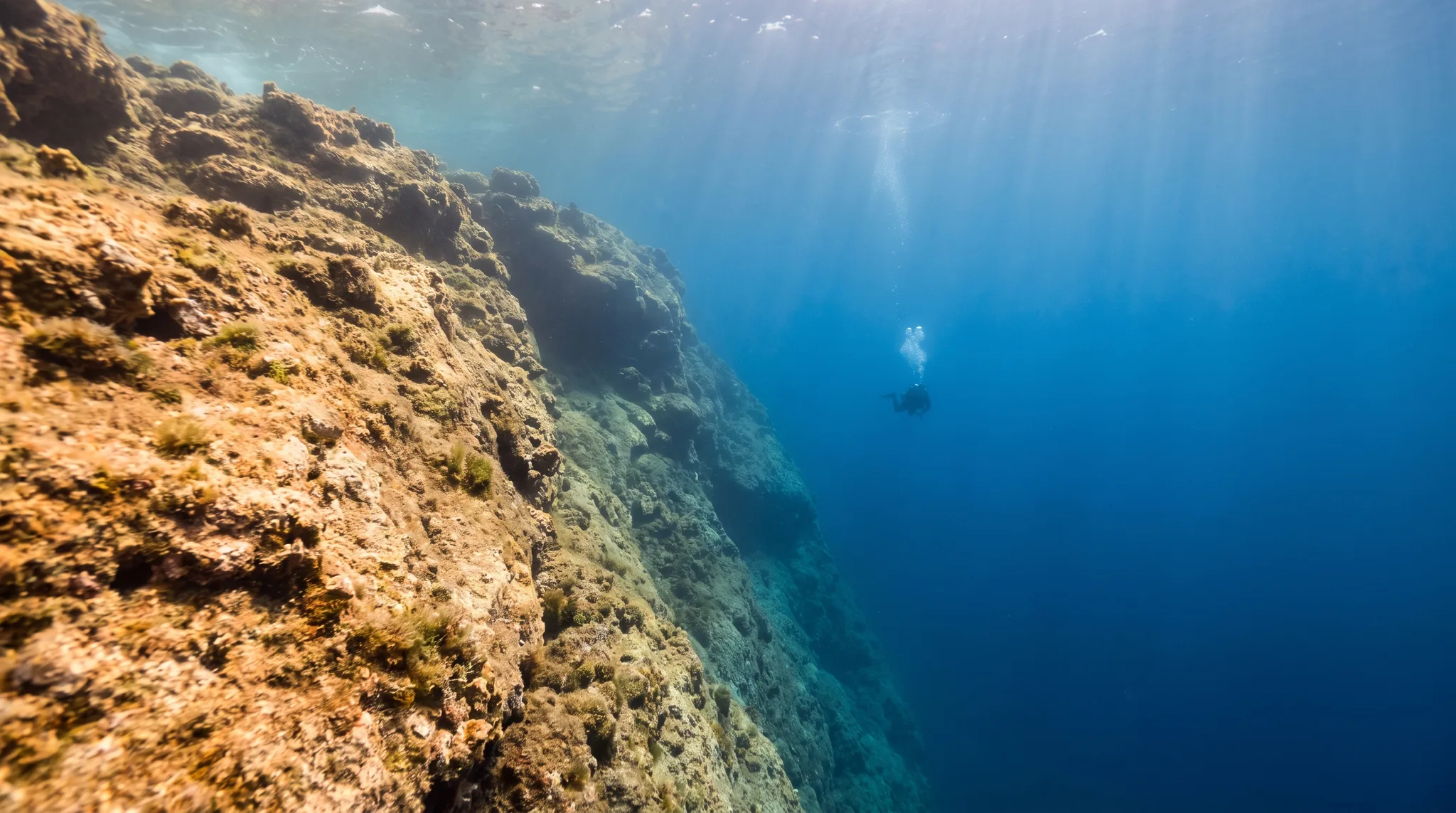
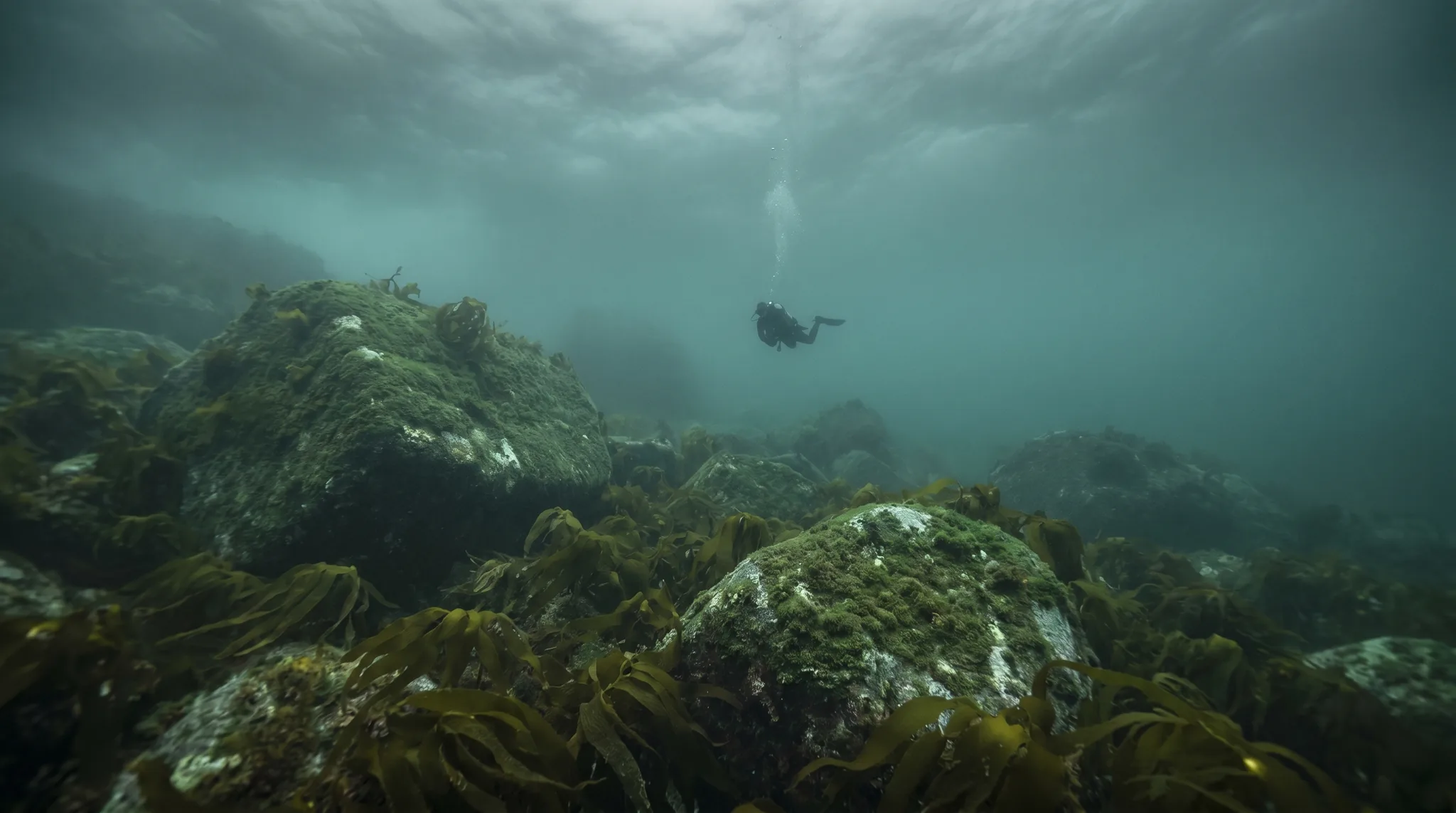
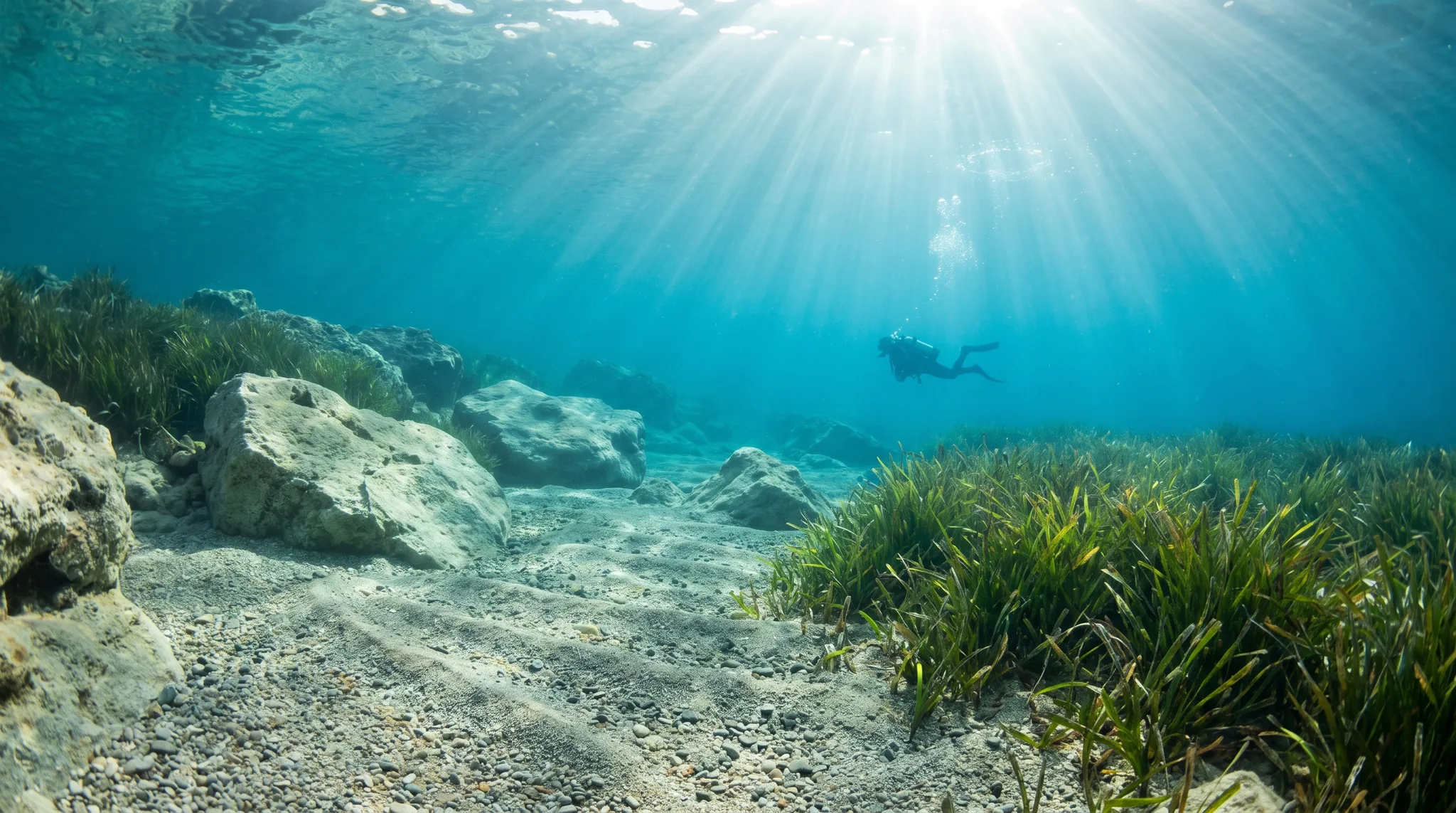
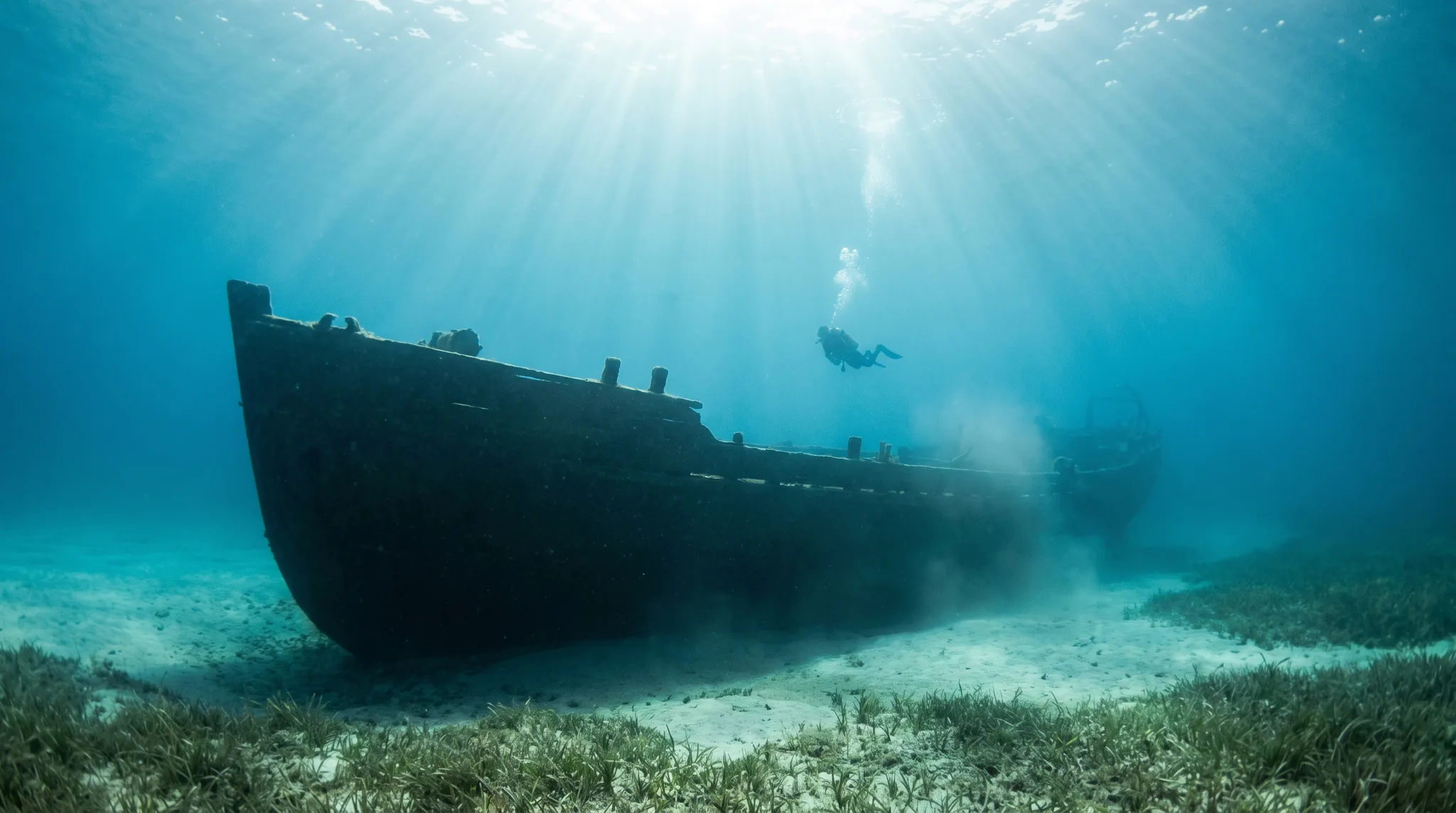
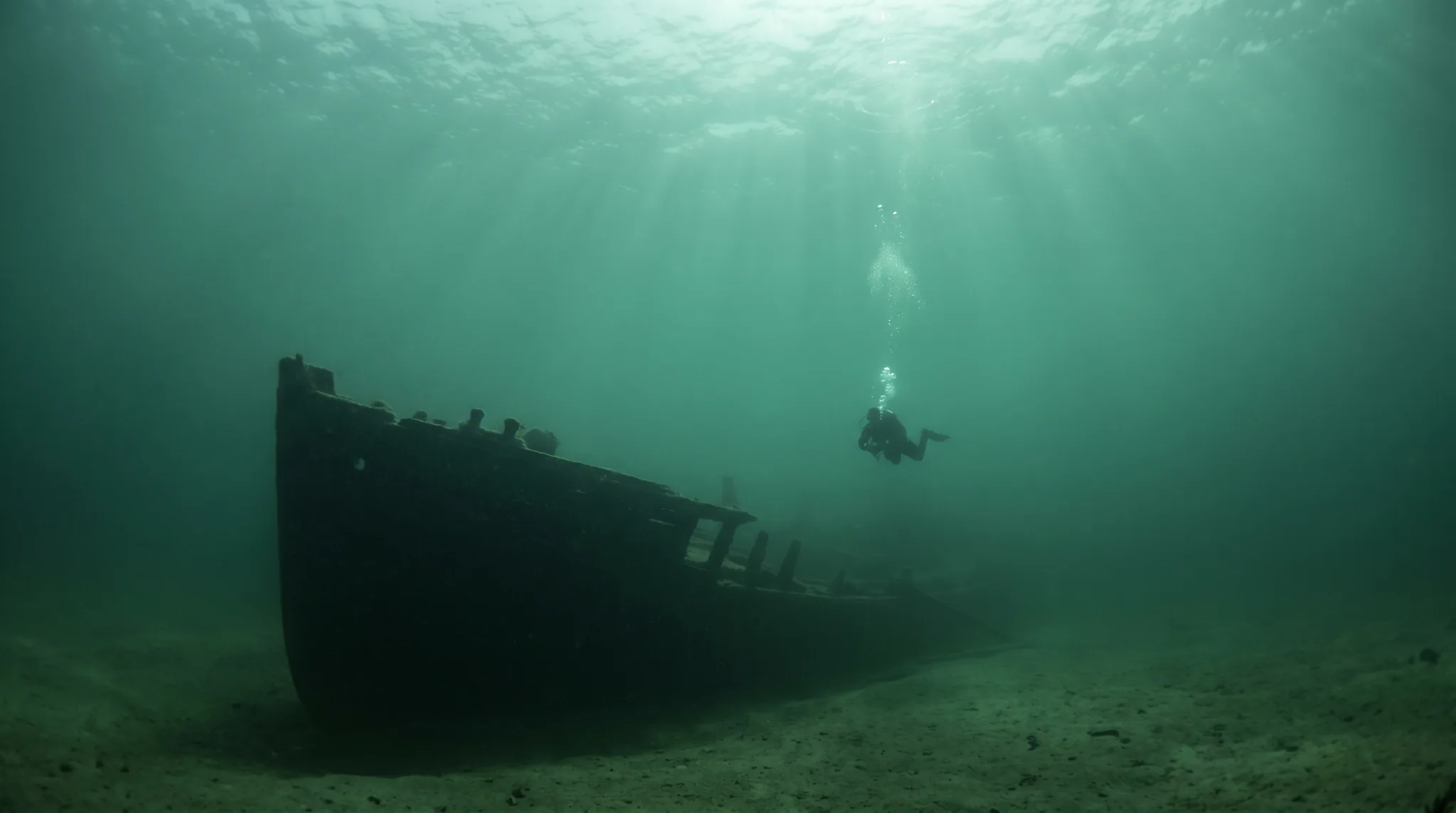
Trieste & Friuli is a beginner-friendly diving destination built around shallow reefs, walls, and the occasional wreck. Most sites sit at accessible depths, and both shore and boat entries are available. The European Common Cuttlefish is encountered across virtually every site, alongside Painted Comber, Tompot Blenny, and multiple seabream species. Visibility and water temperatures peak from late summer into early autumn, making that the most rewarding window for exploring the area's varied site types.
Monthly water temperature across Trieste & Friuli's sites, from satellite sea-surface data corrected for depth. The band shows the site-to-site spread.
Water temperatures rise steadily from spring, reaching their warmest in late summer before cooling through autumn and into a cold winter. The warmest and most visited months run from late spring through early autumn, when visibility also tends to be at its best. Winter diving is possible for those equipped for cooler conditions, but the experience is considerably more demanding.
11 operators

6 more sites to explore
Water temperature around Trieste & Friuli ranges from about 10°C in February to 24°C in August, based on satellite sea-temperature data for its dive sites.
In the warm season (about 24°C) a 3mm full suit is comfortable in Trieste & Friuli; in the coldest months (about 10°C) step up to a drysuit.
Fin maps 10 sites in Trieste & Friuli (10 scuba diving sites and 2 snorkelling spots, with some suited to both).
Across Trieste & Friuli's dive sites, May, June, July, August and September are most often reported as the best months to visit.
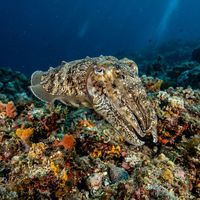
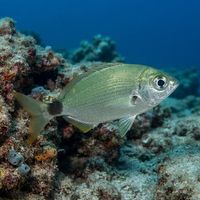
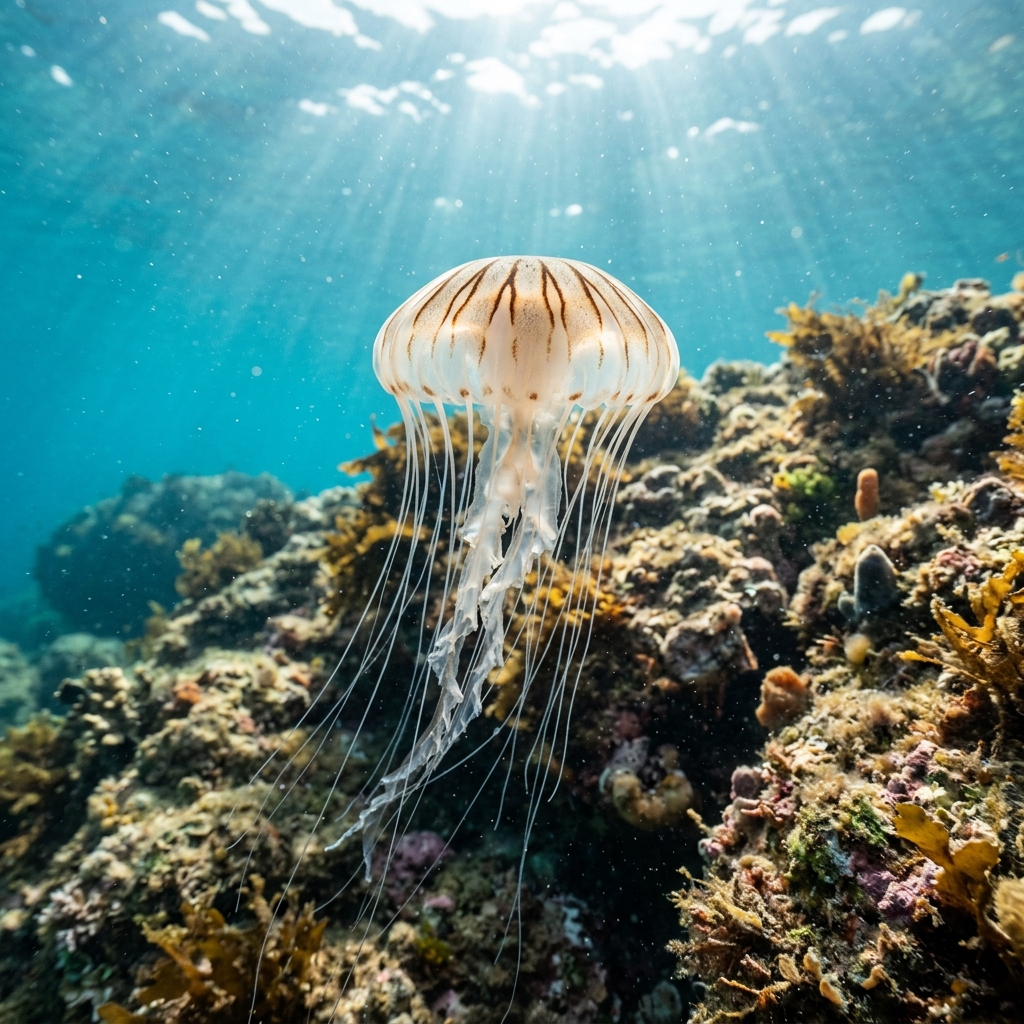
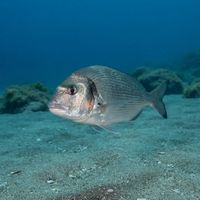
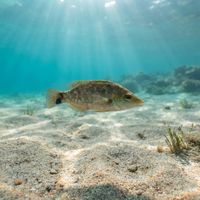
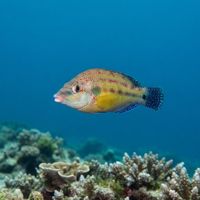
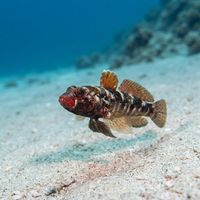
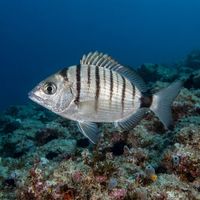
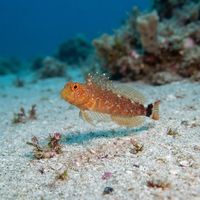
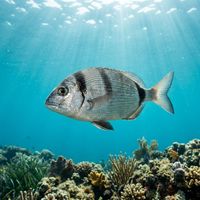
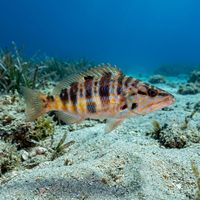
The European Common Cuttlefish is the signature species and is observed across the full range of sites. You are also very likely to encounter Painted Comber, Tompot Blenny, Two-banded Seabream, and Wrasses. Less frequent but recorded sightings include Conger Eel, Torpedo Ray, and Compass Jellyfish.
The region is well suited to beginners. The featured sites, including Miramare, Trezza S Pietro, Sistiana Beach, and Punta Sottile Muggia, are all rated beginner level. Depths at several sites are shallow enough to build confidence, and shore entry is available at some locations for straightforward access.
Yes, shore entry is possible at certain sites. Sistiana Beach and Punta Sottile Muggia both offer shore access, the latter being an artificial reef that is particularly well suited to buoyancy practice. Other sites such as Miramare and Trezza S Pietro are reached by boat.
The region offers a mix of natural reefs, walls, wrecks, and an artificial reef at Punta Sottile Muggia. Reef and wall combinations are common, and Sistiana Beach provides access to both reef and wreck environments from the shore. The variety across a compact area makes it easy to experience different underwater habitats in a single trip.