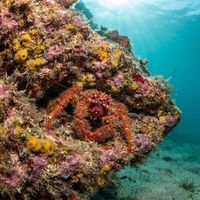
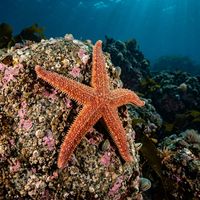
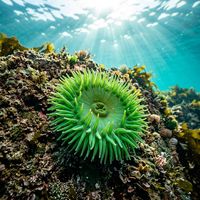
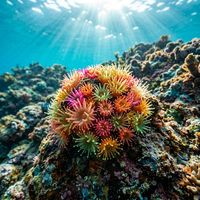
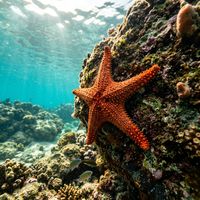
Clare's diving is concentrated across two distinct sub-areas: Kilkee, which holds the majority of sites and suits a wide range of skill levels, and Doolin, where the diving steps up in complexity with reef, sea cave, and kelp forest terrain. Shore access dominates throughout the region. Invertebrate life is the defining character underwater: Squat Lobster, Common Lobster, Spiny Spider Crab, Brittle Star, and Tompot Blenny turn up across nearly every site. Soft Coral and Jewel Anemone add colour to the rockwork, while Cod are a reliable presence. Bottlenose Dolphin is the region's signature species. Portroe Dive Quarry offers a freshwater alternative when sea conditions close in.
2 areas
Monthly water temperature across Clare's sites, from satellite sea-surface data corrected for depth. The band shows the site-to-site spread.
Water temperatures sit at their coldest through late winter and early spring, rising gradually through summer to a peak in August before easing back into autumn. The warmest months attract the most diving activity, with July and August representing the clear high season. Exposure on these coasts can limit visibility and access in unsettled weather, which is why Portroe Dive Quarry exists as a year-round freshwater fallback.
11 operators
Ireland
Ballina, Ireland
Ireland
Water temperature around Clare ranges from about 9°C in February to 16°C in August, based on satellite sea-temperature data for its dive sites.
In the warm season (about 16°C) a 7mm or semi-dry suit is comfortable in Clare; in the coldest months (about 9°C) step up to a drysuit.
Fin maps 13 sites in Clare (11 scuba diving sites and 3 snorkelling spots, with some suited to both), organised into 2 areas.
Across Clare's dive sites, June and July are most often reported as the best months to visit.
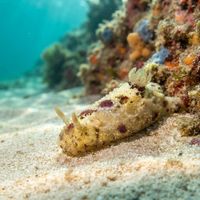
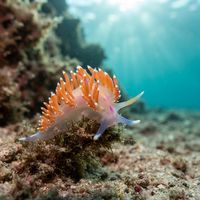
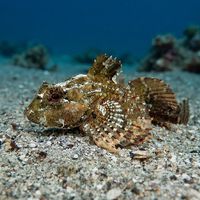
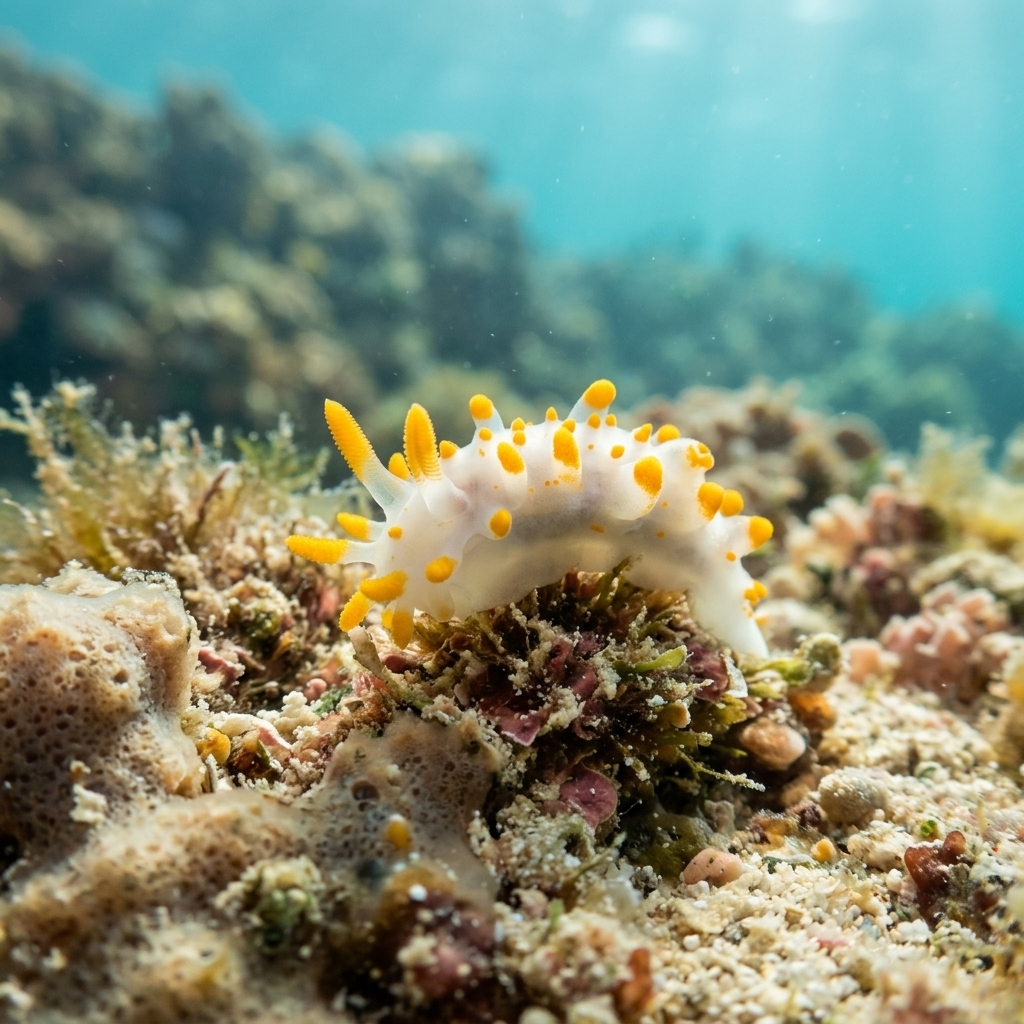
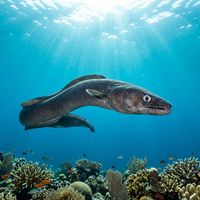
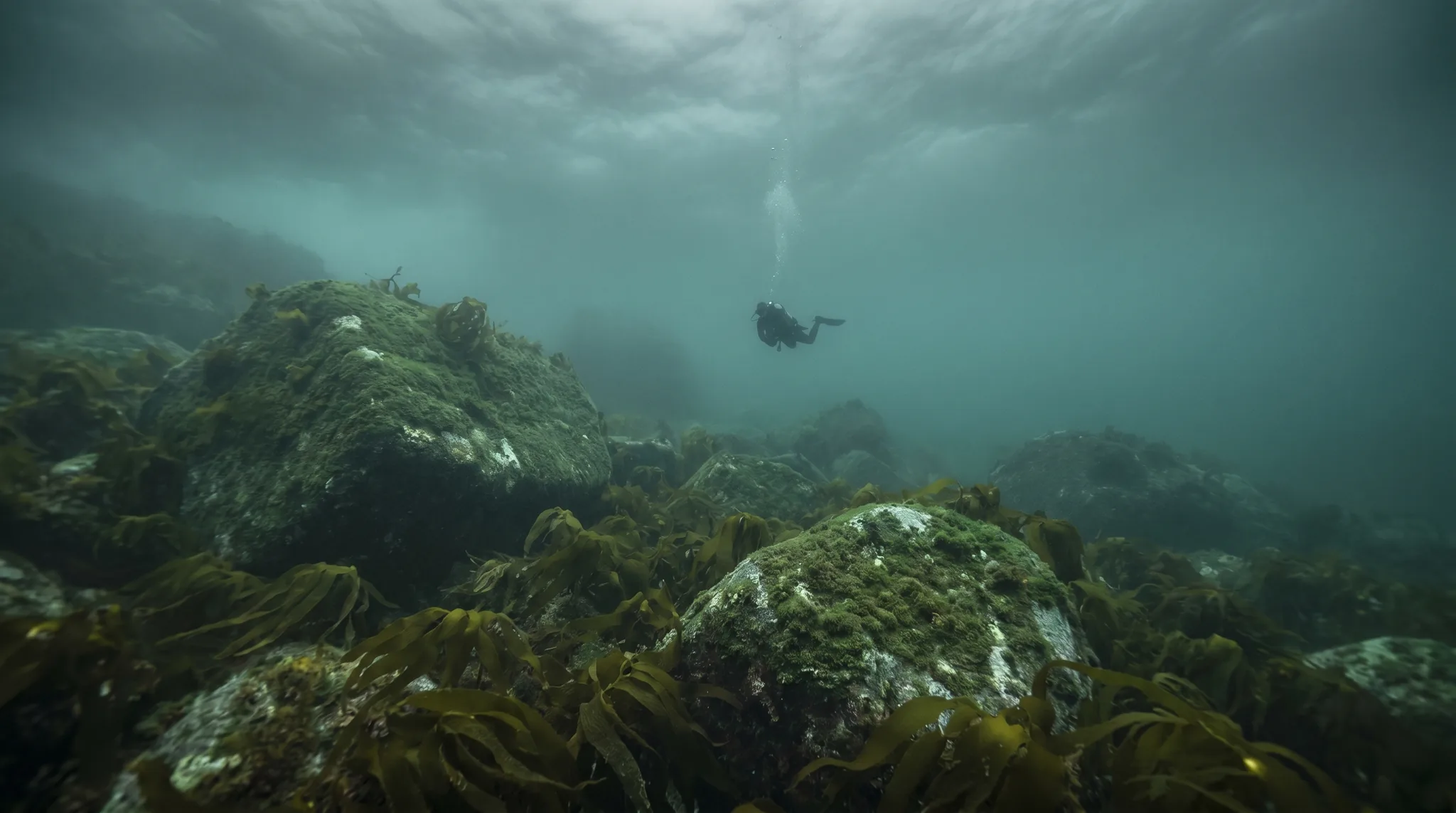
Invertebrates dominate the underwater scene: Squat Lobster, Common Lobster, Spiny Spider Crab, and Brittle Star are observed across the vast majority of sites. Tompot Blenny and Cod are reliable fish encounters, while Orange-clubbed Nudibranch, Jewel Anemone, and Soft Coral bring colour to the reef. Bottlenose Dolphin has been recorded as the region's signature species, and Conger Eel turns up occasionally in rockwork.
The Kilkee sub-area includes sites rated for beginners, such as Myles Creek, a shore-entry reef dive with accessible topography. Doolin's sites lean intermediate, combining reef, cave, and kelp forest at greater depth ranges, so less experienced divers are best starting in Kilkee. The presence of local clubs such as Kilkee SubAqua Club means guided entry-level diving is available.
Kilkee holds the larger concentration of sites and caters to a broader range of skill levels, making it the natural starting point for most visitors. Doolin offers a smaller selection of sites but rewards intermediate divers with more varied environments, including sea caves and kelp forest alongside reef. Both sub-areas rely primarily on shore entry rather than boat departures.
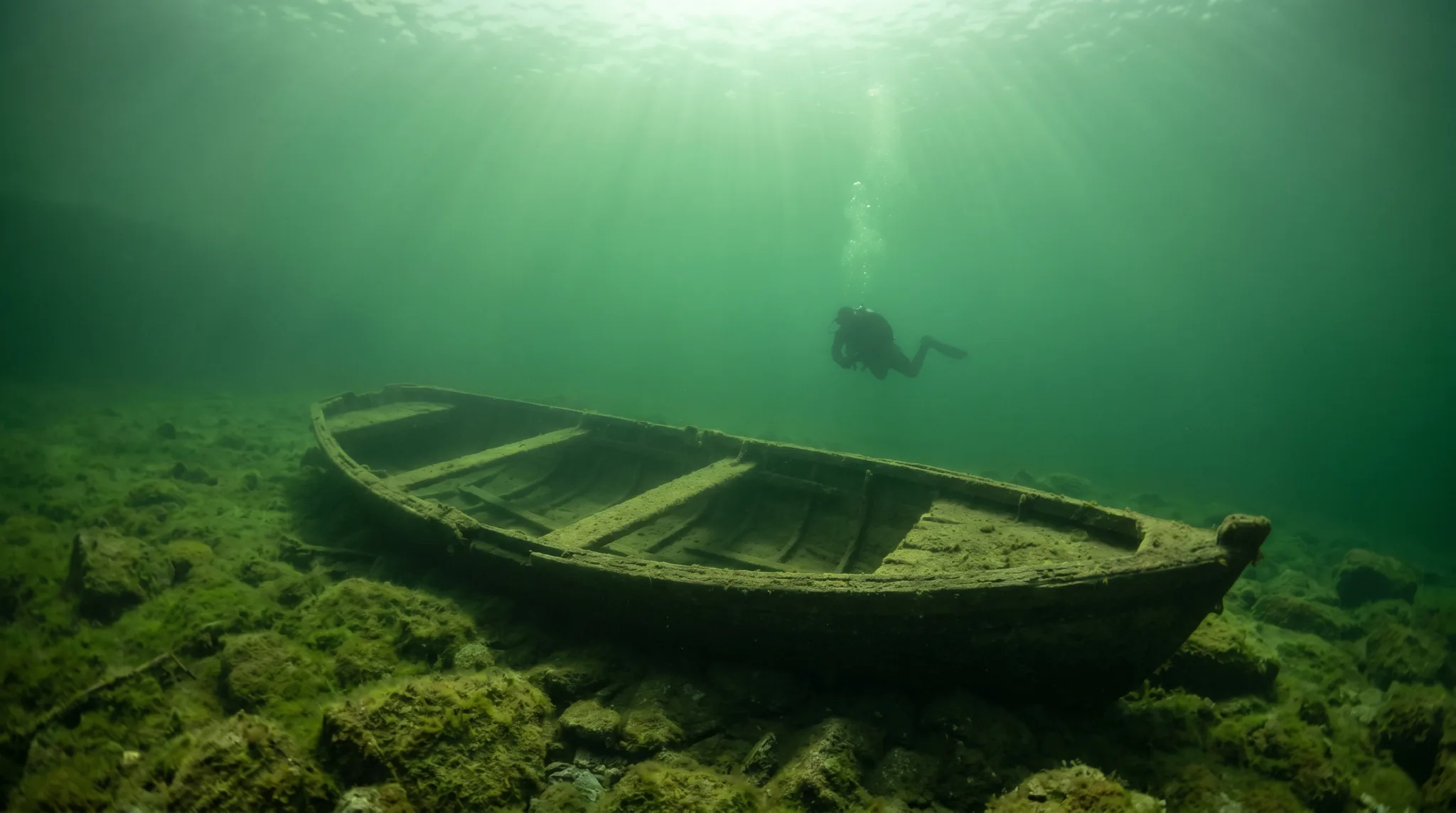
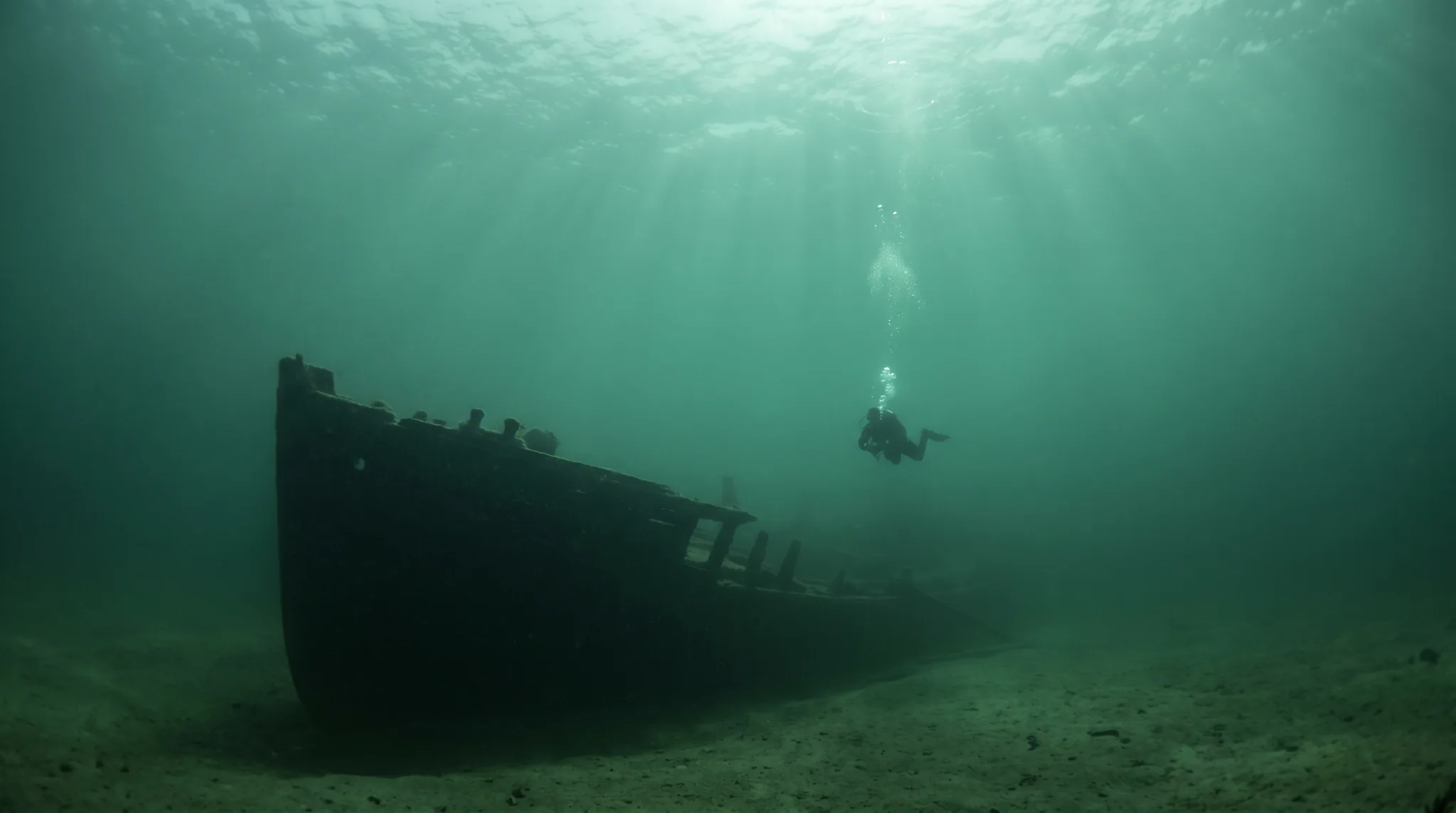
Portroe Dive Quarry provides a freshwater alternative specifically for days when open-water conditions are unsuitable. The quarry features wrecks and artificial reefs, making it a worthwhile dive in its own right rather than just a fallback. Portroe Dive Centre is one of the operators serving the region and is well-placed to advise on conditions.