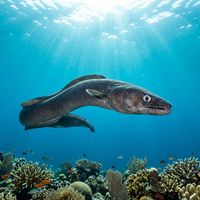
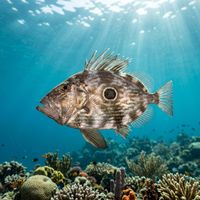
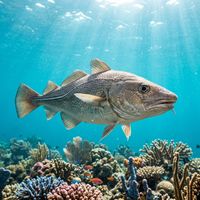
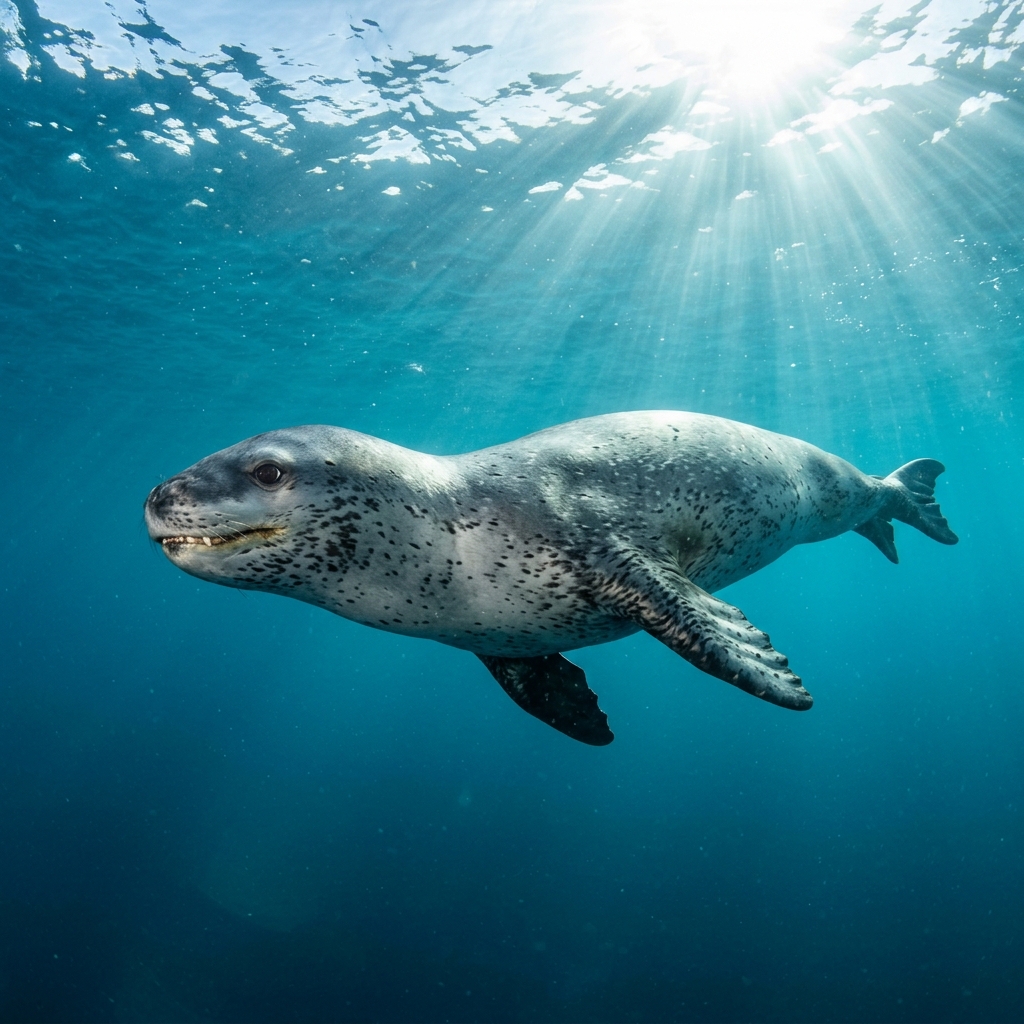
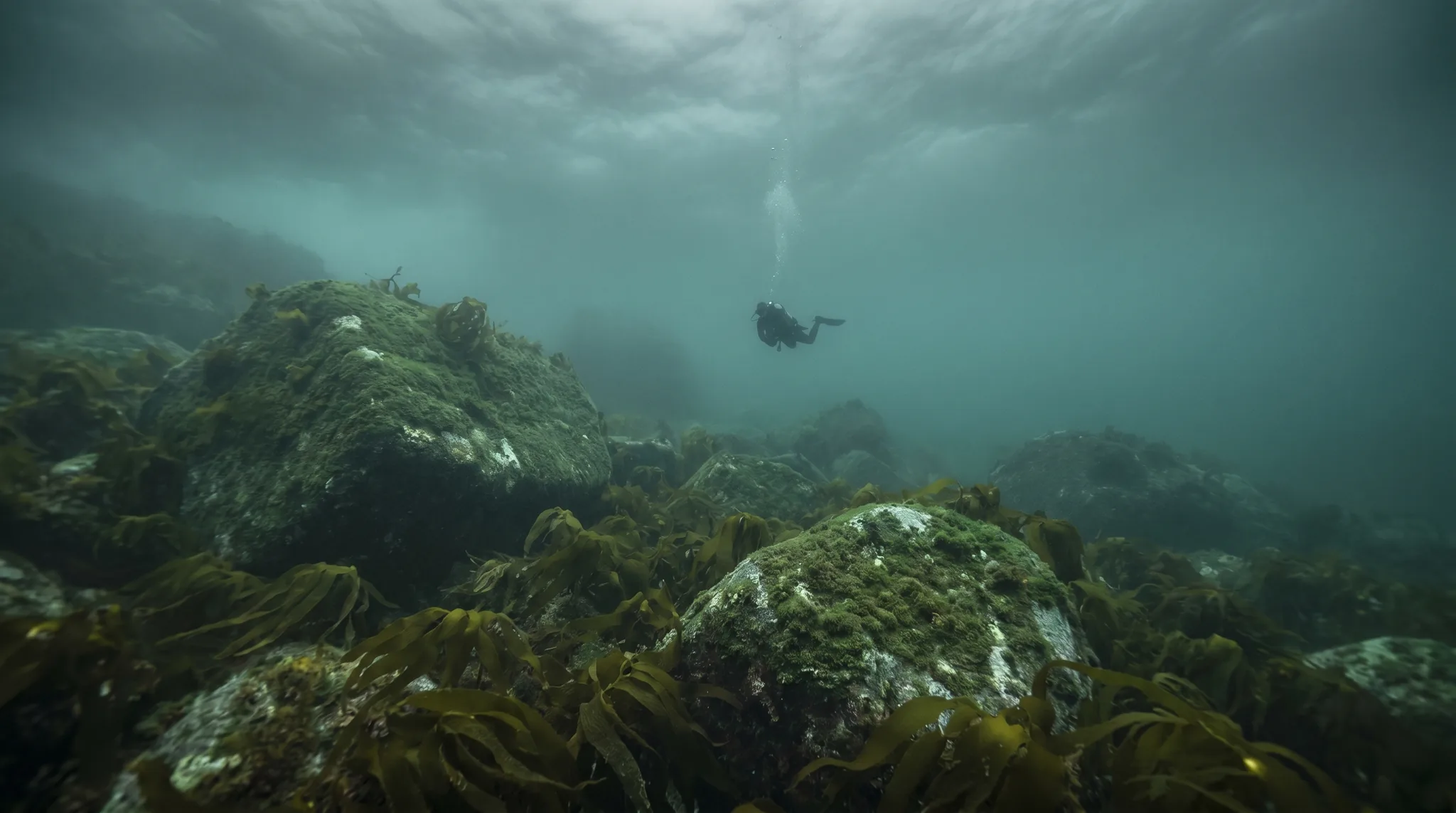
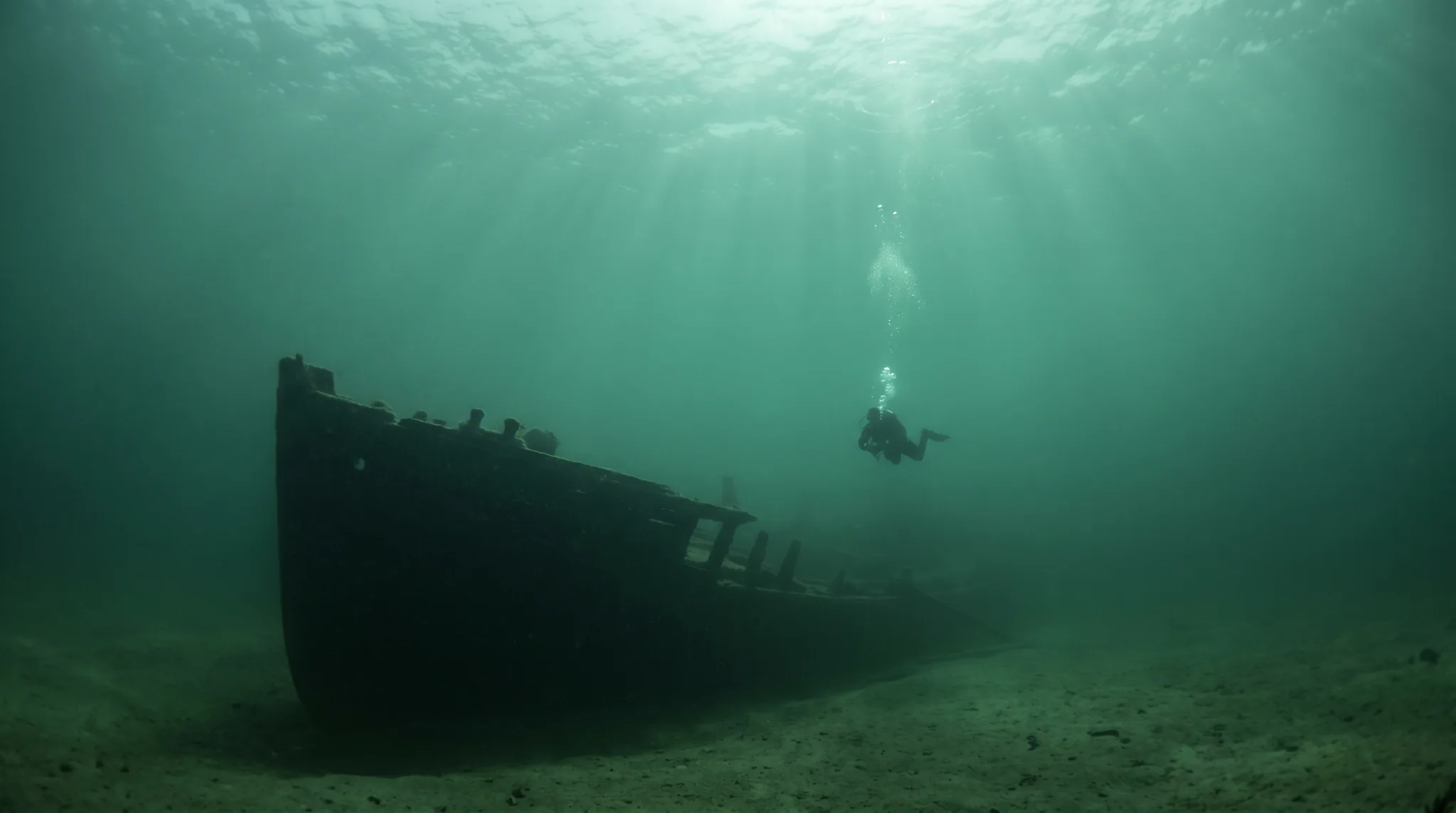
Wexford and Waterford offers a varied diving landscape anchored by two distinct sub-areas. Hook Head dominates the region with reef, wreck, cave and cavern diving accessible from shore, welcoming beginners through to experienced divers across a wide depth range. Kilmore Quay adds further options to the south. The marine life is characteristically temperate: Conger Eel, Cod, John Dory, Tompot Blenny and Sand Eel are observed consistently across sites, while the Gray Seal is the region's signature animal. Exposed coastal conditions mean visibility and surge can vary, and a drysuit is standard for most of the year.
2 areas
Monthly water temperature across Wexford & Waterford's sites, from satellite sea-surface data corrected for depth. The band shows the site-to-site spread.
Water temperatures follow a clear seasonal curve, rising through late spring and peaking in late summer before dropping through autumn and winter. The warmer months from June through September offer the most comfortable conditions for diving, while winter entries are cold and demand a drysuit. Exposure to swell and coastal currents means conditions can change quickly, so divers should check local forecasts before heading in.
5 operators
Ireland
Ireland
Water temperature around Wexford & Waterford ranges from about 9°C in February to 16°C in August, based on satellite sea-temperature data for its dive sites.
In the warm season (about 16°C) a 7mm or semi-dry suit is comfortable in Wexford & Waterford; in the coldest months (about 9°C) step up to a drysuit.
Fin maps 15 sites in Wexford & Waterford (12 scuba diving sites and 4 snorkelling spots, with some suited to both), organised into 2 areas.
Across Wexford & Waterford's dive sites, January, February, March, June, July and August are most often reported as the best months to visit.
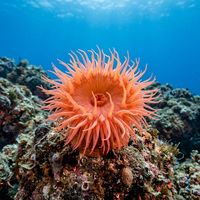
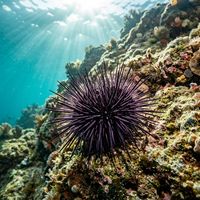
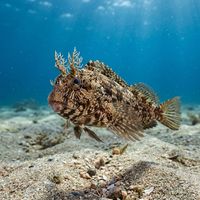
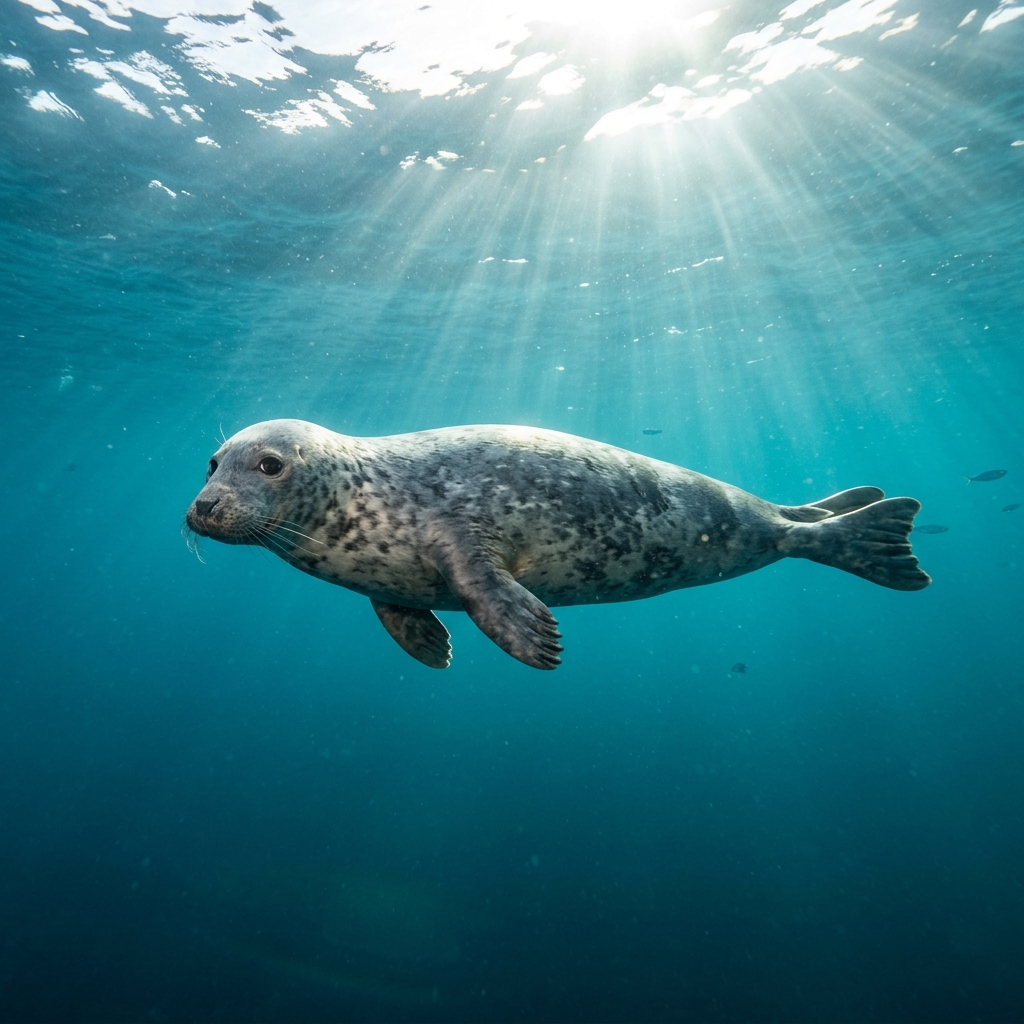
The most reliably observed species include Conger Eel, Cod, John Dory, Tompot Blenny, Sand Eel and Sea Anemone, all recorded consistently across sites. Dogfish and Sea Urchin are equally common. The Gray Seal is the region's signature species and is seen occasionally across a number of sites, making it a highlight for many visiting divers.
Hook Head is listed at beginner skill level and offers shore entry, making it one of the more accessible sites in the region. The site covers a wide depth range, so newer divers can stay shallow while more experienced buddies explore deeper sections. The variety of site types, including reef, cave and cavern, means there is plenty to discover without venturing into challenging territory.
Shore entry is confirmed for Hook Head, which makes logistical planning straightforward for independent divers. There are currently no listed operators in the region, so divers planning a trip should arrange their own equipment and dive leadership in advance. Checking local diving clubs active in the area is advisable before visiting.