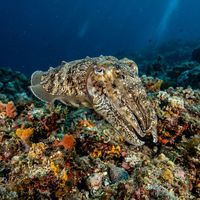
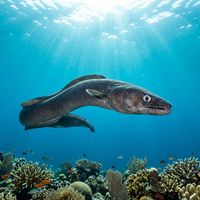
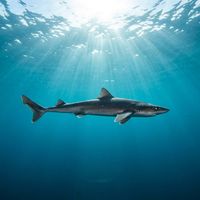
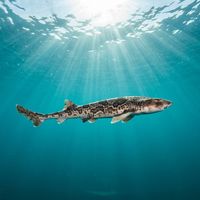
Kerry's dive sites spread across three distinct sub-areas: Dingle, Valentia Island, and Kells Bay. The topography is varied and often dramatic, ranging from cave passages and kelp forests at sites like The Tunnel and The Necklace, to deep walls and drift dives at The Outer Reef and Pollack Alley. The majority of sites require boat access, and conditions on exposed coasts demand some experience. The most frequently encountered animals include Catshark, European Common Cuttlefish, Conger Eel, and Brittle Star, while Blue Shark sightings add an occasional highlight. Water stays cool year-round, and visibility can be generous when conditions align.
3 areas
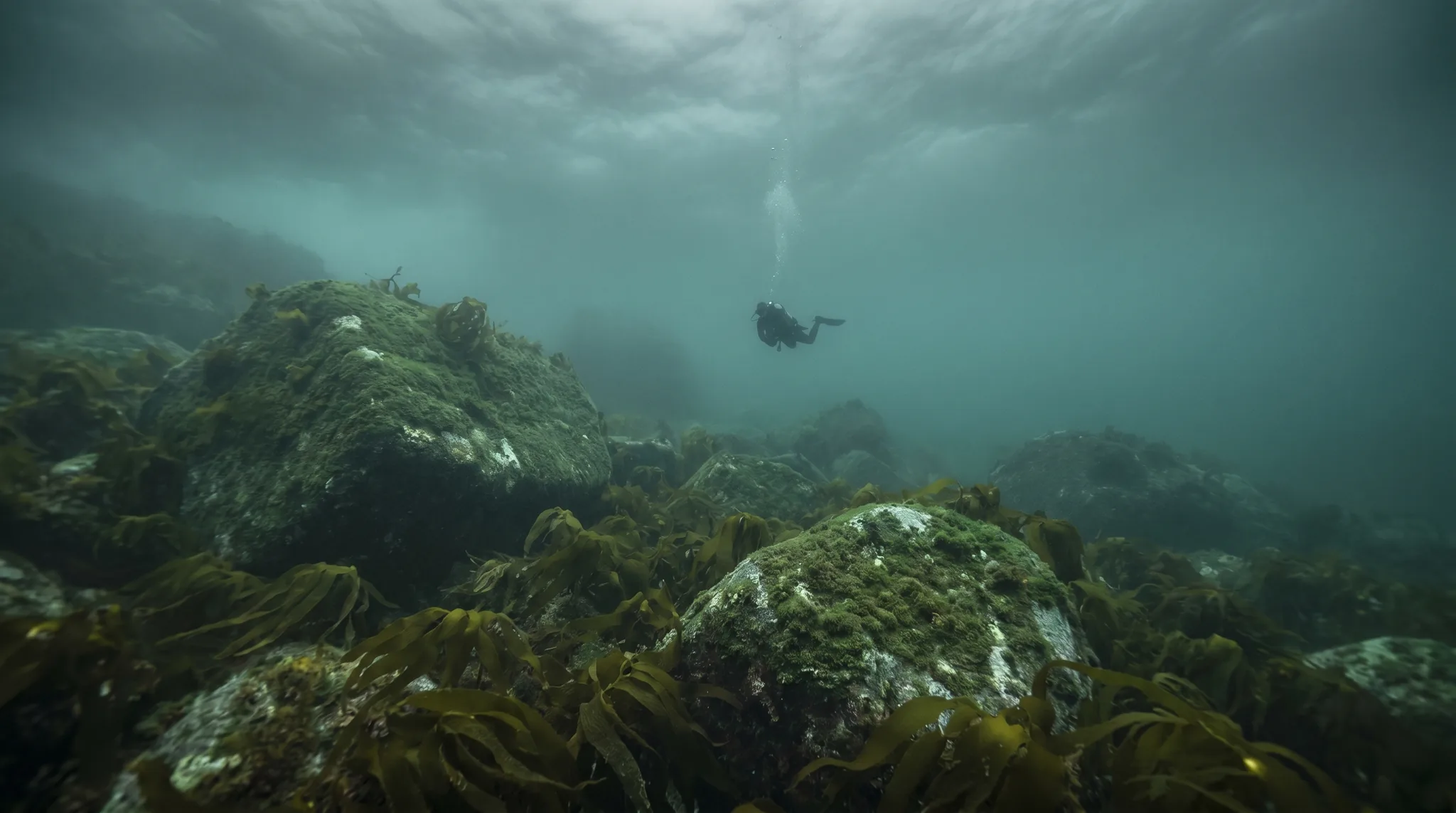 20
20Reef and wall diving off Kerry, with cuttlefish, Conger Eel and occasional Blue Shark encounters across two distinct dive areas.
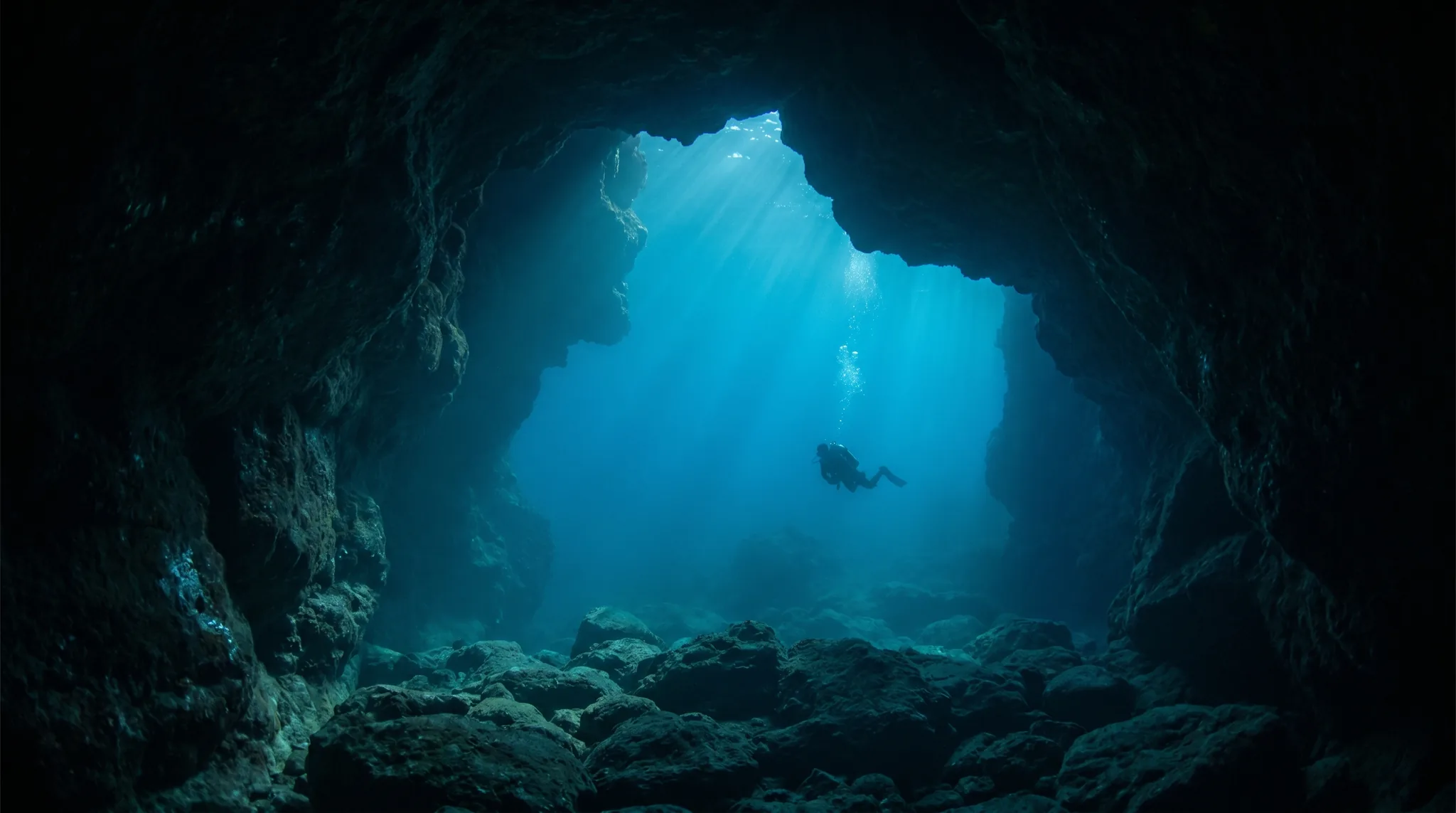 15
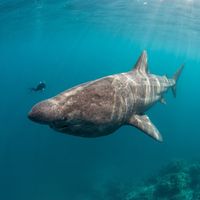
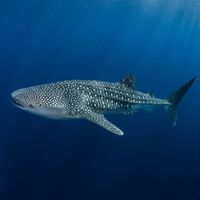
15Rugged Atlantic reefs and cave systems off Kerry, with Catshark, Conger Eel and occasional Whale Shark among the highlights.
2Two beginner-friendly shore-access sites on the Kerry coast, combining a historic castle backdrop with pier and reef diving.
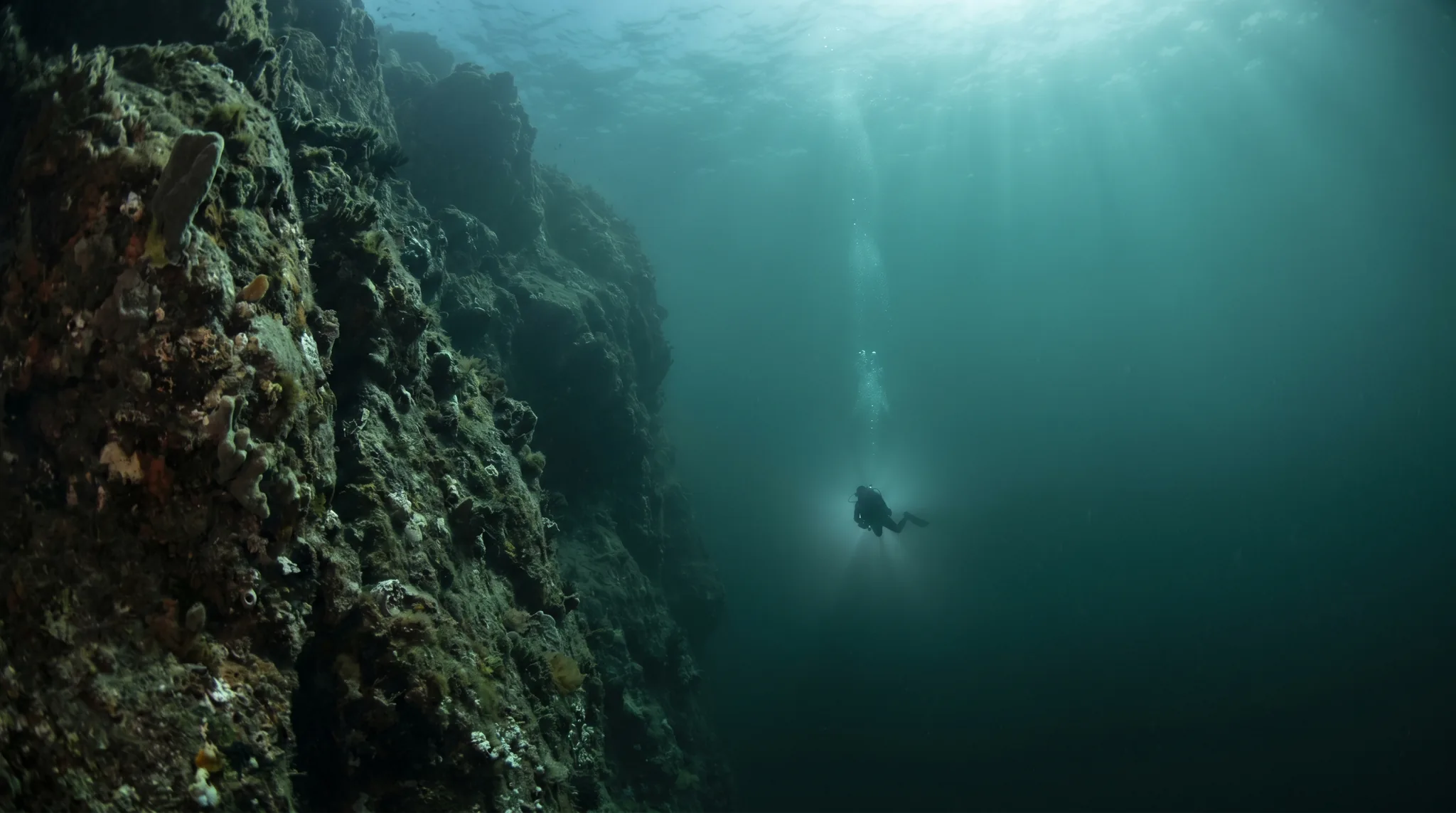
Monthly water temperature across Kerry's sites, from satellite sea-surface data corrected for depth. The band shows the site-to-site spread.
Water temperatures are at their coolest from winter through early spring, rising gradually toward their peak in September before easing off through autumn. The summer months and early autumn draw the most diving activity, when conditions are most settled and visibility tends to be at its best. Exposed sites such as Inishnabro and The Outer Reef are most accessible during this calmer window, while sheltered sites in Dingle Bay remain diveable across a broader part of the year.
22 operators
Dingle, Ireland
Farranacoush, Ireland
2 more sites to explore
Water temperature around Kerry ranges from about 10°C in January to 16°C in September, based on satellite sea-temperature data for its dive sites.
In the warm season (about 16°C) a 7mm or semi-dry suit is comfortable in Kerry; in the coldest months (about 10°C) step up to a drysuit.
Fin maps 39 sites in Kerry (35 scuba diving sites and 8 snorkelling spots, with some suited to both), organised into 3 areas.
Across Kerry's dive sites, June, July, August, September and October are most often reported as the best months to visit.
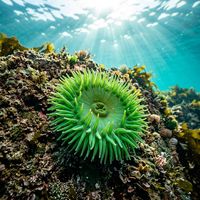
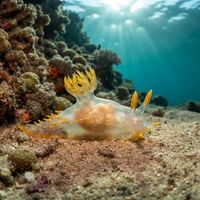
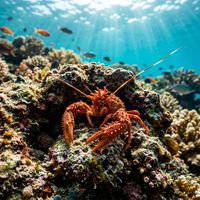
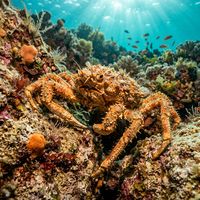
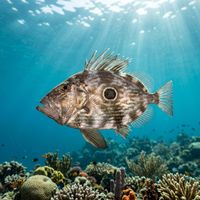
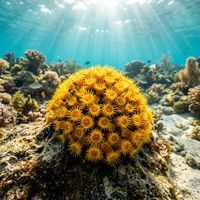
Kerry's reefs host an impressive range of species that are consistently observed across the sites. Catshark, European Common Cuttlefish, Conger Eel, Brittle Star, Squat Lobster, and Jewel Anemone are encountered very frequently. Wrasses and Blue Shark appear occasionally, and Gray Seal and Common Dolphin have been recorded at sites across the region.
Most sites in Kerry are graded for intermediate divers, reflecting the exposed Atlantic conditions and varied topography. However, a handful of sites, including Illaunabarnagh, The Necklace, and Scraggane Bay, are rated for beginners and offer shallower, more sheltered diving. Newer divers are best placed in Dingle Bay, where conditions tend to be more forgiving.
Dingle is the largest sub-area and offers the widest variety of site types, from kelp forests and seagrass beds to caves and walls. Valentia Island adds further reef and wall diving across a solid selection of sites. Kells Bay is the smallest cluster, with just a couple of sites, making it a compact addition rather than a standalone destination.
The great majority of Kerry's dive sites are boat-access only, and the operators based in the region, including Aquaventures, Waterworld Dive Centre, and Kenmare Bay Diving, are well placed to reach the offshore reefs and exposed sites. Shore entry is possible at a small number of sites such as Scraggane Bay and Smugglers Cave, which suit those diving independently.