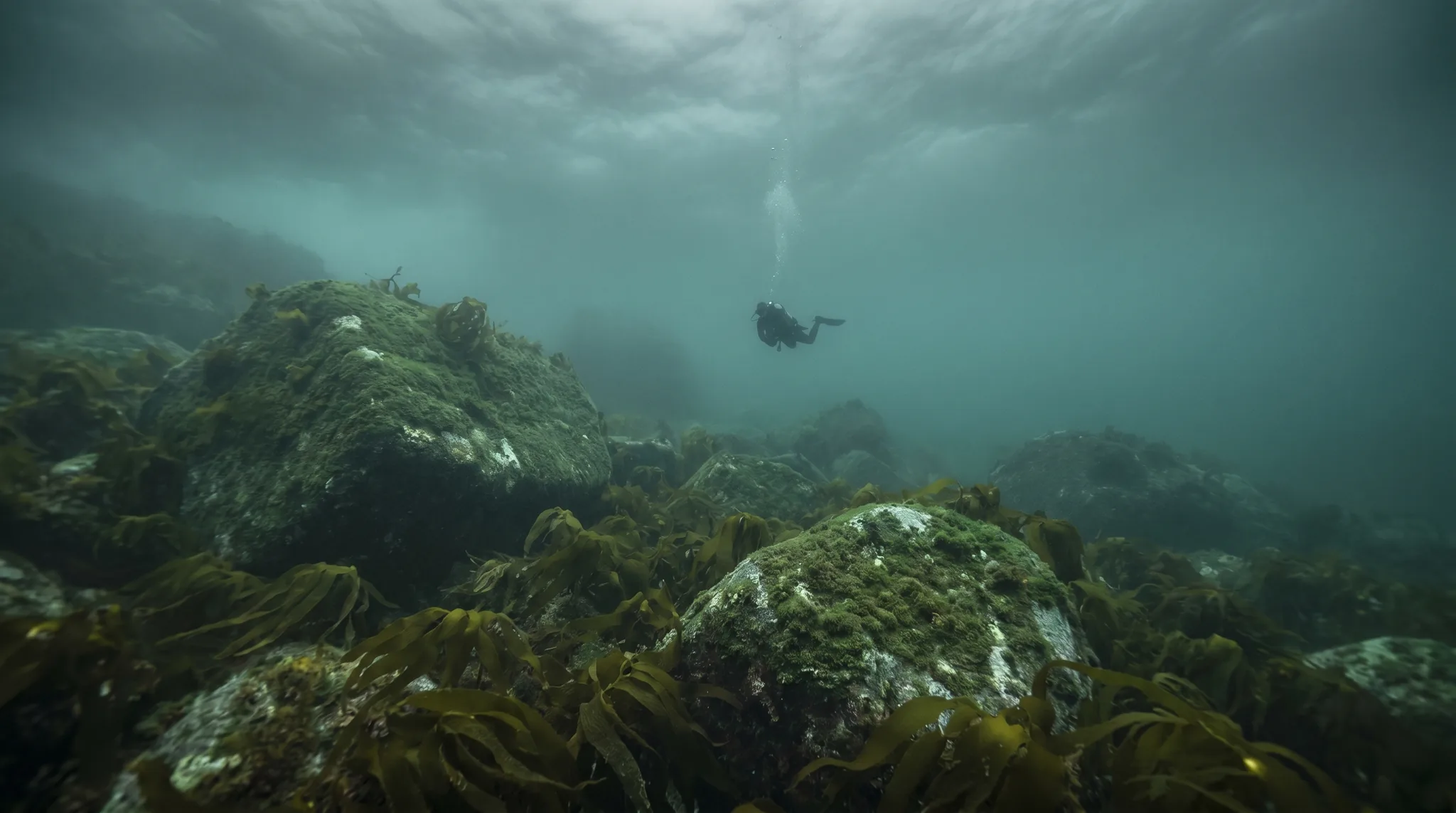
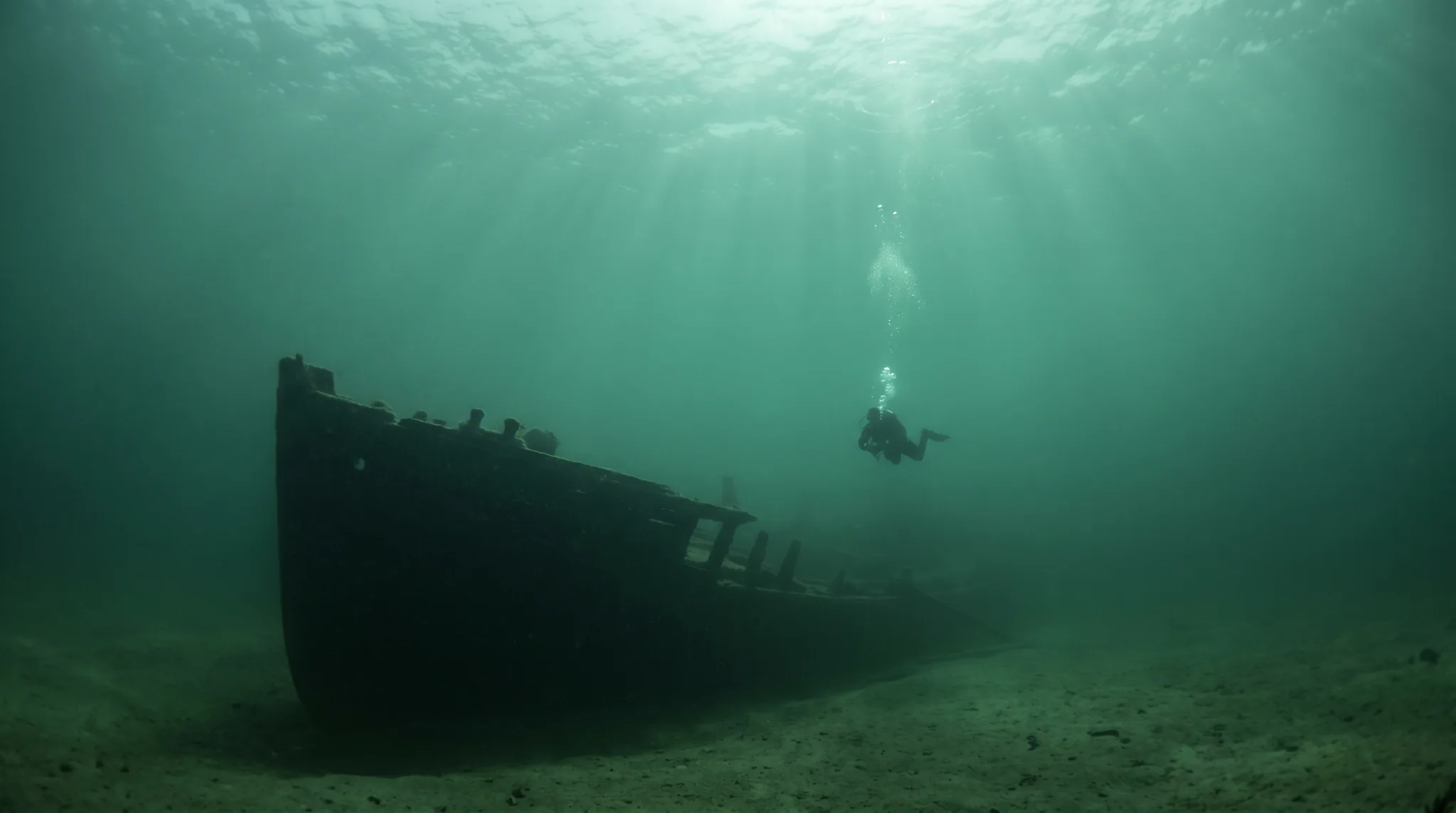
Cork's diving is defined by its wreck collection and exposed offshore reefs. Submarine wrecks sit alongside the Kowloon Bridge, a large vessel that has become an artificial reef, while sites like Fastnet Rock offer deep wall diving from a boat. Closer to shore, shallow reefs suit beginners and snorkellers. The signature species is the Blue Shark, though Catshark, Conger Eel, Skate, and Dogfish are observed across nearly every site. Dead Man's Fingers and Plumose Anemone coat the reef structures throughout. Conditions are coolest in winter and warmest from late summer into early autumn, with June through August drawing the most visitors.
Monthly water temperature across Cork's sites, from satellite sea-surface data corrected for depth. The band shows the site-to-site spread.
Water temperatures are at their lowest through winter and early spring, rising steadily from late spring to peak in September. The warmest and most visited window runs from June through August, when conditions suit both offshore wreck dives and shallower reef sites. Exposed sites like Fastnet Rock and the submarine wrecks demand attention to surface conditions year-round, as these are open-water boat dives with no shelter.
Water temperature around Cork ranges from about 10°C in January to 16°C in September, based on satellite sea-temperature data for its dive sites.
20 more sites to explore
In the warm season (about 16°C) a 7mm or semi-dry suit is comfortable in Cork; in the coldest months (about 10°C) step up to a drysuit.
Fin maps 25 sites in Cork (20 scuba diving sites and 8 snorkelling spots, with some suited to both).
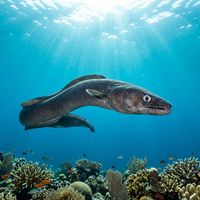
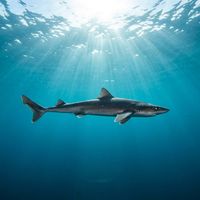
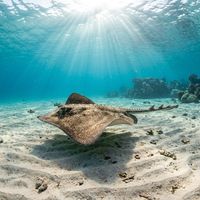
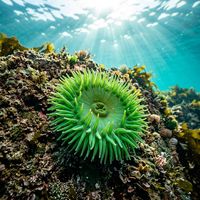
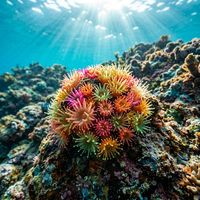
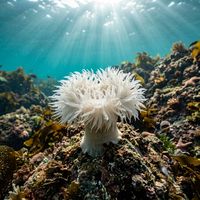
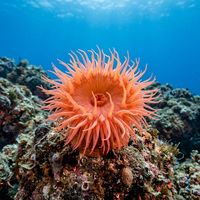
Catshark, Conger Eel, Dogfish, and Skate are observed across the majority of Cork's dive sites. Reef structures are covered in Dead Man's Fingers, Plumose Anemone, and Sea Squirt. The Blue Shark is Cork's signature species and has been observed occasionally in open water. Bottlenose Dolphin, Gray Seal, and even Humpback Whale have also been recorded, though less frequently.
Cork has a mix of skill levels across its sites. Shallow shore-entry reefs like Seal Harbour are well suited to beginners, with calm, low-depth conditions on a rocky reef. The submarine wrecks and offshore sites such as Fastnet Rock are rated intermediate to advanced, requiring boat access and greater depth experience. Beginners would do well to start with the sheltered inshore sites before progressing.
Most of Cork's headline sites require boat access, including the submarine wrecks, Fastnet Rock, and the Kowloon Bridge. These are open-water sites located well offshore. Shore diving is available at shallower reef sites, making it possible to dive Cork without a boat if you focus on the inshore spots. Local operators including Cork Dive Centre, OceanAddicts, and South West Technical Diving run boat trips to the offshore sites.