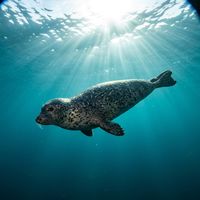
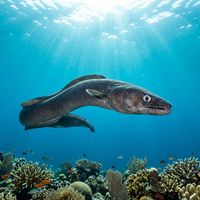
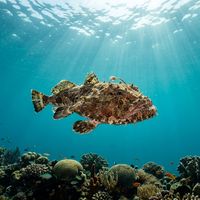
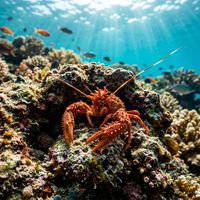
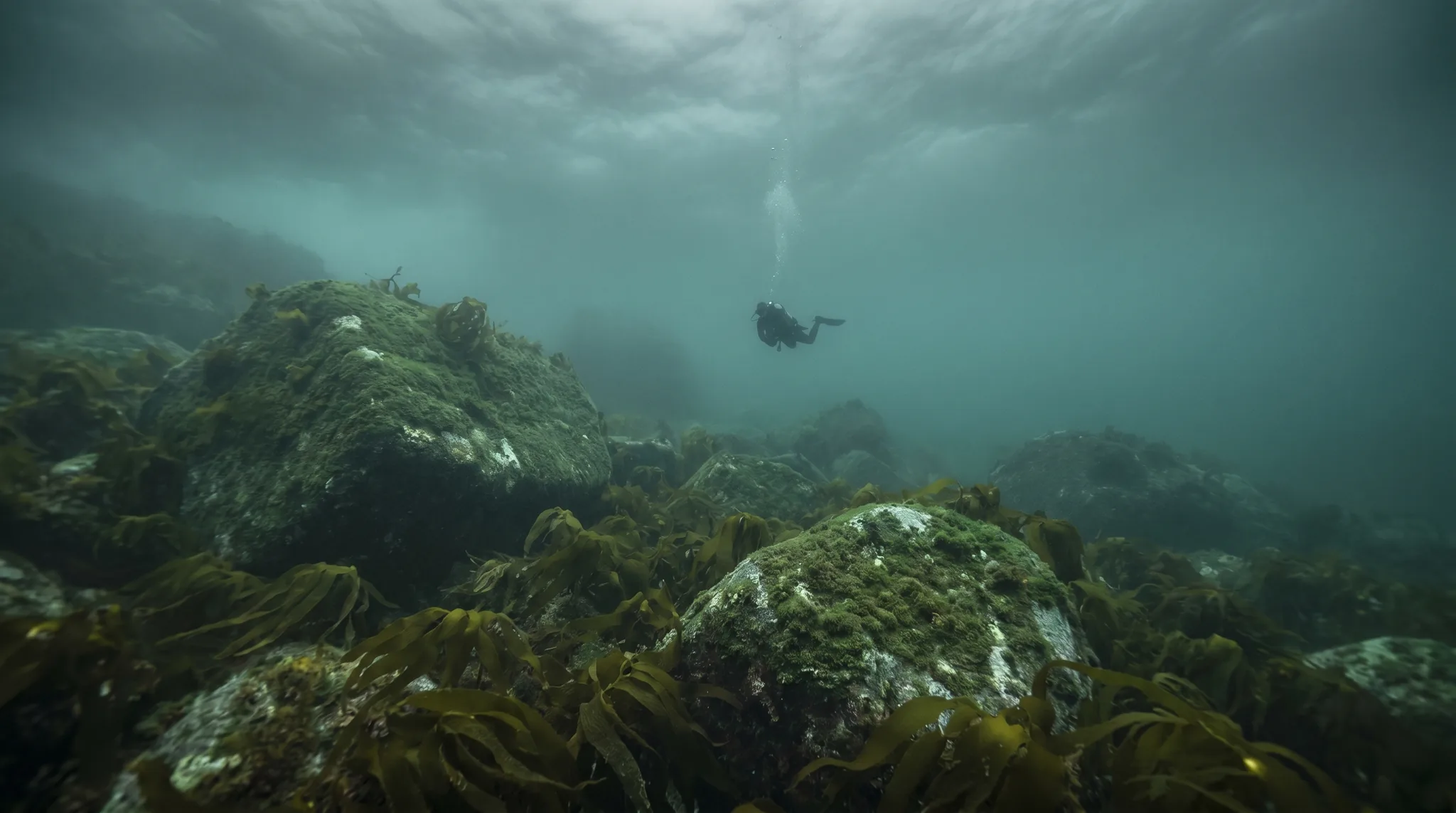
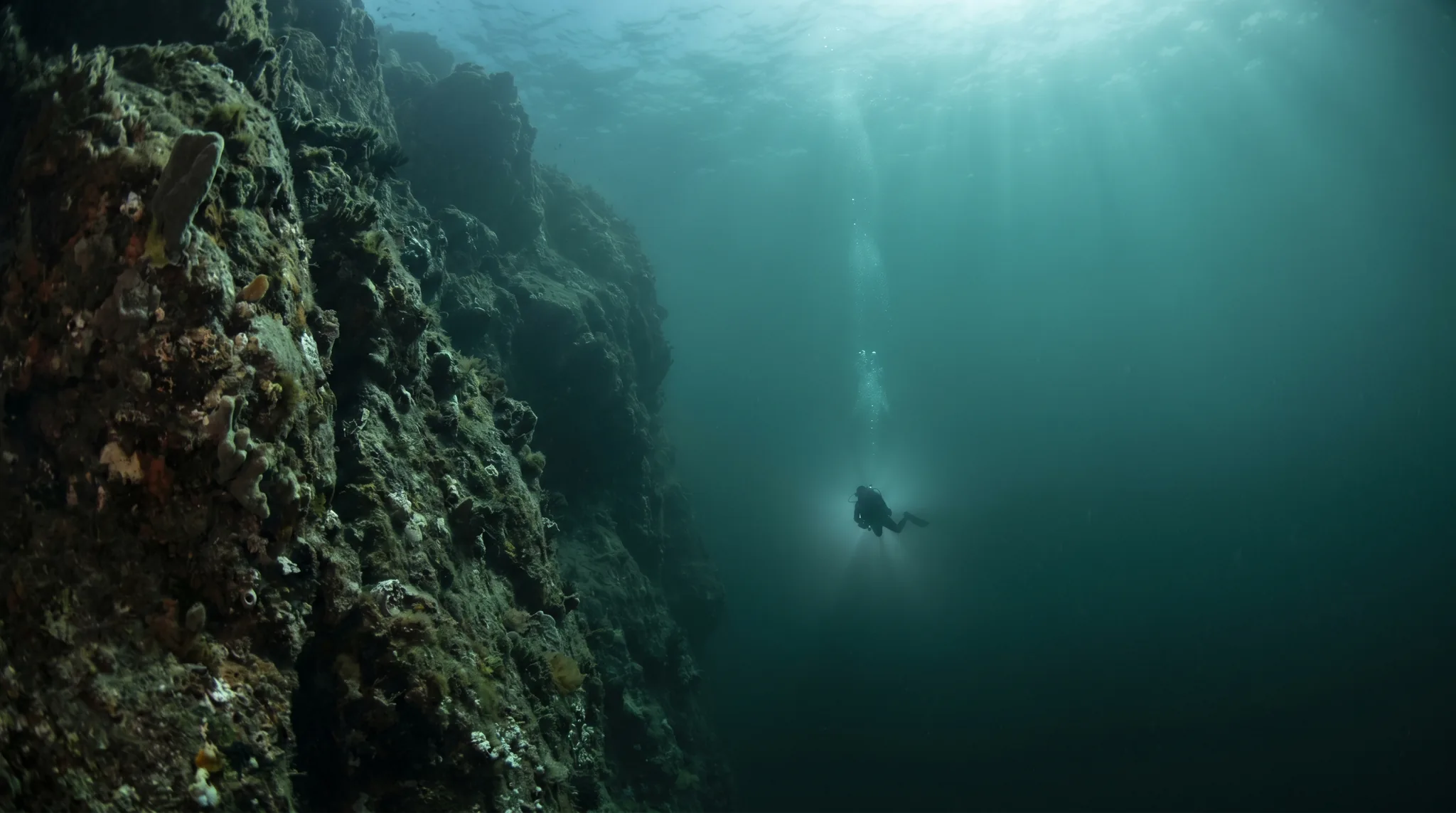
Donegal's underwater character is shaped by cool, nutrient-rich water that supports a remarkably varied community of life across reefs, kelp forests, and cave systems. The Harbor Seal is the region's signature animal, encountered with striking regularity, while Catshark, Skate, Conger Eel, and Monkfish reward patient observers on the seabed. Mulroy Bay holds the greatest concentration of sites, including the intermediate-level Horn Head dive, while the Inishowen Peninsula and South Donegal offer further variety. Conditions peak from late spring through September, when water reaches its warmest and visibility is at its most generous.
3 areas
 5
5Sheltered Donegal inlet with reliable year-round diving, from shallow beginner reefs to advanced walls and drop-offs.
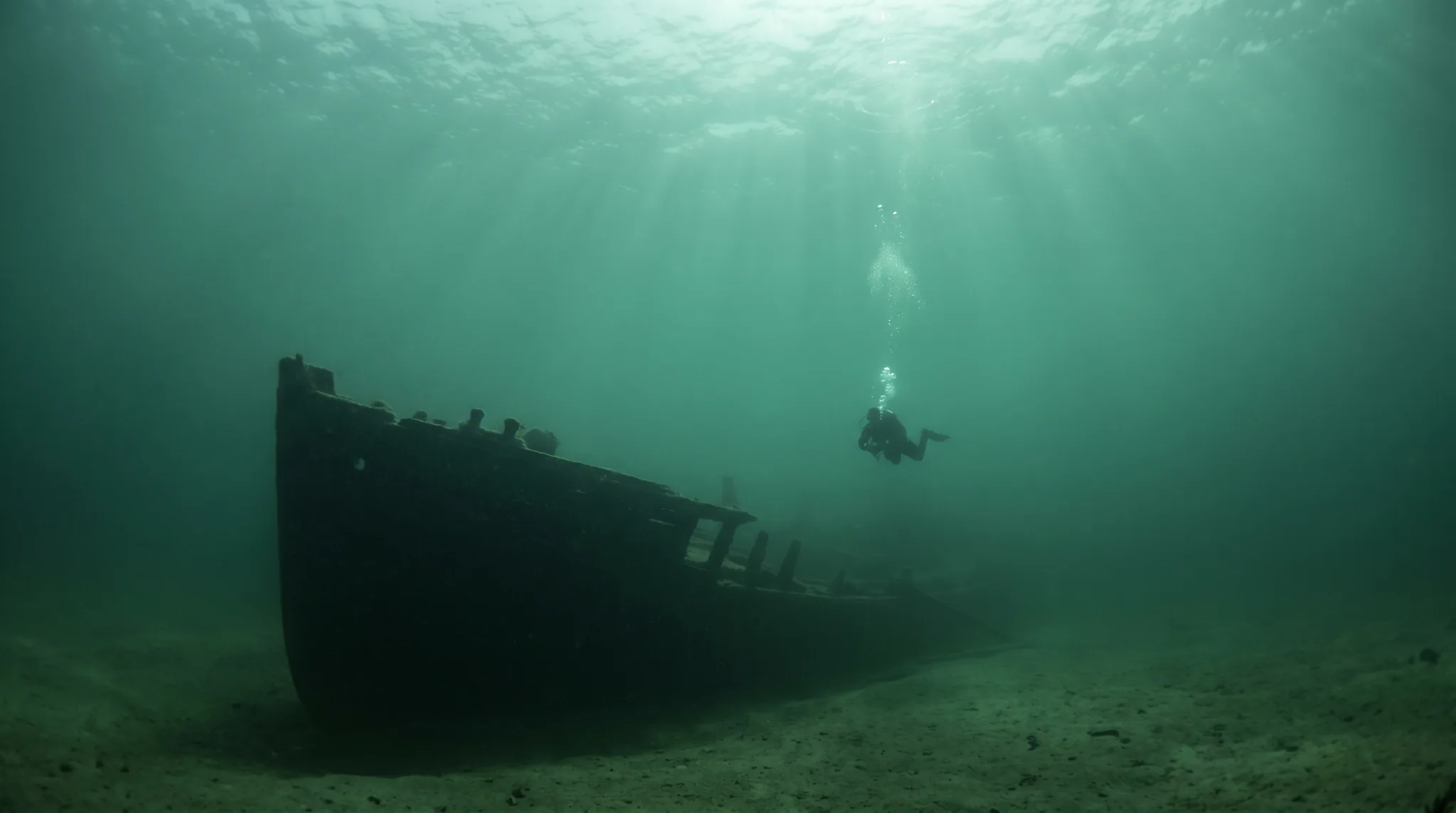
3Shore-access Atlantic sites on Ireland's northernmost peninsula, with reef, seagrass, and a Spanish Armada wreck connection.
1Reef and kelp forest diving off Arranmore Island, part of Ireland's first Island Blueway on the South Donegal Atlantic coast.
Monthly water temperature across Donegal's sites, from satellite sea-surface data corrected for depth. The band shows the site-to-site spread.
Water temperature climbs gradually from its winter low through spring, reaching its warmest in late summer before easing back through autumn. The most settled and comfortable diving falls between late spring and September, when conditions across Mulroy Bay and the Inishowen Peninsula are at their most favourable. Exposed sites like Horn Head are accessed by boat and suit intermediate divers, with kelp forests and cave systems adding variety to the reef diving on offer.
11 operators

Carnmoney, Ireland
1 more site to explore
Water temperature around Donegal ranges from about 9°C in January to 15°C in August, based on satellite sea-temperature data for its dive sites.
In the warm season (about 15°C) a 7mm or semi-dry suit is comfortable in Donegal; in the coldest months (about 9°C) step up to a drysuit.
Fin maps 10 sites in Donegal (4 scuba diving sites and 6 snorkelling spots), organised into 3 areas.
Across Donegal's dive sites, June, July, August and September are most often reported as the best months to visit.
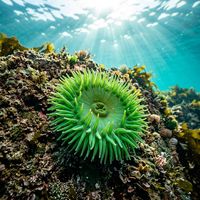
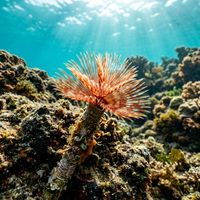
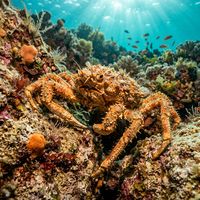
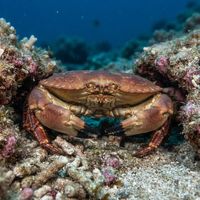
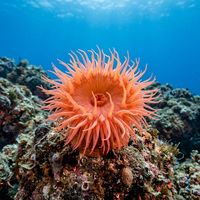
Donegal's dive sites consistently produce sightings of Harbor Seal, Catshark, Skate, and Conger Eel. Monkfish and Squat Lobster are found on the seabed, and the reefs are covered in Tube Worm, Sea Anemone, and Spiny Spider Crab. Compass Jellyfish and Giant Jellyfish appear occasionally, and Gray Seal has also been recorded.
The site data indicates that Horn Head, one of Donegal's most notable dives, is rated as intermediate, and boat access is required. Divers new to the sport should discuss their experience level with one of the local operators, such as Mevagh Diving, Aquaholics, or Red Duck Diving, before committing to the more exposed sites.
Mulroy Bay is the most site-rich part of Donegal and includes the varied terrain of Horn Head, with its reefs, kelp forests, and caves. The Inishowen Peninsula offers a smaller cluster of sites with its own character, while South Donegal has a single listed site. Snorkelling opportunities are spread across all three sub-areas.
Horn Head, the most detailed dive site in the data, is a boat-entry site. Divers planning trips to Donegal should confirm entry arrangements with local operators such as Eagle Divers or Mevagh Dive Center, as exposed headland sites typically require a boat to reach safely.