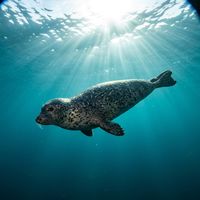
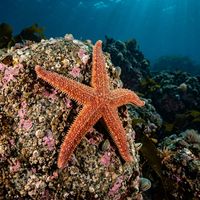
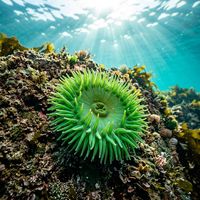
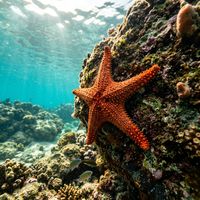
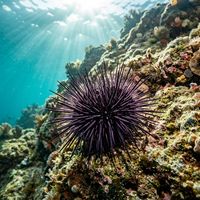
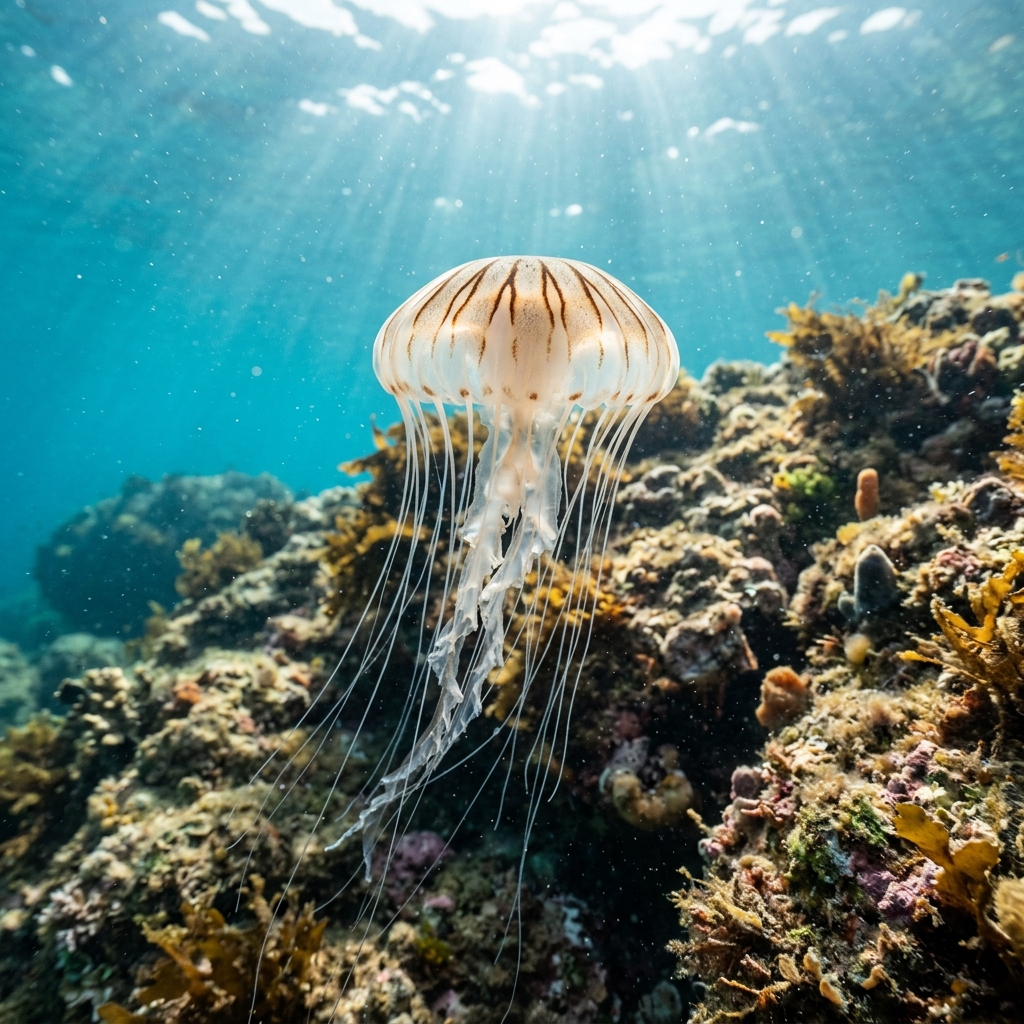
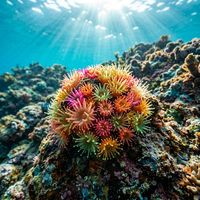
Sligo's underwater character is shaped by its reef-dominated site mix, cool seasonal waters, and a marine life community built around invertebrates and resident seals. Harbor Seal is the signature encounter, observed across the region's sites, while Dead Man's Fingers, Common Sea Star, and Sea Anemone coat the reef structures throughout. The two sub-areas divide the experience neatly: Mullaghmore holds the majority of sites, including the reef and cave combination at Skuddagh Rock, while Rosses Point offers a smaller, distinct cluster. Visibility and conditions vary with season, making summer and early autumn the most rewarding window.
2 areas
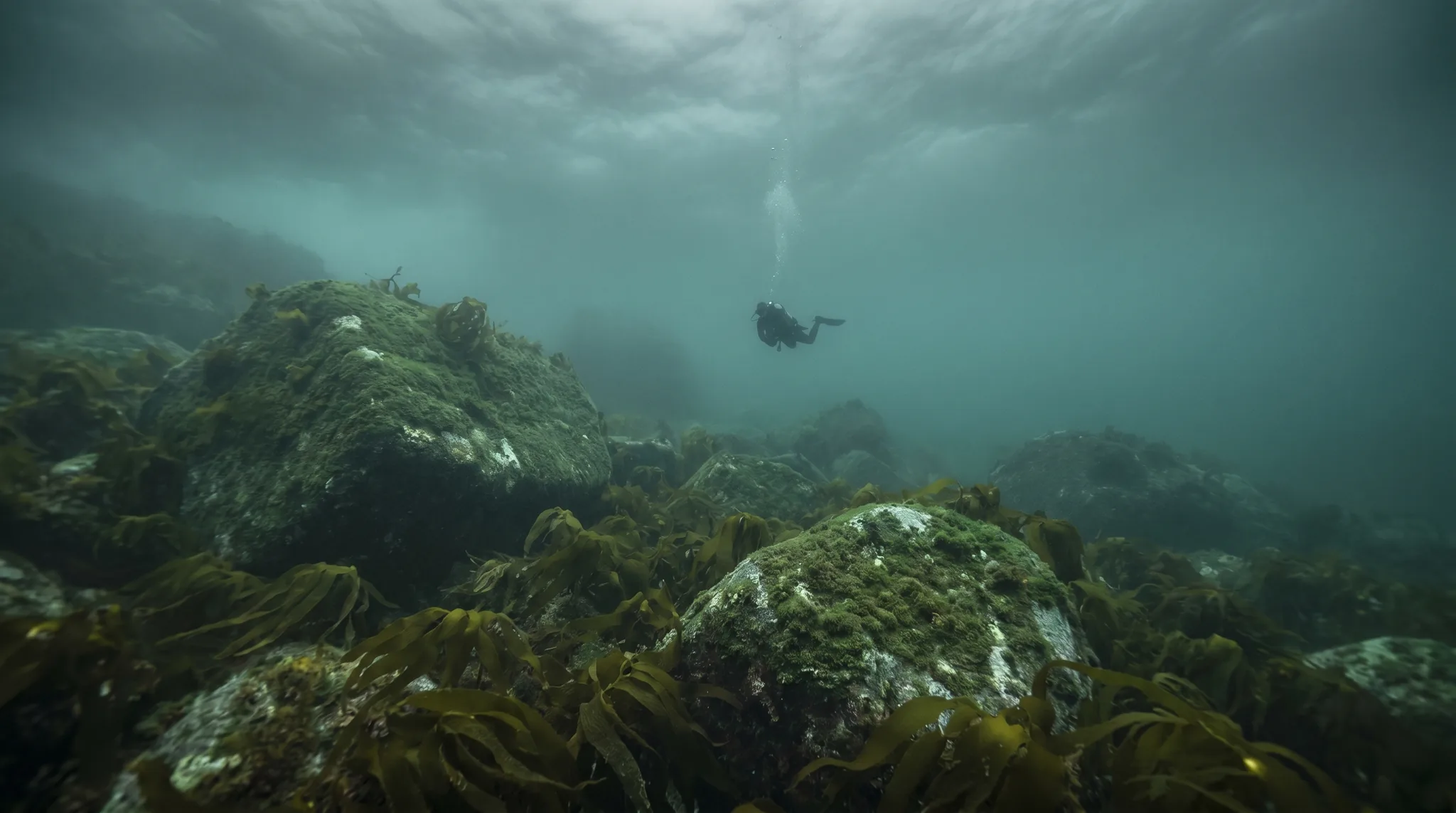
Monthly water temperature across Sligo's sites, from satellite sea-surface data corrected for depth. The band shows the site-to-site spread.
Water temperatures climb steadily from spring into summer, peaking in August before easing back through autumn. The warmest months bring the most comfortable conditions for exploring Mullaghmore's deeper reef and cave sites, where currents and exposure can increase at certain locations. Winter diving is possible but cool temperatures and less settled conditions make it better suited to experienced divers.
6 operators
Ballina, Ireland
Manorhamilton, Ireland
Ireland
Water temperature around Sligo ranges from about 9°C in January to 16°C in August, based on satellite sea-temperature data for its dive sites.
In the warm season (about 16°C) a 7mm or semi-dry suit is comfortable in Sligo; in the coldest months (about 9°C) step up to a drysuit.
Fin maps 18 sites in Sligo (16 scuba diving sites and 8 snorkelling spots, with some suited to both), organised into 2 areas.
Across Sligo's dive sites, May, June, July, August and September are most often reported as the best months to visit.
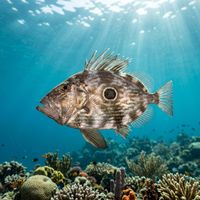
Harbor Seal is the standout encounter and is observed across the region's sites. Reef structures are well covered by Dead Man's Fingers, Sea Anemone, Feather Star, and Common Sea Star. John Dory, Wrasses, and Common Lobster are also recorded, and there have been observations of Blue Shark and, more rarely, Whale Shark.
There is a range of skill levels catered for across the region. Thumb Rock at Mullaghmore is rated beginner-friendly, with its most notable topography in shallower water. Skuddagh Rock steps up to intermediate level, combining open reef with cave sections at greater depth, so there is progression available within the region.
Mullaghmore is the larger hub, with the majority of sites and the most varied diving, including reef and cave options accessed by boat. Rosses Point is a smaller cluster of sites offering a different perspective on the region. Divers with more time are rewarded by exploring both areas.
The top sites at Mullaghmore, including Thumb Rock and Skuddagh Rock, are boat-access dives. Two local operators serve the region: North West Dive Shop and Gráinne Úaile Sub Aqua Club. Booking through one of these is the practical way to reach the offshore reef sites.