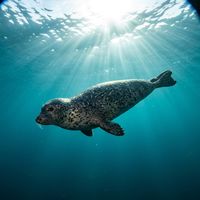
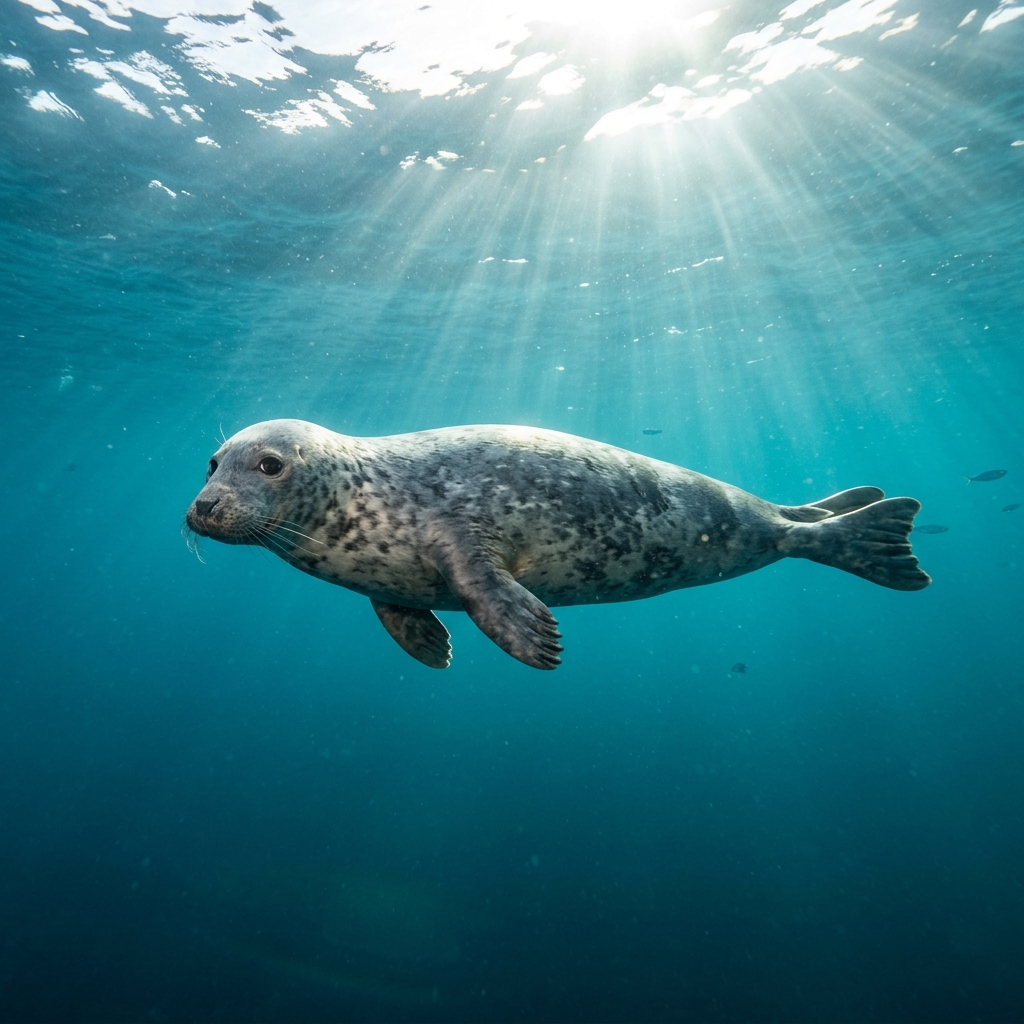
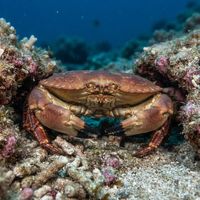
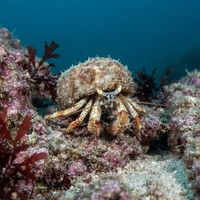
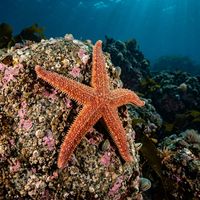
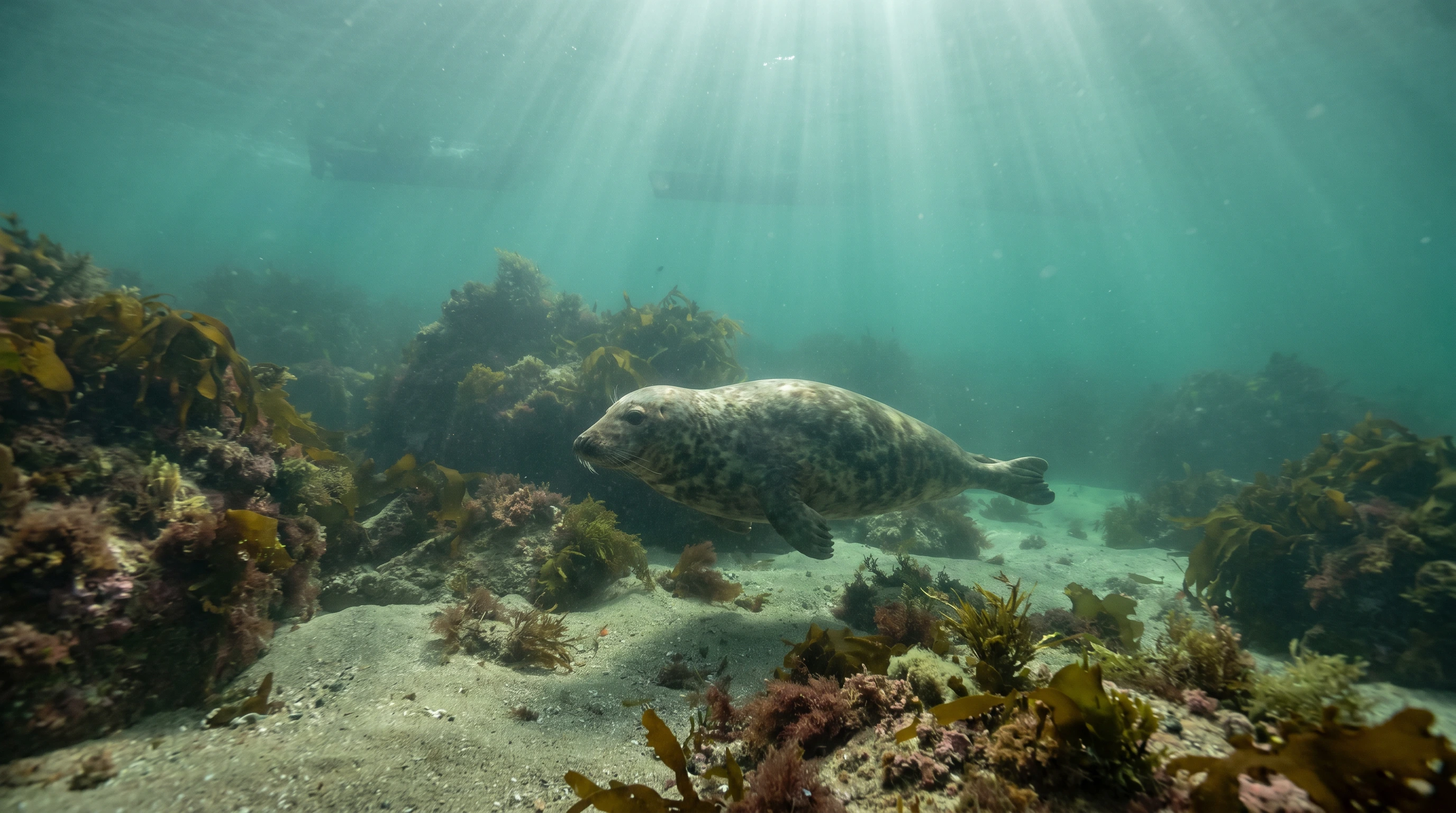
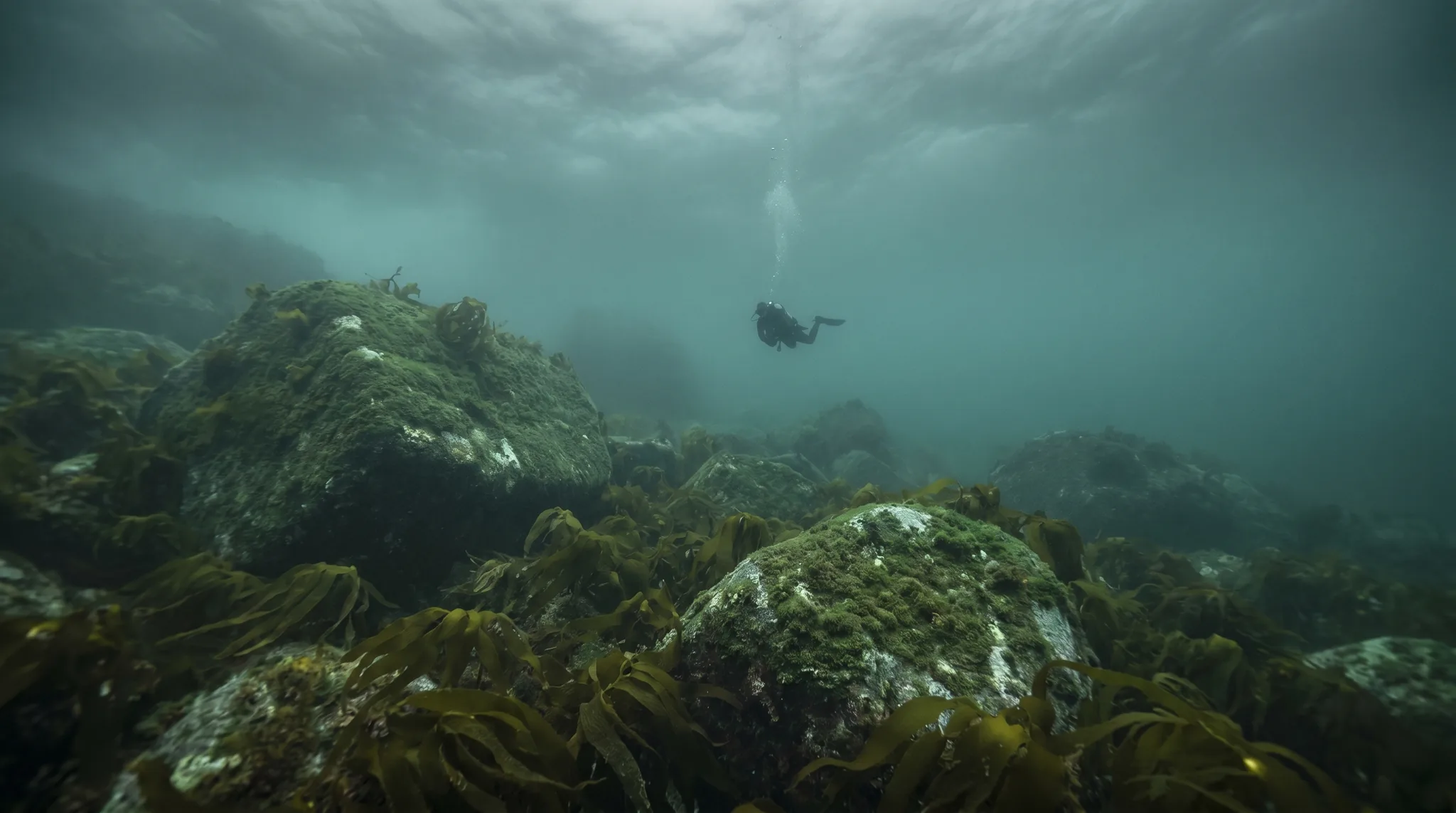
Dublin's dive sites run along a stretch of coastline anchored by two distinct sub-areas: Dun Laoghaire, with its cluster of accessible shore entries, and Dalkey Island, where rocky reefs and kelp forests draw the bulk of diver attention. The signature encounter is the Harbor Seal and Gray Seal, both observed consistently across sites. Below the kelp you will find Brittle Star, Common Sea Star, and Tube Worm carpeting the reef, while Catshark patrol regularly and Conger Eel and European Spiny Lobster appear in the crevices. Water stays cool year-round, rewarding divers who come prepared for temperate conditions.
2 areas
Monthly water temperature across Dublin's sites, from satellite sea-surface data corrected for depth. The band shows the site-to-site spread.
Water temperature climbs gradually from its winter low through spring, peaking in late summer before falling away again through autumn. The warmest window, from late spring through September, offers the most comfortable diving and typically the best visibility on sheltered sites. Winter diving remains possible for those equipped for cold water, and many local clubs dive year-round.
22 operators
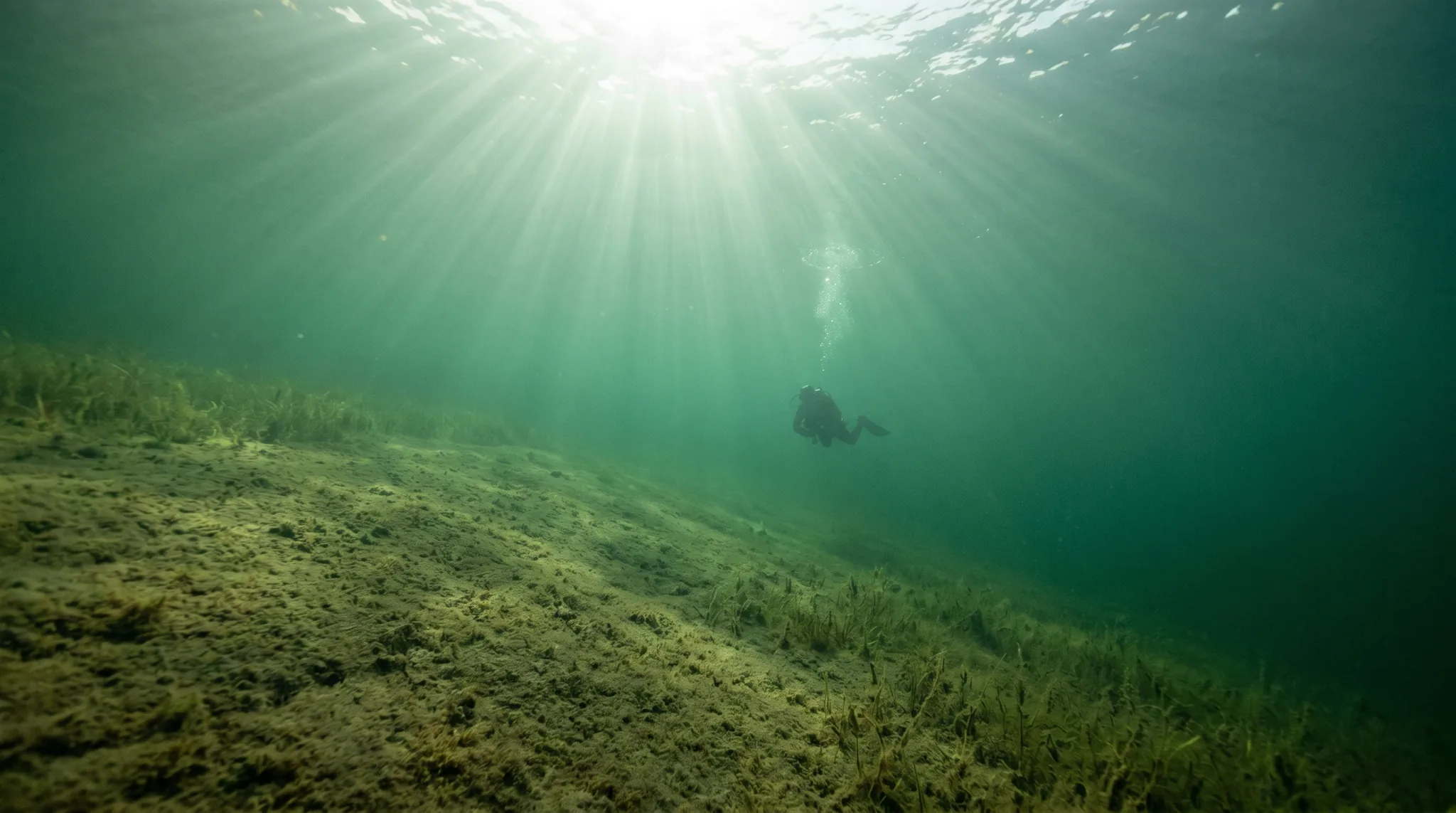
Dun Laoghaire, Ireland
Rathcoole, Ireland
6 more sites to explore
Water temperature around Dublin ranges from about 9°C in January to 16°C in August, based on satellite sea-temperature data for its dive sites.
In the warm season (about 16°C) a 7mm or semi-dry suit is comfortable in Dublin; in the coldest months (about 9°C) step up to a drysuit.
Fin maps 21 sites in Dublin (19 scuba diving sites and 6 snorkelling spots, with some suited to both), organised into 2 areas.
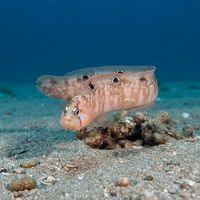
The most consistently observed species are Harbor Seal and Gray Seal, which turn up across the majority of sites. Catshark are very commonly reported, and the reefs are densely covered with Brittle Star, Common Sea Star, and Tube Worm. Conger Eel, European Spiny Lobster, and Dead Man's Fingers appear more occasionally, while Shanny and European Green Crab are found on virtually every dive.
Yes. Sites such as Sandycove Beach are rated beginner level and offer shore entry with shallow reef and kelp forest terrain. The range of site types across Dun Laoghaire and Dalkey Island means less experienced divers can find appropriate conditions without needing to travel far. Several local operators also offer training and guided dives suited to newer divers.
Dun Laoghaire holds a slightly larger cluster of sites and includes popular shore-entry spots like Sandycove Beach, making it particularly convenient for those without a boat. Dalkey Island offers a comparable number of sites with a focus on rocky reef terrain. Both sub-areas share the same core species assemblage, so the choice often comes down to access preference and conditions on the day.
Shore diving is well established in Dublin, with sites like Sandycove Beach offering direct water entry from the beach. Many of the Dun Laoghaire sites are accessible this way, which makes the area friendly for independent divers. Boat-based access is also available through local operators such as Emerald Diving Ireland LTD, Flagship Scubadiving Ltd, and Lambay Diving Services, which opens up a wider spread of sites.