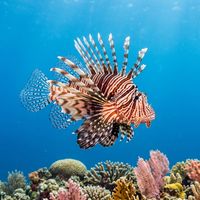
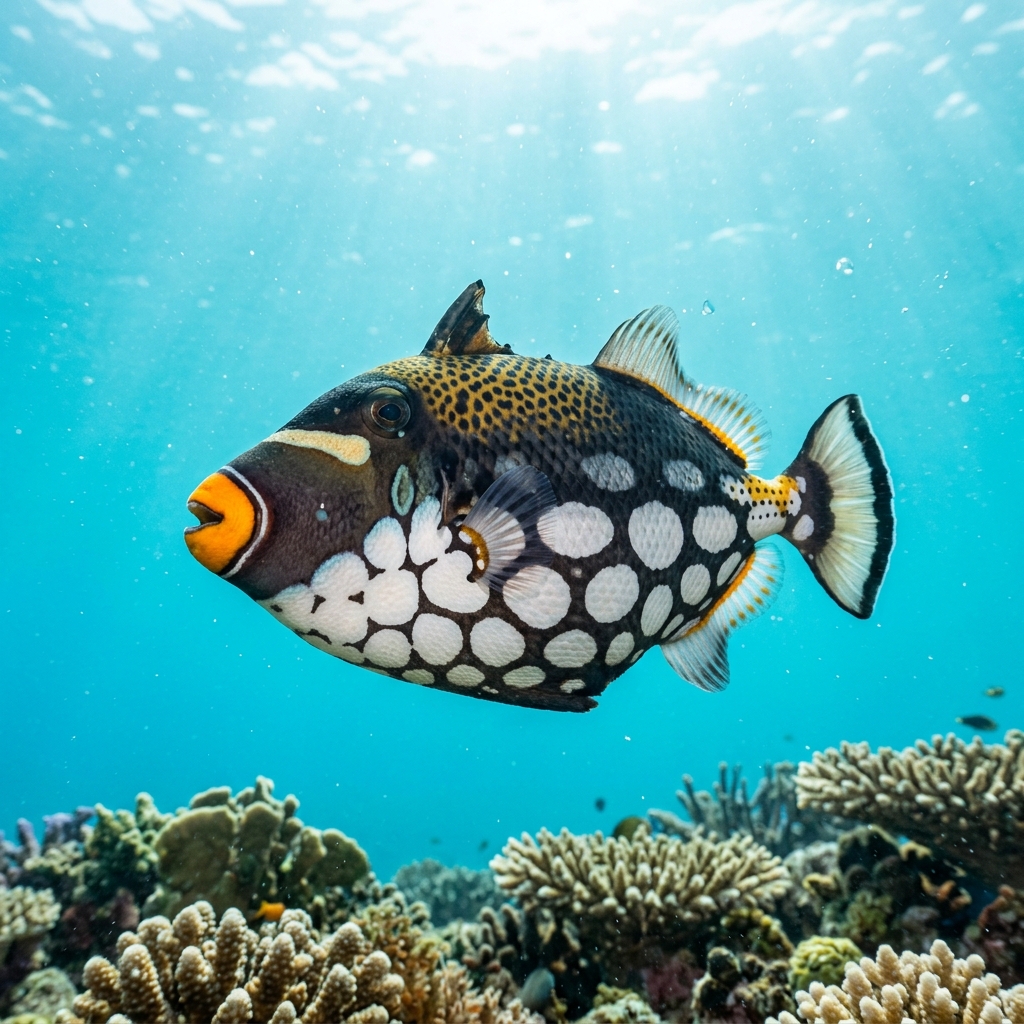
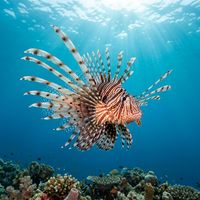
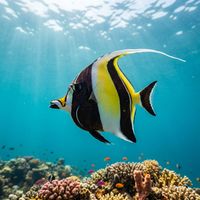
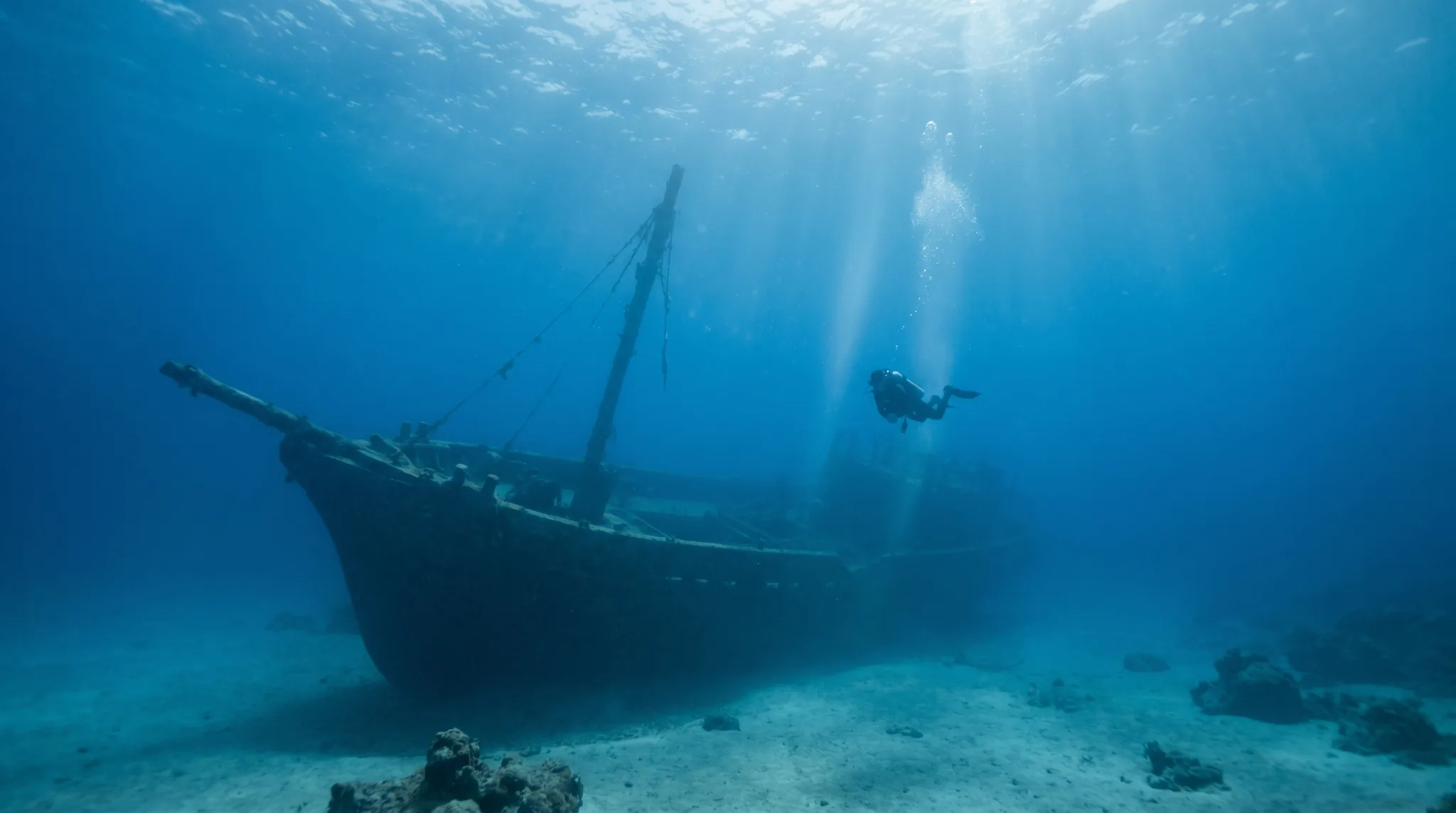
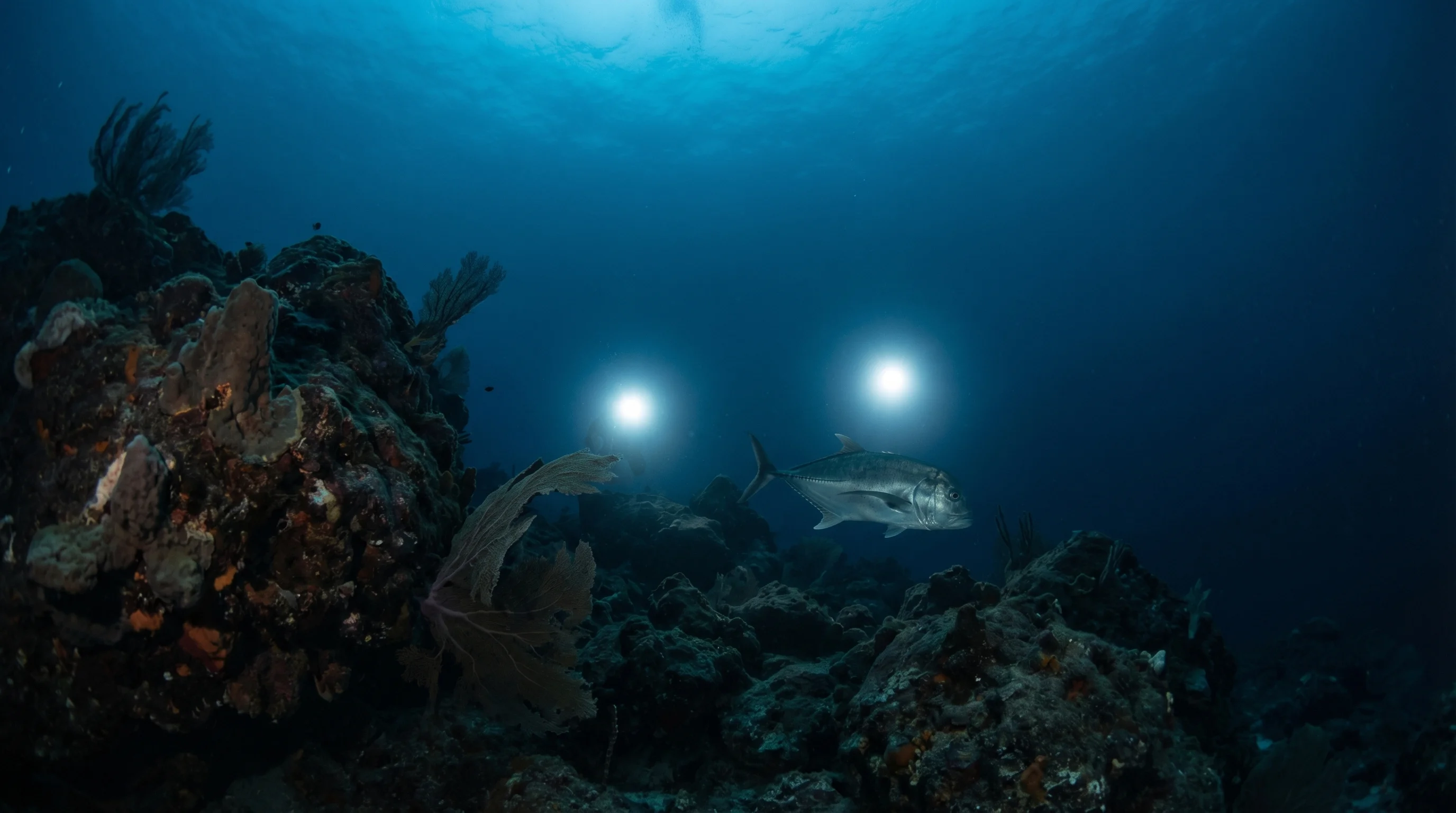
Komodo's underwater character is defined by powerful currents that sweep through pinnacles, walls, and drift reefs, creating conditions that range from beginner-friendly shallows to demanding advanced dives. Manta Point draws divers to its shallow reef for close encounters with Manta Ray, while Castle Rock and Batu Bolong challenge experienced divers with surge and down currents. Muck sites such as Wae Nilu contrast with the big-fish action elsewhere. The sub-area of Labuan Bajo adds a further cluster of sites to the north-west.
1 areas
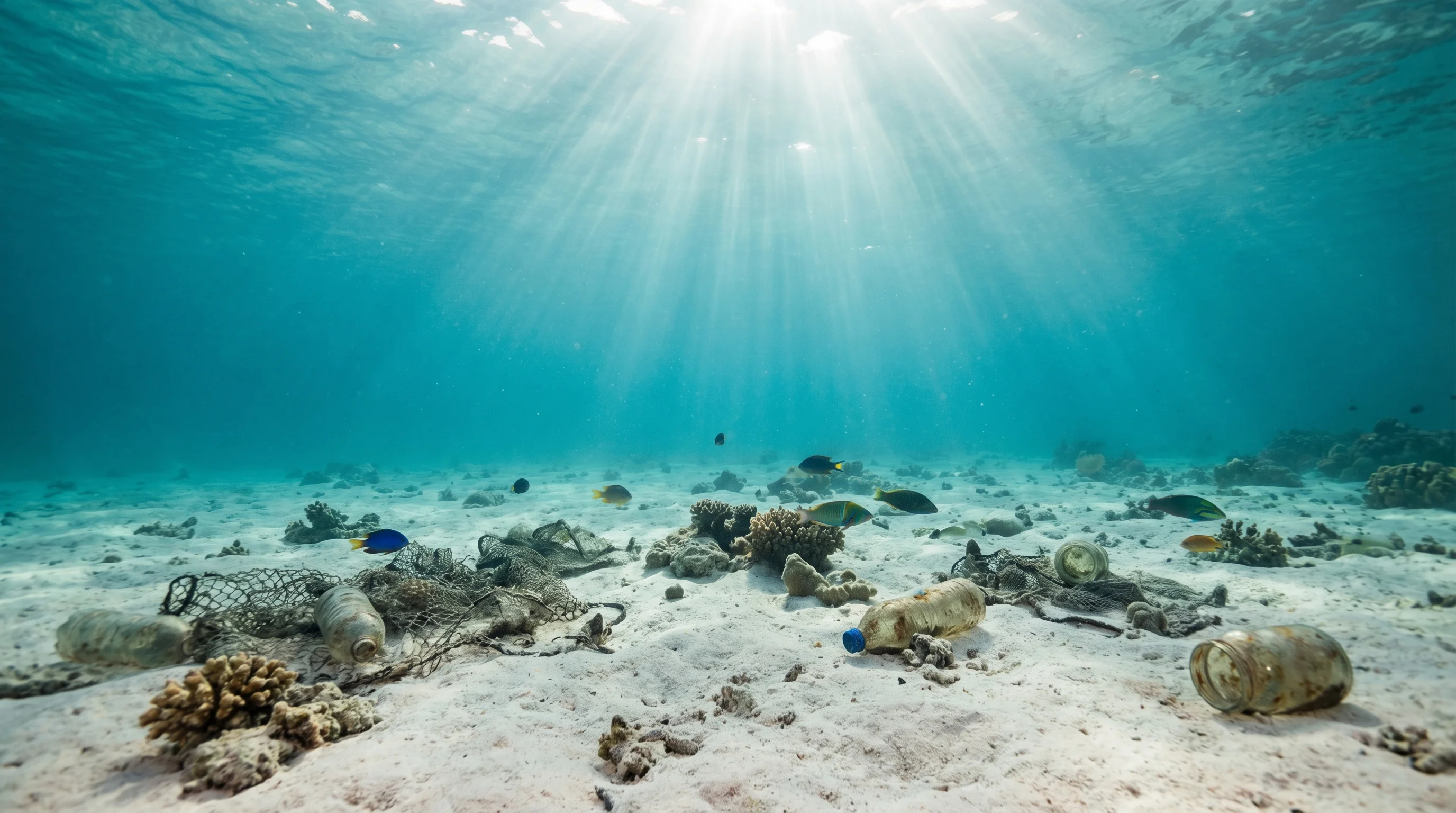
Monthly water temperature across Komodo's sites, from satellite sea-surface data corrected for depth. The band shows the site-to-site spread.
Water temperature stays warm and relatively stable across the year, with only slight variation between cooler months around April and the warmest periods in June, October and November. The best-months data points to April through November as the strongest window, with April seeing a notable peak. Currents are the defining condition here: they can shift from gentle to intense within a single dive, and many of the top sites require good buoyancy control and drift experience.
42 operators


Cempa, Indonesia
51 more sites to explore
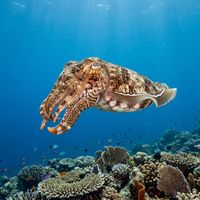
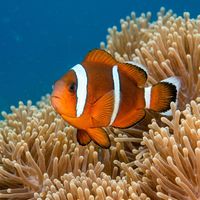
Gateway diving into the Komodo area, where muck and reef sites combine and clownfish, cuttlefish and reef sharks are regularly observed.
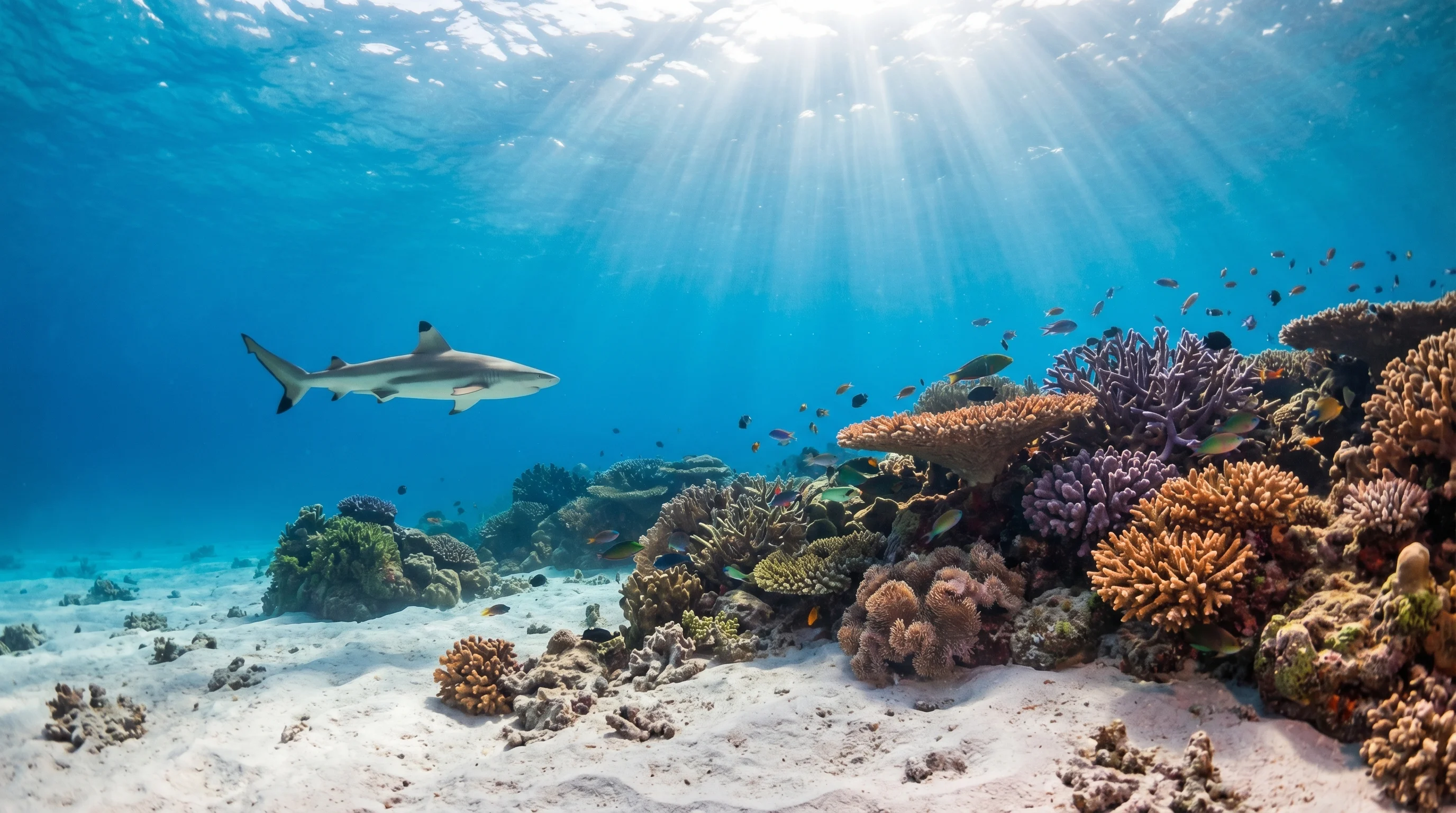
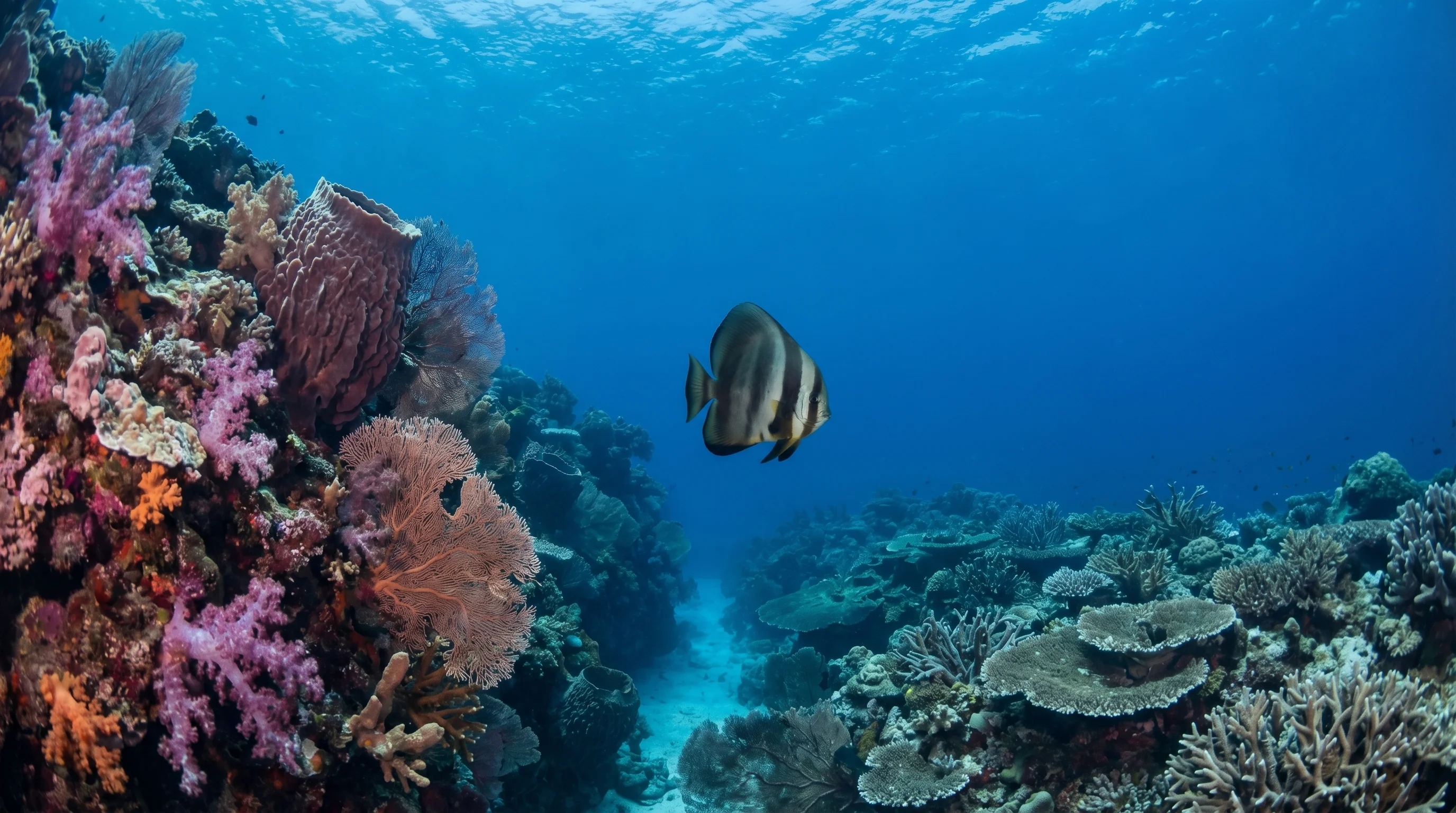
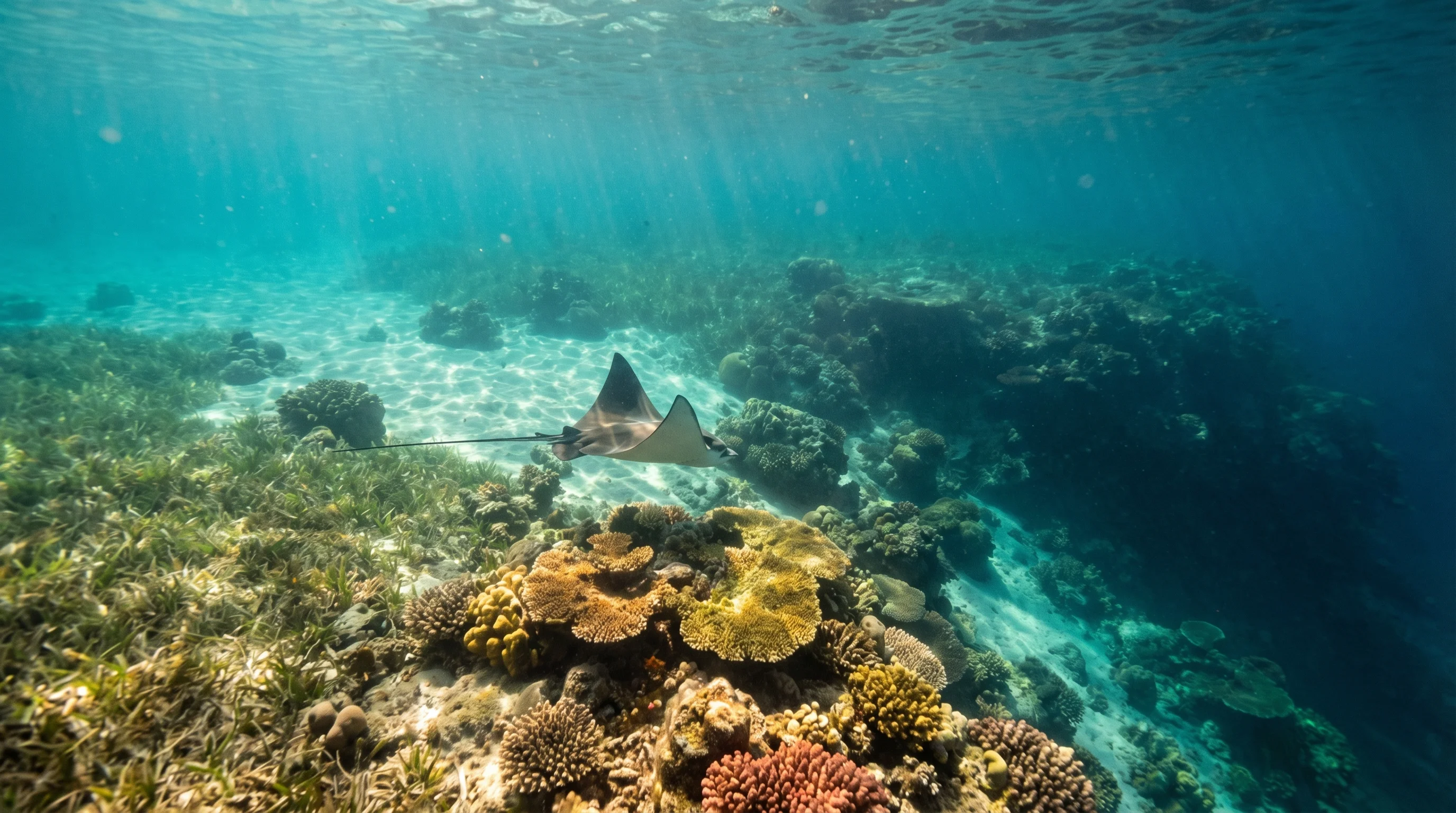
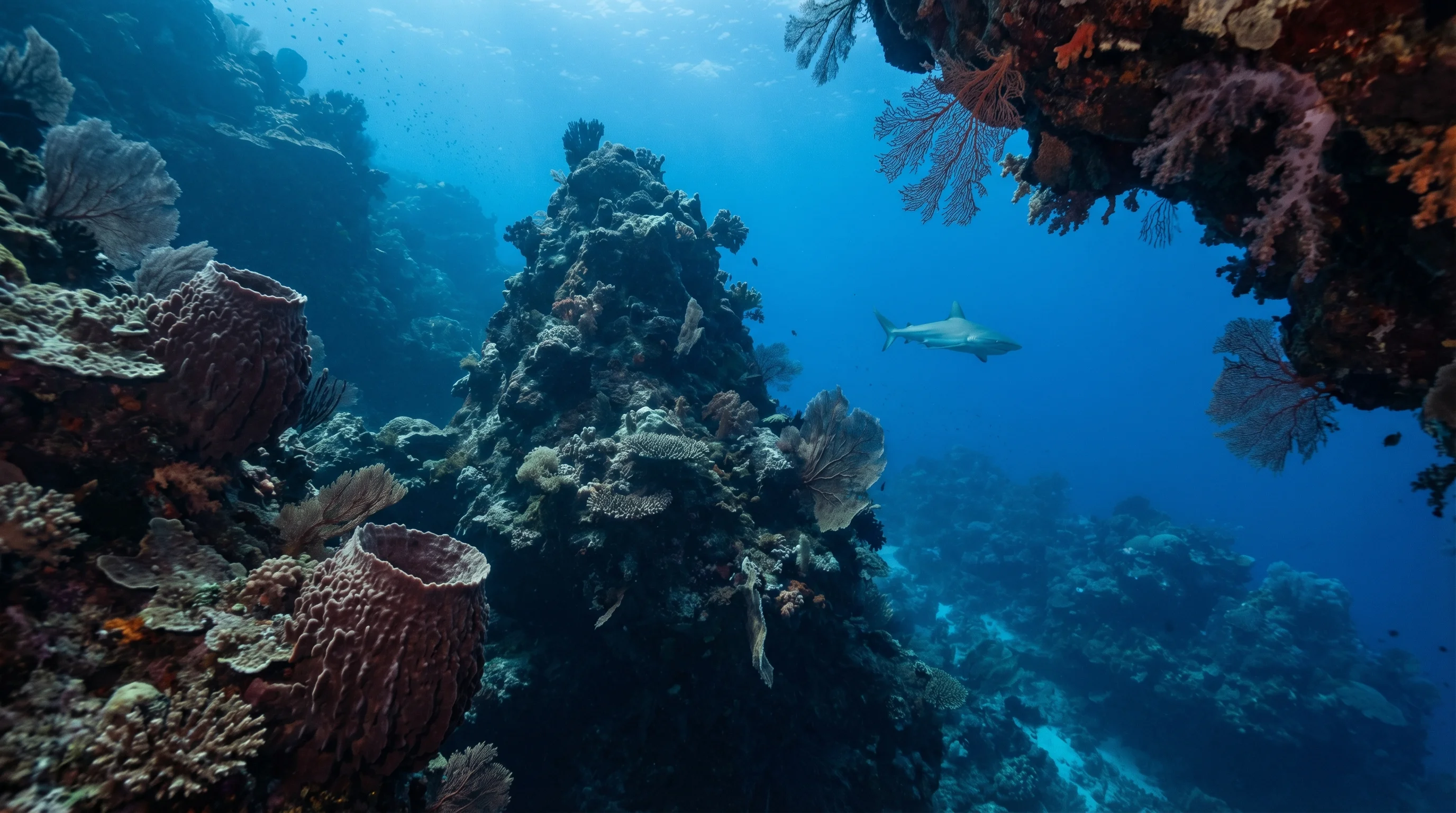
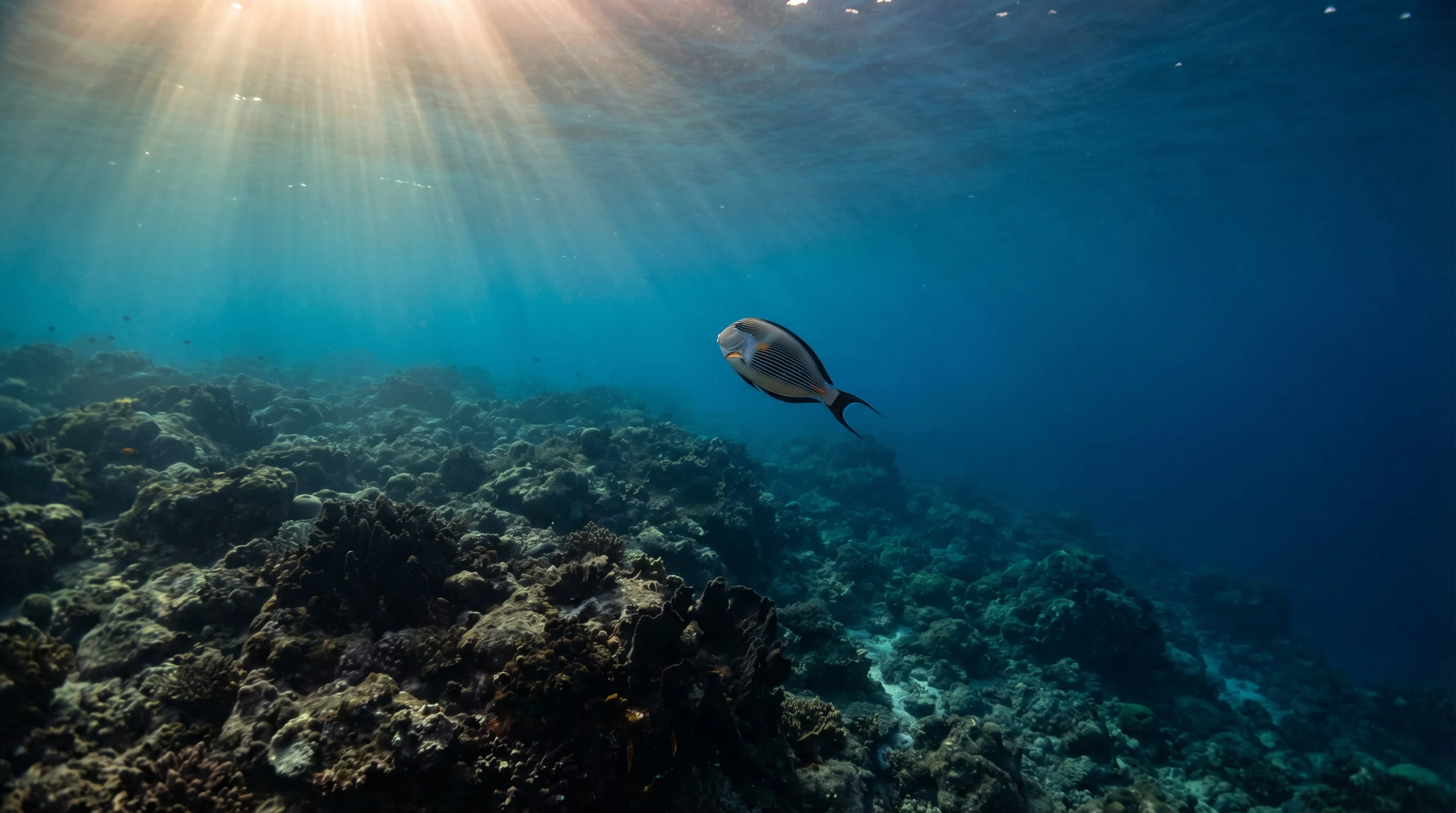
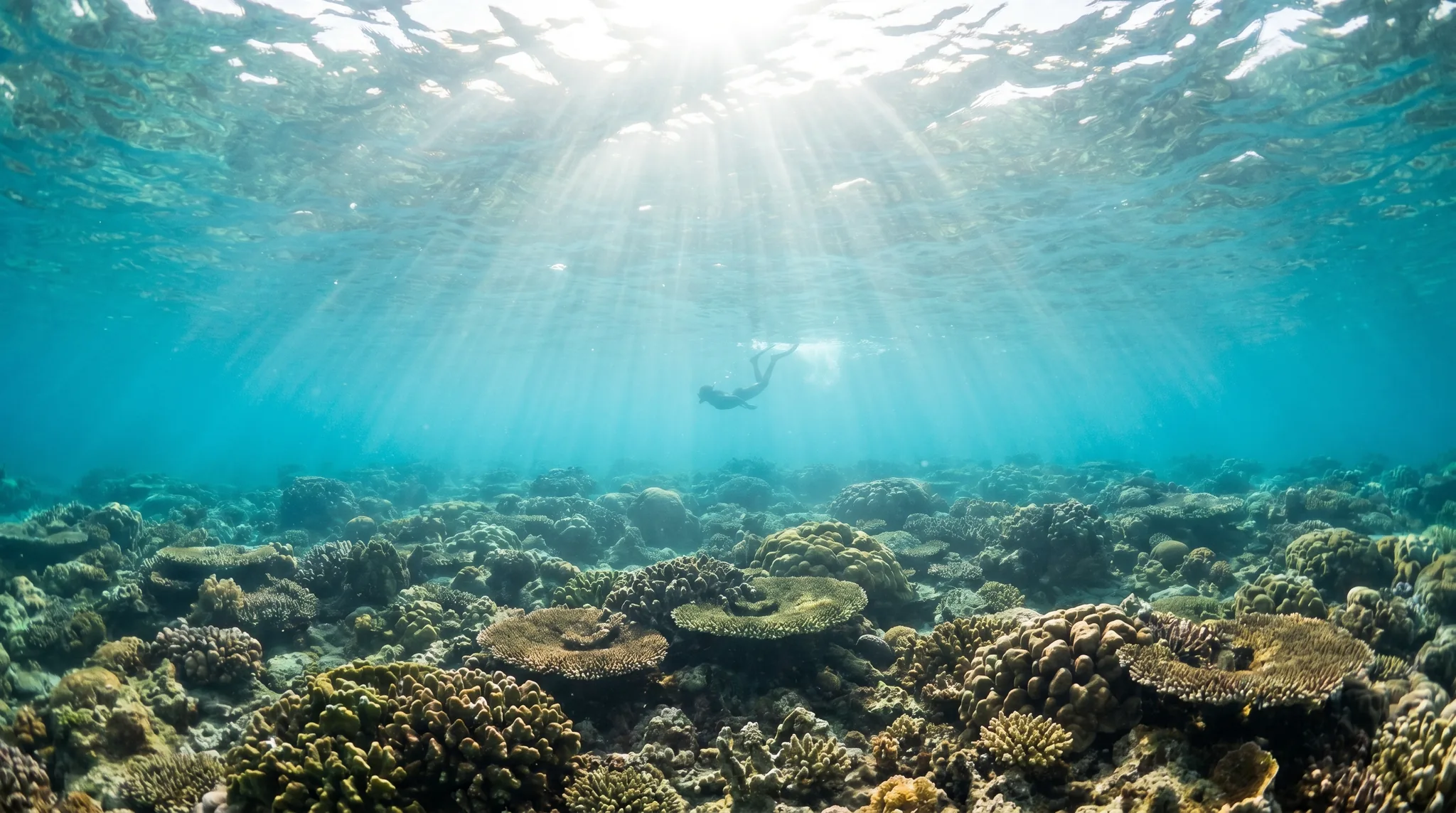
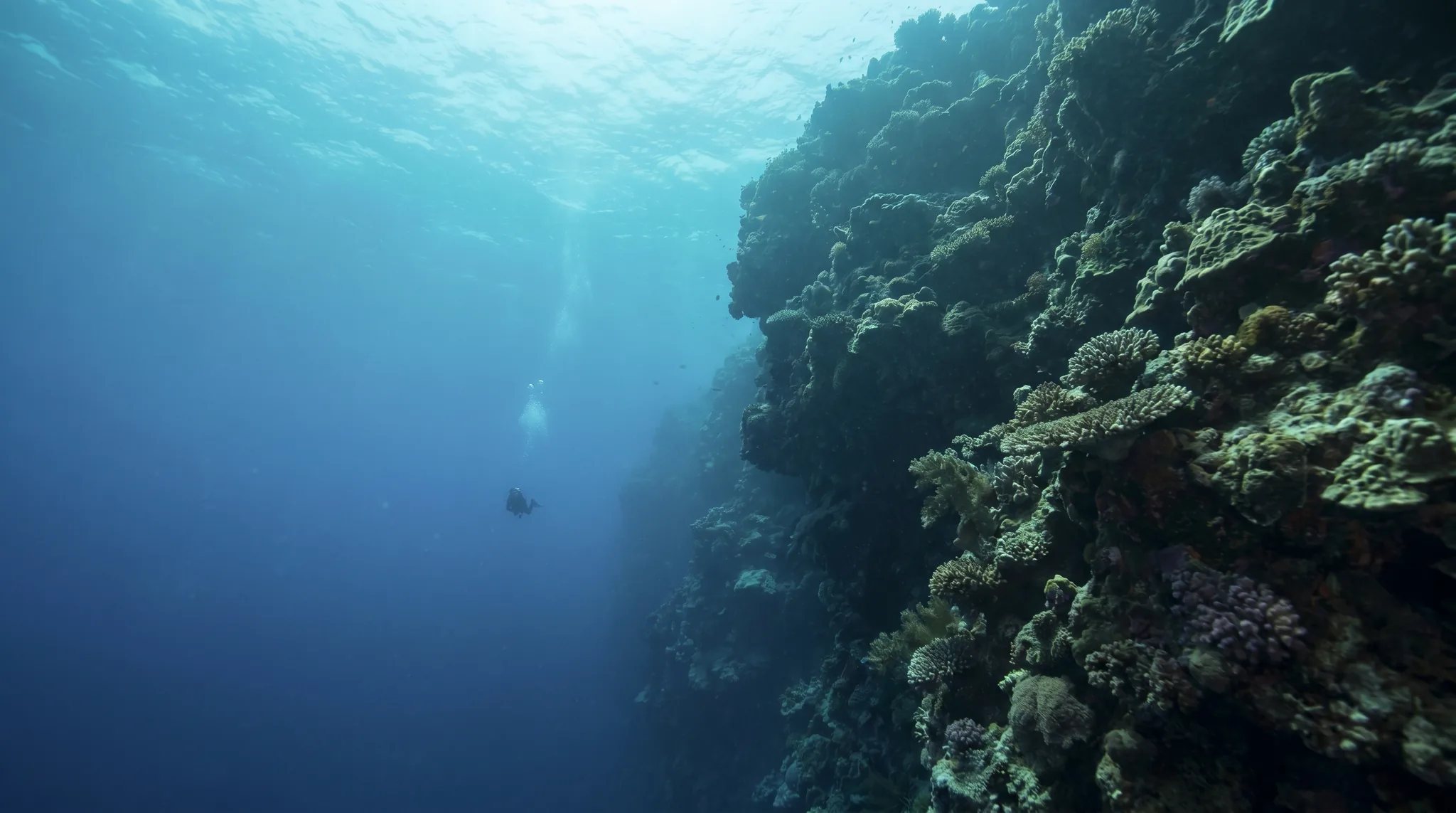
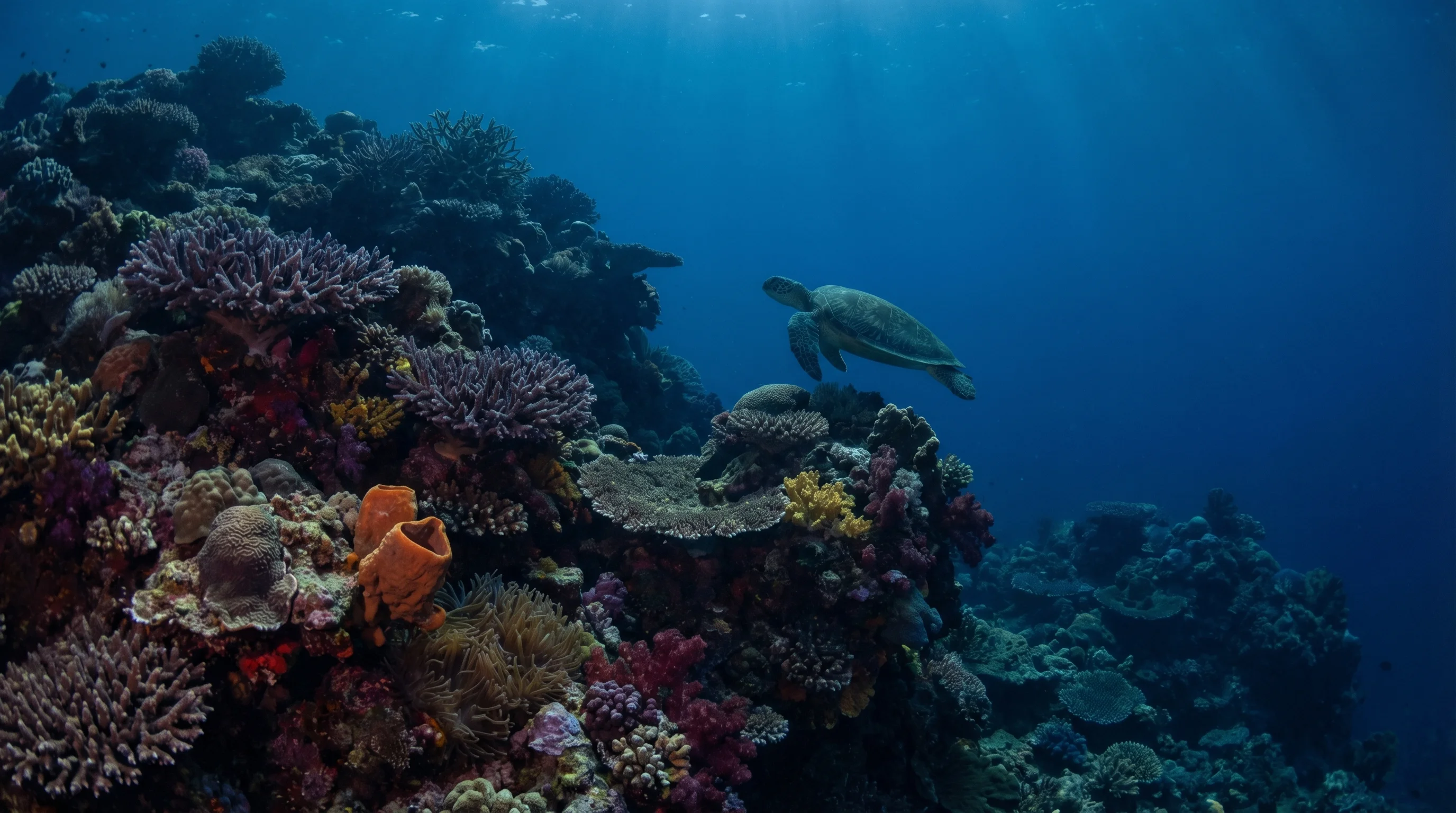
Water temperature around Komodo ranges from about 27°C in April to 29°C in June, based on satellite sea-temperature data for its dive sites.
With water around 27–29°C, a rash guard or 3mm shorty works in Komodo year-round.
Fin maps 63 sites in Komodo (63 scuba diving sites and 15 snorkelling spots, with some suited to both).
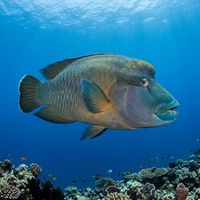
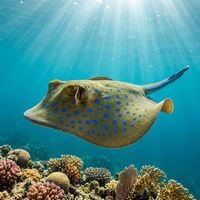
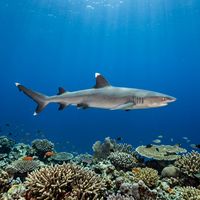
Komodo's currents attract a strong cast of large species. Whitetip Reef Shark is commonly observed across a wide range of sites, and Napoleon Wrasse is one of the most frequently encountered fish in the region. Bluespotted Fantail Ray is a regular sighting on sandy and reef areas, and the dedicated drift site at Manta Point offers the best chance of encountering Manta Ray in the shallows.
A good number of sites in Komodo are rated beginner level, including Manta Point, Wae Nilu, Siaba Besar, and the Komodo Resort house reef. However, the region's most celebrated pinnacle and wall dives, such as Castle Rock, Batu Bolong, and Langkoi Rock, are strictly for advanced divers due to strong and unpredictable currents. Beginners should discuss conditions with their operator before choosing sites.
The majority of Komodo's sites are accessed by boat, reflecting the spread of diving across open water pinnacles, exposed walls, and current-swept reefs. Shore entry is available at a smaller number of sites, most notably the Komodo Resort. The sub-area of Labuan Bajo to the north-west holds its own cluster of sites and can serve as a useful base for exploring a different part of the region.
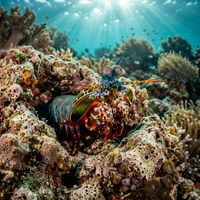
Komodo rewards patient divers looking beyond the big animals. Nembrotha Nudibranch is one of the most consistently observed species across the site network, and Chromodoris Nudibranch also appears regularly. Leaf Scorpionfish and Broadclub Cuttlefish are common finds on reef and muck sites, while Peacock Mantis Shrimp turns up on sandy bottoms. Muck sites such as Wae Nilu are particularly well suited to this style of diving.