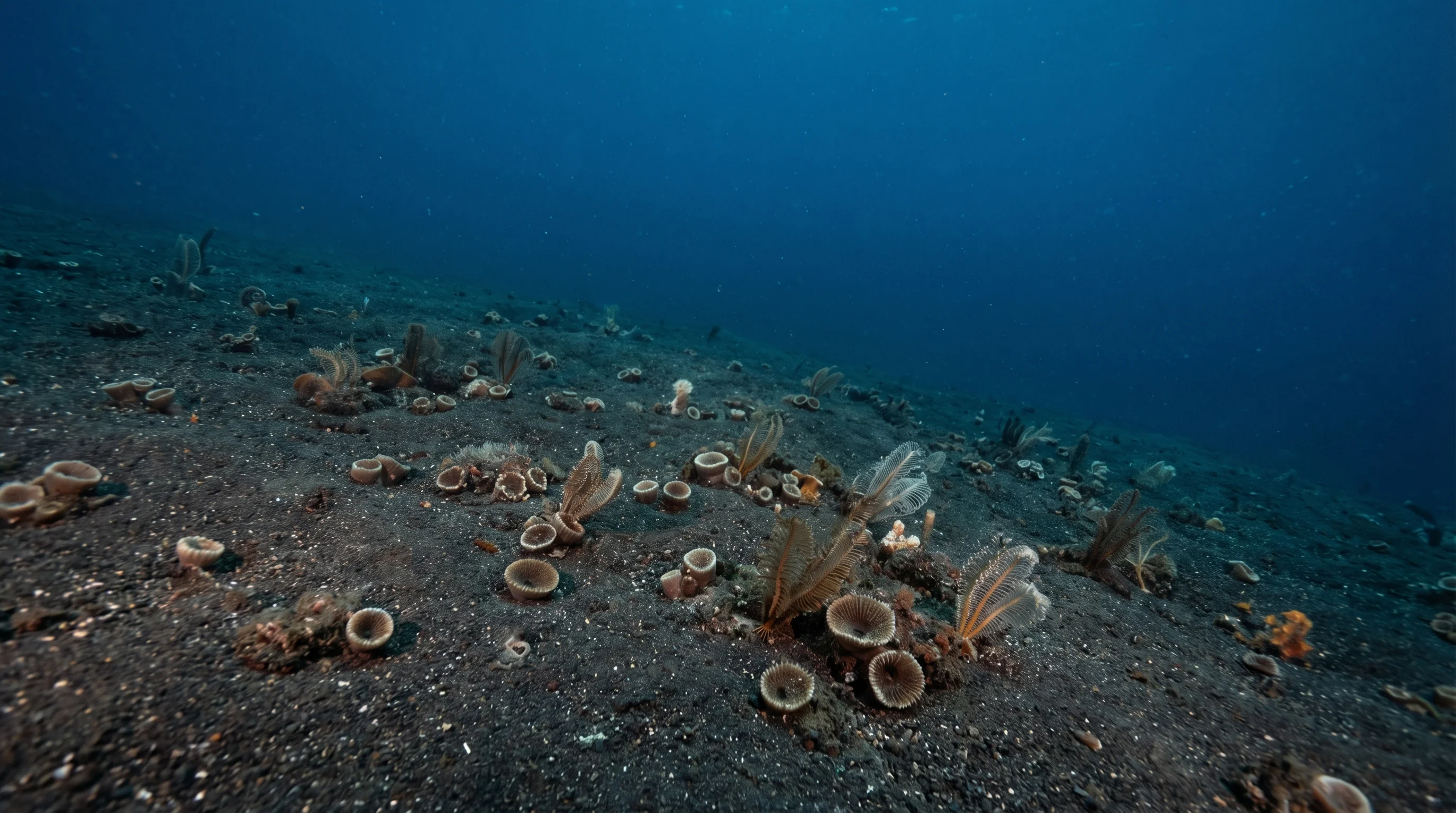
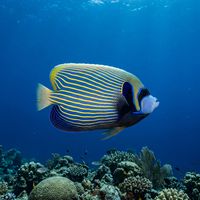
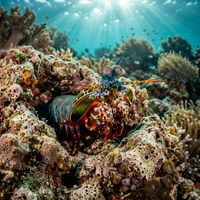
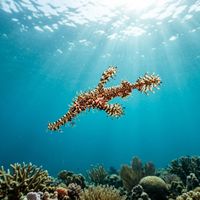
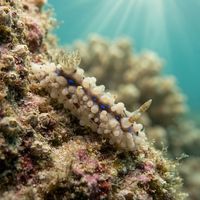
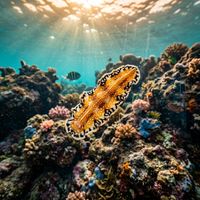
Bali offers one of the most varied dive rosters in Indonesia, spanning muck slopes, reef walls, drift dives, wrecks, caves, pinnacles and artificial reefs. Sub-areas divide the experience sharply: Nusa Penida brings strong currents and large pelagics at sites like Manta Point, Tulamben and Amed concentrate on shore-accessible reef and muck, while Menjangan and Pemuteran offer calmer wall diving in the north-west. Wrasse is encountered across nearly all sites, and signature finds include the Ornate Ghostpipefish, Peacock Mantis Shrimp, Chromodoris Nudibranch and Emperor Angelfish. Conditions range from beginner-friendly bays to demanding drift and deep-wall dives.
9 areas
 47
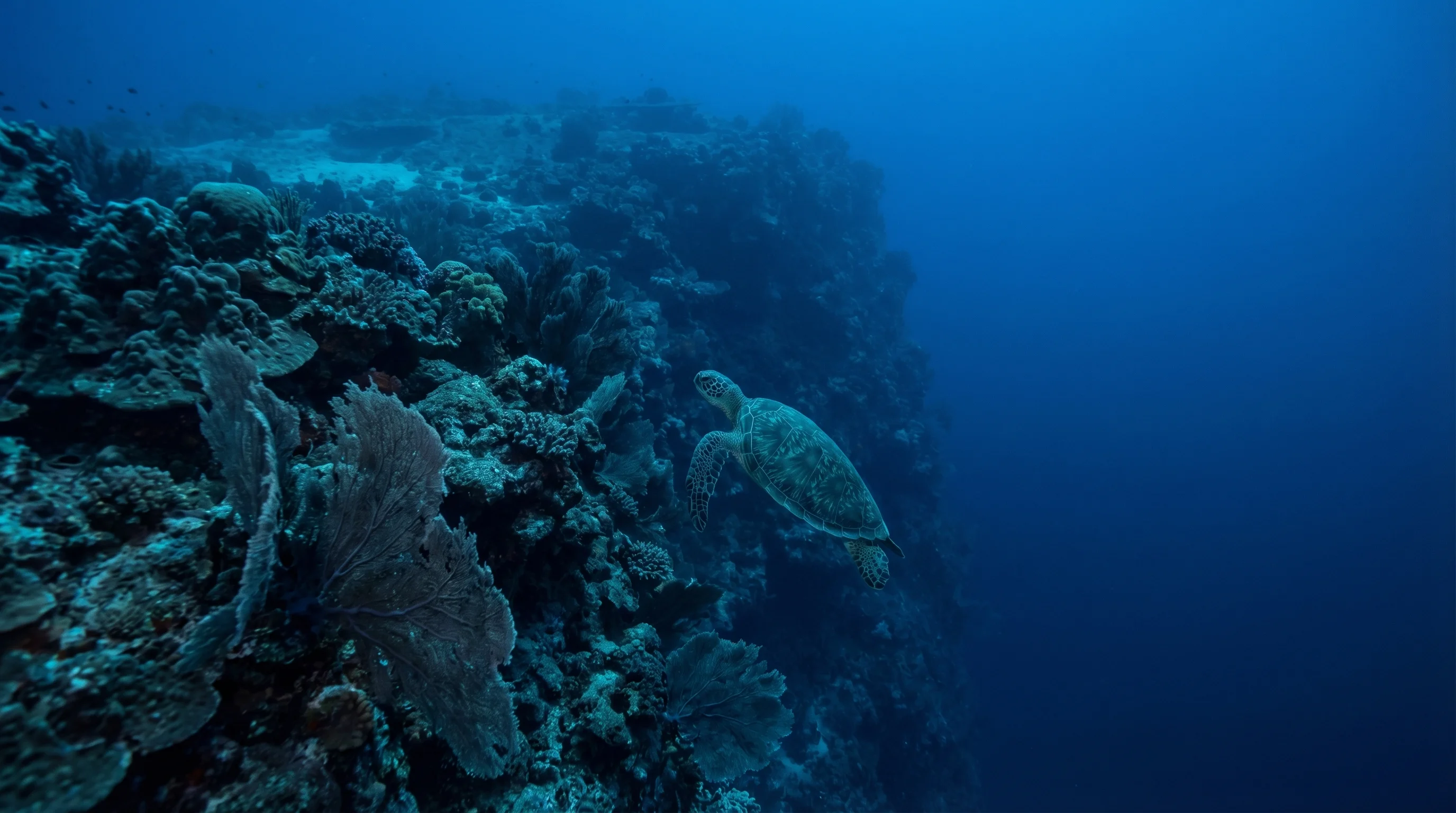
47Drift reefs and walls where Reef Manta Ray and Ocean Sunfish are regularly observed, alongside some of Indonesia's richest nudibranch and reef fish diversity.
 29
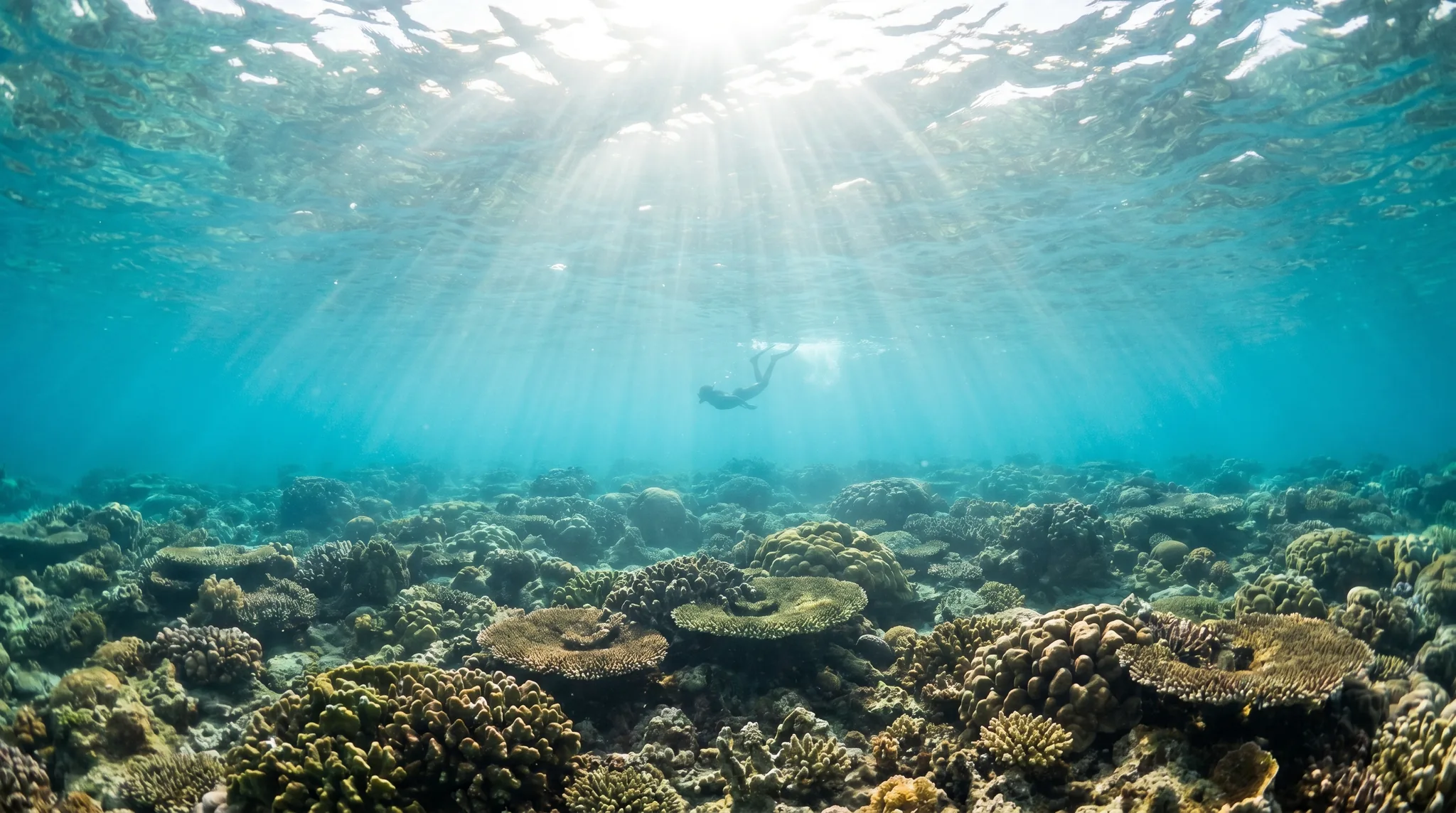
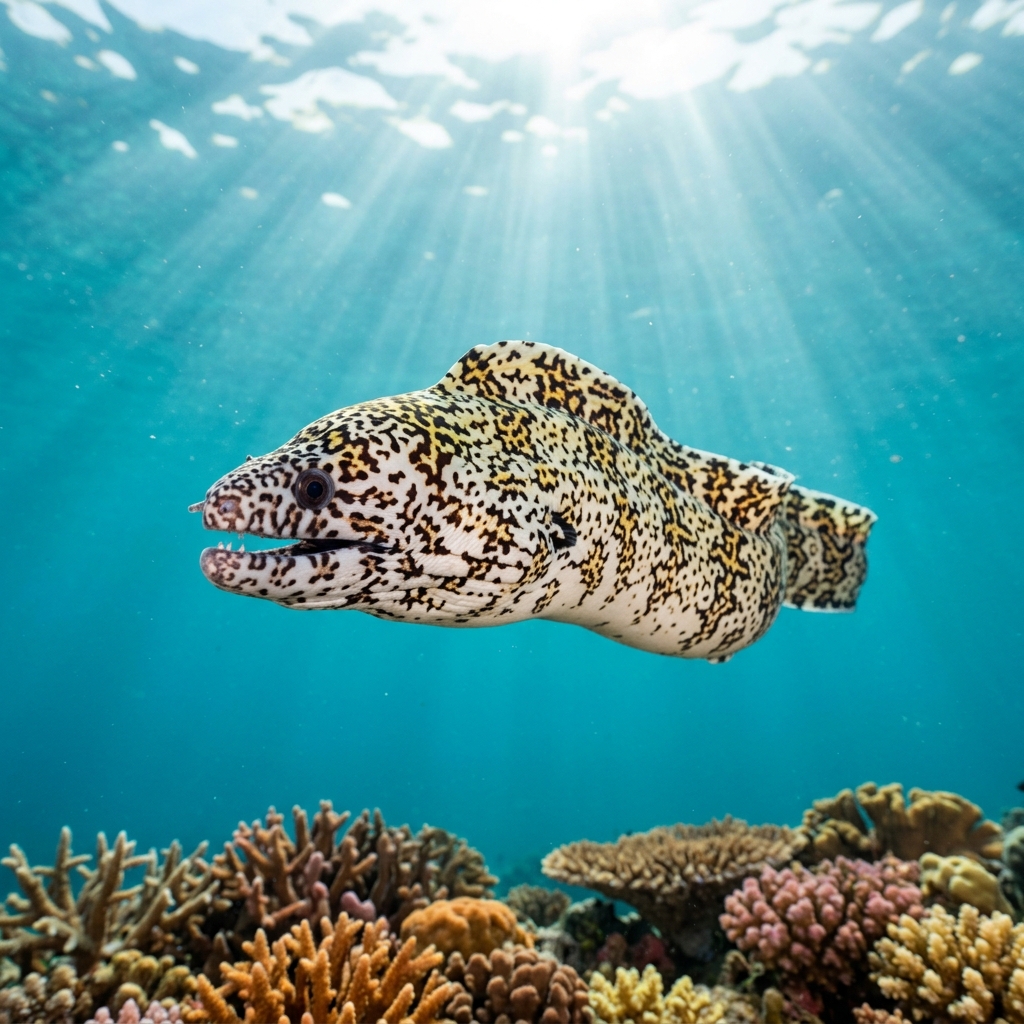
29Beginner-friendly reefs and artificial structures close to shore, with Sea Krait, Snowflake Moray and Whitetip Reef Shark among the highlights.
 22
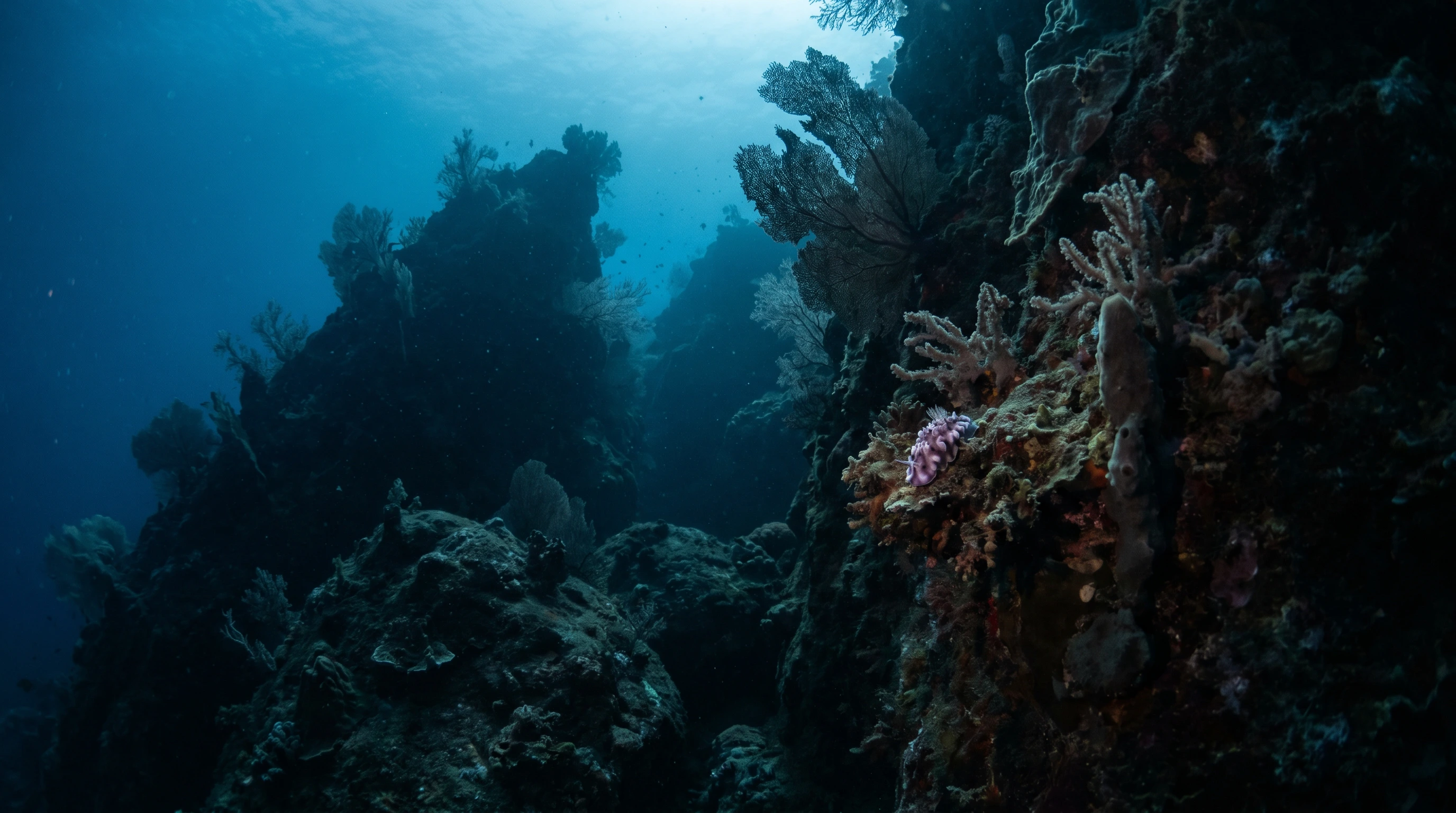
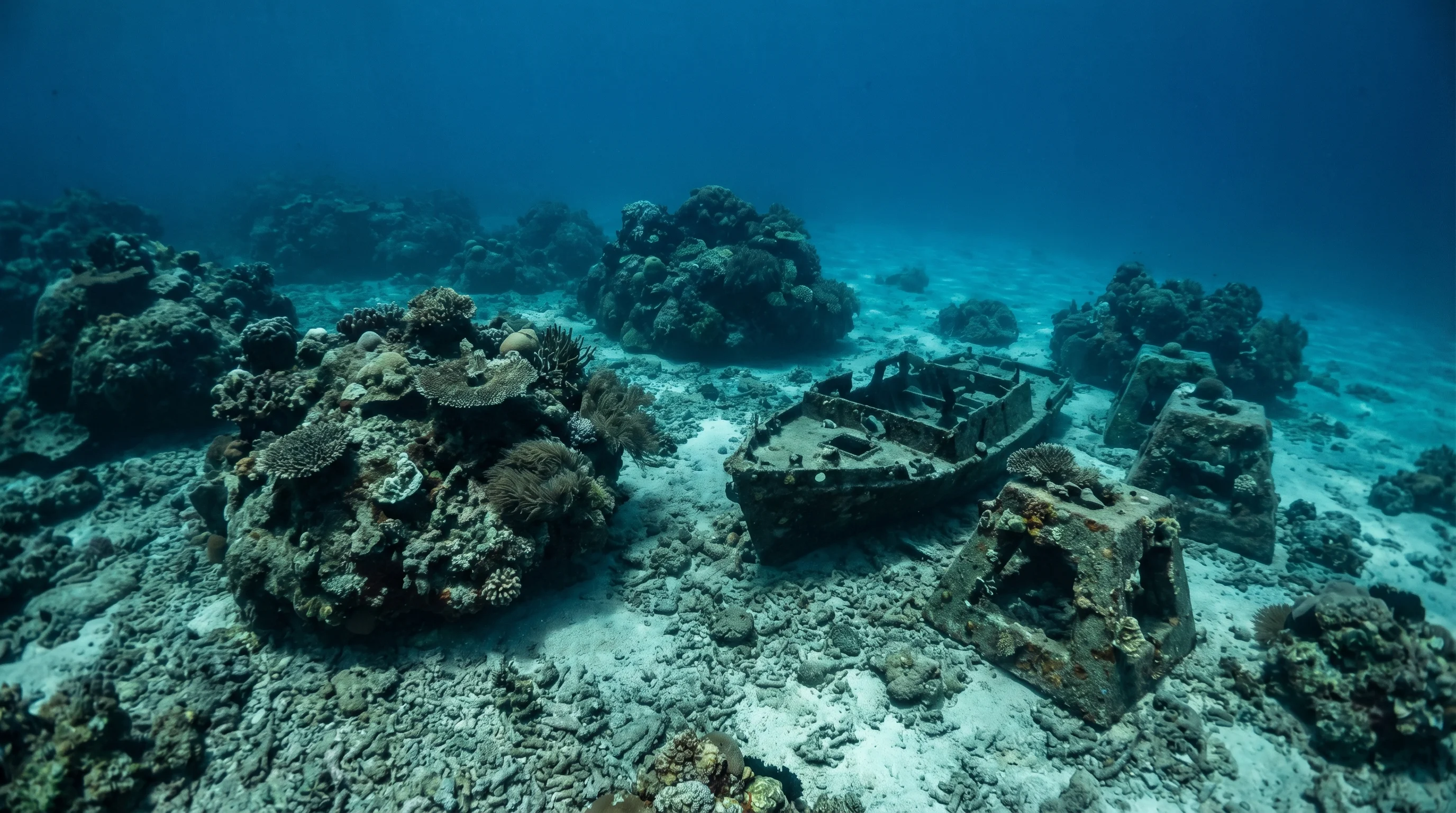
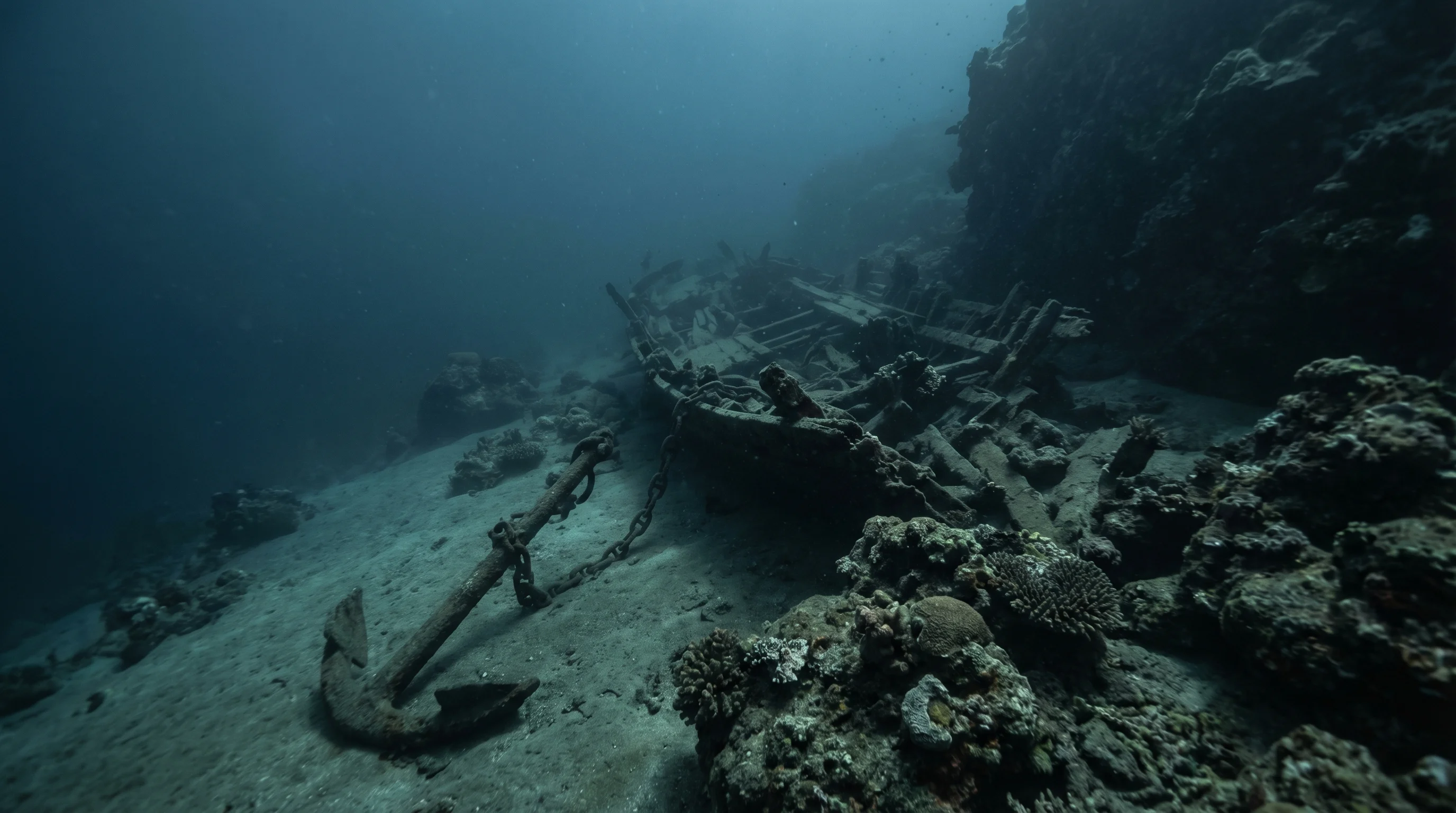
22Home to the USS Liberty Wreck and some of Bali's finest muck diving, Tulamben mixes shore-entry wrecks, sandy flats and steep walls in a compact area.
Monthly water temperature across Bali's sites, from satellite sea-surface data corrected for depth. The band shows the site-to-site spread.
Water temperature stays warm throughout the year, with a slight dip in the middle months that often coincides with stronger currents and upwellings, particularly around Nusa Penida. Visibility is at its most reliable from April through November, which aligns with the peak months recorded across Bali's sites. The dry season brings calmer surface conditions in the north and west, making Pemuteran and Menjangan especially accessible during that period.
147 operators



Jungutbatu Kaja Dua, Indonesia
Beginner-friendly reef and muck diving with strong macro credentials, from artificial structures to walls and pinnacles.
Water temperature around Bali ranges from about 27°C in August to 29°C in February, based on satellite sea-temperature data for its dive sites.
With water around 27–29°C, a rash guard or 3mm shorty works in Bali year-round.
Fin maps 180 sites in Bali (167 scuba diving sites and 46 snorkelling spots, with some suited to both), organised into 9 areas.
Across Bali's dive sites, April, July, August, September, October and November are most often reported as the best months to visit.
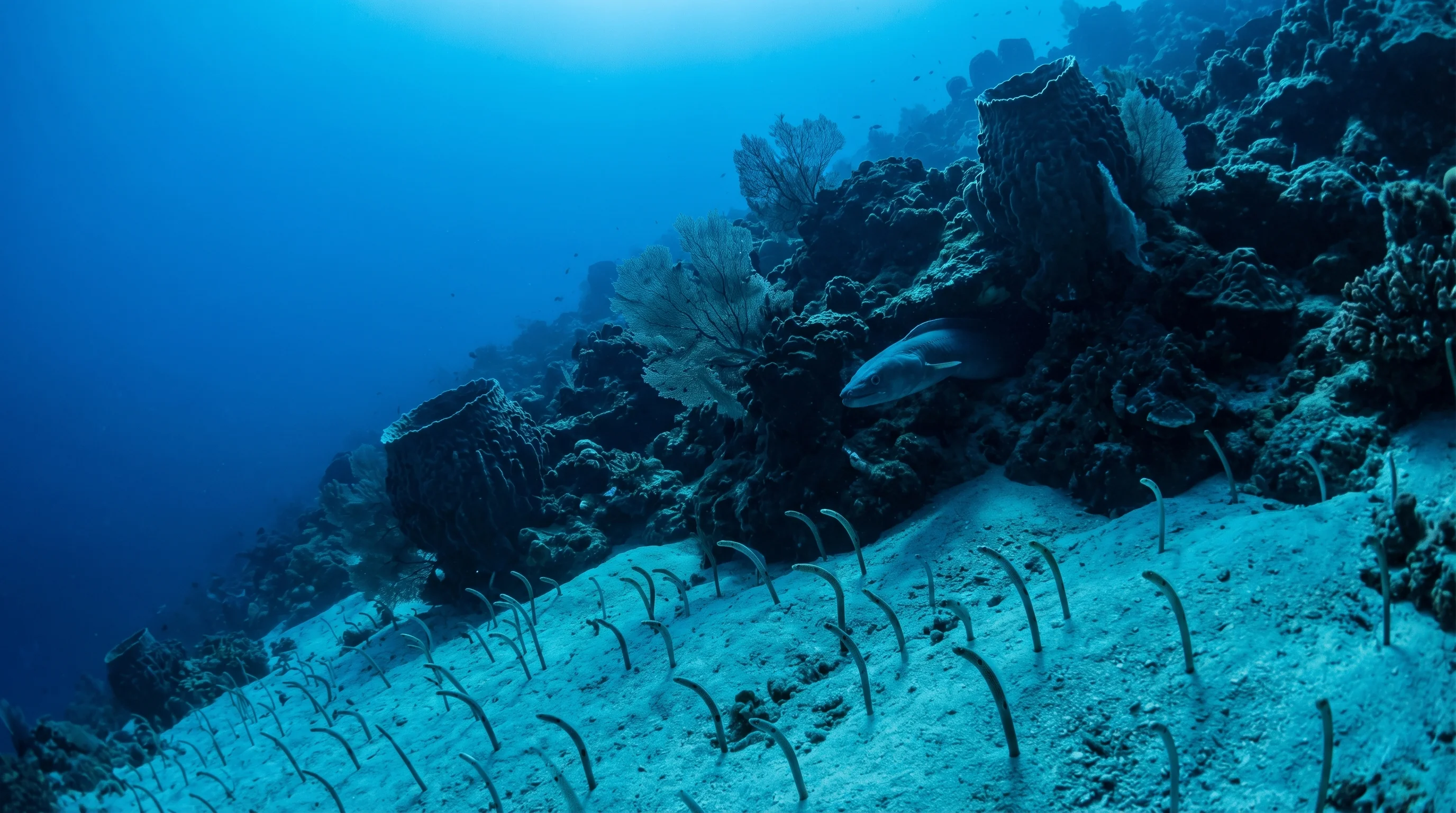
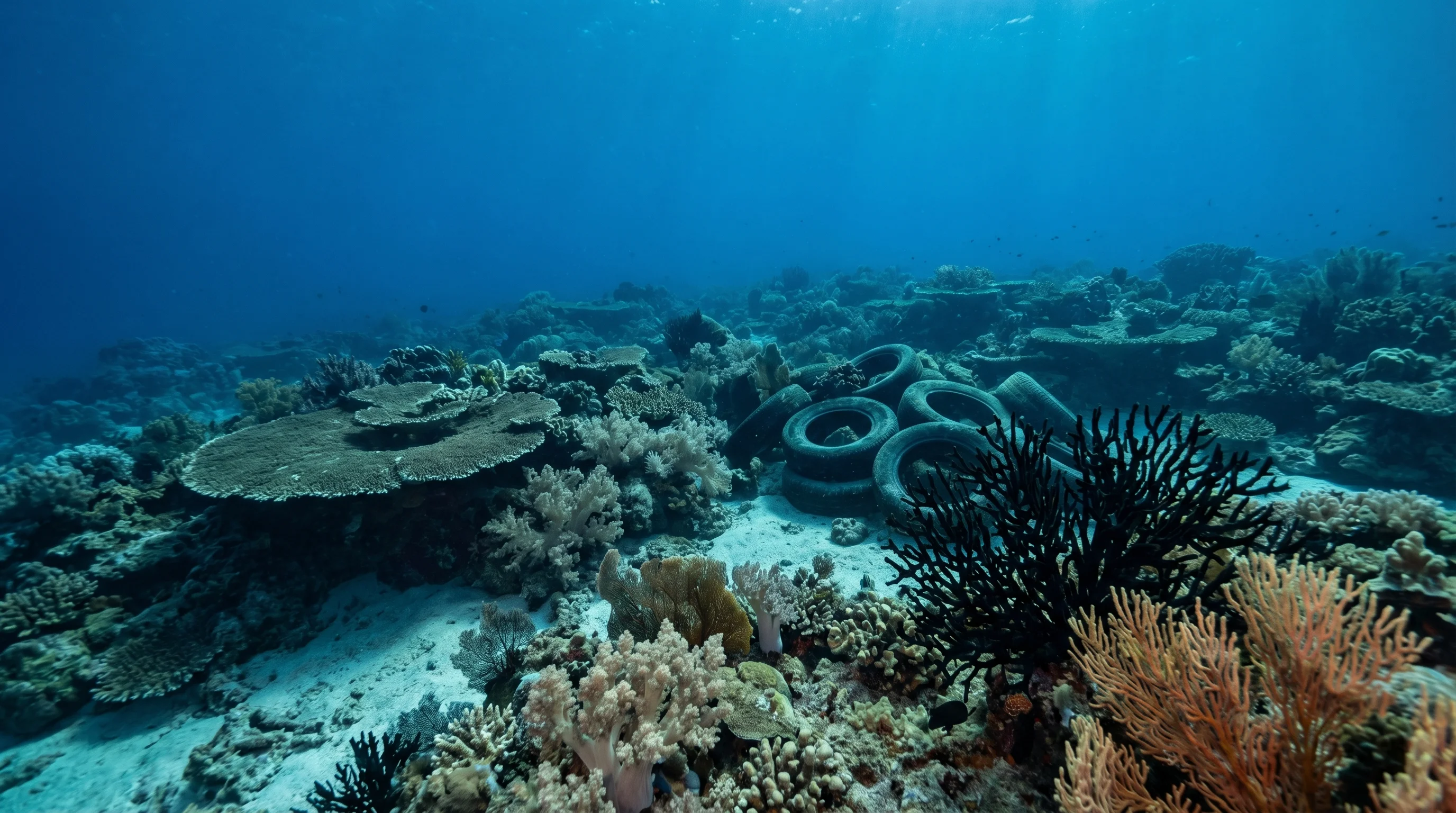
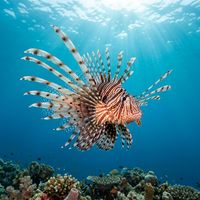
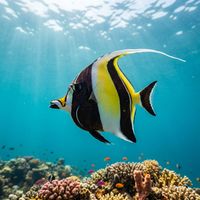
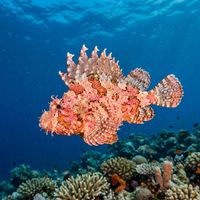
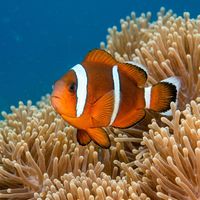
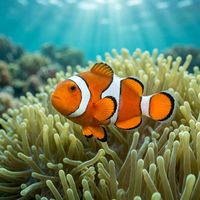
Bali's sites have produced confirmed sightings of a wide range of species. Wrasse is present across almost all areas, while Emperor Angelfish, Moorish Idol, Common Clownfish and Yellowtail Clownfish are common on the reefs. Critter hunters are rewarded with Ornate Ghostpipefish, Peacock Mantis Shrimp, Chromodoris Nudibranch, Leaf Scorpionfish and Ribbon Eel, and Manta Point is the dedicated site for manta ray encounters.
Bali accommodates the full range of skill levels. Shore-entry sites like Angel Canyon in Tulamben, Puri Jati and Ghost Bay are rated for beginners and start at shallow depths. Intermediate divers are well served by drift sites around Nusa Penida, while advanced divers can target deep walls and strong-current sites such as Batu Klebit, Gili Biaha and Selang North.
Each sub-area has a distinct character. Nusa Penida is the largest area and is known for open-ocean drift and pelagic encounters. Tulamben and Amed on the east coast specialise in shore-entry reef and muck diving. Menjangan and Pemuteran in the north-west offer calmer conditions with wall dives. Padang Bai and Kubu round out the range with reef and mixed-terrain sites that sit between these extremes.
Both options are available in Bali. Shore entry is possible at sites including Angel Canyon and Puri Jati, which are particularly convenient for Tulamben and the north-coast area. Many of Bali's most varied sites, especially around Nusa Penida and Menjangan, are boat-access only. Some sites such as Pos Satu and Bunutan Point offer both entry types, giving divers flexibility depending on their base.