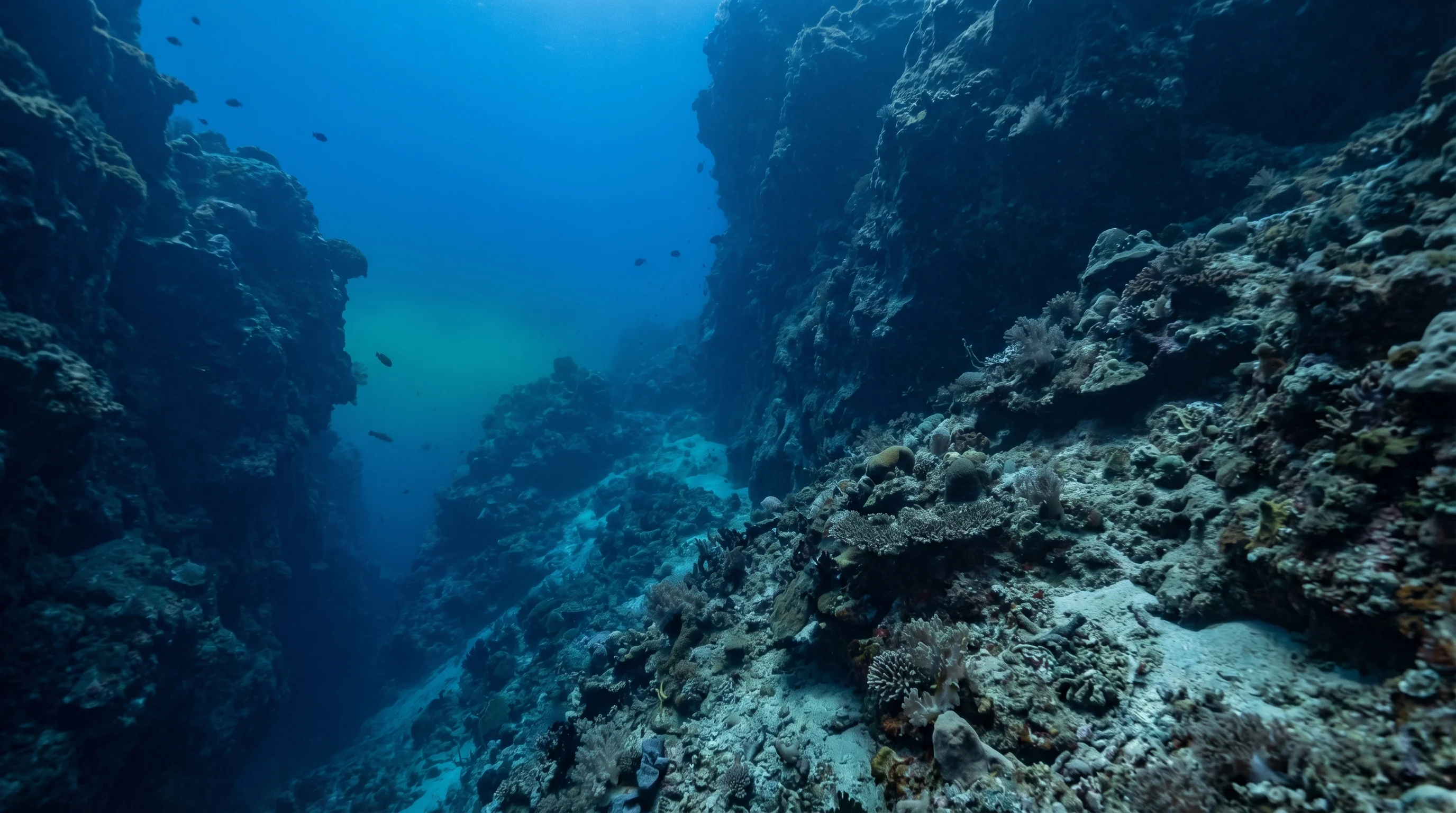
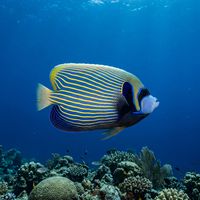
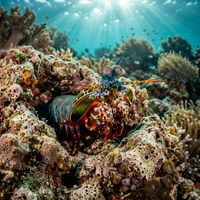
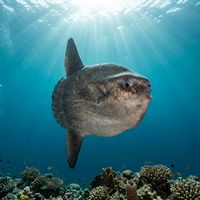
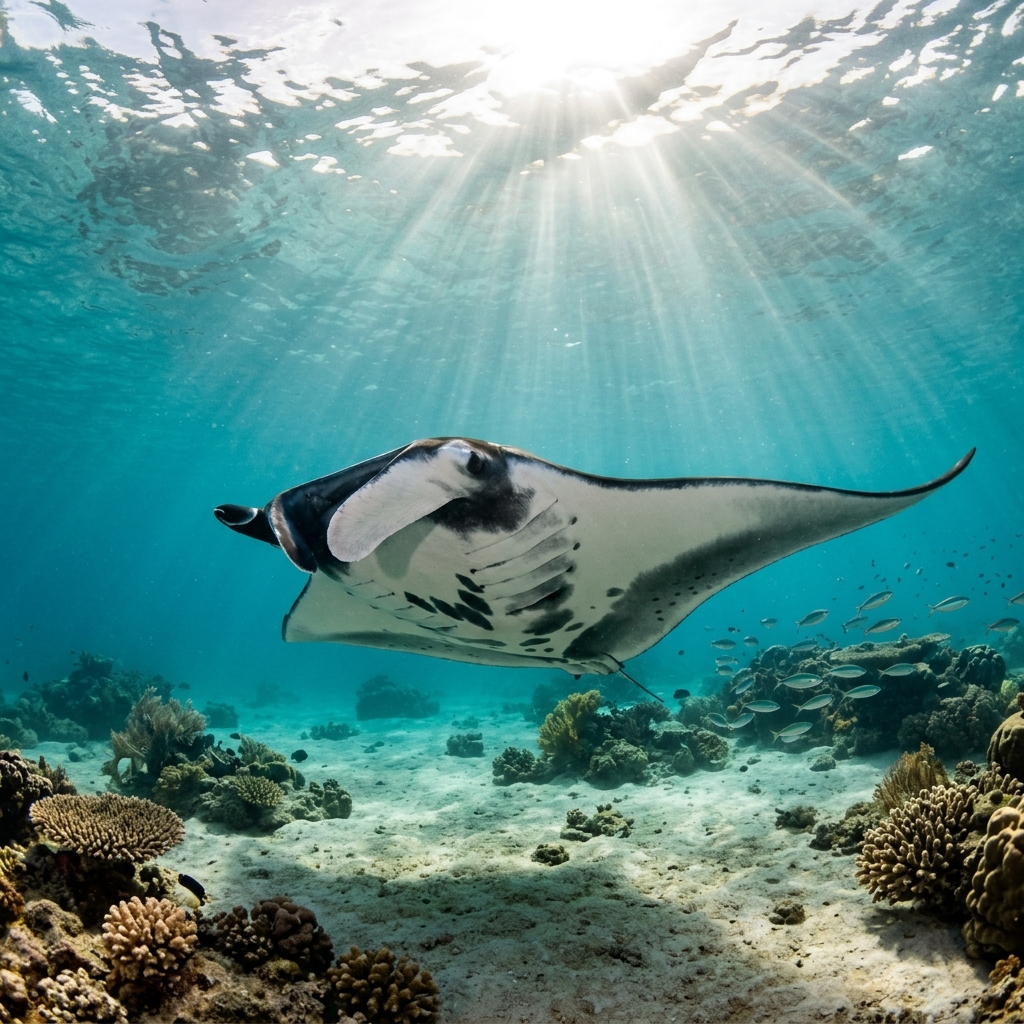
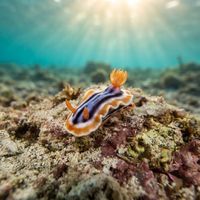
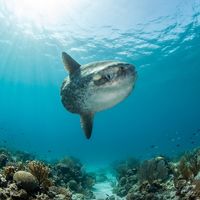
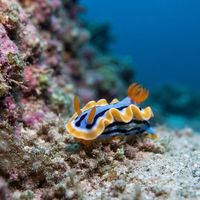
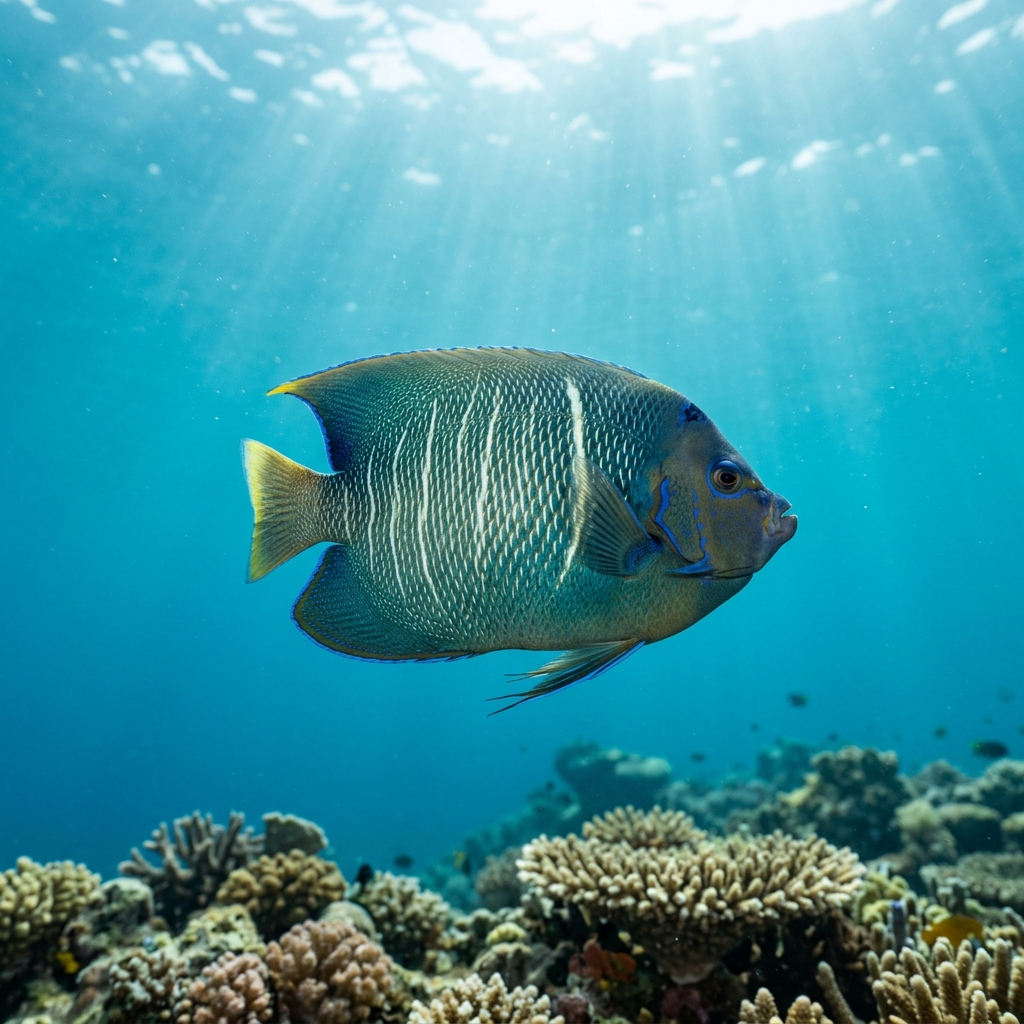
Nusa Penida pairs strong drift diving with a remarkable species list, anchored by observed sightings of the Reef Manta Ray and Ocean Sunfish alongside dense reef life including Chromodoris Nudibranch, Nembrotha Nudibranch and Emperor Angelfish. Sites range from shallow plateaux and canyon formations to deep walls and exposed drift corners, with boat access across the board. The sub-area of Nusa Lembongan and Ceningan adds its own cluster of sites, including the challenging Blue Corner and the canyon-cut Canyons. Currents shape most dives here, so conditions vary markedly between sites.
1 areas
Monthly water temperature across Nusa Penida's sites, from satellite sea-surface data corrected for depth. The band shows the site-to-site spread.
Water stays warm throughout the year, with the coolest temperatures arriving in the later dry months from around August through October and the warmest period falling in the early months of the year. The strongest diver interest concentrates from April through October, peaking in the dry season when visibility at exposed sites tends to improve. Currents run hard at sites like Blue Corner and Batu Nunggul year-round, so conditions can shift quickly regardless of season.
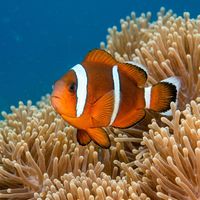
57 operators

Jungutbatu Kaja Dua, Indonesia

35 more sites to explore
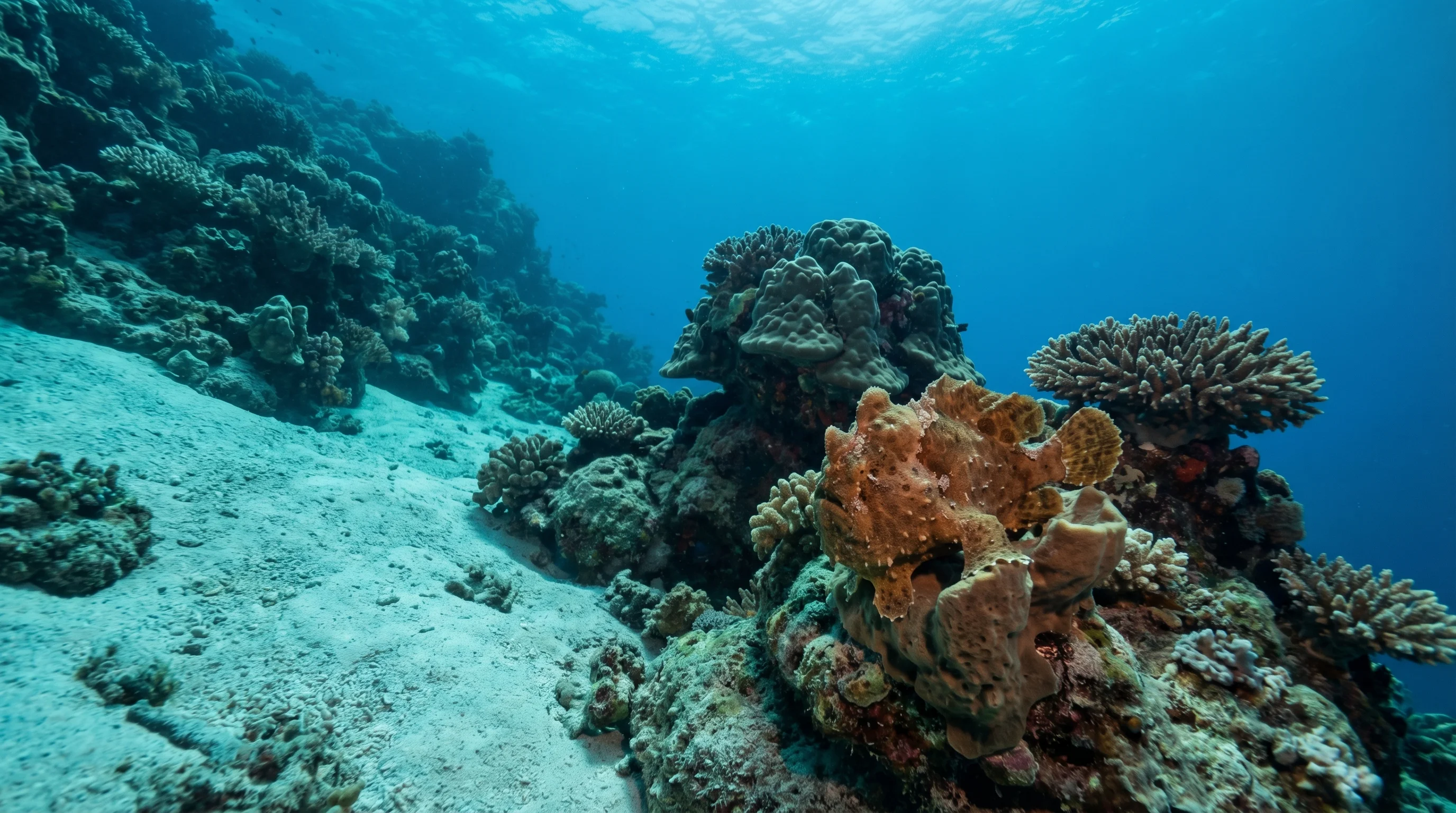
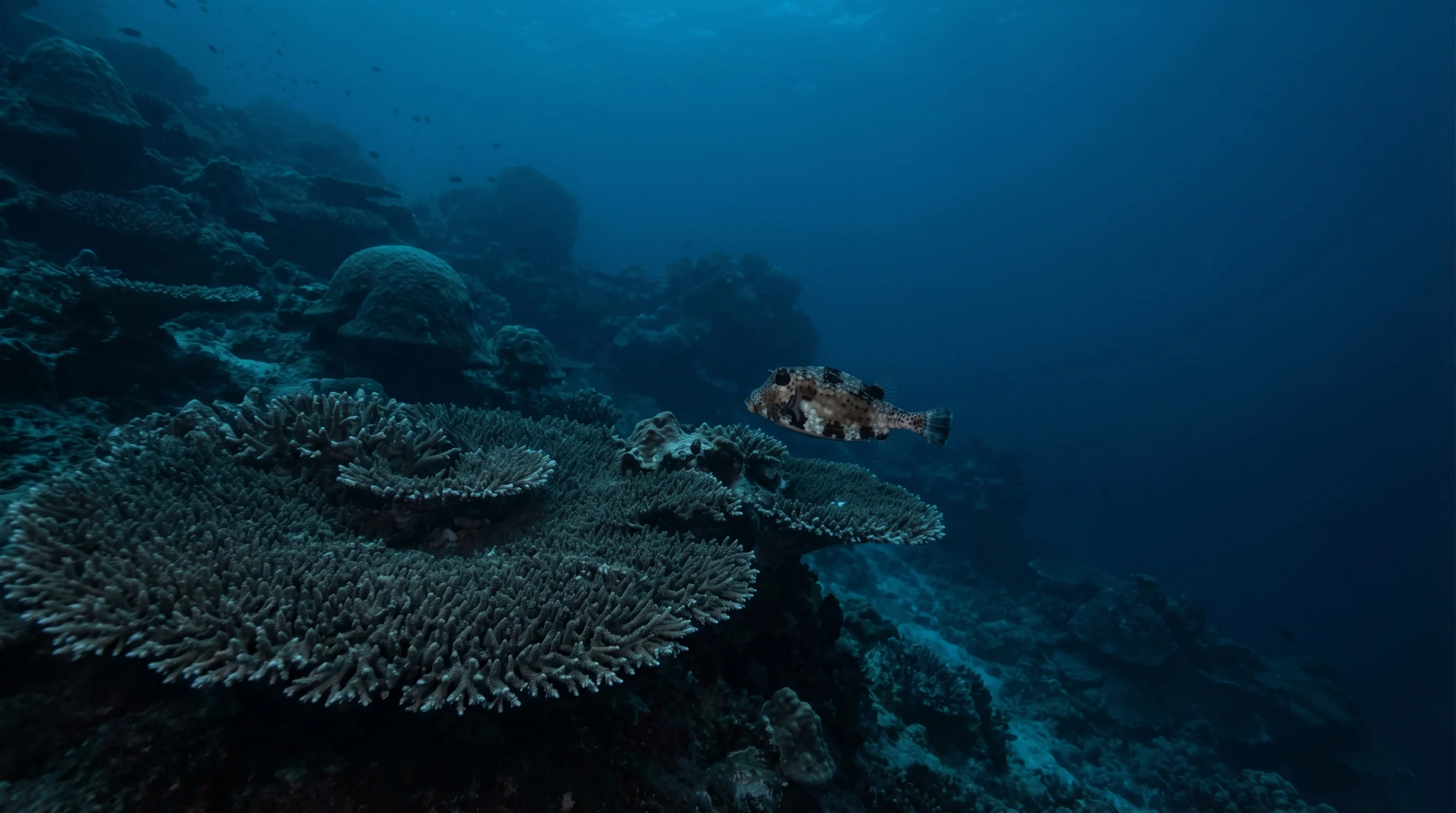
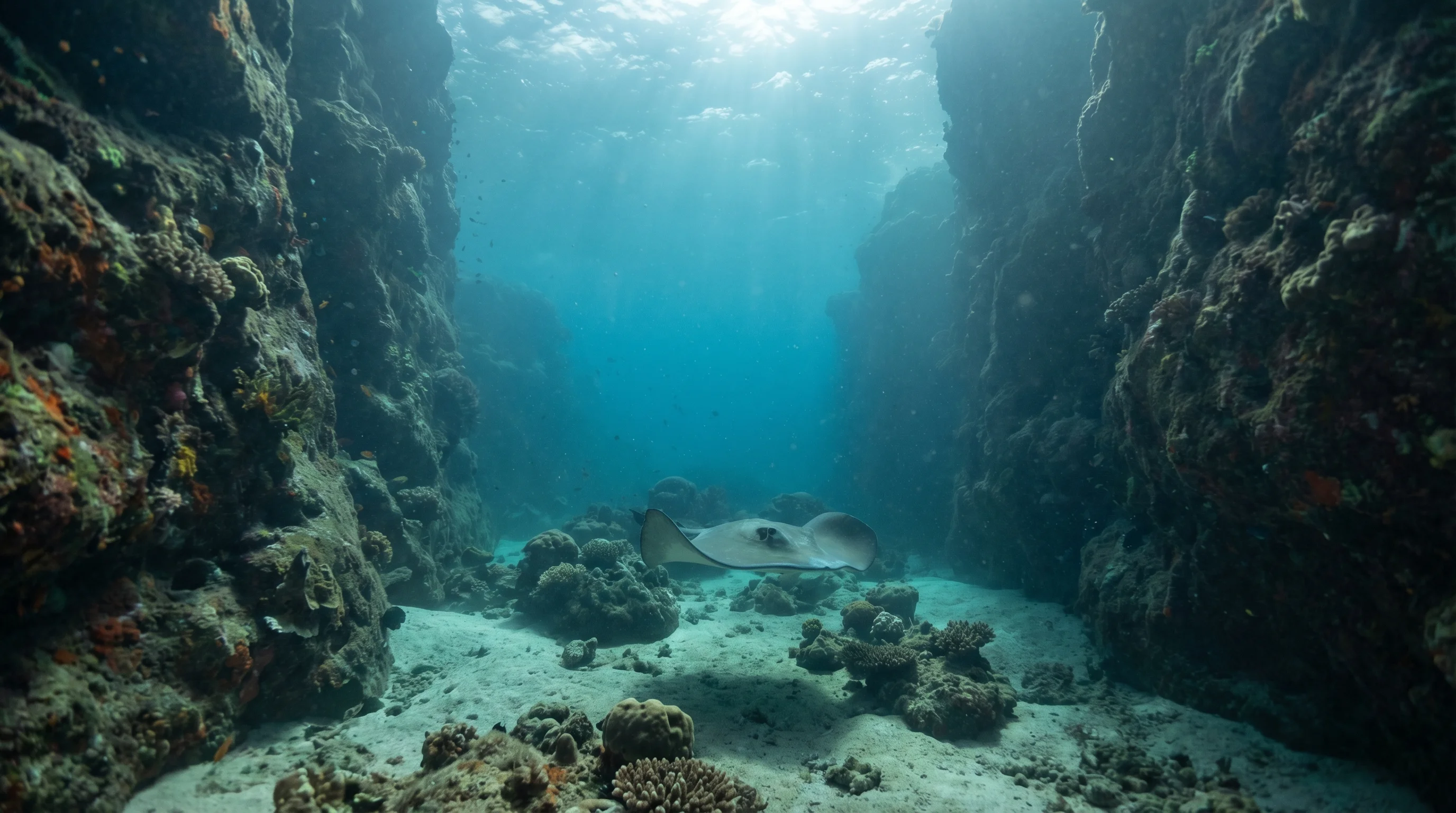
Drift-focused reef and wall diving with Reef Manta Ray, Bumphead Sunfish, and a rich nudibranch community across sites for all levels.
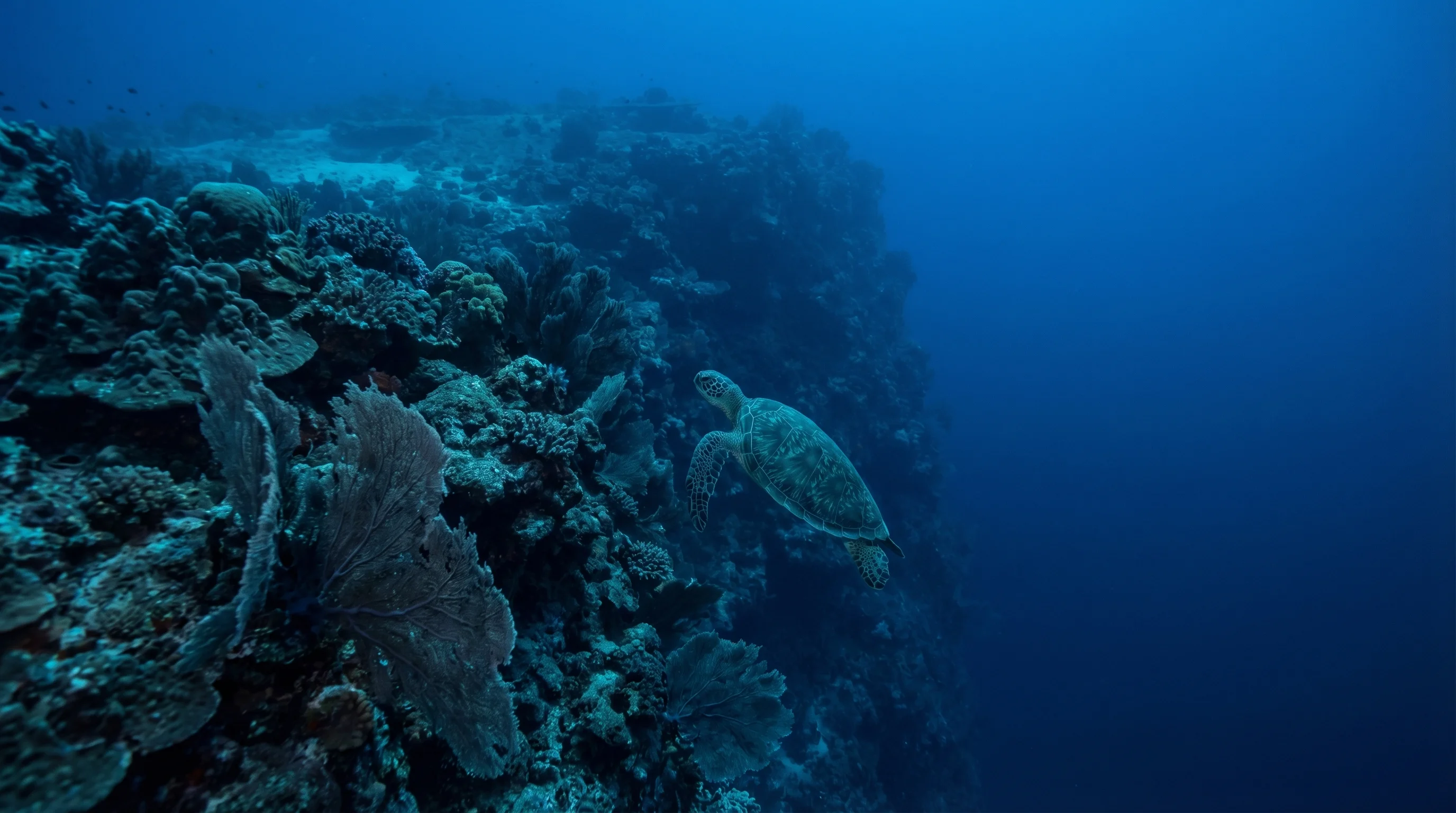
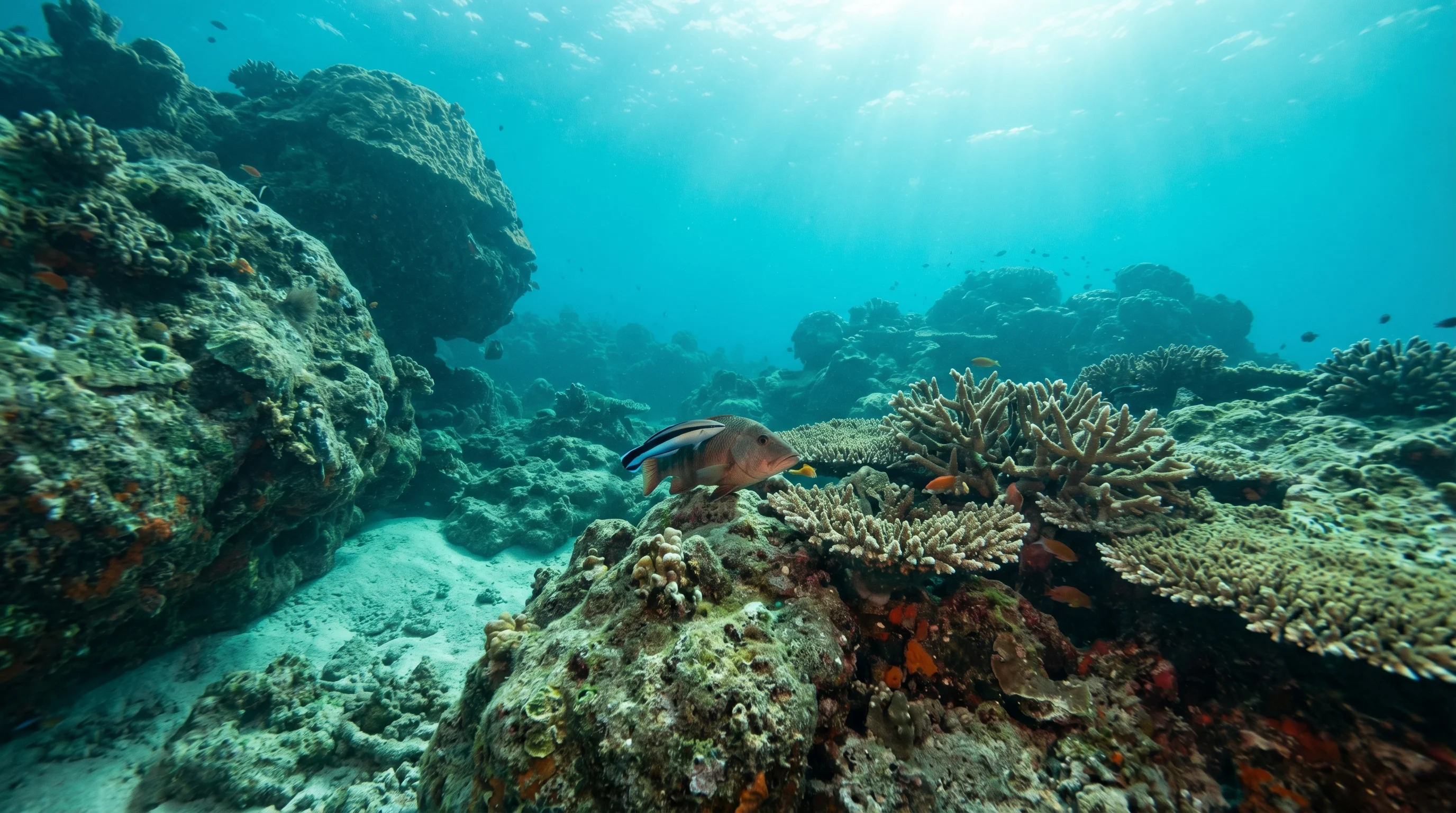
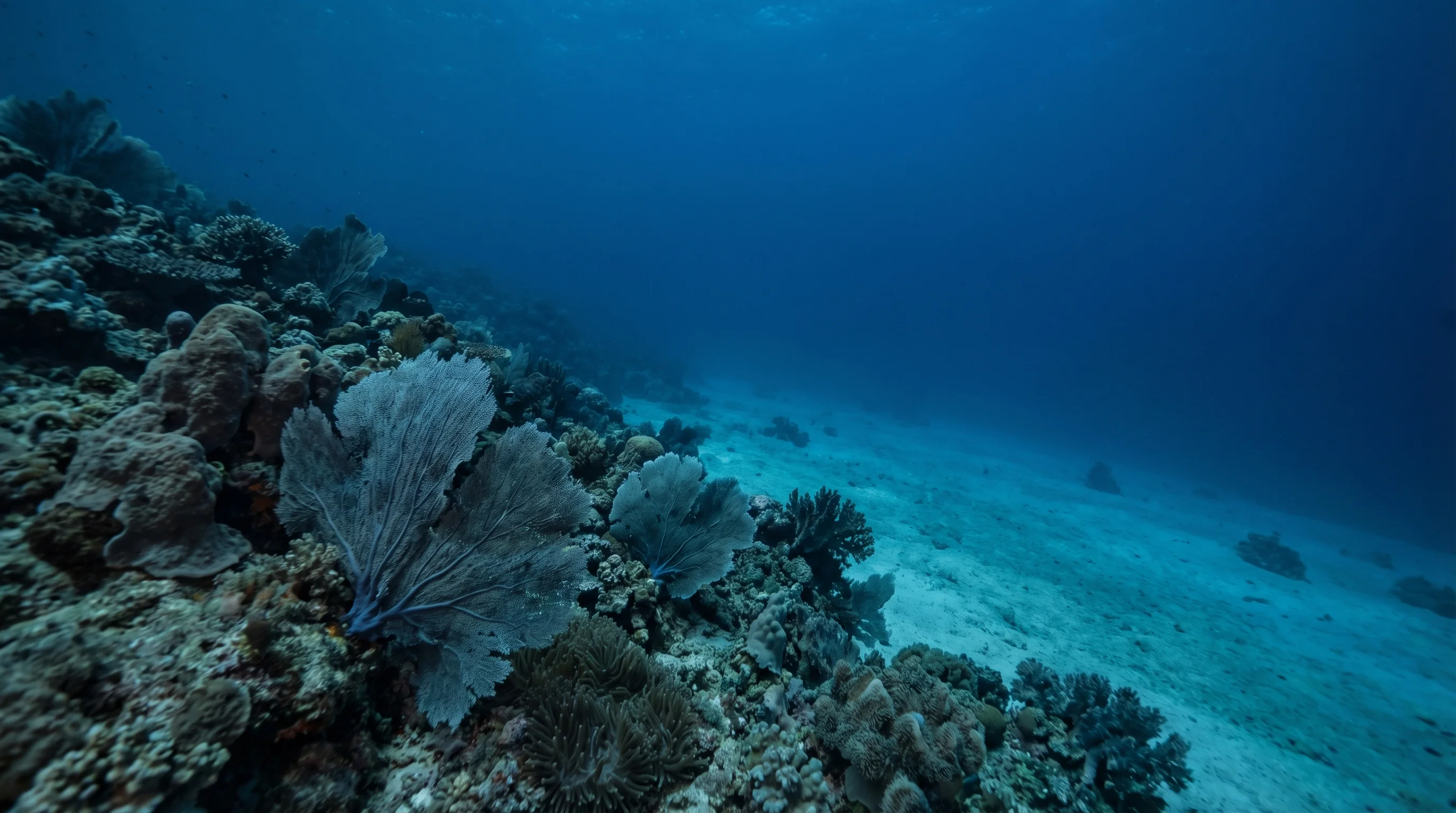
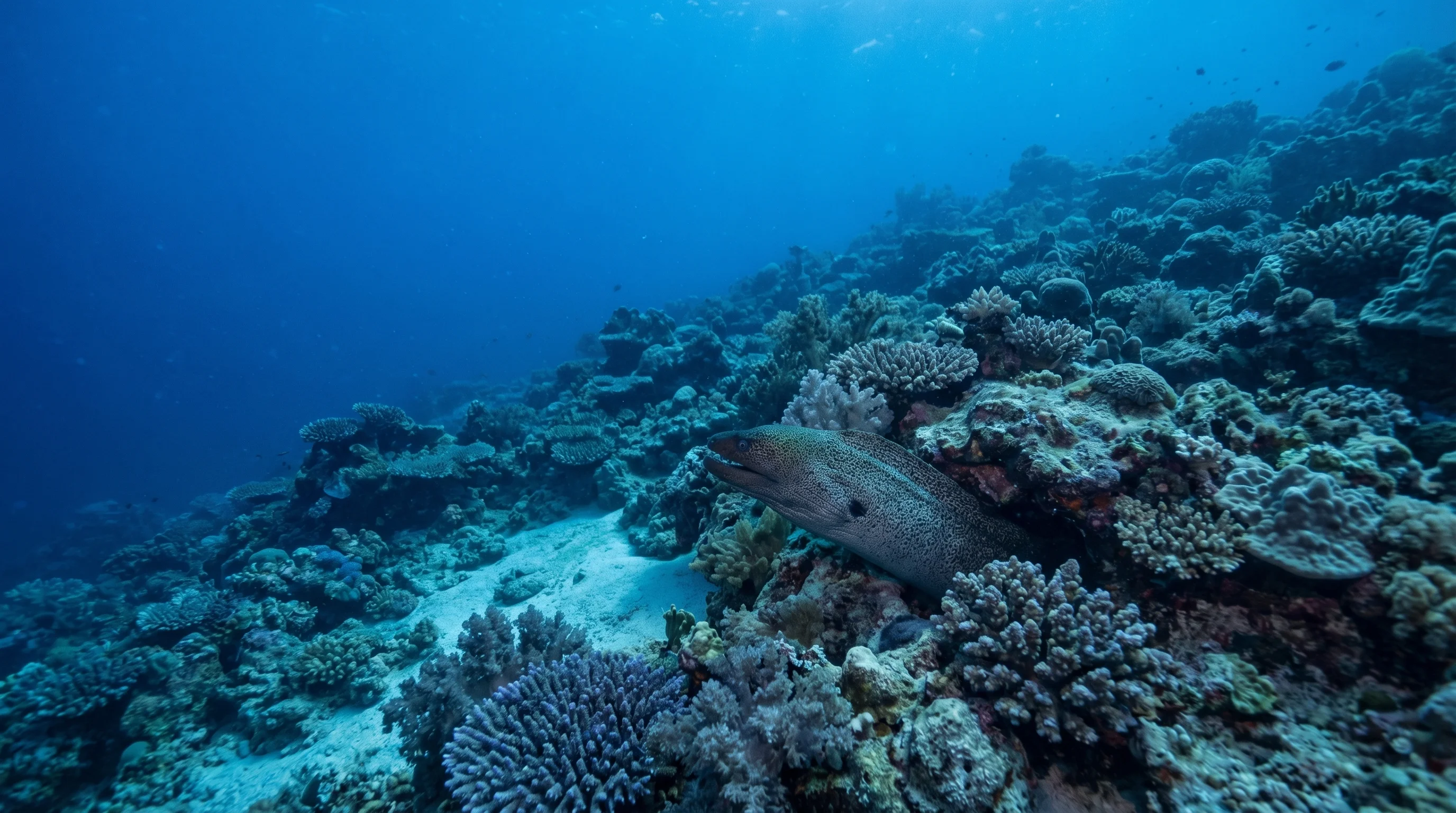
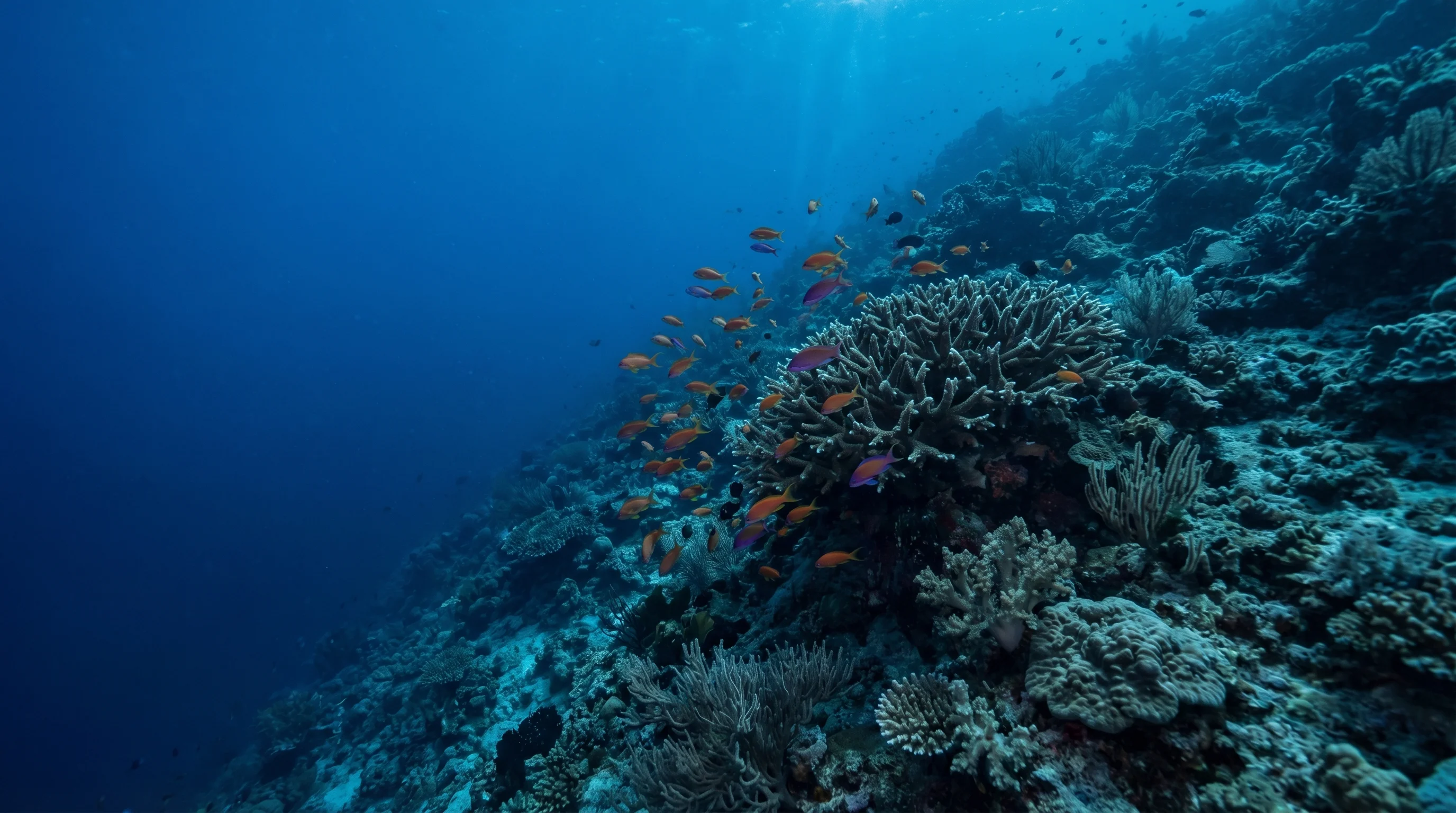
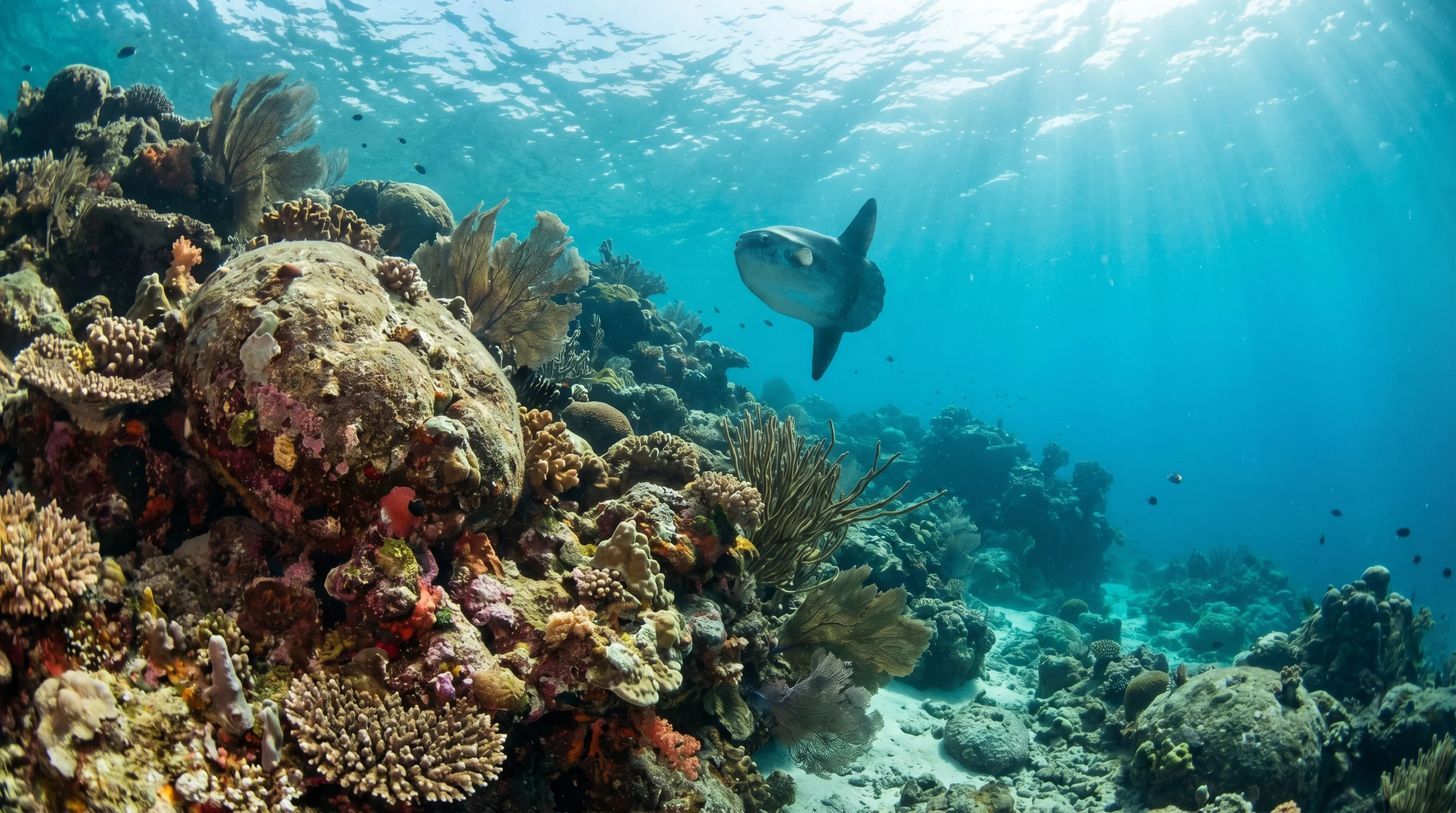
Water temperature around Nusa Penida ranges from about 26°C in August to 29°C in February, based on satellite sea-temperature data for its dive sites.
In the warm season (about 29°C) a rash guard or 3mm shorty is comfortable in Nusa Penida; in the coldest months (about 26°C) step up to a 3mm full suit.
Fin maps 47 sites in Nusa Penida (44 scuba diving sites and 13 snorkelling spots, with some suited to both).
Across Nusa Penida's dive sites, July, August, September and October are most often reported as the best months to visit.
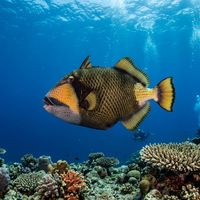
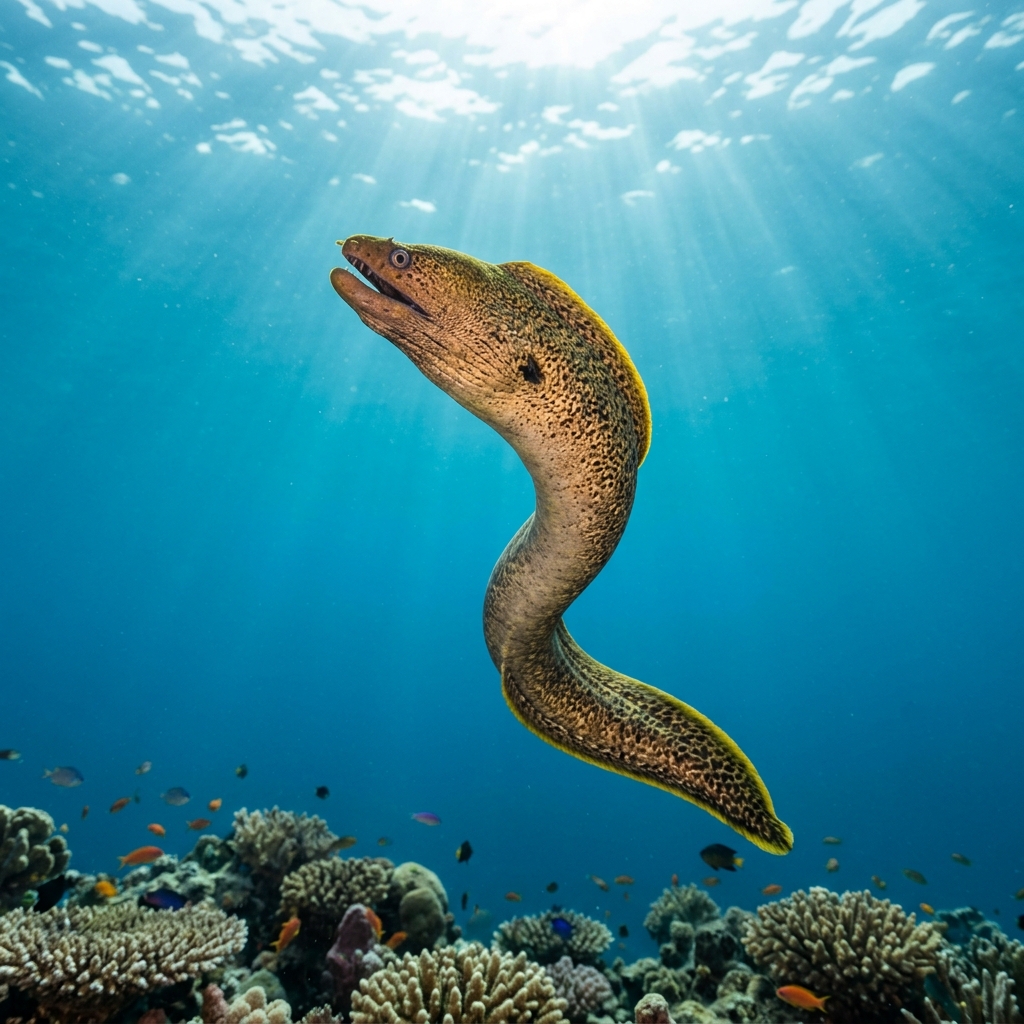
Nusa Penida is one of the few places where both Reef Manta Ray and Ocean Sunfish are regularly observed, with sightings backed by diver records across multiple sites. Manta Point on the southwest coast is the dedicated site for manta encounters, accessible to both divers and snorkellers. Beyond these headline species, Emperor Angelfish, Titan Triggerfish, Yellow-edged Moray and Day Octopus are all commonly recorded across the reef sites.
A portion of the sites are rated for beginners, including Buyuk, Mangrove Point, Semaya and The Crack, all of which offer drift or reef diving without the intense currents found elsewhere. However, many of the more prominent sites, including Blue Corner and Batu Nunggul, are rated advanced and require solid drift experience. Operators such as Blue Corner Dive, French Kiss Divers and Scuba Center Asia can advise on matching sites to your skill level.
All sites across Nusa Penida require boat access, with no shore entries listed across the site roster. This applies equally to dive and snorkel sites, including popular spots like Manta Point, Manta Bay and the sites off Nusa Lembongan and Ceningan. Local operators handle boat logistics as part of guided trips.
Nusa Lembongan and Ceningan form a distinct sub-area with their own cluster of sites, including Pura Ped, Canyons, Blue Corner and Mangrove Point. The topography here leans towards walls, steep slopes and canyon formations, with some sites channelling particularly strong currents. The main Penida sites, such as Manta Point and Karang Sari on the east coast, are more varied in character and include the key manta and sunfish locations.