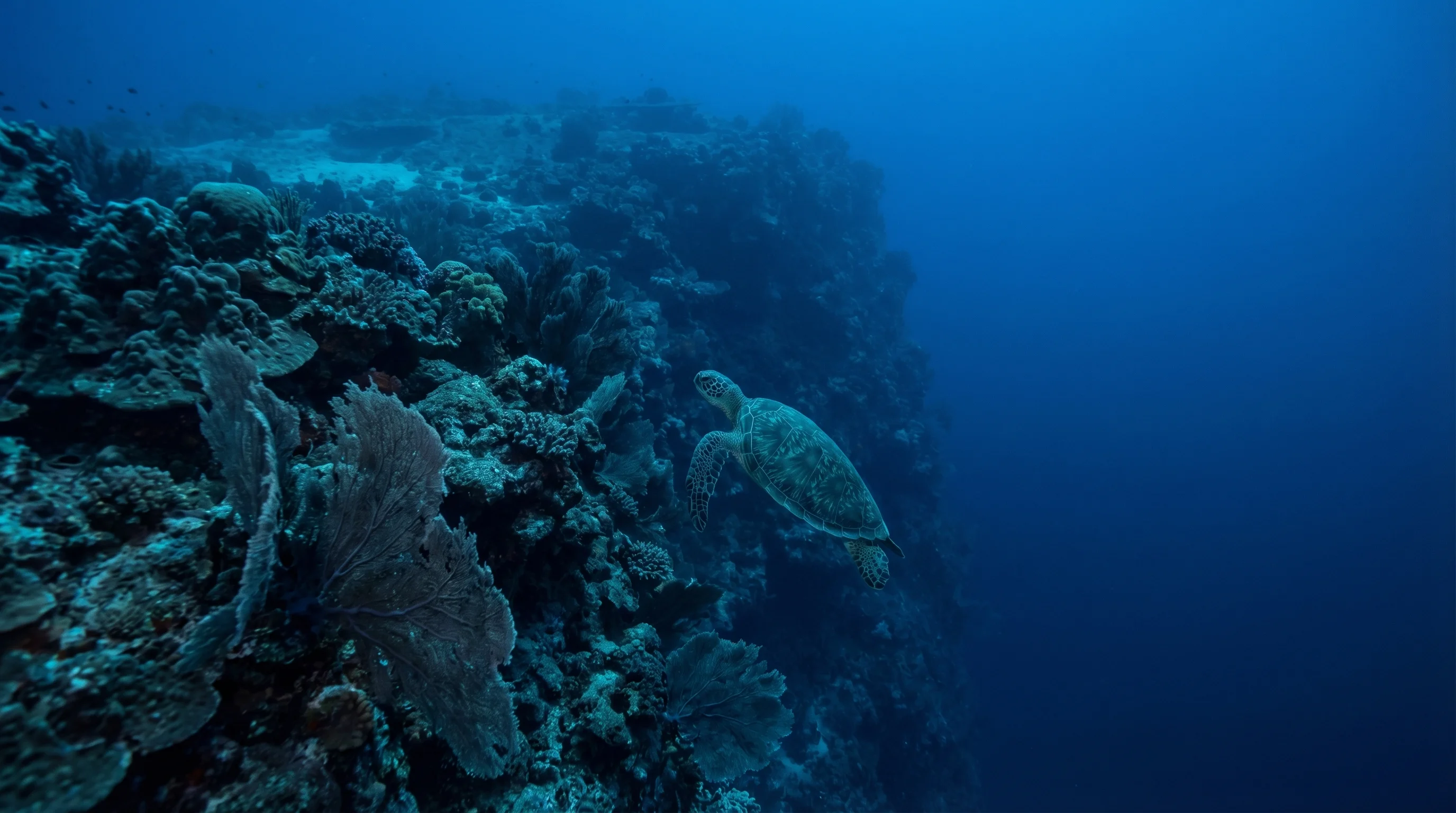
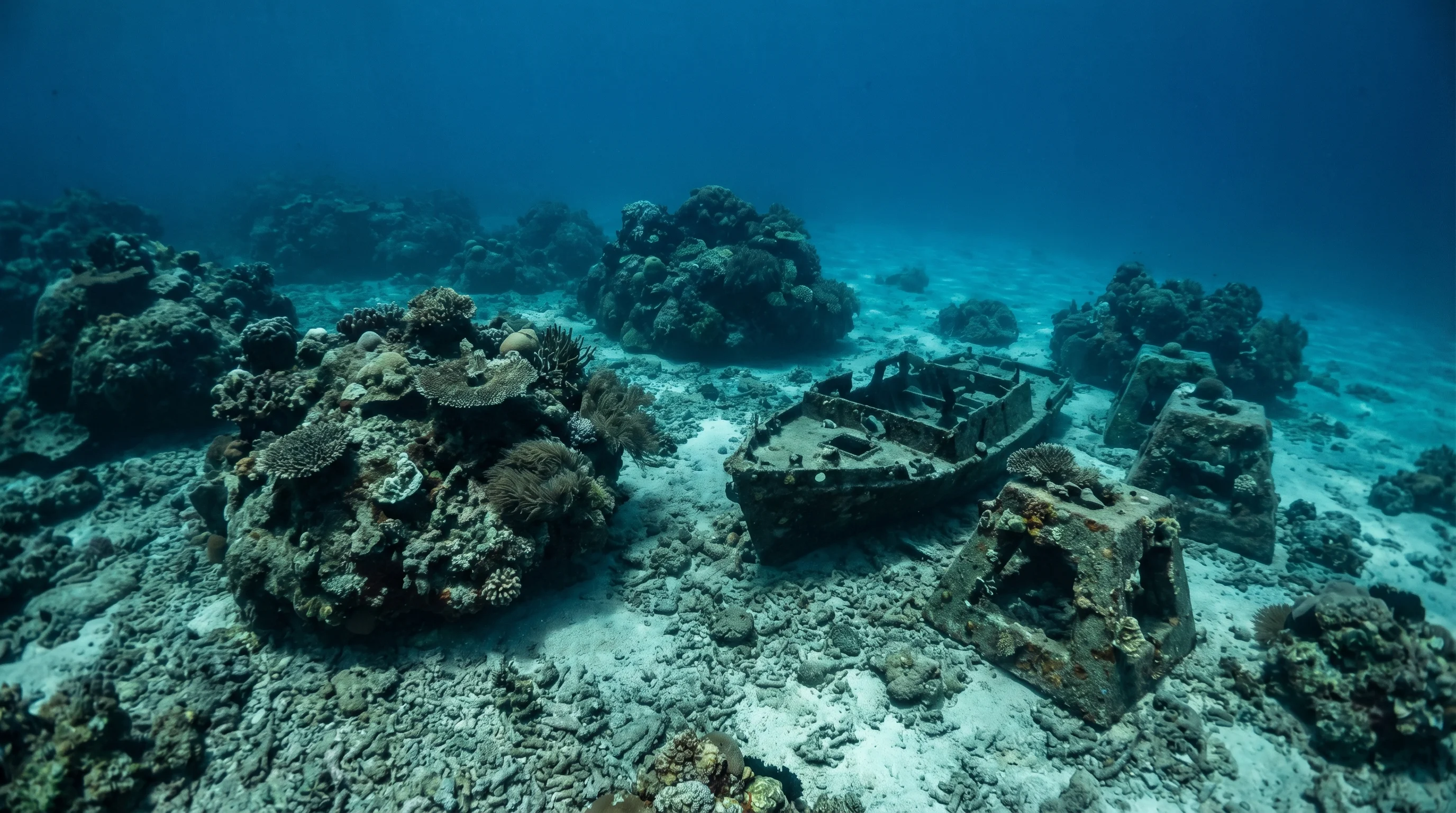
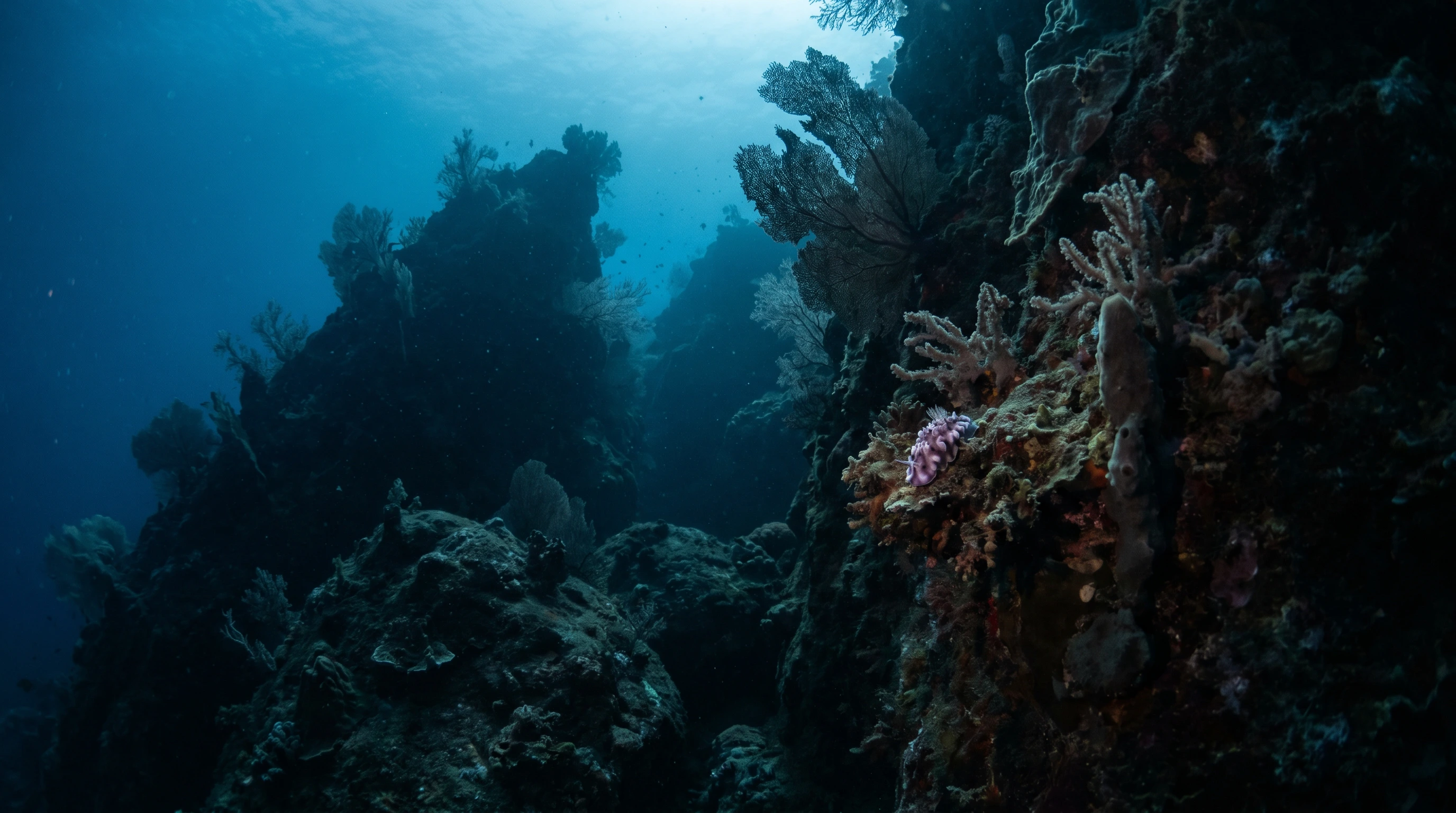
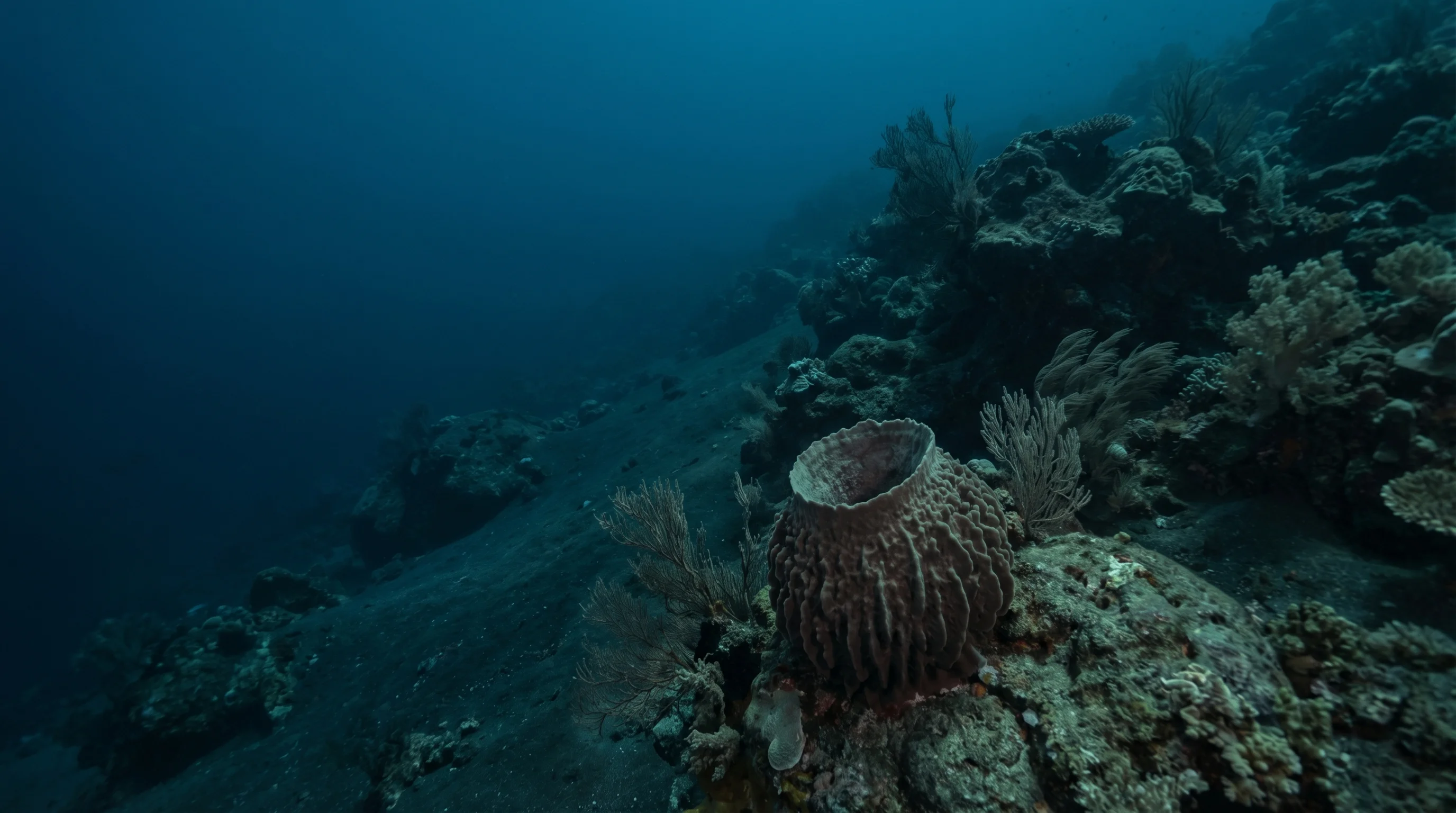
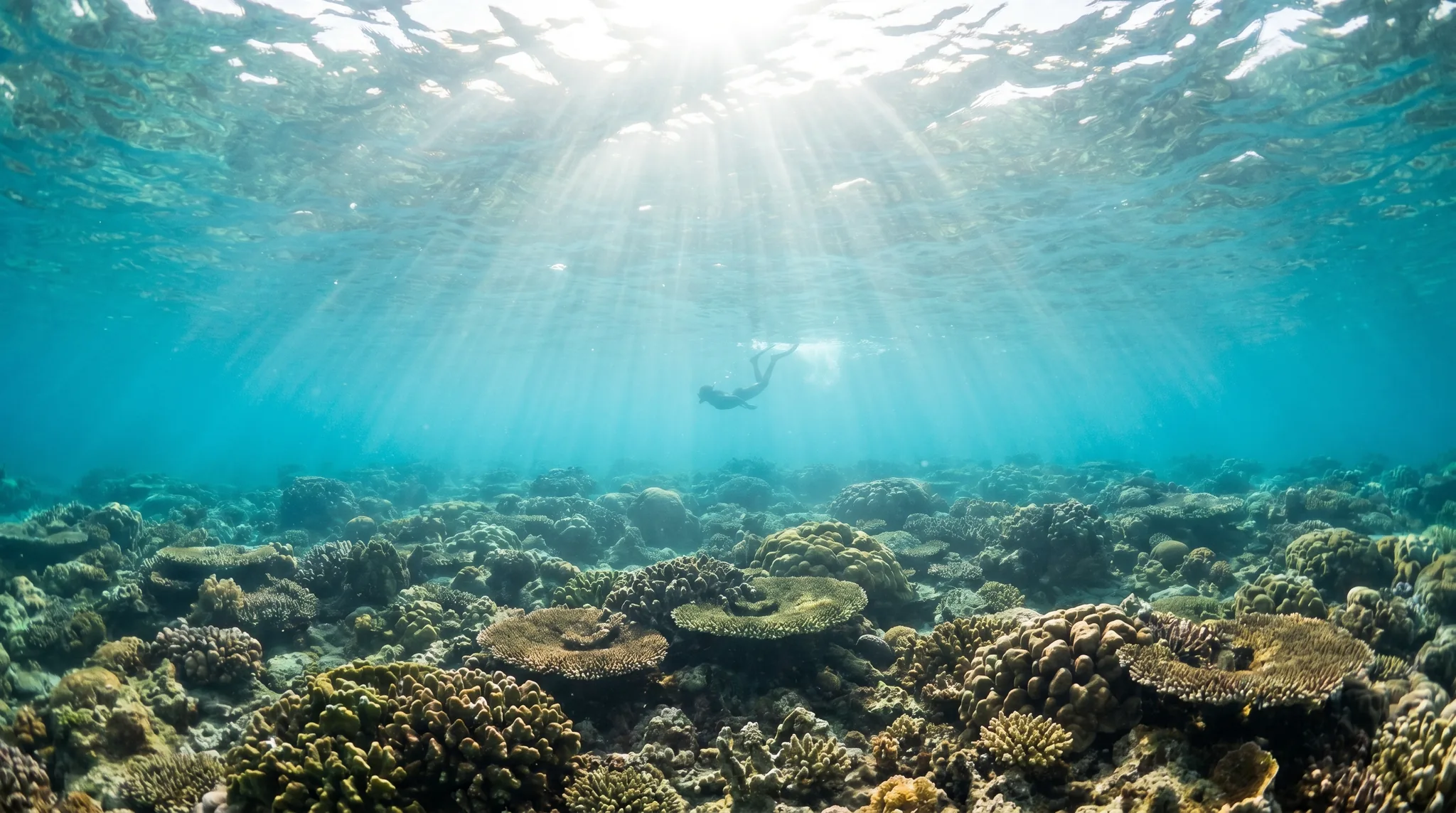
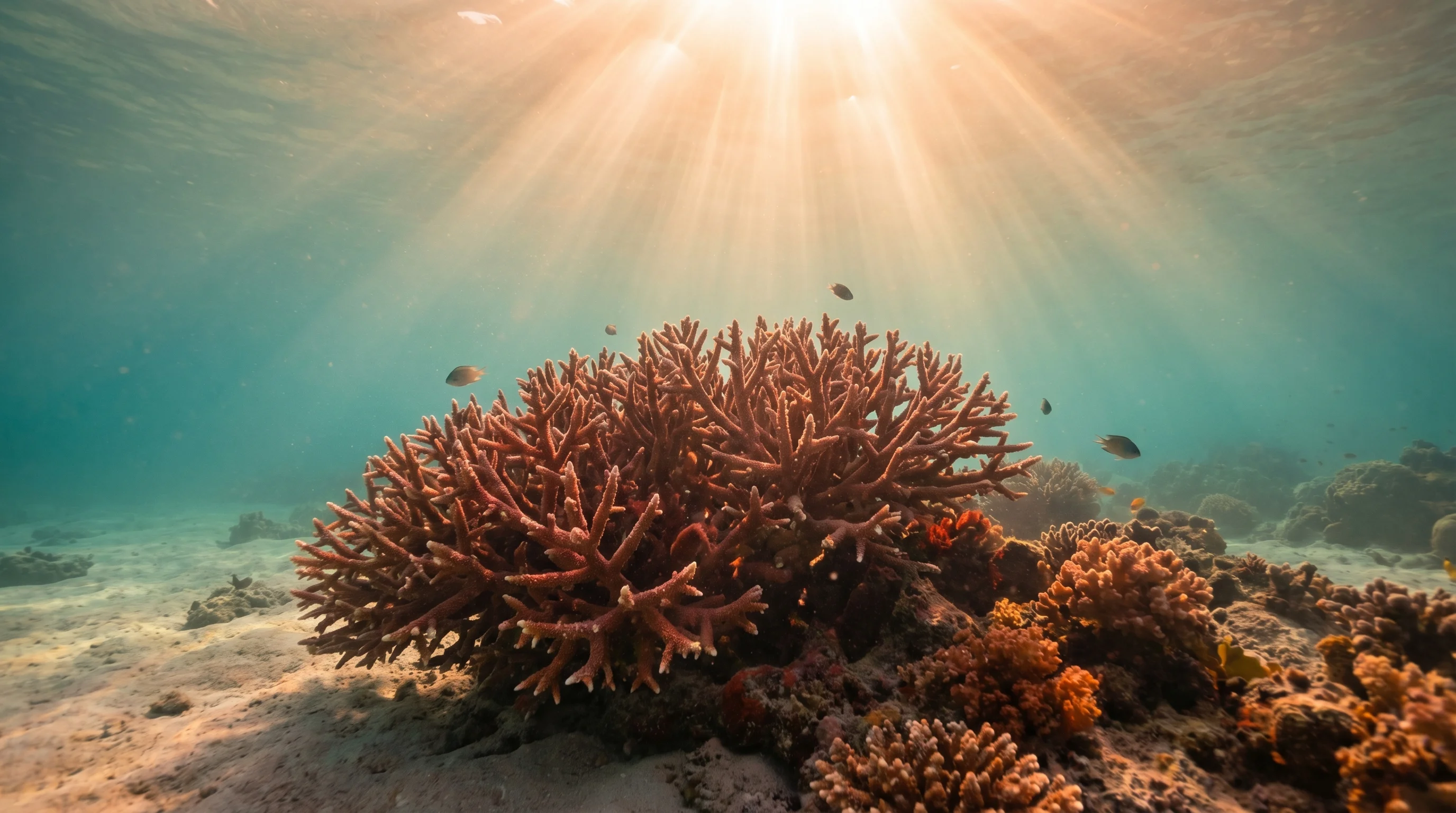
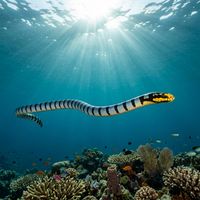
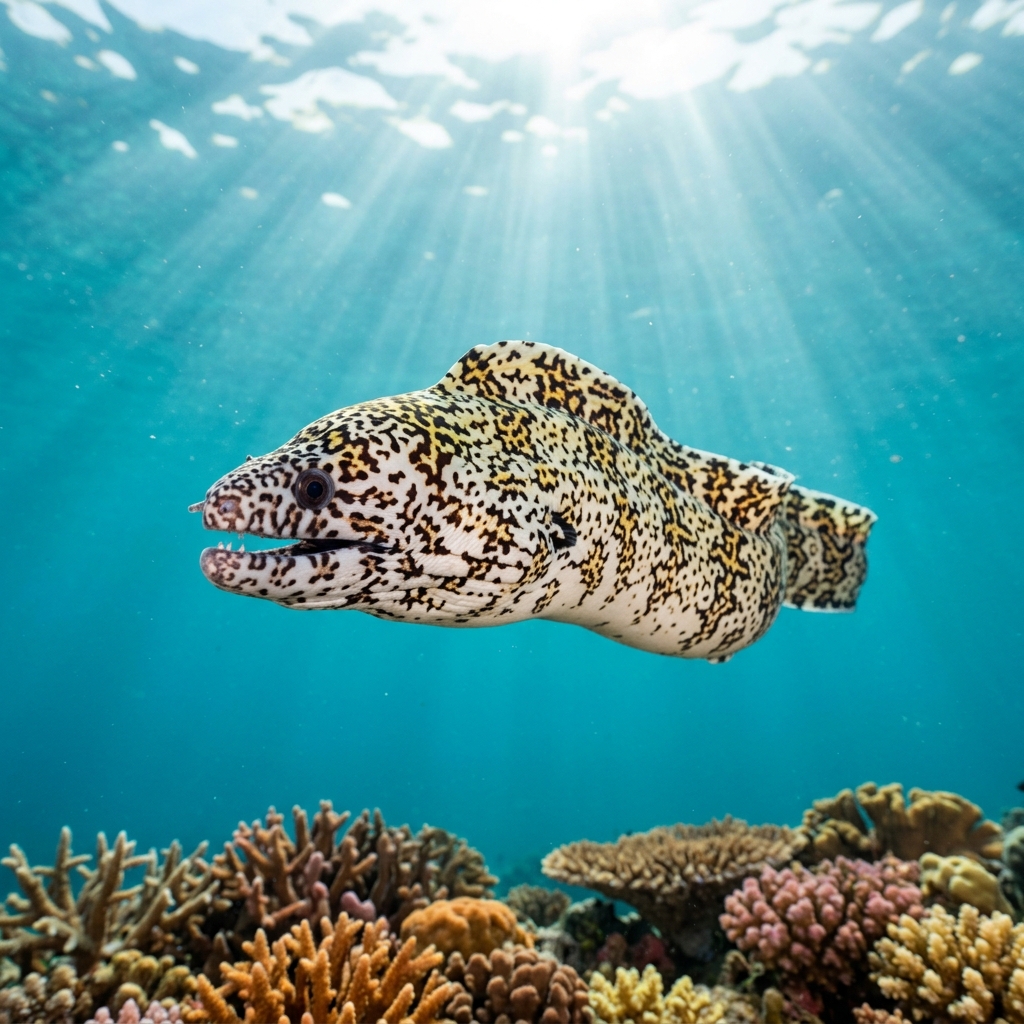
Sanur and the Bukit offers a mix of natural reef and artificial reef sites, the majority accessible by short boat rides from shore. Sites suit beginners well, with shallow reef systems at places like Sanur Channel and Nusa Dua Reef. The Sea Krait is a signature presence across the area, alongside the Snowflake Moray, Triggerfish, and Wrasses. Water stays warm year-round, with conditions generally favouring diving from mid-year through to October.
Monthly water temperature across Sanur & the Bukit's sites, from satellite sea-surface data corrected for depth. The band shows the site-to-site spread.
Water temperature remains warm throughout the year, cooling slightly from August into September before rising again toward December. The best-months data points clearly toward the middle of the year as the prime window for diving, when conditions are most consistently favourable. Visibility varies across sites, so some dives will reward patience more than others.
26 more sites to explore
Water temperature around Sanur & the Bukit ranges from about 26°C in August to 29°C in January, based on satellite sea-temperature data for its dive sites.
In the warm season (about 29°C) a rash guard or 3mm shorty is comfortable in Sanur & the Bukit; in the coldest months (about 26°C) step up to a 3mm full suit.
Fin maps 29 sites in Sanur & the Bukit (24 scuba diving sites and 10 snorkelling spots, with some suited to both).
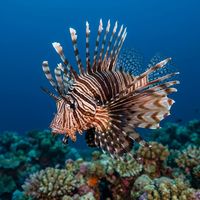
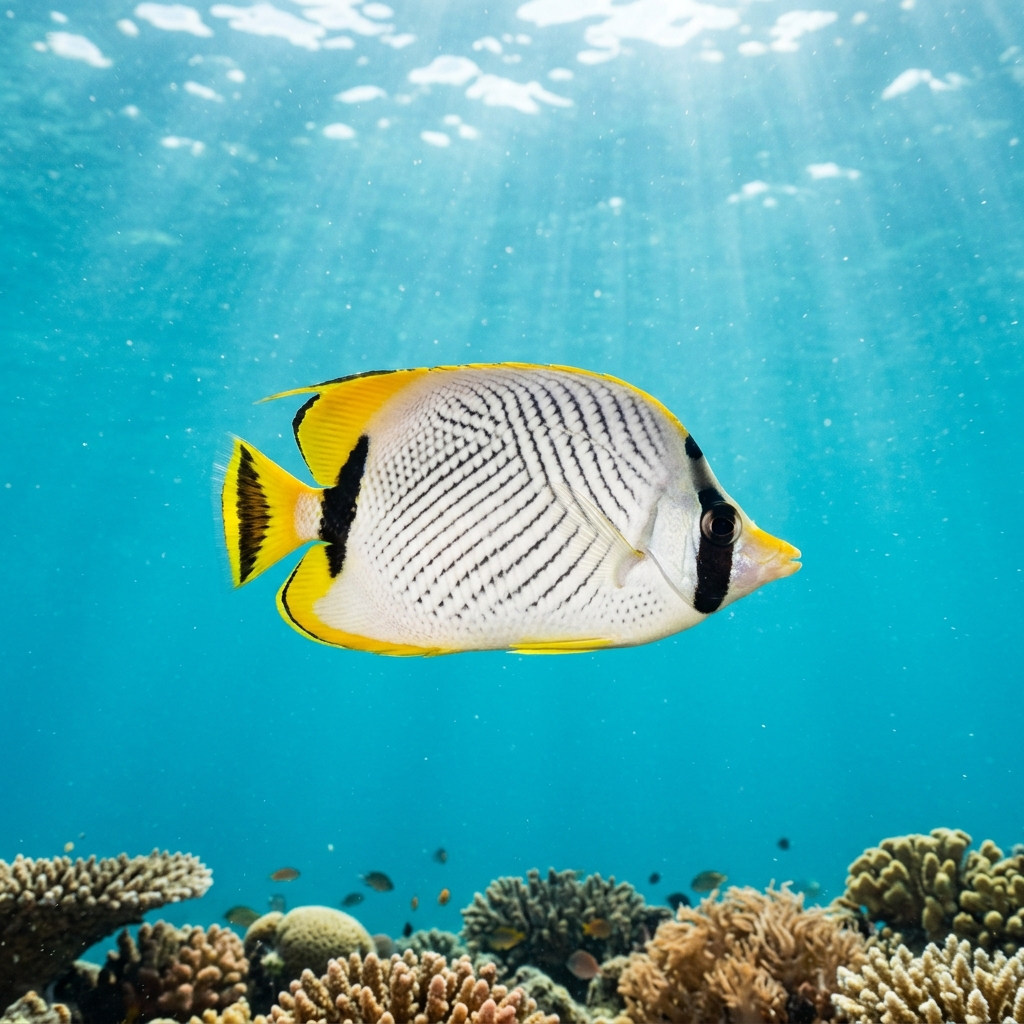
The region has a strong list of observed species. Sea Krait and Snowflake Moray are seen very frequently across many sites, while Wrasses and Brittle Star are among the most consistently encountered. Occasional sightings of Whitetip Reef Shark and Zebra Lionfish add interest for those spending more time in the water.
Yes. The top sites in the region, including Sanur Beach, Nusa Dua Reef, and Sanur Channel, are all rated beginner level. Depths at these sites stay shallow, and several are used for open-water training. There are also many operators in the area, offering good options for those new to diving.
Boat entry is the standard access method for the main sites in Sanur and the Bukit. Sites like Sanur Channel sit a short distance offshore and are reached by local boat. This makes logistics straightforward, as most operators handle transfers as part of their trips.
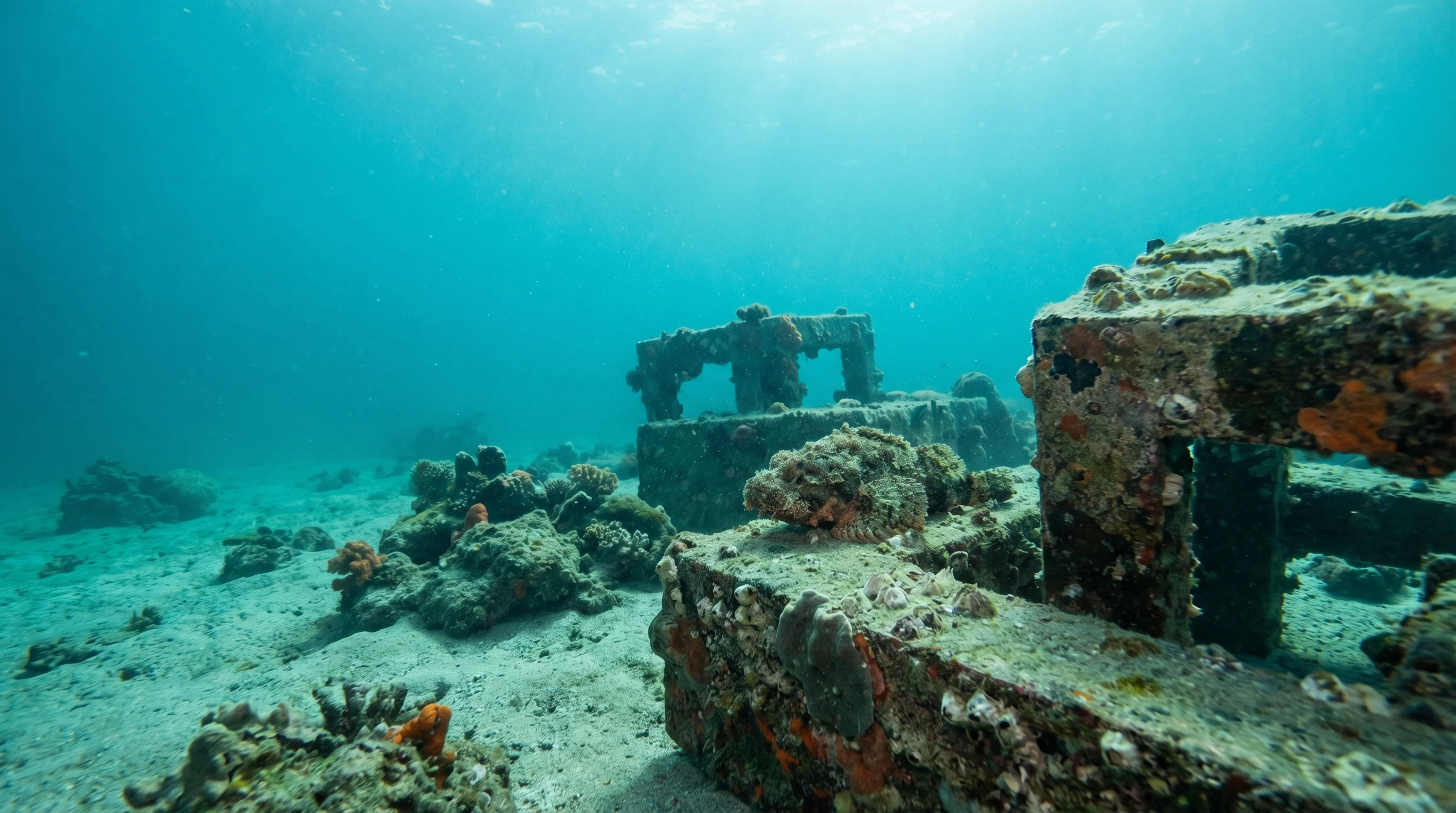
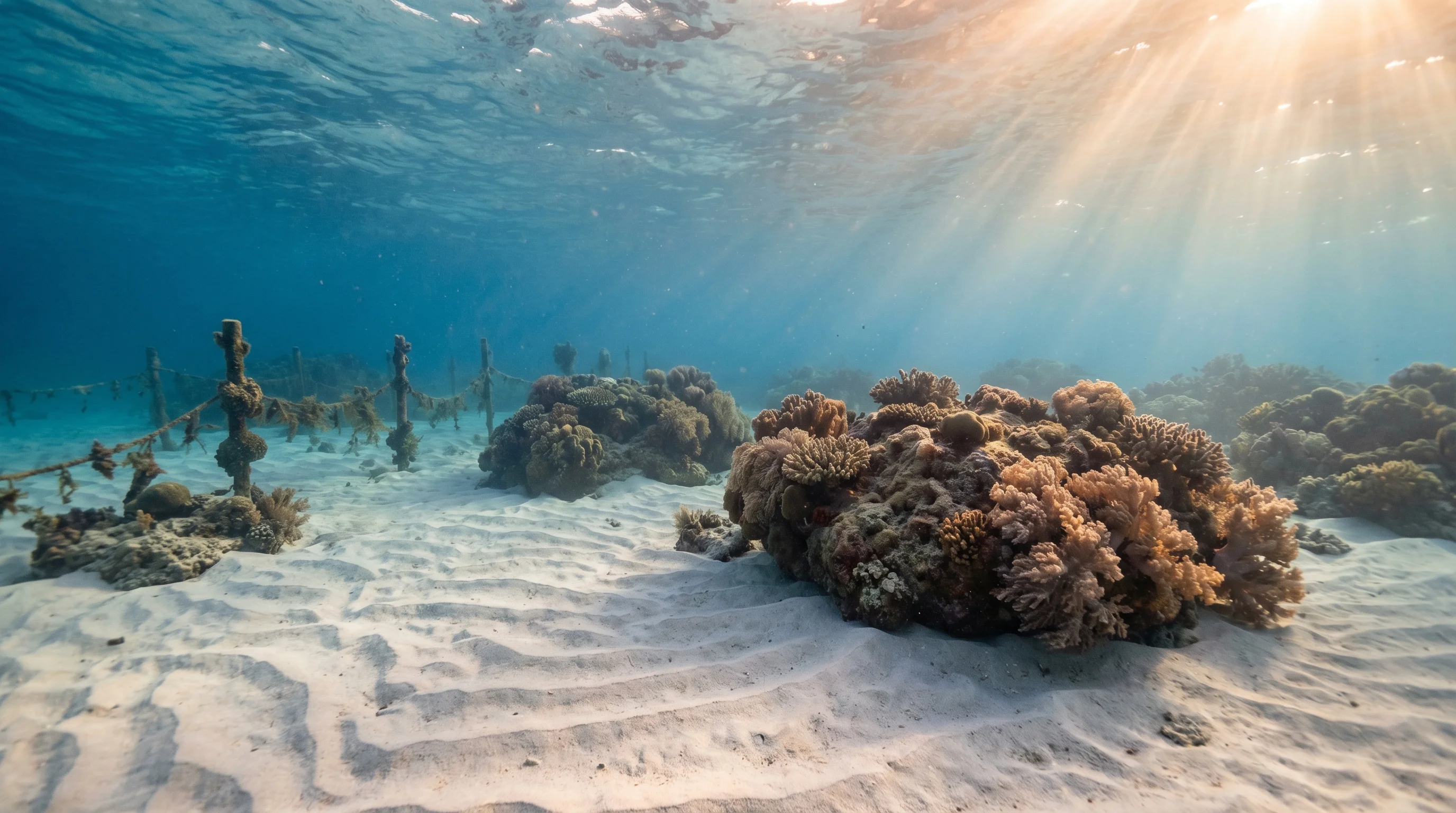
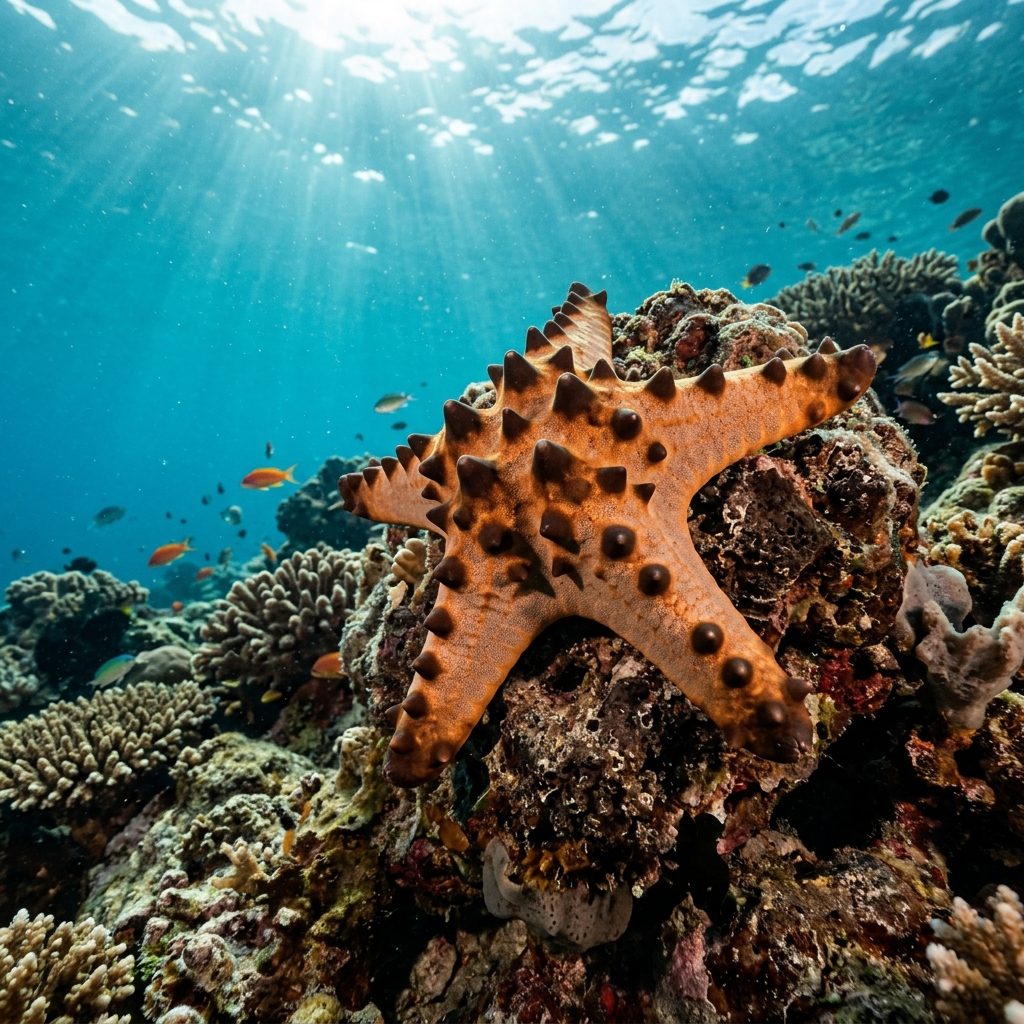
The region combines natural reef diving with artificial reef structures, the latter providing additional habitat and often concentrating marine life in predictable spots. Sanur Beach and Sanur Channel both feature this mix of reef and artificial reef. Sandy bottoms between structures are common and offer their own searching opportunities for crabs, sea stars, and smaller critters.