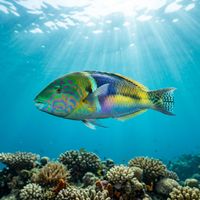
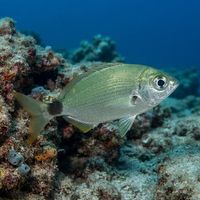
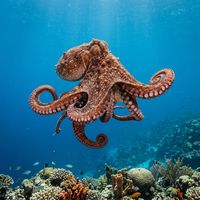
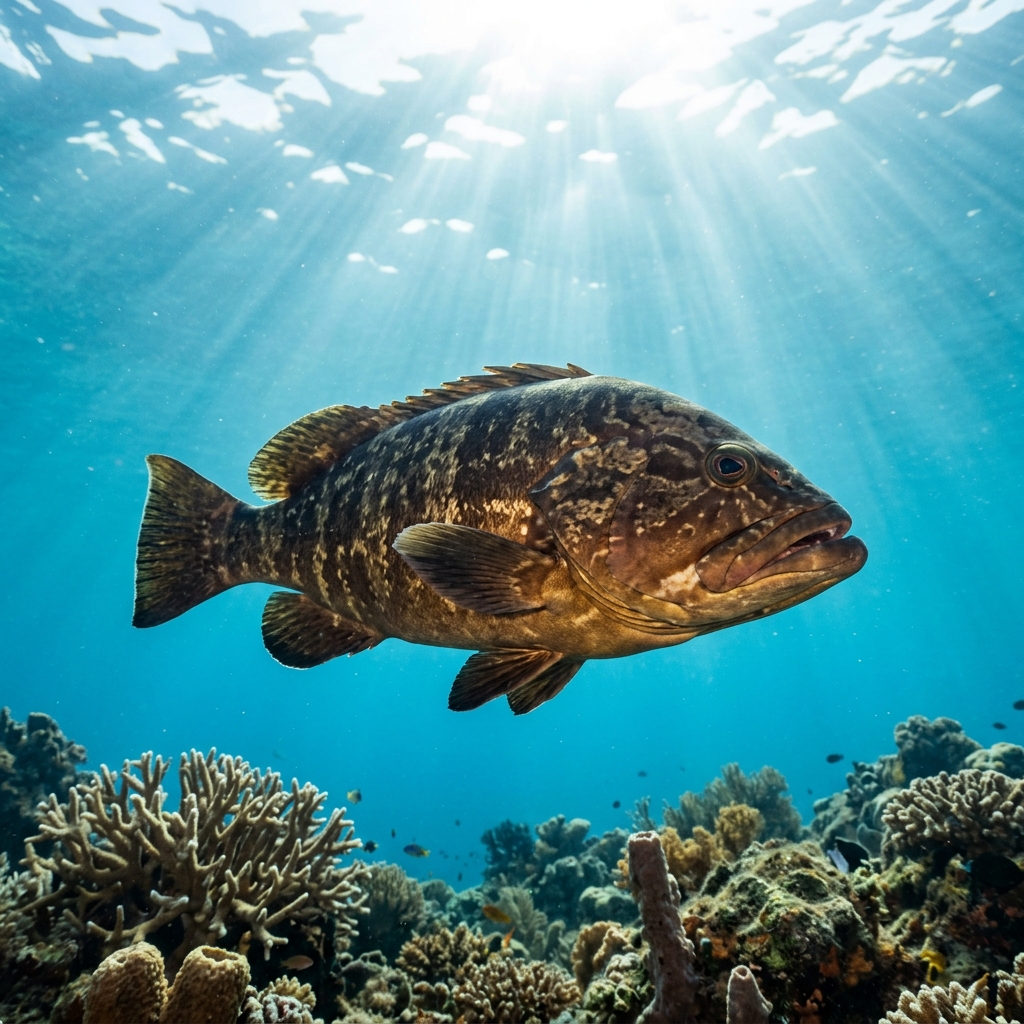
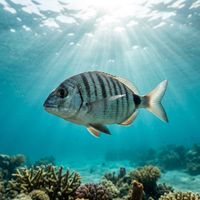
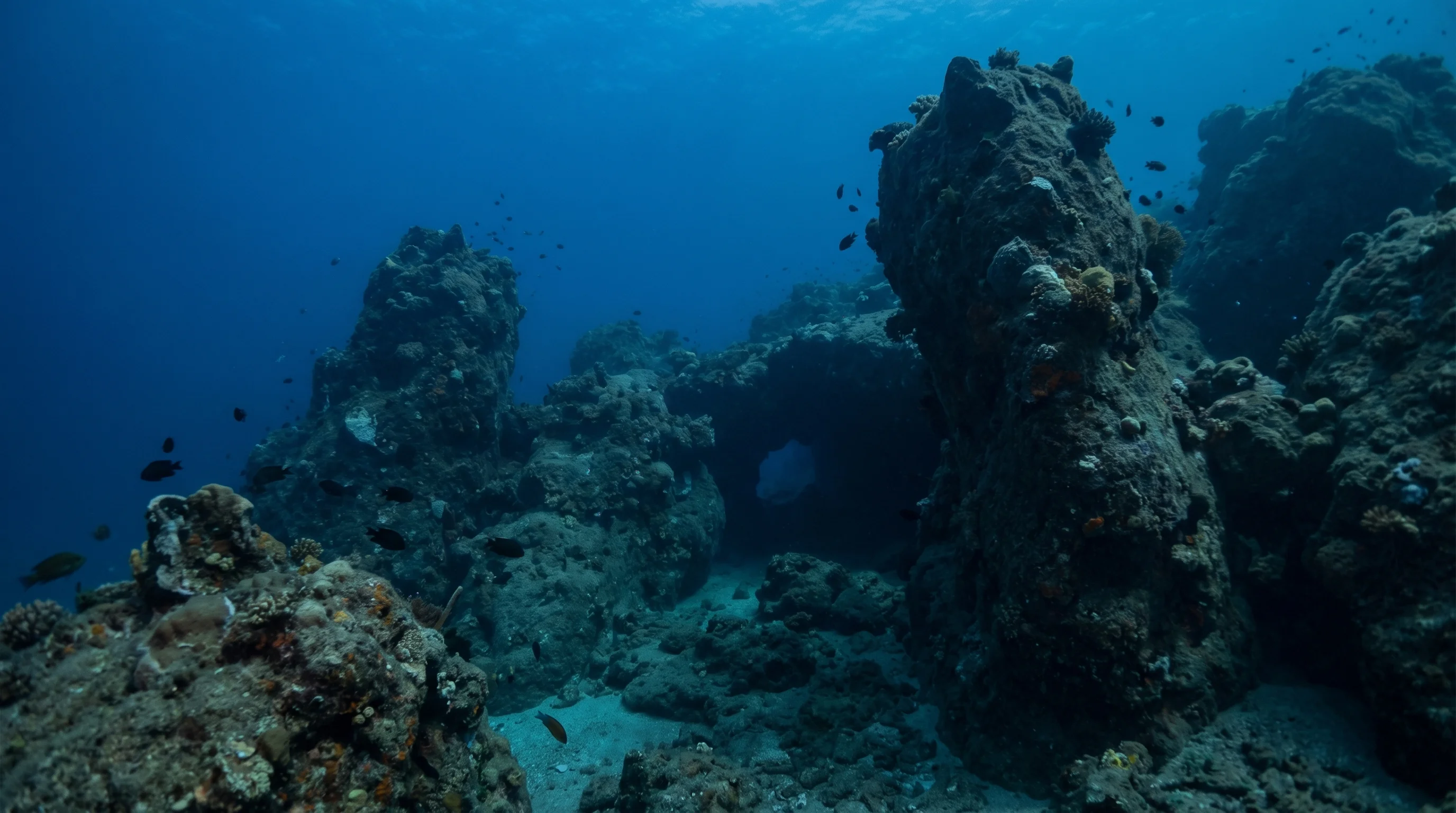
The Cyclades offer a broad and varied underwater landscape across seven sub-areas, from the caldera walls and wrecks of Santorini to the cave systems and reef structures of Naxos and the quieter sites around Koufonisia and the Small Cyclades. Boat access dominates, with sites ranging from shallow beginner-friendly reefs to deeper walls and caverns suited to intermediate divers. Turkish Wrasse and White Seabream are constant companions, while Common Octopus, Mediterranean Moray, Dusky Grouper, and Indian Lionfish define the region's character. The Loggerhead Sea Turtle and Ocean Sunfish appear as memorable encounters across the wider area.
7 areas
 41
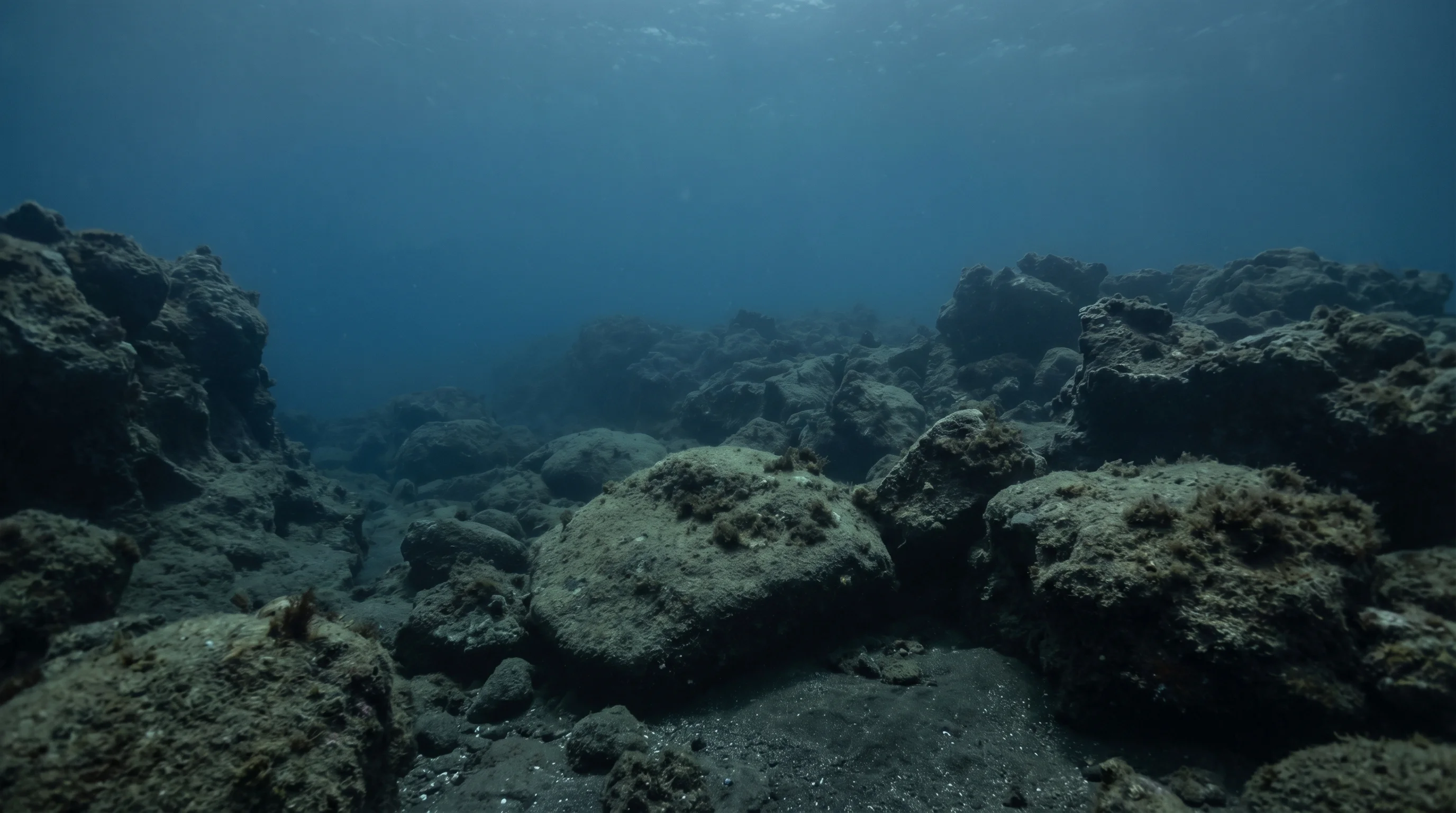
41Volcanic walls, caves and diverse reef life make Santorini one of the Cyclades' most varied diving destinations.
 28
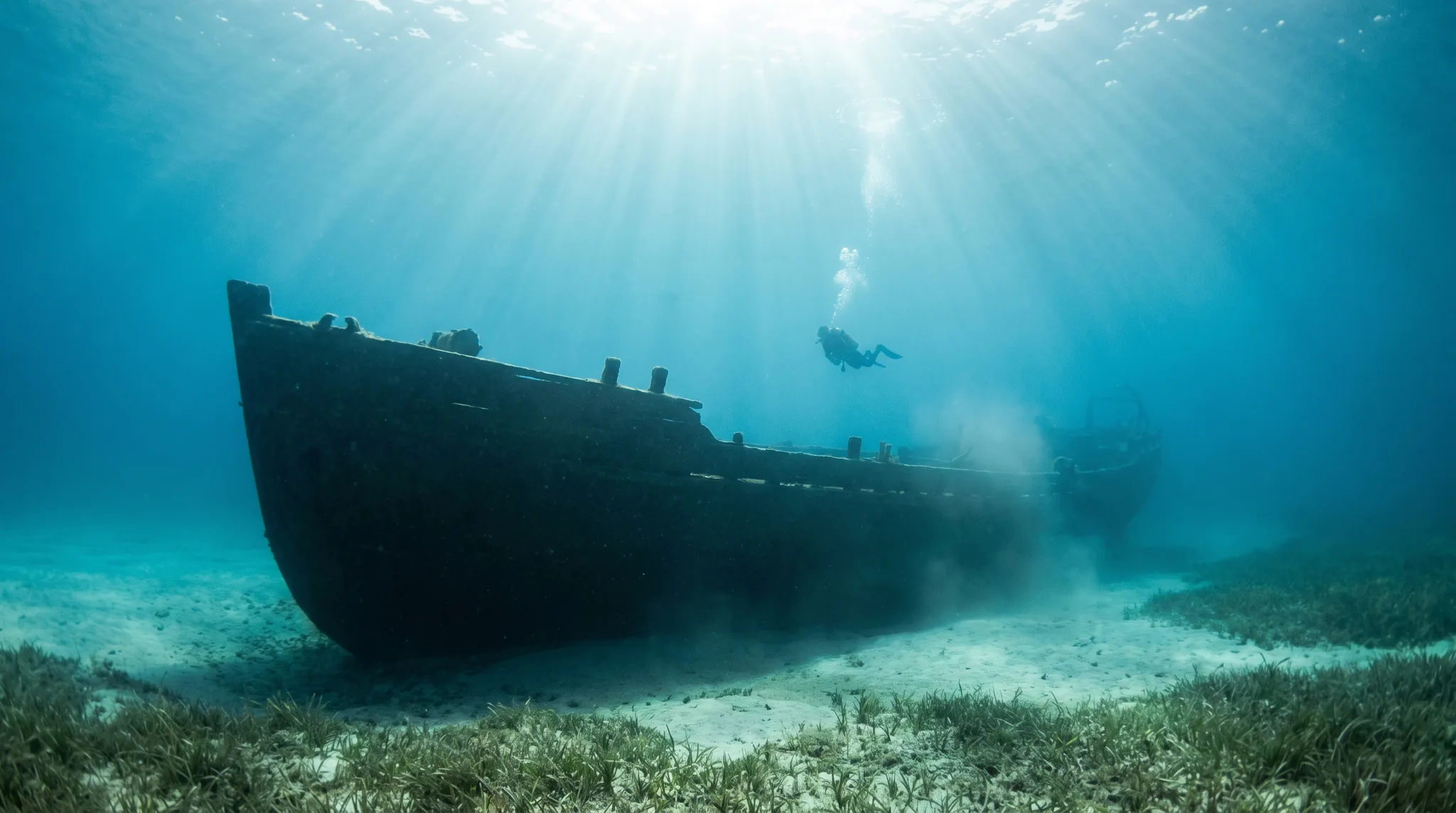
28Wrecks, walls and cave systems alongside consistent sightings of Common Octopus, Dusky Grouper and Ocean Sunfish.
 28
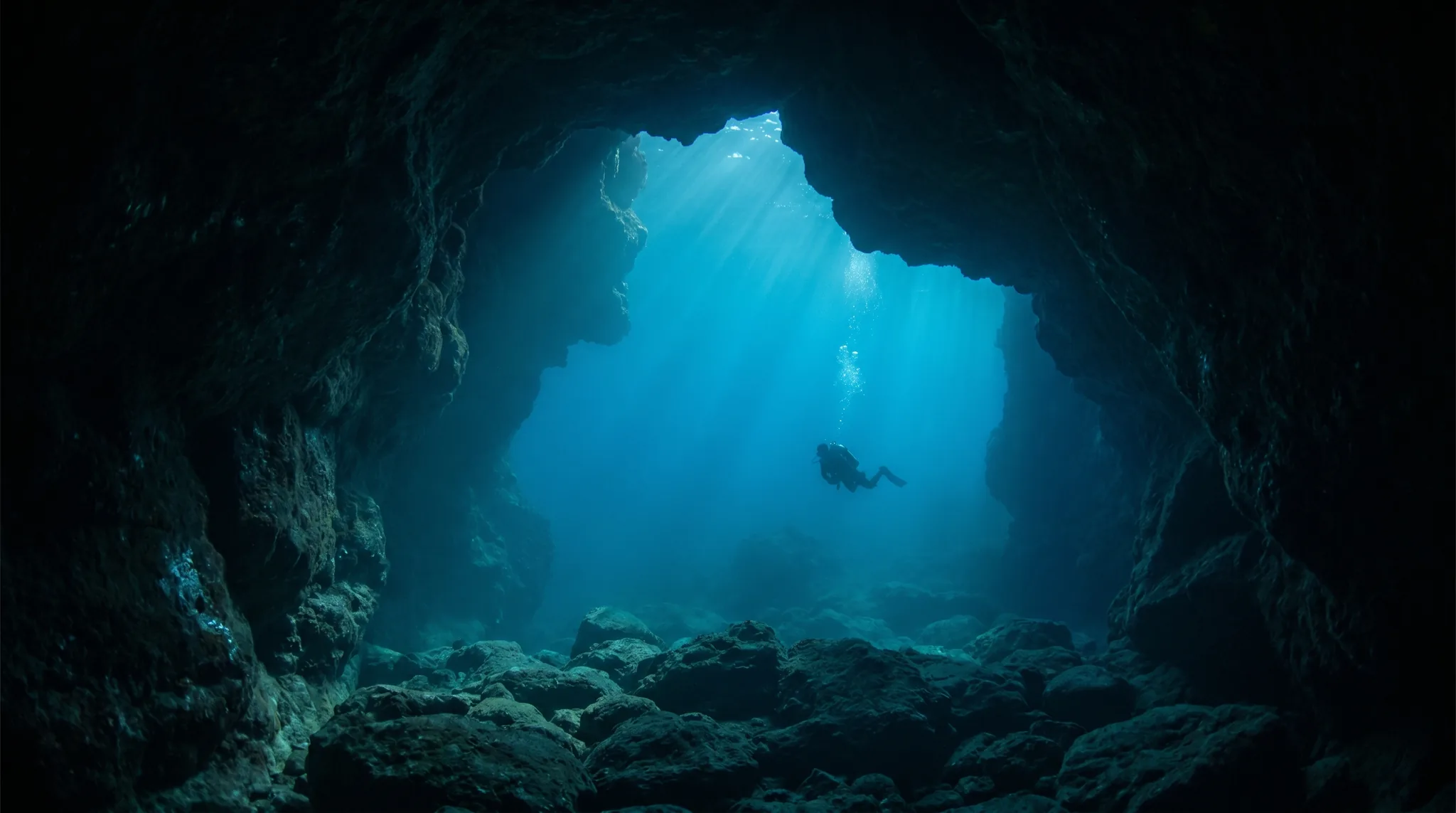
28Reef, wall, cave, and wreck diving with consistently observed barracuda, octopus, and an aircraft wreck.
21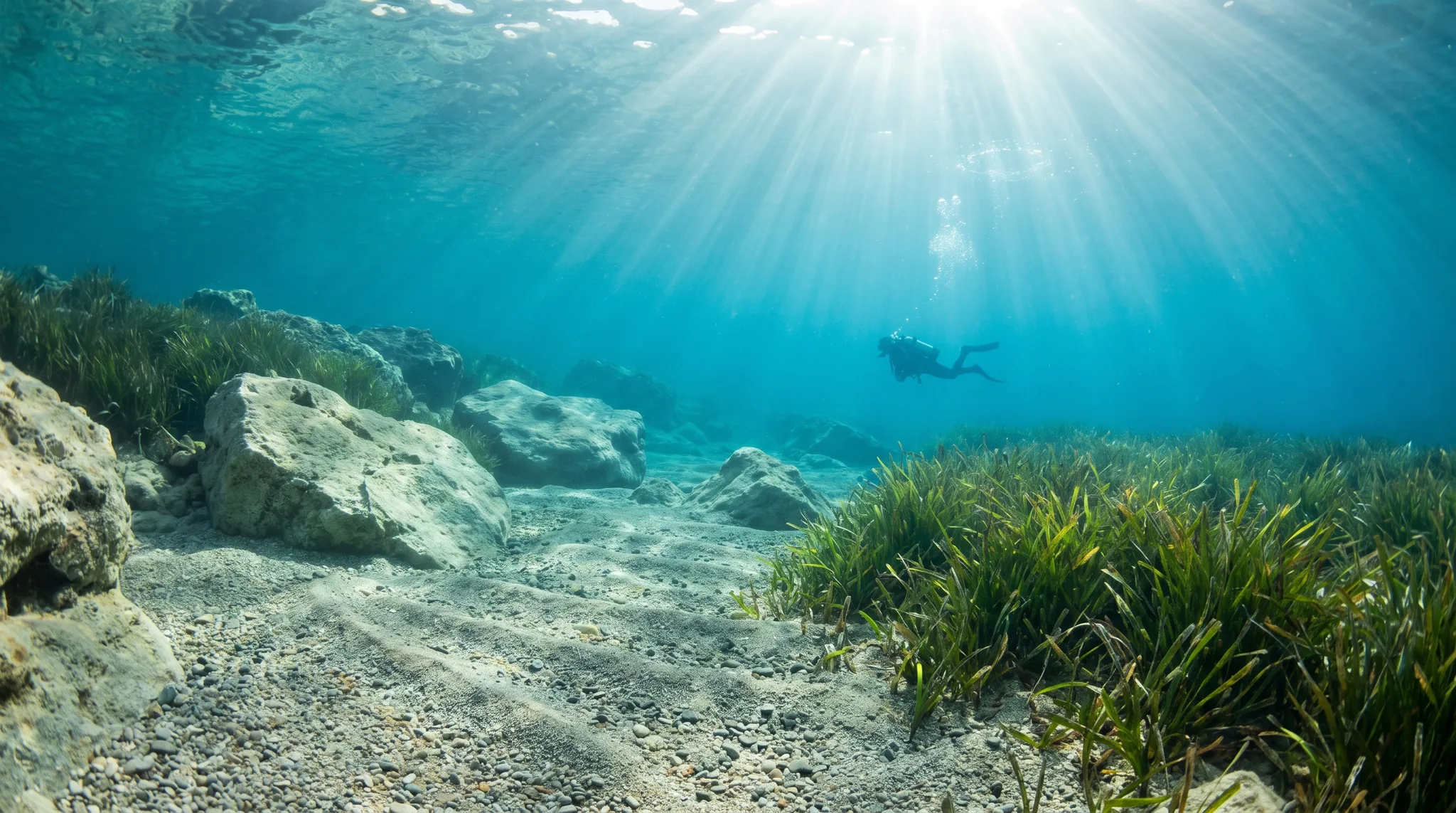
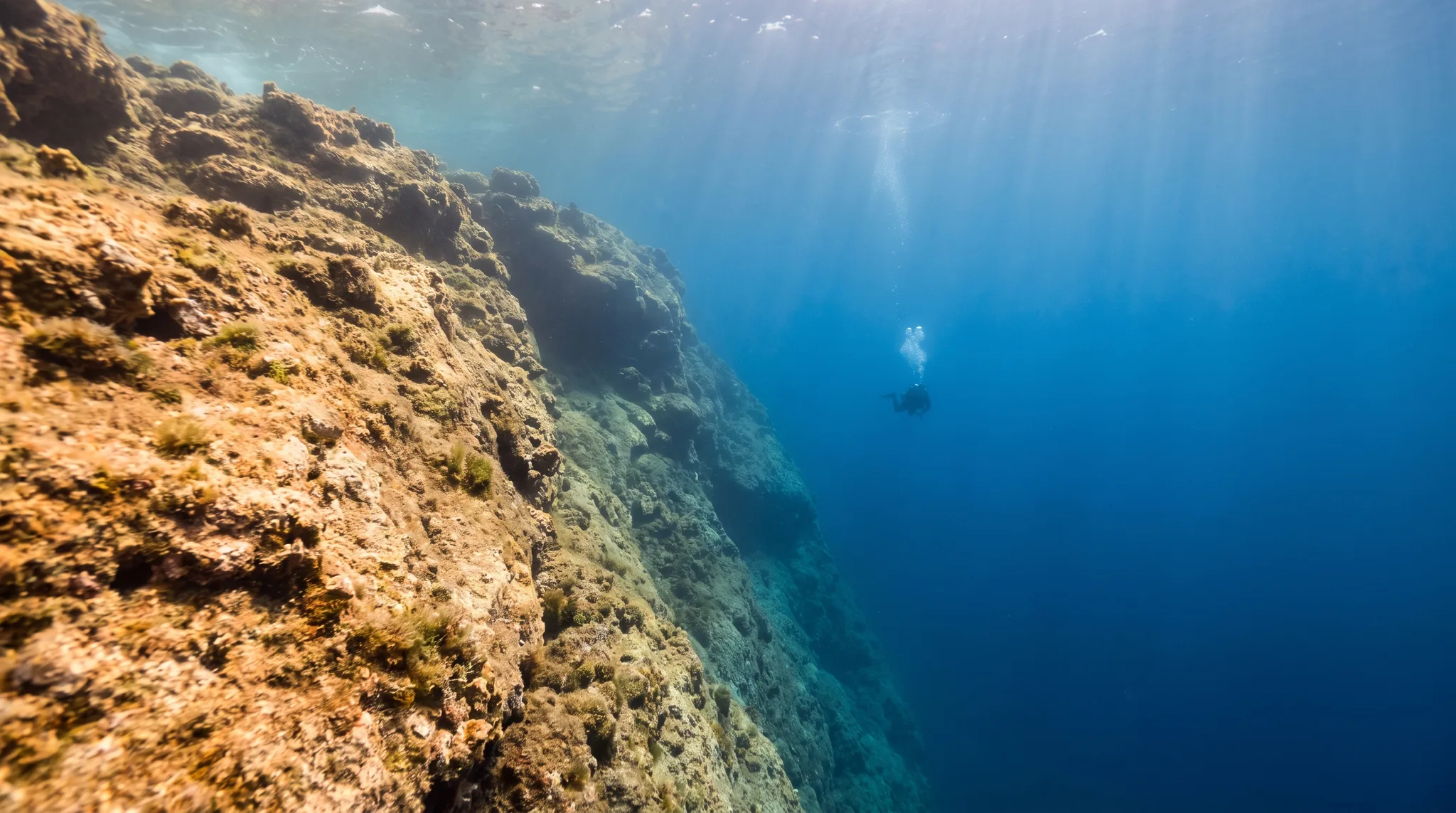
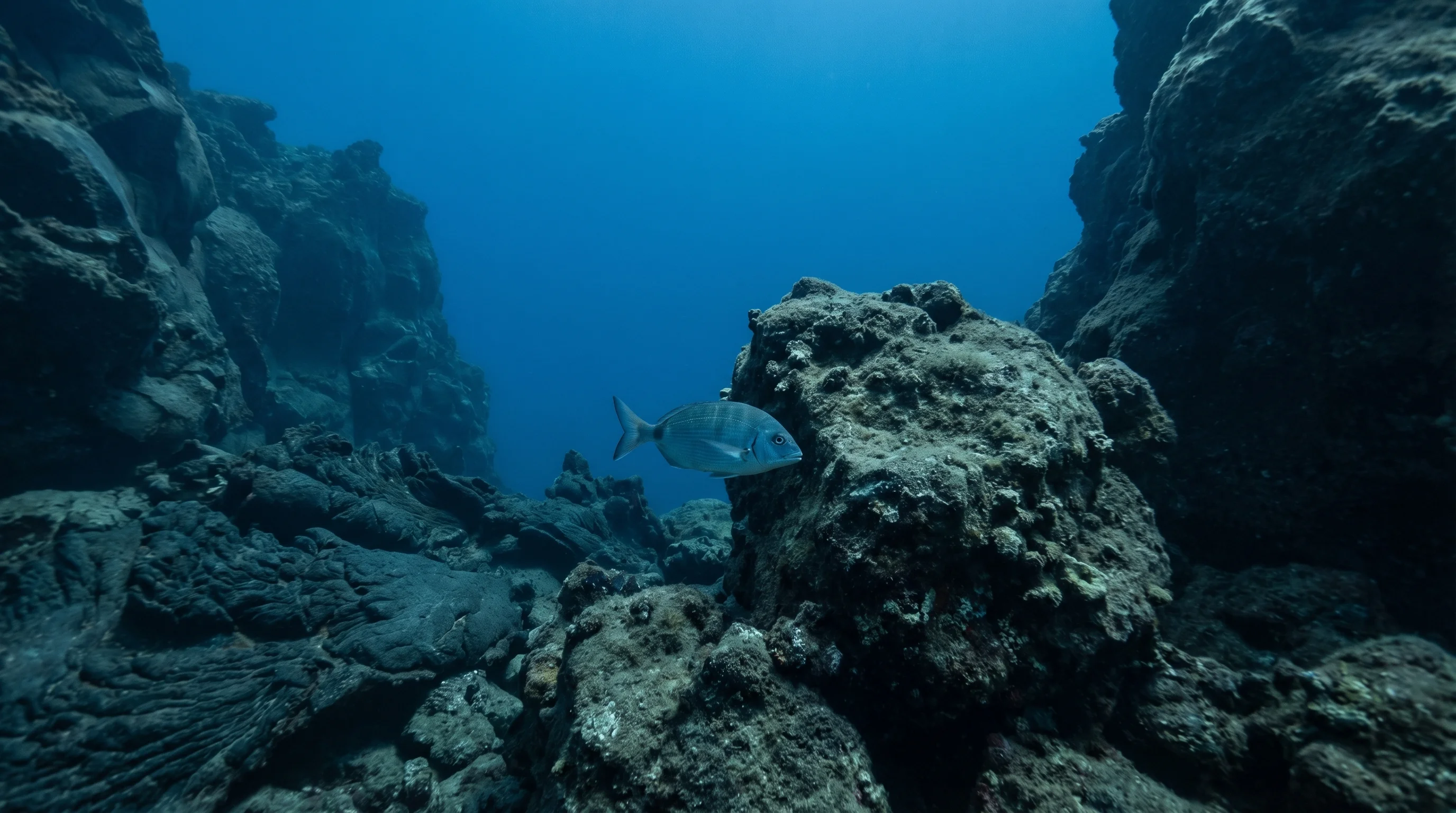
Monthly water temperature across Cyclades's sites, from satellite sea-surface data corrected for depth. The band shows the site-to-site spread.
Water temperature climbs steadily from spring through to late summer, reaching its warmest in August and September, which also fall within the peak recommended window. Conditions are most settled from May through October, when visibility is at its best and calmer weather makes boat access comfortable. Winter months see cooler water and fewer operators running trips, making the shoulder months of April and October the sweet spot for those wanting good conditions with smaller crowds.
51 operators
Cave systems, a seaplane wreck and rich reef fish life across a cluster of small islands. A strong choice for both beginners and intermediate divers.
Water temperature around Cyclades ranges from about 17°C in February to 24°C in August, based on satellite sea-temperature data for its dive sites.
In the warm season (about 24°C) a 3mm full suit is comfortable in Cyclades; in the coldest months (about 17°C) step up to a 7mm or semi-dry suit.
Fin maps 141 sites in Cyclades (120 scuba diving sites and 44 snorkelling spots, with some suited to both), organised into 7 areas.
Across Cyclades's dive sites, May, June, July, August, September and October are most often reported as the best months to visit.
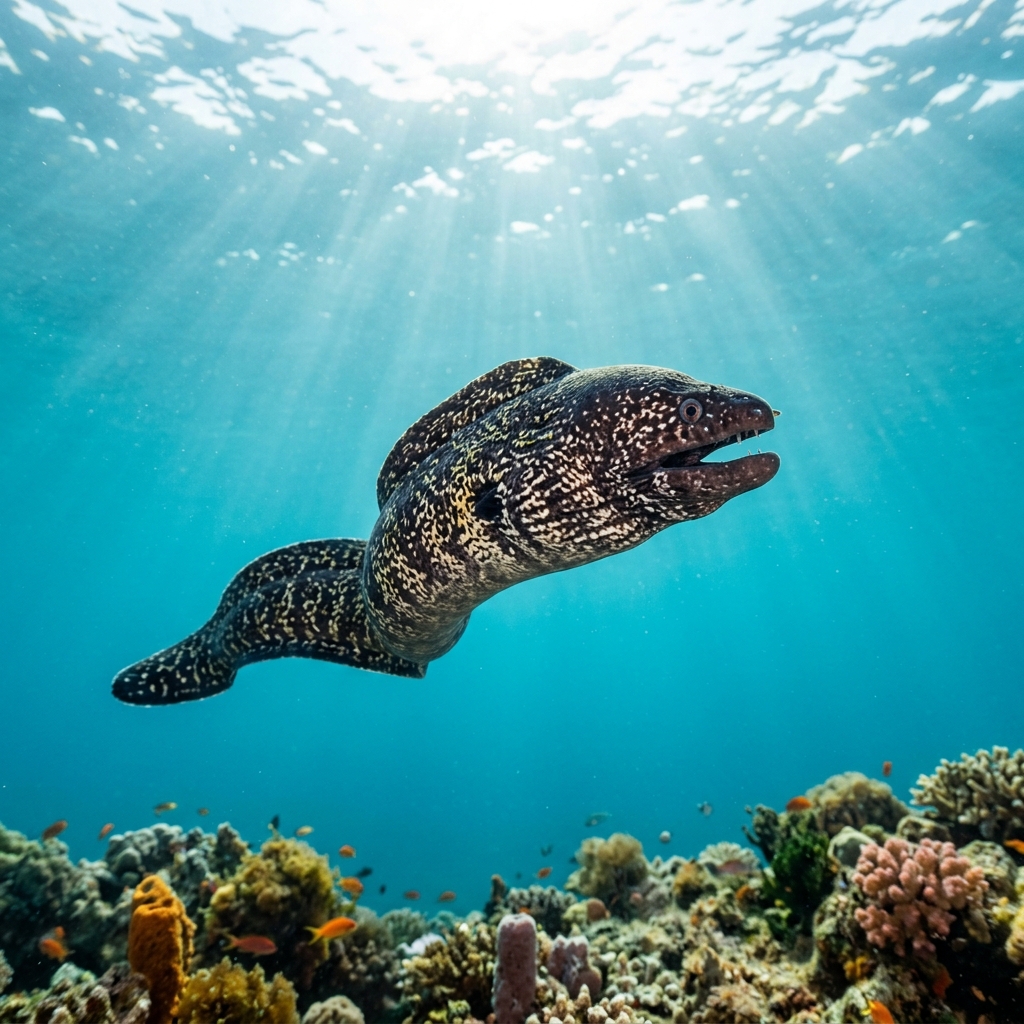
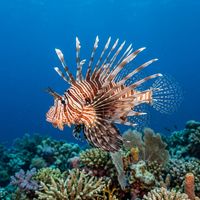
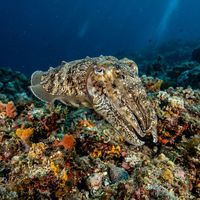
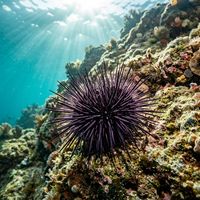
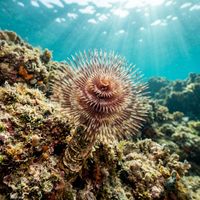
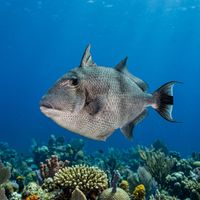
The Cyclades have a rich mix of Mediterranean species backed by diver observations. Turkish Wrasse and White Seabream are present across almost all sites, while Common Octopus, Dusky Grouper, Mediterranean Moray, European Common Cuttlefish, and Indian Lionfish are the region's signature encounters. Painted Comber, Rabbitfish, and Grey Triggerfish are also commonly recorded, and the Loggerhead Sea Turtle has been observed across a notable share of sites.
A good number of sites across the Cyclades are rated for beginners, including Akrotiri Reef, the WWII Boat Wreck, and Thirasia in Santorini, as well as the Agios Fokas Wreck and Finikia. These tend to be shallower reef and wall dives with straightforward boat access. Intermediate-rated sites such as Graviera/Frouros, Swimthrough Reef, and Nikouria's Cavern are also well represented for divers looking to progress.
Santorini has the largest concentration of sites, with a strong emphasis on walls, wrecks, and artificial reefs shaped by the island's volcanic geology. Naxos and Mykonos each offer a substantial mix of reef, cave, and wreck diving, while Koufonisia and the Small Cyclades provide a quieter, less visited experience. Paros has a focused set of sites served by dedicated operators, and Kea and Ios offer smaller selections suited to those combining diving with a broader island visit.
The majority of sites across the Cyclades require boat access, which is reflected in the operator network of dive centres spread across the islands. A smaller number of sites, including Lamania, Small Harbor, and Riva Santo, offer both shore and boat entry options. Operators such as Blue Fin Divers Naxos, Santorini Dive Center, and Paros Diving Center run guided boat trips that make it straightforward to reach the more exposed offshore sites.