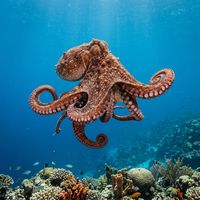
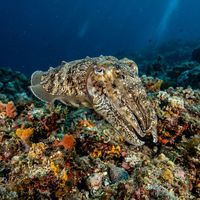
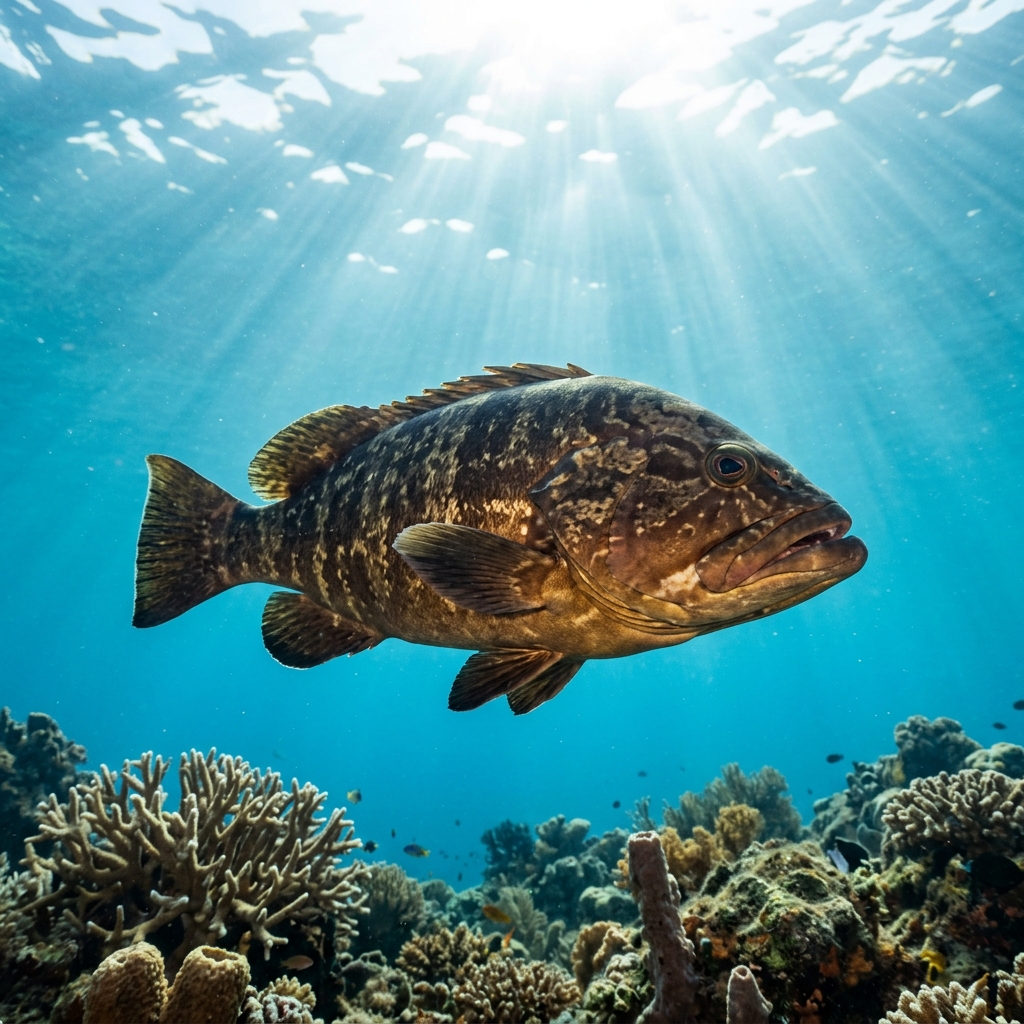
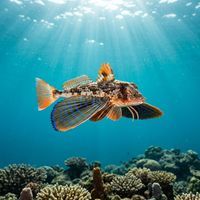
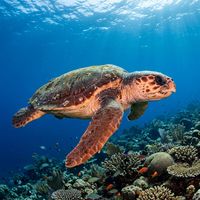
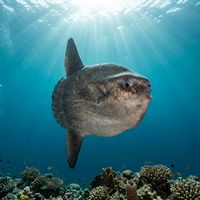
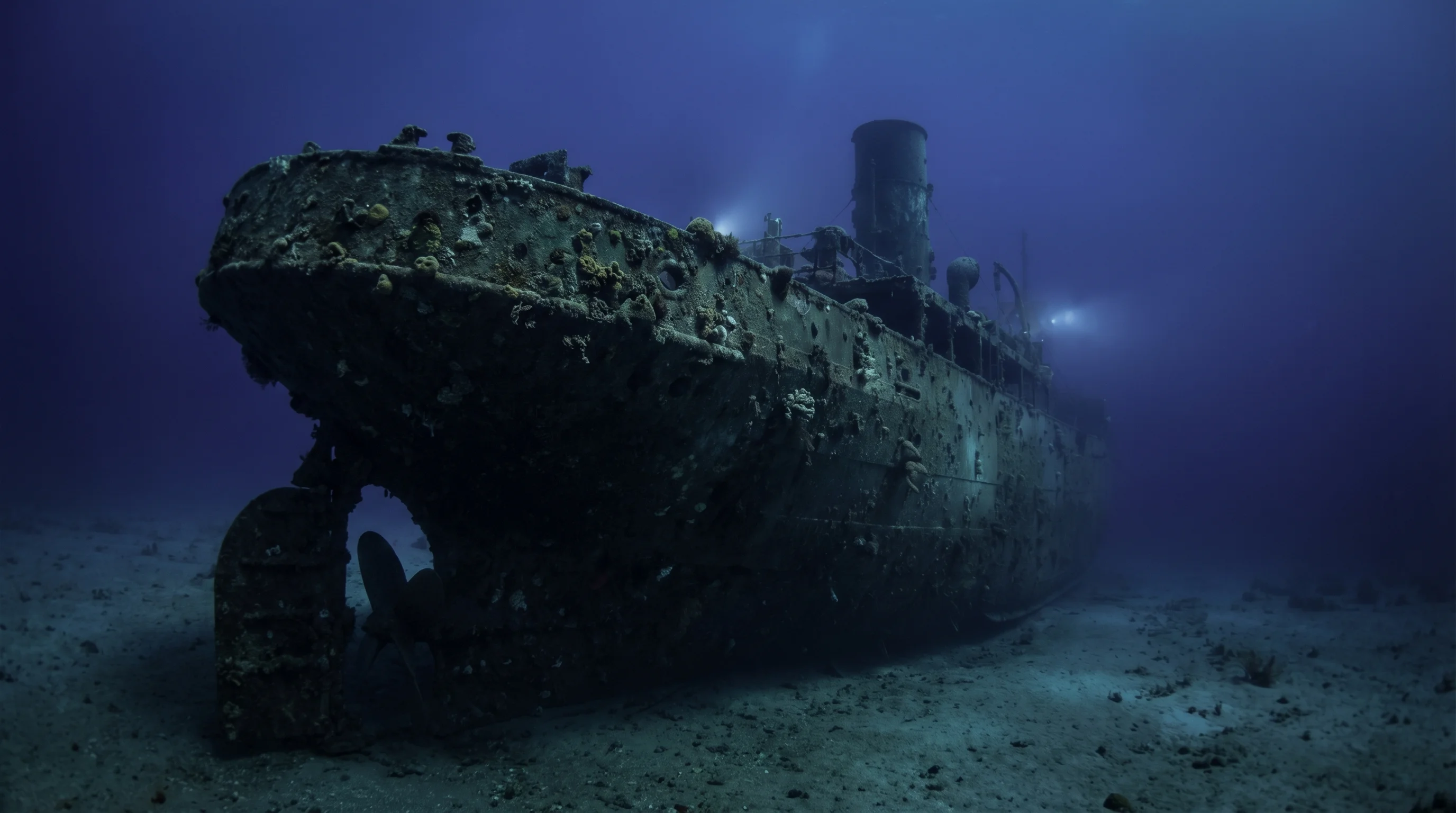
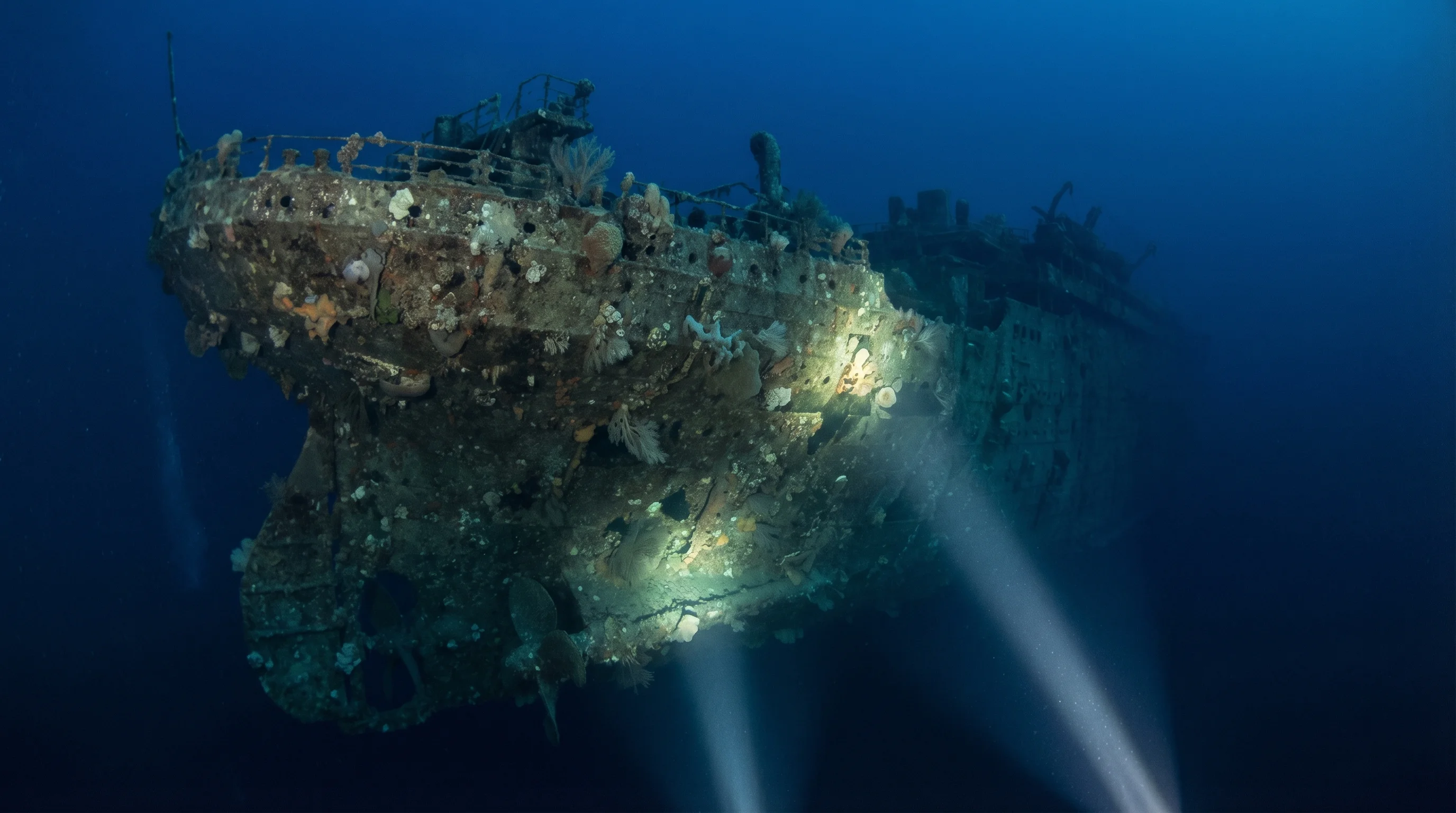
Saronic & Athens divides across three distinct sub-areas: the Athens Riviera, Evia, and the Saronic Gulf. Together they offer an exceptional spread of site types, from accessible beginner reefs and deliberately sunk artificial wrecks to deep technical dives demanding trimix. The Britannic and Monrosa Wreck anchor the expert end, while sites like Kyra Leni and Tripiti reef welcome newer divers. Marine life is rich and observation-backed throughout: Common Octopus, European Common Cuttlefish, Dusky Grouper, and Flying Gurnard appear almost everywhere, with Loggerhead Sea Turtle and Ocean Sunfish adding open-water excitement. Most sites are reached by boat.
3 areas
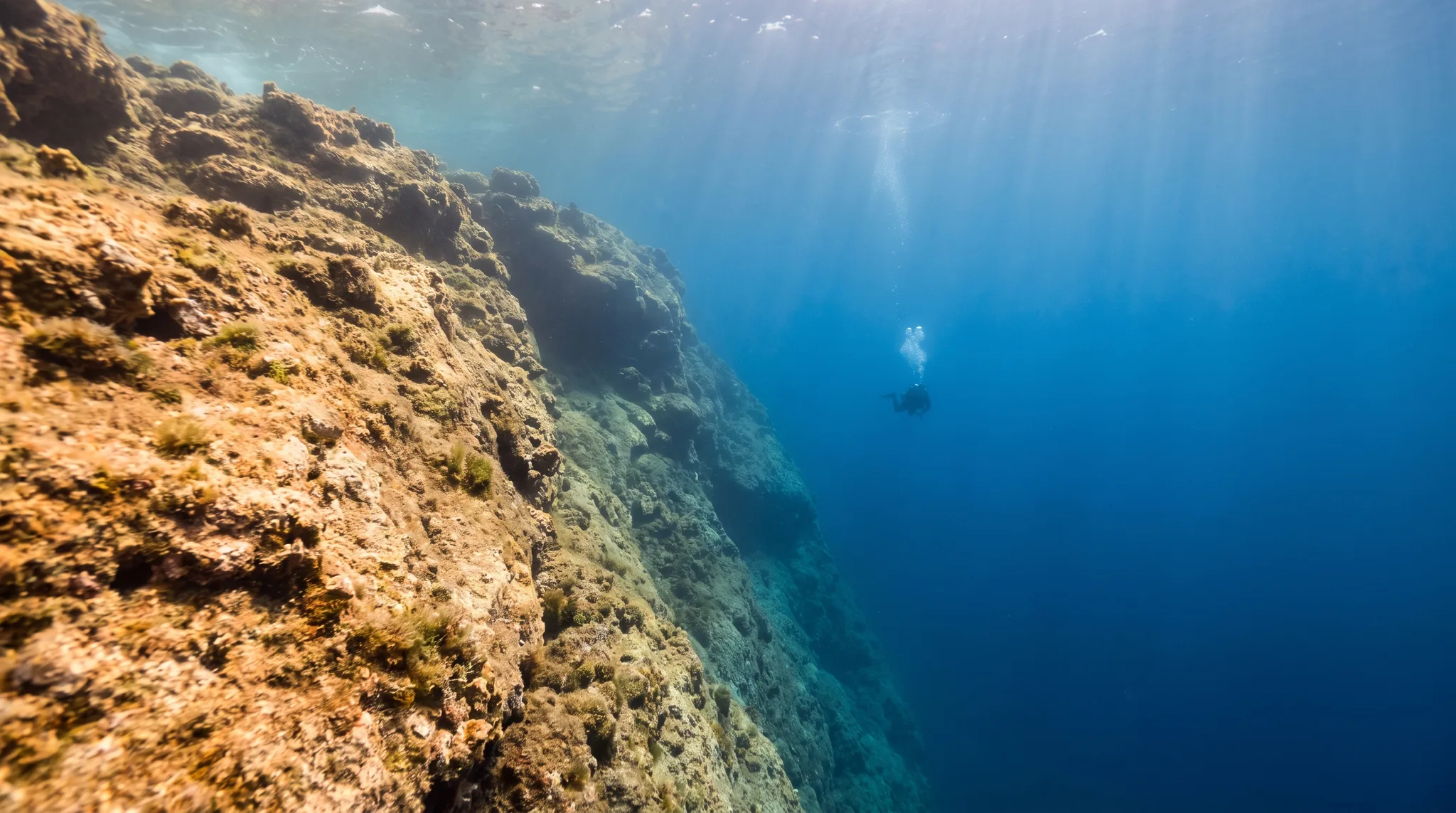 56
56A wreck-rich coastline near Athens, with sites spanning beginner reefs to deep technical dives and consistently strong marine life.
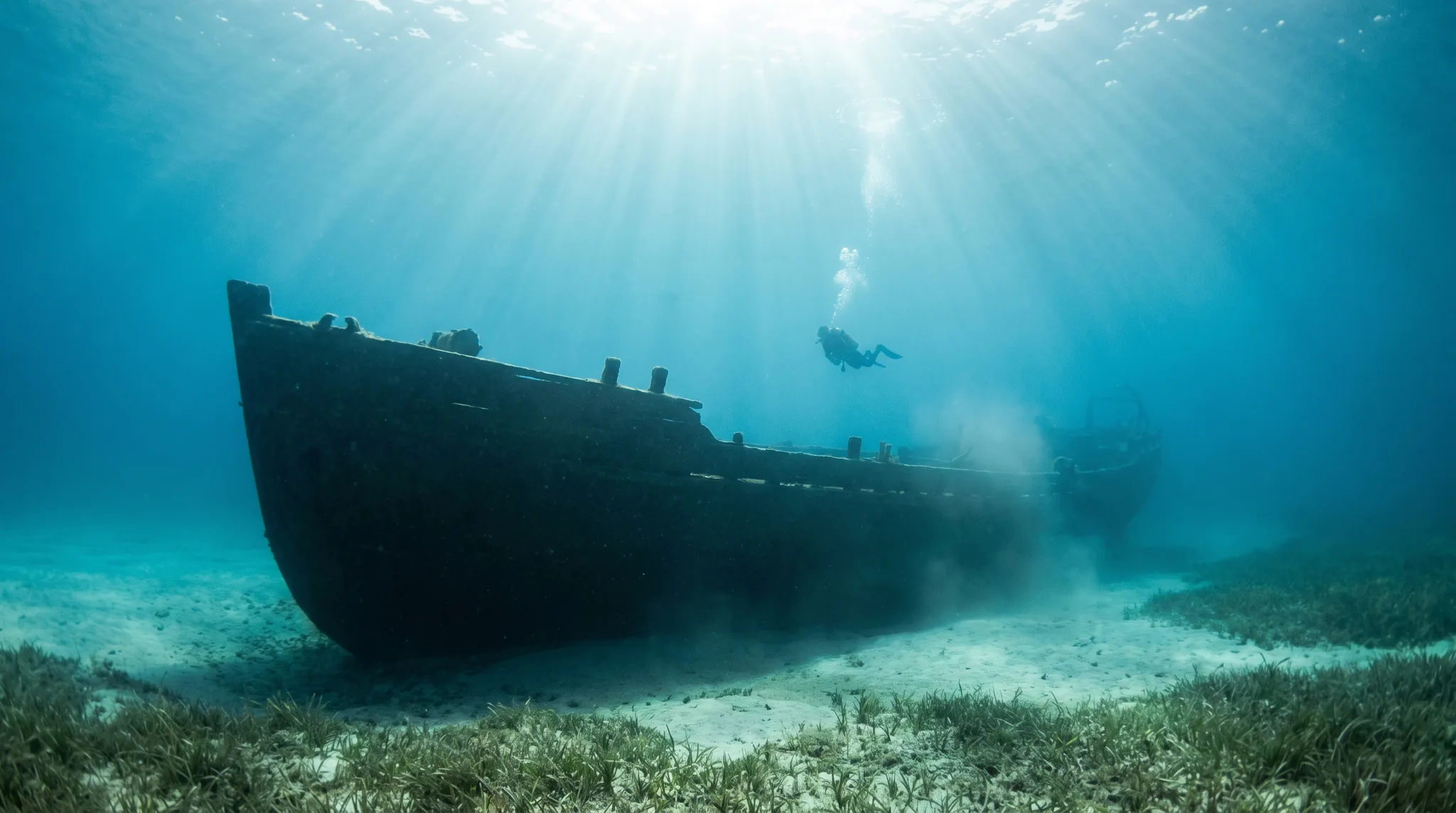 27
27Wrecks, cave systems and deep reef walls, with Loggerhead Sea Turtle and Blue Shark among the highlights.
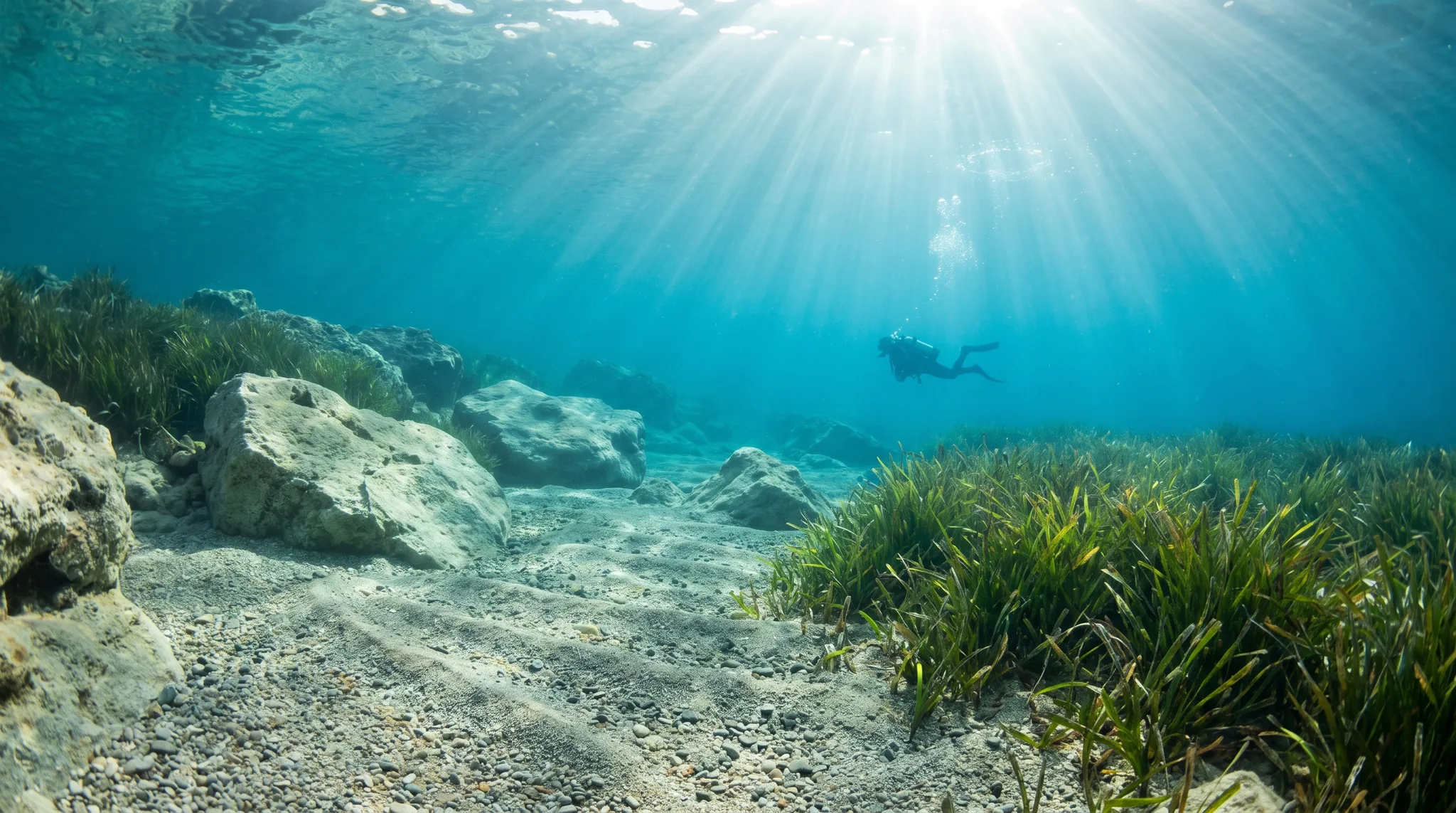 20
20Reef, wall, cave and wreck diving in Attica, with European Common Cuttlefish as the defining resident species.
Monthly water temperature across Saronic & Athens's sites, from satellite sea-surface data corrected for depth. The band shows the site-to-site spread.
Water temperatures rise through spring and peak in late summer, making May through October the most comfortable period for diving. The warmest months bring the best conditions for longer dives on deeper sites, while spring and early autumn offer a balance of comfortable water and good visibility. Winter temperatures drop noticeably, and the site mix includes exposed boat-access reefs that can be affected by seasonal swell.
66 operators
Water temperature around Saronic & Athens ranges from about 15°C in February to 25°C in August, based on satellite sea-temperature data for its dive sites.
In the warm season (about 25°C) a 3mm full suit is comfortable in Saronic & Athens; in the coldest months (about 15°C) step up to a 7mm or semi-dry suit.
Fin maps 103 sites in Saronic & Athens (95 scuba diving sites and 14 snorkelling spots, with some suited to both), organised into 3 areas.
Across Saronic & Athens's dive sites, May, June, July, August, September and October are most often reported as the best months to visit.
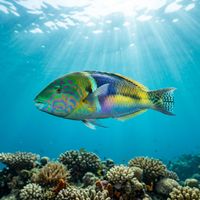
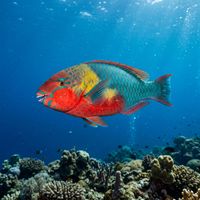
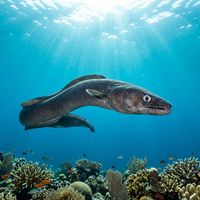
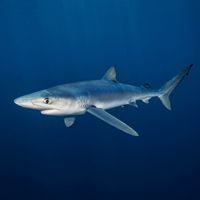
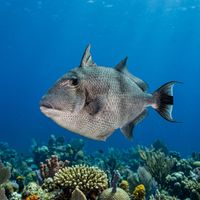
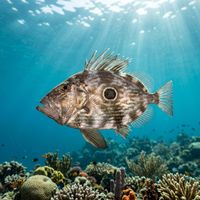
The region has strong observation records for Common Octopus, European Common Cuttlefish, Dusky Grouper, Flying Gurnard, Turkish Wrasse, Painted Comber, and Conger Eel across the great majority of sites. Loggerhead Sea Turtle and Ocean Sunfish are also commonly recorded, and Blue Shark has been observed in open-water contexts. Scorpionfish, John Dory, Sea Slug, and Mediterranean Cardinalfish round out a varied cast.
Yes, a solid portion of the sites are rated beginner level, including Kyra Leni, Saint Georges, Makris Reef, and Tripiti reef. These sites feature manageable depths and straightforward layouts accessible by boat. Intermediate and advanced sites are also plentiful, and the region reaches up to expert and technical grades for those pursuing the Britannic or Rosa Vlasi wreck.
The Athens Riviera holds the largest concentration of sites and is the most accessible base for day trips. Evia offers a quieter alternative with a solid selection of its own dive sites. The Saronic Gulf rounds out the region with further variety, including island-based sites such as those off Kea. All three sub-areas are predominantly boat-access, though a handful of sites across the region can also be entered from shore.
The majority of dive sites in Saronic & Athens are boat-access only, reflecting the offshore position of most reefs and wrecks. A smaller number of sites, including Koundouros reef and Agios Marcos Shipwreck, offer both shore and boat entry. Operators such as Seahorse Dive Center, Extreme Divers, Aegina Divers, and others across the region run regular boat trips covering the main sites.