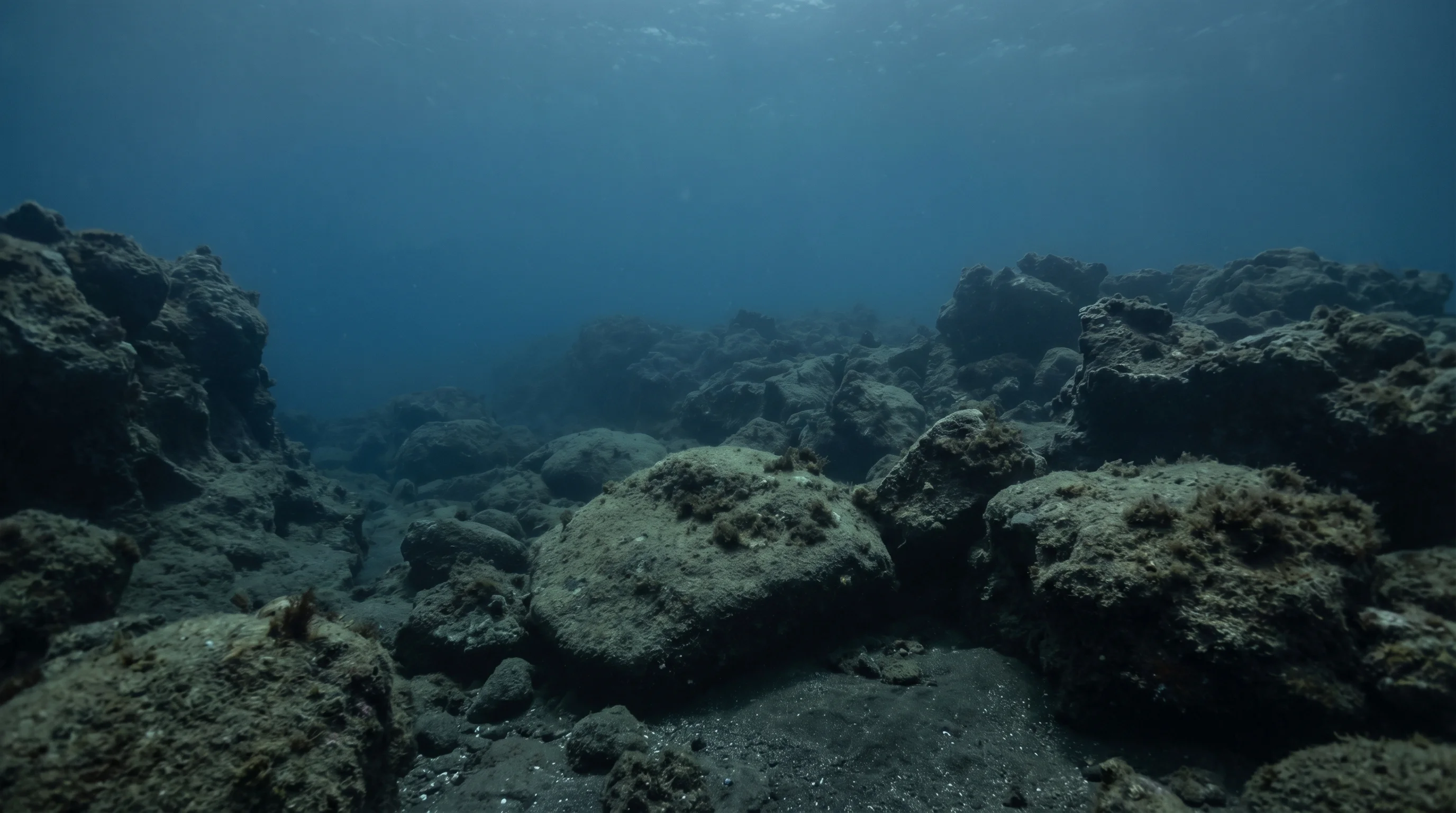
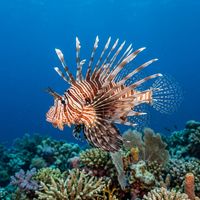
Koufonisia and the Small Cyclades offer a compact mix of cave, cavern, wall and wreck diving across a range of skill levels. The Arado seaplane wreck draws beginners, while deeper cavern systems at sites like Nikouria's Cavern and Big Cave suit intermediate divers. Reef fish are abundant throughout, with European Parrotfish, Turkish Wrasse and Two-banded Seabream recorded at virtually every site. The Indian Lionfish stands out as the region's signature species. Summer months bring the warmest water and the widest choice of conditions.
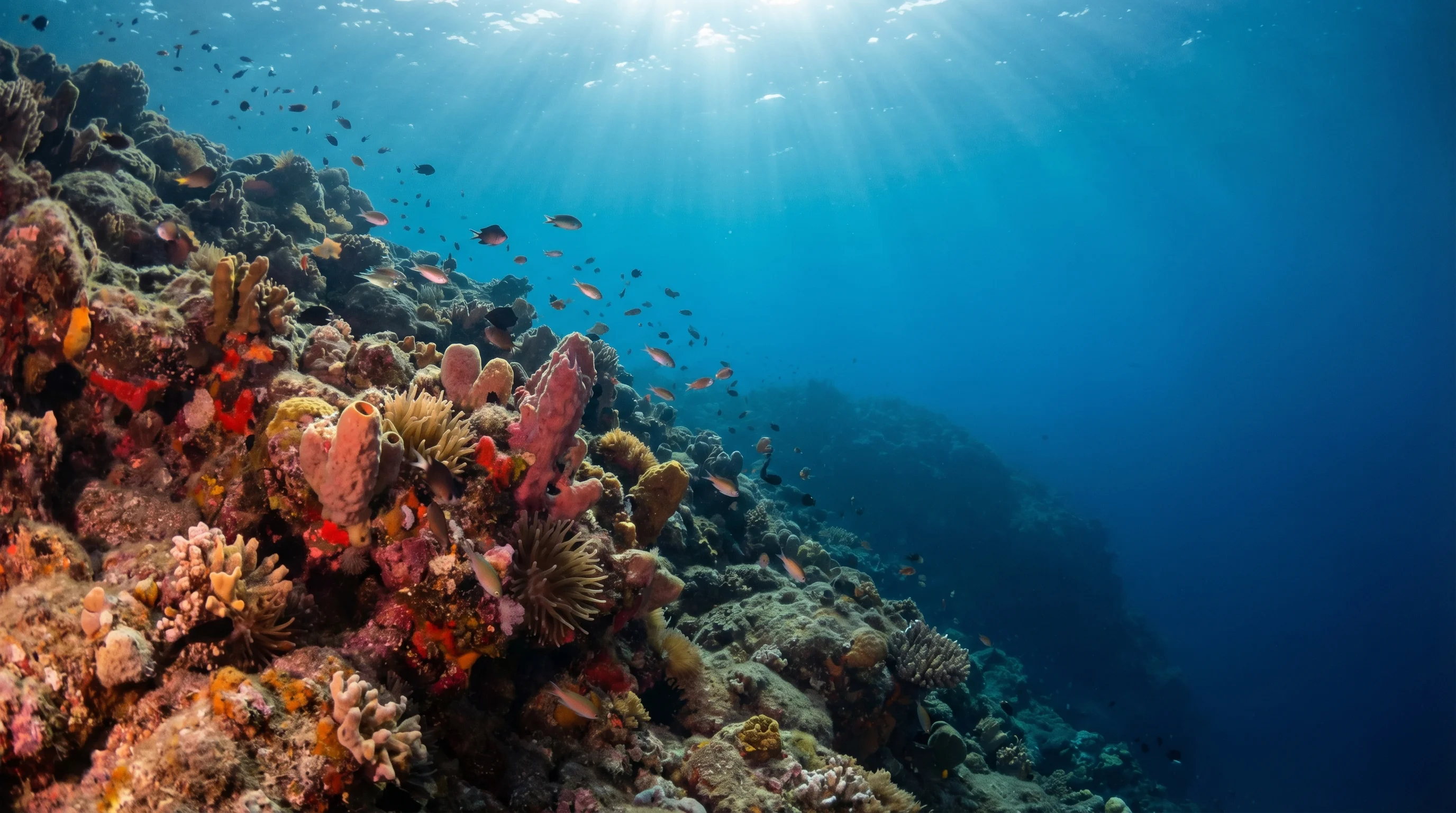
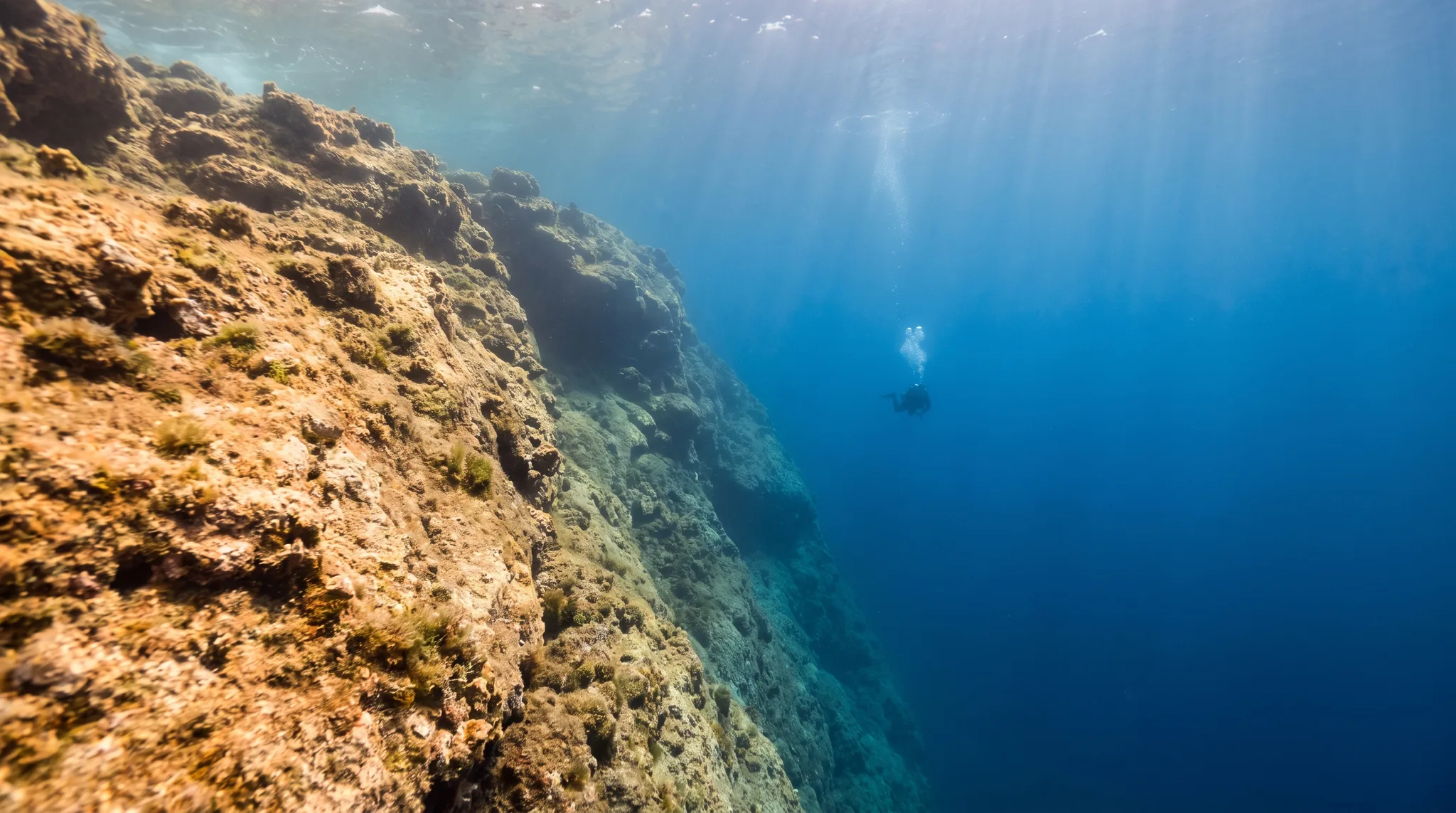
Monthly water temperature across Koufonisia & Small Cyclades's sites, from satellite sea-surface data corrected for depth. The band shows the site-to-site spread.
Water temperatures rise through late spring and peak in late summer, making June through September the most comfortable period for extended dives. The cooler months from January to April are still diveable but suit those happy in thicker exposure protection. Visibility is generally good year-round, and the site mix of caves, walls and wrecks means conditions vary more by site type than by season.
18 more sites to explore
Water temperature around Koufonisia & Small Cyclades ranges from about 17°C in February to 24°C in August, based on satellite sea-temperature data for its dive sites.
In the warm season (about 24°C) a 3mm full suit is comfortable in Koufonisia & Small Cyclades; in the coldest months (about 17°C) step up to a 7mm or semi-dry suit.
Fin maps 21 sites in Koufonisia & Small Cyclades (16 scuba diving sites and 10 snorkelling spots, with some suited to both).
Across Koufonisia & Small Cyclades's dive sites, June, July, August and September are most often reported as the best months to visit.
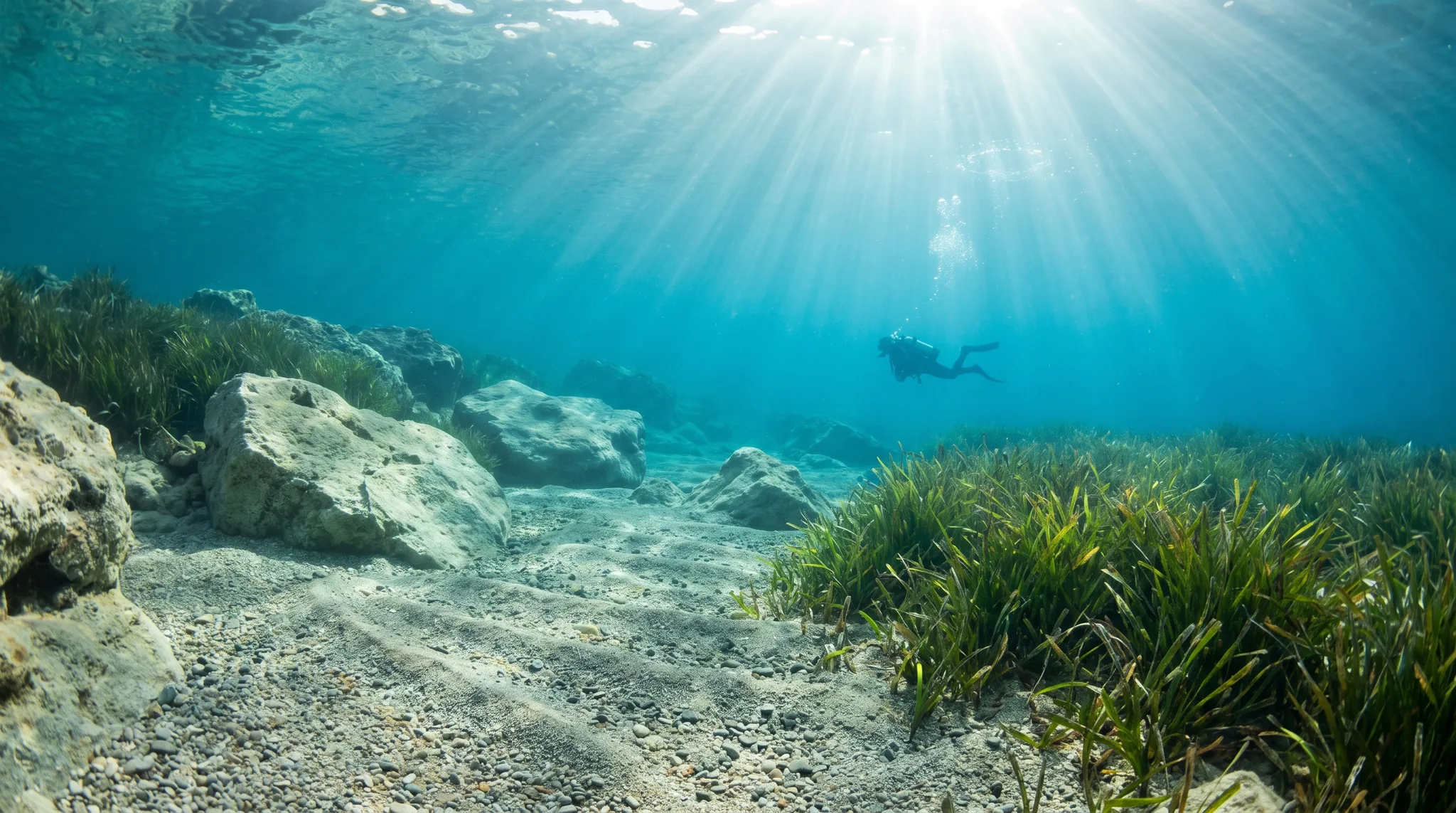
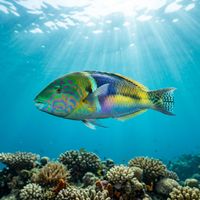
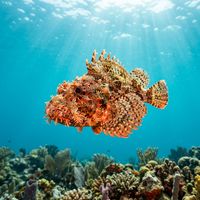
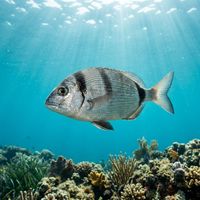
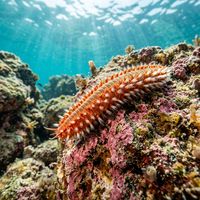
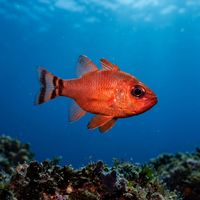
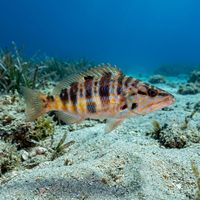
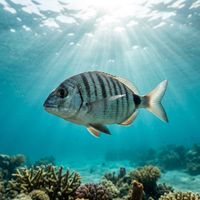
The reef fish community is well established, with European Parrotfish, Turkish Wrasse, Two-banded Seabream, White Seabream and Rabbitfish observed across the sites. Scorpionfish and Sea Bass appear regularly, and the Indian Lionfish is the region's signature species. Loggerhead Sea Turtle has also been recorded here, though sightings are less frequent.
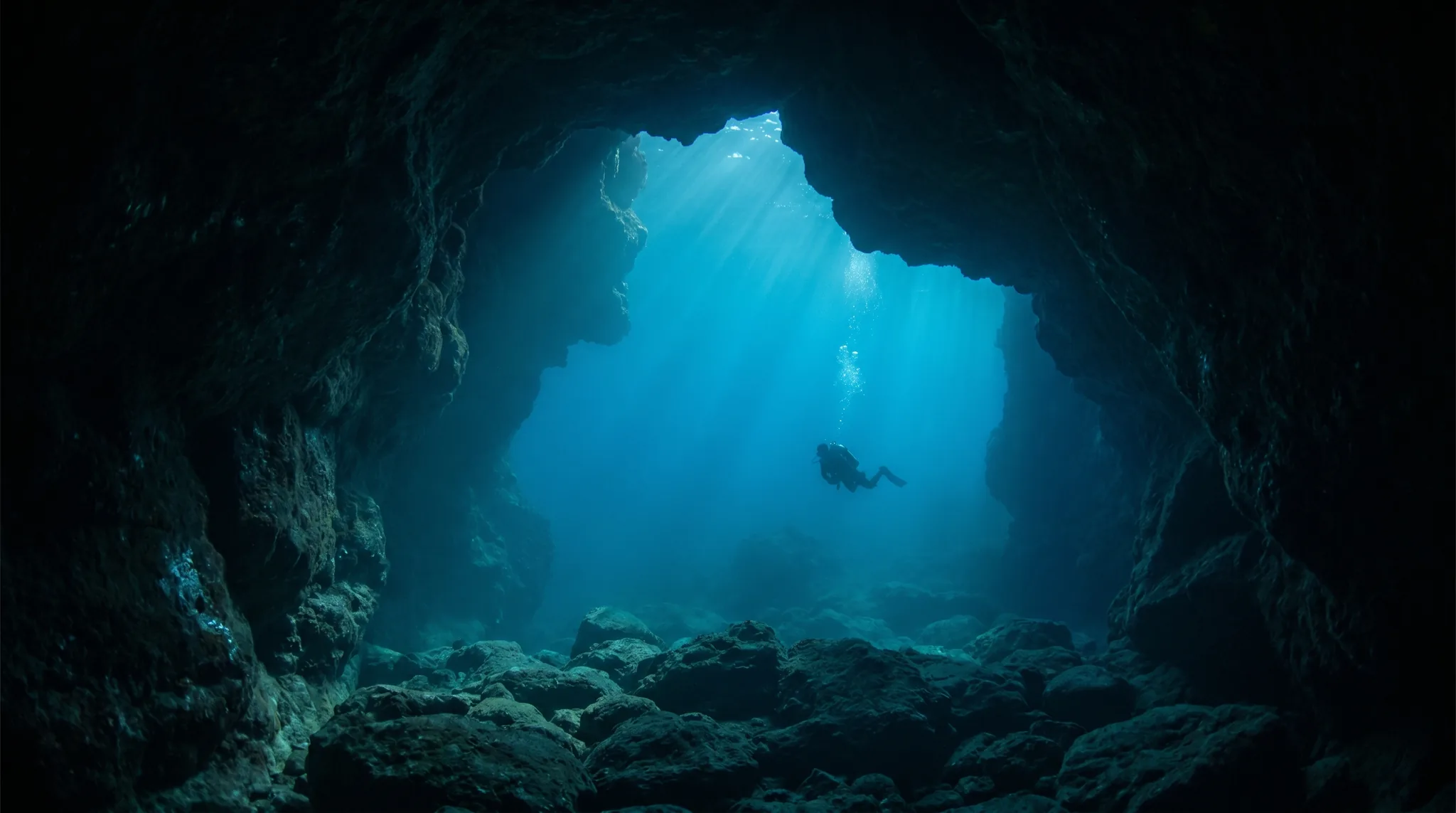
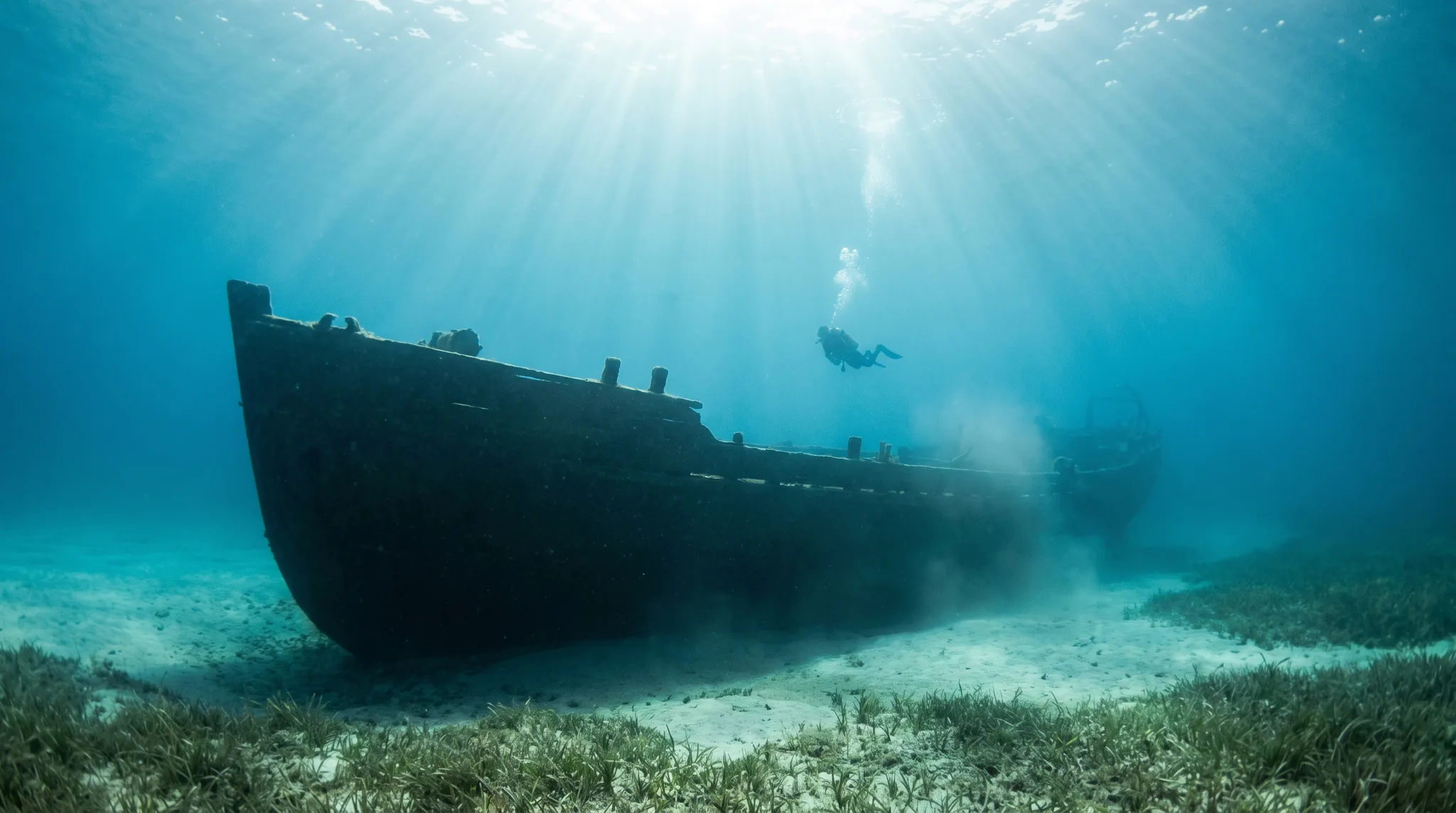
The site mix caters to a range of levels. The Arado seaplane wreck is rated for beginners and sits in relatively shallow water on a sandy seabed. Cave and cavern sites such as Nikouria's Cavern and Big Cave are rated intermediate, offering deeper, more complex terrain for those with more experience.
The top-rated sites, including Big Cave, Nikouria's Cavern and the Arado wreck, are all boat-access only. There are currently no listed dive operators based in the region, so visiting divers should arrange boat access independently or through operators based in nearby areas before arriving.
The region covers a varied spread of site types, including wrecks, caves, caverns, walls and reefs. The Arado is a seaplane wreck resting on a sandy seabed, while Nikouria's Cavern combines wall, cavern and reef terrain in a single dive. This variety means divers can experience quite different environments without travelling far between sites.