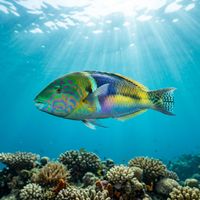
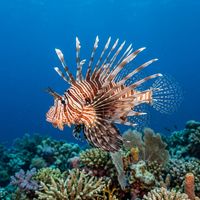
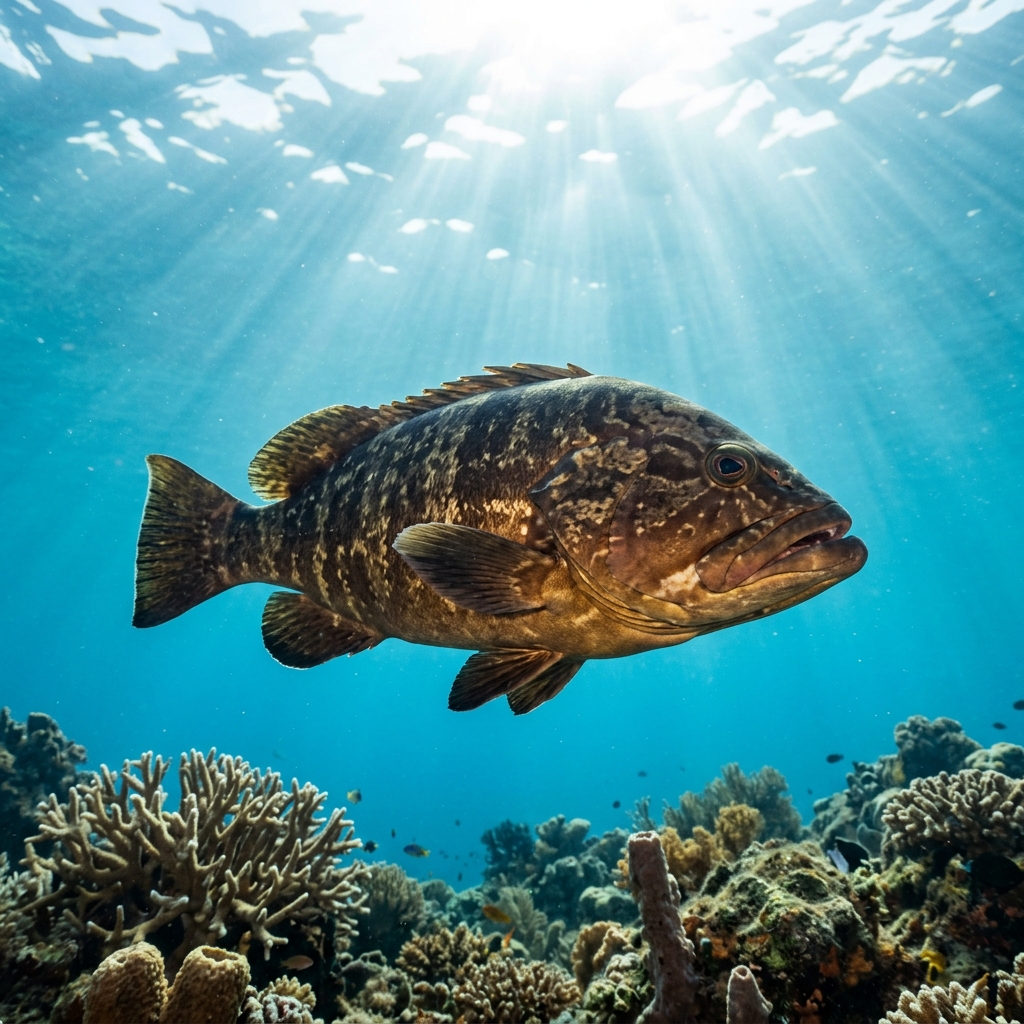
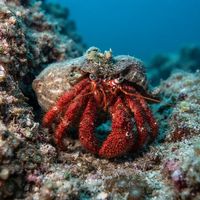
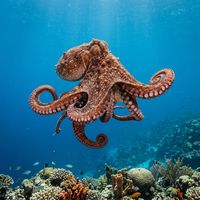
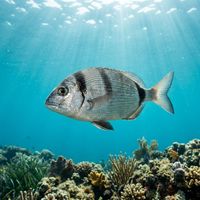
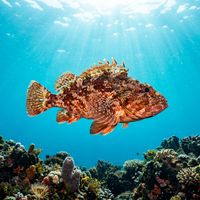
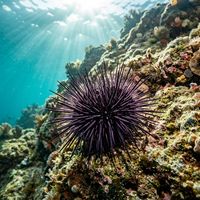
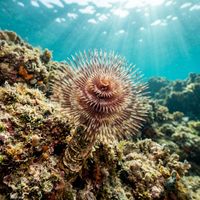
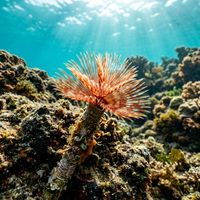
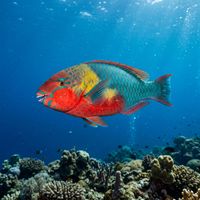
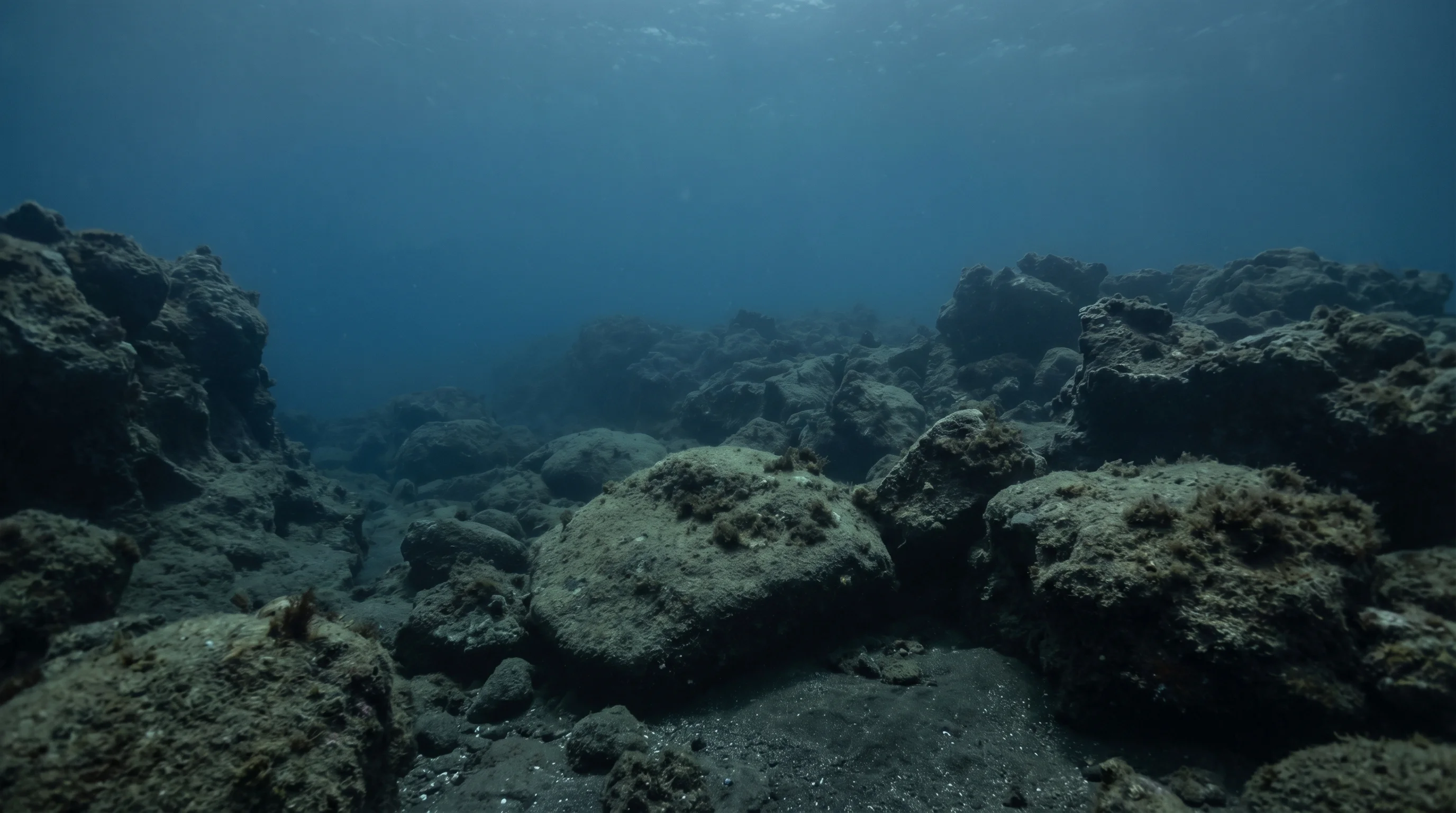
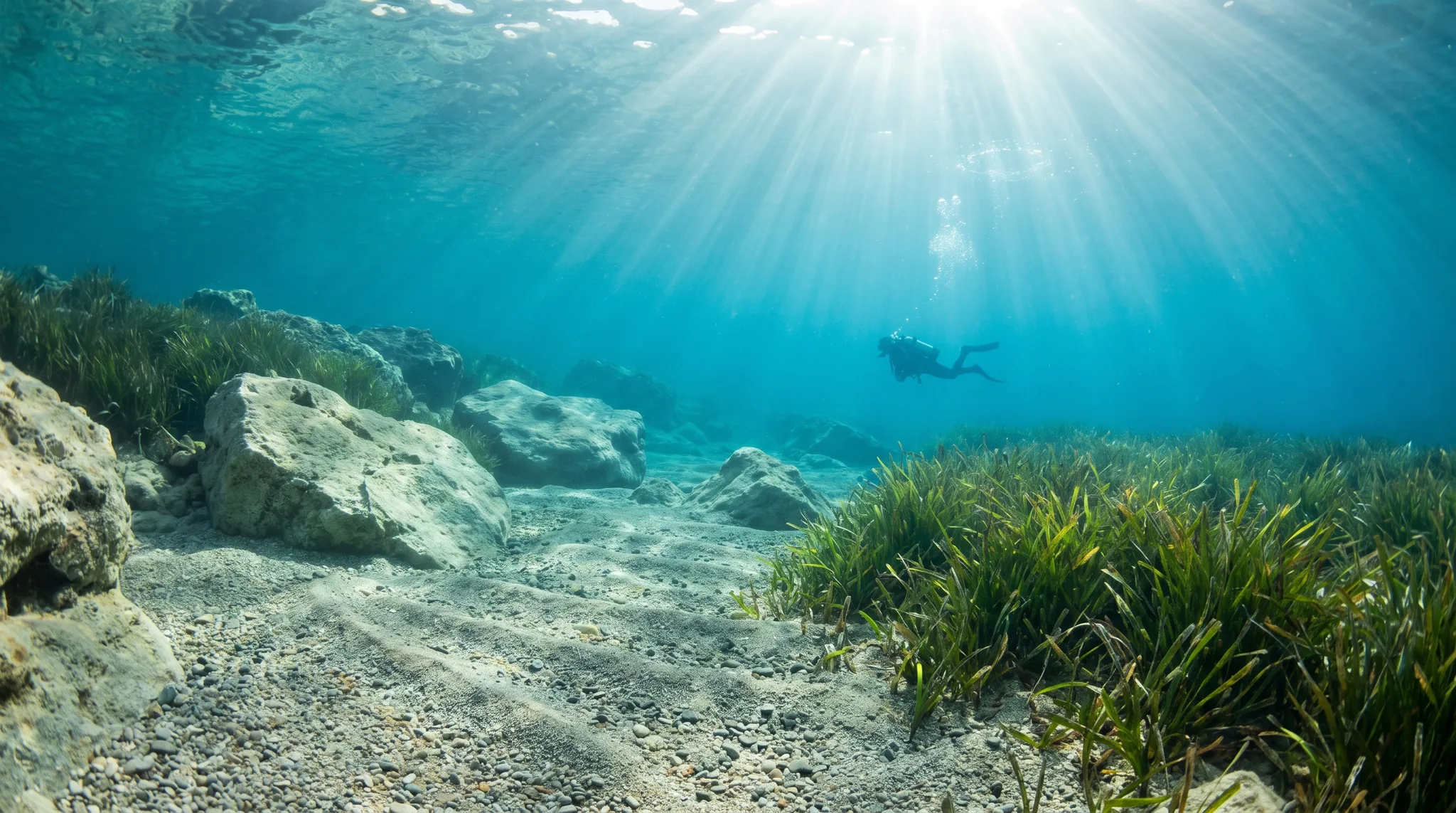
Paros offers a varied underwater landscape built around rocky reef, seagrass meadow, wall, cave and cavern systems. Beginner-friendly shore snorkel sites sit alongside boat-access reef and cave dives that stretch into deeper water for intermediate divers. The Turkish Wrasse, Hermit Crab and Madeira Rockfish are ever-present, while the Common Octopus, Indian Lionfish and Dusky Grouper give the region its character. Water warms from late spring through autumn, making that stretch the most rewarding window.
Monthly water temperature across Paros's sites, from satellite sea-surface data corrected for depth. The band shows the site-to-site spread.
Water temperatures rise steadily from late spring, peaking in late summer and early autumn before cooling through winter to their coolest from January through April. The warmest and calmest conditions run from late spring to late autumn, aligning with the best months for boat-access reef and cave diving. Winter diving is possible but cooler water and potentially rougher conditions make it less popular.
15 operators

5 more sites to explore
Water temperature around Paros ranges from about 17°C in January to 24°C in August, based on satellite sea-temperature data for its dive sites.
In the warm season (about 24°C) a 3mm full suit is comfortable in Paros; in the coldest months (about 17°C) step up to a 7mm or semi-dry suit.
Fin maps 13 sites in Paros (10 scuba diving sites and 4 snorkelling spots, with some suited to both).
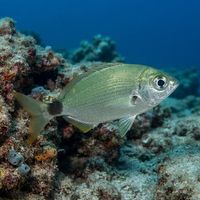
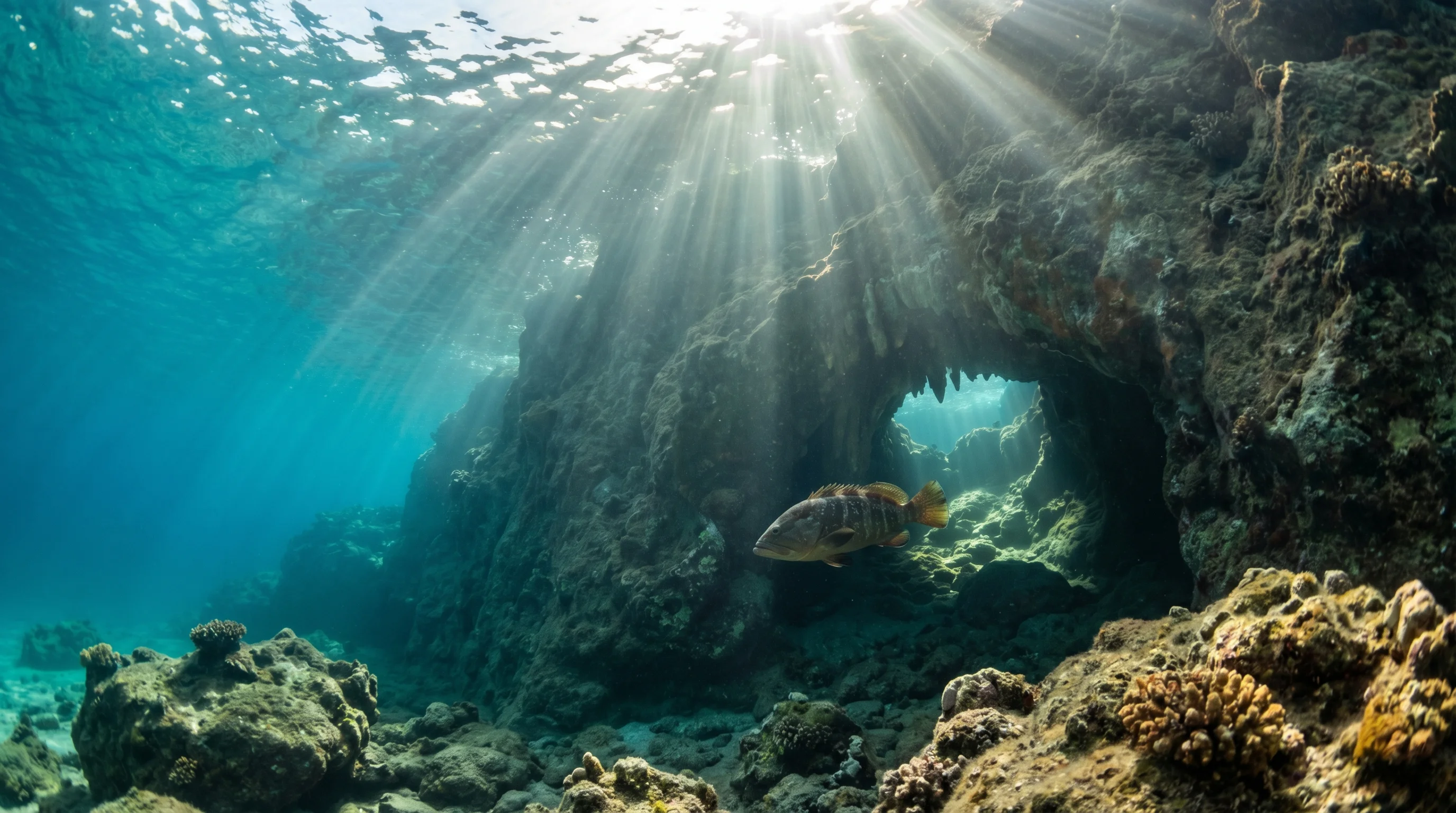
The most consistently observed species across Paros sites include Turkish Wrasse, Madeira Rockfish, Two-banded Seabream and Hermit Crab. The signature species that give the region its character are the Common Octopus, Indian Lionfish and Dusky Grouper. Less frequent but recorded sightings include Eagle Ray, Mediterranean Moray, Barracuda and even the occasional Green Sea Turtle.
Several sites are well suited to beginners, particularly Tourna Island and Drionisi, both shallow boat-access reef dives. Intermediate divers have plenty to explore too, with wall, cave and cavern systems at sites such as Panteronisi and St Spiridhon reaching greater depths. The spread of skill levels means Paros works well for mixed-ability groups.
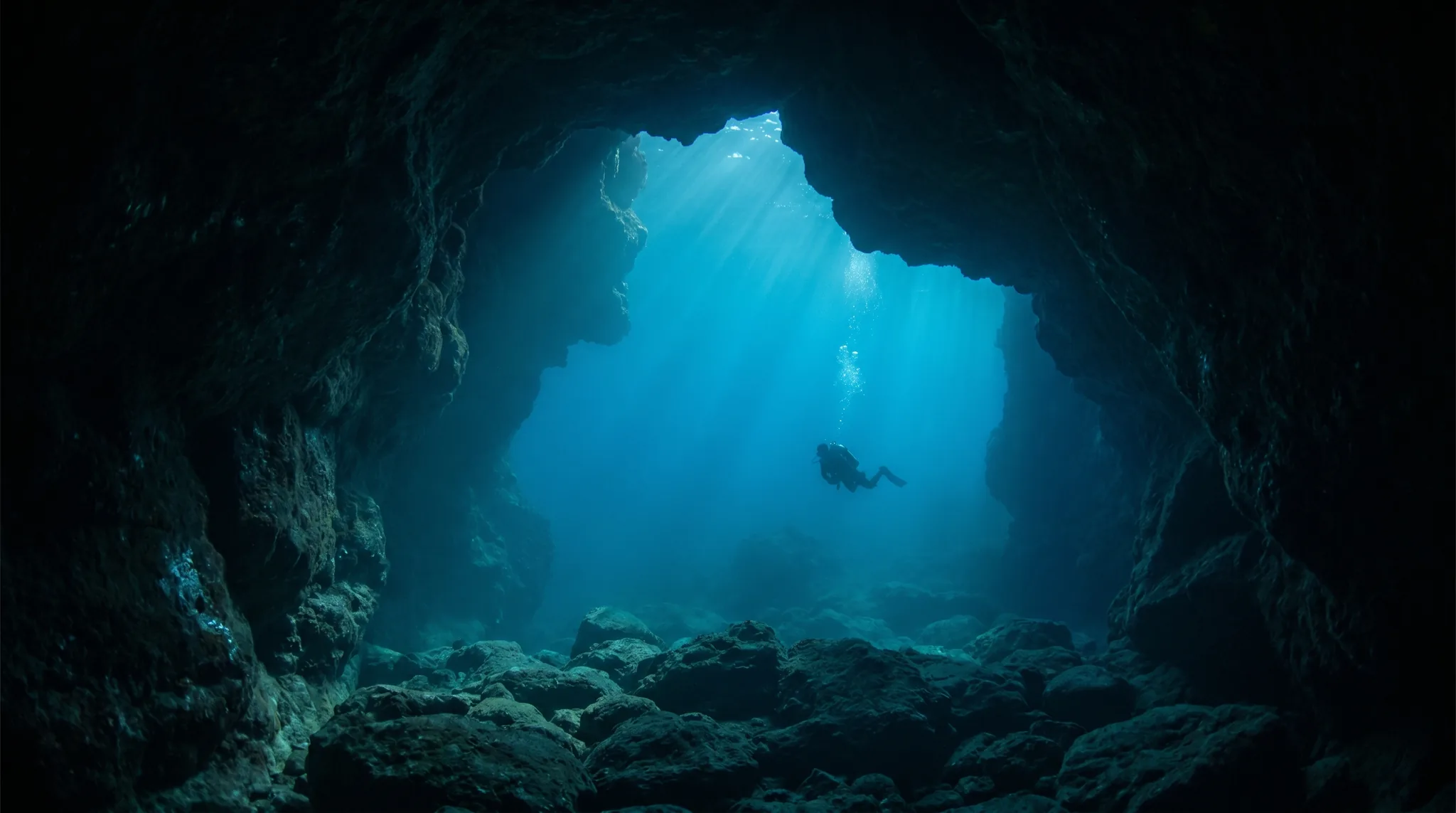
Paros diving ranges from gentle reef and seagrass dives at shallow depths to more dramatic underwater topography involving walls, caves and caverns. Sites like Drionisi are calm and reef-focused, while Panteronisi features a notable sea cave system with multiple underwater entrances. All dive sites are accessed by boat rather than from shore.
Most dive sites in Paros are boat-access only and are not shared with snorkellers. The snorkelling sites, including Delfini Beach, Agios Nikolaos Beach and Paralia Parikia, are dedicated shore-entry spots with very shallow reef and seagrass habitat. This separation means snorkellers can enjoy calm, independent access without needing to join a dive boat.