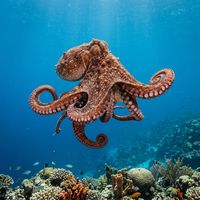
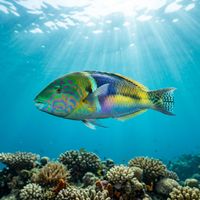
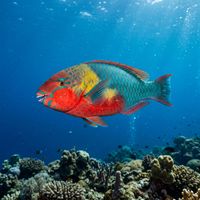
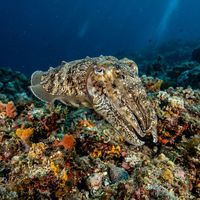
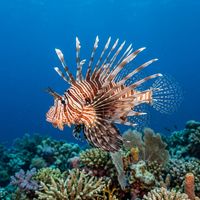
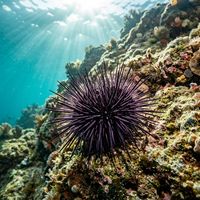
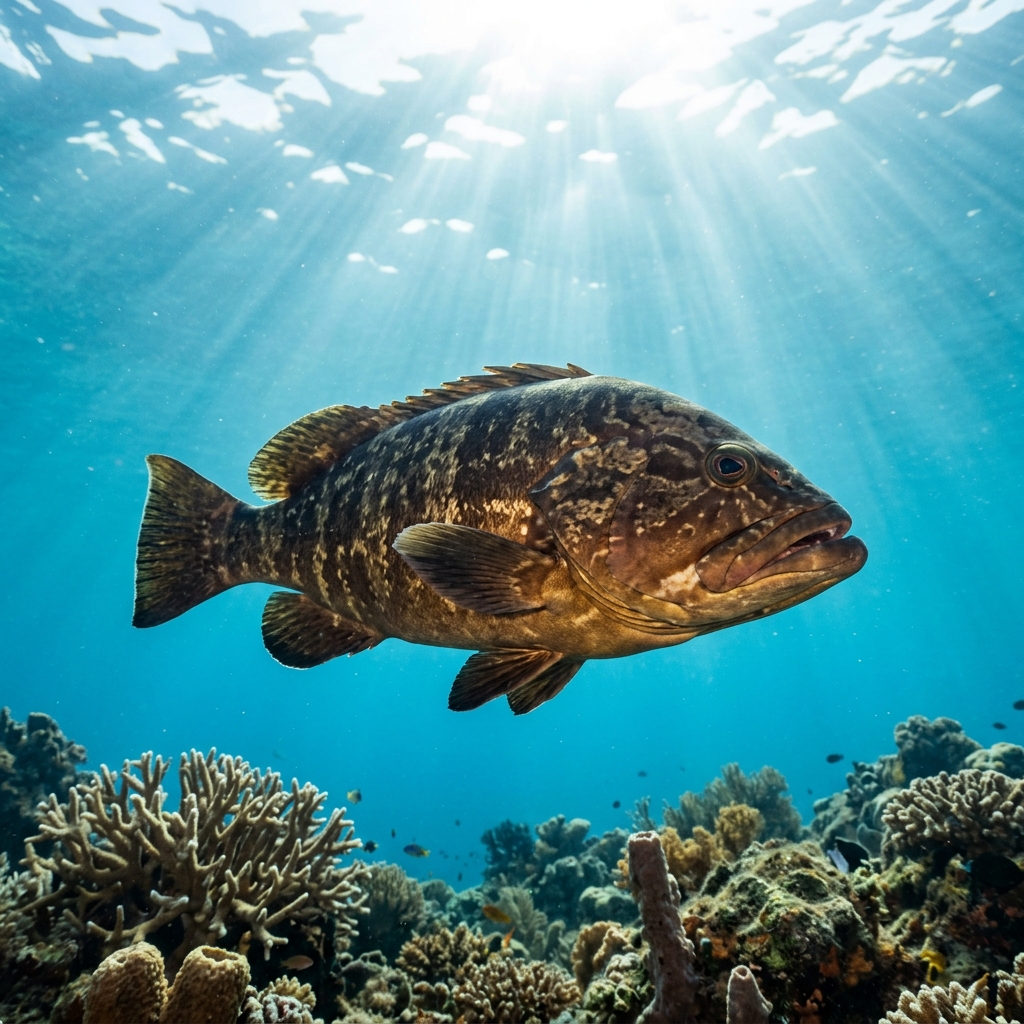
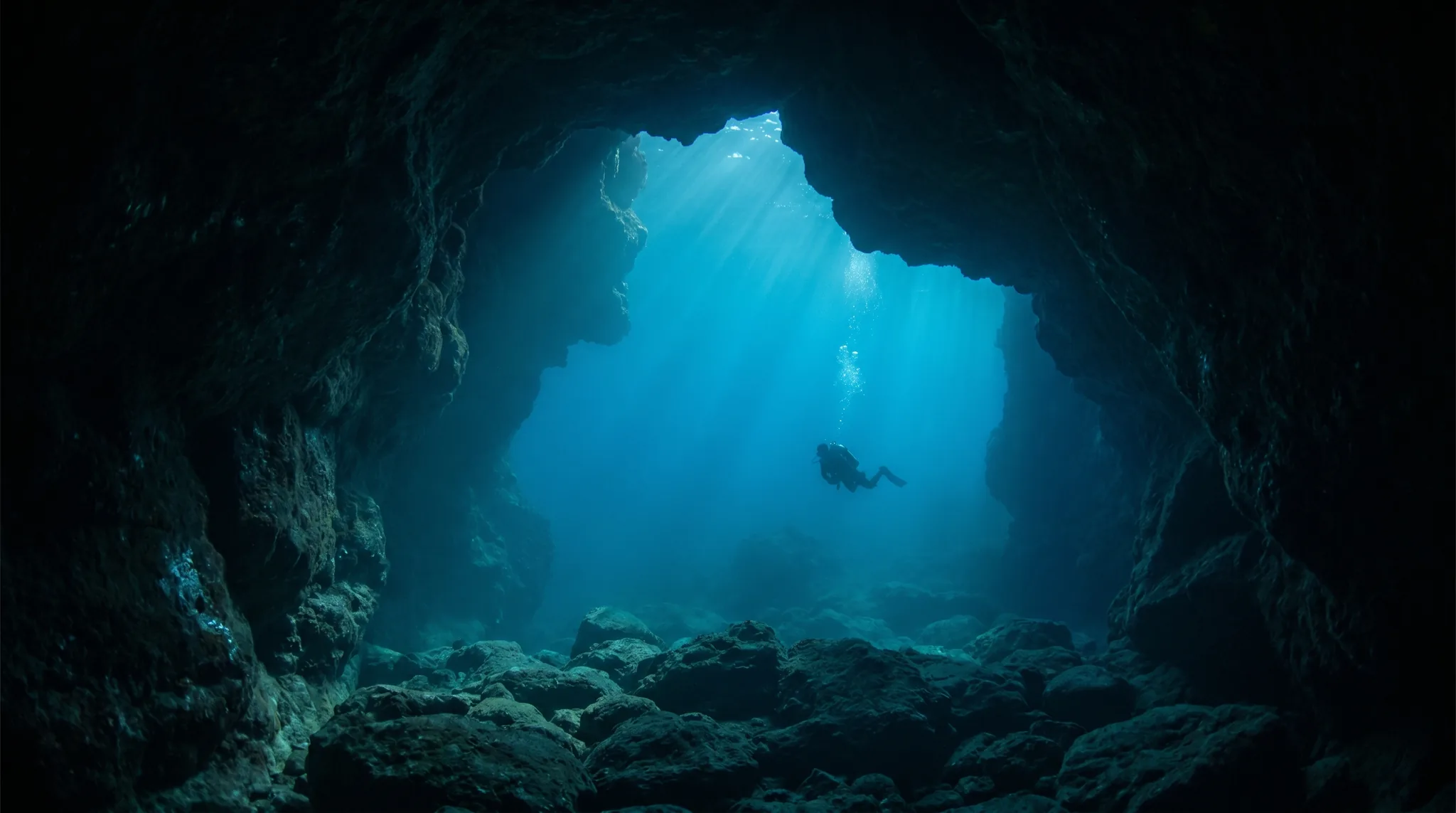
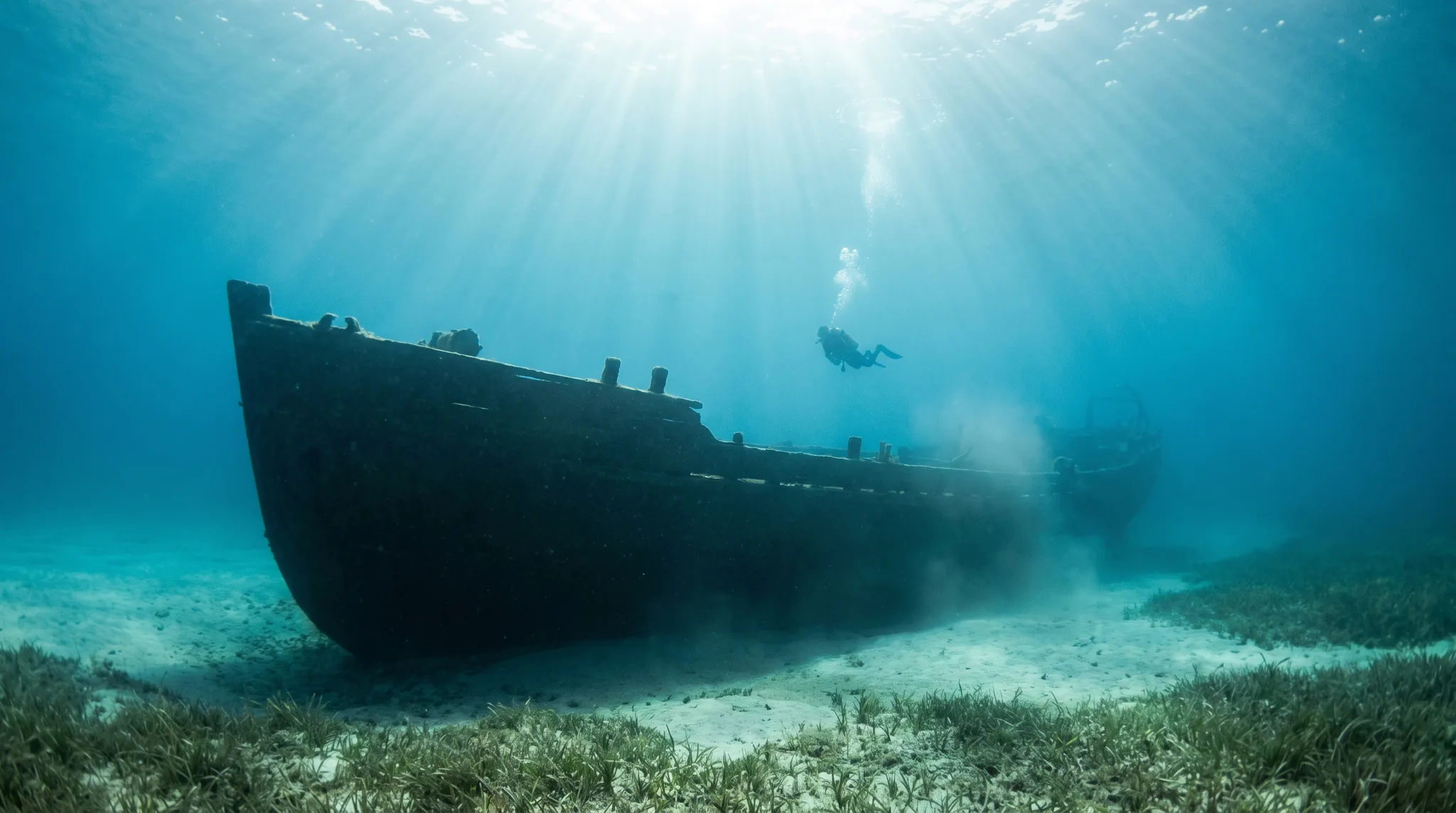
Crete's underwater character is defined by an exceptional concentration of cave and cavern systems, dramatic walls, and scattered wrecks across four distinct sub-areas: Rethymno, Lasithi, Chania, and Heraklion. Rethymno holds the largest share of sites and hosts many of the signature cave dives, from the light-filled Agios Pavlos Blue Cavern to the stalactite-hung chambers of Elephant Cave. Lasithi contributes the Messerschmitt Bf 109 aircraft wreck, a rare draw for wreck enthusiasts. The species list leans heavily on cephalopods and reef fish, with Common Octopus, European Common Cuttlefish, and Indian Lionfish observed widely, alongside the occasional Loggerhead Sea Turtle.
4 areas
 40
40Cave-rich diving off Crete, with caverns, walls and wrecks drawing divers from beginner to intermediate level.
 22
22Boat reefs, walls, wrecks and caves in eastern Crete, with octopus, barracuda and lionfish among the signature sightings.
19Diverse rock formations, an aircraft wreck and rich cephalopod life make Chania one of Crete's most varied diving destinations.
18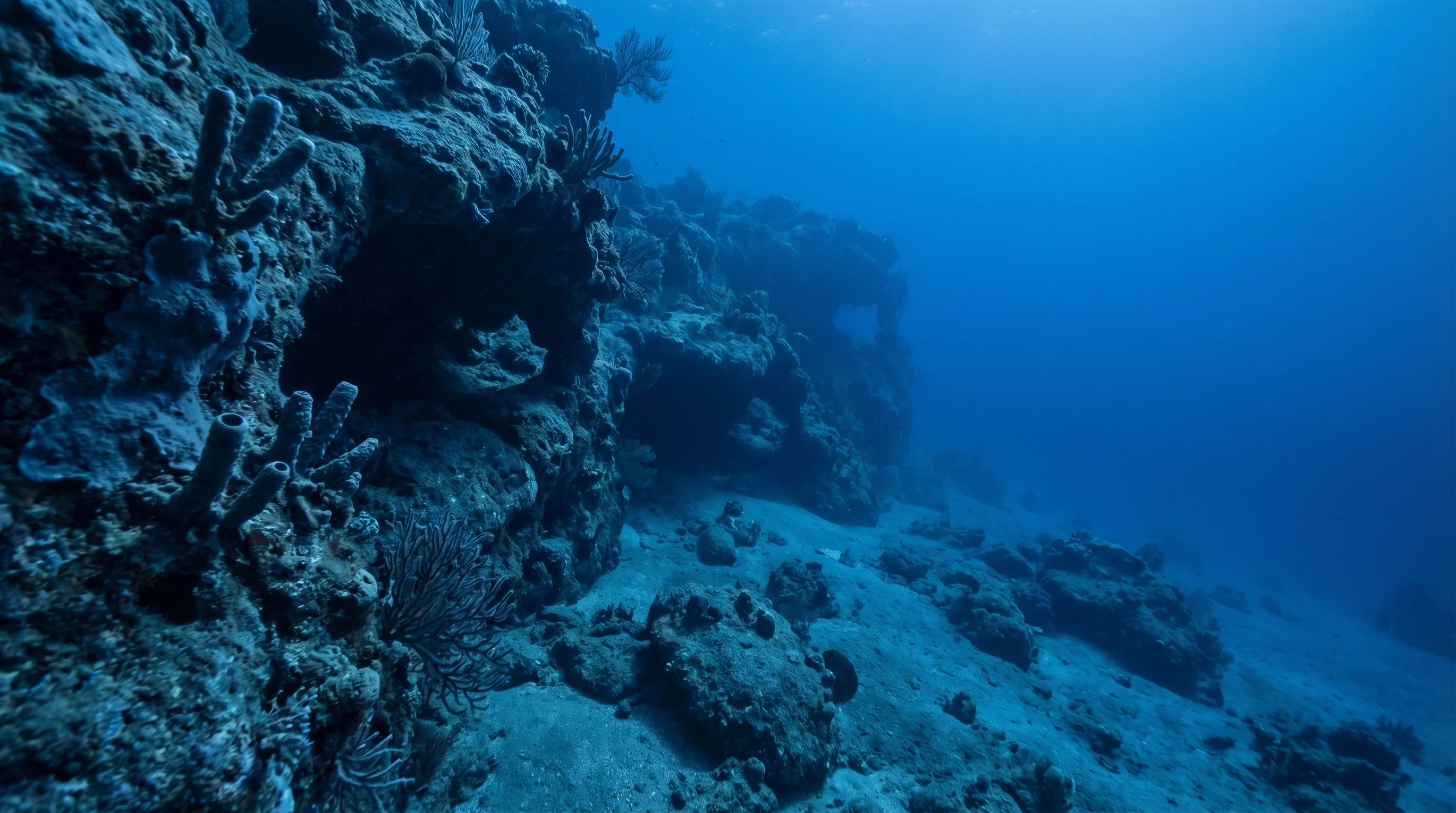
Monthly water temperature across Crete's sites, from satellite sea-surface data corrected for depth. The band shows the site-to-site spread.
Water temperature climbs steadily from spring through to late summer, reaching its warmest in September before easing off through autumn. The peak diving season runs from late spring through October, when conditions are most settled and visibility at its best. Winter months are quieter and cooler, suiting only those comfortable in thicker exposure suits.
51 operators
A cave and cavern-focused diving destination in Crete, with walls, wrecks, and a strong cast of observed species including the European Common Cuttlefish.
Water temperature around Crete ranges from about 16°C in February to 25°C in September, based on satellite sea-temperature data for its dive sites.
In the warm season (about 25°C) a 3mm full suit is comfortable in Crete; in the coldest months (about 16°C) step up to a 7mm or semi-dry suit.
Fin maps 99 sites in Crete (98 scuba diving sites and 15 snorkelling spots, with some suited to both), organised into 4 areas.
Across Crete's dive sites, May, June, July, August, September and October are most often reported as the best months to visit.
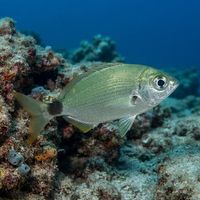
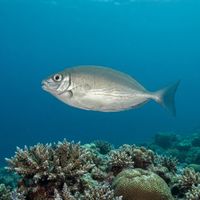
Common Octopus and European Common Cuttlefish are observed across the vast majority of sites. Turkish Wrasse, European Parrotfish, Rabbitfish, and White Seabream are very commonly encountered on reefs. Signature species include Indian Lionfish, Great Barracuda, and the Dusky Grouper, while the Loggerhead Sea Turtle has been recorded at a smaller number of sites.
Crete caters well to both levels. A good number of sites are rated for beginners, including shallow reef dives at Omprogialos Beach and the beginner-friendly Agios Pavlos Blue Cavern. Intermediate divers are well served by the cave systems, deeper walls, and the Messerschmitt Bf 109 aircraft wreck in Lasithi.
Rethymno accounts for the largest concentration of sites and is particularly rich in cave and cavern dives, including God's Cave, Italian Cave, and Elephant Cave. Lasithi is the place to visit for the Messerschmitt Bf 109 wreck and the mixed topography of Pleora Point. Chania and Heraklion offer additional reef and wall diving and between them round out a full island itinerary.
Both access types are available across the island. Sites like Omprogialos Beach and Cape Plakias-Kalypso can be entered from shore or by boat, while several of the deeper cave systems such as God's Cave and Italian Cave require a boat. The Arch is a shore-accessible intermediate dive. Checking the access type for your chosen site before you go is always worthwhile.