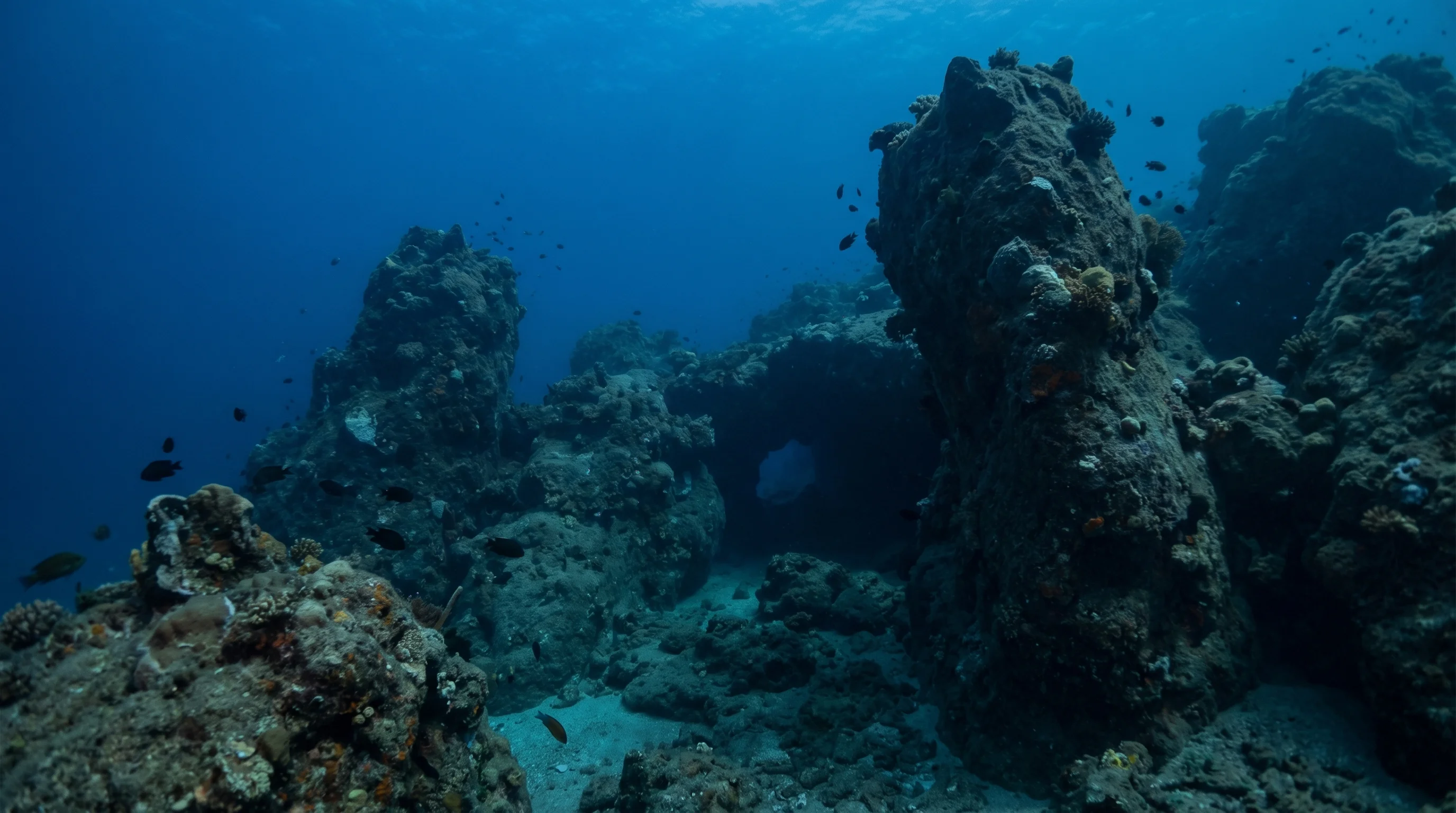
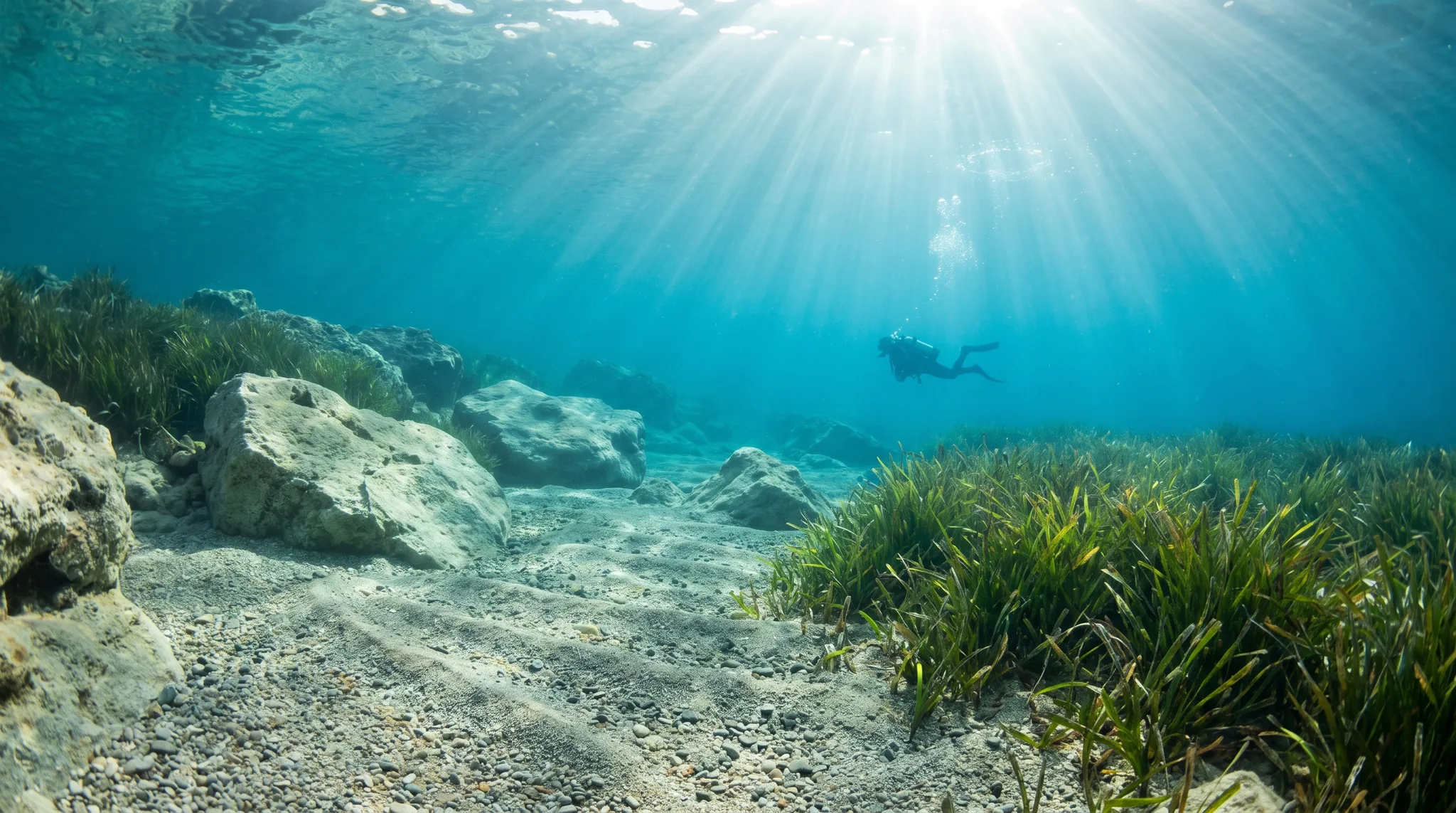
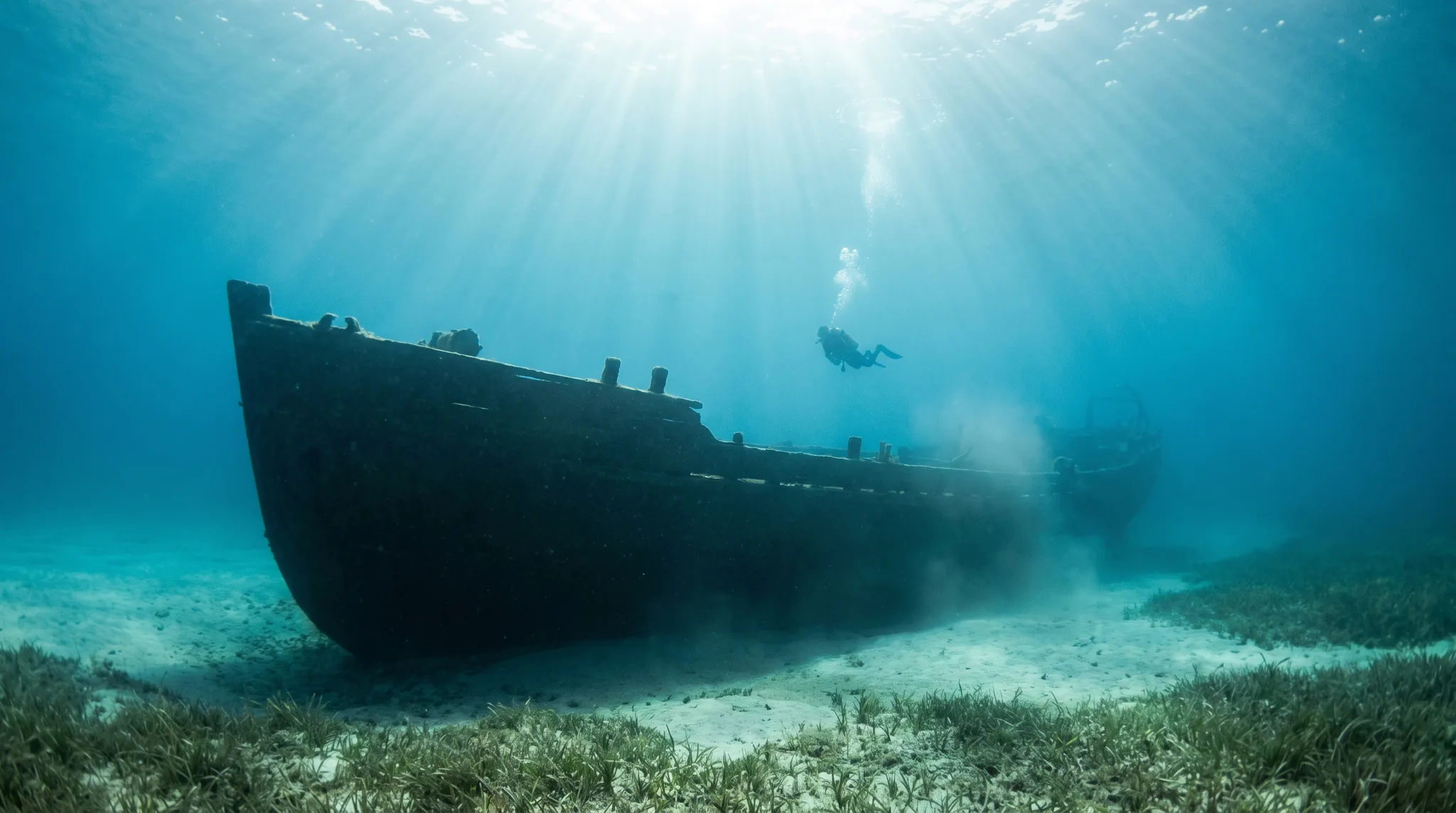
Mykonos offers a varied underwater landscape built around wrecks, walls, reefs and cave systems. The Agios Fokas Wreck and Anna II cargo ship attract divers at different skill levels, while sites such as Mersinia B and Oros deliver wall and drift diving in stronger currents. Shallow bays like Agia Anna Beach suit snorkellers and beginners, while the most productive months run from late spring through autumn as water temperatures climb and visibility extends.
Monthly water temperature across Mykonos's sites, from satellite sea-surface data corrected for depth. The band shows the site-to-site spread.
Water temperatures rise steadily from spring into summer, peaking in late summer and early autumn before easing back through October and November. The warmest, most settled conditions make late spring through early autumn the most rewarding window for diving. Some exposed sites such as Oros carry moderate currents that suit advanced divers, while sheltered entries remain accessible year-round.
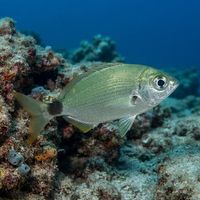
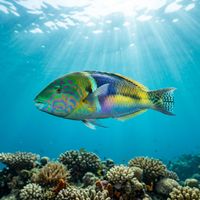
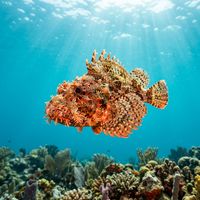
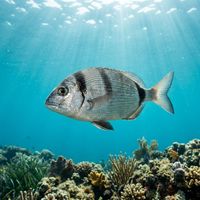
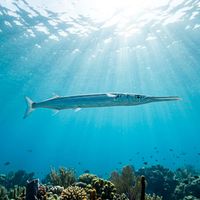
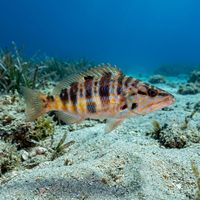
16 more sites to explore
Water temperature around Mykonos ranges from about 16°C in February to 24°C in August, based on satellite sea-temperature data for its dive sites.
In the warm season (about 24°C) a 3mm full suit is comfortable in Mykonos; in the coldest months (about 16°C) step up to a 7mm or semi-dry suit.
Fin maps 28 sites in Mykonos (22 scuba diving sites and 10 snorkelling spots, with some suited to both).
Across Mykonos's dive sites, May, June, July, August, September and October are most often reported as the best months to visit.
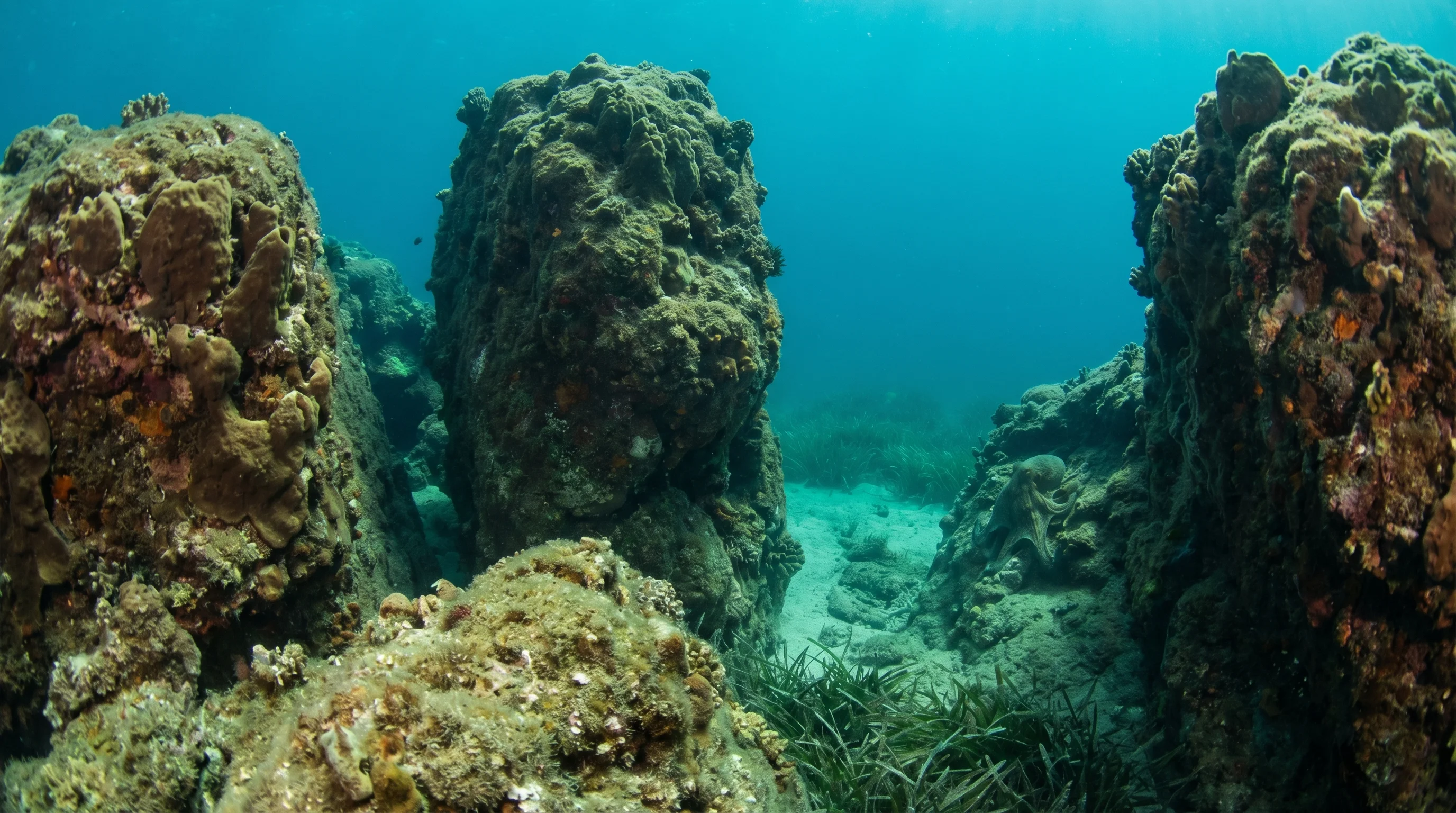
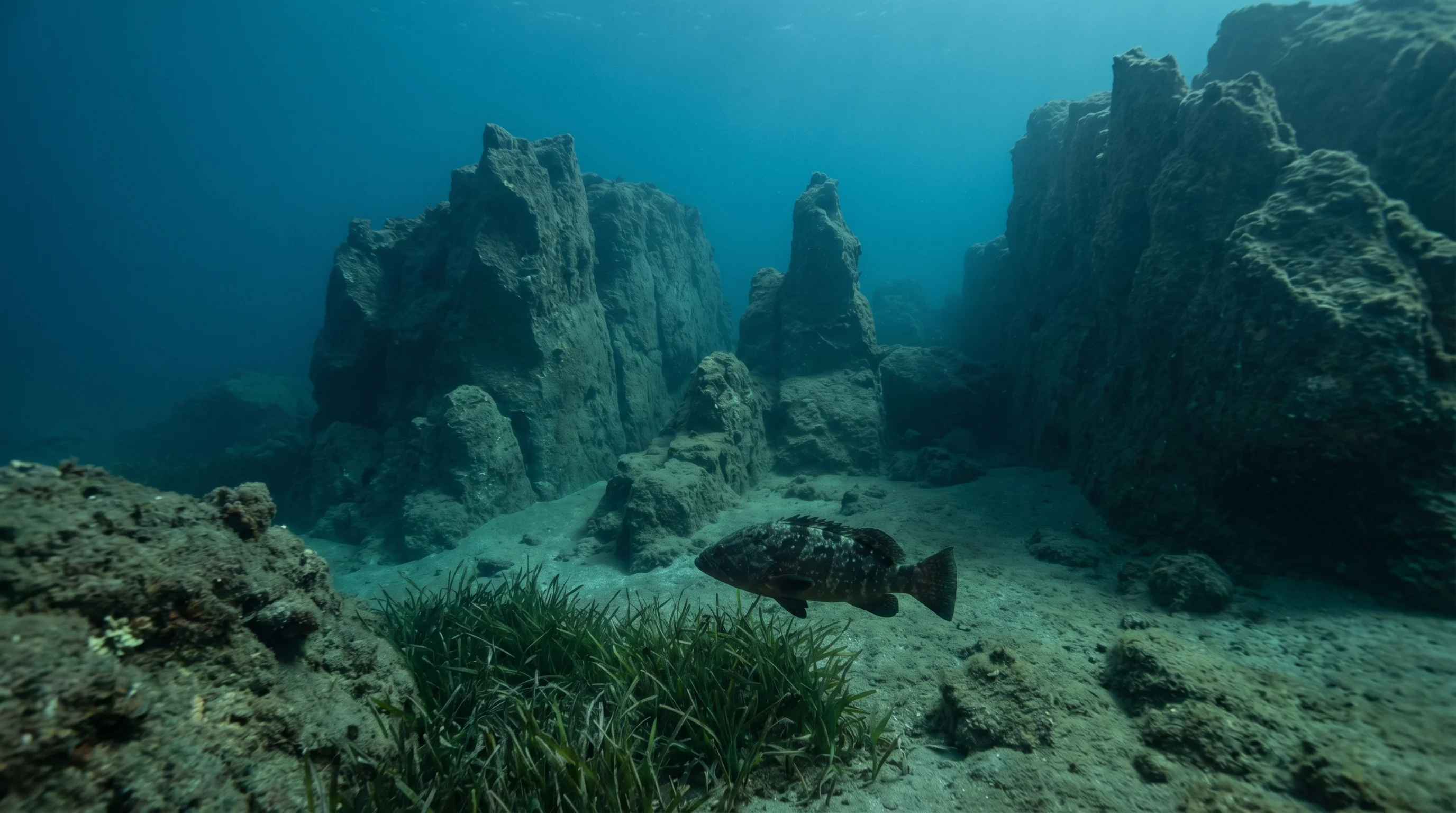
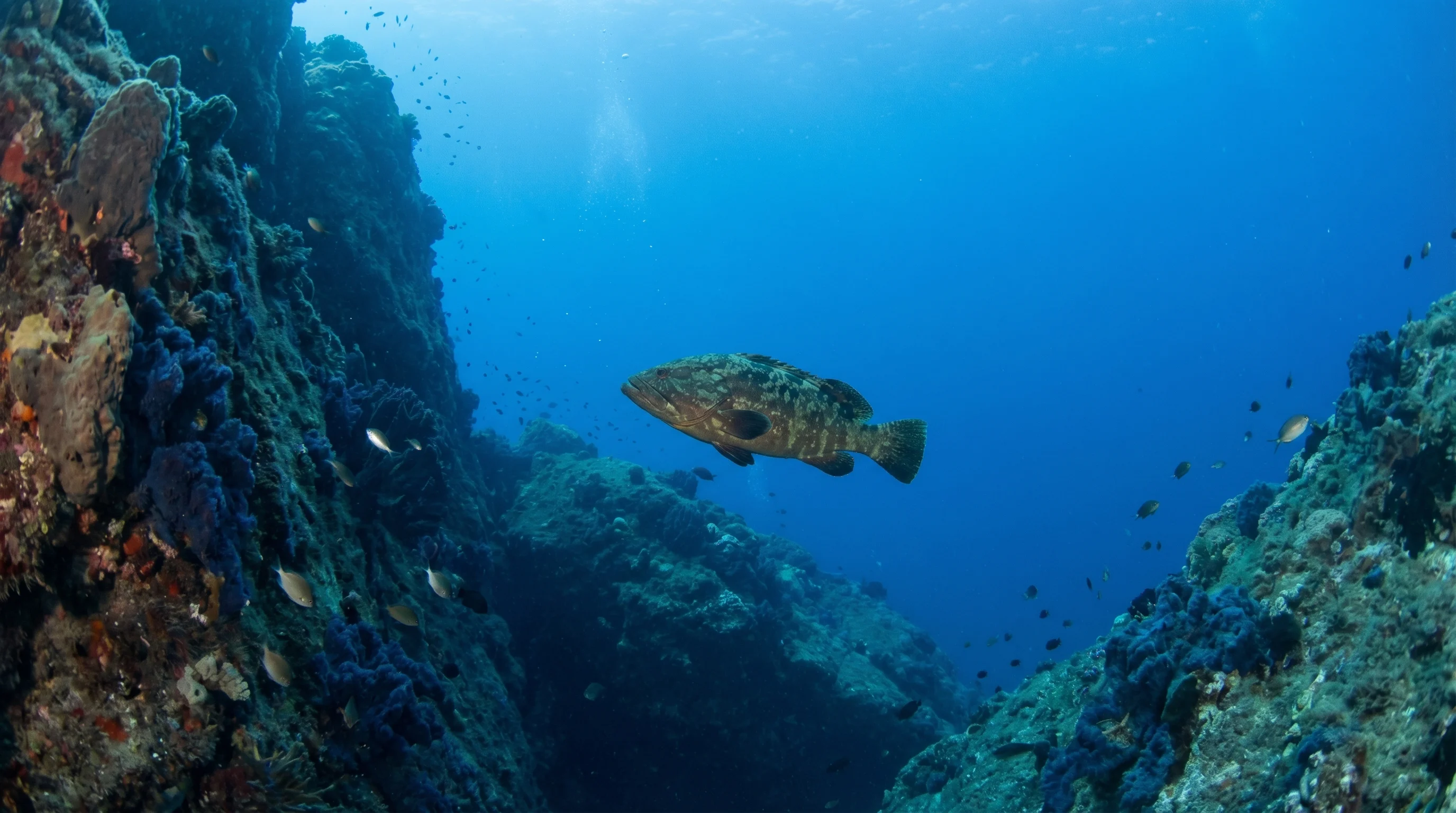
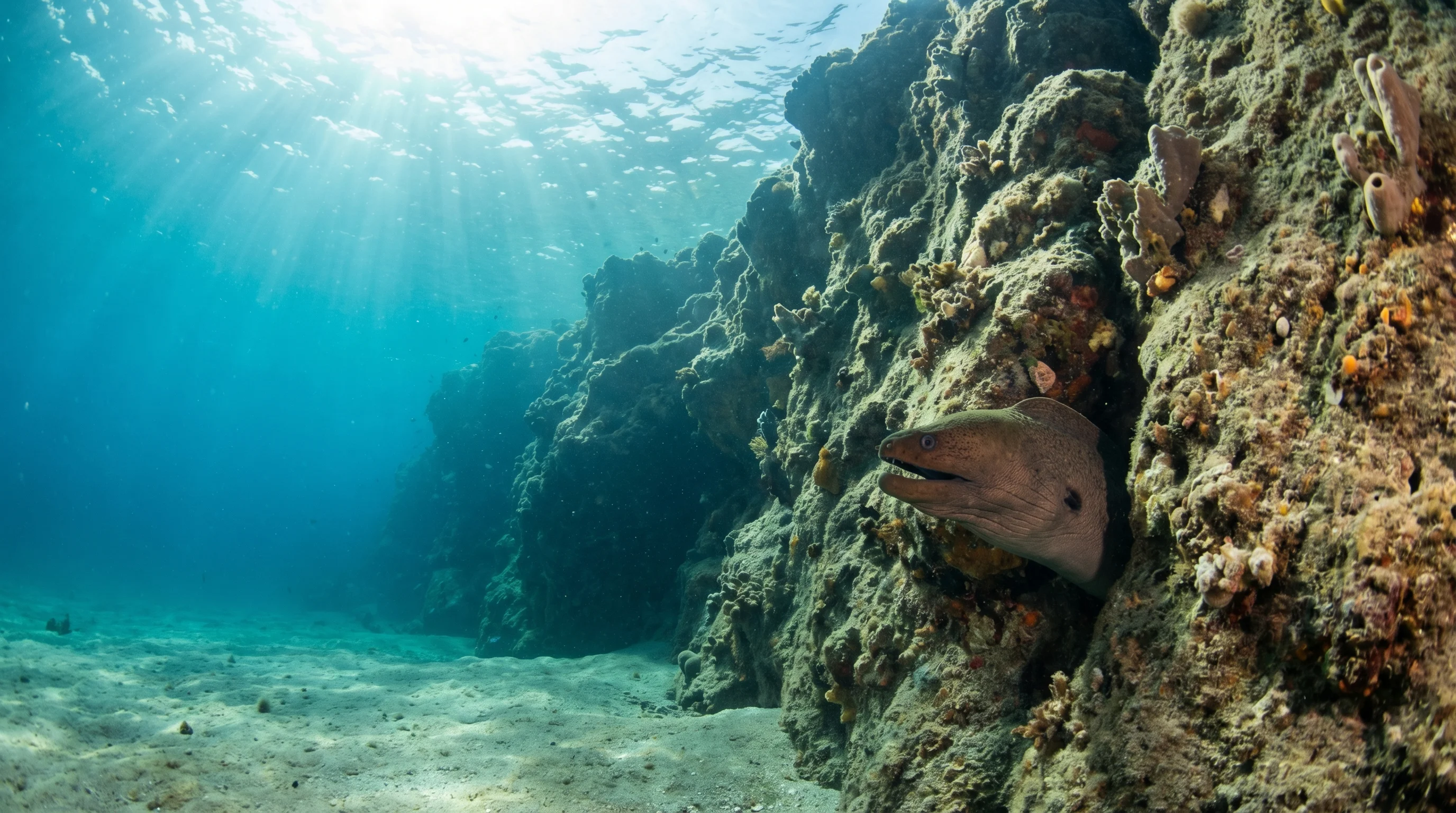
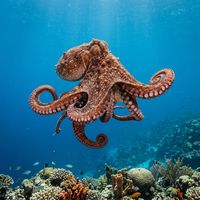
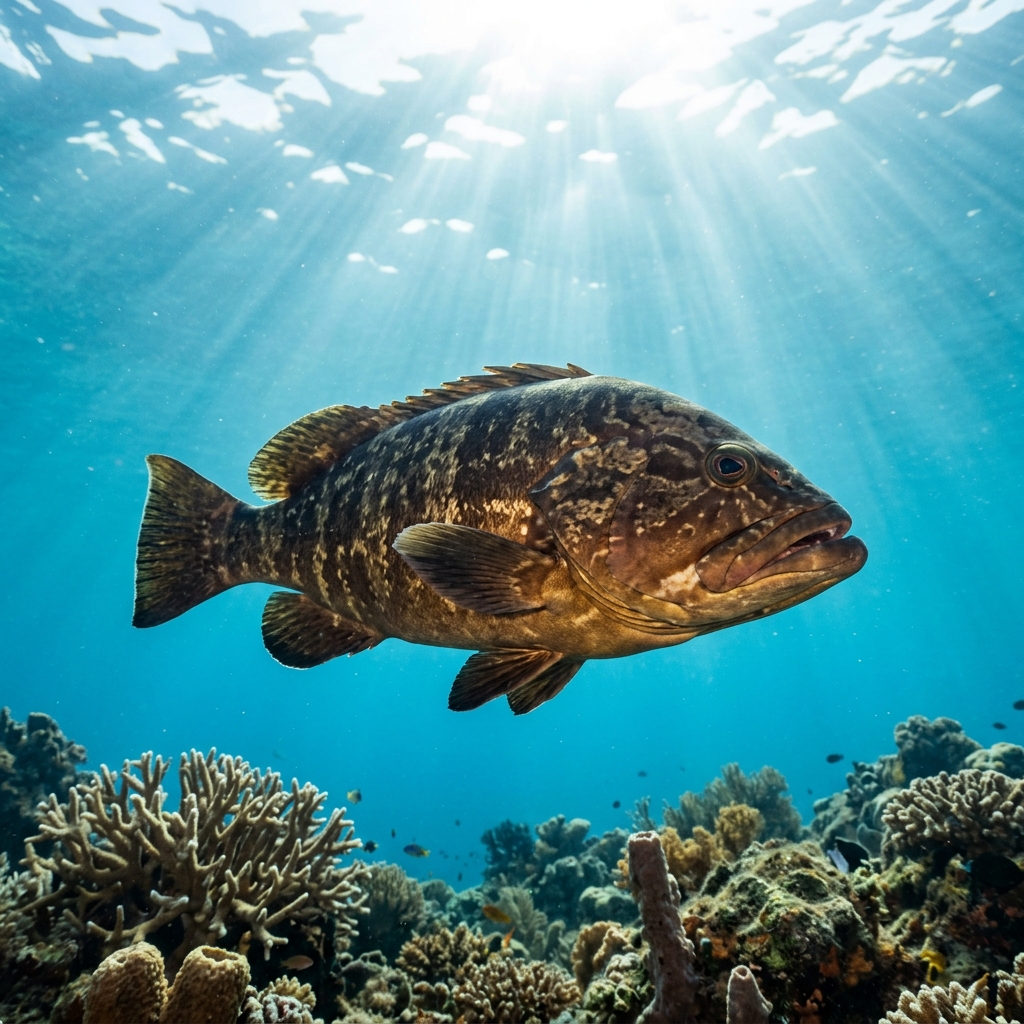
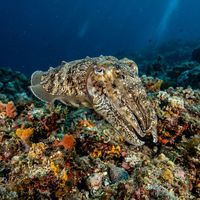
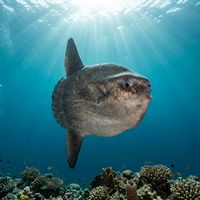
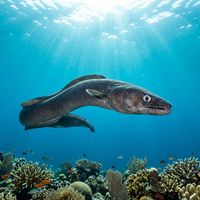
Sightings of Common Octopus, Dusky Grouper and European Common Cuttlefish are reported across virtually all sites. Conger Eel and Scorpionfish are found on reefs and wrecks alike, and Ocean Sunfish appear with reasonable regularity. Less frequent but recorded encounters include Eagle Ray, Green Sea Turtle and Bottlenose Dolphin.
Several sites are rated beginner level, including the Agios Fokas Wreck, which offers an accessible introduction to wreck diving at shallow depths, and Fara (Tarti), which combines cave, wall and reef topography within a manageable range. The majority of sites are rated intermediate, so divers with some logged experience will find the widest choice. Advanced divers are catered for at drift and wall sites such as Oros.
Most dive sites in Mykonos require boat access, reflecting how far offshore many of the wrecks, walls and cave systems lie. A small number of sites, including Agios Romanos and Agia Anna Beach, can be reached directly from shore. Korakas Wreck and Lamania also offer both shore and boat entry options.
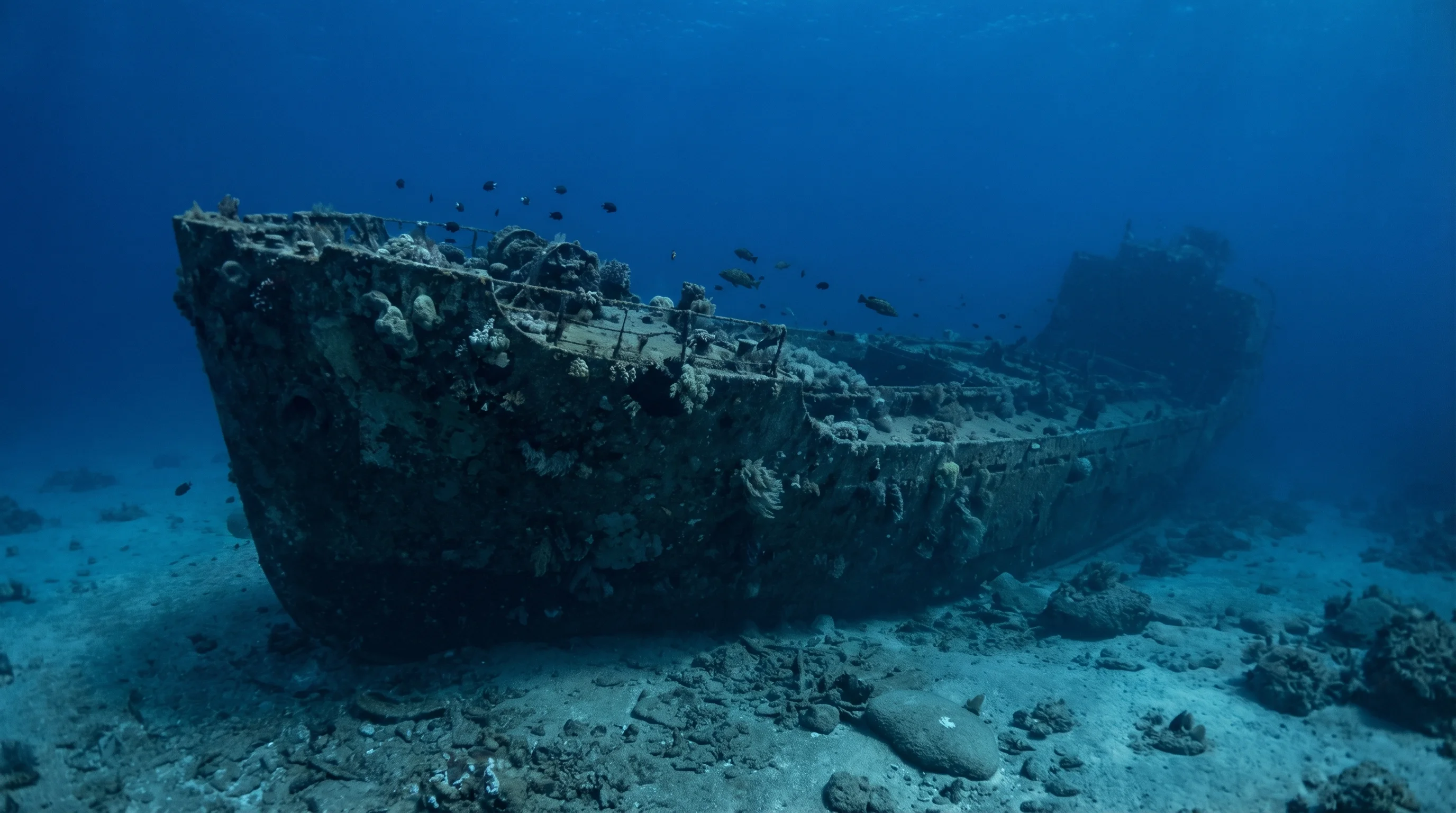
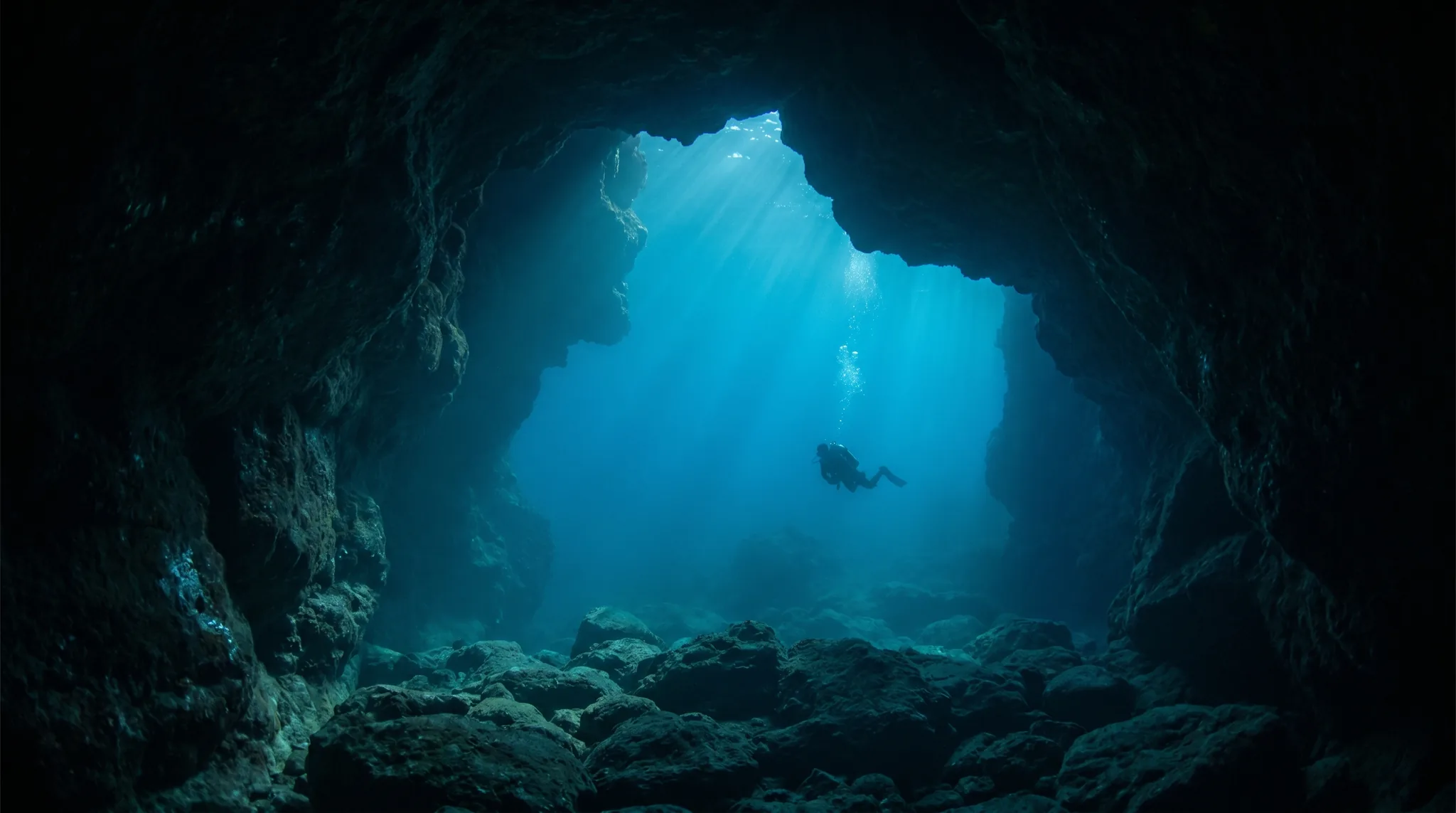
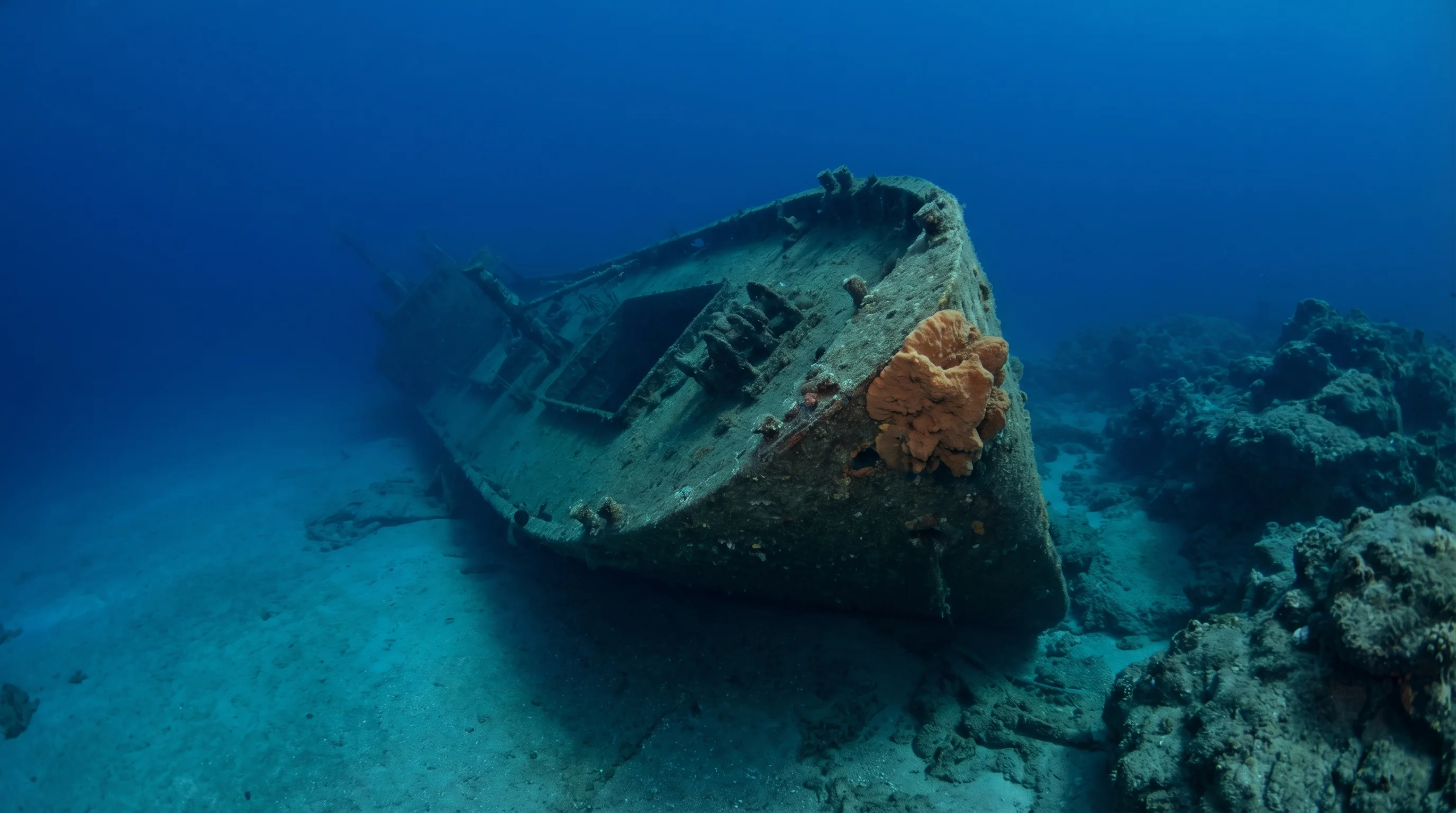
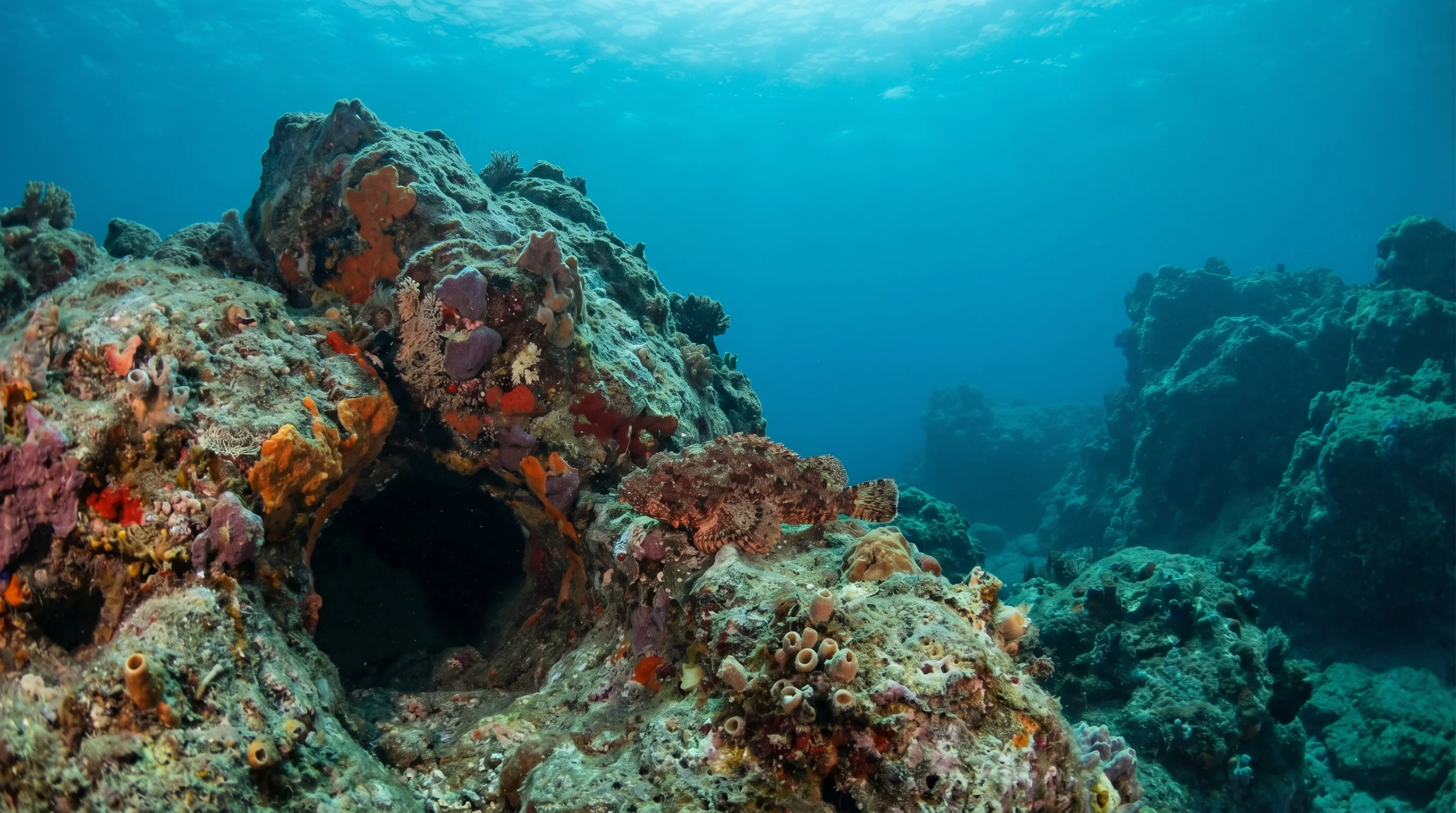
Wrecks are a notable feature, with several vessels resting at varying depths and suiting different experience levels. Wall and drift dives provide a different character, particularly at more exposed locations where currents run. Cave and cavern systems add another dimension, appearing at sites including Lamania, Prasonisi and the aptly named Caverns.