
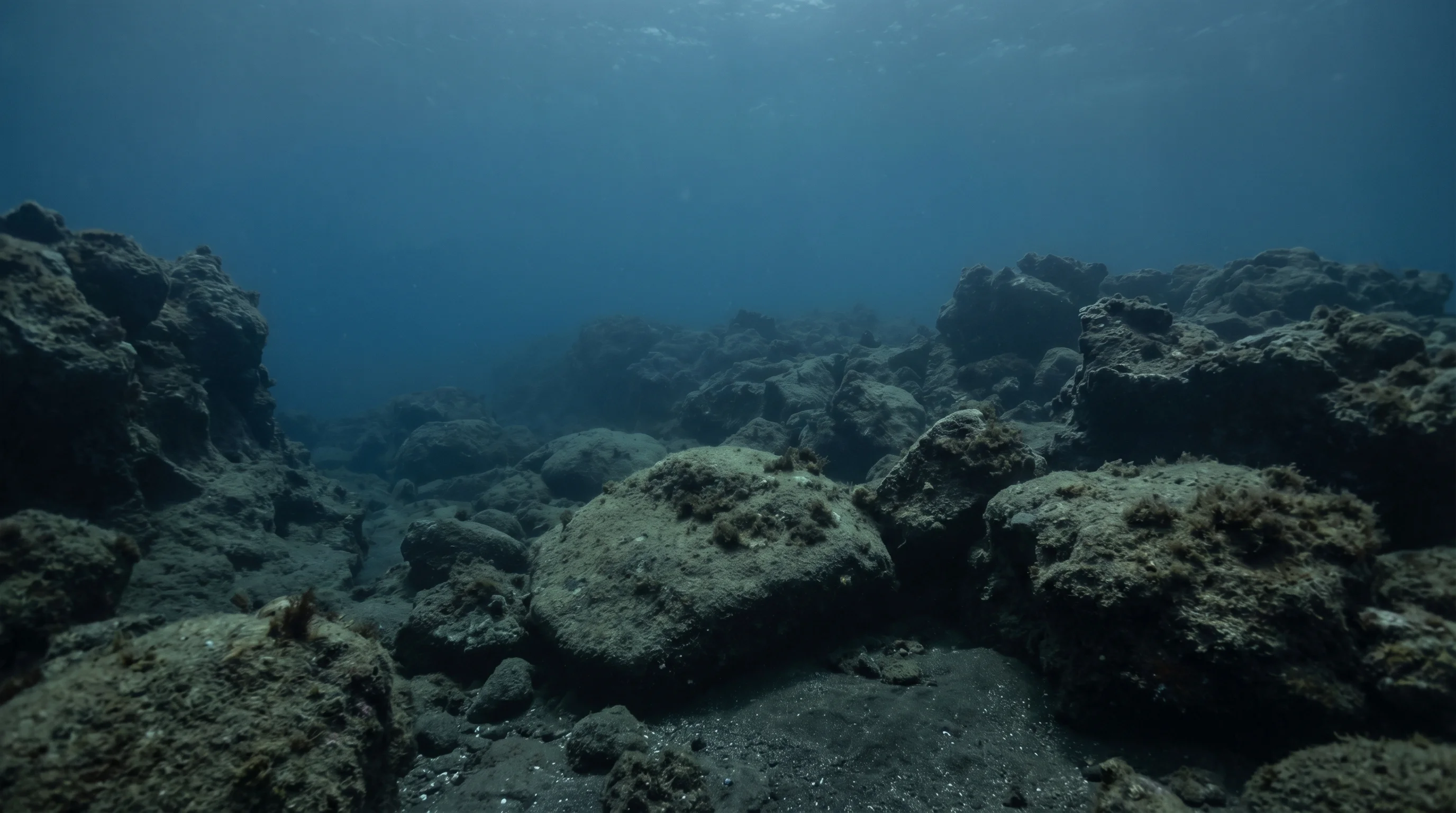
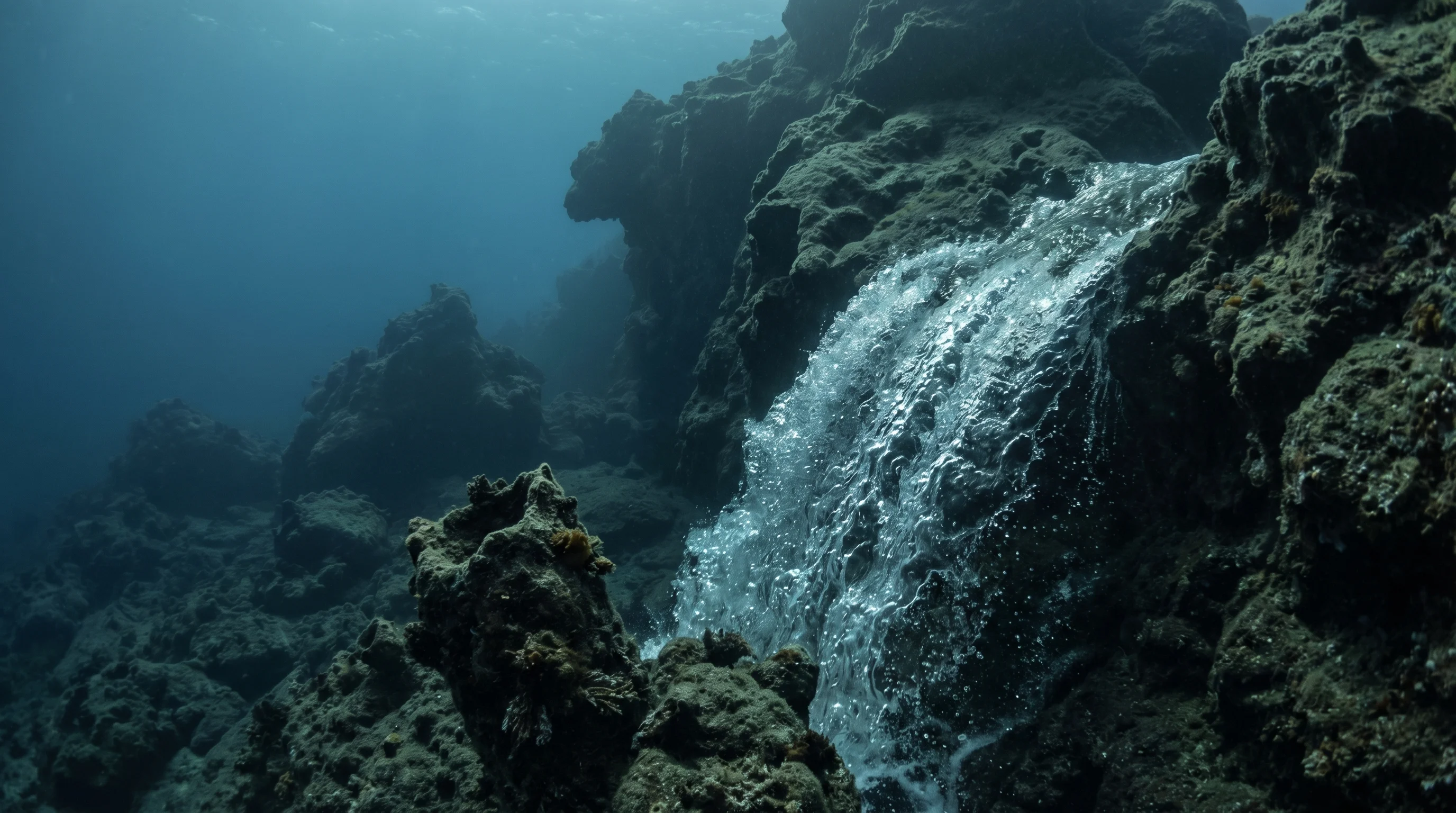
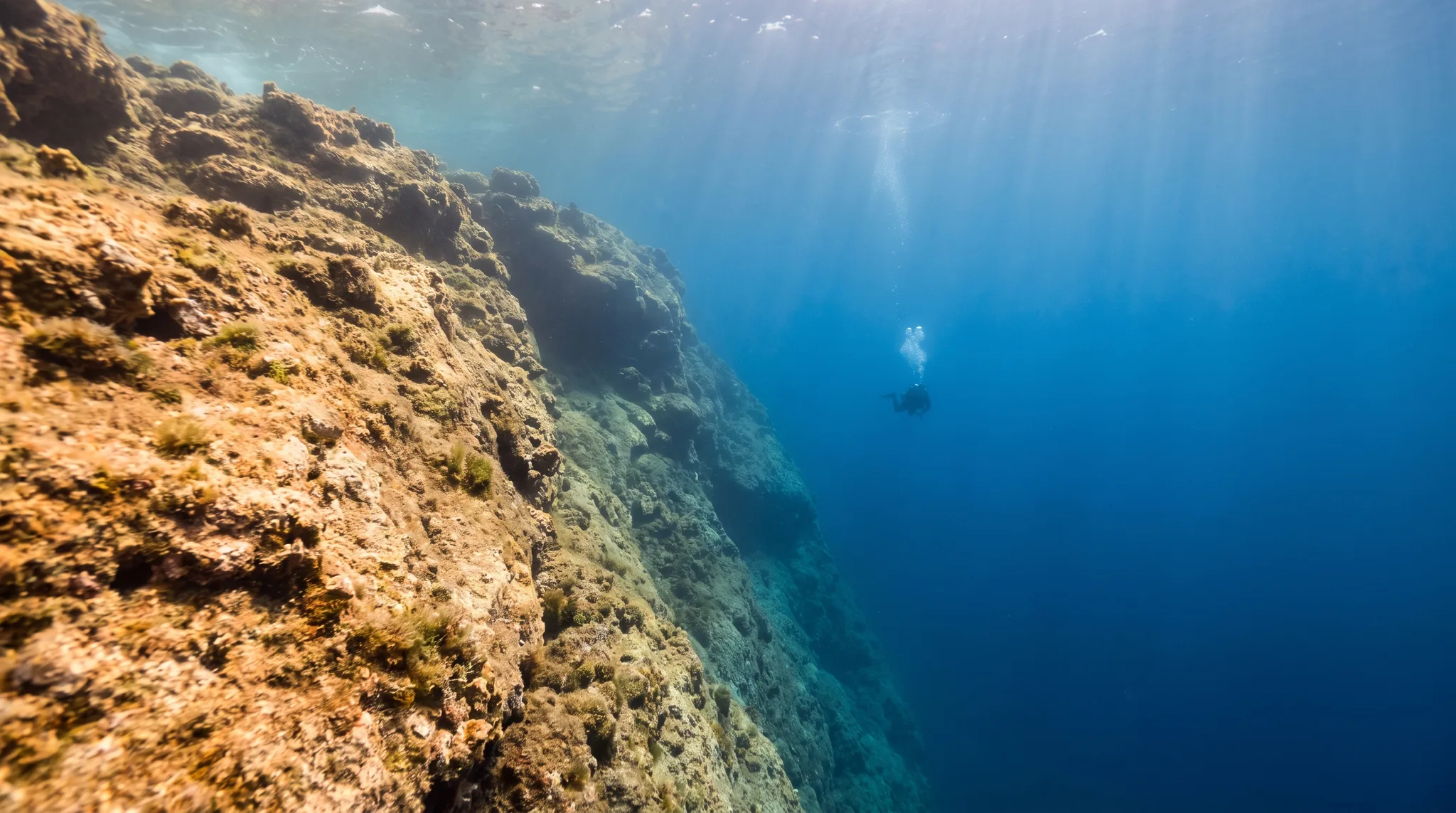
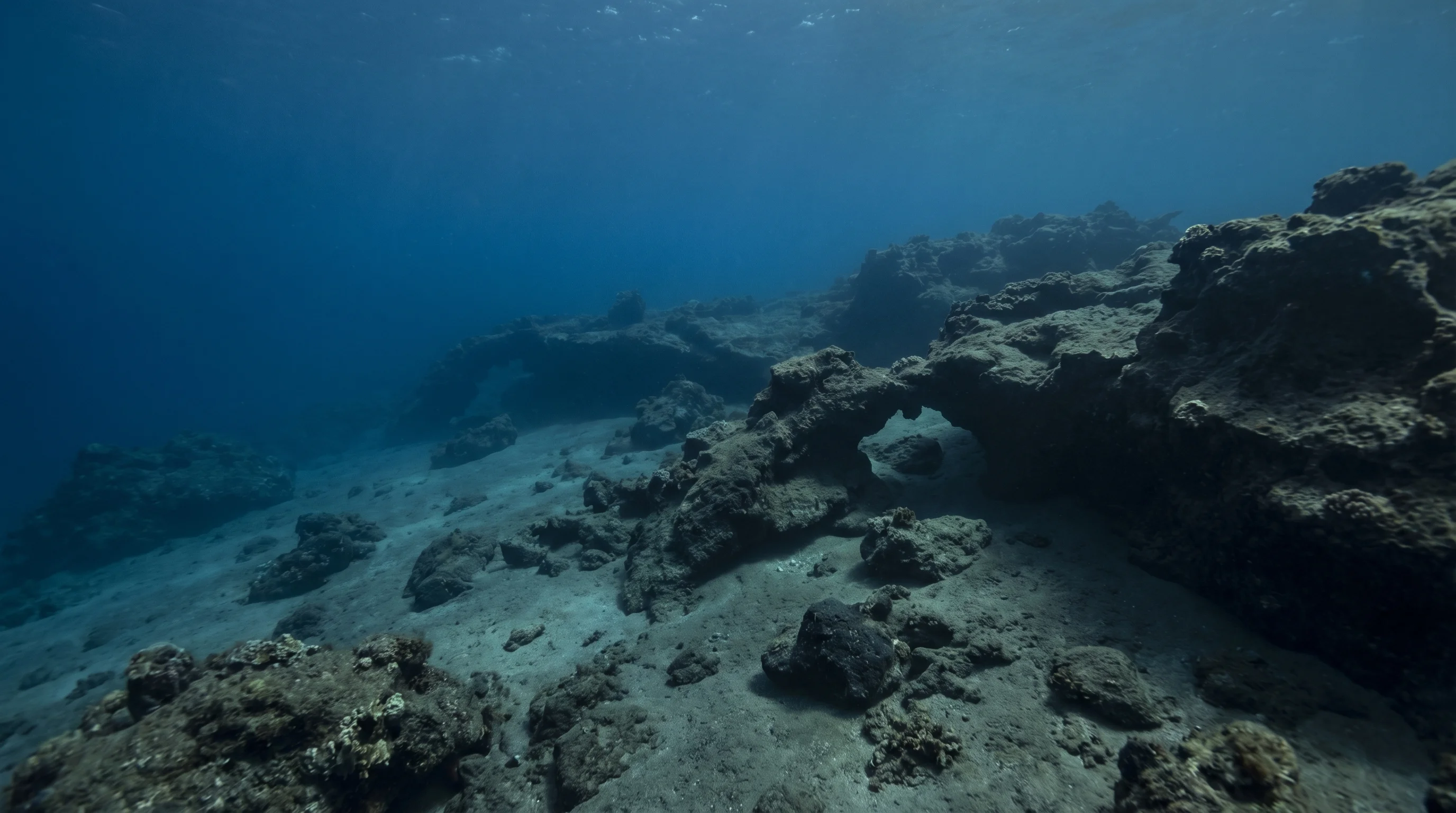
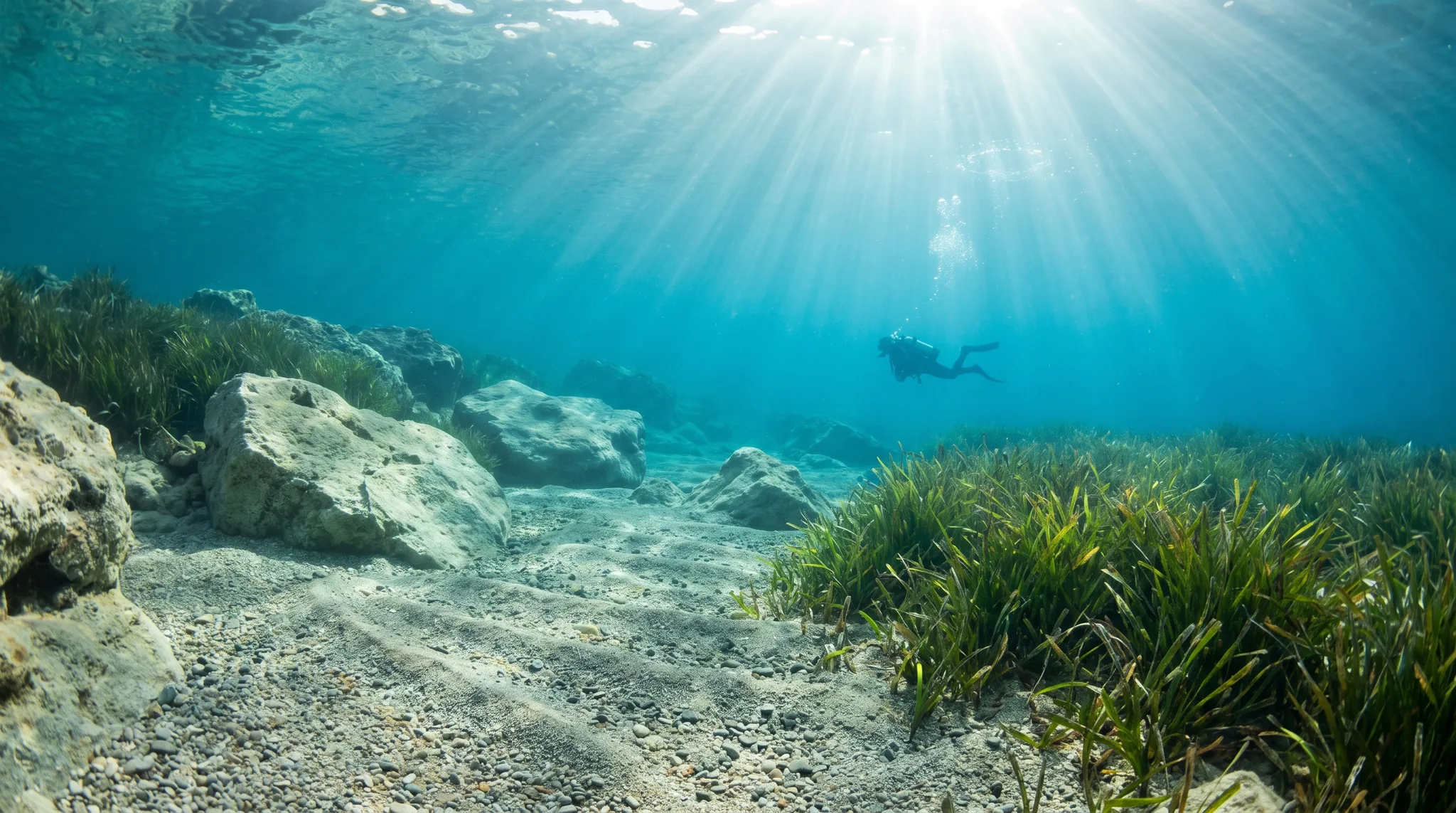
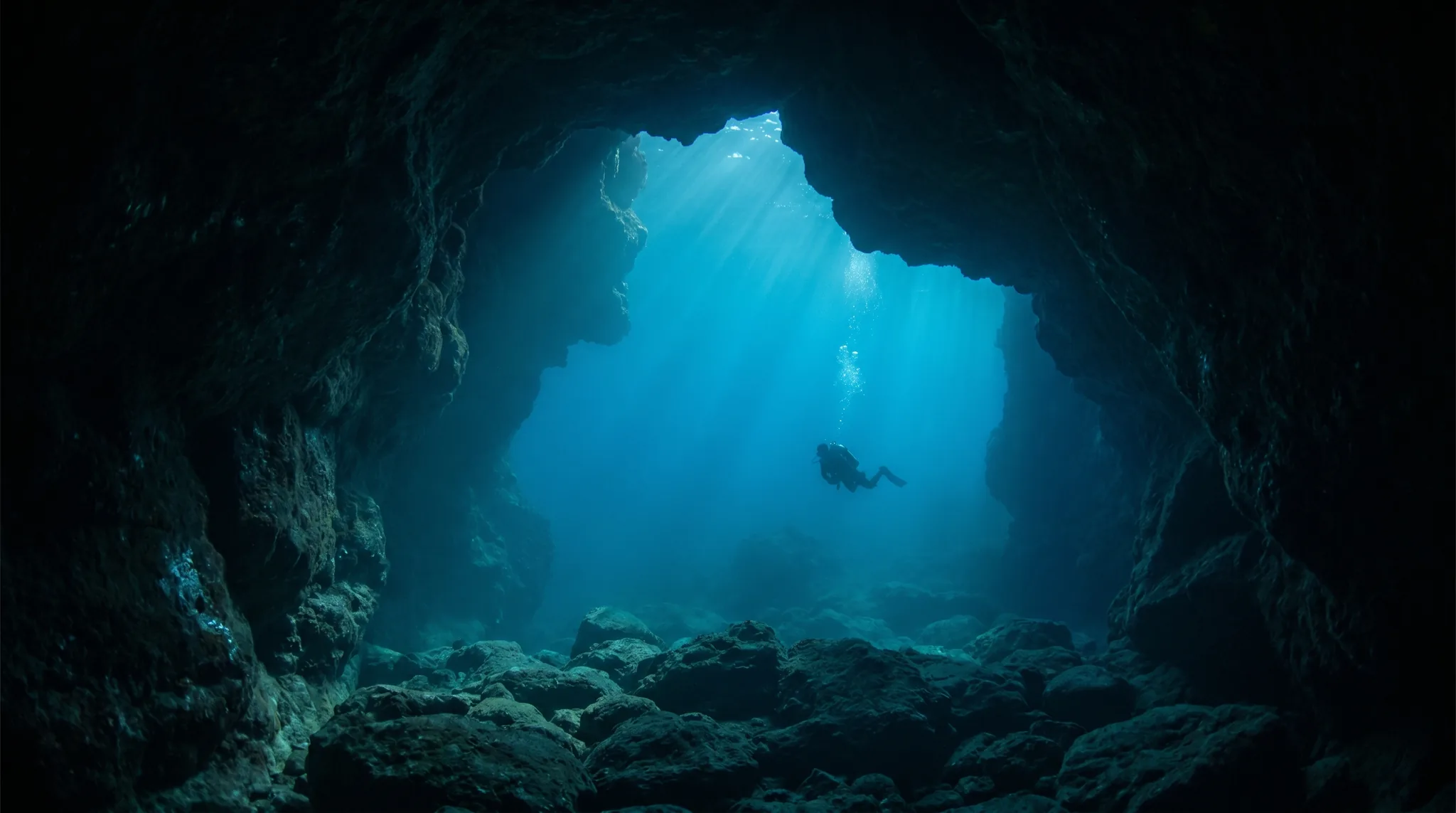
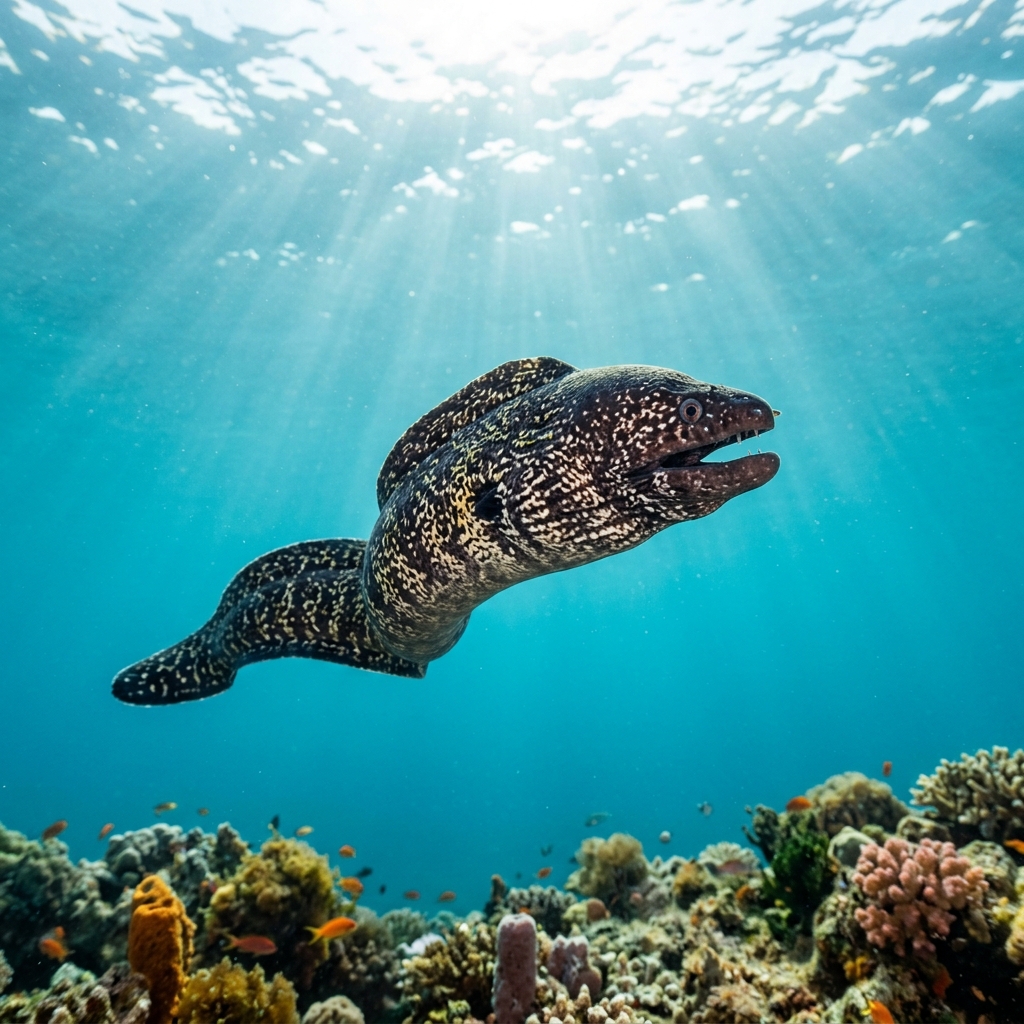
Santorini's dive sites are defined by their volcanic character. Walls, drop-offs, caves and artificial reef structures appear across the site list, often in combination at a single location. The caldera edge produces dramatic topography at sites like Remezzo Reef and Thirasia 1, while outer sites such as Mavro Vouno Caves and Aspronisi 1 reward boat trips with deeper walls. Indian Lionfish and Mediterranean Moray are the signature encounters, alongside ever-present Turkish Wrasse, Castagnole, Rabbitfish and Spirograph. A good spread of beginner sites makes the region accessible to new divers.
Monthly water temperature across Santorini's sites, from satellite sea-surface data corrected for depth. The band shows the site-to-site spread.
Water temperature climbs from its coolest in spring through to a warm autumn peak, with the most favourable conditions running from late spring into October. Summer and autumn bring the warmest water, making longer dives more comfortable. The best-months data points firmly toward the period from April through October, with midwinter seeing noticeably cooler temperatures and reduced diver activity.

12 operators

29 more sites to explore
Water temperature around Santorini ranges from about 17°C in February to 24°C in September, based on satellite sea-temperature data for its dive sites.
In the warm season (about 24°C) a 3mm full suit is comfortable in Santorini; in the coldest months (about 17°C) step up to a 7mm or semi-dry suit.
Fin maps 41 sites in Santorini (38 scuba diving sites and 9 snorkelling spots, with some suited to both).
Across Santorini's dive sites, May, June, July, August, September and October are most often reported as the best months to visit.
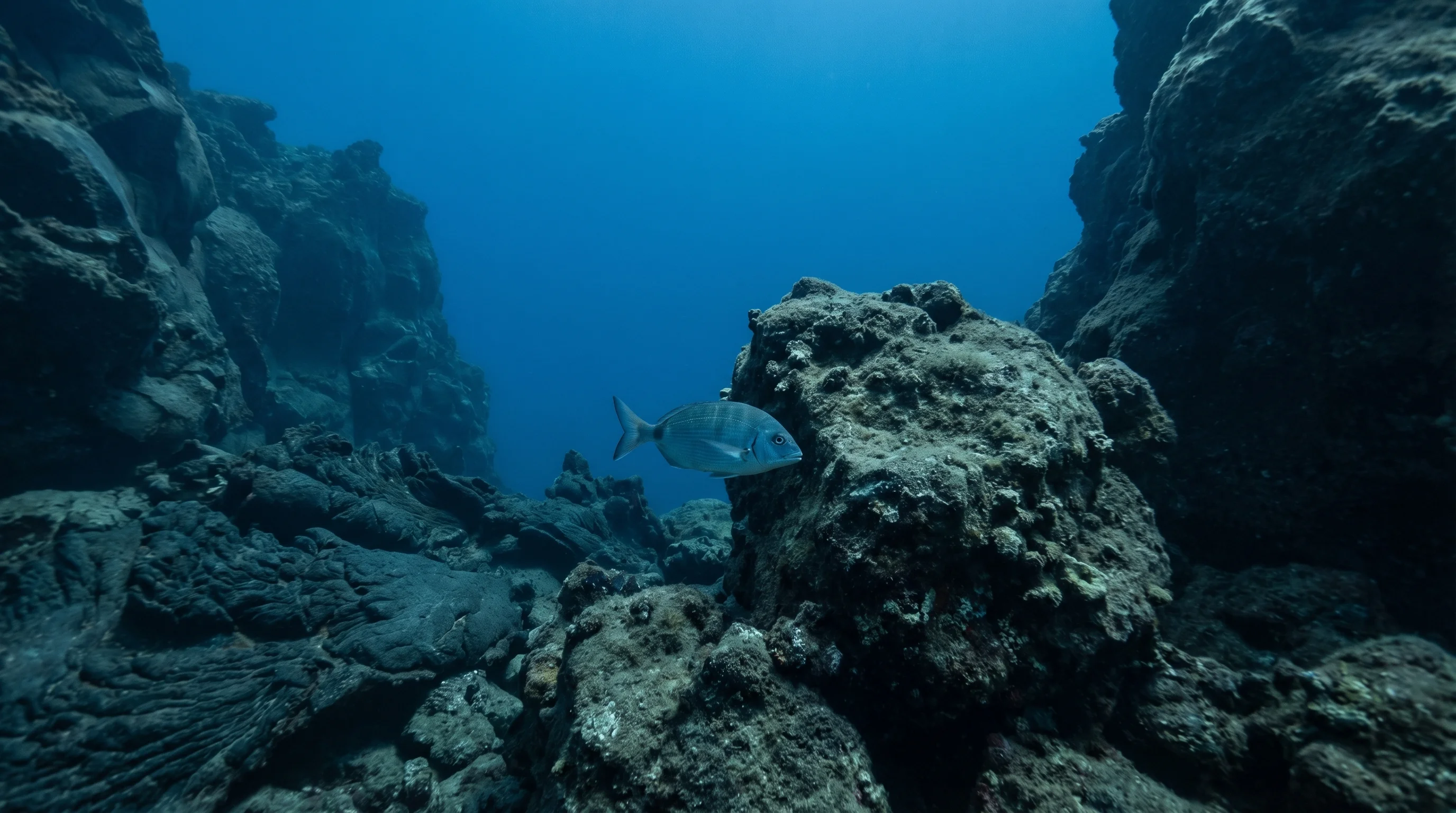
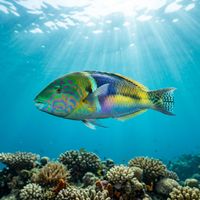
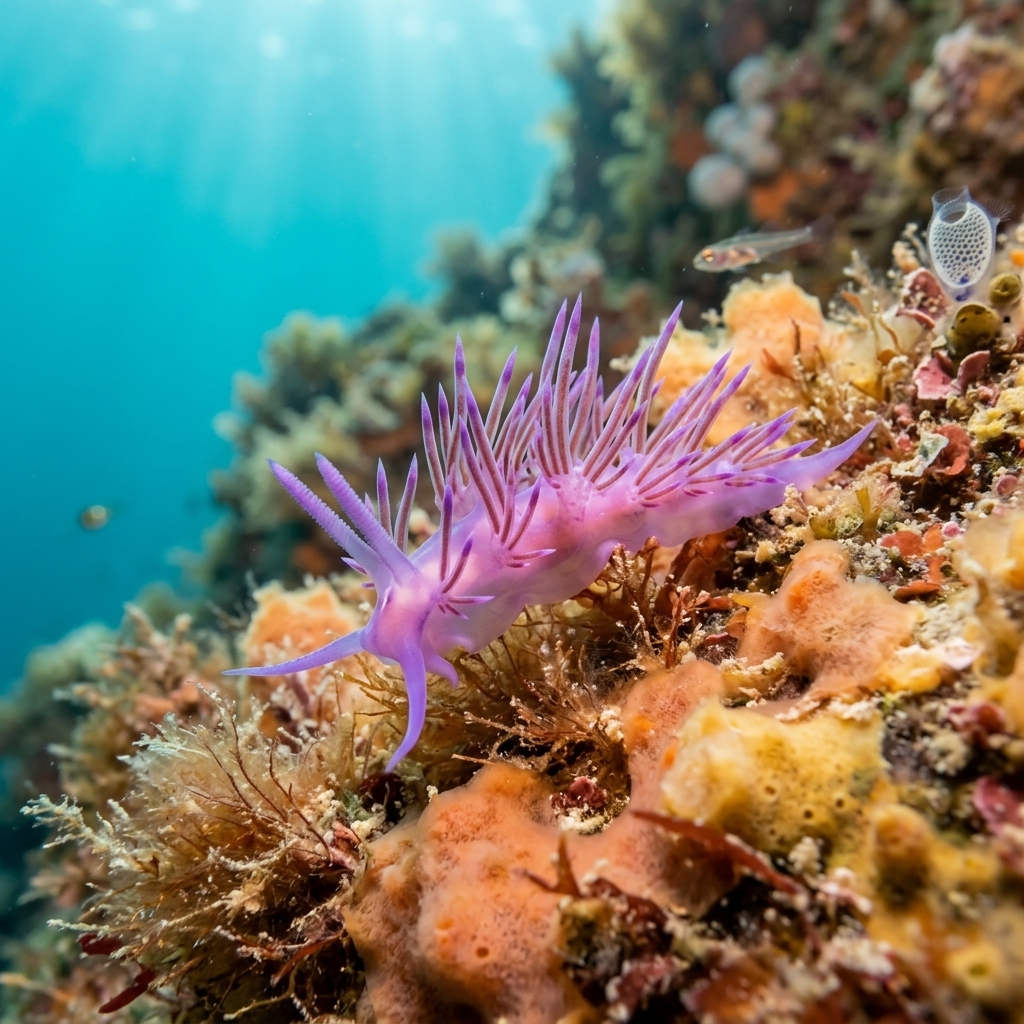
The Indian Lionfish and Mediterranean Moray are the standout species and are observed across the vast majority of sites. Turkish Wrasse, Castagnole, Rabbitfish, White Seabream and Spirograph are also encountered very consistently. Less frequent but observed sightings include Seahorse, Bottlenose Dolphin and Green Sea Turtle.
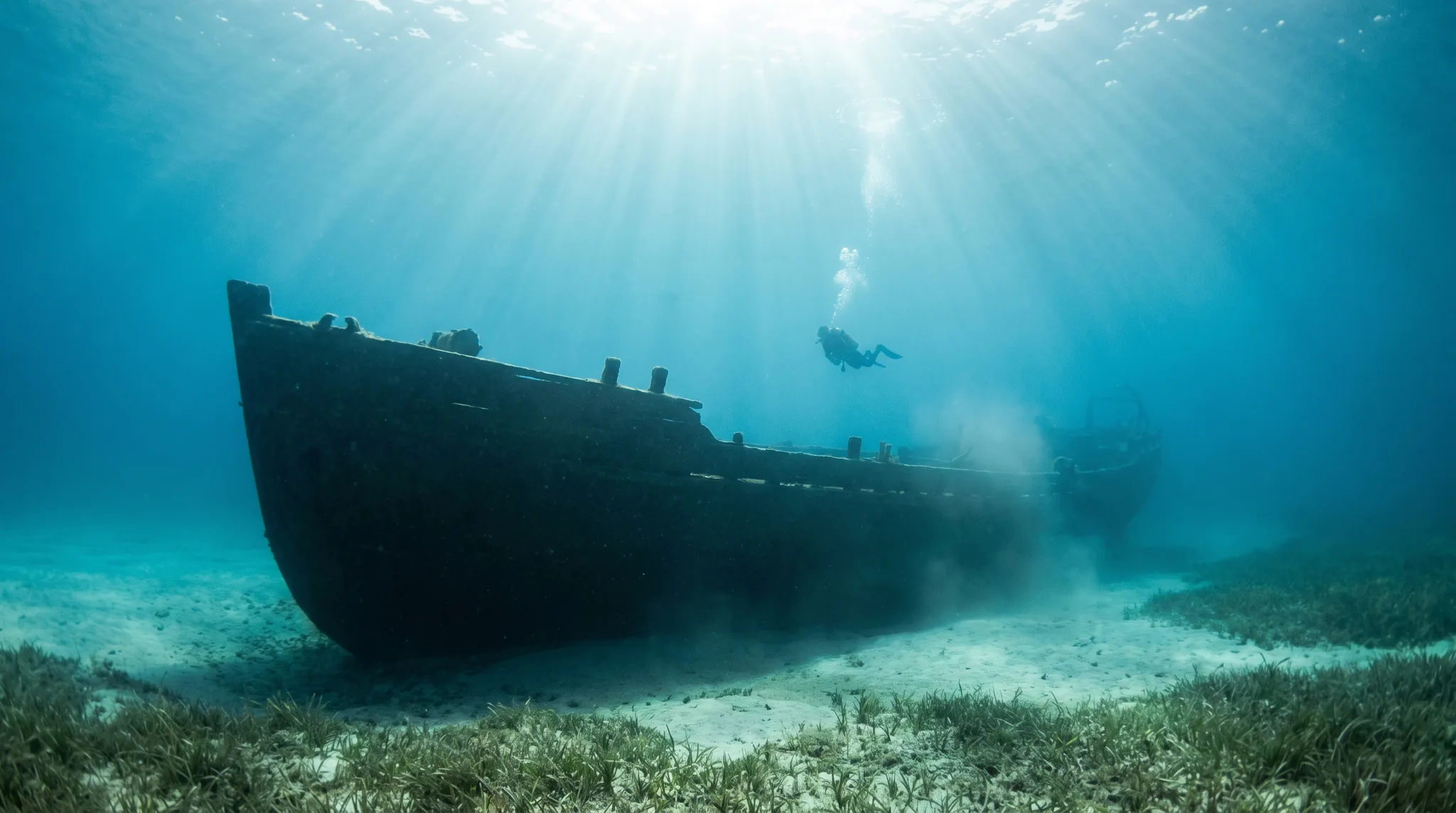
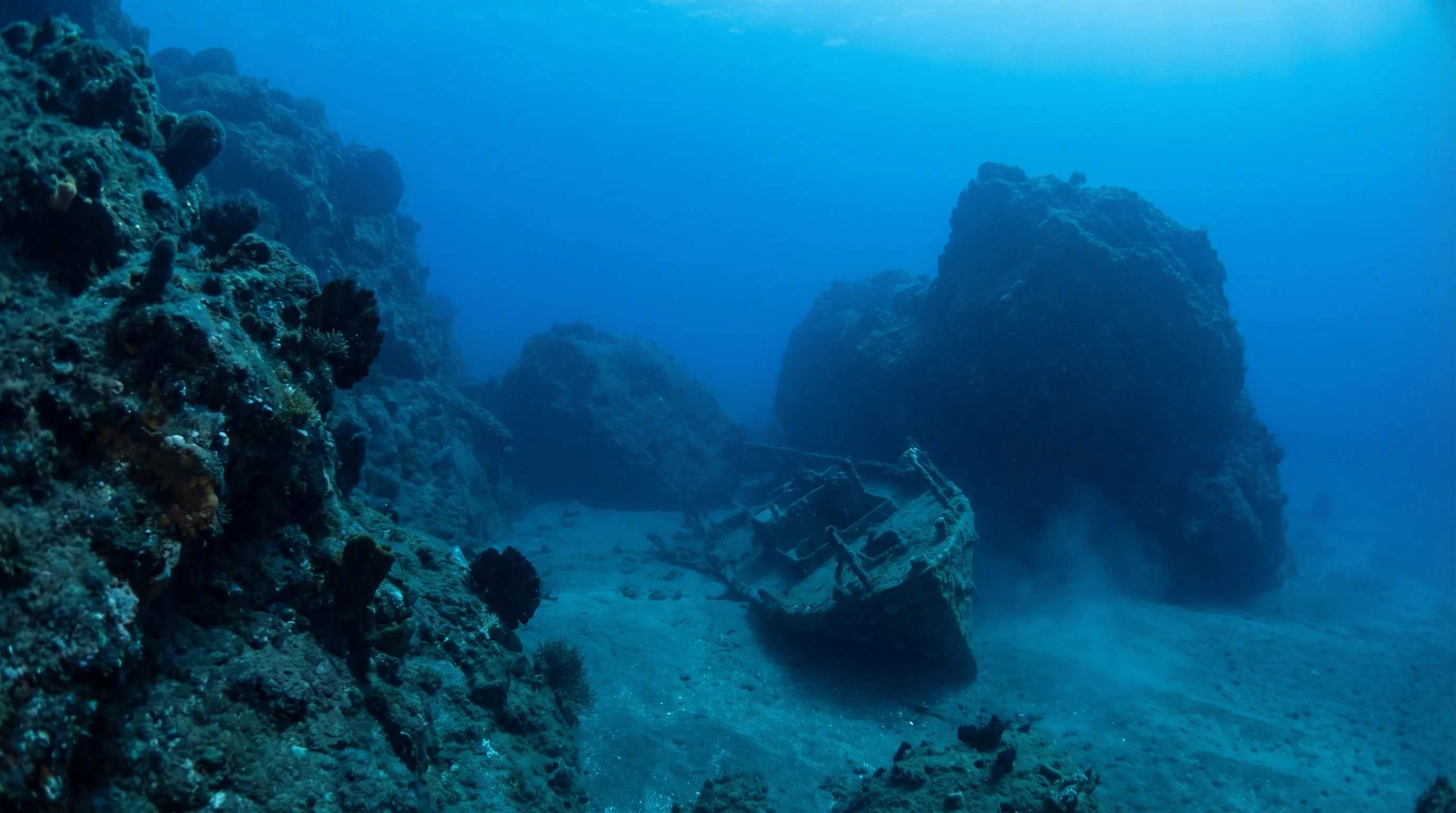
A strong proportion of the site list is rated for beginner divers, including Skaros Wall, Lisaki Reef, Thirasia 2 and the WWII Boat Wreck. These sites tend to stay at moderate depths and offer varied topography without demanding conditions. Intermediate sites such as Ammoudi Reef Wreck and Mavro Vouno Caves are available for those looking to progress.
The majority of sites require a boat, which is the standard mode of access across the region. A handful of sites, including Remezzo Reef in the caldera and Small Harbor, can be entered directly from shore or offer both shore and boat options. Several operators including Atlantis Oia Dive Centre, Volcano Dive Center and Caldera Diving run regular boat trips to the wider site list.
The region's volcanic geology produces a varied mix of walls, reefs, caves, drop-offs and artificial reef structures, often combined at a single site. The caldera provides particularly dramatic wall diving, while sites like Old Mine and Mavro Vouno Caves focus on cave and reef exploration. Wreck divers can head to Ammoudi Reef Wreck or the WWII Boat Wreck for a different kind of dive.