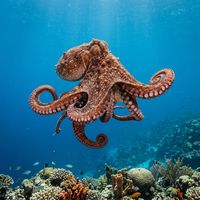
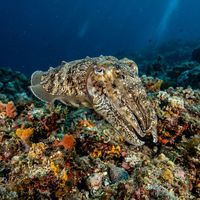
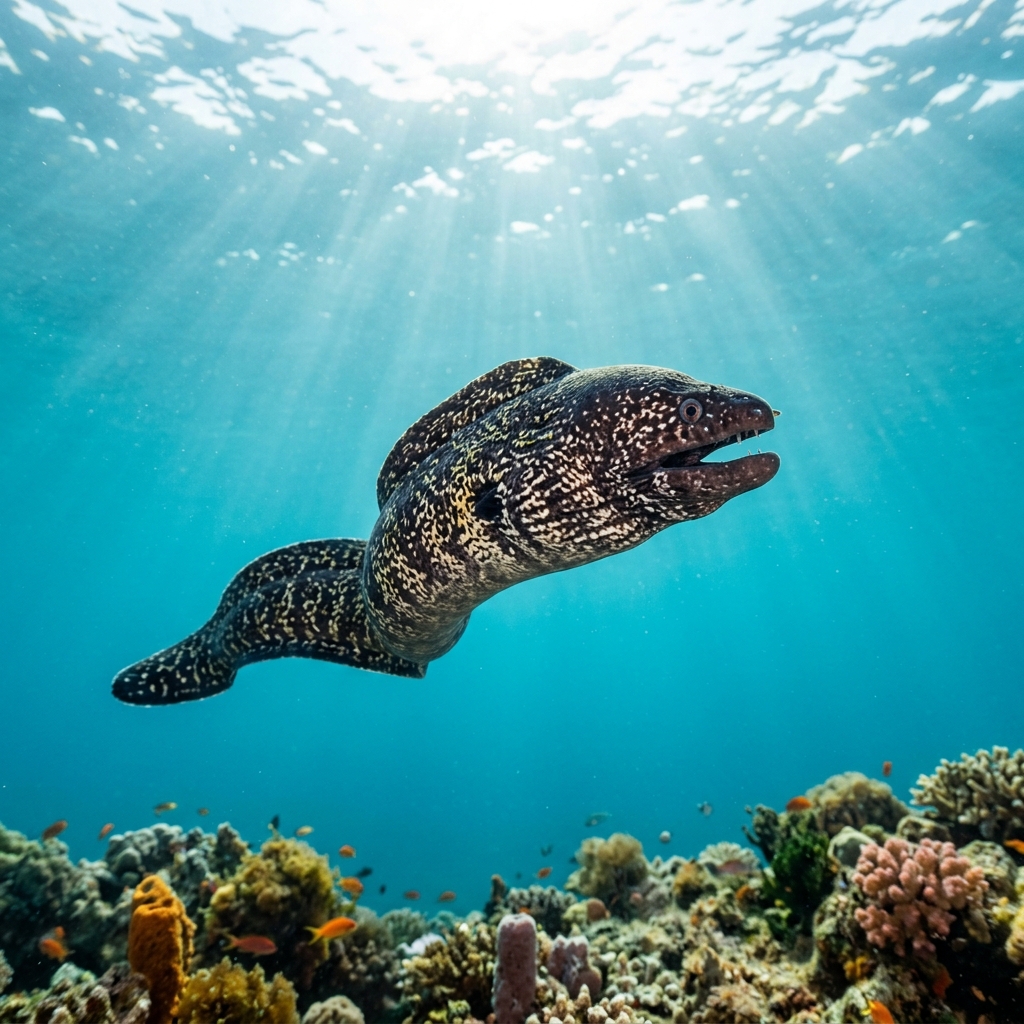
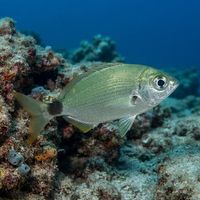
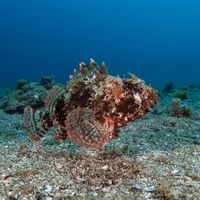
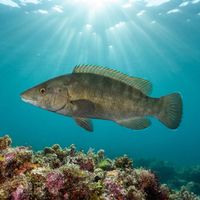
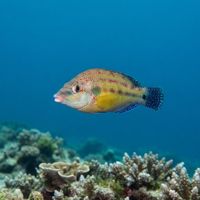
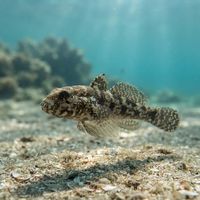
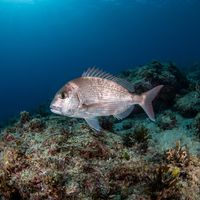
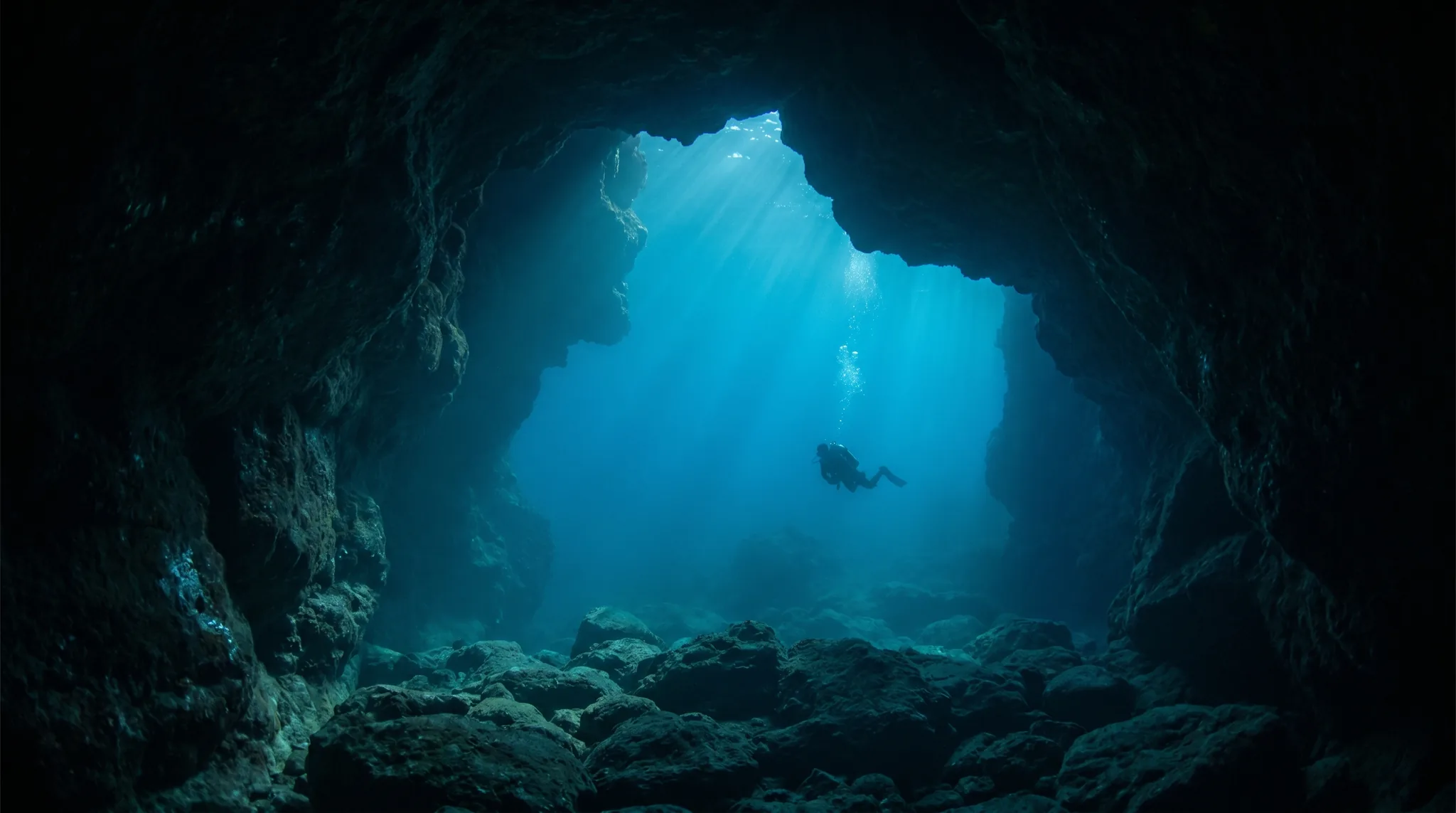
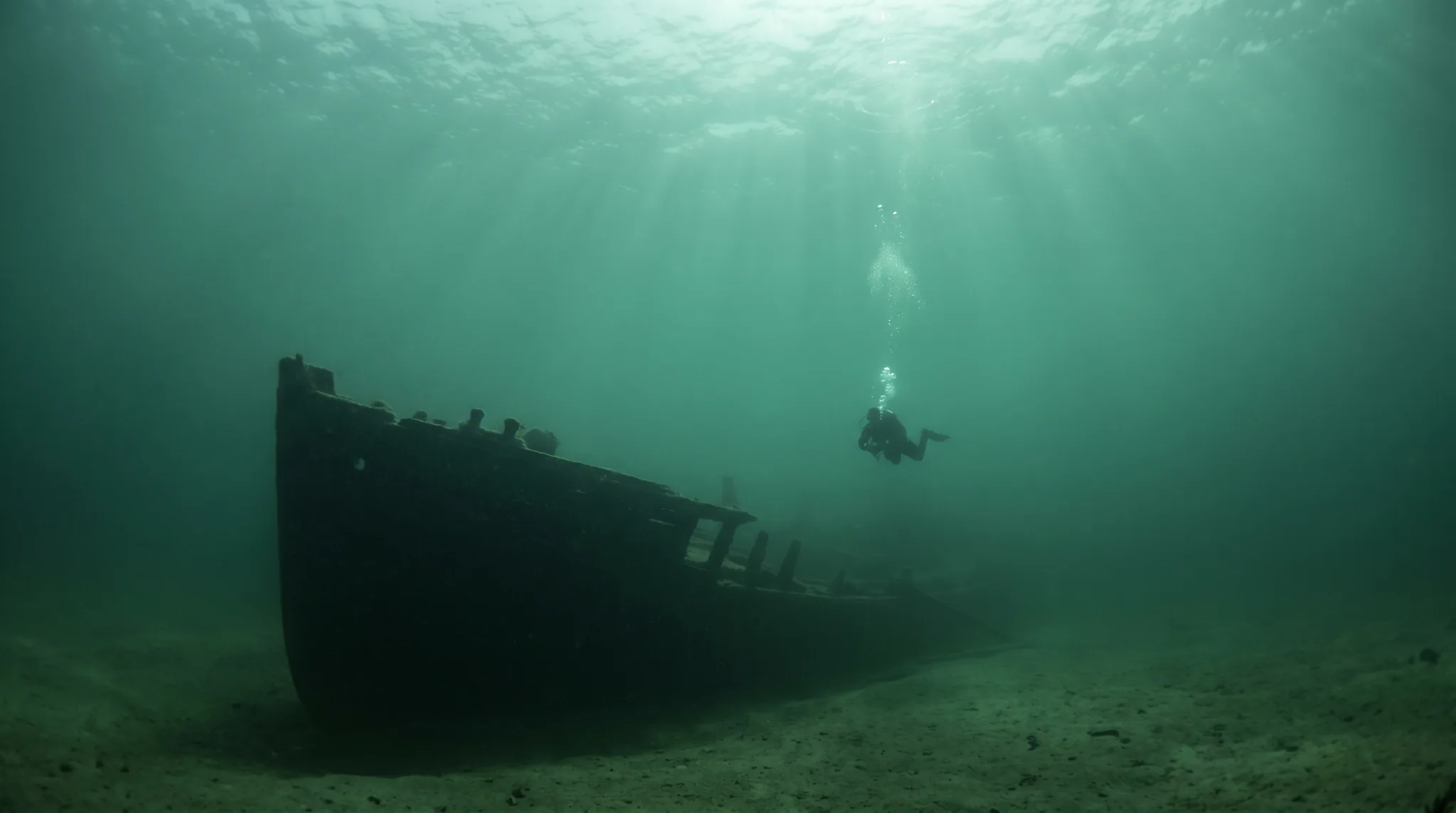
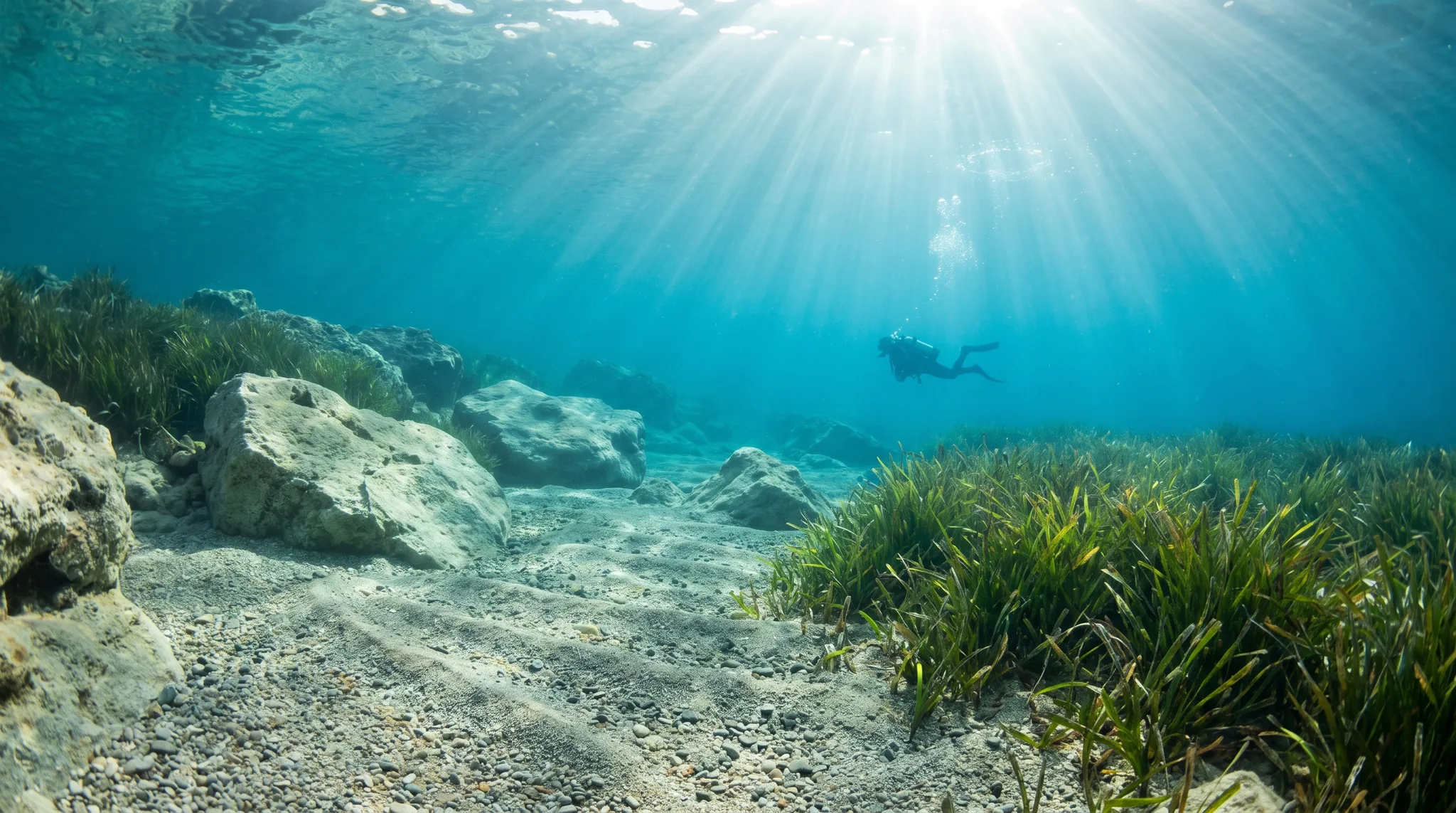
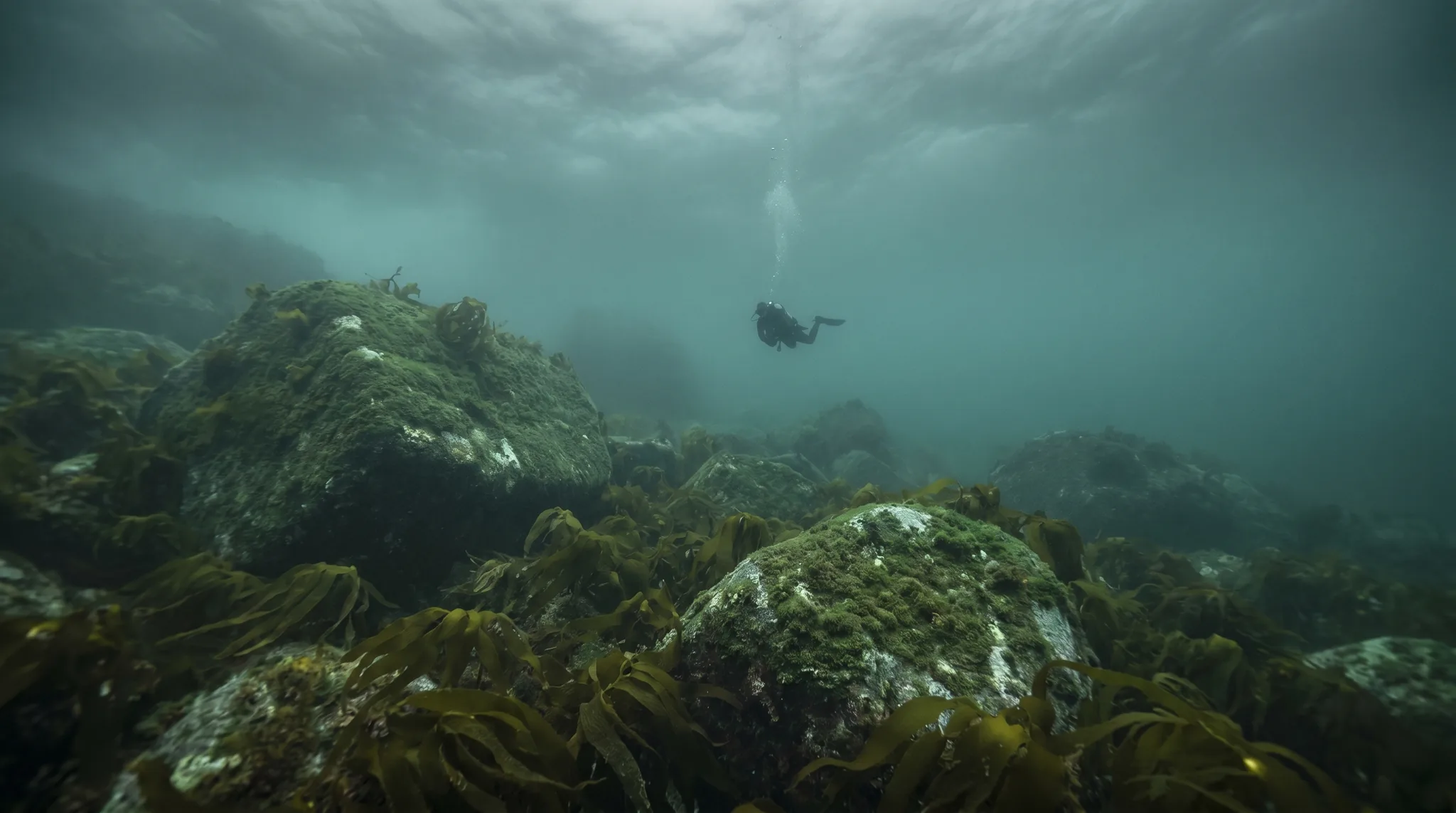
Occitanie's underwater character is shaped by a strong mix of site types: natural rocky reefs, seagrass meadows, flooded cave systems, and a notable concentration of artificial reefs deliberately built to attract marine life. The Vermilion Coast holds the majority of sites and leans toward varied reef and artificial structure diving, while Montpellier and Hérault adds further options inland and along shallower stretches. Skill levels span from calm, shallow shore entries ideal for beginners through to the formidable technical cave at Font Estramar. Common Octopus, European Common Cuttlefish, and Mediterranean Moray define the region's signature encounters, with Wrasses, Scorpionfish, and Tompot Blenny appearing across almost every site.
2 areas
Monthly water temperature across Occitanie's sites, from satellite sea-surface data corrected for depth. The band shows the site-to-site spread.
Water temperatures are at their coolest from winter through early spring, rising steadily from late spring and peaking in mid-summer before easing through autumn. The warmest and most popular months run from late spring through early autumn, when visibility tends to be at its best and conditions are most settled. Exposed sites on the Vermilion Coast can experience currents, while many artificial reef and sheltered shore sites offer calmer conditions year-round.
51 operators
Water temperature around Occitanie ranges from about 13°C in January to 21°C in July, based on satellite sea-temperature data for its dive sites.
In the warm season (about 21°C) a 5mm suit is comfortable in Occitanie; in the coldest months (about 13°C) step up to a 7mm or semi-dry suit.
Fin maps 68 sites in Occitanie (58 scuba diving sites and 13 snorkelling spots, with some suited to both), organised into 2 areas.
Across Occitanie's dive sites, May, June, July, August and September are most often reported as the best months to visit.
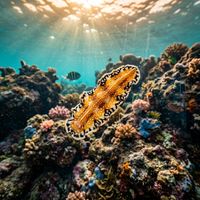
Occitanie's signature species are Common Octopus, European Common Cuttlefish, and Mediterranean Moray, all of which are observation-backed across many sites. Wrasses, Scorpionfish, Tompot Blenny, Bream, and Striped Red Mullet are very commonly encountered. Nudibranch enthusiasts will find Cratena Slug, Splendid Elysia, and Mediterranean Violet Aeolid, and Conger Eel is also a regular sighting.
A large proportion of sites in Occitanie are rated for beginners, including numerous shallow shore-entry and boat-access locations on the Vermilion Coast. Sites such as La Plagette, Digue Barcares, and Les Tignes offer calm, accessible conditions with modest depths. Intermediate divers have plenty of reef and artificial reef sites to progress to, while Font Estramar is strictly for technical divers only.
The Vermilion Coast accounts for the majority of Occitanie's sites and offers the greatest variety, from shallow artificial reefs and seagrass meadows to deeper reef dives and the extreme technical cave at Font Estramar. Montpellier and Hérault has fewer sites but broadens the options available to divers exploring the region. Both sub-areas include beginner-friendly entries alongside more challenging dives.
Both access types are well represented. Shore entry is available at a number of sites including La Plagette, Digue Barcares, Le ponton, and the technical cave Font Estramar. Several popular sites such as Bobby, Les 3 Pics, and Lydia 2 require a boat, and a good number of local operators including Aloès Plongée, Plongée Cap Cerbère, and Octopus Diving Center offer guided boat trips across the region.