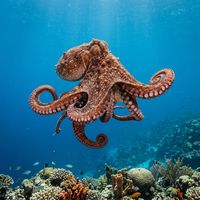
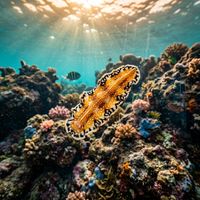
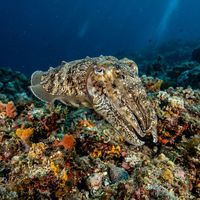
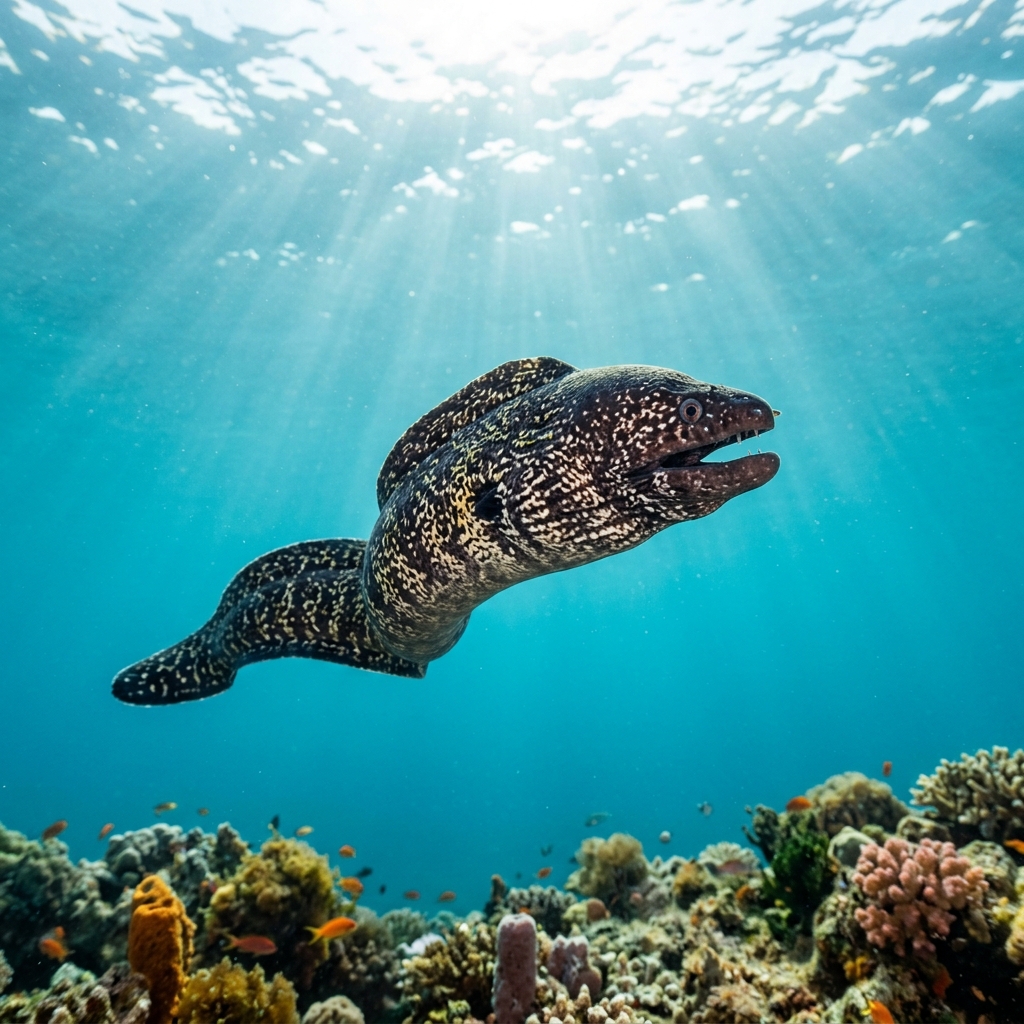
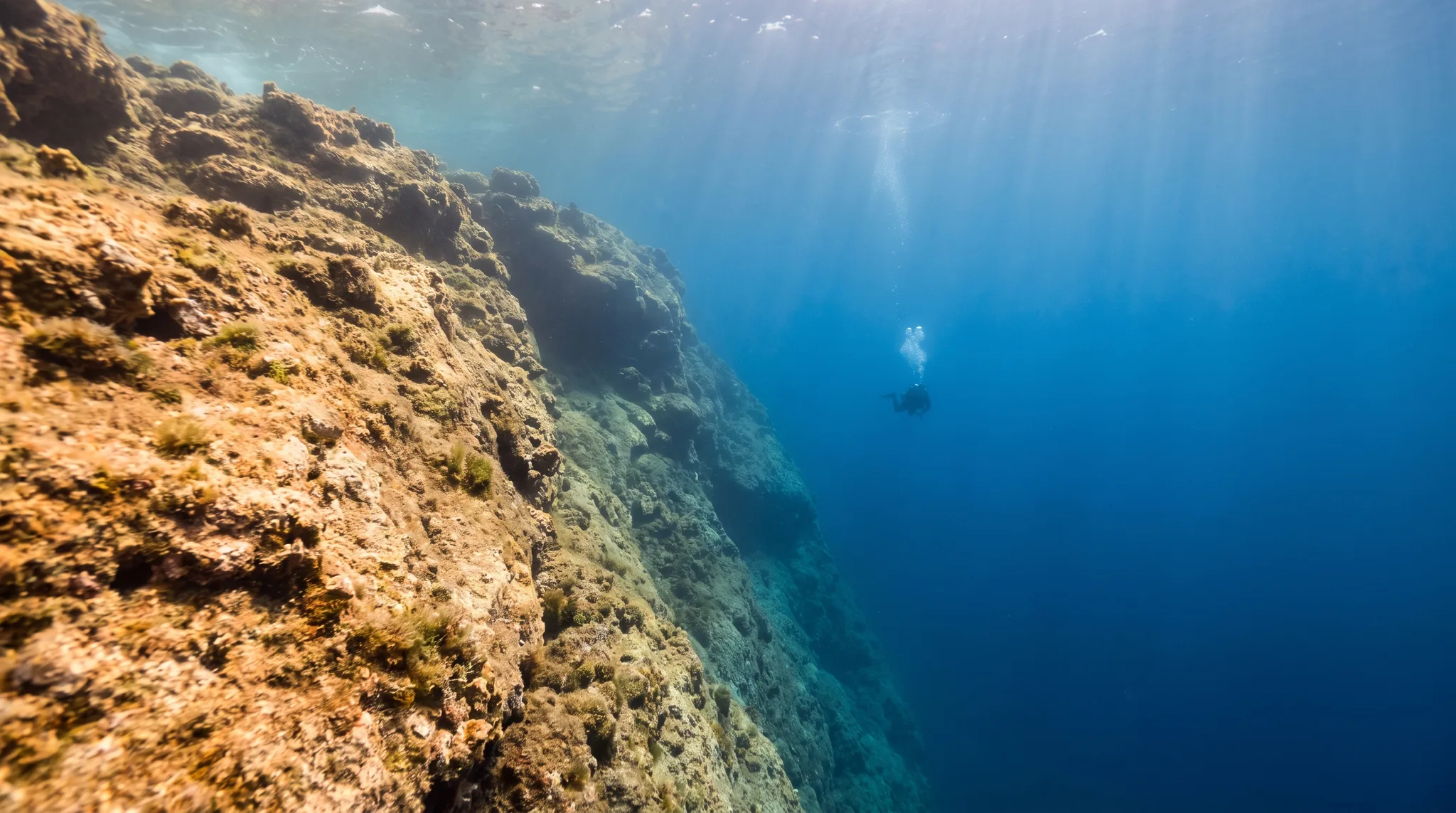
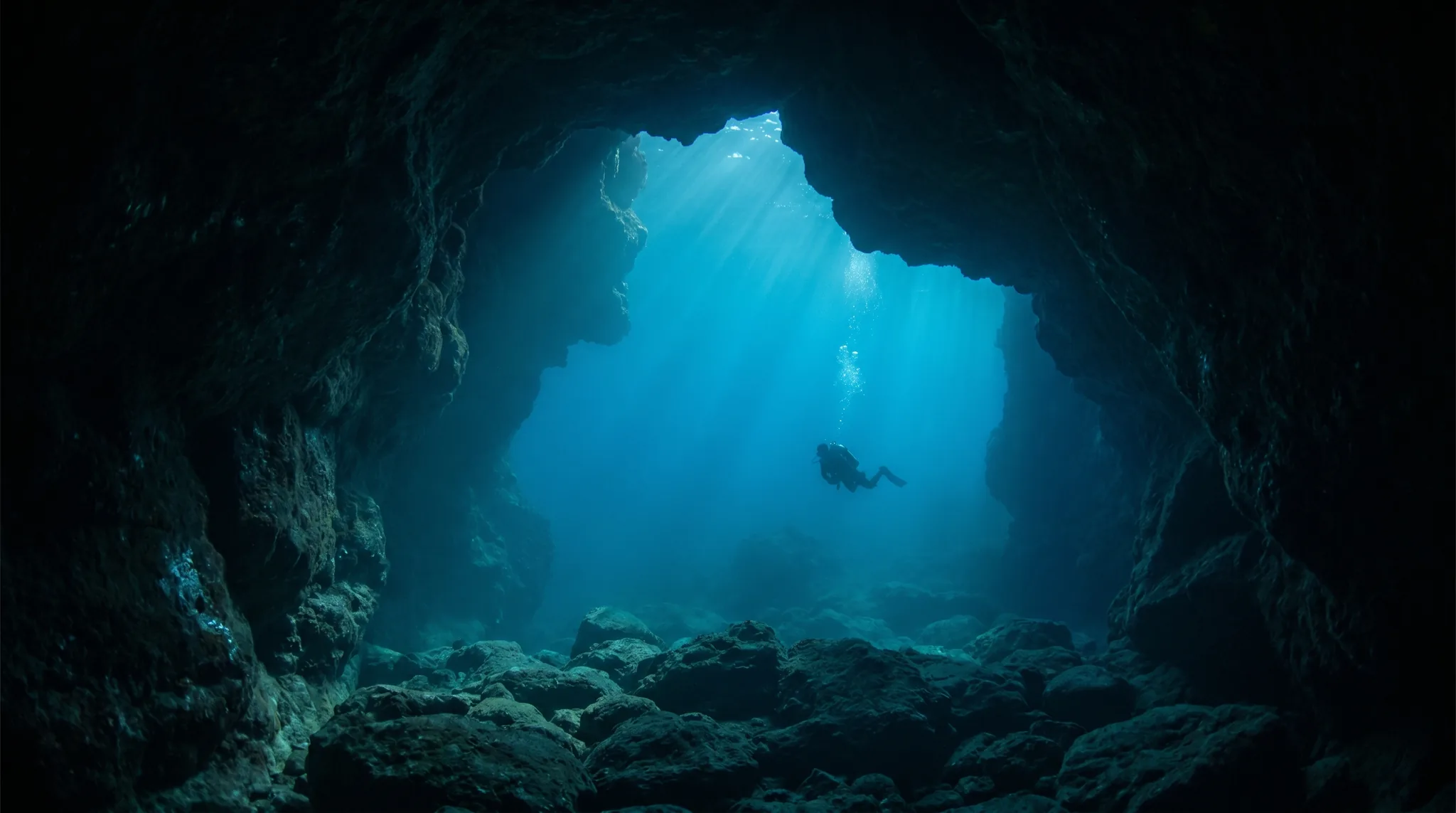
Banyuls-sur-Mer punches well above its size for a dive destination on the Vermilion Coast. Artificial reefs dominate the site mix, from shallow breakwater structures accessible to beginners to deeper boat-access platforms that draw intermediate divers. Natural reef, wall, cave and drop-off topography adds variety, while Font Estramar's flooded karst system serves the technical community. Common Octopus, Mediterranean Moray and European Common Cuttlefish are signature sightings, backed by a rich cast of blennies, gobies, nudibranchs and anemones across virtually every site.
Monthly water temperature across Banyuls-sur-Mer's sites, from satellite sea-surface data corrected for depth. The band shows the site-to-site spread.
Water stays cool through winter and early spring, warming steadily from May onward and peaking in summer. The warmest months align closely with peak diver activity, running from late spring through early autumn. Conditions during this window generally favour the artificial reef sites, though exposed boat dives can be affected by local currents and should be assessed on the day.
30 operators
Portvendres, France
Portvendres, France

14 more sites to explore
Water temperature around Banyuls-sur-Mer ranges from about 13°C in January to 20°C in July, based on satellite sea-temperature data for its dive sites.
In the warm season (about 20°C) a 5mm suit is comfortable in Banyuls-sur-Mer; in the coldest months (about 13°C) step up to a 7mm or semi-dry suit.
Fin maps 24 sites in Banyuls-sur-Mer (21 scuba diving sites and 4 snorkelling spots, with some suited to both).
Across Banyuls-sur-Mer's dive sites, May, June, July, August and September are most often reported as the best months to visit.
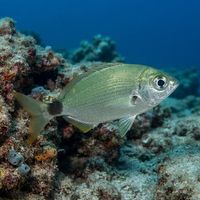
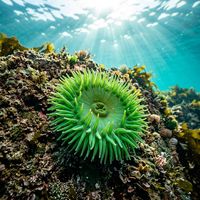
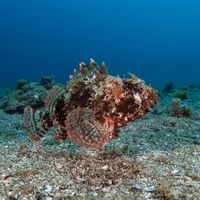
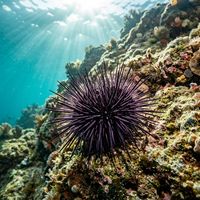
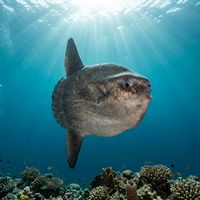
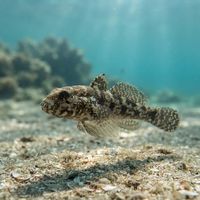
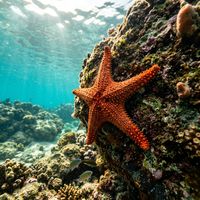
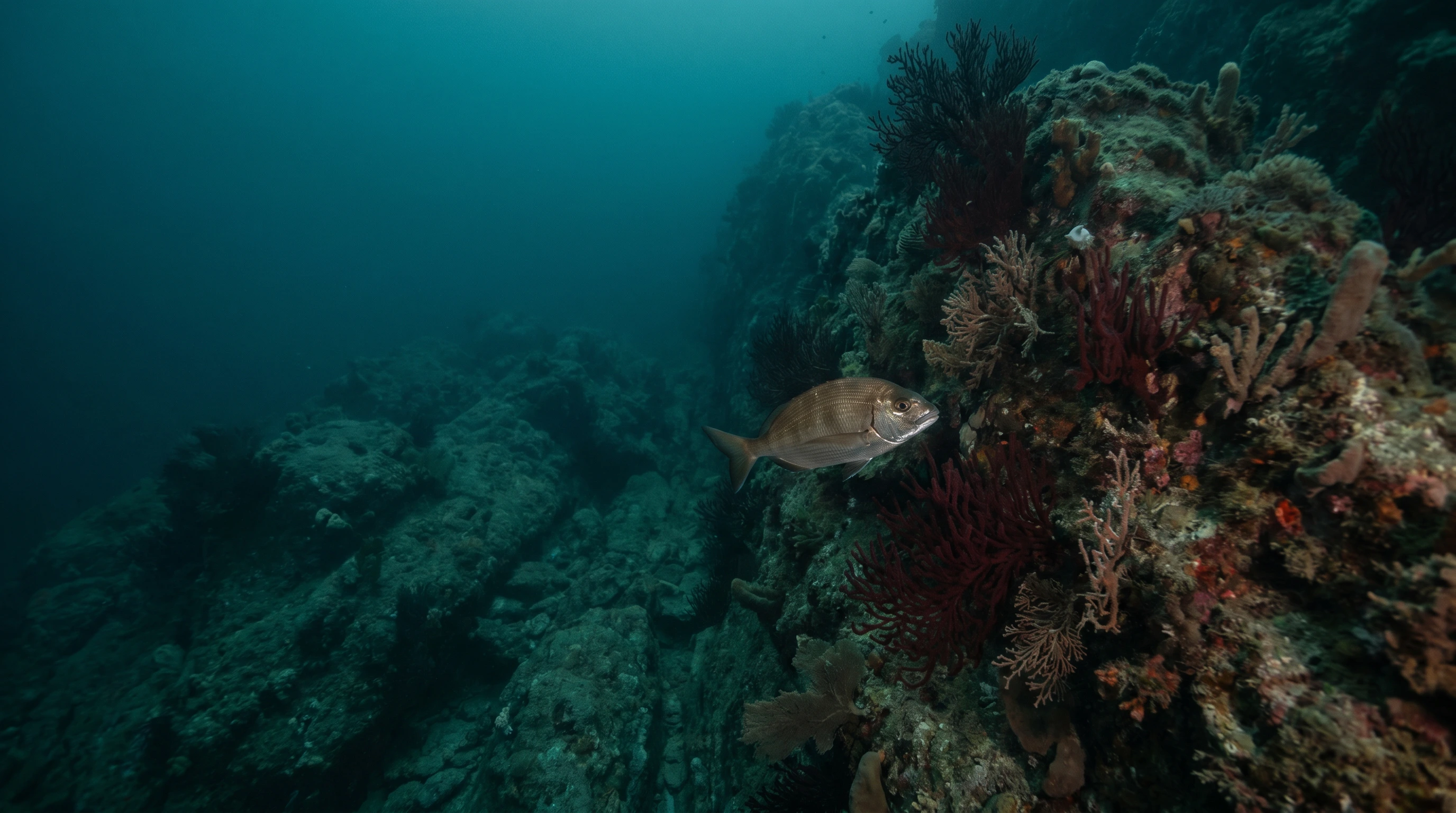
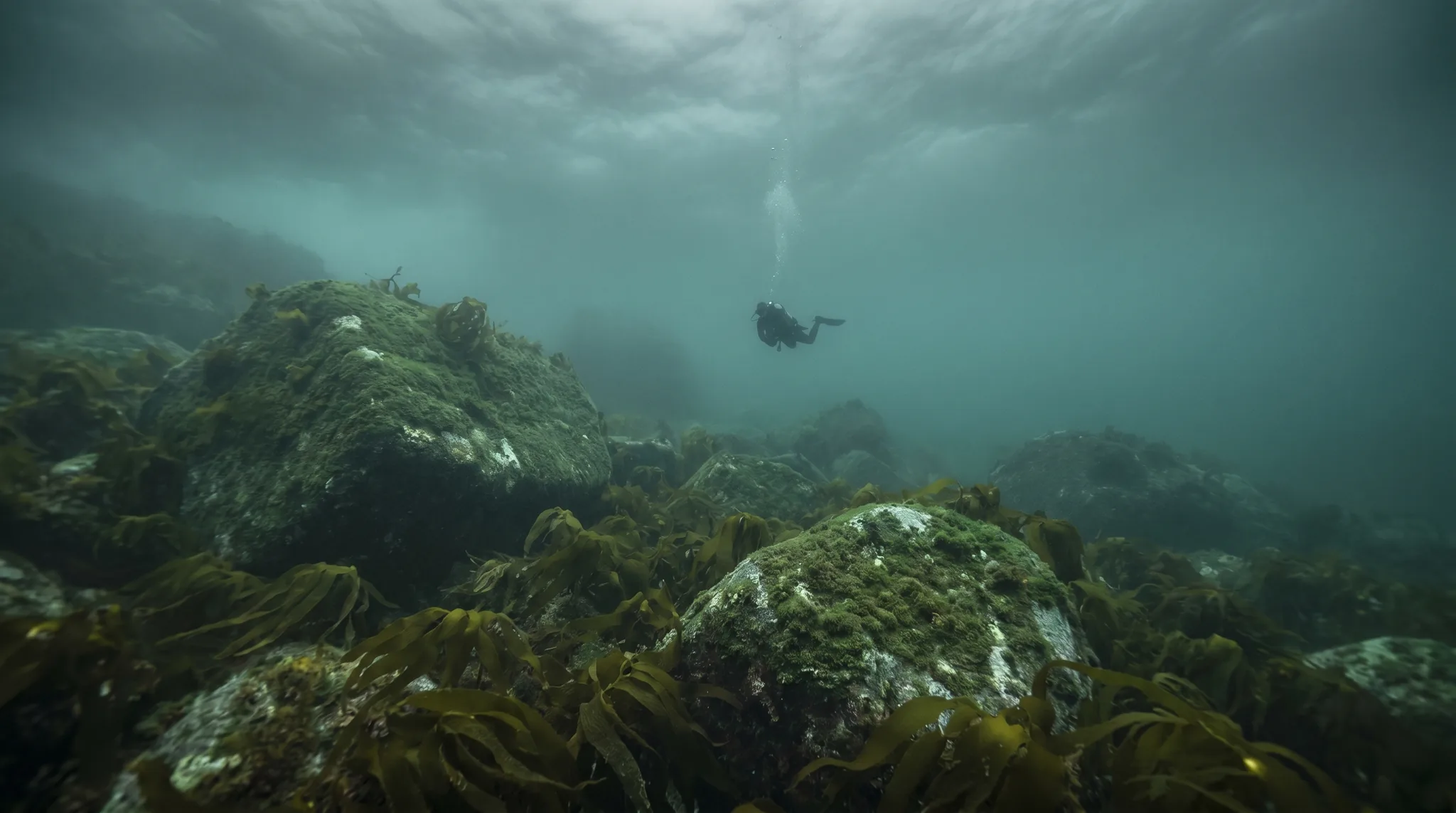
Common Octopus, European Common Cuttlefish and Mediterranean Moray are the signature species here, all observation-backed across multiple sites. Tompot Blenny, Giant Green Anemone, Sea Urchin and Sea Star are seen on nearly every dive. Black Scorpionfish, Striped Red Mullet, Two-banded Seabream and Comber round out the regular cast, and Ocean Sunfish have been recorded by divers as well.
Yes, a good portion of the sites are rated beginner level. Digue Barcares is a very shallow shore dive on a breakwater artificial reef, ideal for first open-water experiences. Les Amas and La Mauresque are also accessible to newer divers. Intermediate divers have plenty of choice in deeper artificial reefs and natural reef structures, while Font Estramar is strictly for trained technical divers.
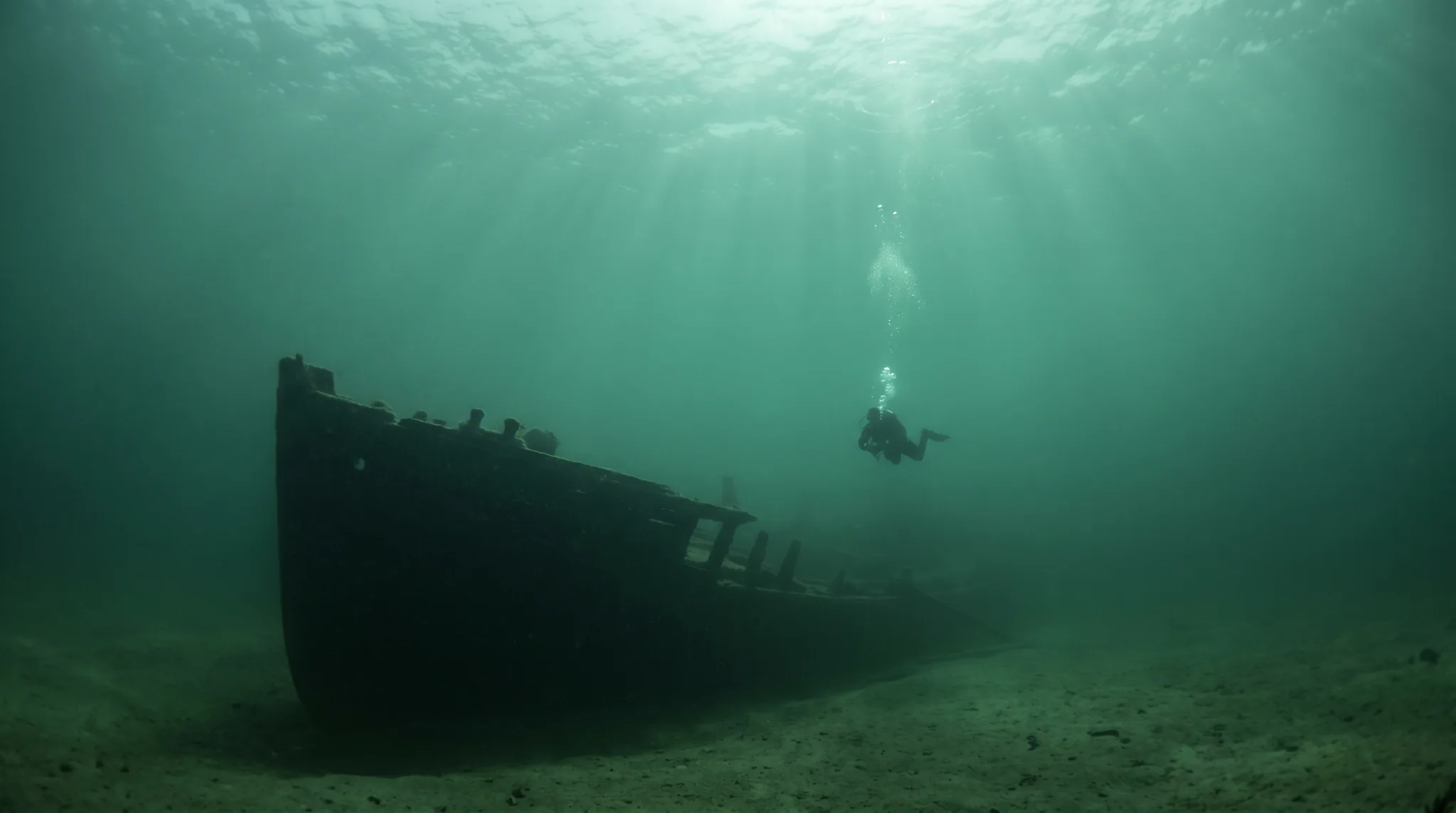
The artificial reefs span a wide range of depths and access methods. Digue Barcares is a shore-entry breakwater in very shallow water, while Les Amas is a boat-access structure in moderate depth. Lydia 2 sits deeper and is boat-access only, and L'Alice-Robert is a wreck functioning as an artificial reef at considerable depth, suited to more experienced divers. Each structure attracts its own community of marine life.
Both options exist. Several sites, including Digue Barcares and Font Estramar, are accessible directly from shore. The majority of sites, particularly the deeper artificial reefs, wrecks and natural reef formations around Cap Béar, require a boat. A number of dive operators based in the area offer guided boat dives, giving independent shore divers and boat-trip participants plenty of choice.