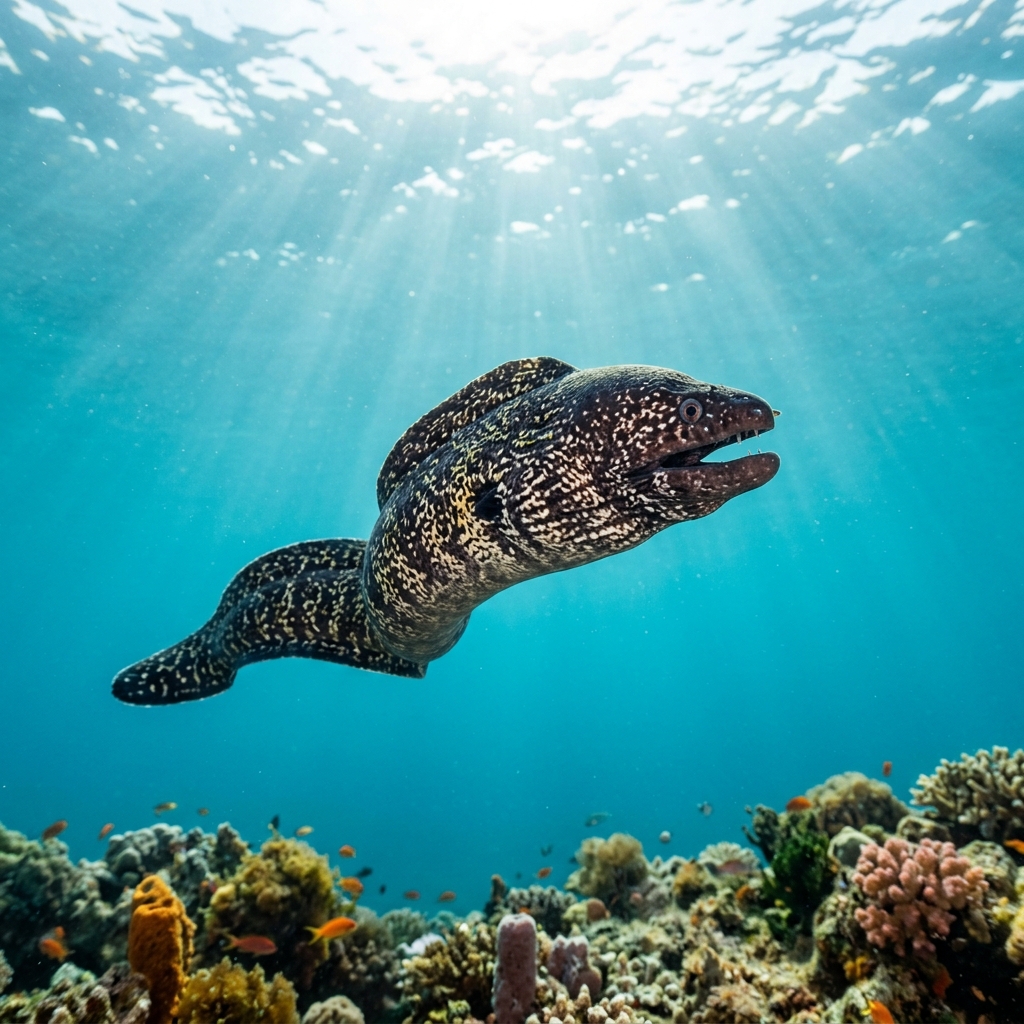
Île Maïre delivers one of the most varied dive rosters in the Riou Archipelago, combining deep technical wrecks, cave systems, vertical walls, and mixed reef sites. Wreck diving is a particular draw, from the accessible Le Chaouen to the demanding La Drome and Le Junker 88. Nudibranch diversity is remarkable across the sites, and the Peacock Wrasse, Mediterranean Moray, and Common Octopus are consistently encountered. All access is by boat.
Monthly water temperature across Île Maïre's sites, from satellite sea-surface data corrected for depth. The band shows the site-to-site spread.
Water stays cool through winter and early spring, rewarding divers with the best visibility of the year during those quieter months. Temperatures climb from late spring through summer and into September, which also marks the peak of diver activity according to the booking pattern. Autumn offers a useful middle ground: warm enough for comfortable dives, with conditions that typically remain favourable into October.
12 operators
57 more sites to explore
Water temperature around Île Maïre ranges from about 13°C in January to 18°C in July, based on satellite sea-temperature data for its dive sites.
In the warm season (about 18°C) a 5mm suit is comfortable in Île Maïre; in the coldest months (about 13°C) step up to a 7mm or semi-dry suit.
Fin maps 69 sites in Île Maïre (63 scuba diving sites and 8 snorkelling spots, with some suited to both).
Across Île Maïre's dive sites, May, June, July, August, September and October are most often reported as the best months to visit.
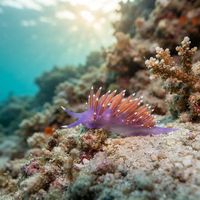
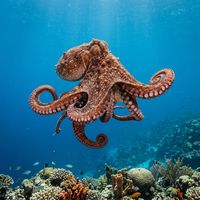
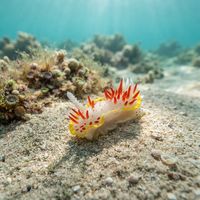
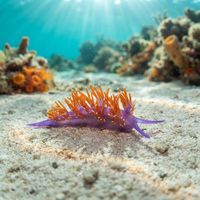
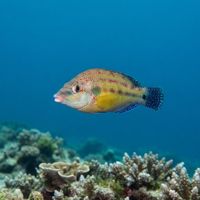
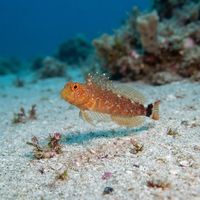
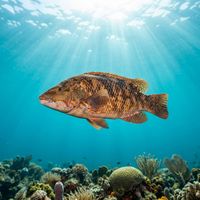
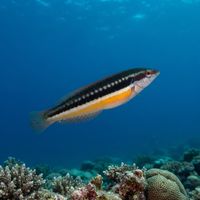
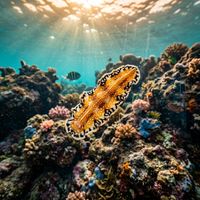
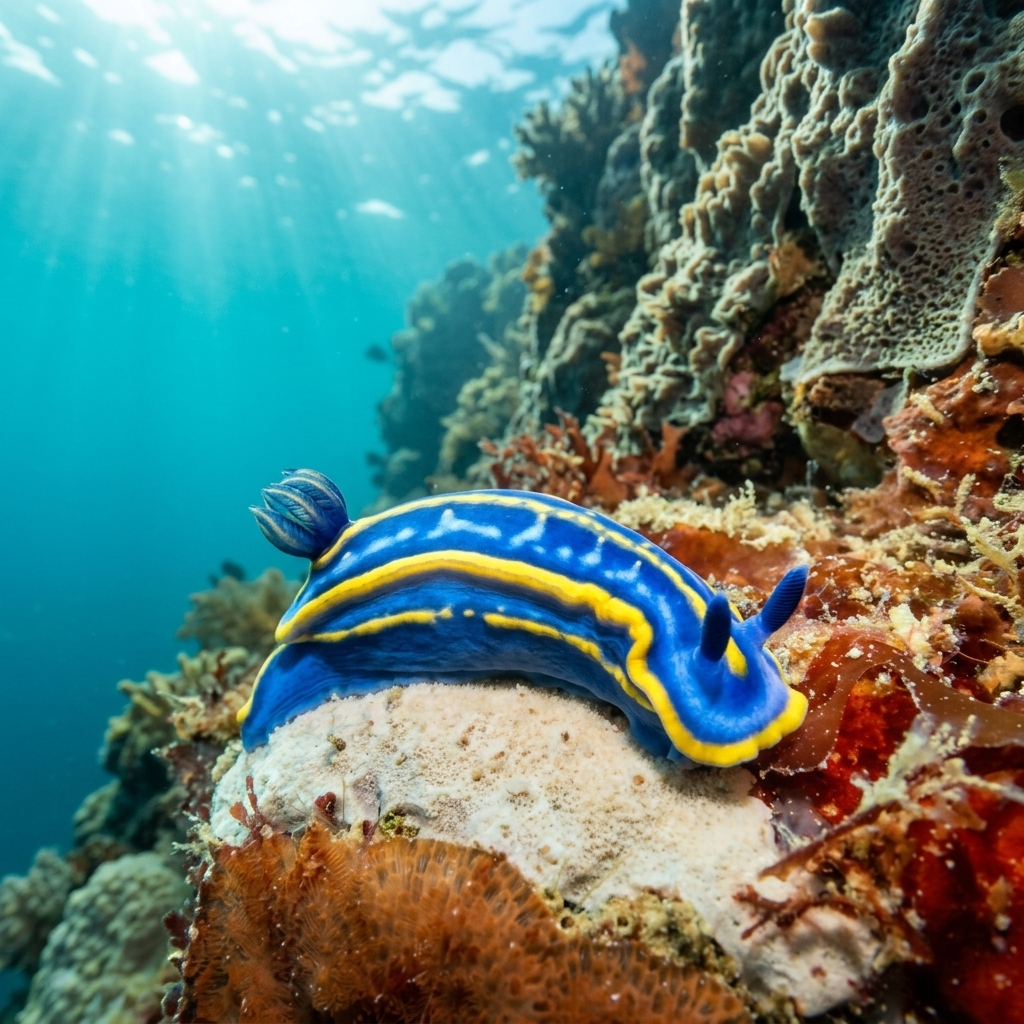
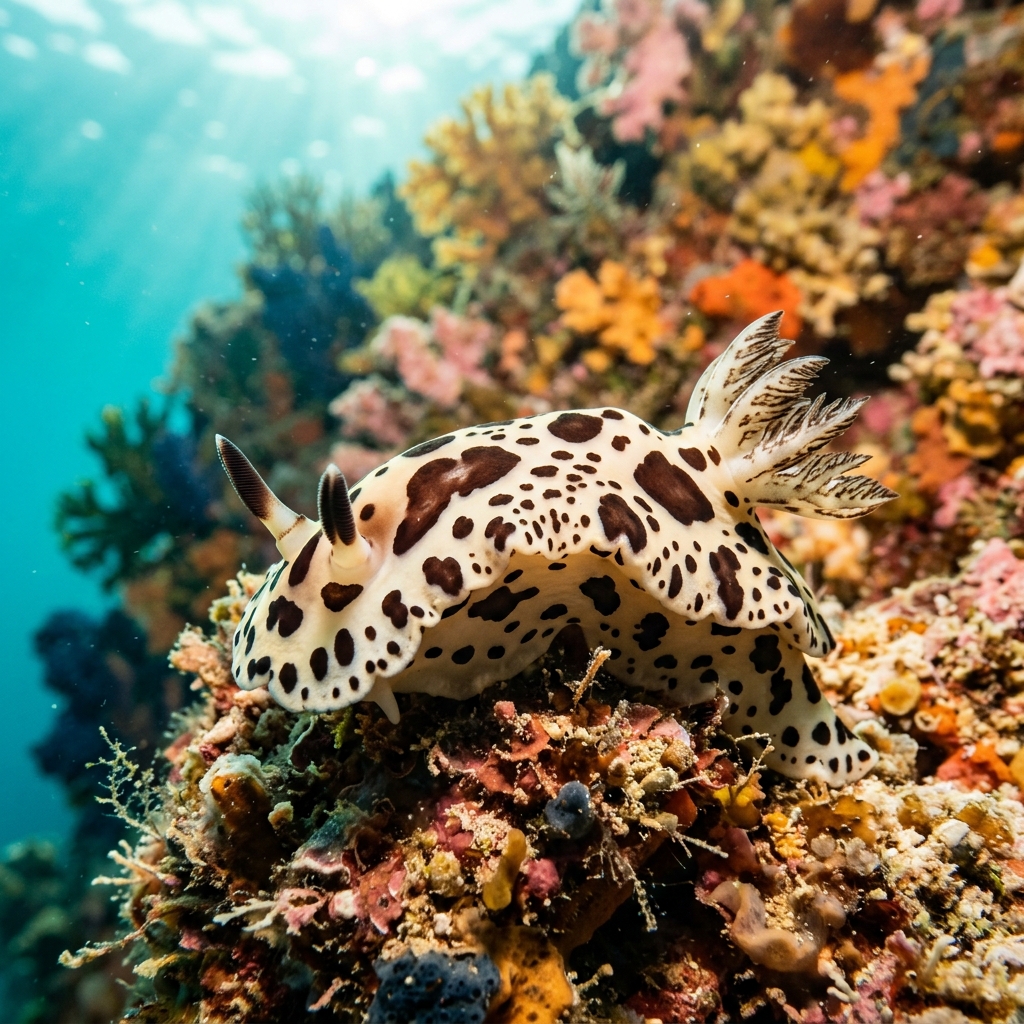
Nudibranch variety is one of the highlights, with the Violet Sea Slug, Tricolor Doris, Flabellina Ischitana, Diaphorodoris papillata, and Cratena Slug all observed regularly across the sites. Wrasse are extremely common, including the Peacock Wrasse, Mediterranean Rainbow Wrasse, and several other species. The Common Octopus and Mediterranean Moray are frequent companions on reef and wall dives, and the Small Red Scorpionfish and Red Scorpionfish are reliably spotted among the rocks.
Yes, the site mix includes options at every level. Le Chaouen offers a wreck penetration accessible to beginners, and the cave at Mejean is listed as beginner-friendly with mild currents. However, a significant number of sites, including the deep wrecks La Drome, La Barge aux Tuiles, and Le Junker 88, are strictly for advanced or expert divers. Beginners should discuss site selection with their operator before the day.
Every dive site at Île Maïre is boat-access only. There are no shore-entry dive sites in the area, so you will need to arrange a trip through one of the local operators. Several operators serve the area, including Esprit Plongee, Bleu Evasion, Dune Plongée Marseille, and Planète Bleue Plongée, among others.
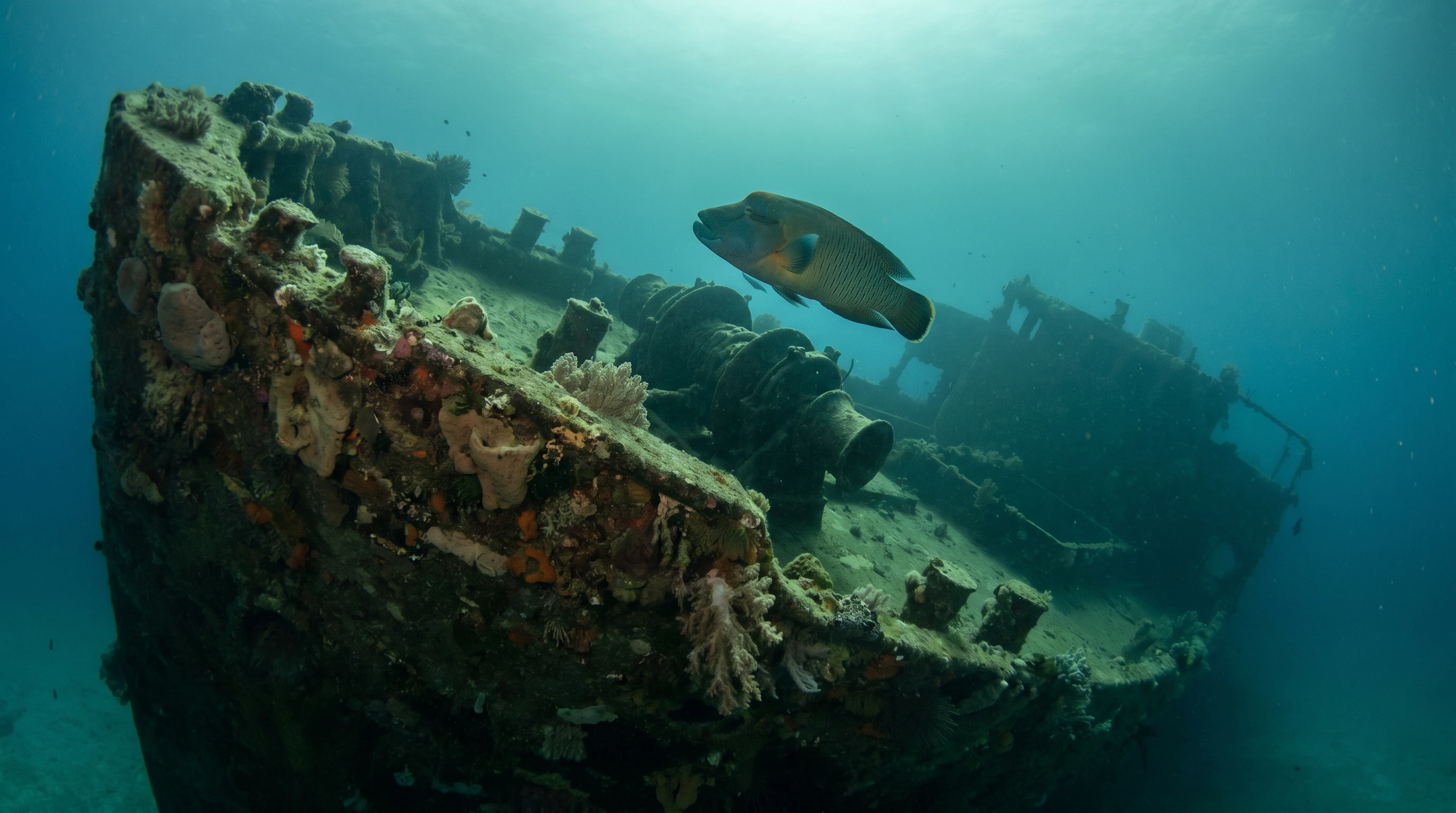
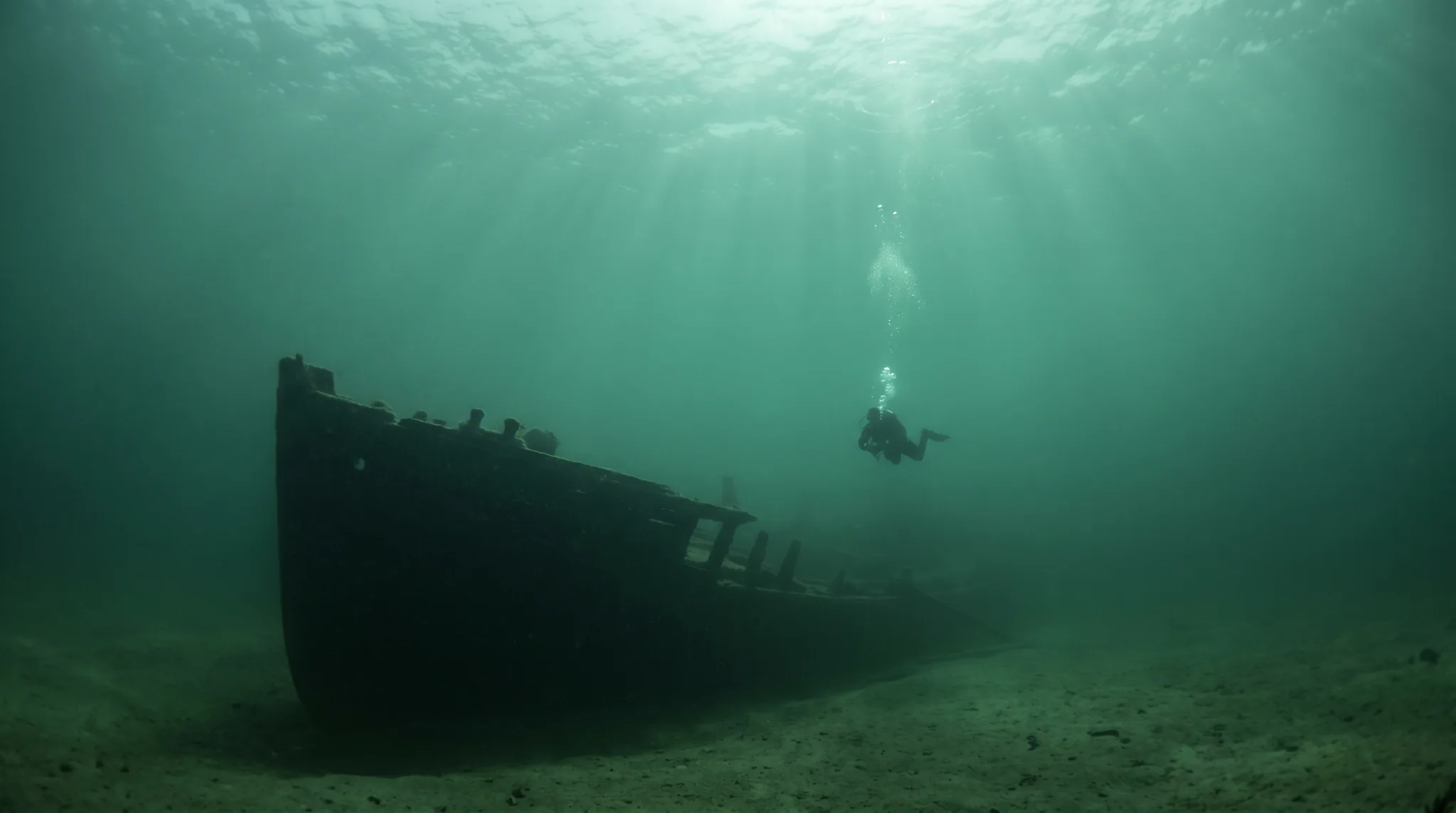
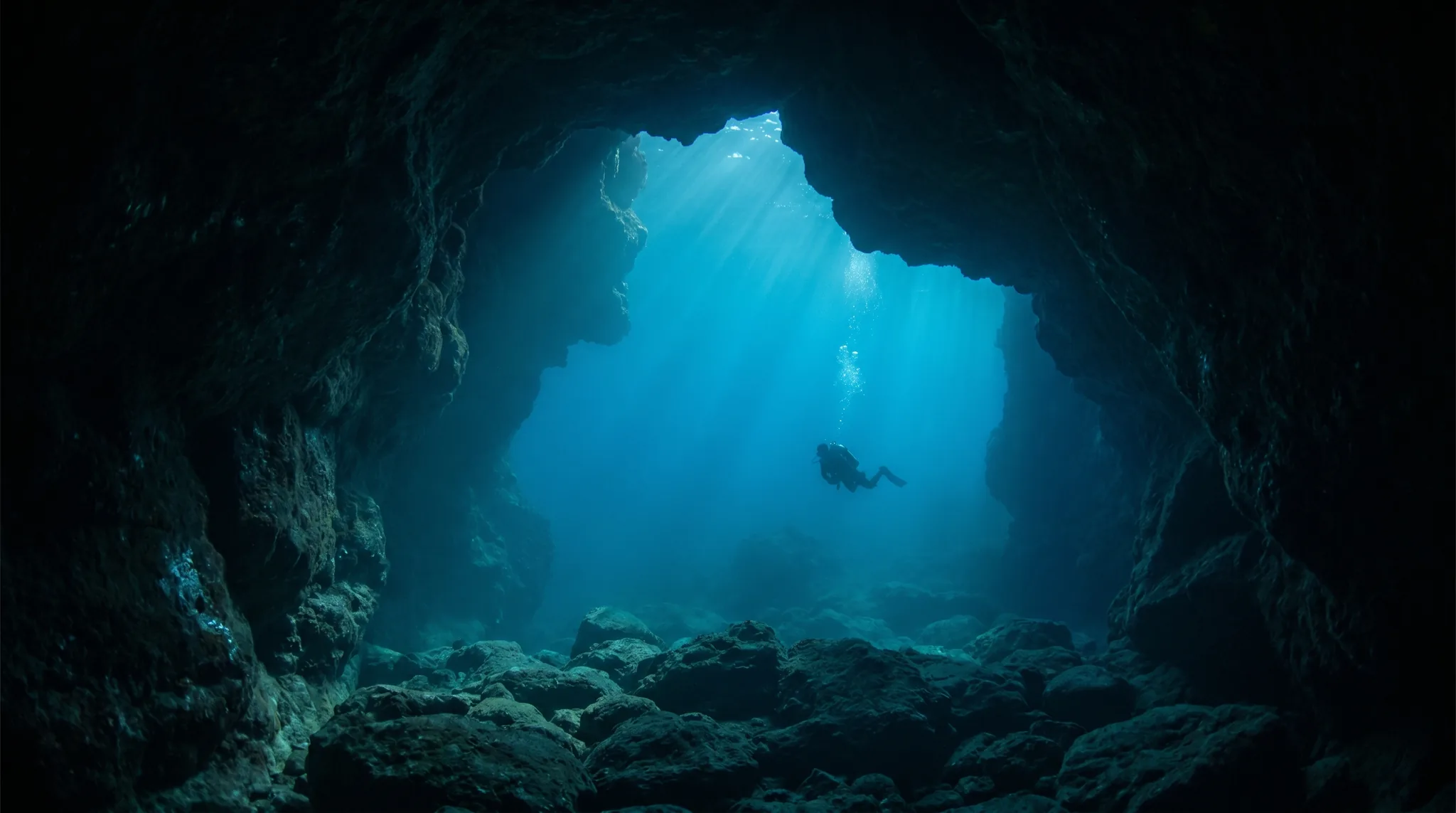
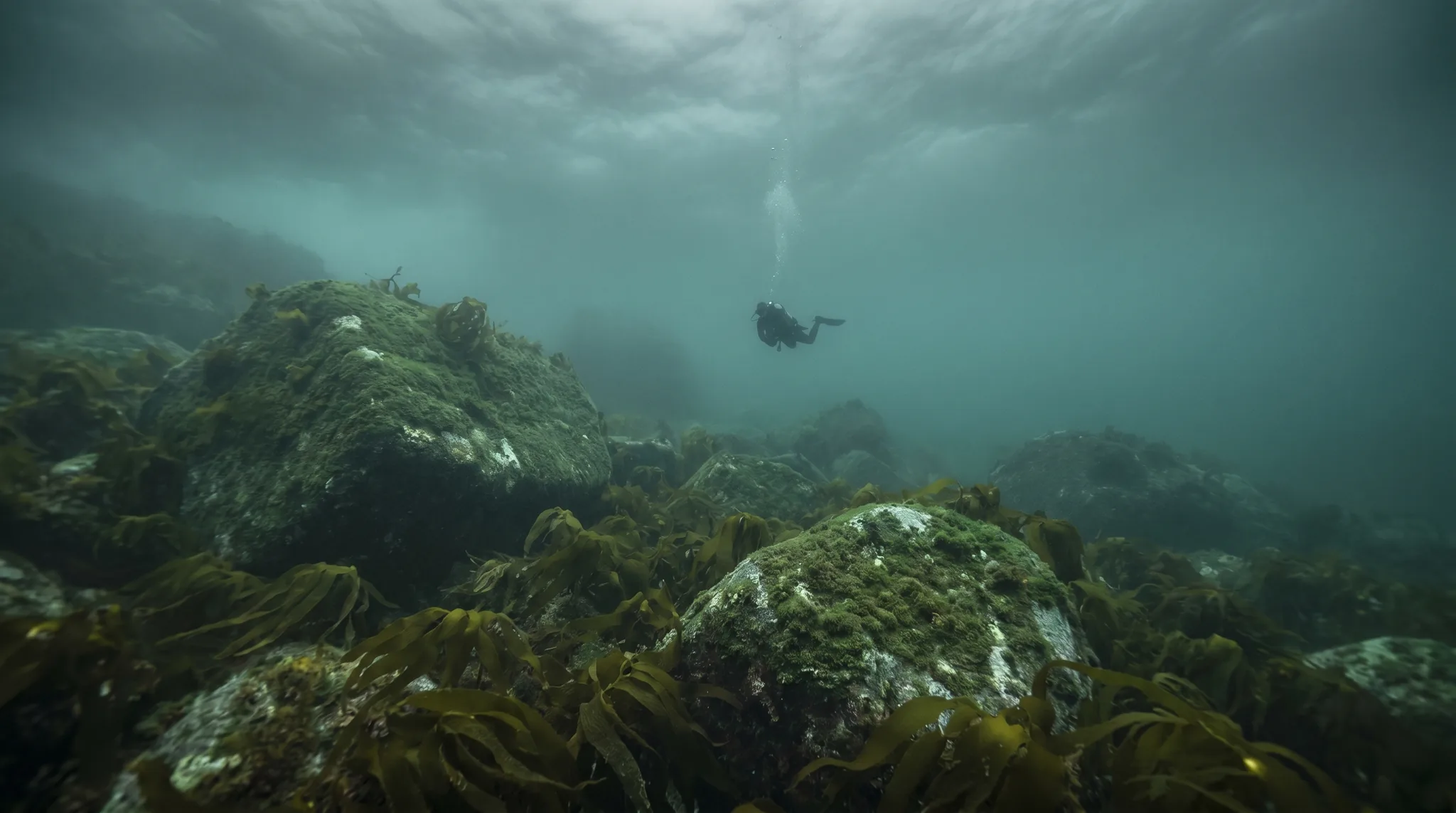
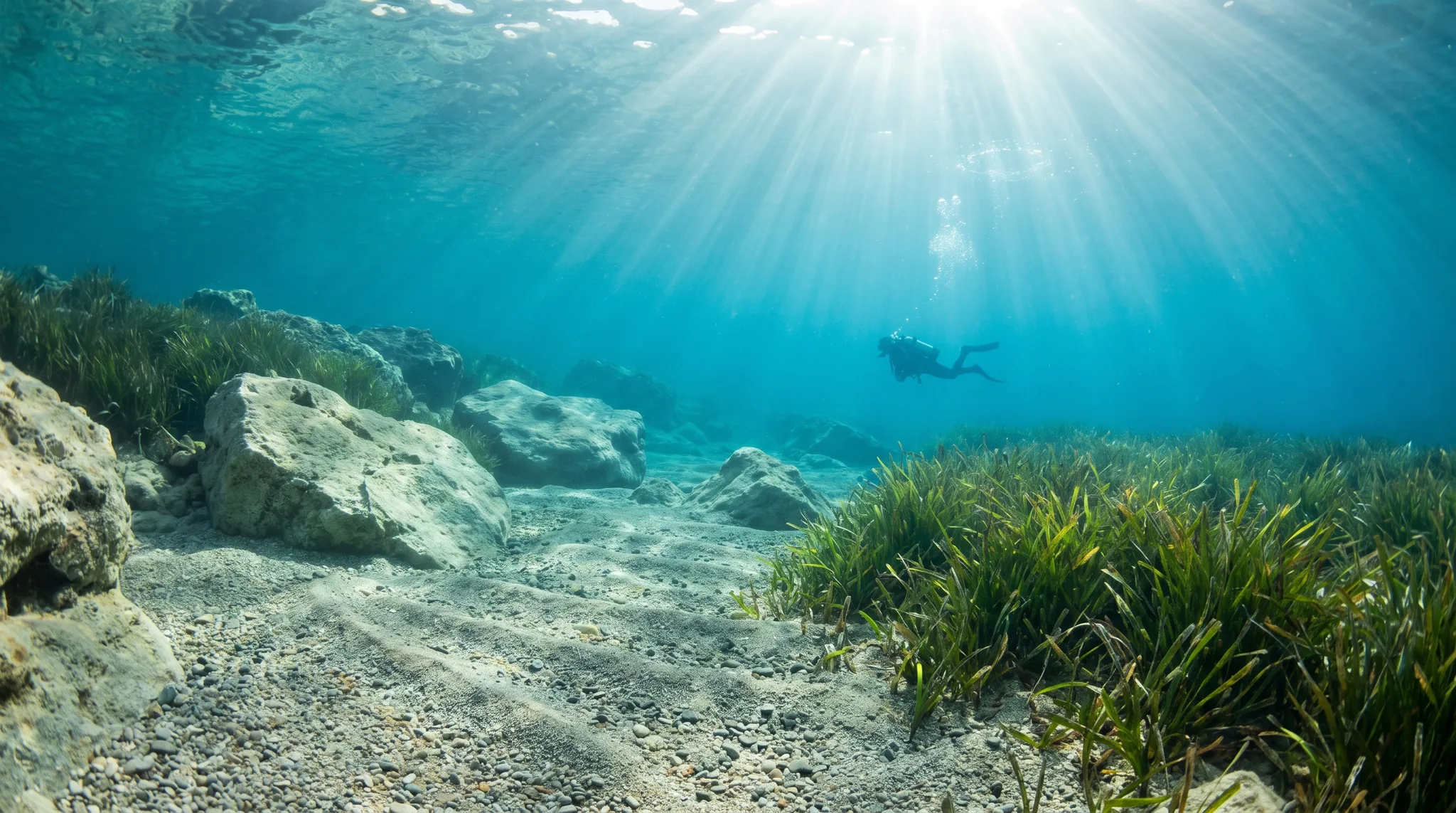
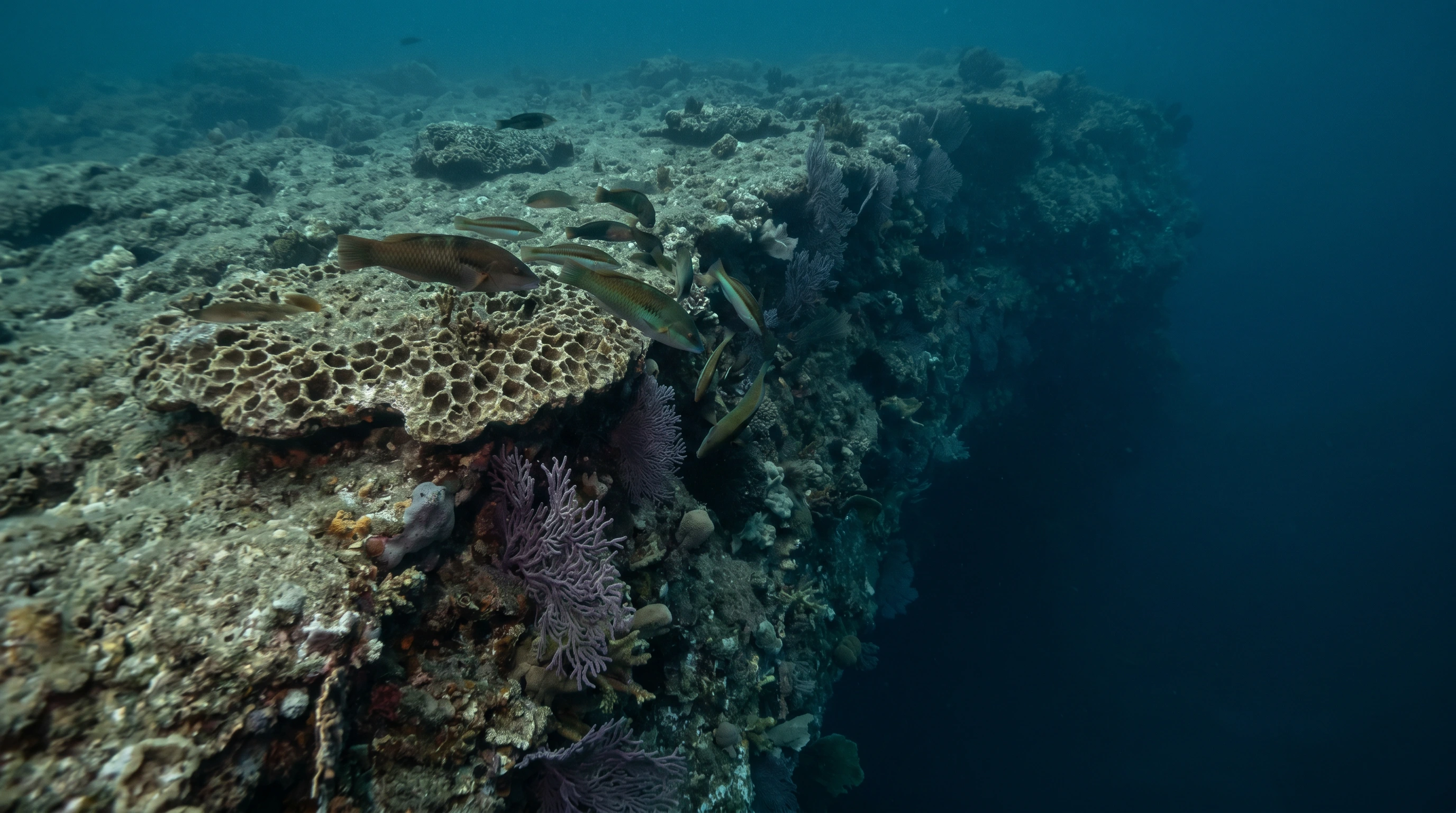
The region offers four main site characters: wrecks, caves, walls, and mixed reefs. The wrecks range from the relatively accessible Le Chaouen to the deep and technically demanding La Drome and Le Junker 88, which is an aircraft wreck on the seabed. Wall dives such as Mur de l'Élevine and Tiboulen du Frioul suit intermediate divers, while cave sites like Veyron's Caves and Mejean add a distinct exploration element. Reef sites such as Le rocher Cacaveaux also include seagrass habitat.