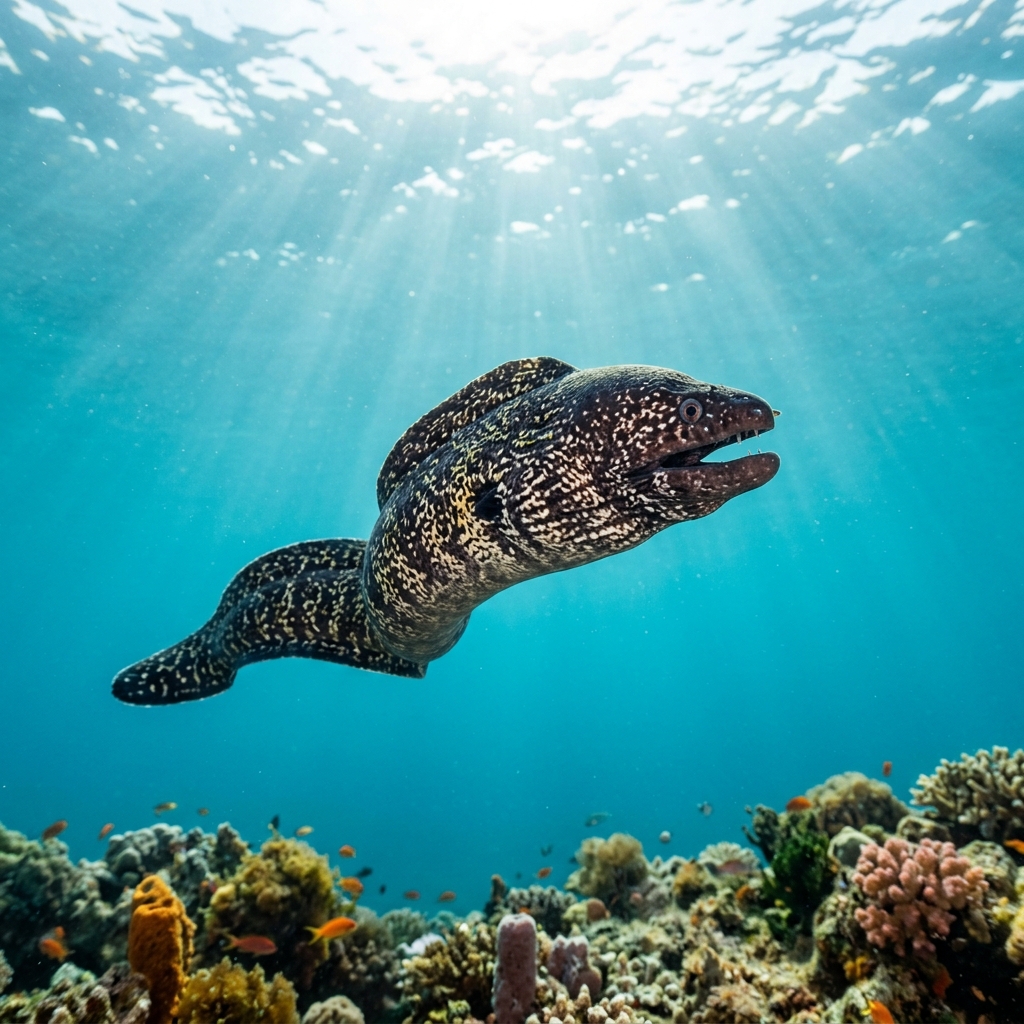
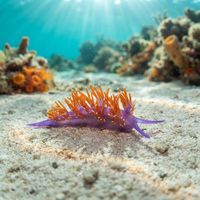
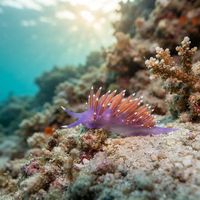
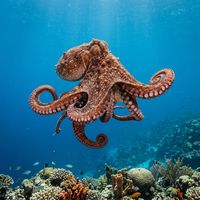
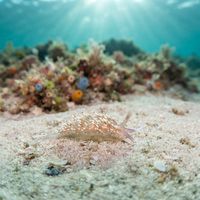
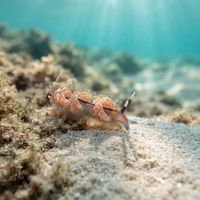
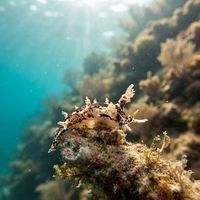
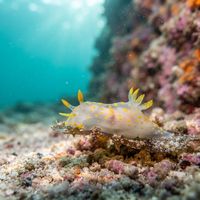
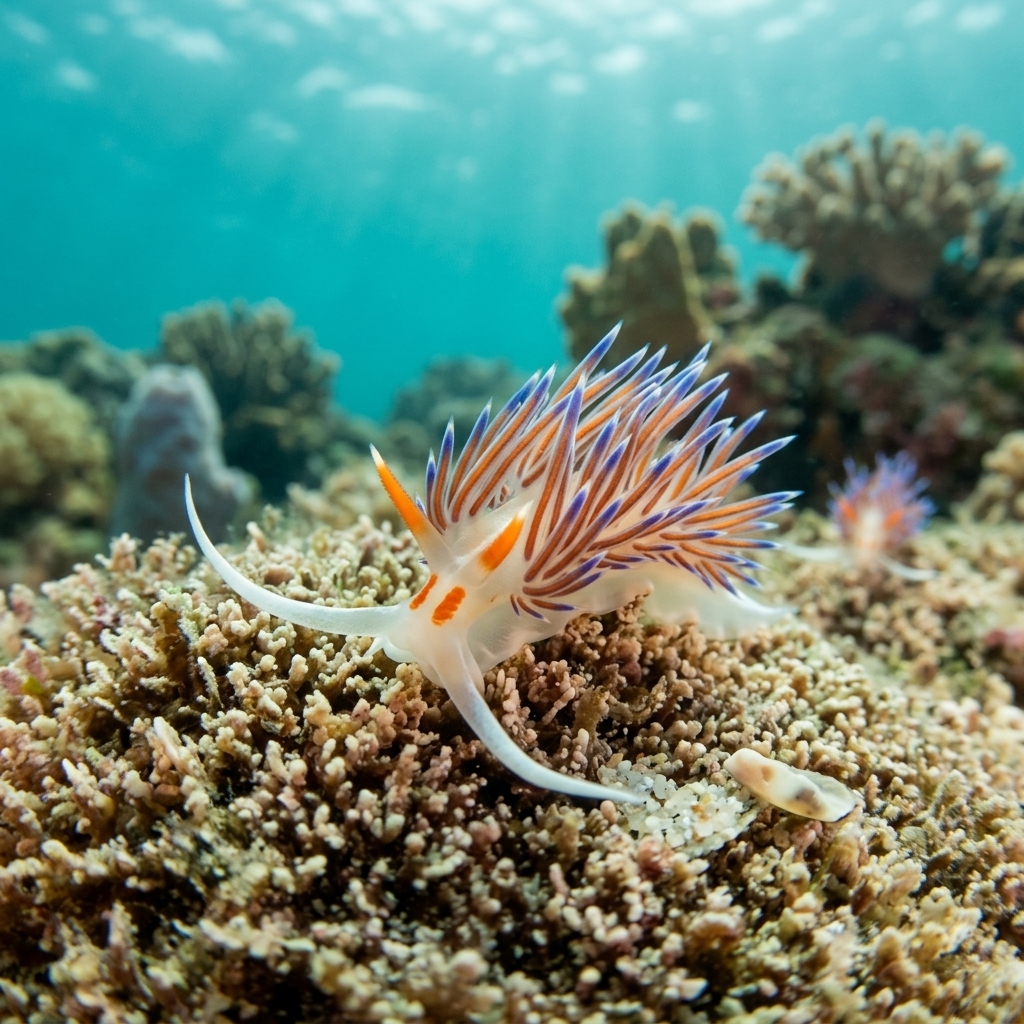
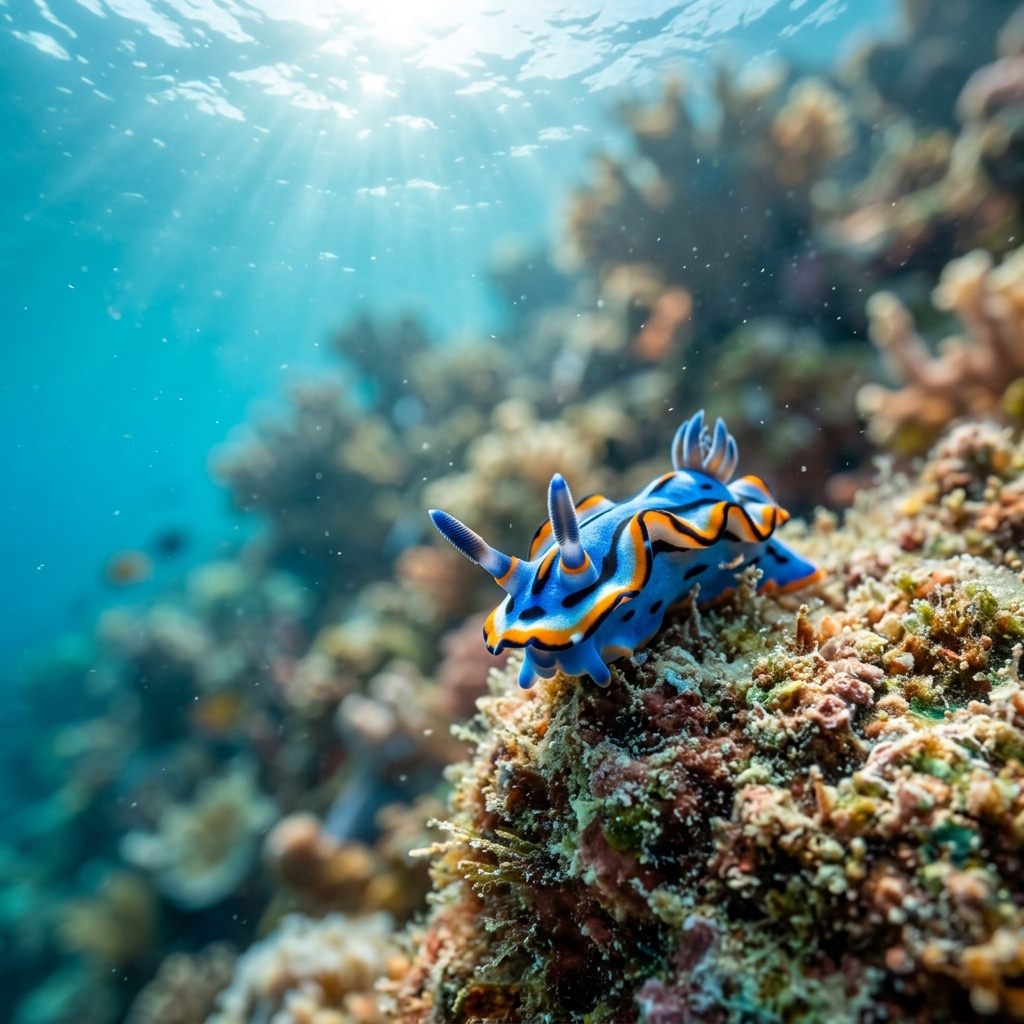
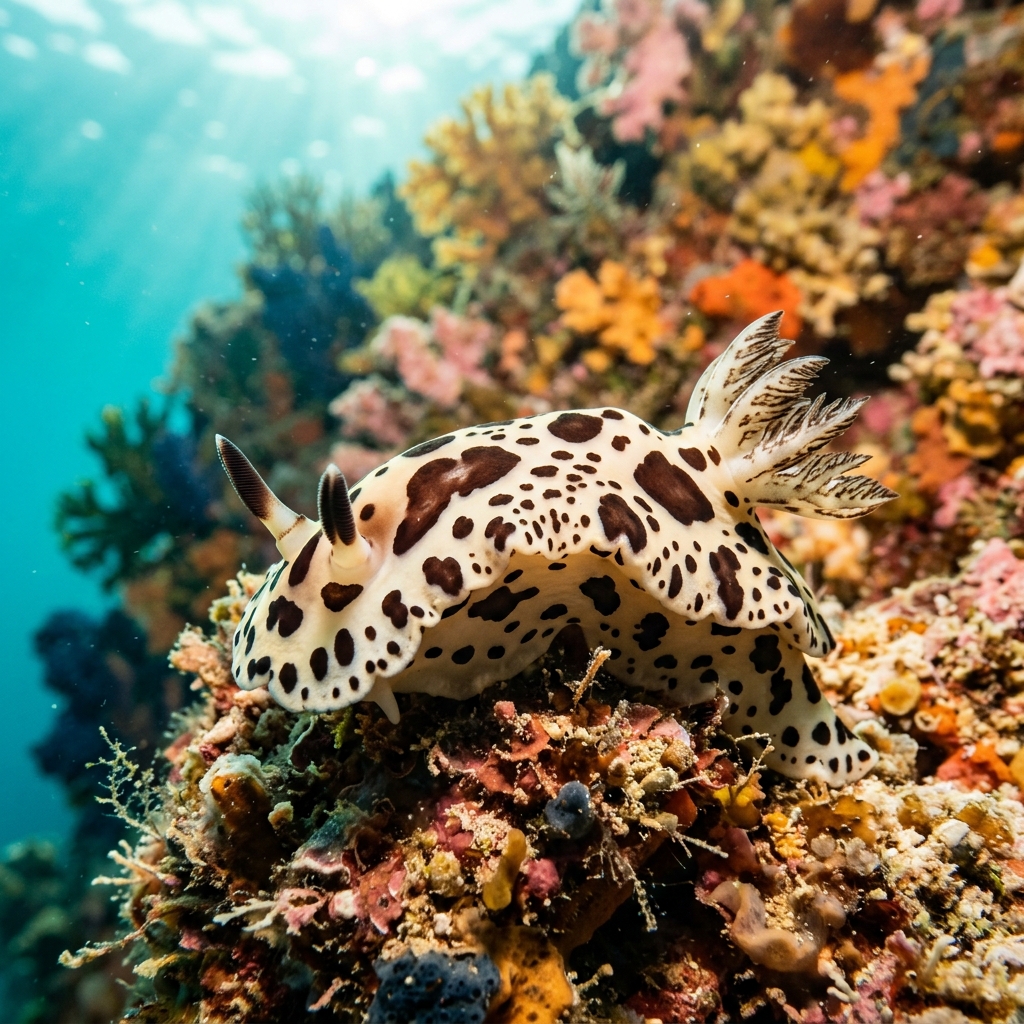
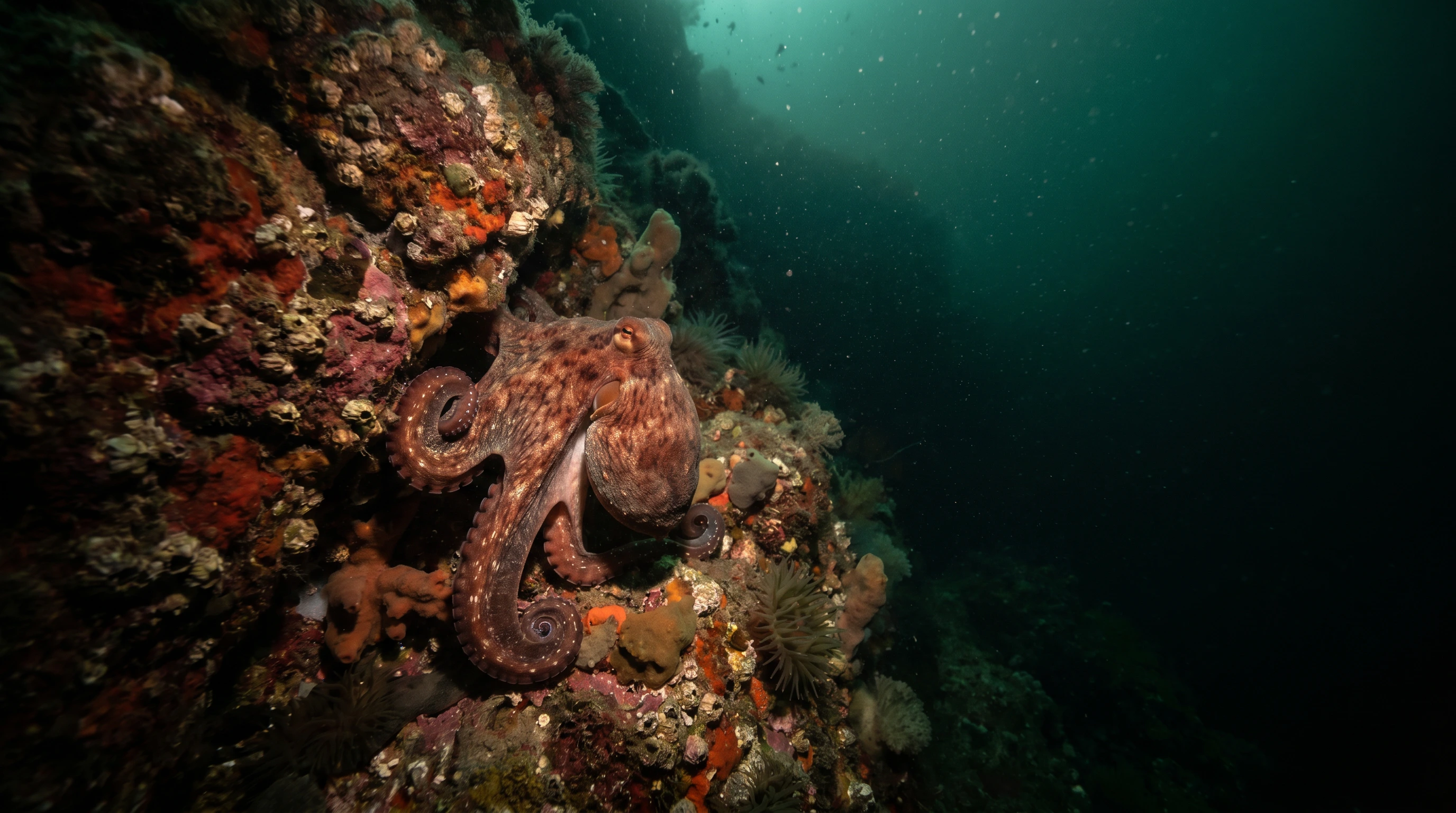
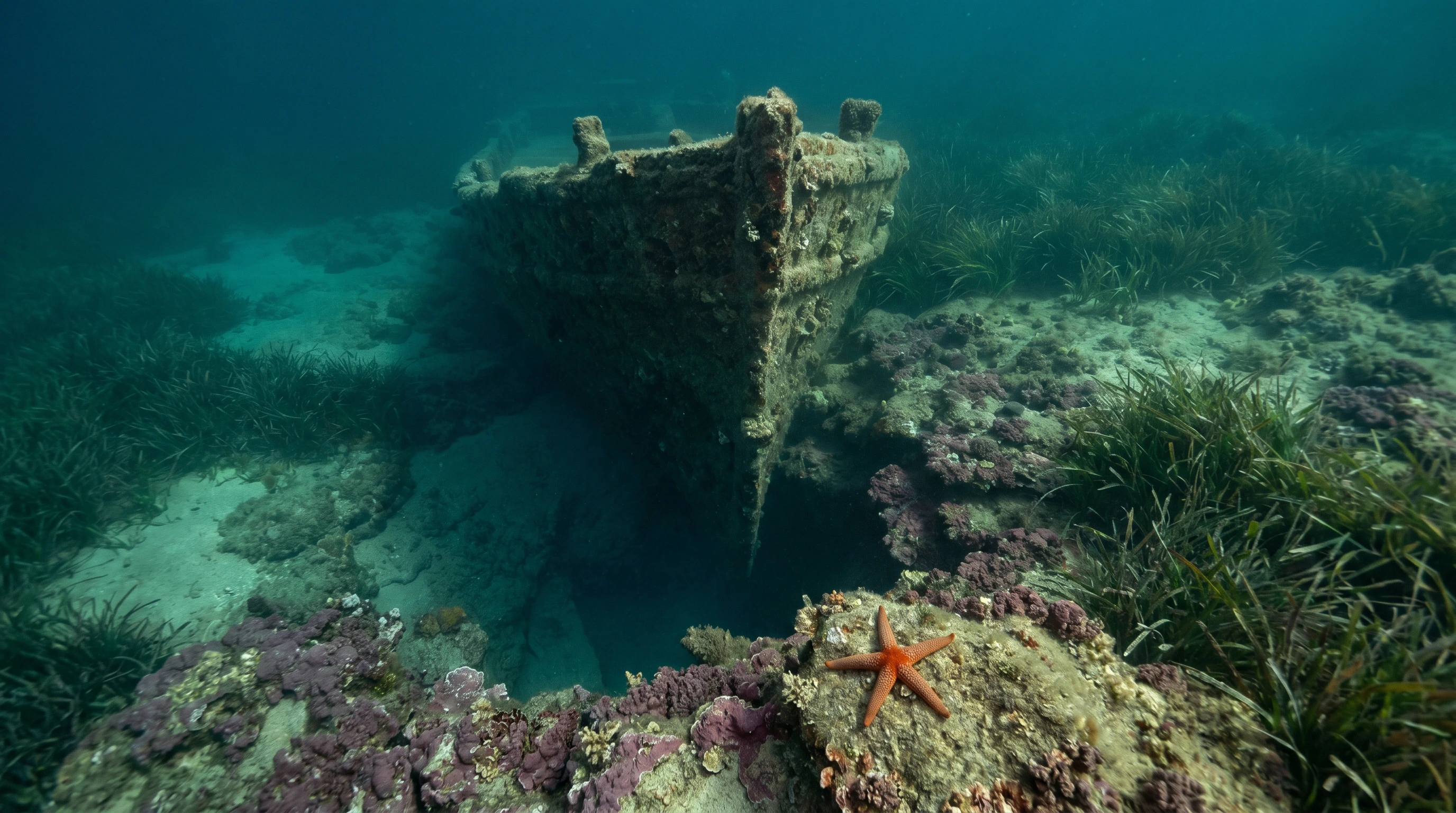
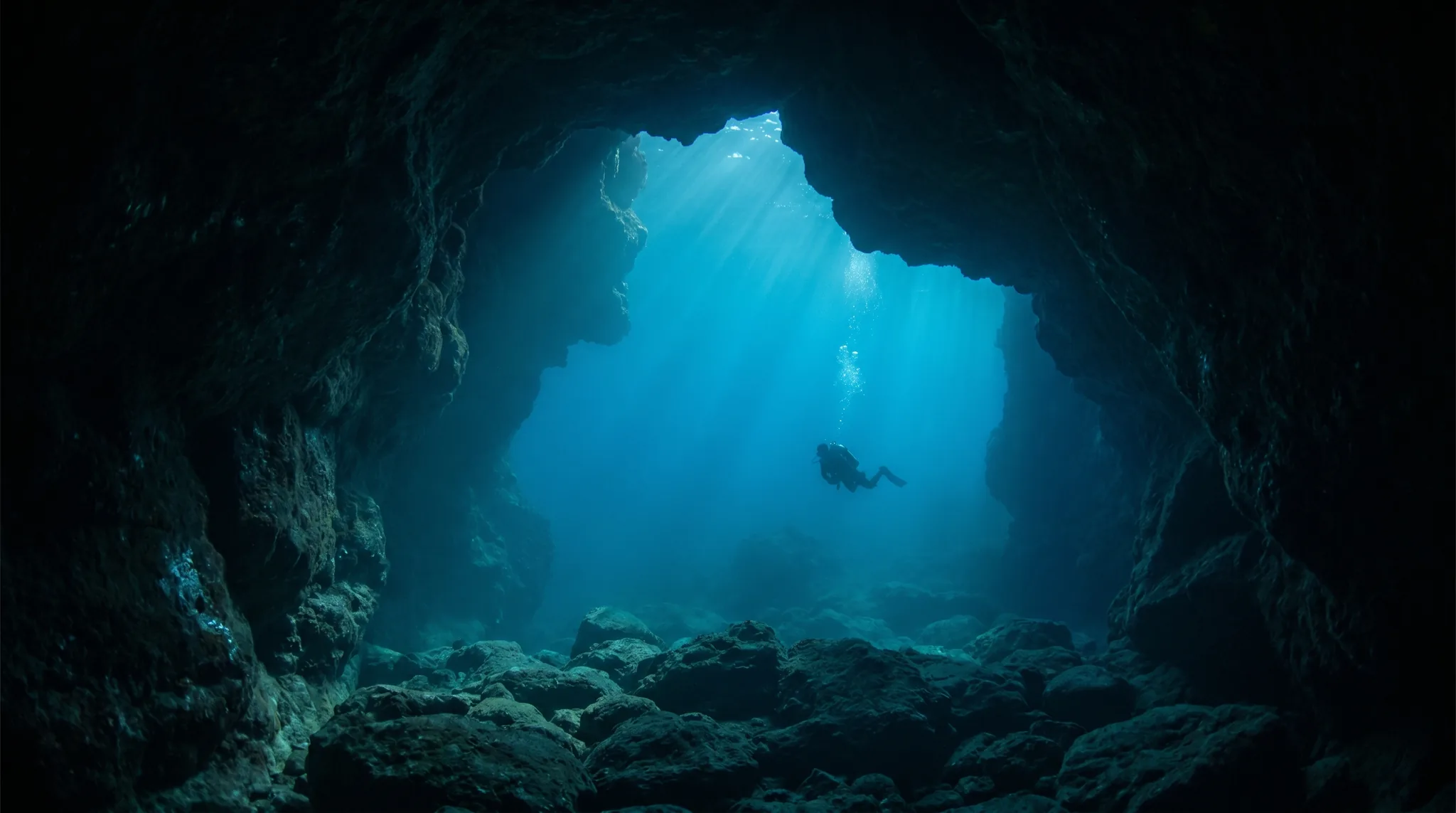
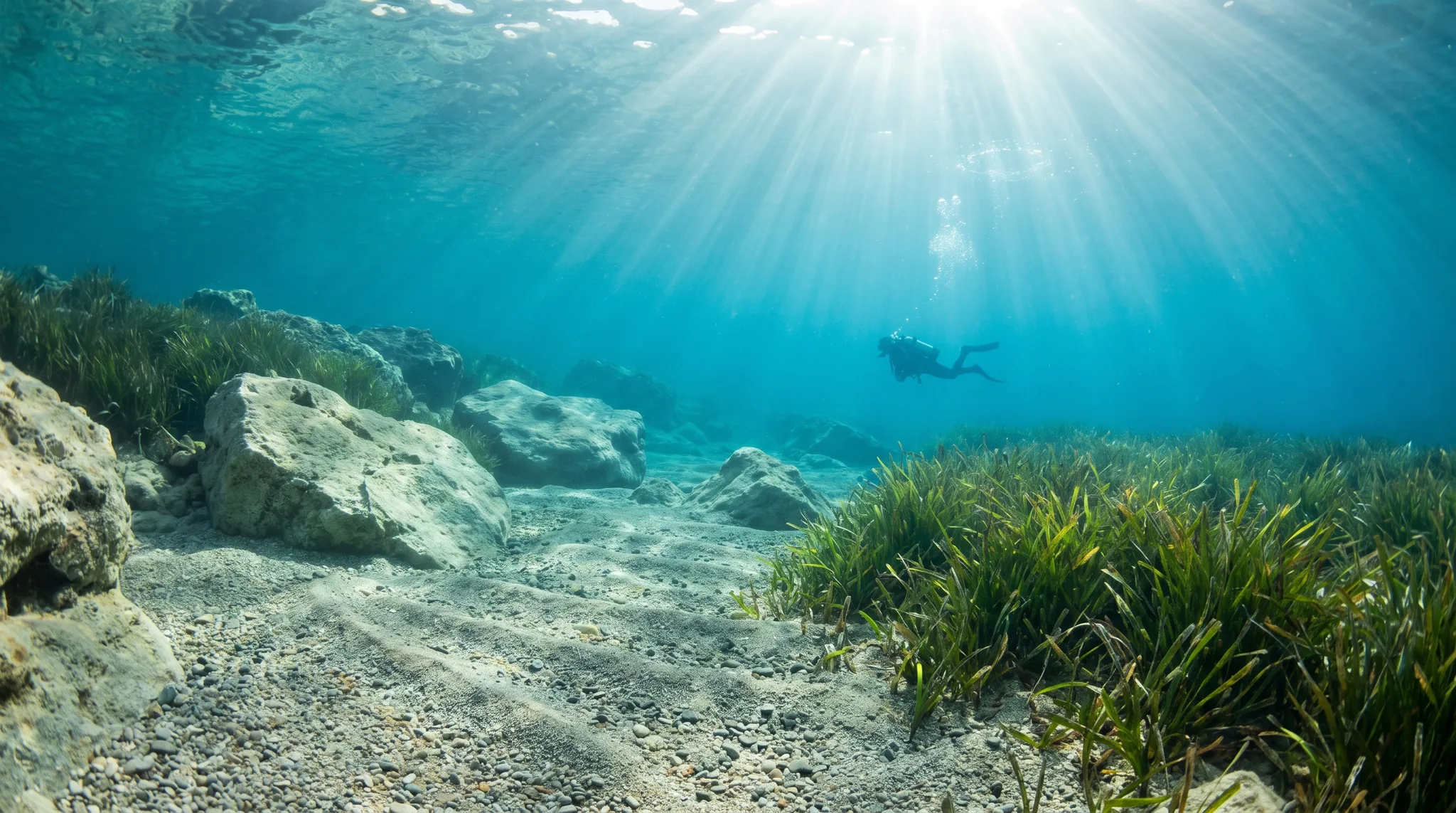
Île Saint-Honorat punches well above its size as a dive destination. The site mix skews strongly toward advanced diving, with deep reefs, walls and drop-offs dominating. Wrecks and artificial structures add variety, while a remarkable diversity of nudibranchs and sea slugs sets this area apart. The Mediterranean Moray is consistently encountered across sites, and the Common Octopus is reliably observed throughout the reef system.
Monthly water temperature across Île Saint-Honorat's sites, from satellite sea-surface data corrected for depth. The band shows the site-to-site spread.
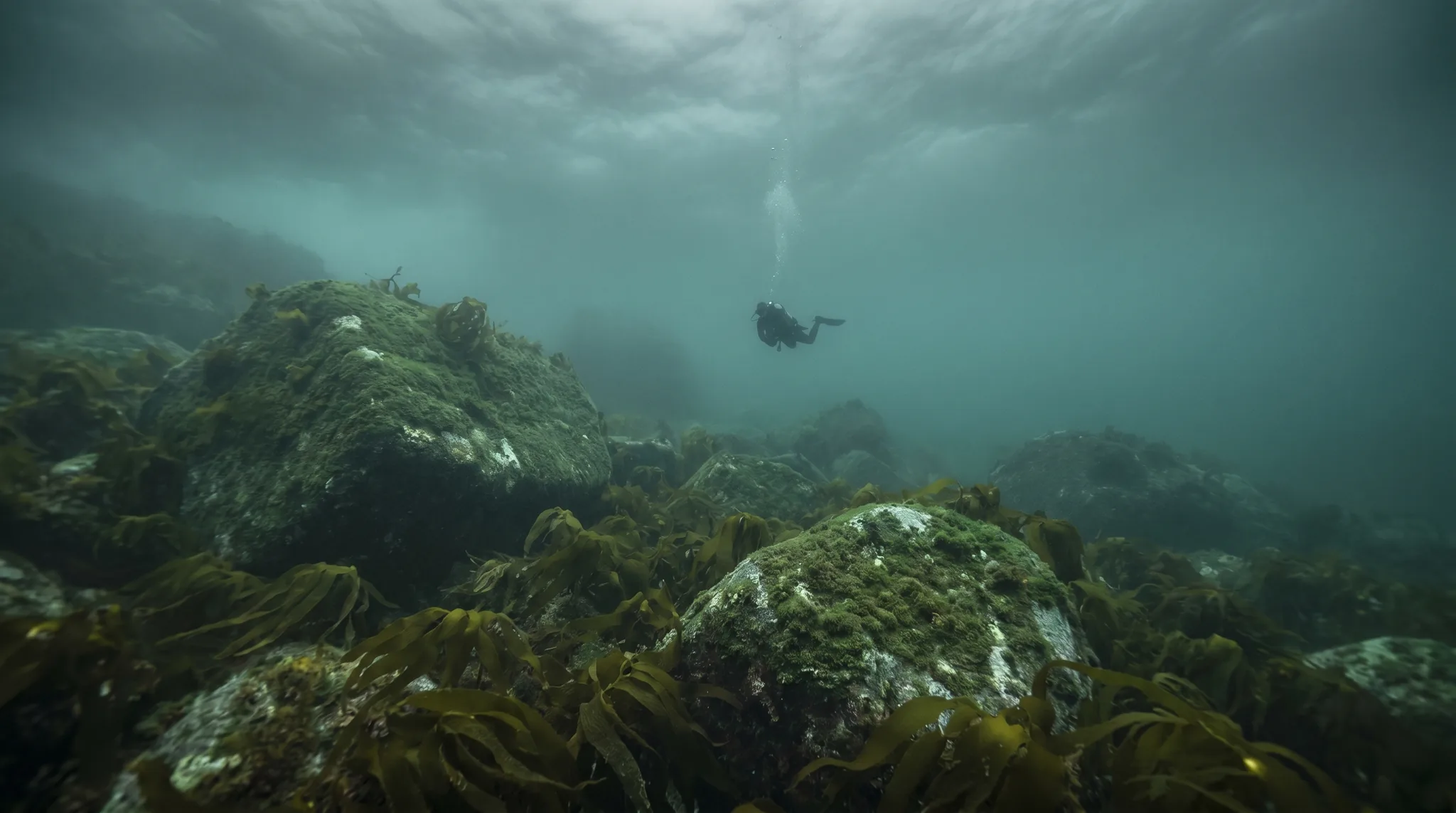
Water temperatures are coolest from winter through early spring, warming steadily into summer and peaking in late summer before easing off through autumn. Diver activity concentrates heavily from late spring through September, reflecting both warmer water and settled conditions. The range of deep walls and technical sites means exposure to current and depth is a real consideration for much of the year.
21 operators
France
Saint-Raphael, France
28 more sites to explore
Water temperature around Île Saint-Honorat ranges from about 14°C in January to 20°C in August, based on satellite sea-temperature data for its dive sites.
In the warm season (about 20°C) a 5mm suit is comfortable in Île Saint-Honorat; in the coldest months (about 14°C) step up to a 7mm or semi-dry suit.
Fin maps 40 sites in Île Saint-Honorat (36 scuba diving sites and 7 snorkelling spots, with some suited to both).
Across Île Saint-Honorat's dive sites, June, July, August and September are most often reported as the best months to visit.
The nudibranch life here is the standout feature, with species including Flabellina Ischitana, Violet Sea Slug, Cratena Slug, Splendid Elysia, Facelina Rubrovittata and the Fourline Nudibranch all regularly observed. The Mediterranean Moray is very commonly encountered across the reef system, and the Common Octopus is a consistent find. Wrasse species such as Peacock Wrasse and Turkish Wrasse are frequently seen, alongside the Red Scorpionfish and Black-faced Blenny.
The majority of sites here are rated intermediate or advanced, with deep walls, drop-offs and technical profiles making up the bulk of the dive menu. That said, a handful of sites including Le Village, Lion de Mer and L'Arche du Dramont are rated beginner-friendly and offer shallower, more sheltered diving. Beginners would benefit from choosing operators familiar with these specific sites.
The majority of sites are boat-access only, which is typical given the offshore nature of many of the deeper reefs and walls. A smaller number of sites, including Lion de Terre and Lion de Mer, offer the option of either boat or shore entry. Several local operators serve the area, including Club de plongée d'Agay, Dive Is Fun, CIP Fréjus and Centre de plongée du Dramont.
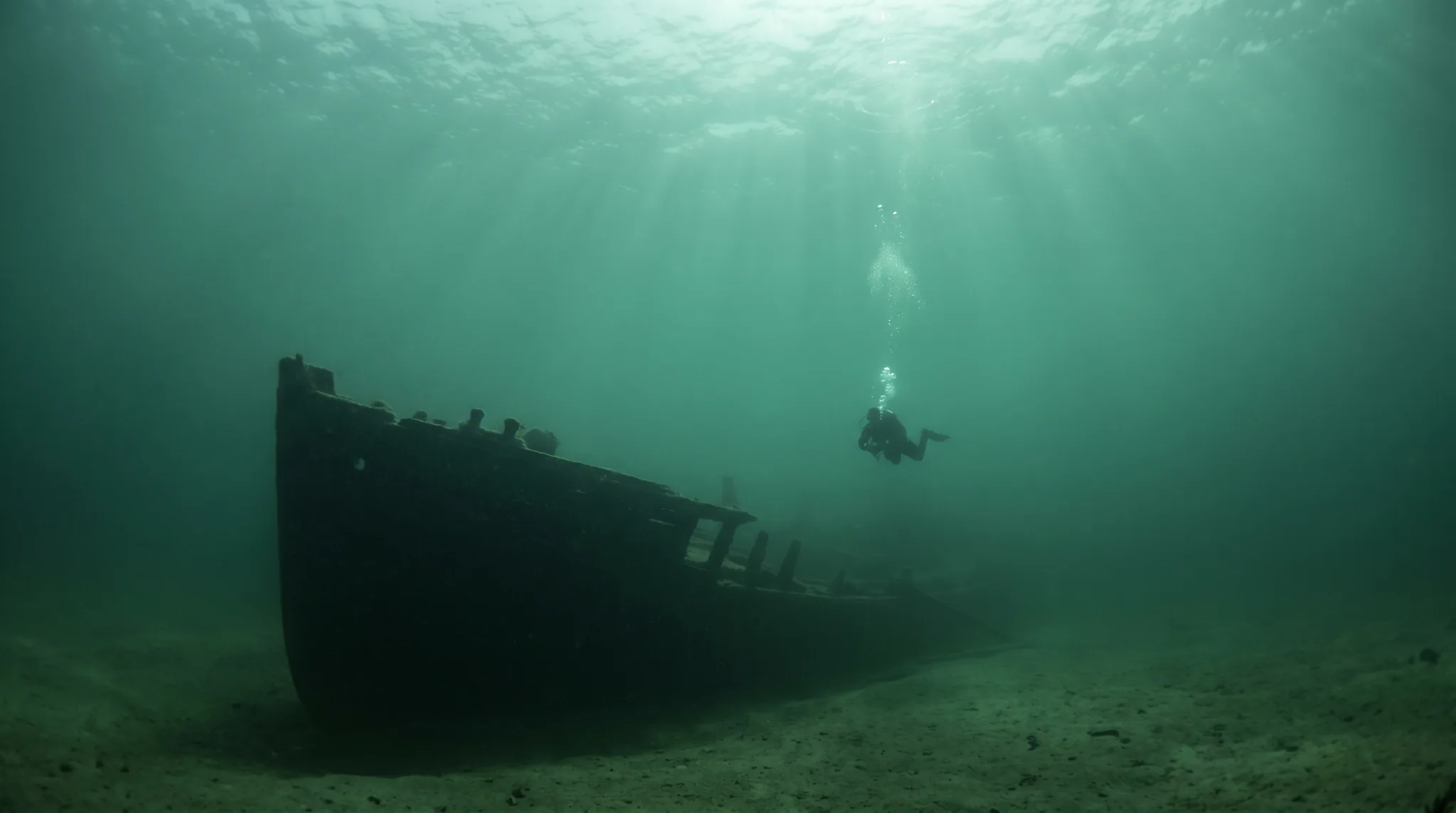
The area offers considerable variety: deep reef and wall dives, drop-offs, caves, pinnacles, wrecks and artificial reef structures. Les Portes de l'Atlantide and La Theiere are classic wall and drop-off dives for advanced divers, while Le Village stands out as an artificial reef formed from the remains of small film-set structures. Grotte à Corail provides a cave and reef combination accessible to intermediate-level divers.