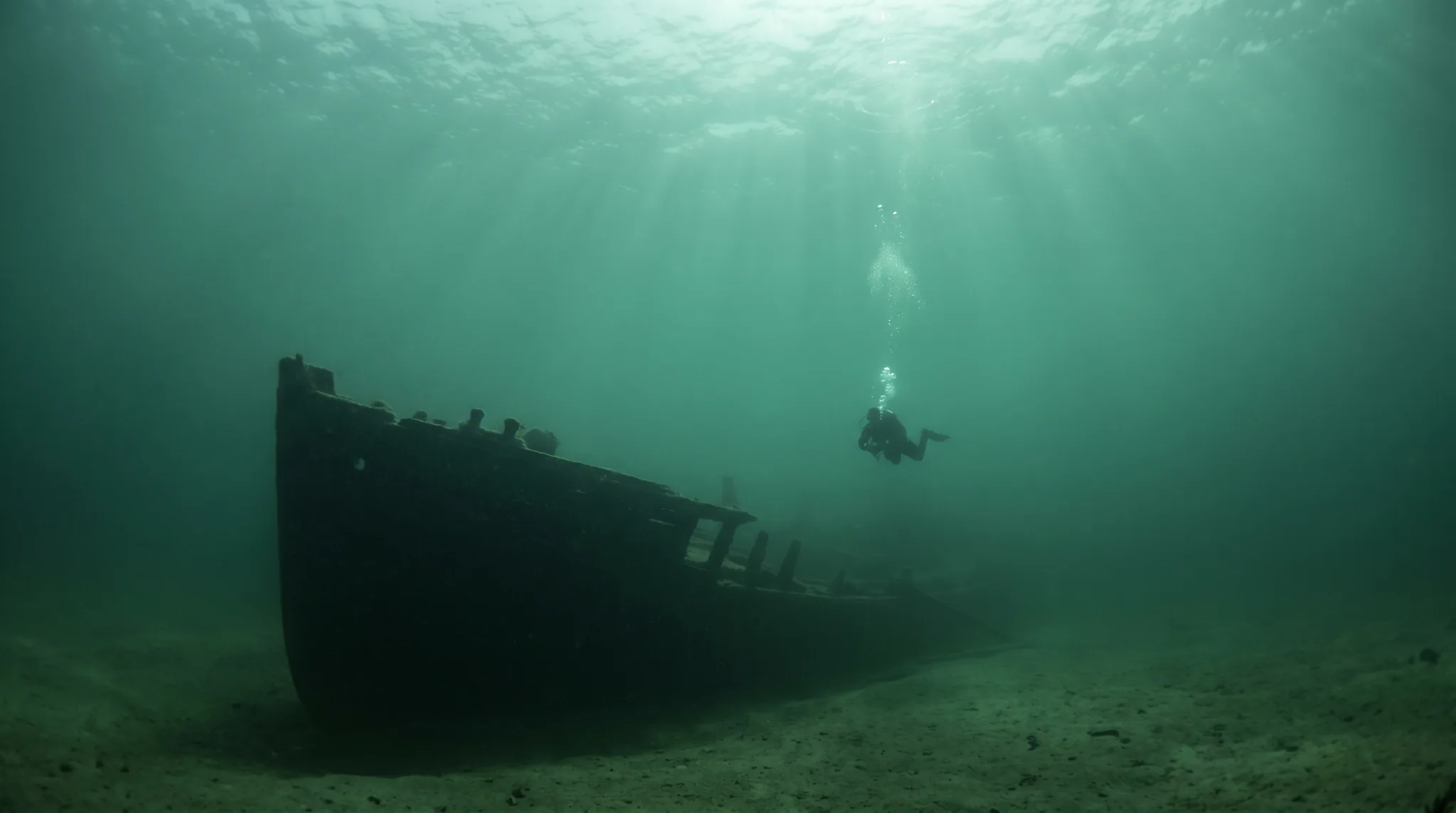
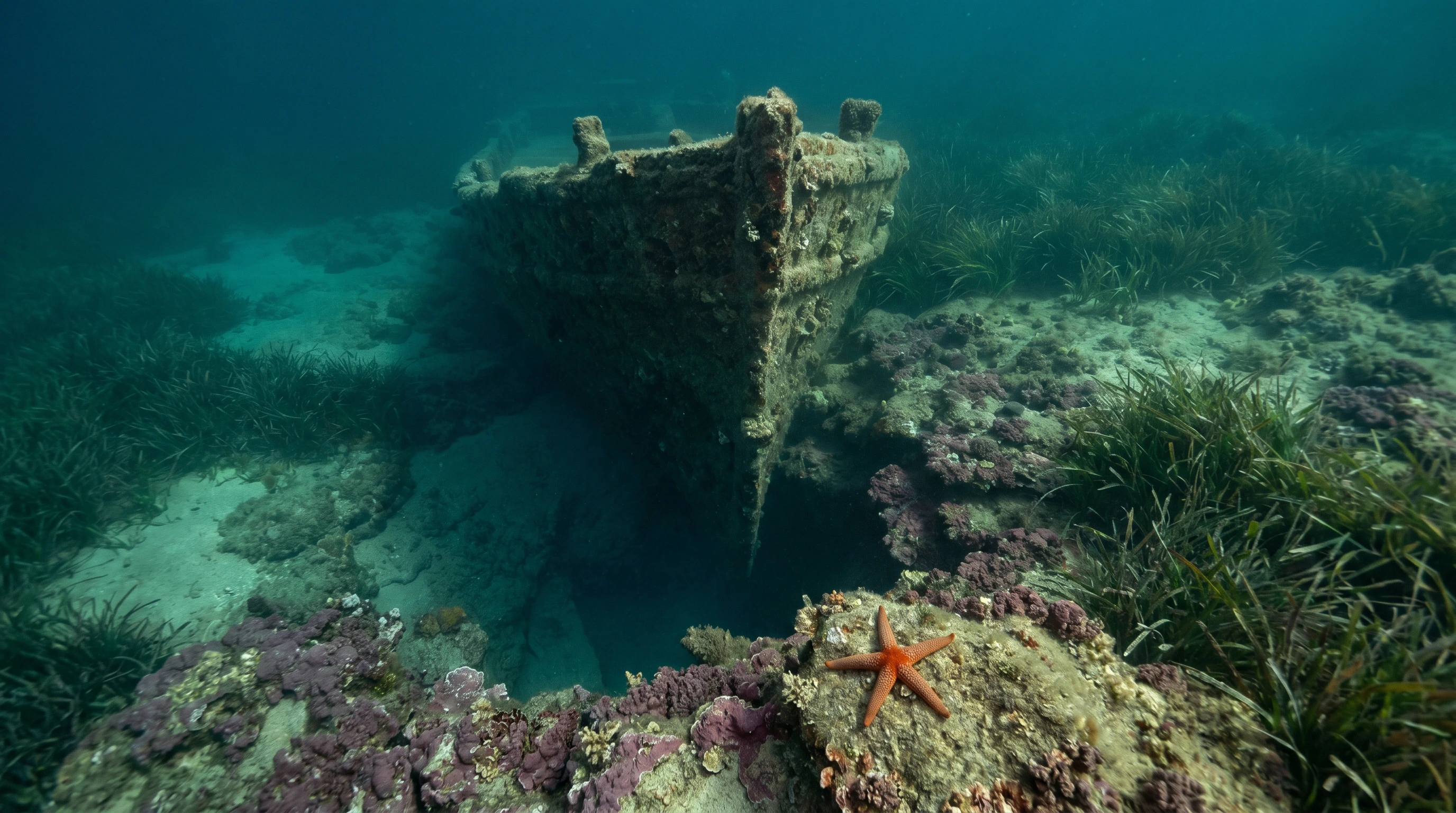
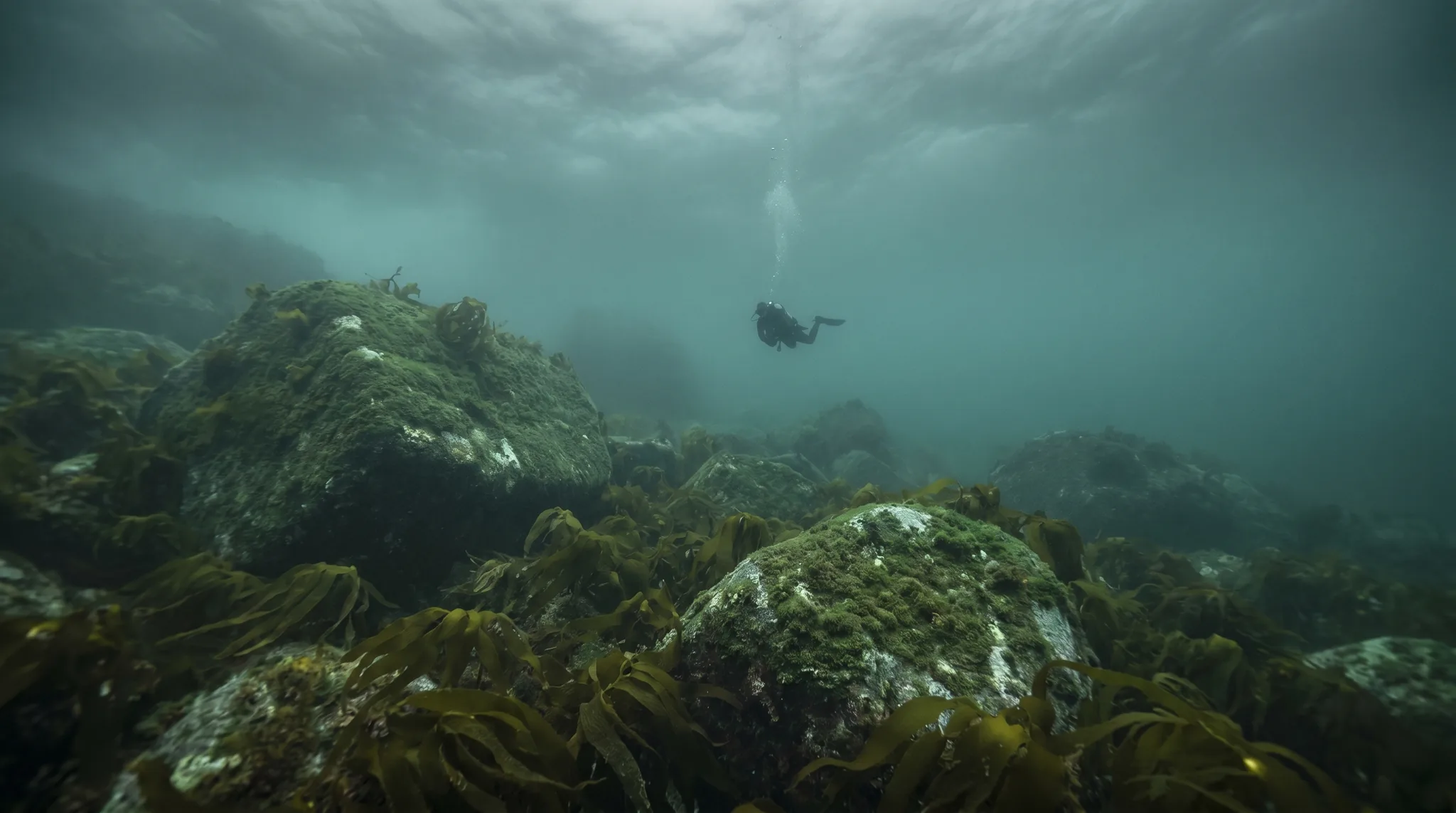
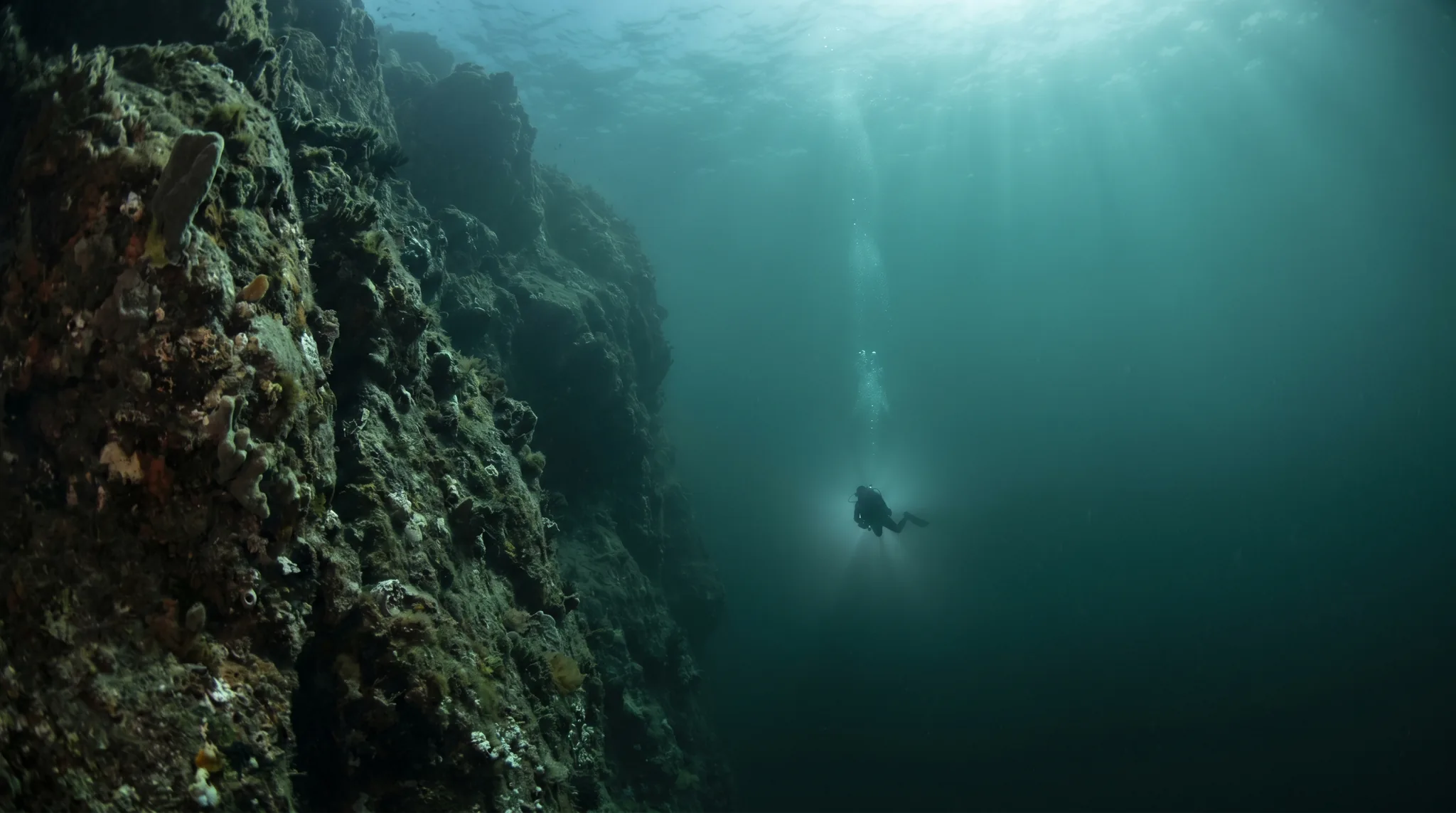
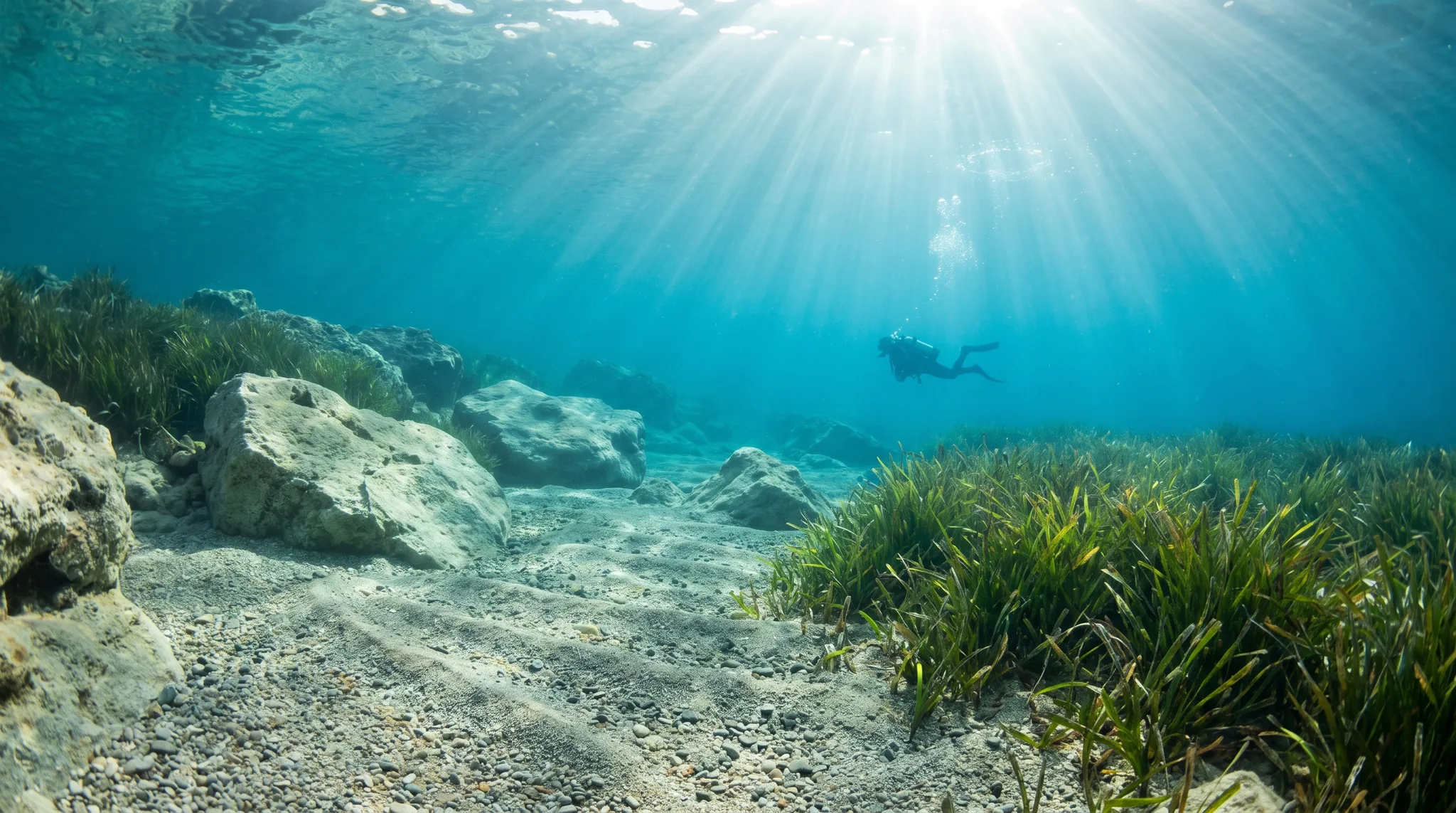
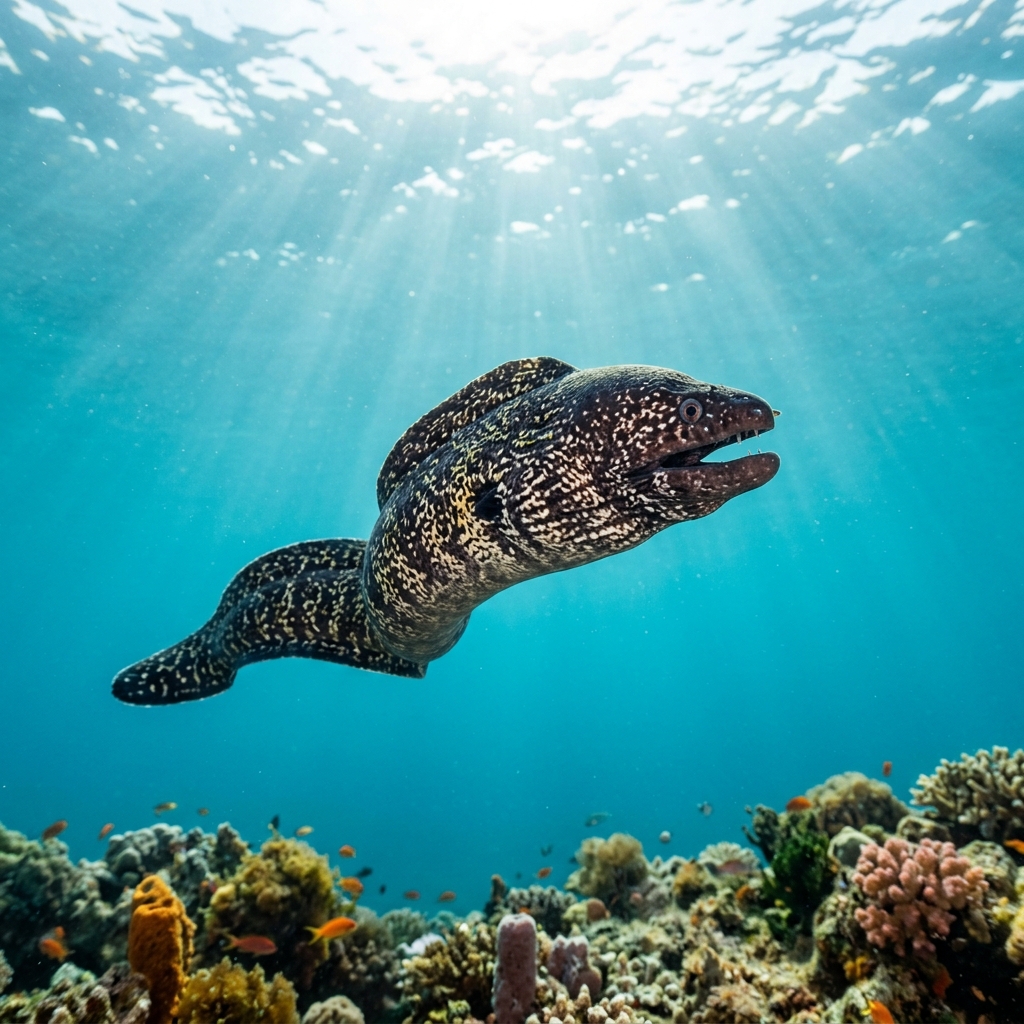
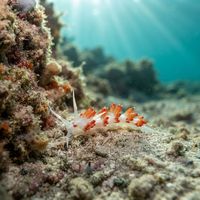
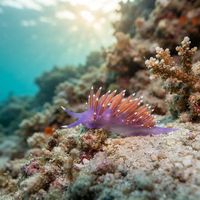
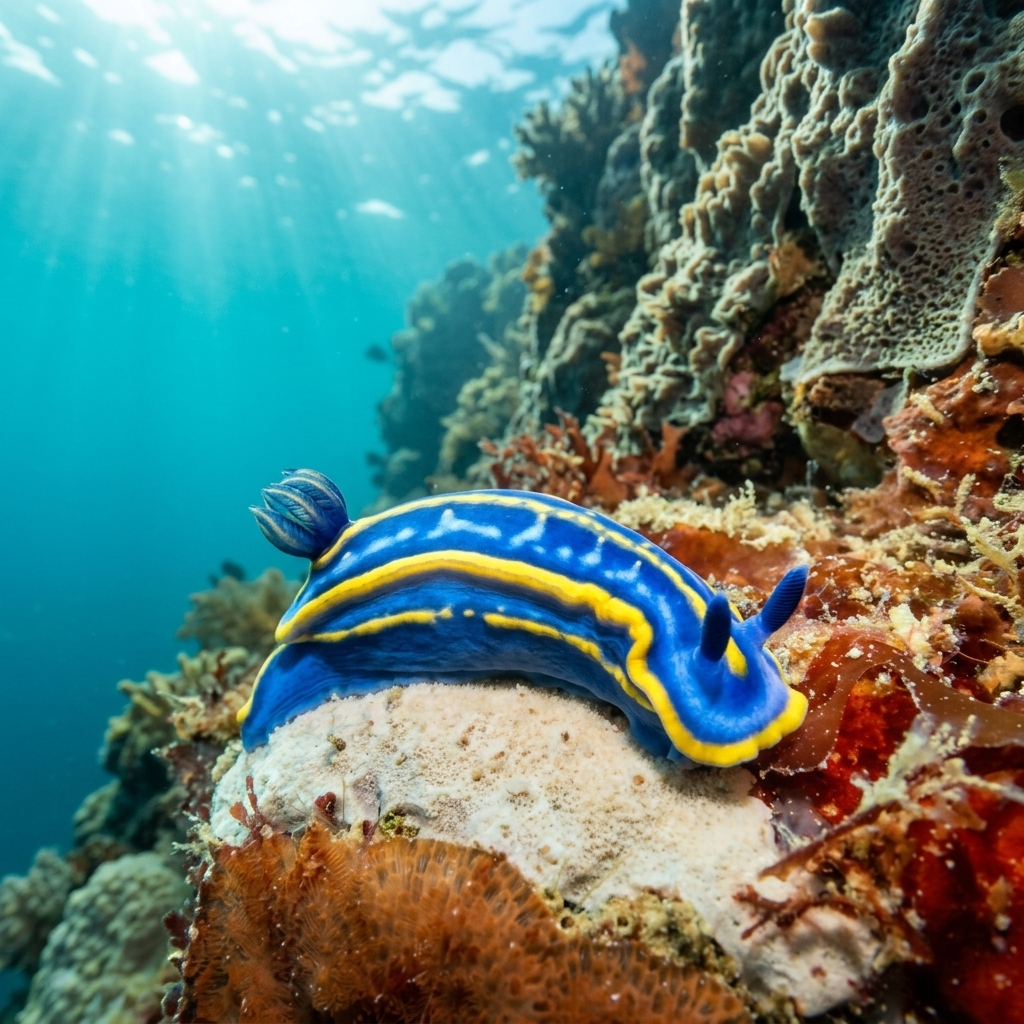
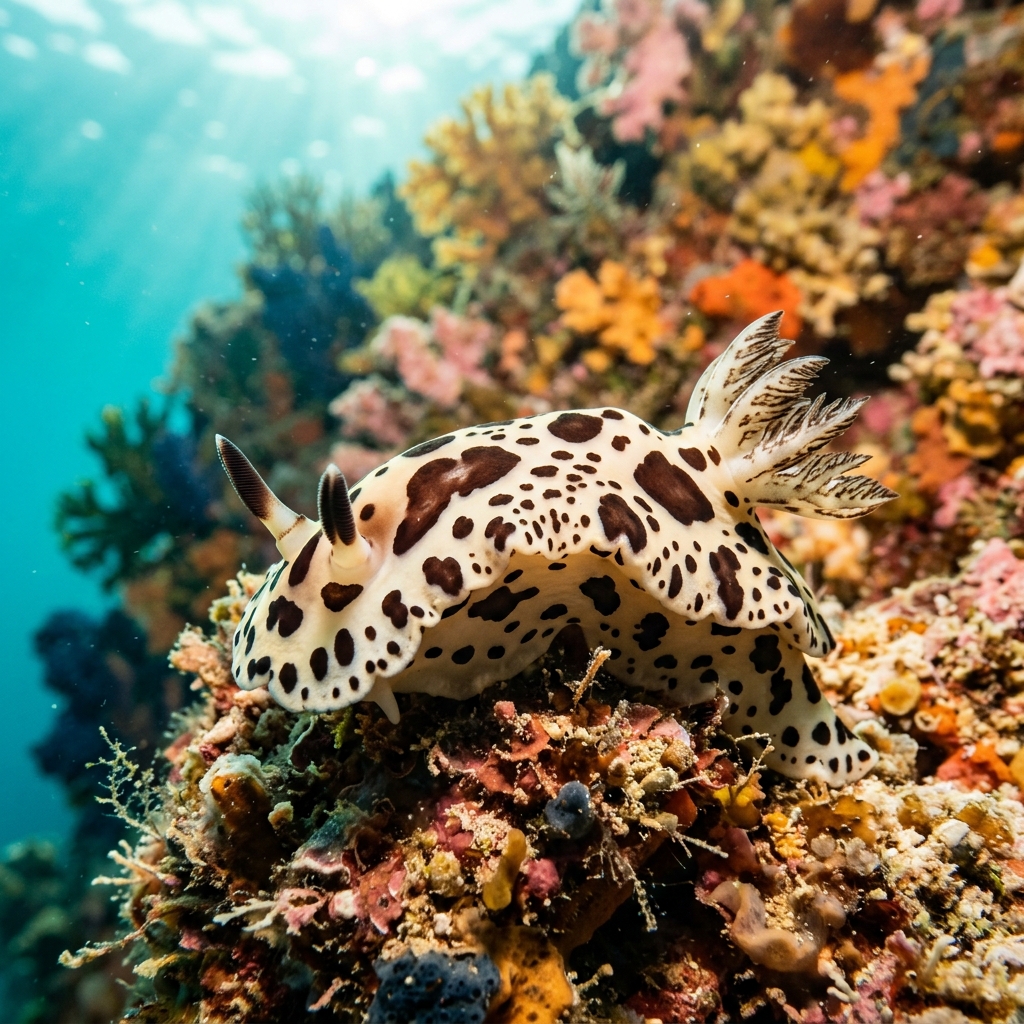
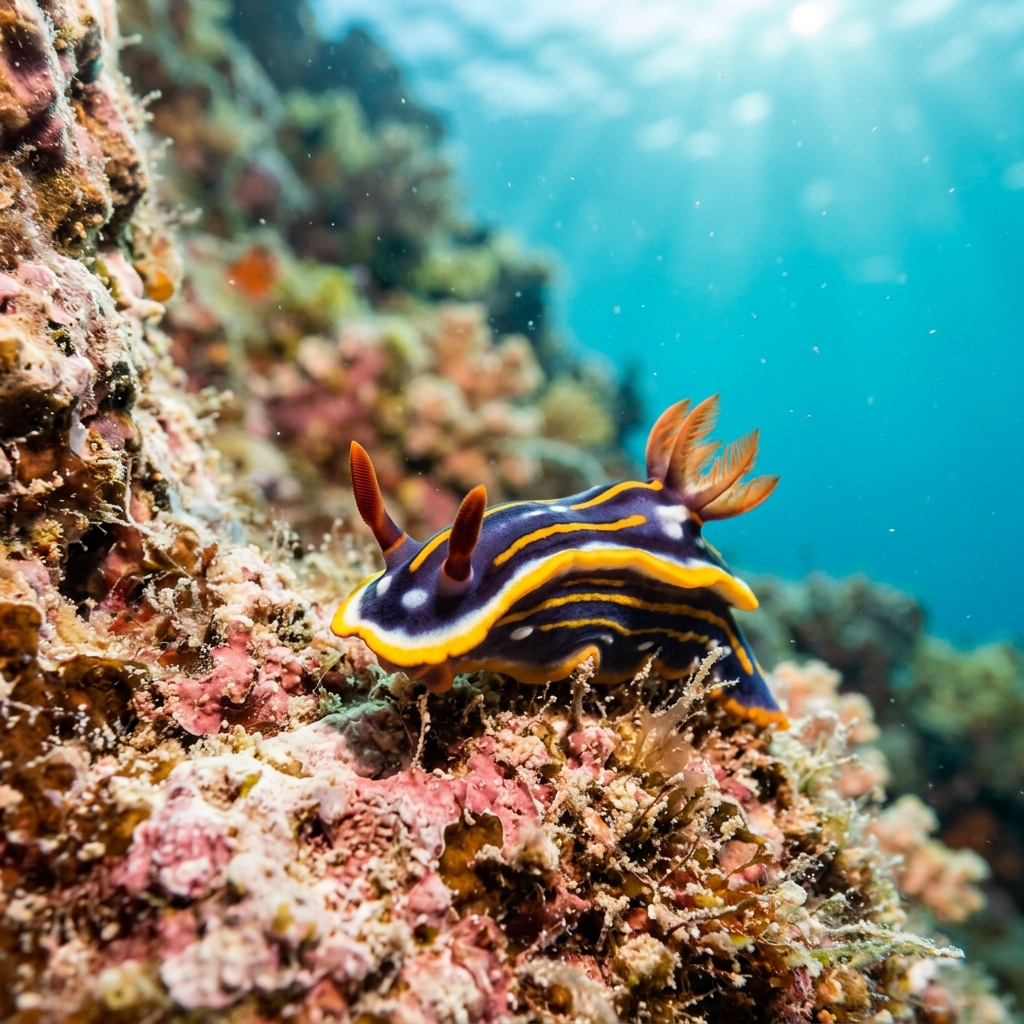
Île Sainte-Marguerite offers a compact but varied dive portfolio built around reef walls, drop-offs, canyons and seagrass beds, ranging from shallow shore entries to serious deep sites for technical divers. Nudibranch diversity is a standout feature, with species such as Flabellina Cavolini and Tricolor Doris observed across many sites. The Common Octopus and Mediterranean Moray are reliably encountered, and wrasse species are abundant throughout.
Monthly water temperature across Île Sainte-Marguerite's sites, from satellite sea-surface data corrected for depth. The band shows the site-to-site spread.
Water stays cool through the winter and spring months, warming noticeably from June onward and peaking in July and August. Most dive activity clusters around the warmer summer months, though shoulder months either side offer quieter conditions. The deeper wall sites can be exposed to currents, while shallower reef and seagrass dives tend to be more sheltered.
10 operators

France
France
24 more sites to explore
Water temperature around Île Sainte-Marguerite ranges from about 14°C in January to 21°C in July, based on satellite sea-temperature data for its dive sites.
In the warm season (about 21°C) a 5mm suit is comfortable in Île Sainte-Marguerite; in the coldest months (about 14°C) step up to a 7mm or semi-dry suit.
Fin maps 35 sites in Île Sainte-Marguerite (30 scuba diving sites and 10 snorkelling spots, with some suited to both).
Across Île Sainte-Marguerite's dive sites, July and August are most often reported as the best months to visit.
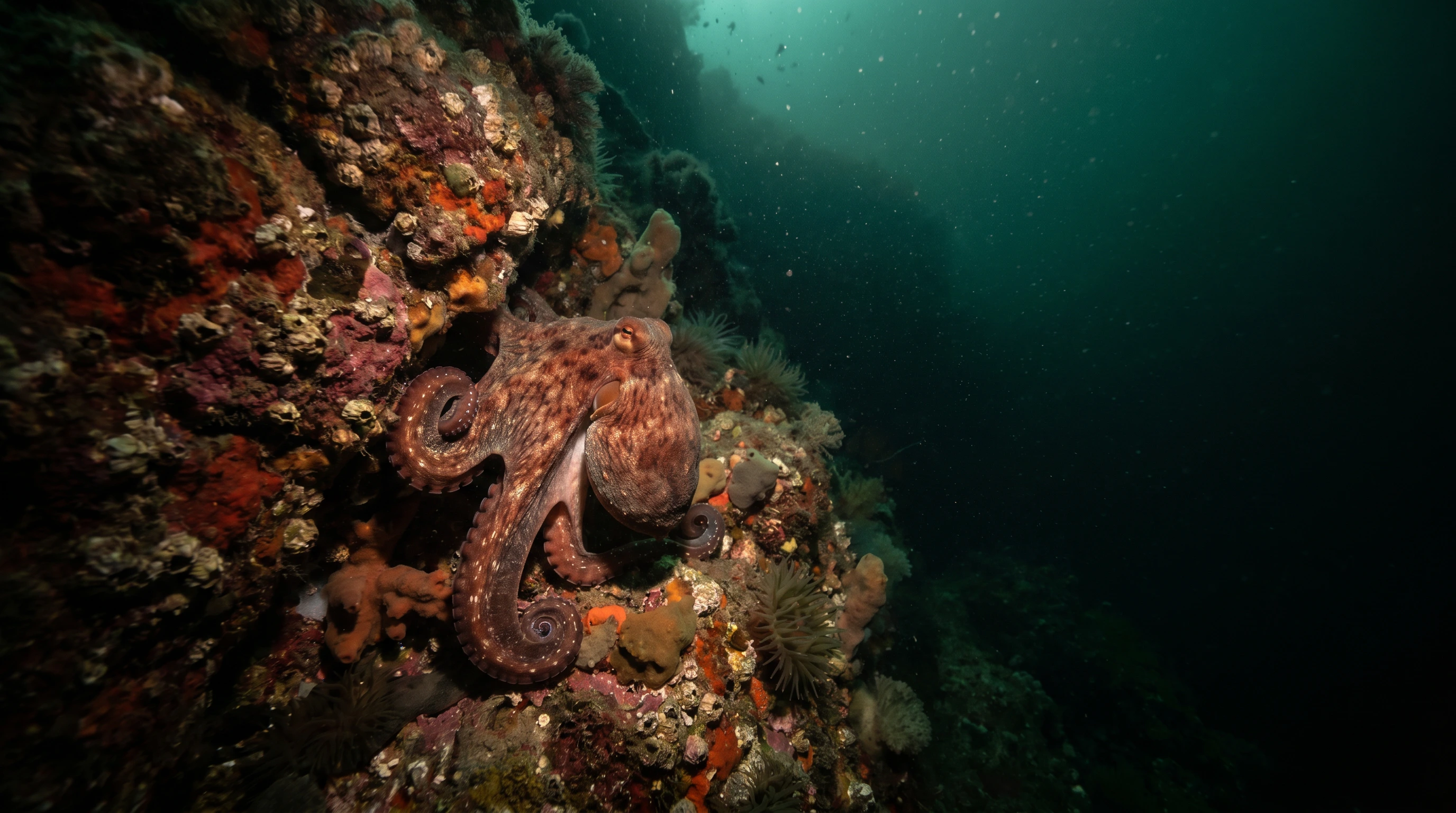
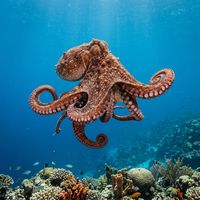
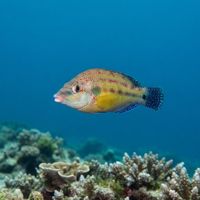
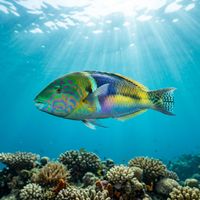
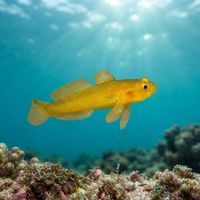
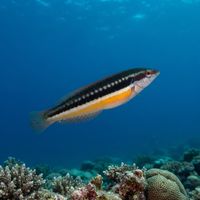
The island is particularly noted for nudibranch diversity, with Flabellina Cavolini, Violet Sea Slug, Tricolor Doris and Cratena Slug all observed across multiple sites. Larger encounters include the Common Octopus, Mediterranean Moray and Red Scorpionfish. Wrasse species are abundant throughout, including Peacock Wrasse, Turkish Wrasse, Five-spotted Wrasse and Mediterranean Rainbow Wrasse.
Several sites are rated beginner level, including La Rague, a shallow shore entry, and La Rourre and Batéguier, both accessible by boat. These offer gentler topography and moderate maximum depths. More advanced sites such as L'Arche, Le Masque and La Roche Fini Sud cater to experienced and technical divers seeking deeper walls and drop-offs.
A small number of sites, including La Rague, offer direct shore entry, making them convenient for divers without a boat. The majority of sites, however, require a boat, and there are several local operators based in the area who run guided trips. La Rague Diving Center and Centre De Plongée De La Rague are among the operators serving the island.
The site mix spans walls, reefs, drop-offs, canyons, seagrass beds, caves and an artificial reef component at La Rourre. Shallower sites tend to feature seagrass and reef structure suited to relaxed dives, while the deeper walls and drop-offs such as L'Enfer de Dante and La Roche Fini Sud demand more experience. This range means divers of different levels can find appropriate sites on the same visit.