Candiella manicata
A small nudibranch logged across the French Riviera and Balearic Islands, mostly at uncommon frequency in 15-21C water.
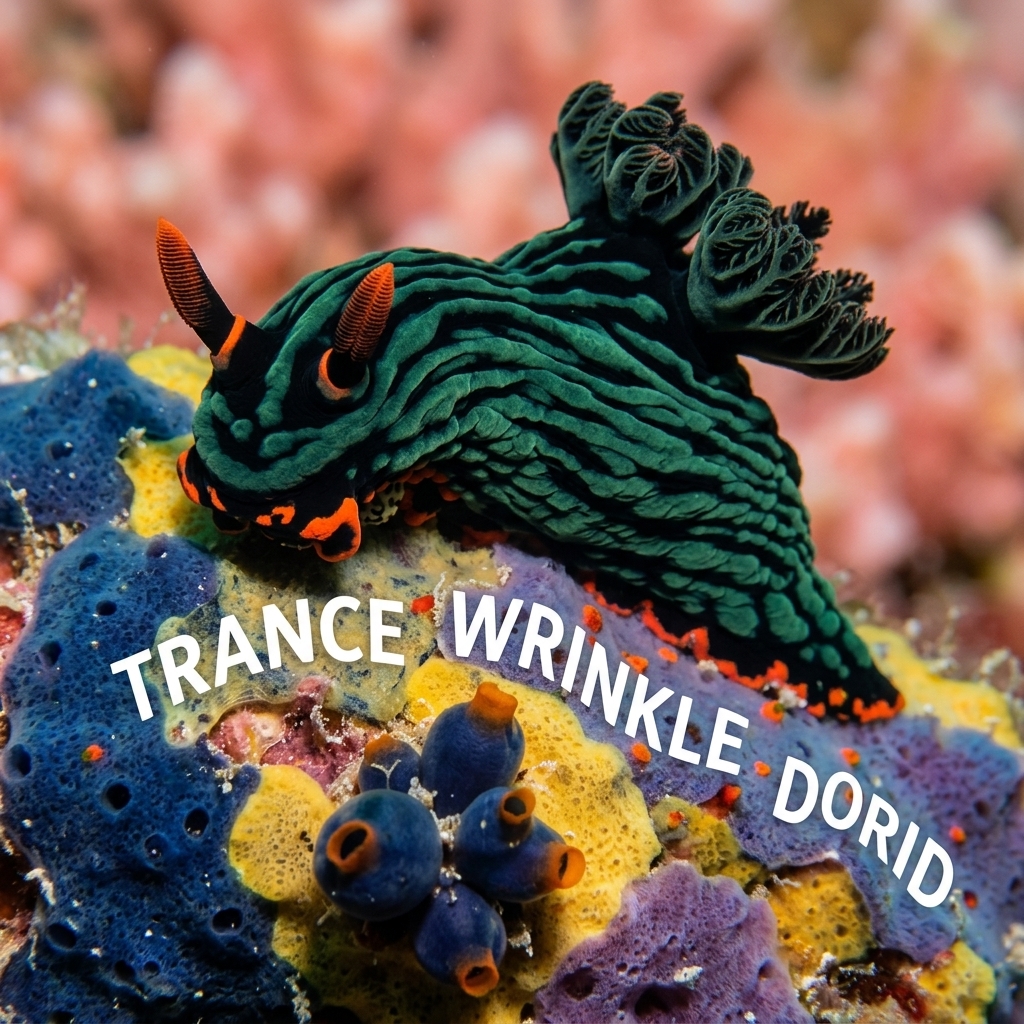
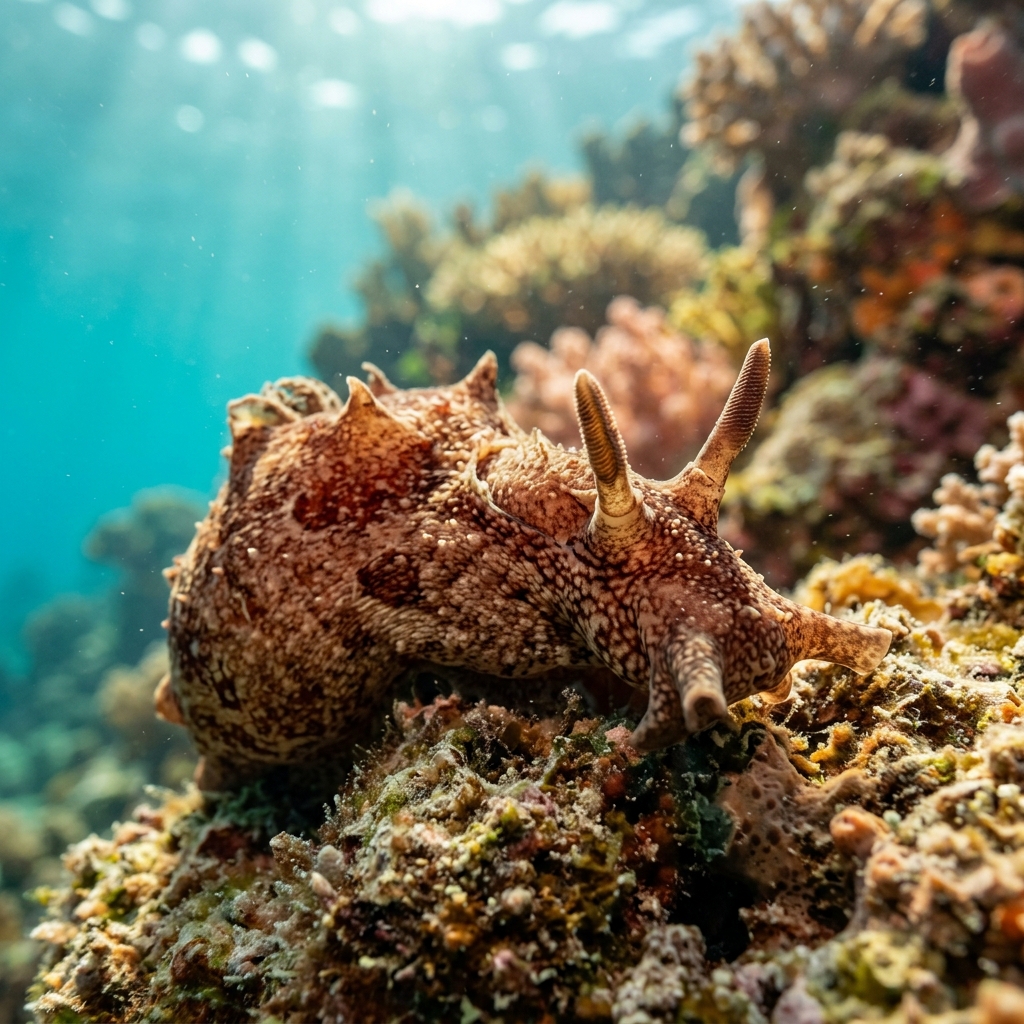
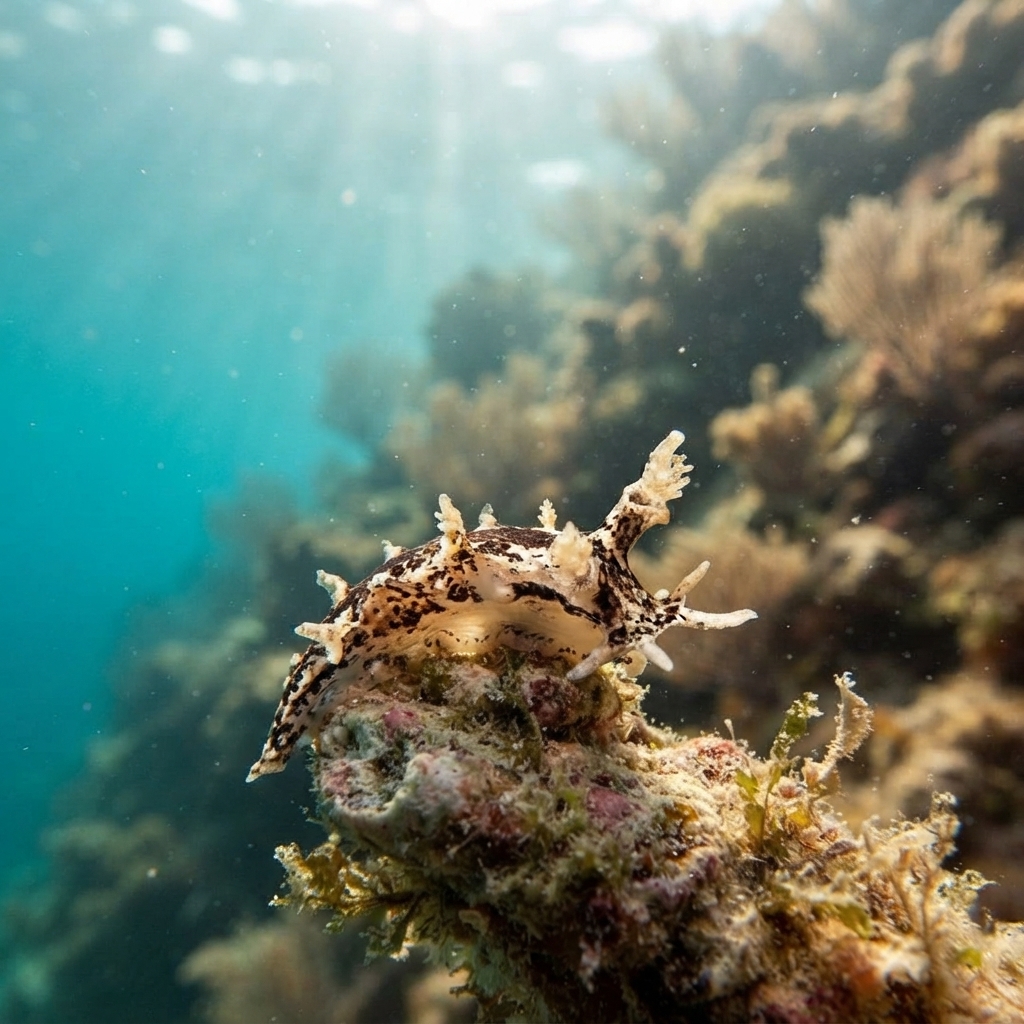
A small sea slug with a soft, translucent to pale body typical of the Tritoniidae family, carrying branching gill tufts (rhinophores and dorsal papillae) along its back that sway gently in the current. Divers spot it by getting close to rock and algae surfaces rather than by size, since it blends into the substrate at a glance. Look for the frilled, feather-like projections down its back, the feature that separates dorid-type nudibranchs from this branching-gill group.
Divers find it slow-moving over rocky and algae-covered substrate, grazing rather than swimming, and it shows no reaction to a diver's presence beyond a slight retraction of its gill tufts if touched. It turns up most often tucked against reef structure at typical recreational depths rather than out in the open, which is part of why it reads as uncommon rather than common at most sites where it is logged.
Like other Tritoniidae, this species almost certainly feeds on soft corals or gorgonians, using its exposed gill tufts both to breathe and to help it blend into the branching texture of its prey.
Sightings do not show a clear seasonal spike, so treat it as a year-round find on Mediterranean rock and algae reefs within its observed 15.2 to 21.2C range. Cooler months at the lower end of that range and summer at the upper end both produce sightings, so there is no need to time a trip around it.
Reef neighbours a diver could mistake it for. Use the identification notes above to tell them apart.
This is a Mediterranean species through and through, most reliably logged along the French Riviera and Provence coast and across the Balearic Islands in Spain, with a smaller but confirmed presence on the Lisbon Coast in Portugal. France and Spain between them account for almost every sighting, so rocky reef sites in these two regions are the strongest bet.
Mapping where Sleeved Candiella is logged…
It is most reliably found on rocky reef sites along the French Riviera and Provence coast in France and across the Balearic Islands in Spain, with occasional records on the Lisbon Coast in Portugal.
There is no strong season in the sighting data, so it can turn up year-round on Mediterranean reefs within its observed 15.2 to 21.2C temperature range.
Look for a small, pale-bodied nudibranch with branching, feather-like gill tufts along its back, resting on rock or algae rather than swimming. The frilled dorsal projections are the key giveaway compared with smooth-backed dorid nudibranchs.
Exact size figures are not well documented for this species, but like most Tritoniidae it stays small enough that divers need to look closely at rock crevices and algae to spot it.
No, it poses no danger to divers. It is a small, slow-moving grazer that can be observed safely at close range without disturbing it.
As a member of the Tritoniidae family, it most likely grazes on soft corals or gorgonians, a common feeding strategy for nudibranchs with exposed, branching gill tufts.
Site and sighting data is aggregated from diver logs, iNaturalist and GBIF. For taxonomy and conservation status:
Light-spotted Aegires
3,168 sites