
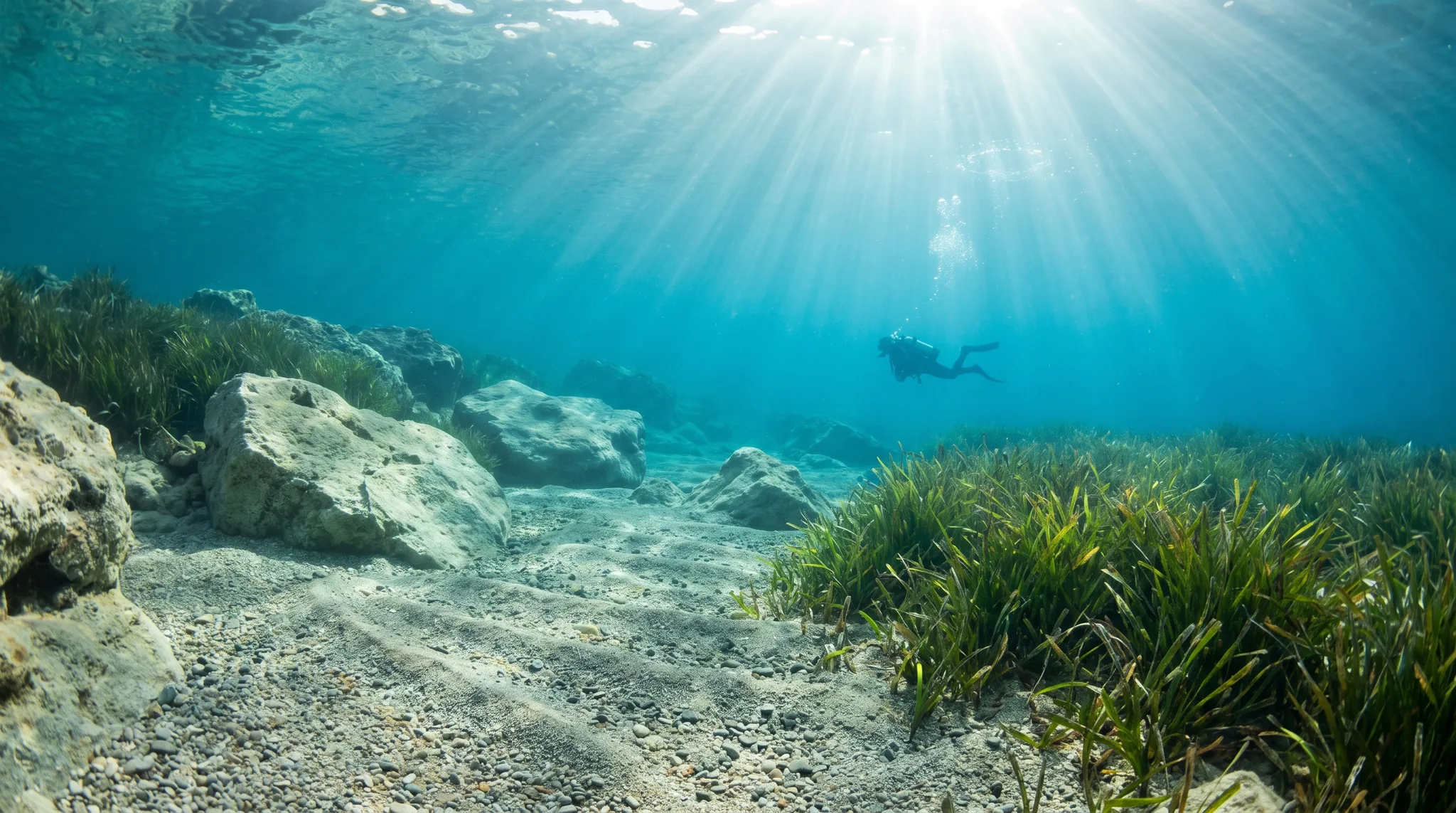
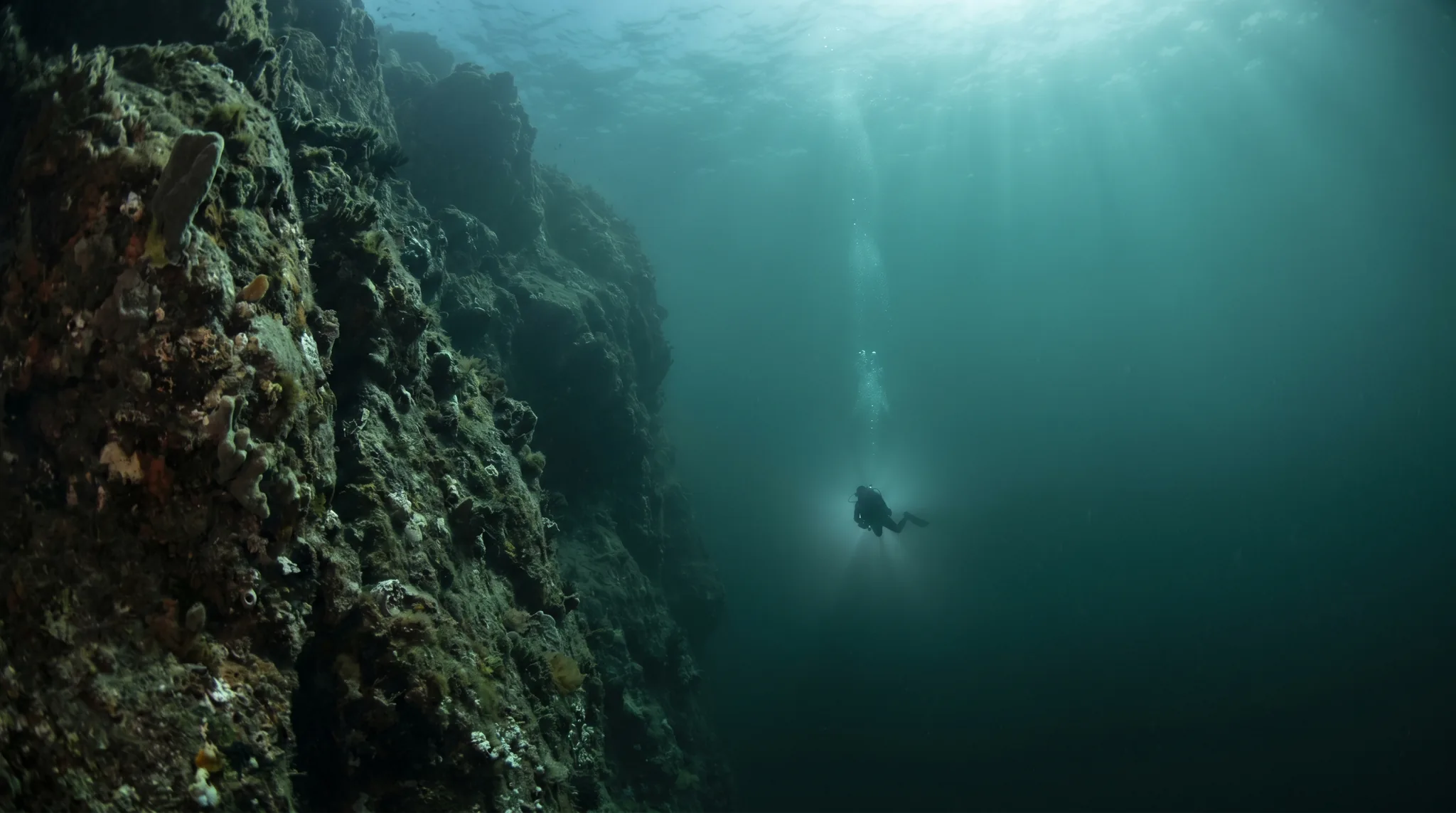
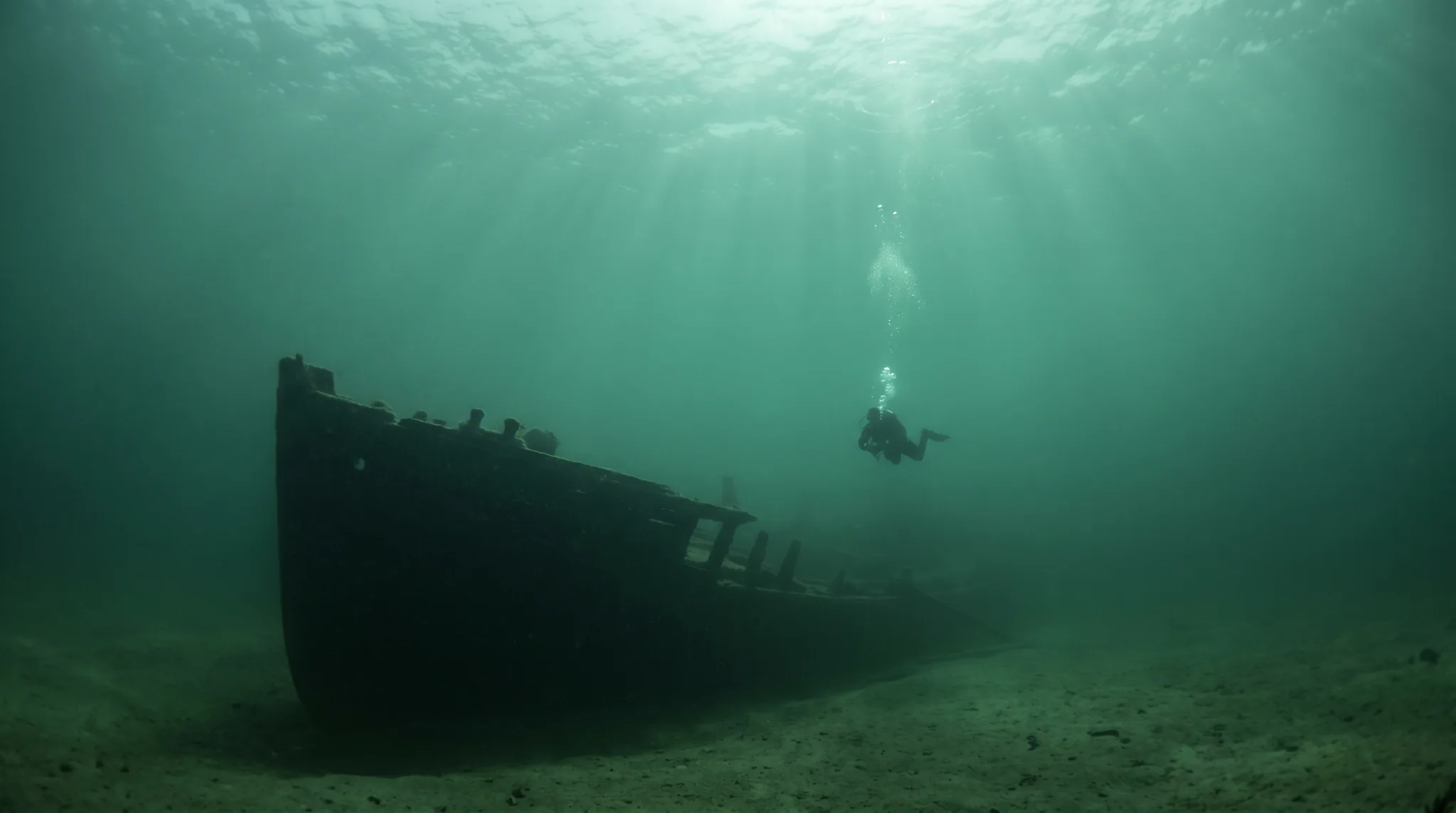
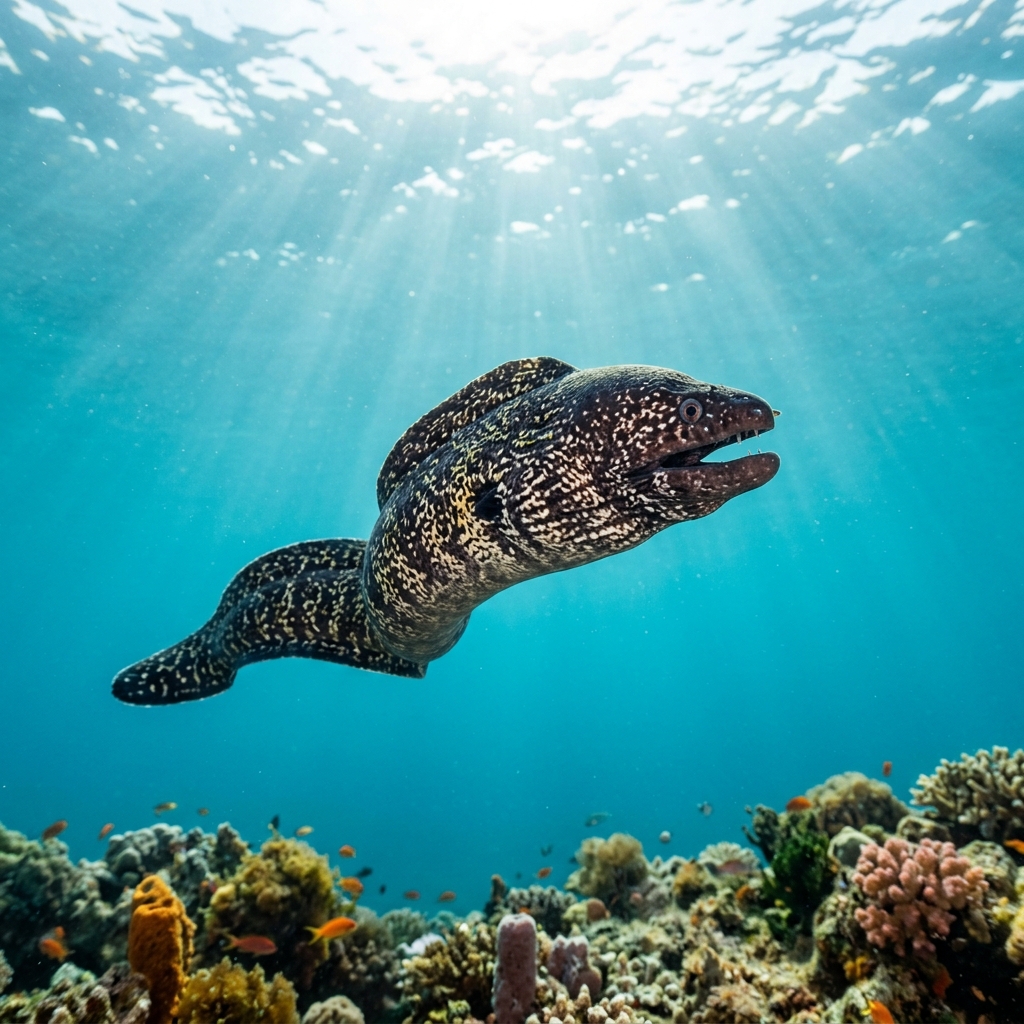
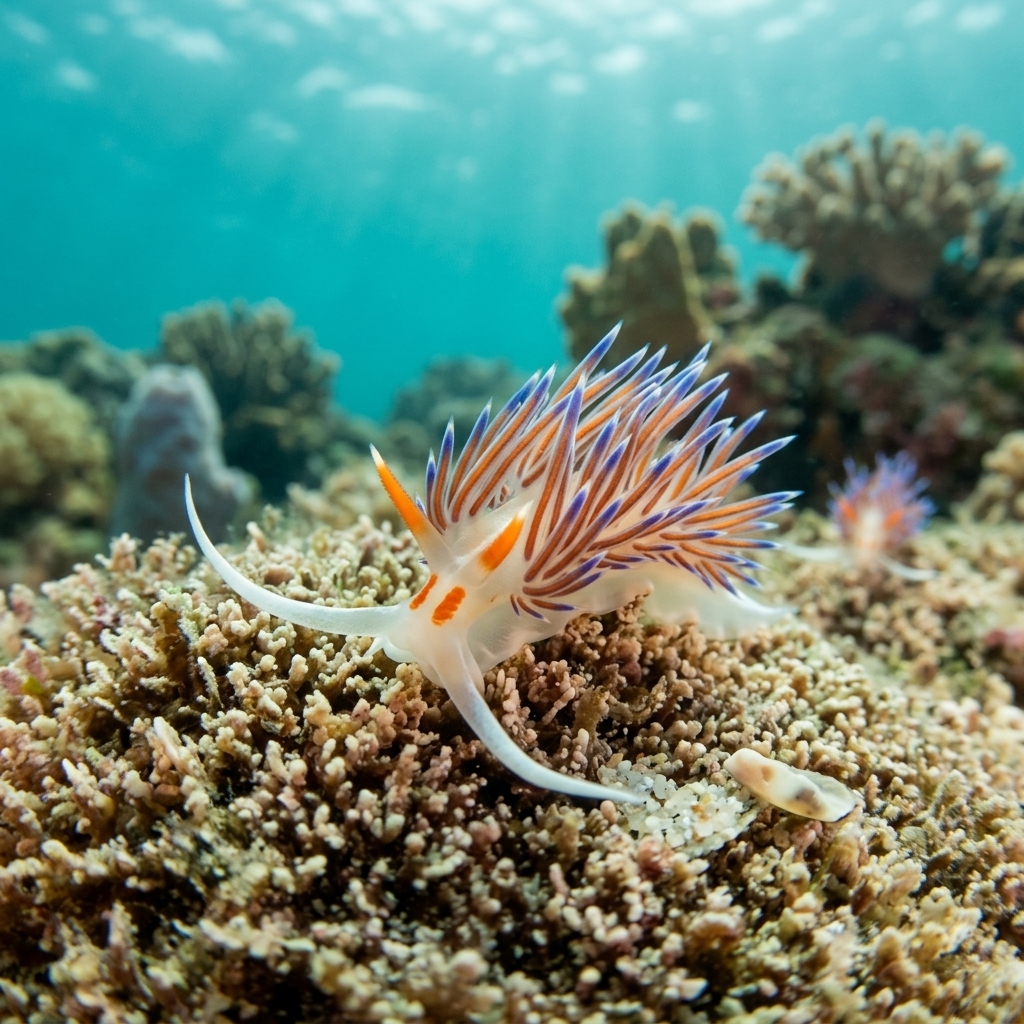
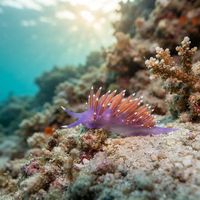
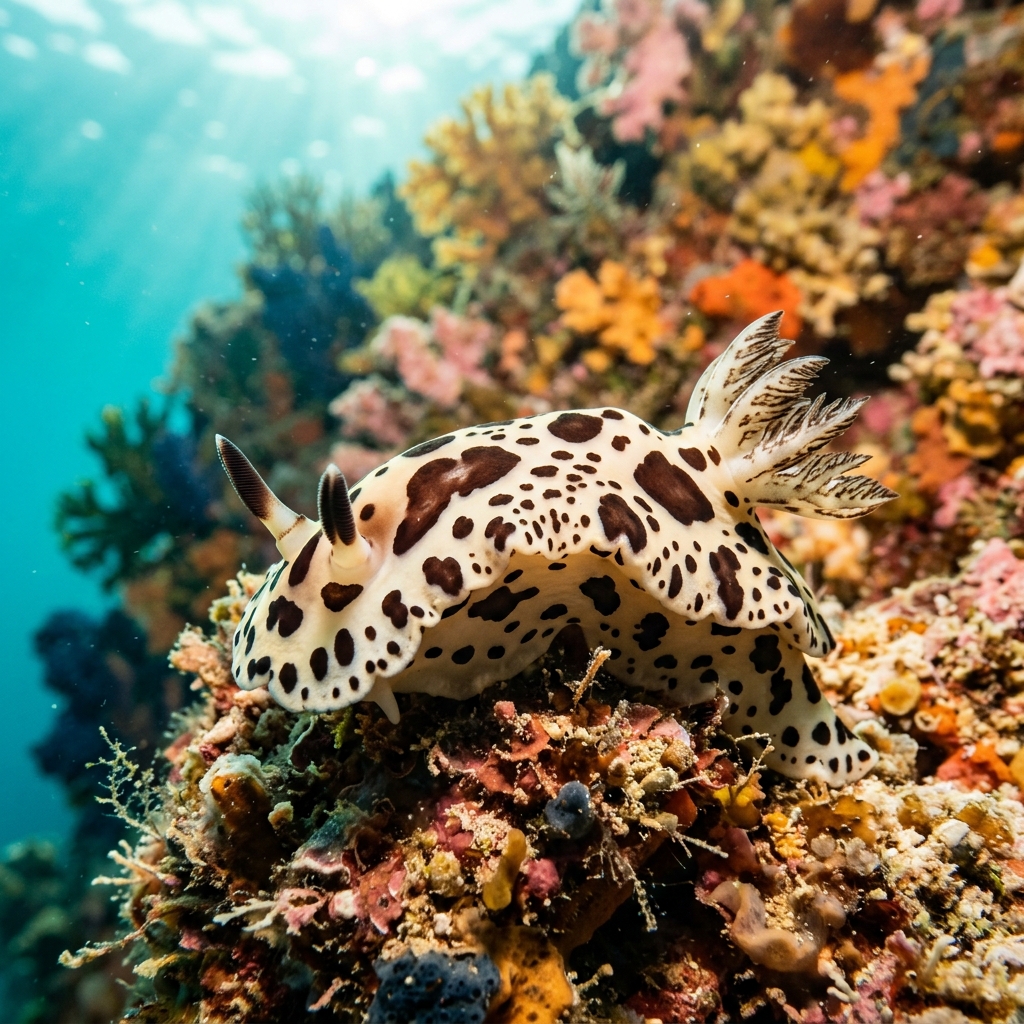
Cap Ferrat rewards divers across all skill levels, from shallow shore reefs like La Digue to deep technical walls such as Tombant des Américains and the wrecks Le Catalina and Le Heinkel. Seamounts, caves, and gorgonian valleys sit alongside gentler reef terrain. The water warms noticeably from late spring through summer, when conditions are at their best. Nudibranch species including the Cratena Slug and Violet Sea Slug are regularly spotted, alongside Mediterranean Moray, Common Octopus, and multiple wrasse species.
Monthly water temperature across Cap Ferrat's sites, from satellite sea-surface data corrected for depth. The band shows the site-to-site spread.
Water temperatures rise from their winter low through spring, reaching a comfortable warm peak in July and August before easing off through autumn. Late spring to early autumn brings the most settled conditions and the highest diver activity. Winter diving is possible but cooler water and reduced visibility call for more exposure protection.
21 operators
37 more sites to explore
Water temperature around Cap Ferrat ranges from about 14°C in February to 22°C in July, based on satellite sea-temperature data for its dive sites.
In the warm season (about 22°C) a 3mm full suit is comfortable in Cap Ferrat; in the coldest months (about 14°C) step up to a 7mm or semi-dry suit.
Fin maps 49 sites in Cap Ferrat (44 scuba diving sites and 13 snorkelling spots, with some suited to both).
Across Cap Ferrat's dive sites, May, June, July, August, September and October are most often reported as the best months to visit.
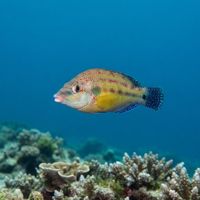
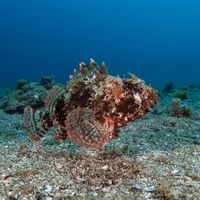
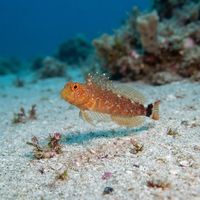
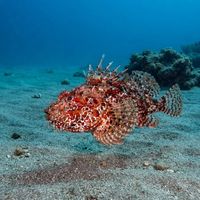
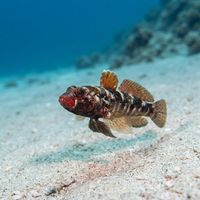
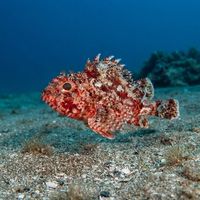
Cap Ferrat has a rich and well-documented species list. Mediterranean Moray and Common Octopus are frequent finds on the reef sites, while nudibranch enthusiasts will encounter the Cratena Slug and Violet Sea Slug on most dives. Multiple wrasse species including Peacock Wrasse, Turkish Wrasse, and Five-spotted Wrasse are common, and Black Scorpionfish are regularly spotted on rocky ground.
Cap Ferrat caters well to beginners. Sites like La Digue, Le Lido, Grande Baie, and Le tombant de Villefranche are all rated beginner level and cover a range of terrain from shallow reefs to caves and walls at manageable depths. Advanced divers are equally well served by deep drop-offs, seamounts, and the technical wrecks Le Catalina and Le Heinkel.
Most sites at Cap Ferrat are reached by boat, which opens up the deeper walls, seamounts, and offshore wrecks. A smaller number of sites, including La Digue and Grande Baie, offer shore entry and are particularly convenient for beginners or snorkellers. Several operators listed for the area run boat trips, so access to the full range of sites is straightforward.
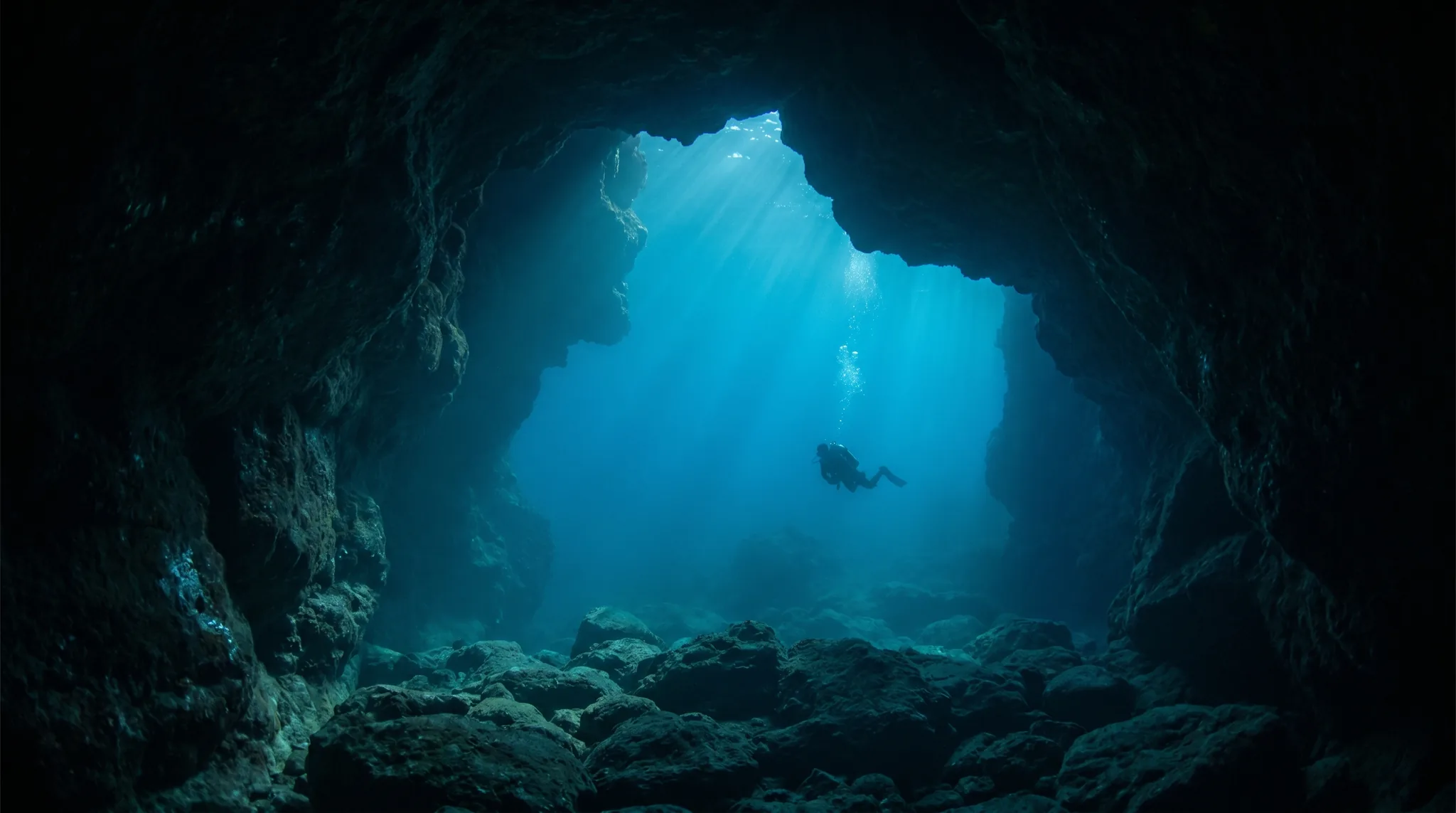
The site mix is notably varied. Reefs and walls are the most common types, but Cap Ferrat also has caves, drop-offs, a canyon at La Grotte du Cap Estel, and a seamount at Sec de Merlo. Two deep wrecks, Le Catalina and Le Heinkel, add a further dimension for qualified technical divers. This variety means repeat visits rarely feel repetitive.