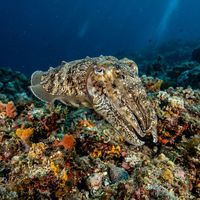
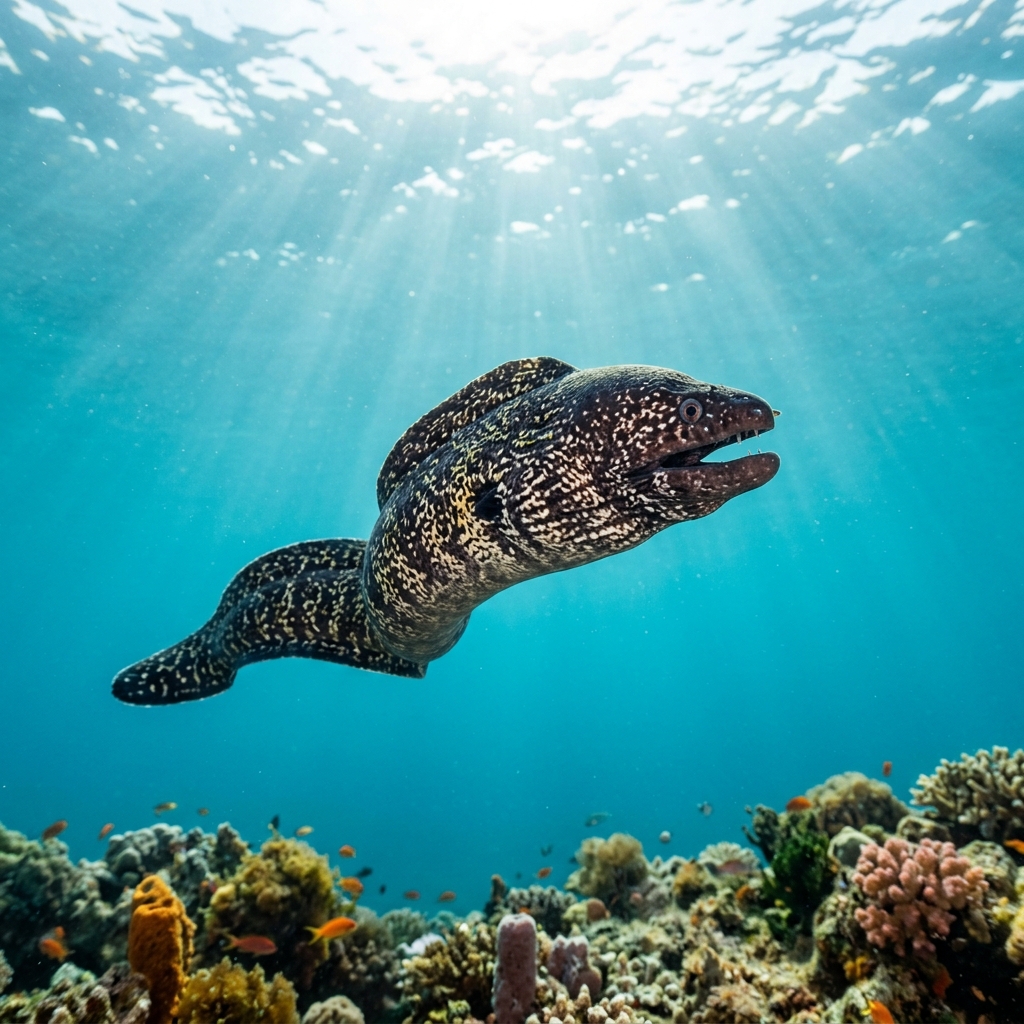
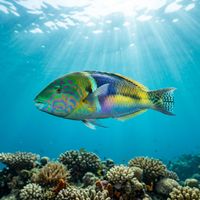
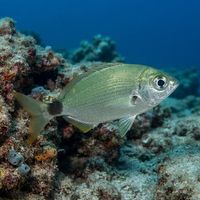
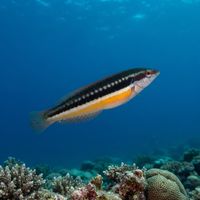
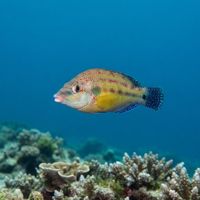
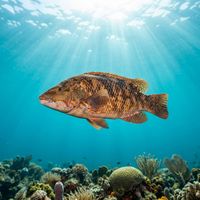
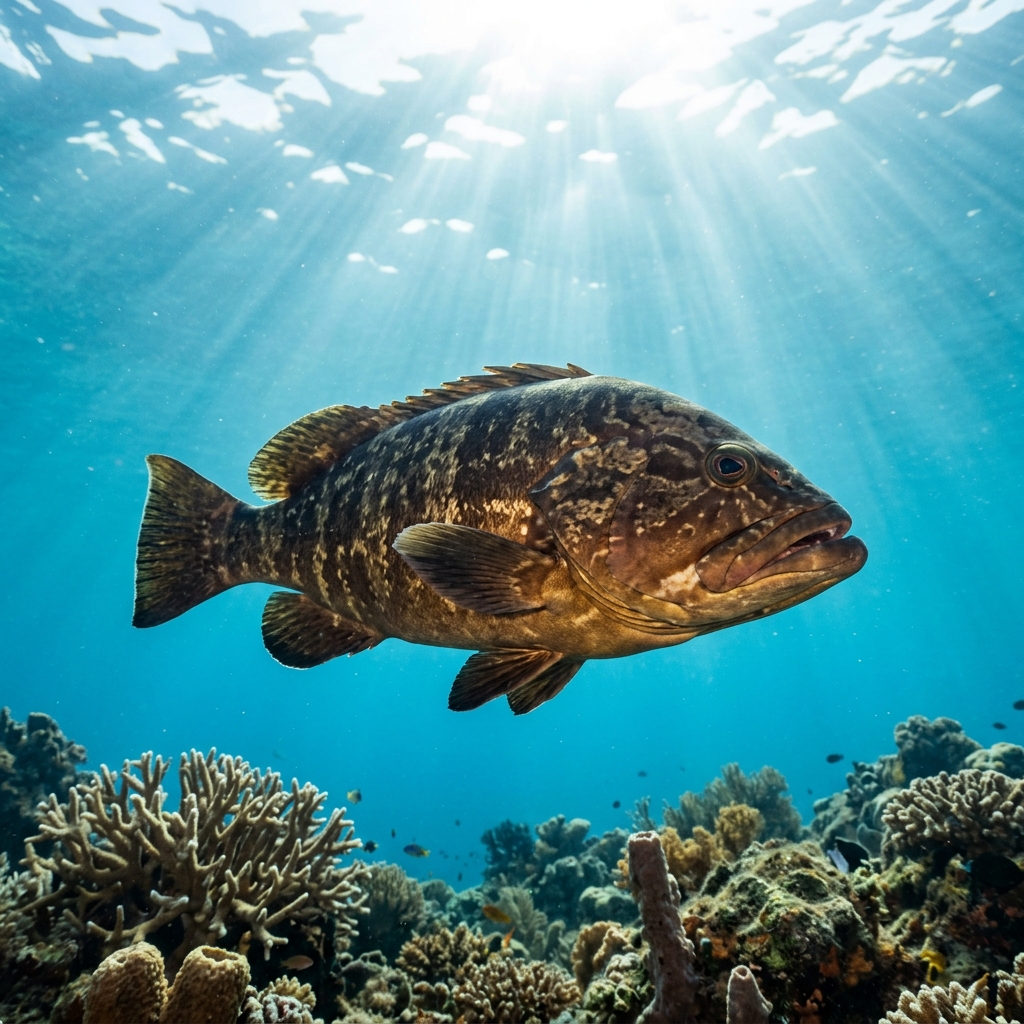
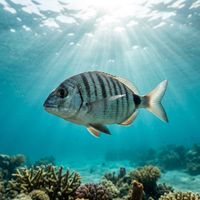
Corsica offers a wide range of underwater environments, from shallow seagrass bays and beginner-friendly reef flats to deep walls, canyons, pinnacles and caves that suit advanced divers. The site mix spans shore entries and boat dives across six distinct sub-areas, with Bonifacio and the South holding the largest concentration of sites, many clustered around the Lavezzi Islands. Gulf of Porto and Scandola stands apart with its complex topography of walls, canyons and caves. The Turkish Wrasse, Painted Comber and White Seabream are seen across almost all sites, while the Mediterranean Moray, European Common Cuttlefish and Dusky Grouper give the reefs their character. Warmer months bring the best visibility and most comfortable water, making late spring through autumn the productive core of the season.
6 areas
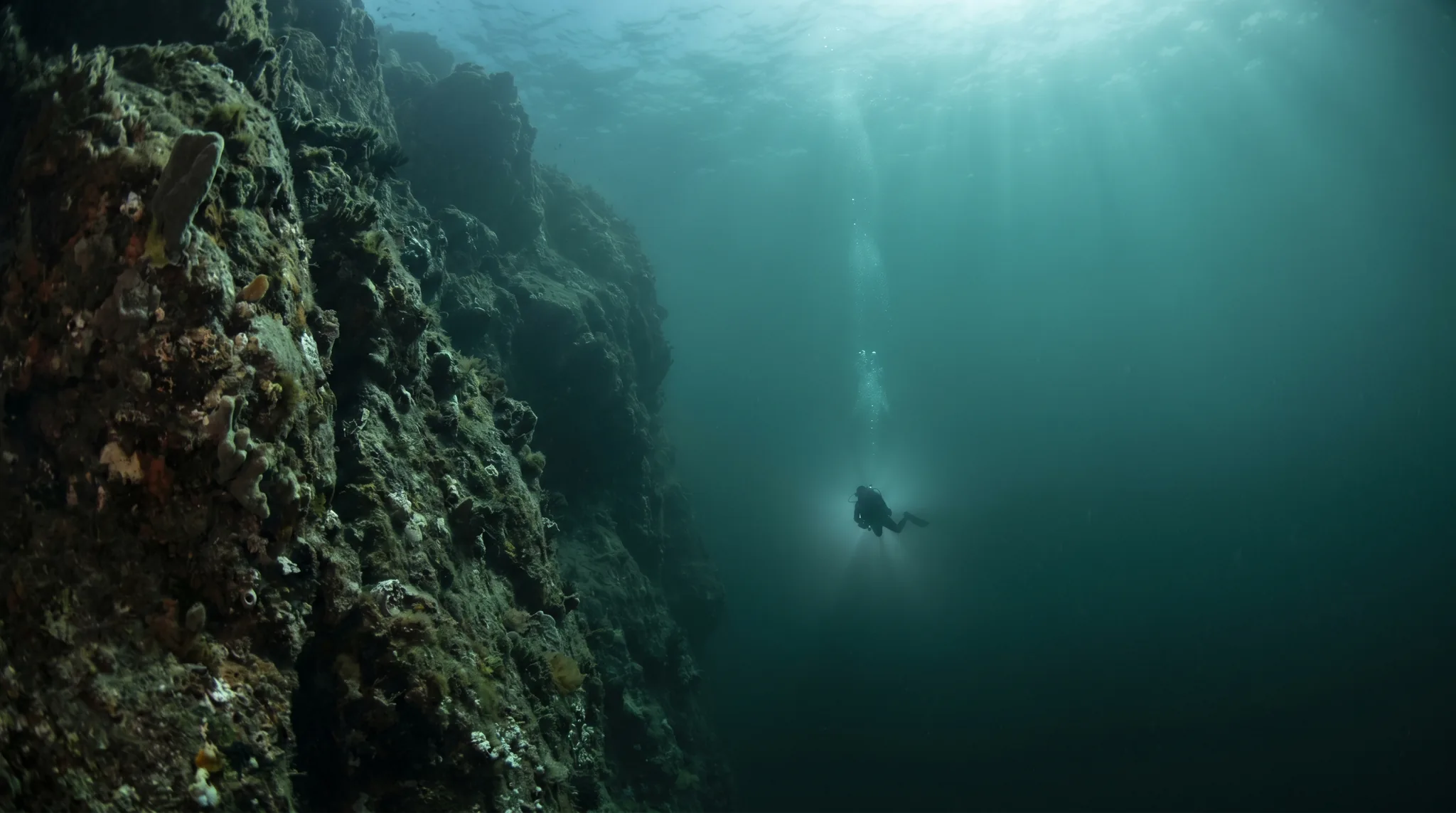 33
33Lavezzi Islands reefs ranging from beginner seagrass shallows to deep walls, with moray, cuttlefish and barracuda.
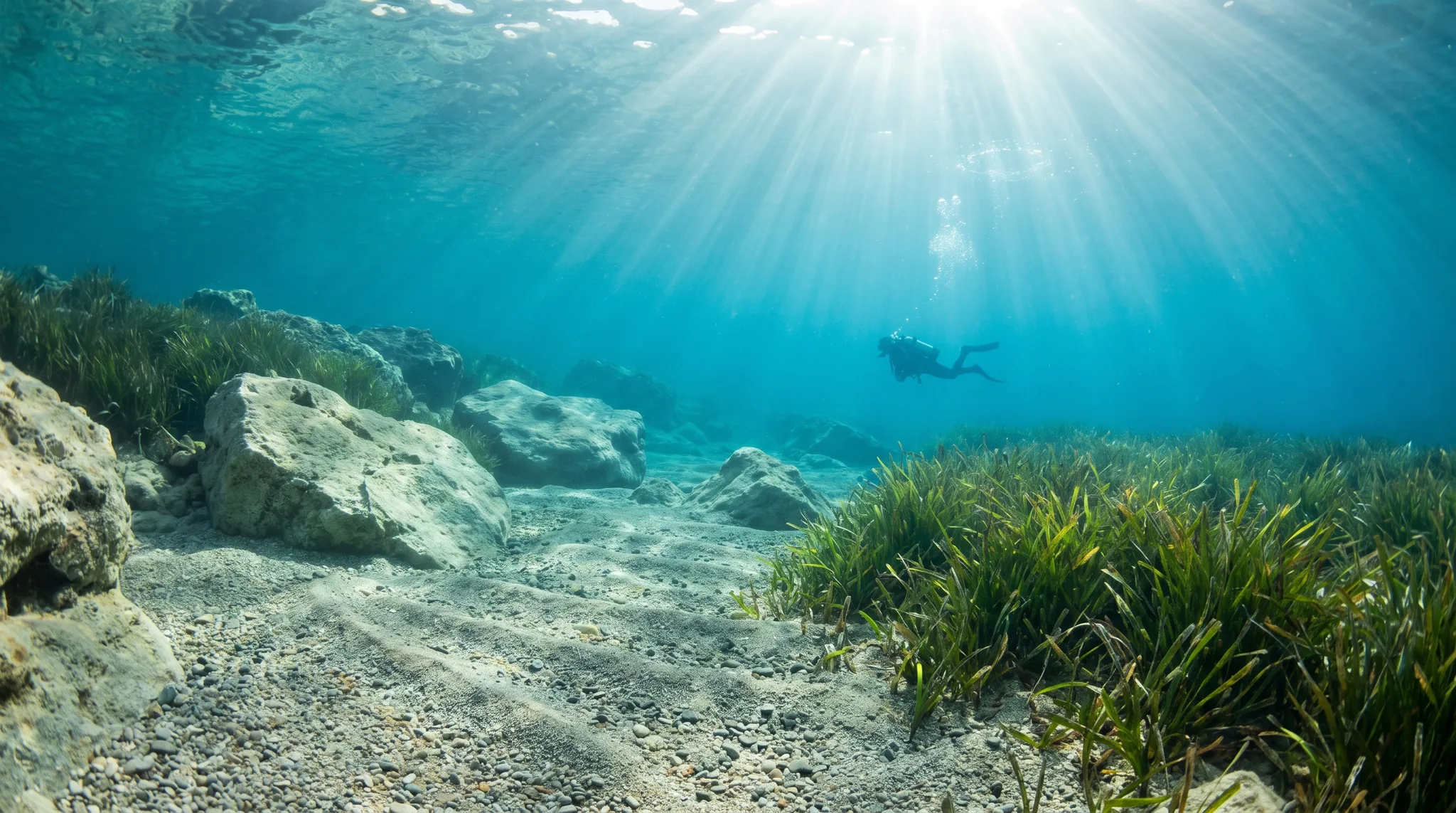 20
20A peninsula combining accessible reef snorkelling with wreck dives ranging from a shallow fighter plane to deep technical targets.
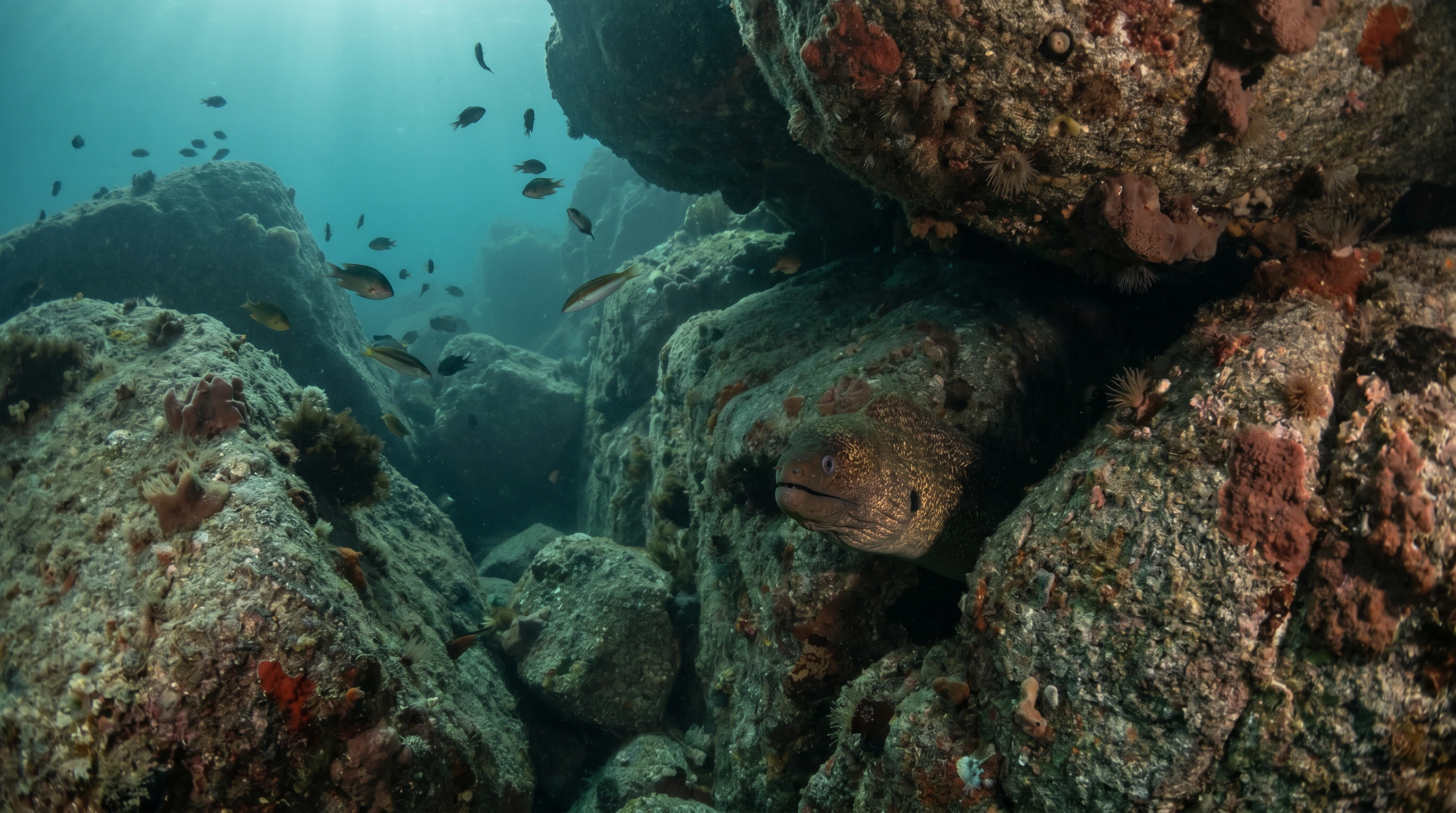 18
18Walls, wrecks and canyon topography paired with consistently rich cephalopod and moray sightings across varied depth ranges.
17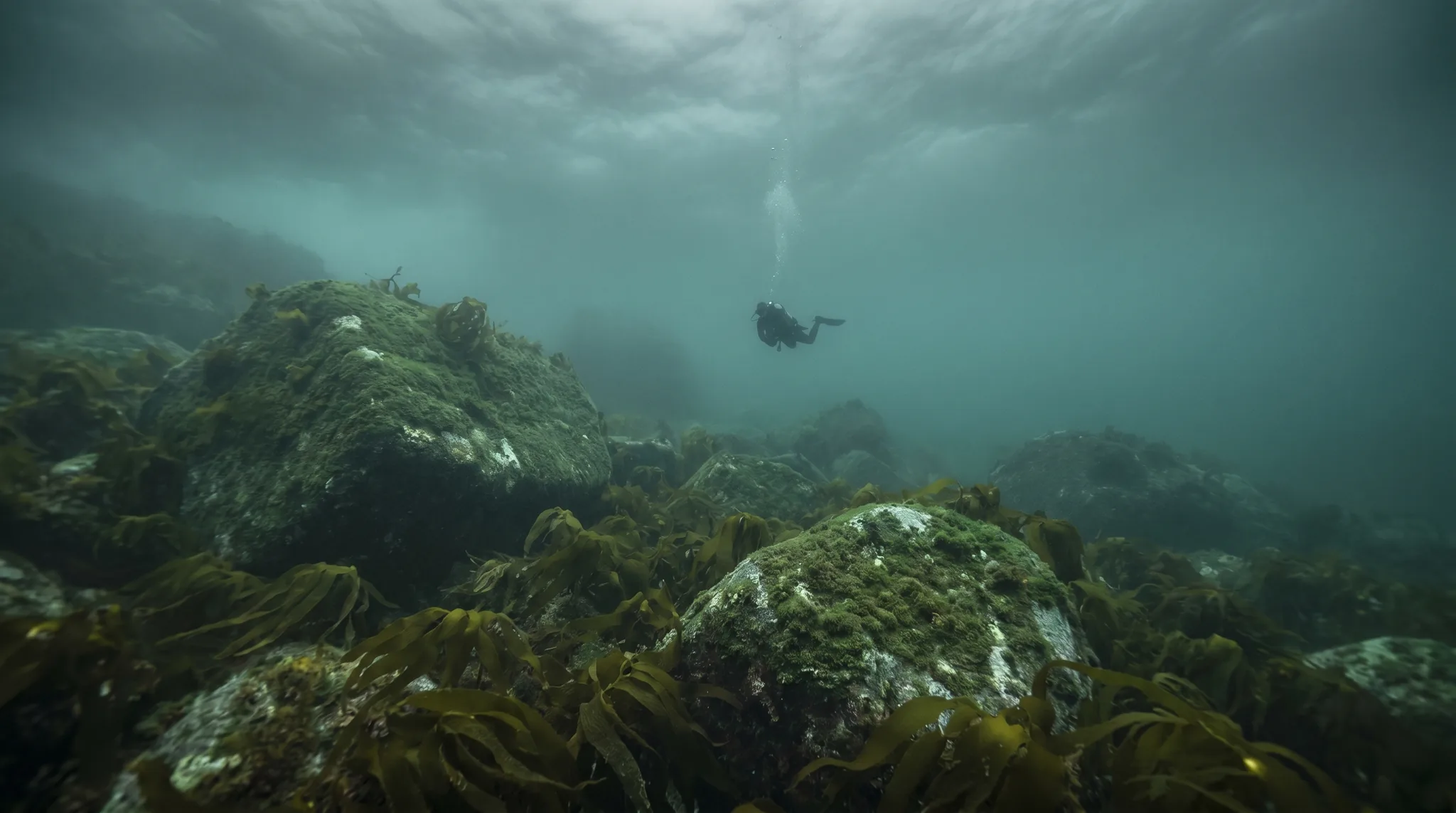
Monthly water temperature across Corsica's sites, from satellite sea-surface data corrected for depth. The band shows the site-to-site spread.
Water temperature rises from its winter low in late winter and early spring, climbing steadily through late spring and peaking in late summer before cooling again into autumn. The peak popularity window runs from late spring through early autumn, with June and September drawing the most diver activity. Exposed northern and western sites around Cap Corse and Scandola can carry stronger currents and choppier surface conditions, while the sheltered bays of the Lavezzi Islands tend to be calmer year-round.
63 operators
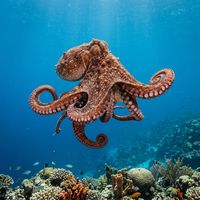
Beginner-friendly reef and wall diving around the Sanguinaires Islands, with rich Mediterranean life including Dusky Grouper, Mediterranean Moray and Common Octopus.
Water temperature around Corsica ranges from about 14°C in February to 23°C in August, based on satellite sea-temperature data for its dive sites.
In the warm season (about 23°C) a 3mm full suit is comfortable in Corsica; in the coldest months (about 14°C) step up to a 7mm or semi-dry suit.
Fin maps 100 sites in Corsica (79 scuba diving sites and 29 snorkelling spots, with some suited to both), organised into 6 areas.
Across Corsica's dive sites, May, June, July, August, September and October are most often reported as the best months to visit.
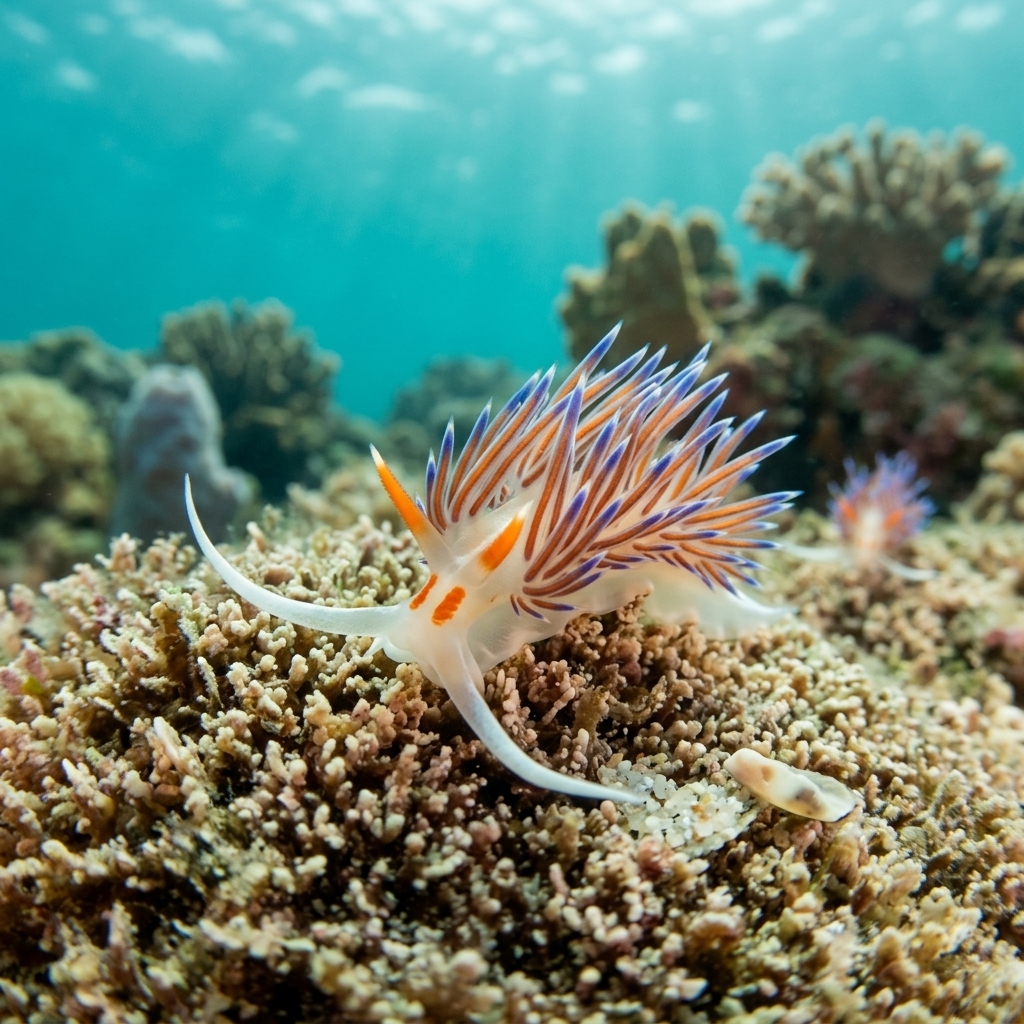
The reefs here are reliably populated by the Turkish Wrasse, Painted Comber, White Seabream, Two-banded Seabream and Castagnole. Look closer and you will find the European Common Cuttlefish, Common Octopus, Mediterranean Moray and Conger Eel in crevices. The Dusky Grouper and Great Barracuda appear occasionally, and nudibranchs including the Cratena Slug and Mediterranean Violet Aeolid reward attentive divers.
A good portion of Corsica's dive sites are rated for beginners, including several shore-entry options in the Lavezzi Islands such as Cala Achiarina and Les Nacres. Intermediate and advanced sites, including the deep walls at Città delle Cernie and La Tortue, are boat-accessed and clearly separated from the shallower venues. Beginners will find plenty to explore without feeling pushed beyond their level.
Bonifacio and the South has the greatest concentration of sites, many around the Lavezzi Islands and ranging from shallow beginner reefs to deep technical walls. Gulf of Porto and Scandola offers complex topography with walls, canyons and caves at sites such as Scandola and Revellata. Bastia and Cap Corse and Calvi and Balagne each provide a strong selection, while Ajaccio and Porto-Vecchio and the East round out the island's coverage.
The majority of the deeper and more varied dive sites require boat access, and most of the listed operators are set up to run boat trips. Shore diving is available at a number of sites, particularly shallower beginner locations such as Cala Achiarina and Nonza. Operators including Bonifacio Plongée, Plongée Nature and Sea Horse Diving Calvi cover different parts of the island, making it straightforward to find a base wherever you are staying.