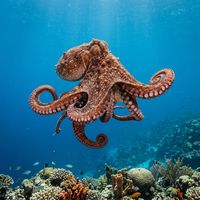
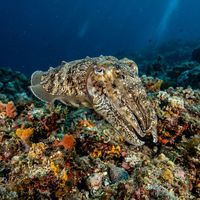
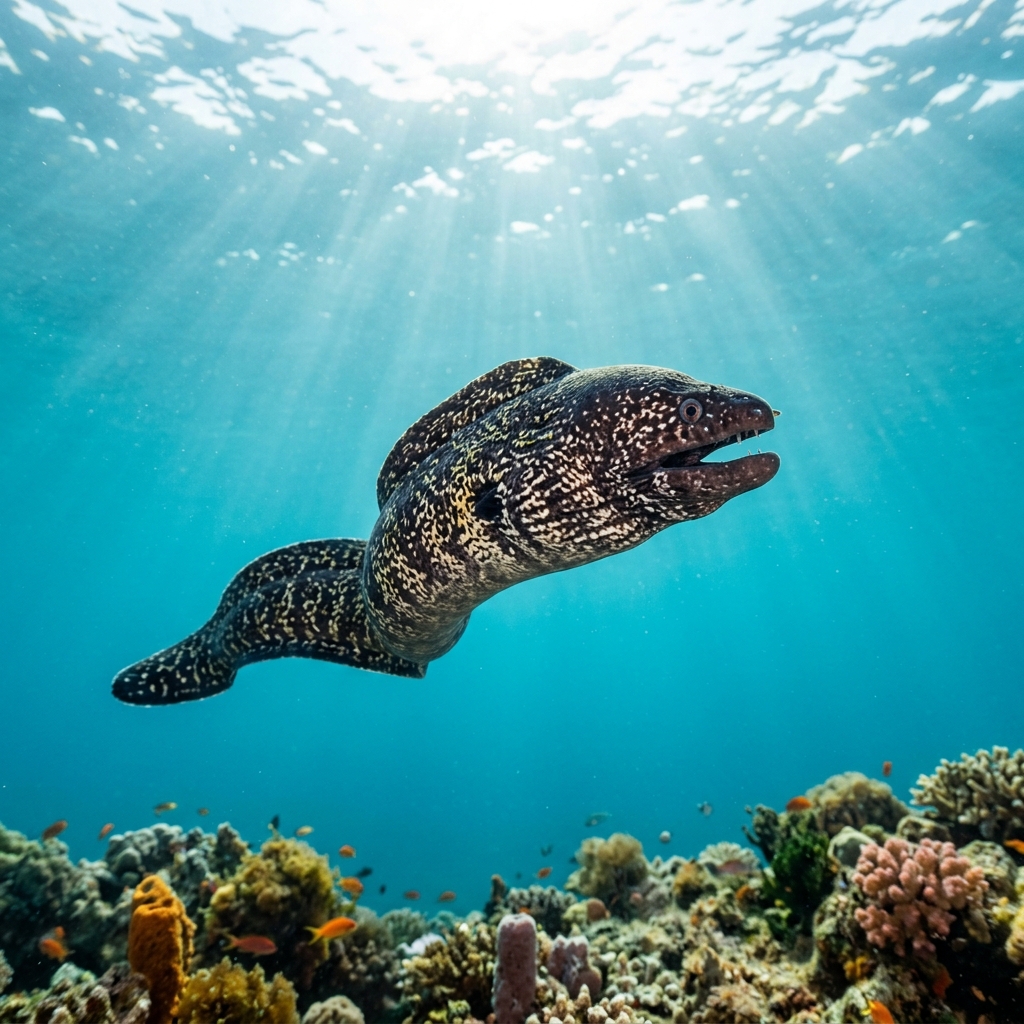
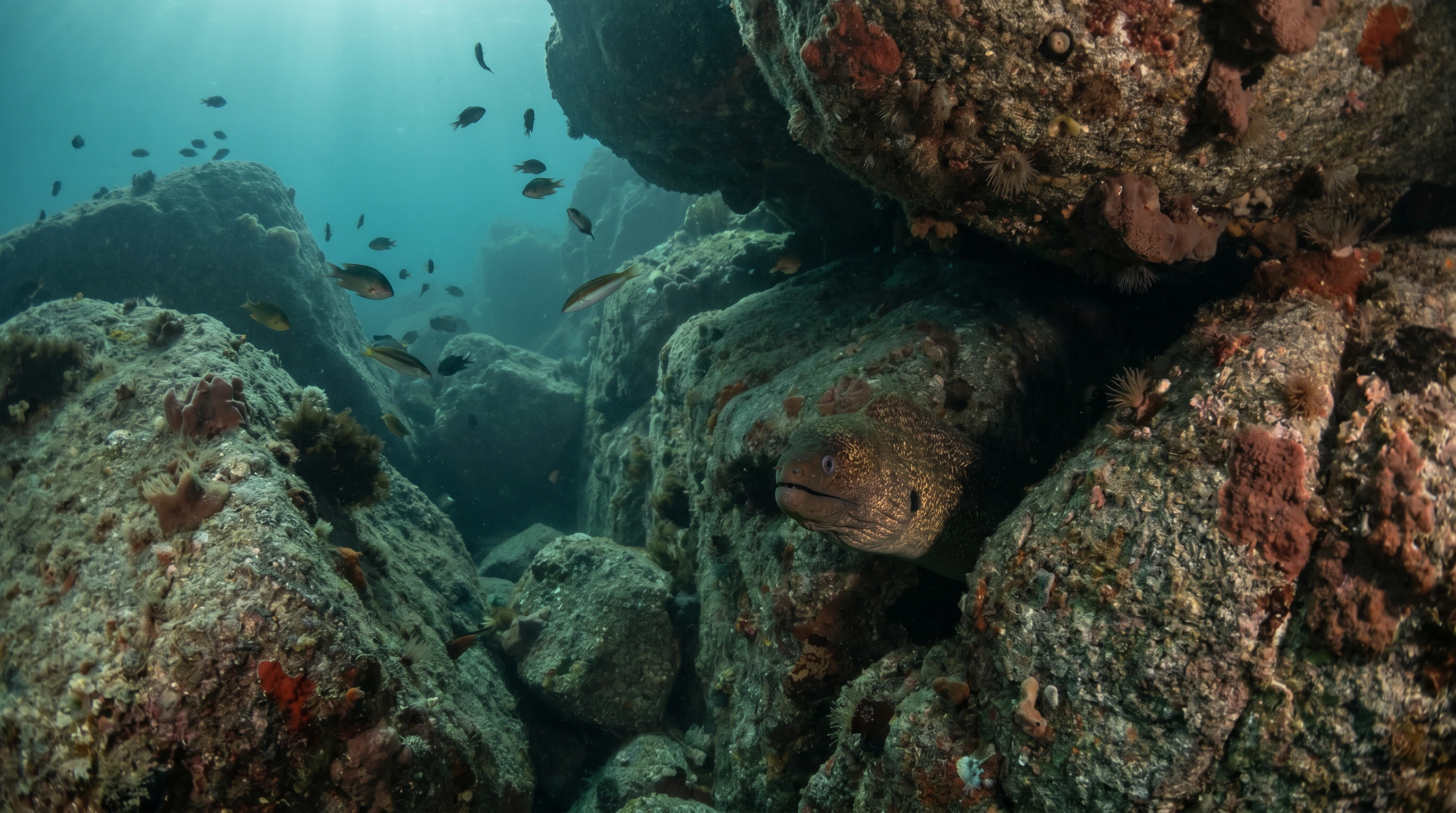
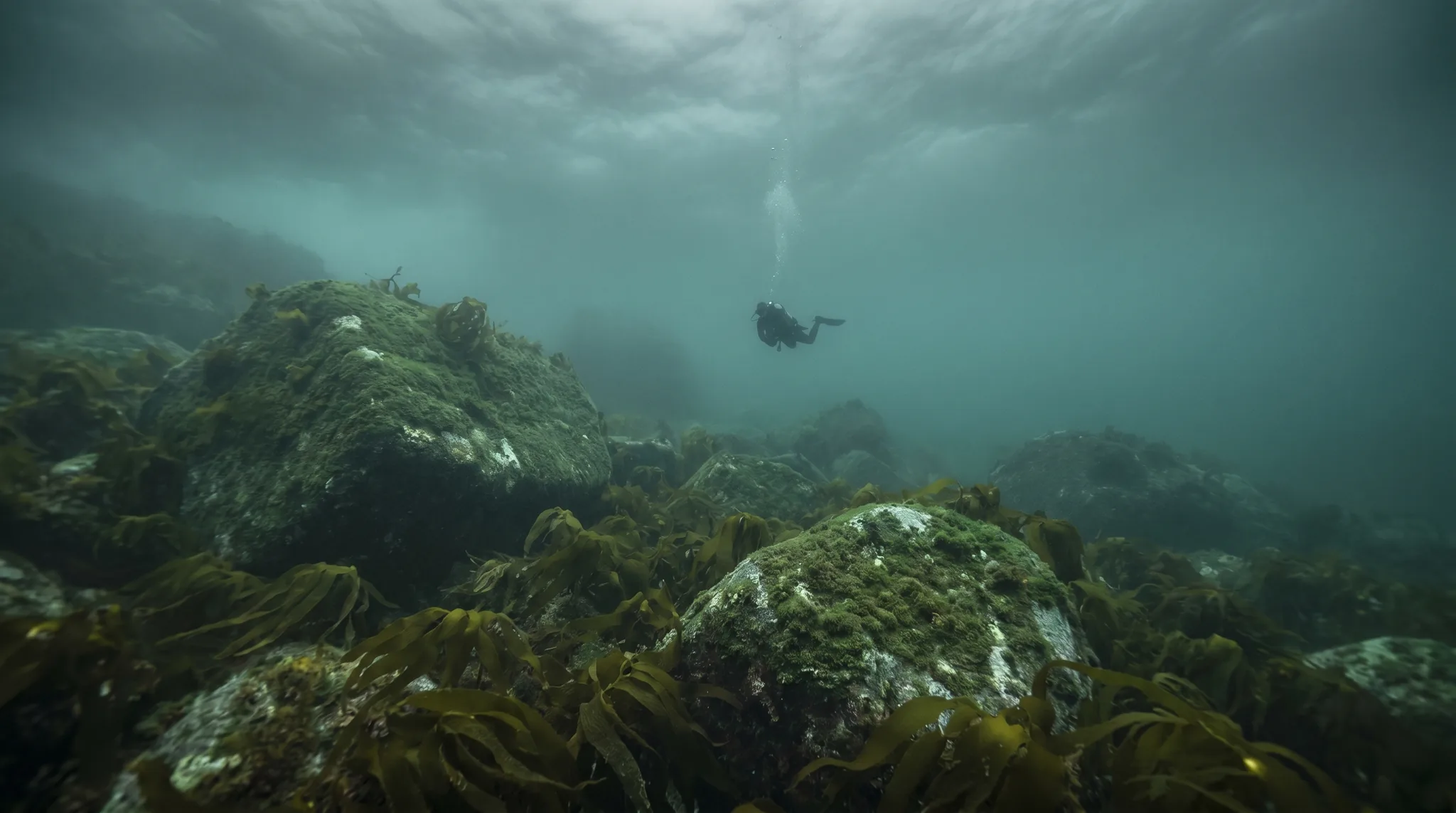
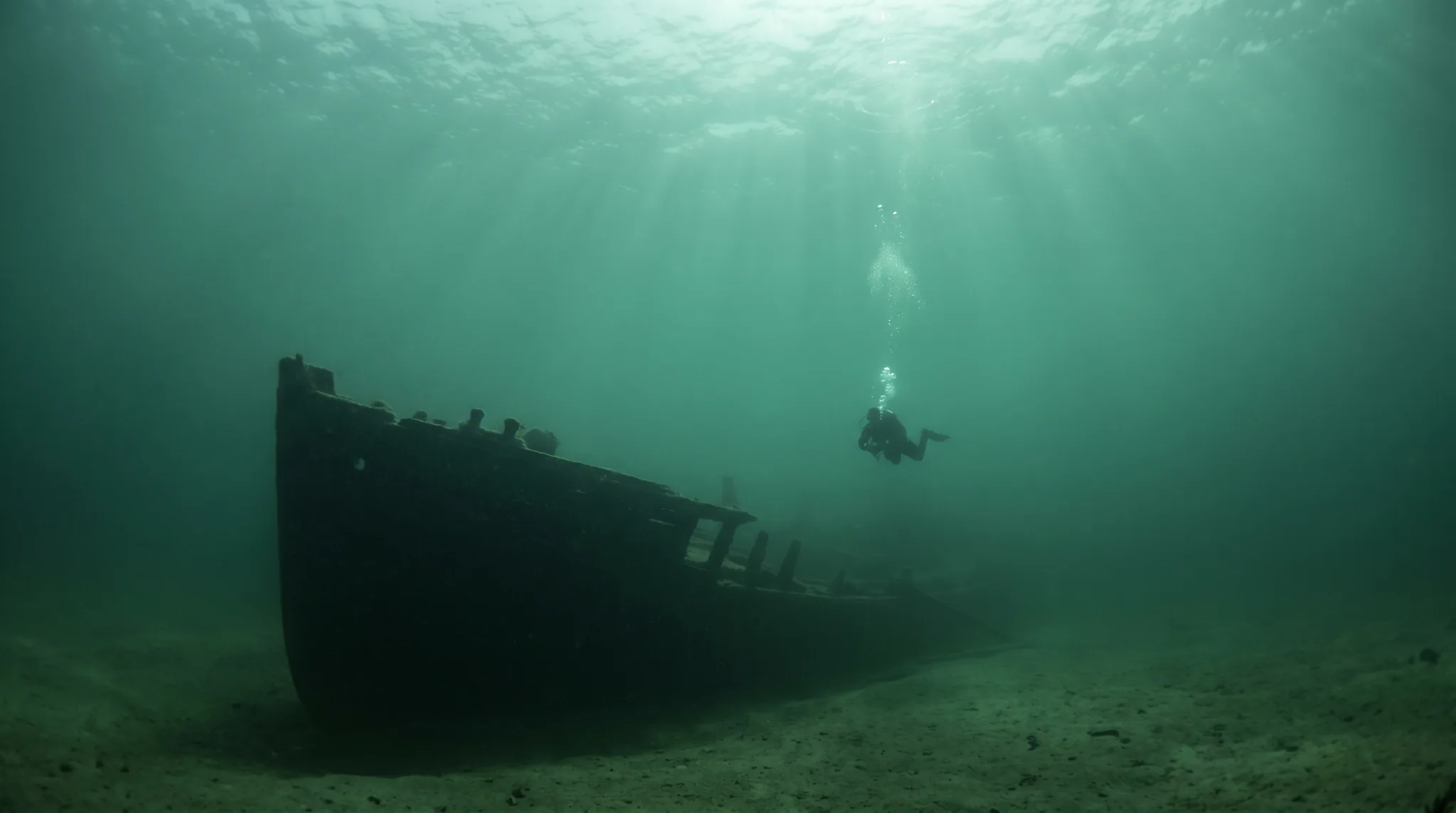
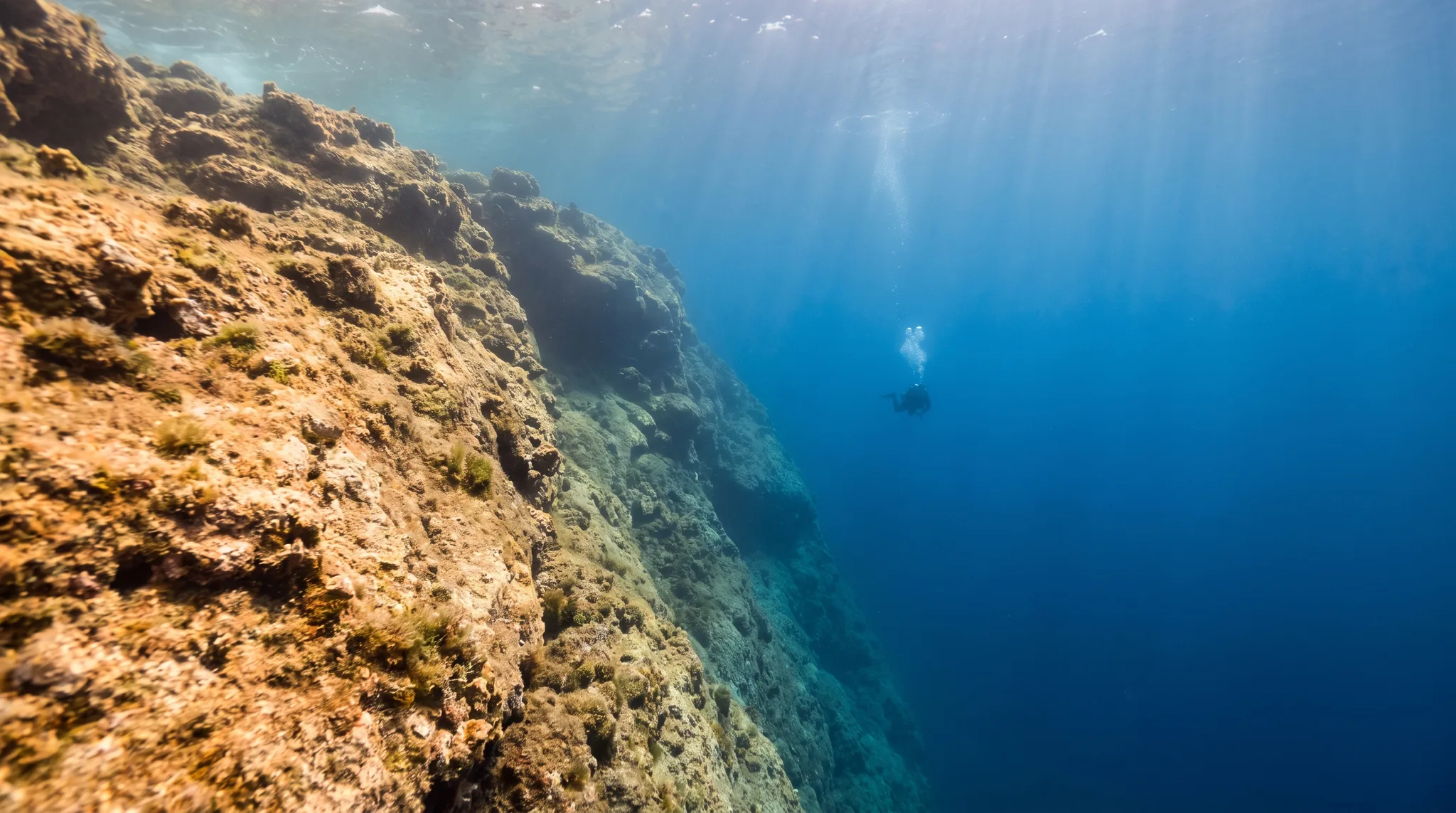
Bastia and Cap Corse combine shallow reef and seagrass snorkelling with a compelling range of dives, from accessible aircraft wrecks to deep technical targets. The peninsula's steep coastline shapes much of the topography, with walls, caves and natural reefs running alongside artificial structures. Warm summers bring the best visibility and water temperature, while the mix of beginner and advanced sites means the area suits a wide range of divers. The Common Octopus, European Common Cuttlefish and Mediterranean Moray are reliably encountered across sites.
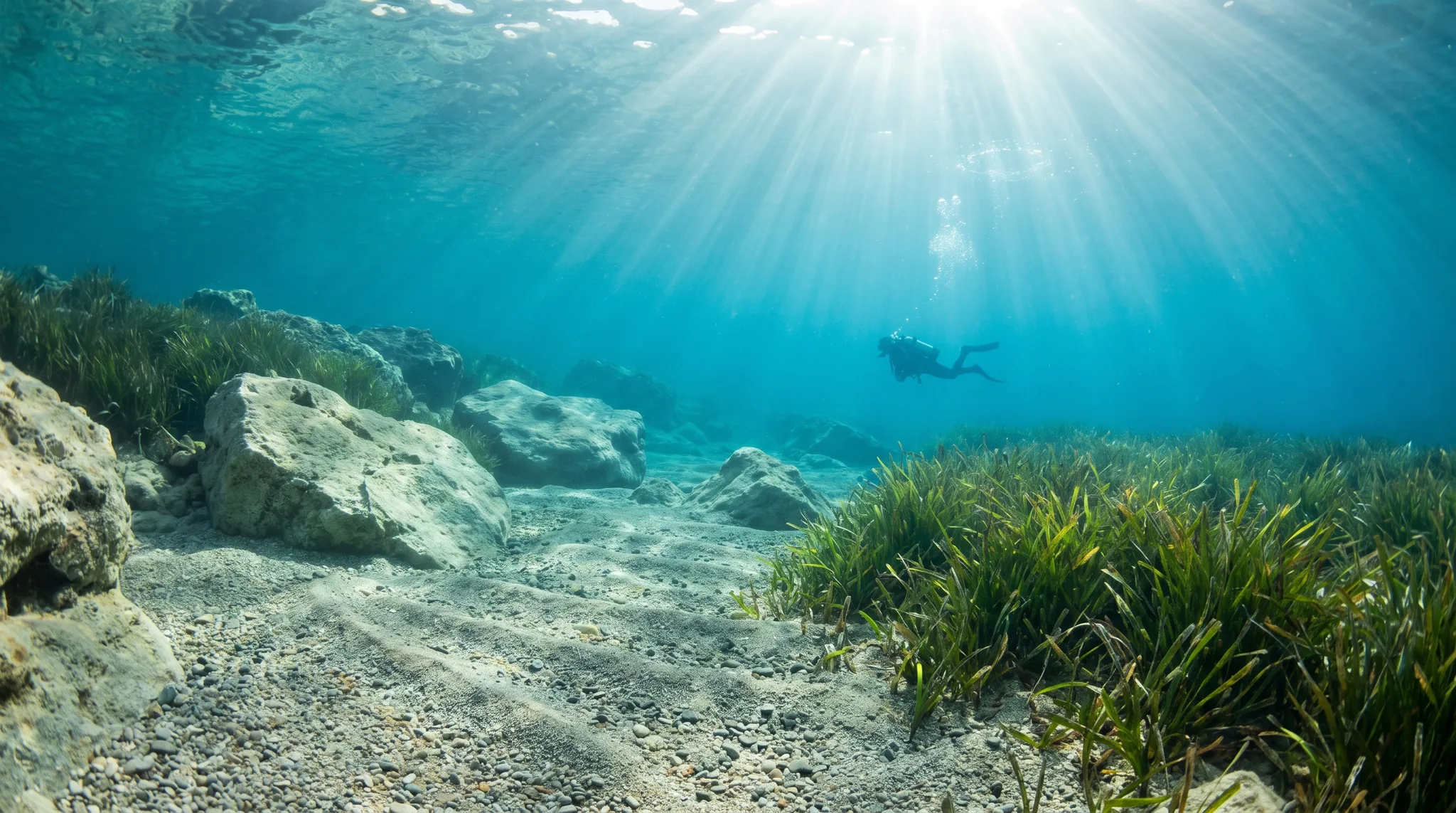
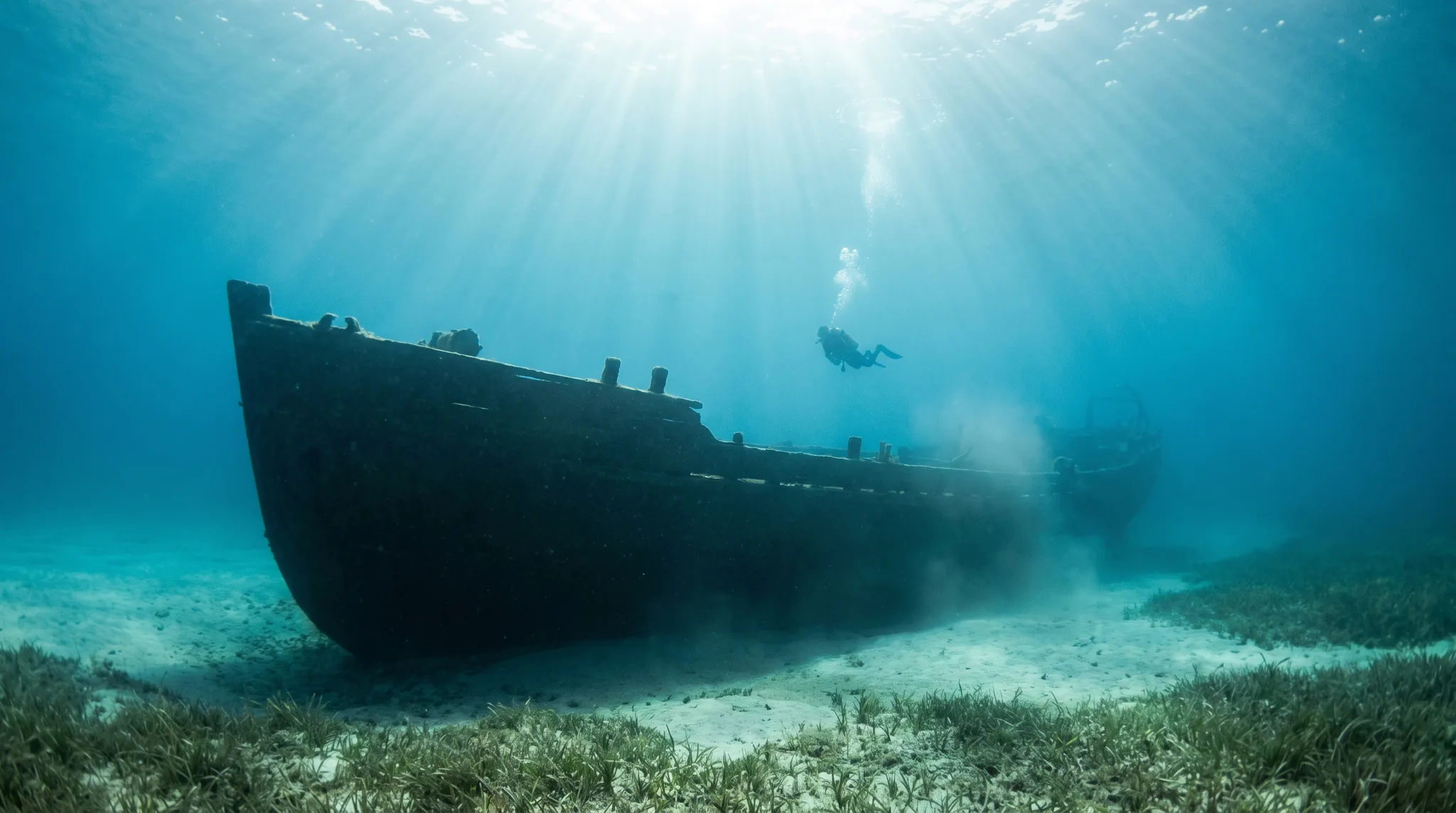
Monthly water temperature across Bastia & Cap Corse's sites, from satellite sea-surface data corrected for depth. The band shows the site-to-site spread.
Water temperature rises through late spring and peaks in summer, making July through October the most comfortable period for diving. The cooler months from winter into early spring bring lower temperatures but the region remains diveable year-round. Exposed sections of Cap Corse can produce surge and current, so site choice matters outside the calmer summer window.
13 operators
France
France
Water temperature around Bastia & Cap Corse ranges from about 14°C in February to 23°C in August, based on satellite sea-temperature data for its dive sites.
In the warm season (about 23°C) a 3mm full suit is comfortable in Bastia & Cap Corse; in the coldest months (about 14°C) step up to a 7mm or semi-dry suit.
Fin maps 20 sites in Bastia & Cap Corse (16 scuba diving sites and 6 snorkelling spots, with some suited to both).
Across Bastia & Cap Corse's dive sites, May, June, July, August, September and October are most often reported as the best months to visit.
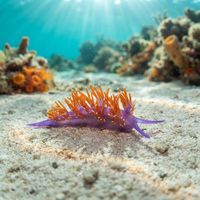
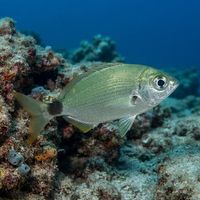
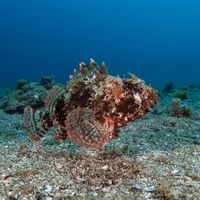
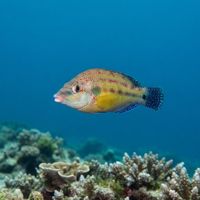
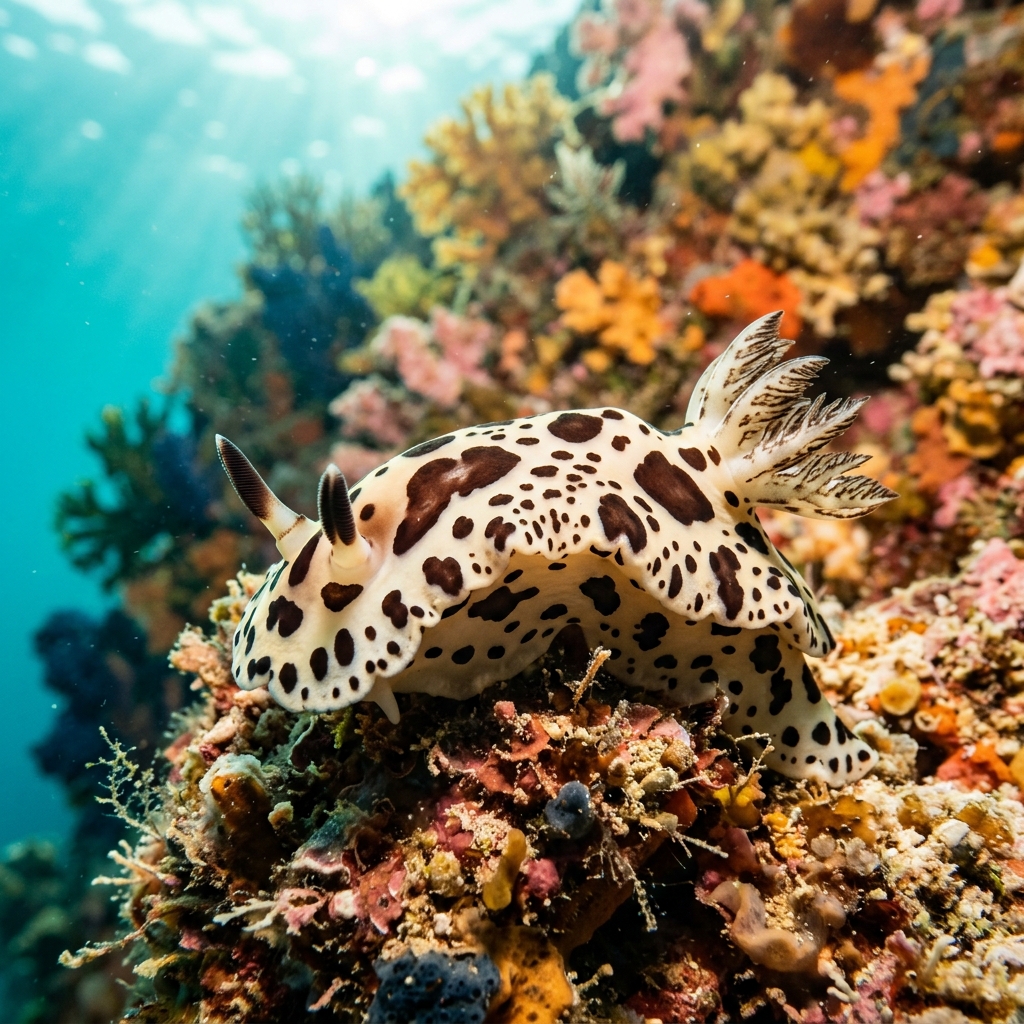
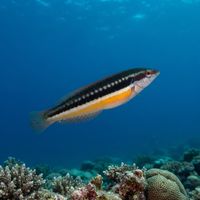
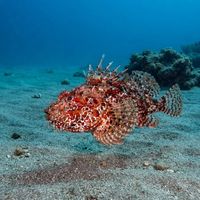
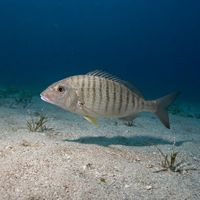
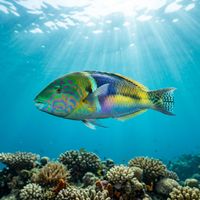
The region has a strong showing of cephalopods and reef fish, with the Common Octopus and European Common Cuttlefish seen across most sites. The Mediterranean Moray and Dusky Grouper are well established on the reefs, and nudibranch enthusiasts will find the Cratena Slug, Mediterranean Violet Aeolid and Giant Doris recorded here. The Scorpionfish and Stargazer are common finds for those who look closely at sandy patches and rocky substrate.
Not at all. A good portion of the sites are rated beginner-friendly, including shore dives and the shallower wreck of the P47 de Miomo, accessible by boat. Intermediate divers gain access to cave and artificial reef sites such as Nonza and U Rigonne. The B26 de Lavasina and L'Insuma are reserved for advanced and technical divers given their depth.
Several of the region's sites are reachable directly from the shore, including Nonza and Marine d'Albo, which suits divers who prefer independent access. The wreck sites, including the P47 de Miomo and L'Insuma, require a boat. Operators Toga Plongée and Blue Marine Companige cover the area and provide access to boat-only locations.
The Cap Corse coastline tends toward steep walls and rocky reef, reflecting the dramatic cliffs that define the peninsula. Sites such as Marine De Negru illustrate this, where cliffs descend directly into the water. Moving toward Bastia and the surrounding bay, wrecks and artificial reef structures feature more prominently, giving divers a different character of dive within a relatively compact area.
9 more sites to explore