
Calvi and Balagne offer a compact but varied diving landscape, ranging from shallow, sheltered shore entries suitable for beginners through to deep walls, canyons and drop-offs that reward intermediate divers. The signature sites, including Revellata and the B17 wreck, combine complex topography with strong marine life encounters. Common Octopus, Mediterranean Moray, Great Barracuda and European Common Cuttlefish appear consistently across the sites, alongside a rich nudibranch community. Conditions are at their best from late spring through autumn.
Monthly water temperature across Calvi & Balagne's sites, from satellite sea-surface data corrected for depth. The band shows the site-to-site spread.
Water temperature climbs steadily from spring into summer, peaking in August before easing back through autumn. September draws the highest concentration of favourable diving conditions, combining warm water with the reliable visibility that characterises this coastline. Winter months are cooler and see far less activity, making the spring-to-autumn window the productive season for most divers.
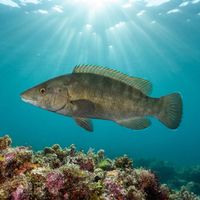
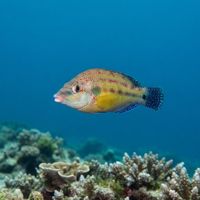
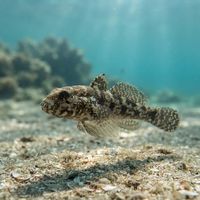
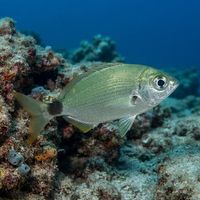
10 more sites to explore
Water temperature around Calvi & Balagne ranges from about 14°C in January to 22°C in August, based on satellite sea-temperature data for its dive sites.
In the warm season (about 22°C) a 3mm full suit is comfortable in Calvi & Balagne; in the coldest months (about 14°C) step up to a 7mm or semi-dry suit.
Fin maps 18 sites in Calvi & Balagne (16 scuba diving sites and 2 snorkelling spots).
Across Calvi & Balagne's dive sites, May, June, July, August, September and October are most often reported as the best months to visit.
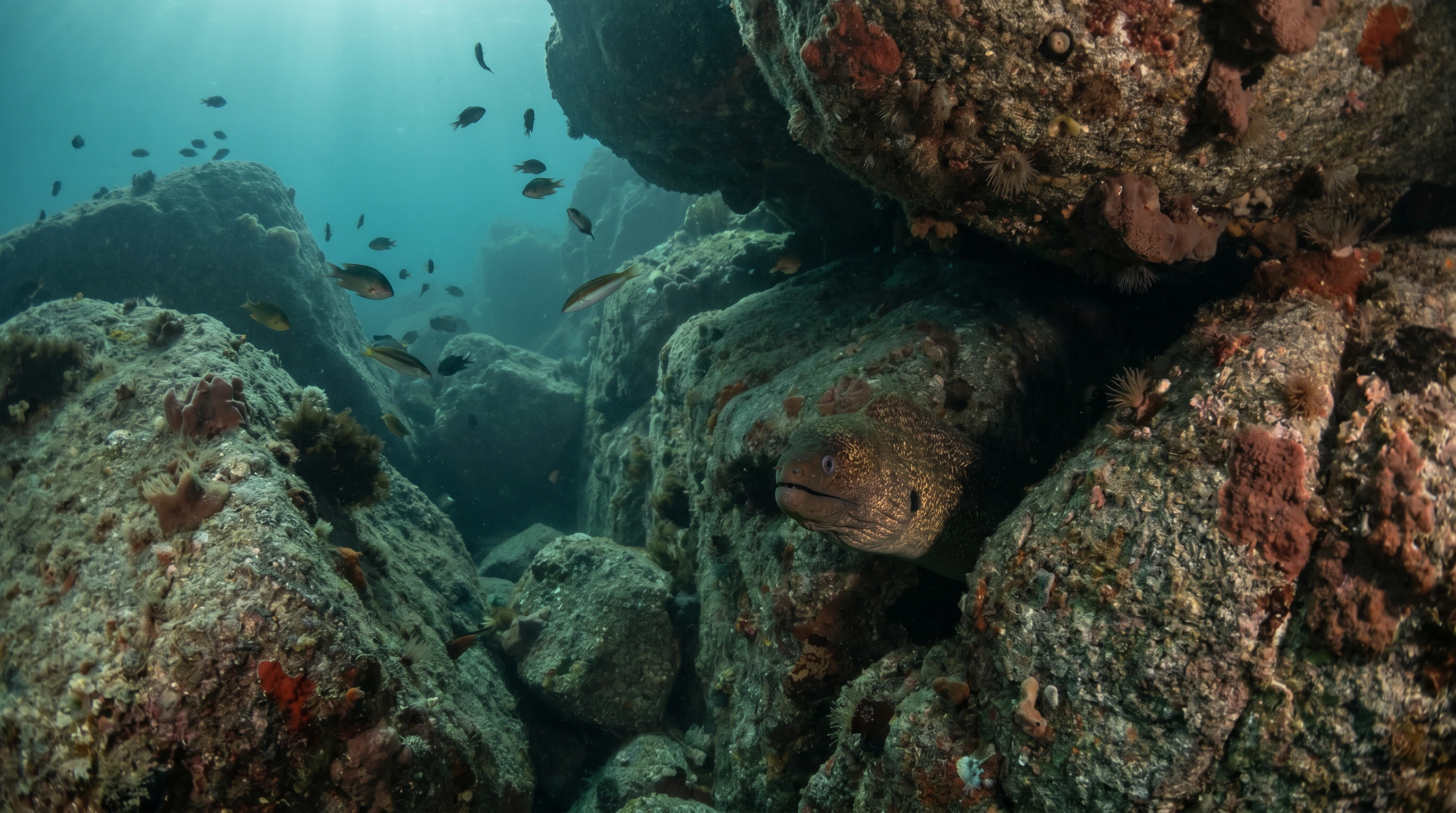
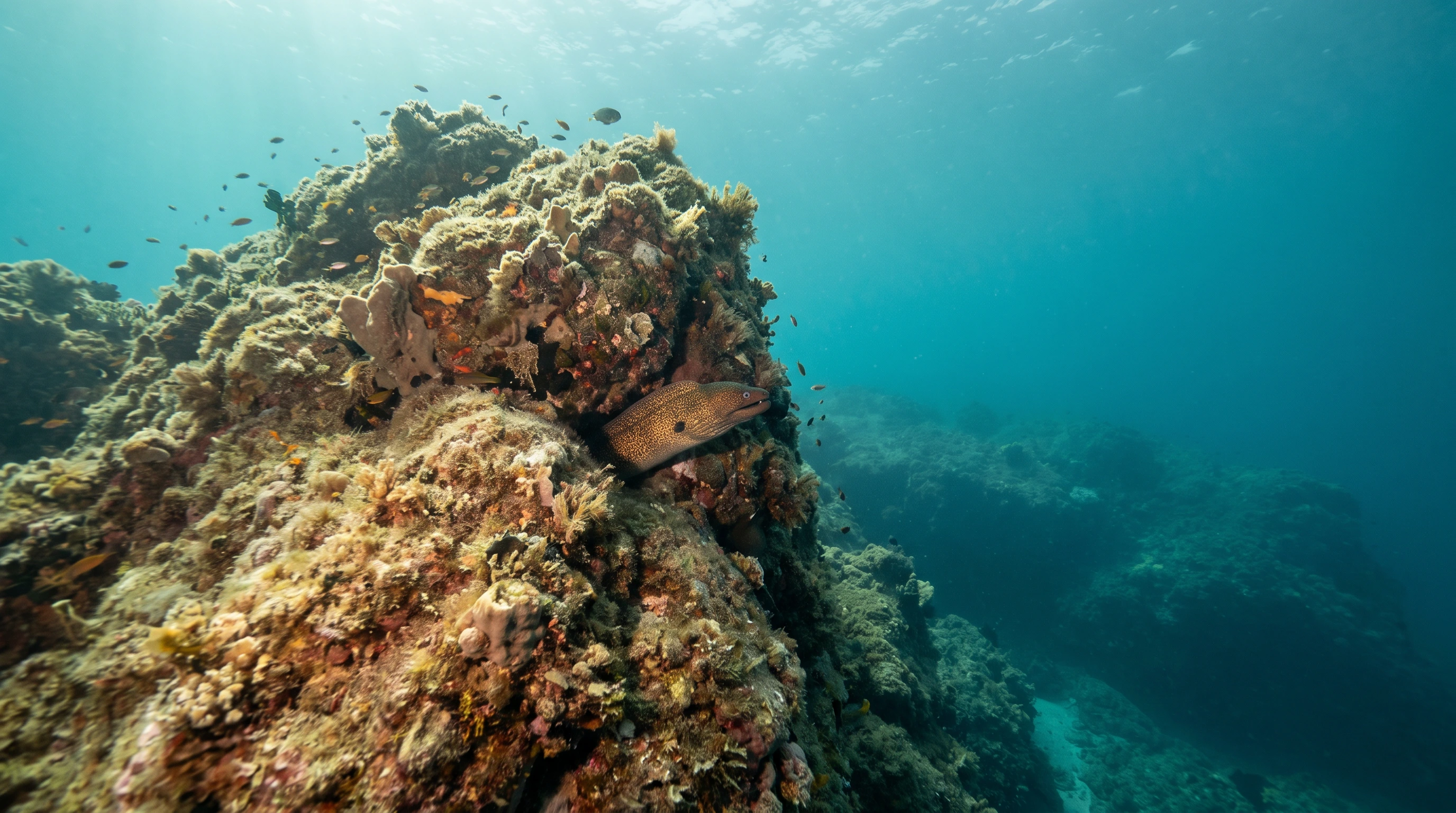
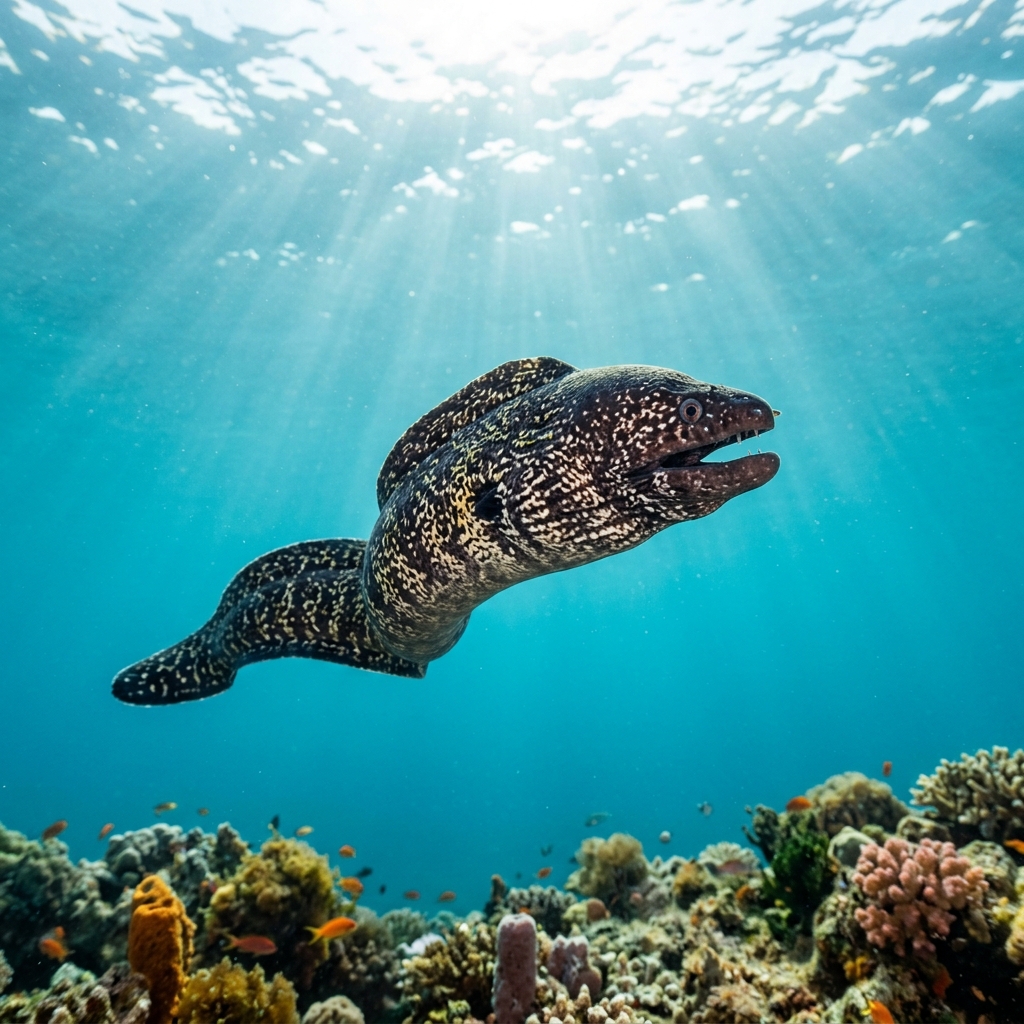
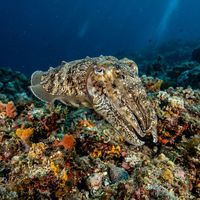
Sightings here are observation-backed and consistent. Common Octopus, White-spotted Octopus and European Common Cuttlefish are encountered across almost every site, while Mediterranean Moray and Conger Eel occupy the reef crevices. Great Barracuda patrol the mid-water, and the region also supports a notable variety of nudibranchs including Cratena Slug, Giant Doris and Mediterranean Violet Aeolid.
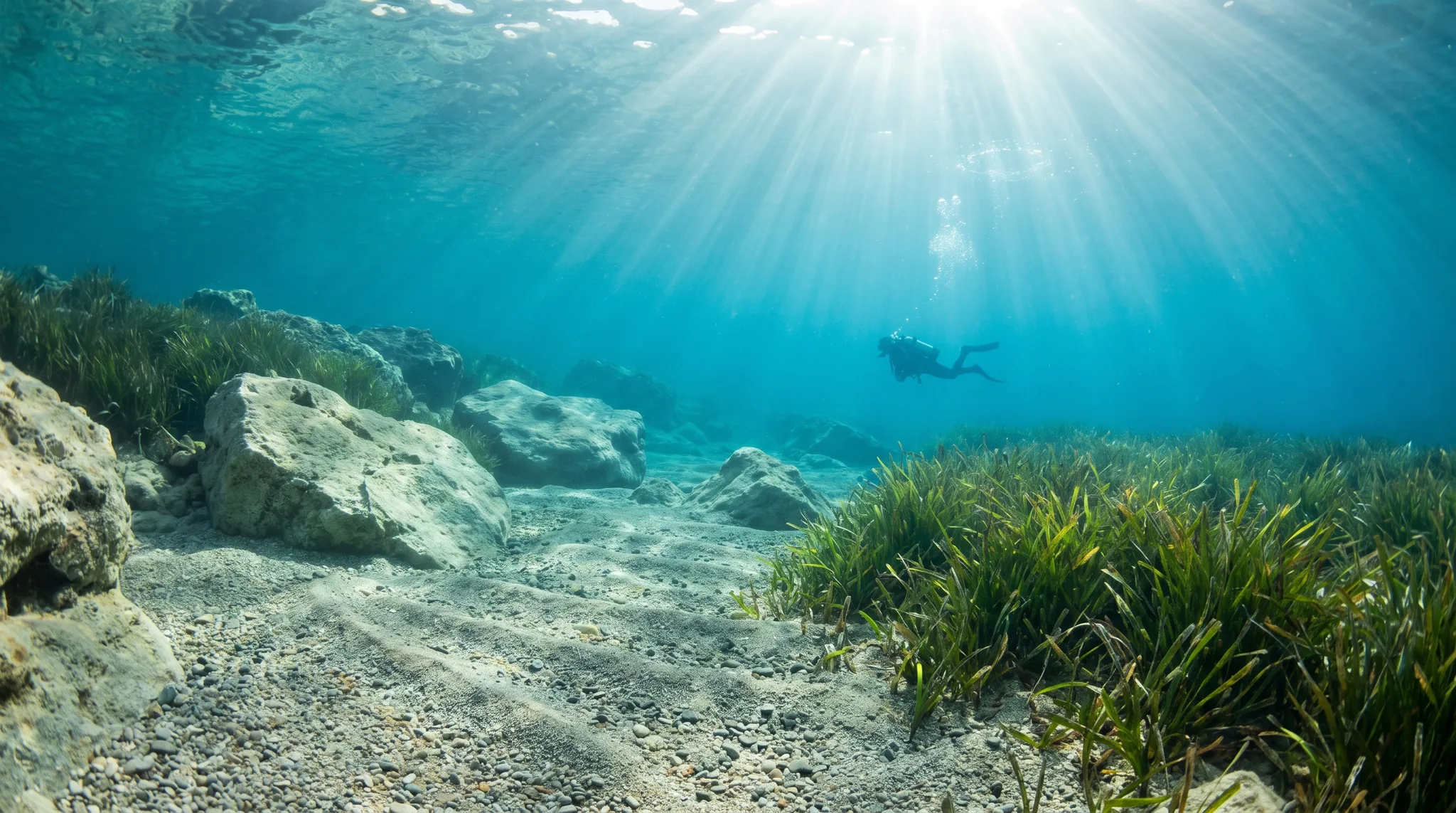
The site mix spans a broad range of abilities. Beginners can explore the sheltered reef and seagrass habitats at Plage de l'Oscelluccia or the pinnacle at Sec des Belges, both accessed without advanced certification. Intermediate divers will find more challenge at Revellata, Punta Rosa and Grand Tombant, where greater depths and wall topography come into play.
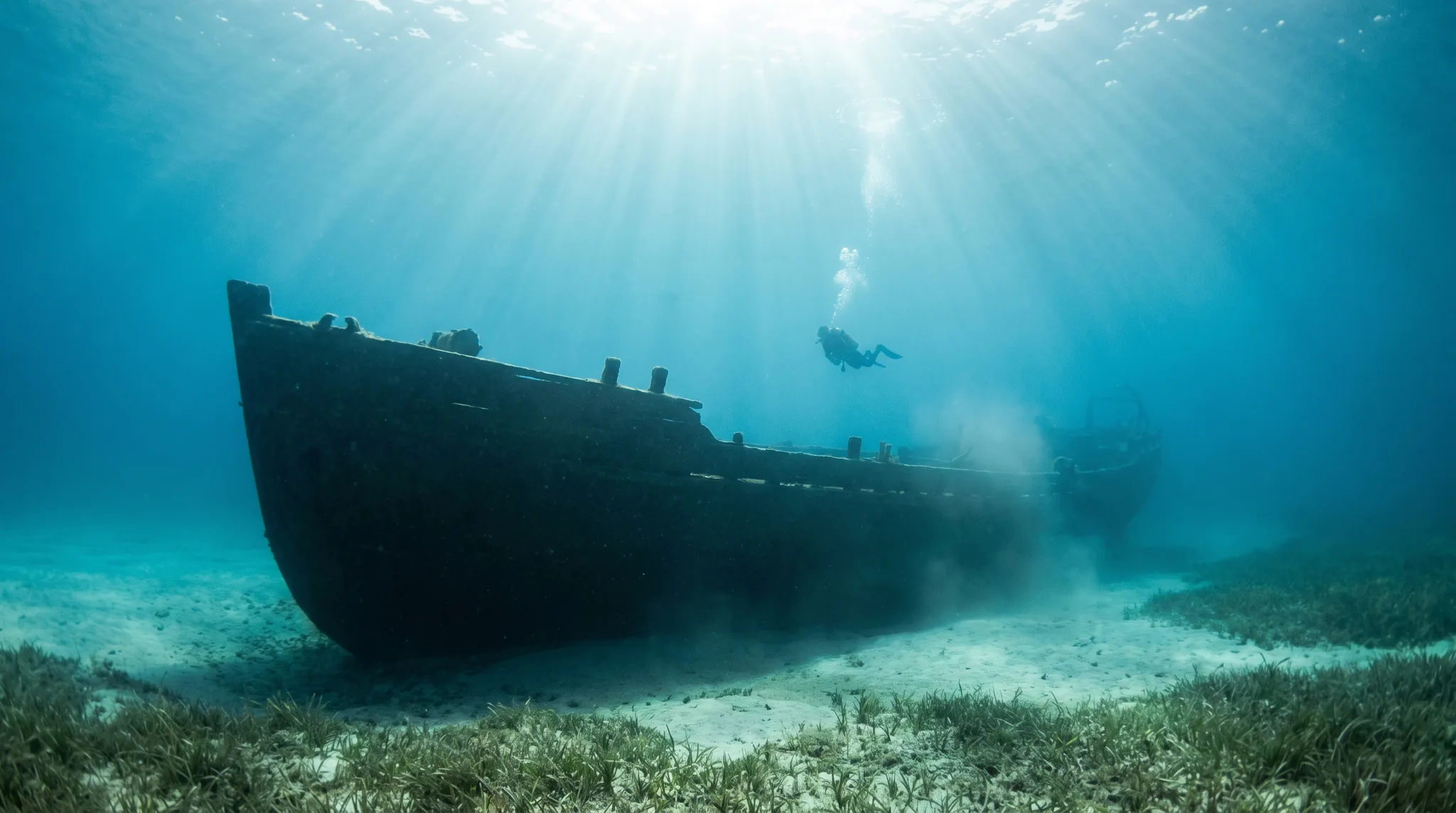
The majority of dive sites here require a boat, including the deeper reef and wall dives. Shore entry is available at Plage de l'Oscelluccia, making it a practical option for independent divers or beginners. The B17 wreck can be accessed either by boat or from shore, giving it unusual flexibility for a site of its depth.
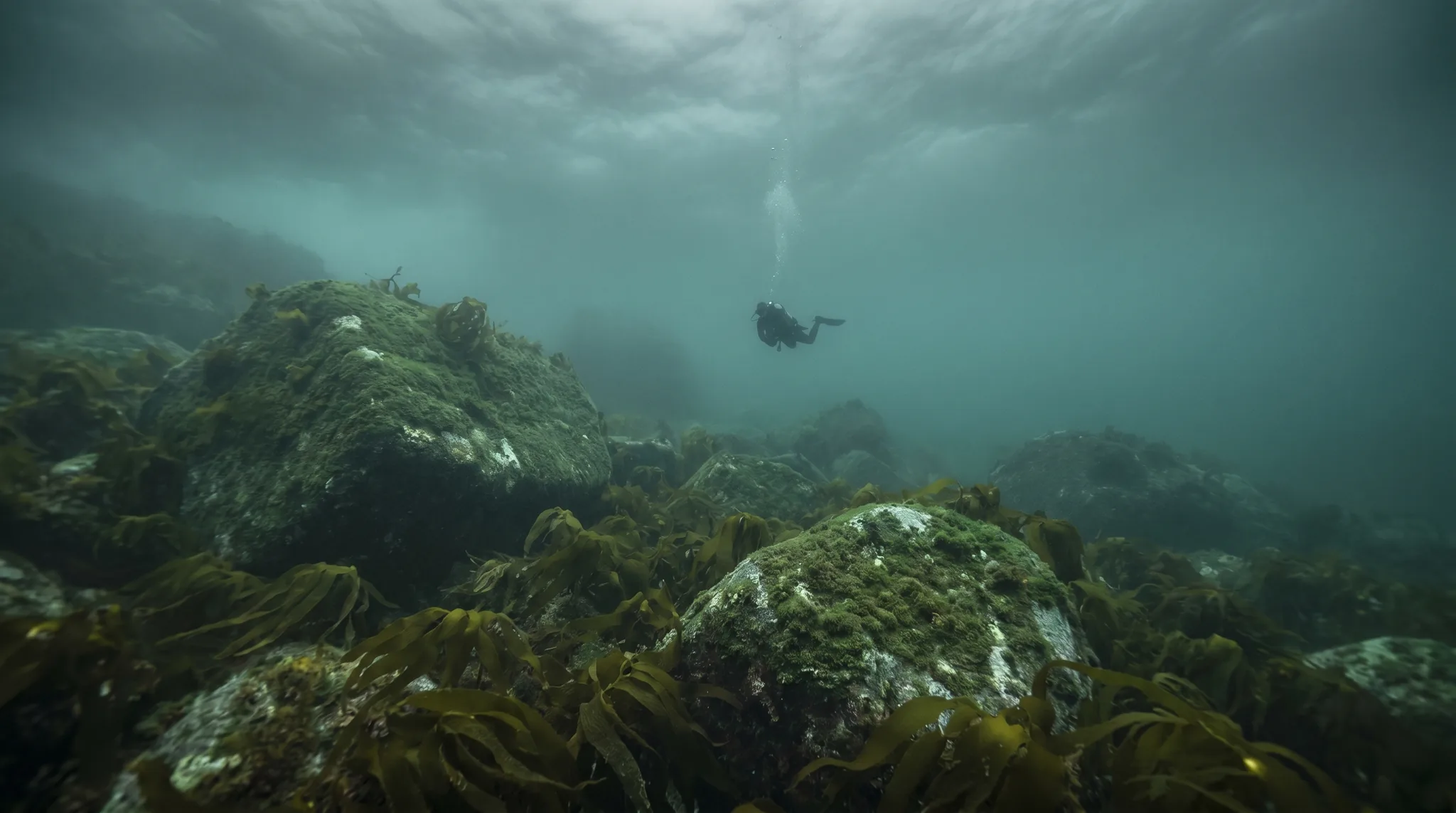
The region covers a wide topographic range. Shallow seagrass meadows and rocky reef flats sit alongside deeper walls, canyons and drop-offs. The B17 wreck adds a distinctive historical dimension, resting at moderate depth and intact enough to be a clear focal point. Pinnacle structures such as Sec des Belges rise from the seabed and attract a broad spread of species across their full height.