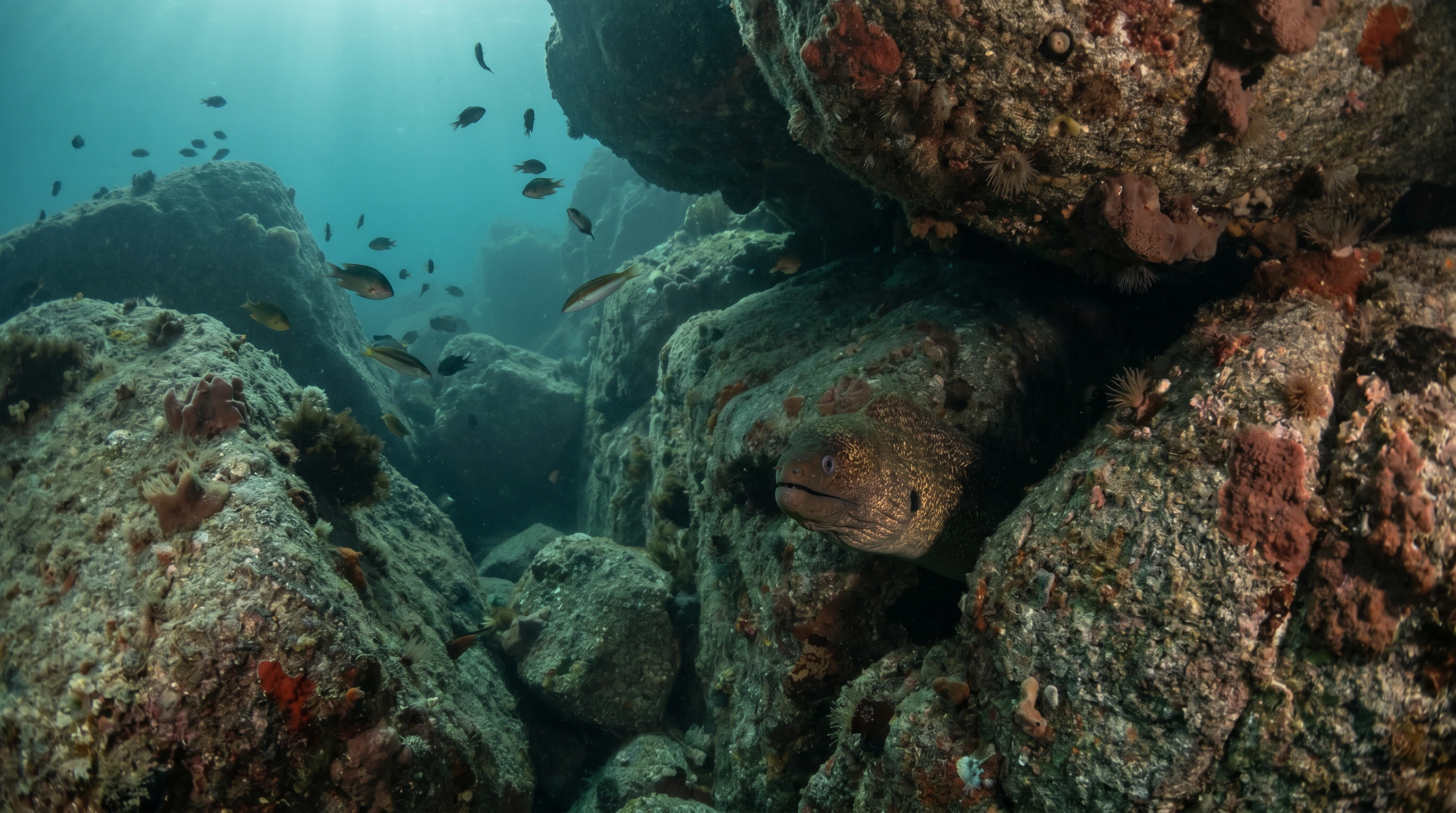
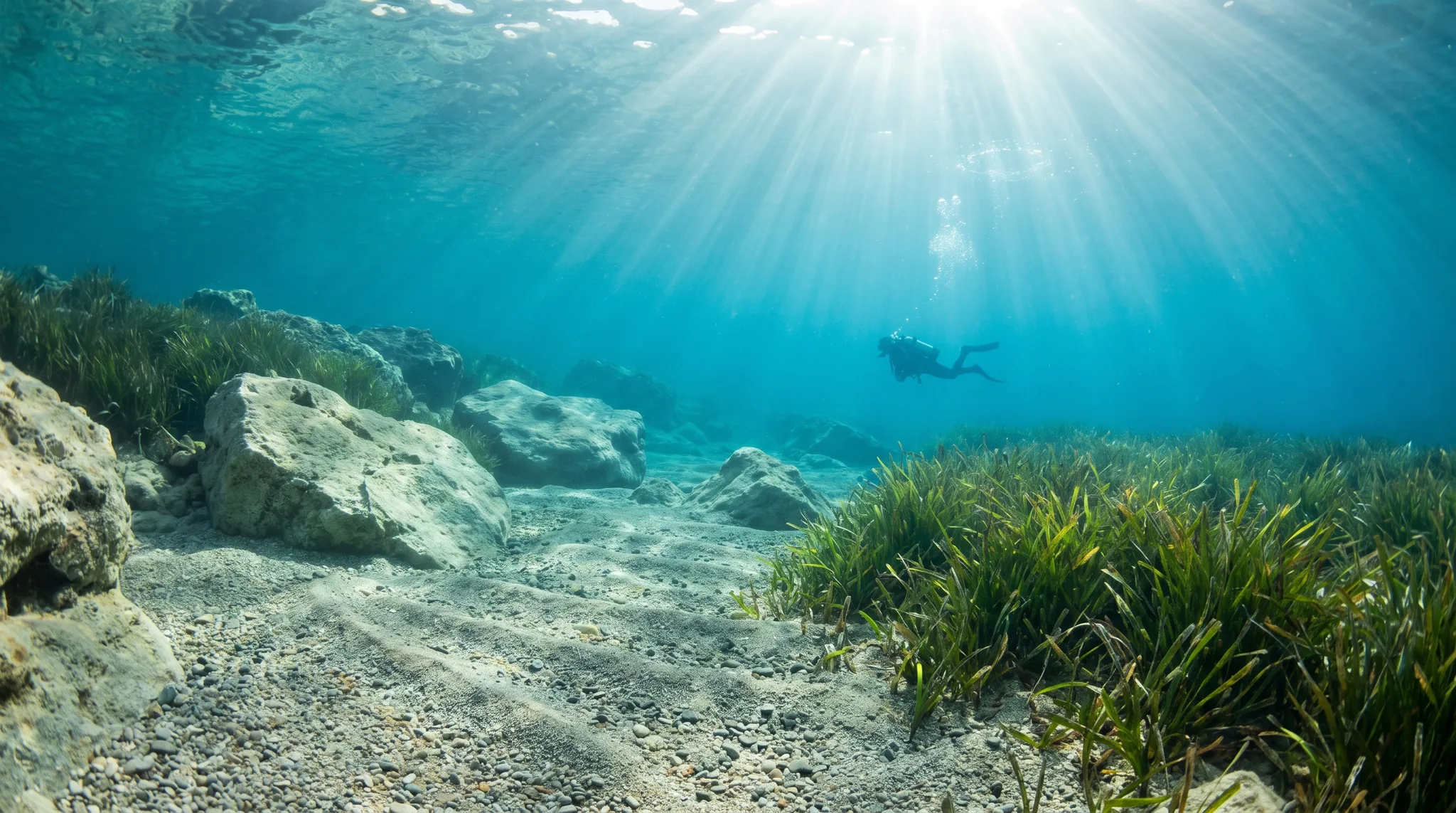
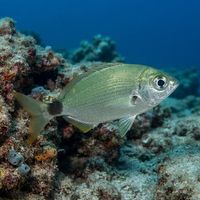
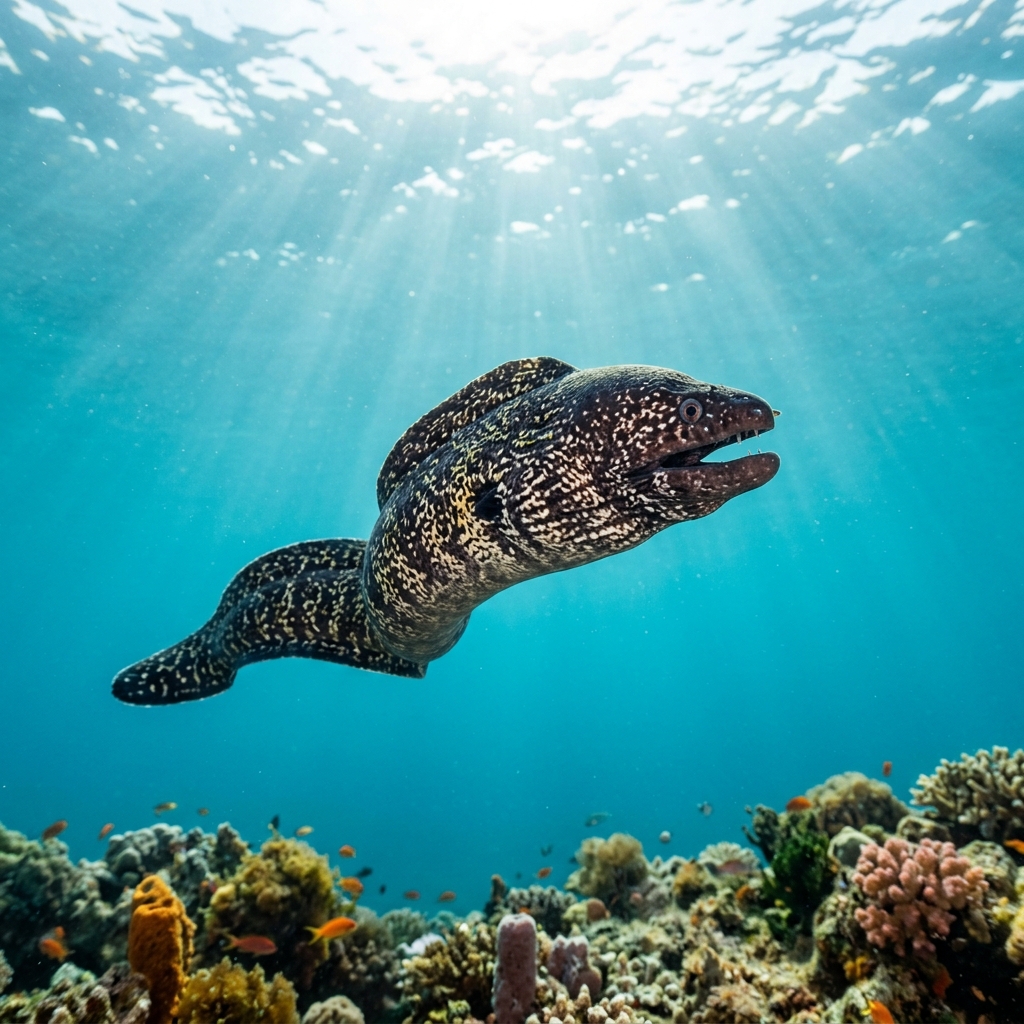
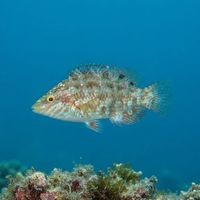
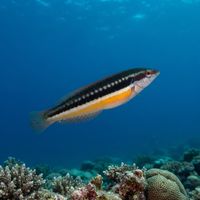
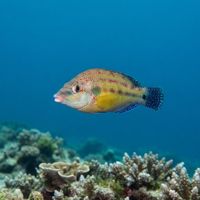
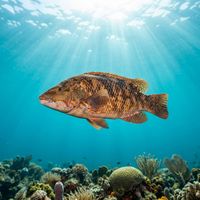
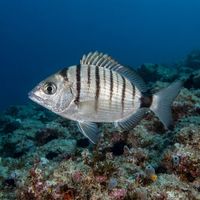
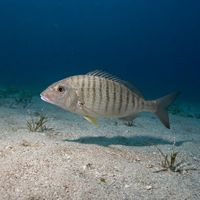
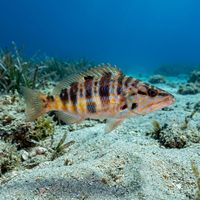
Bonifacio and the South is defined by the Lavezzi Islands, which concentrate the majority of sites and span every level of experience. Shallow seagrass bays and sheltered reef coves sit alongside deep walls, pinnacles and cave systems. The Turkish Wrasse, White Seabream and Painted Comber are present across almost every site, while the Mediterranean Moray, European Common Cuttlefish and Great Barracuda give the region its signature character. Conditions are warmest from June through September, with spring and autumn offering calmer water for boat trips to exposed offshore sites.
1 areas
Monthly water temperature across Bonifacio & the South's sites, from satellite sea-surface data corrected for depth. The band shows the site-to-site spread.
Water temperatures climb steadily from spring into summer, peaking in August before easing through autumn. The warmest months draw the most diver activity, though June and September are particularly well regarded in the best-months data. Exposed boat sites can carry strong currents, especially around walls and caves, so conditions vary considerably between sheltered shore entries and offshore pinnacles.
21 operators
France

21 more sites to explore
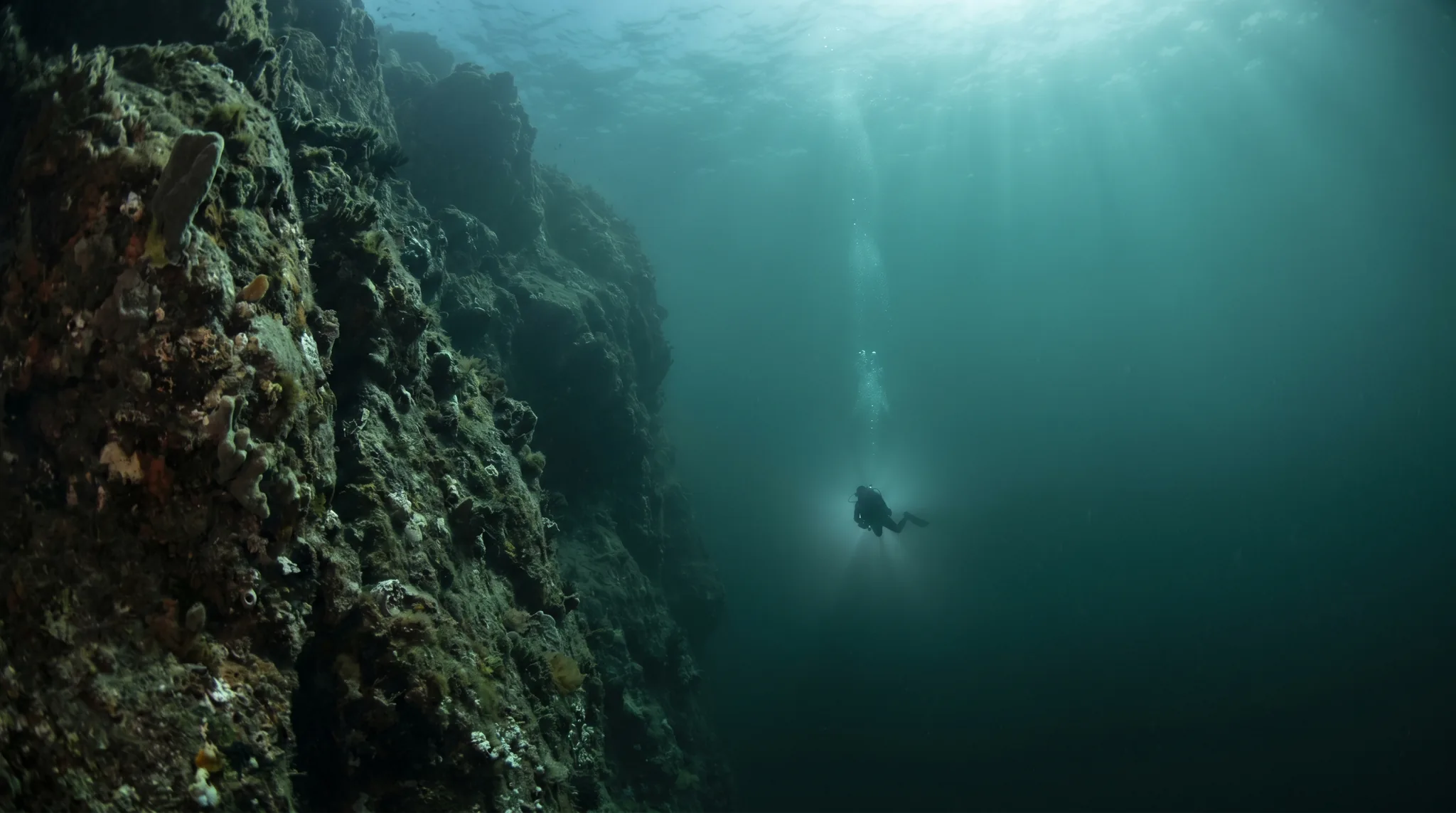
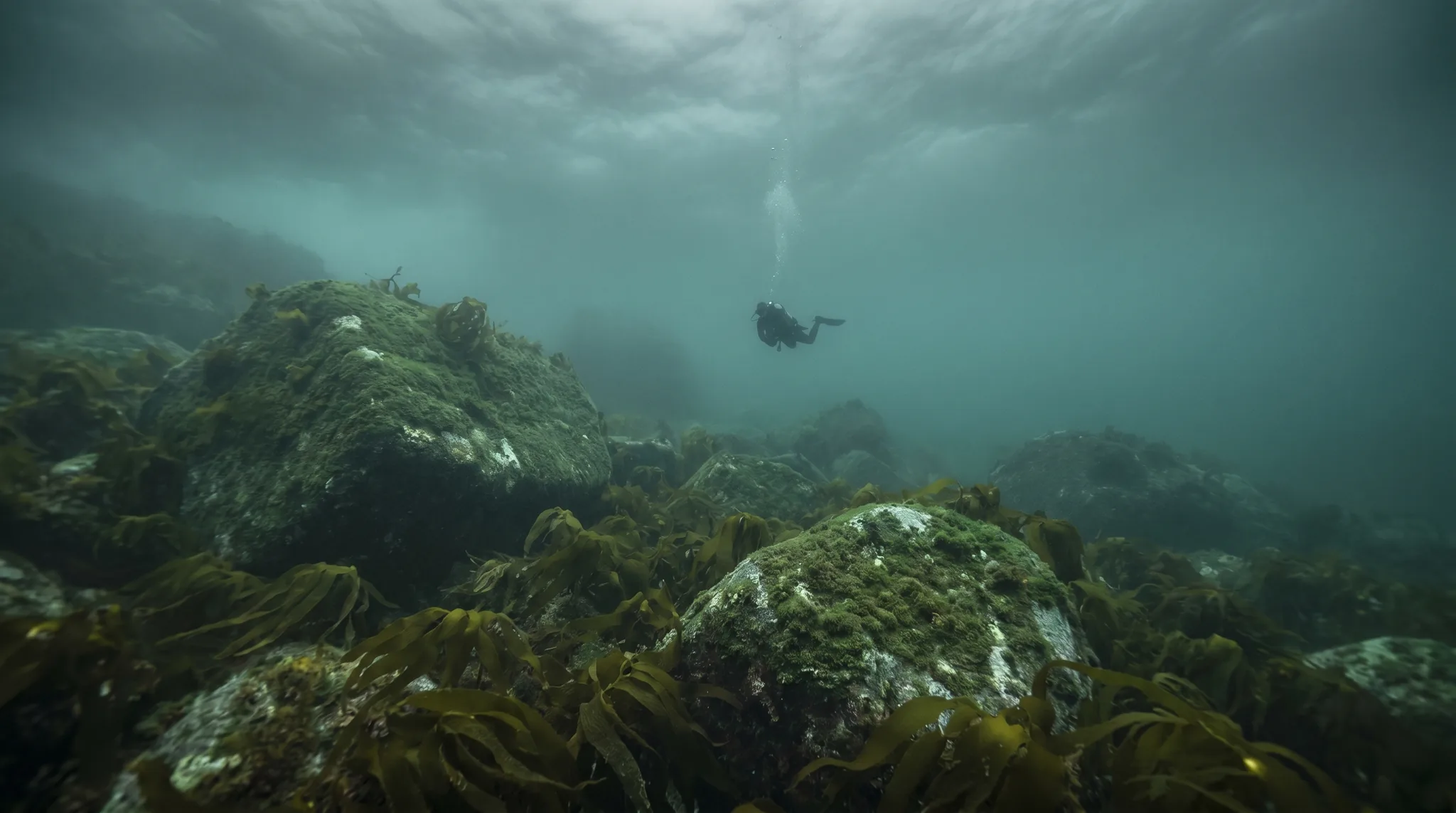
Reef-rich island group with shallow snorkel bays, deep walls and reliable encounters with cuttlefish, moray and barracuda.
Water temperature around Bonifacio & the South ranges from about 14°C in February to 23°C in August, based on satellite sea-temperature data for its dive sites.
In the warm season (about 23°C) a 3mm full suit is comfortable in Bonifacio & the South; in the coldest months (about 14°C) step up to a 7mm or semi-dry suit.
Fin maps 33 sites in Bonifacio & the South (24 scuba diving sites and 14 snorkelling spots, with some suited to both).
Across Bonifacio & the South's dive sites, June and September are most often reported as the best months to visit.
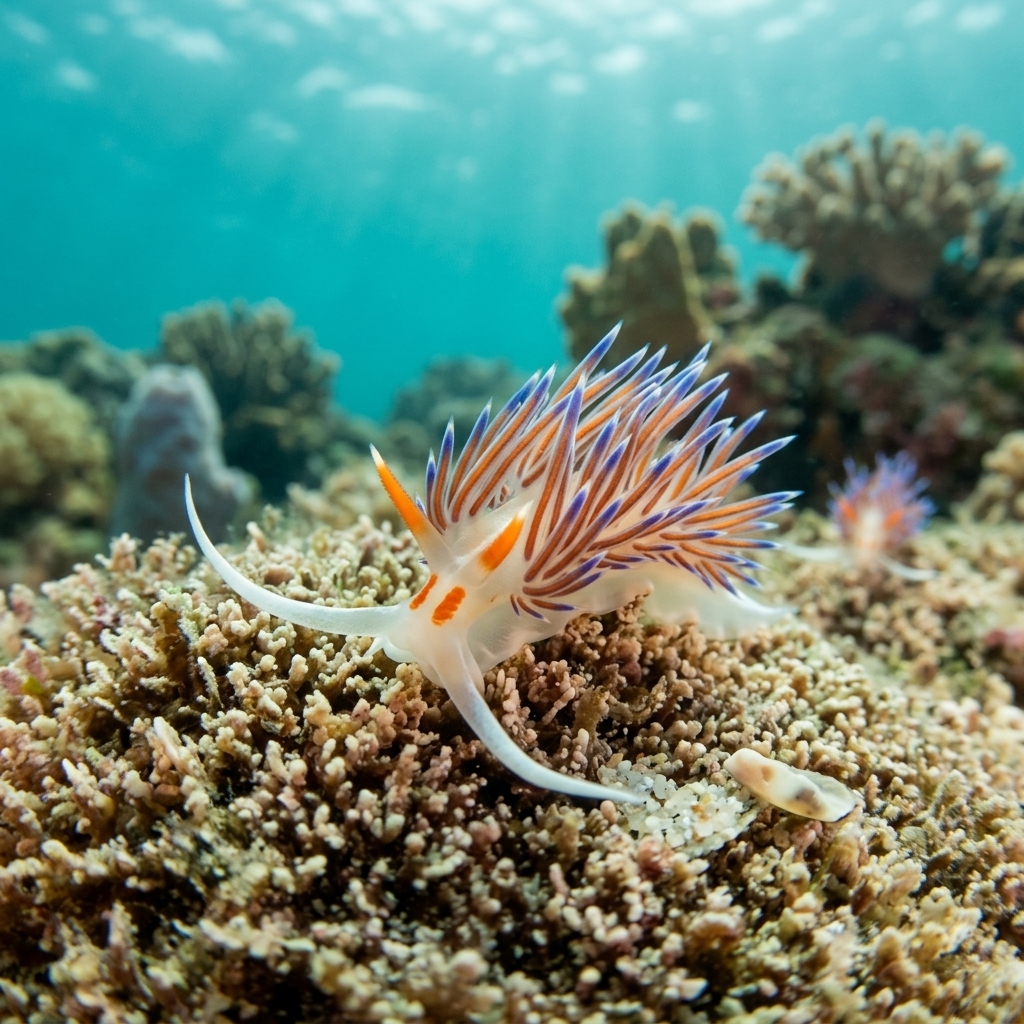
The region's signature species are the Mediterranean Moray, European Common Cuttlefish and Great Barracuda, all observation-backed across a broad range of sites. Reef fish such as the Turkish Wrasse, Painted Comber, White Seabream and Castagnole are present at nearly every site. Invertebrate life includes the Cratena Slug, Mediterranean Violet Aeolid and Cow Snail, making the area of particular interest to macro enthusiasts.
A good proportion of the sites are rated beginner level, including shallow shore entries such as Cala Achiarina, Les Nacres and Le vieux port. These sites offer gentle depths with reef and seagrass terrain that builds confidence in open water. More demanding walls, pinnacles and cave systems are reserved for intermediate and advanced divers, so the region caters to a wide range of experience.
The Lavezzi Islands account for the large majority of sites in this region and offer the widest variety of site types, from sheltered snorkelling coves to deep offshore walls. Sites like Città delle Cernie and La Tortue challenge advanced divers with significant depth and current, while Cala Di U Grecu and Rondinara provide calm conditions for snorkellers. The concentration of operators based in and around Bonifacio reflects how central the Lavezzi Islands are to diving here.
Four operators are listed for the region: Plongée Nature, Dive Center Hippocampe, Subtortue and Bonifacio Plongée. Boat access is required for the majority of dive sites, including all the deeper and more exposed offshore locations, so booking with a local operator is the practical way to reach most of the best spots.