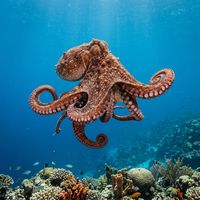
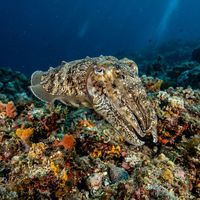
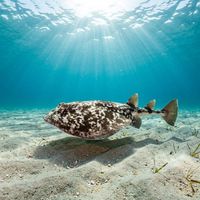
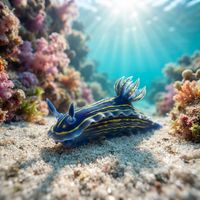
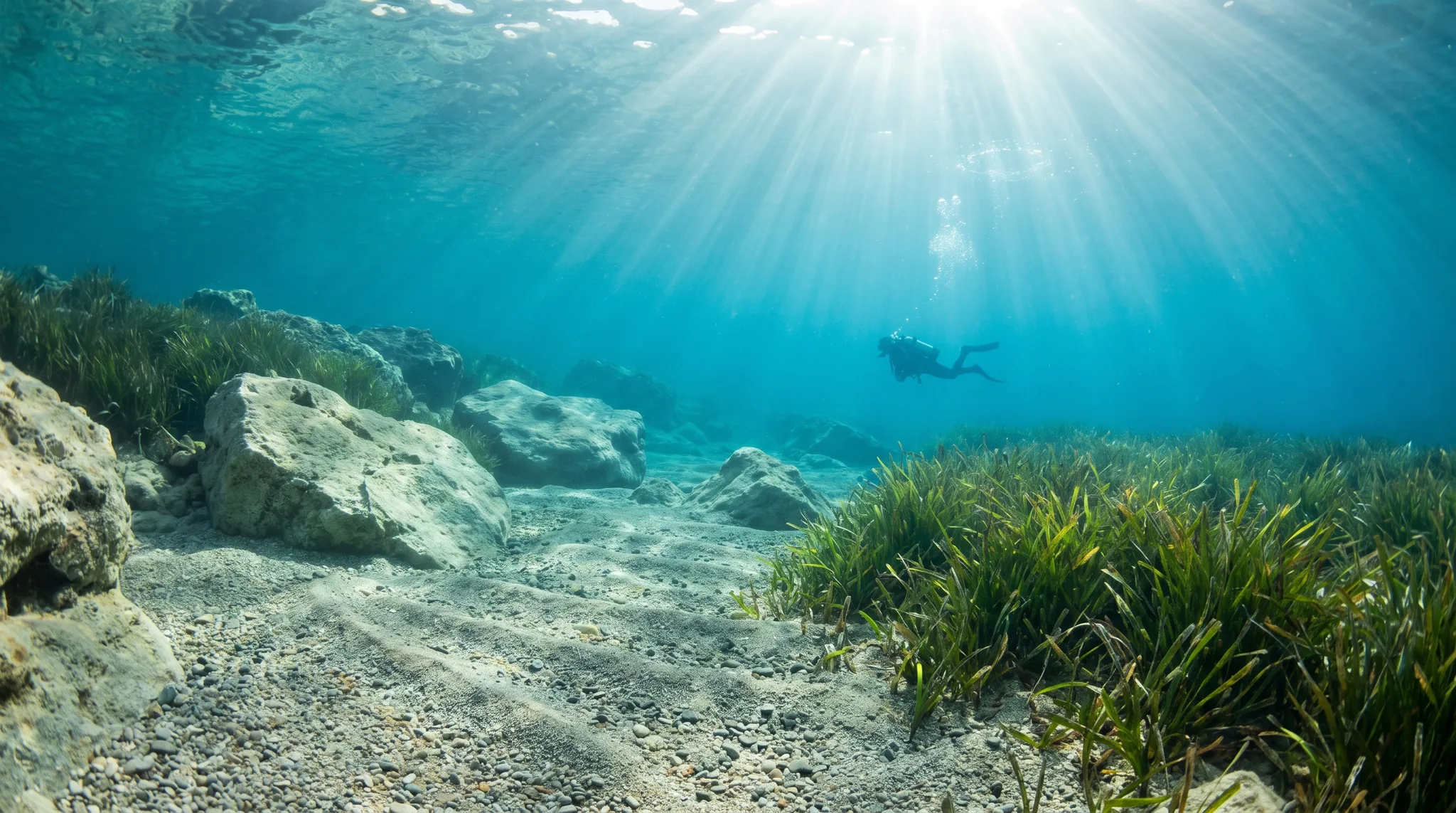
The Bay of Biscay offers a varied underwater landscape shaped by exposed coasts, sheltered bays and a strong temperate marine character. Wrecks are a defining feature, from shallow artificial reefs accessible to beginners through to deep intact vessels reserved for advanced divers. The Basque Coast and Arcachon Bay account for the largest concentrations of sites, while La Rochelle and Île de Ré and the Vendée Coast add further variety. Cephalopods dominate sightings: Common Octopus and European Common Cuttlefish are encountered across the region, alongside the distinctive Marbled Electric Ray, Conger Eel and a rich cast of bottom-dwelling species.
6 areas
 41
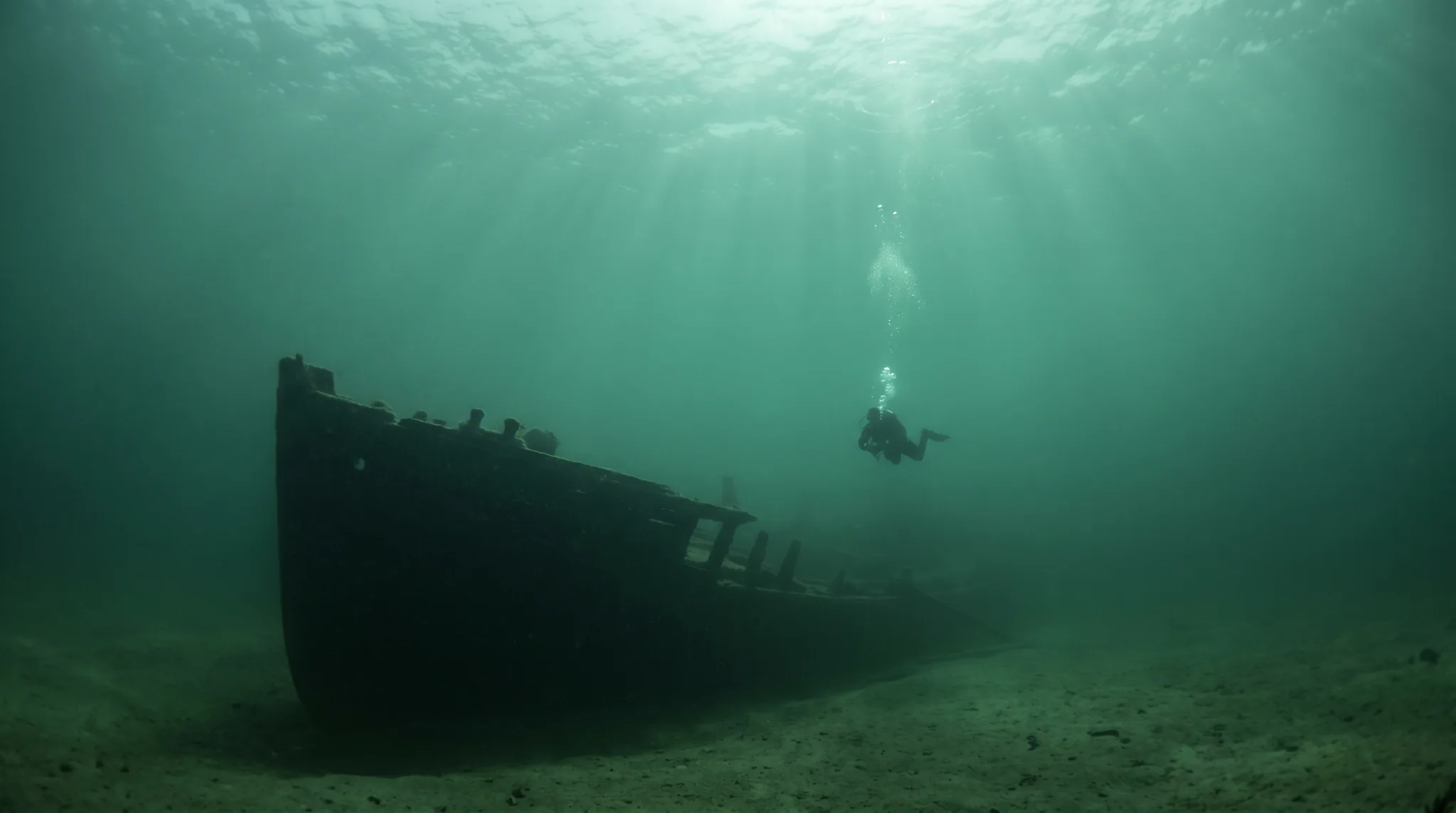
41Wrecks, artificial reefs and seagrass in a sheltered bay, with octopus, cuttlefish and Gray Seal among the signature sightings.
 35
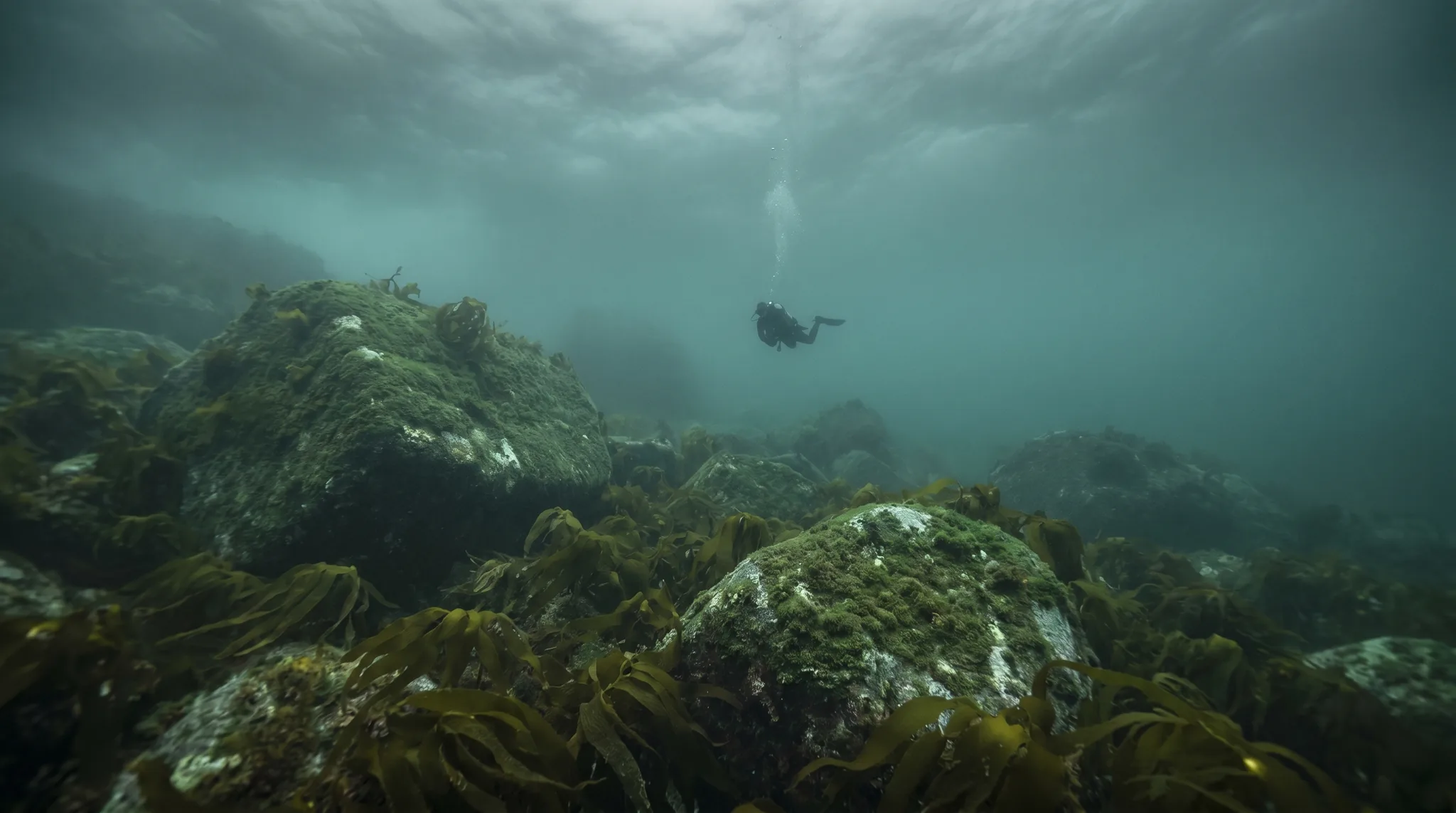
35Rocky reefs and artificial structures on the Bay of Biscay coast, known for Common Octopus, European Common Cuttlefish, and the Marbled Electric Ray.
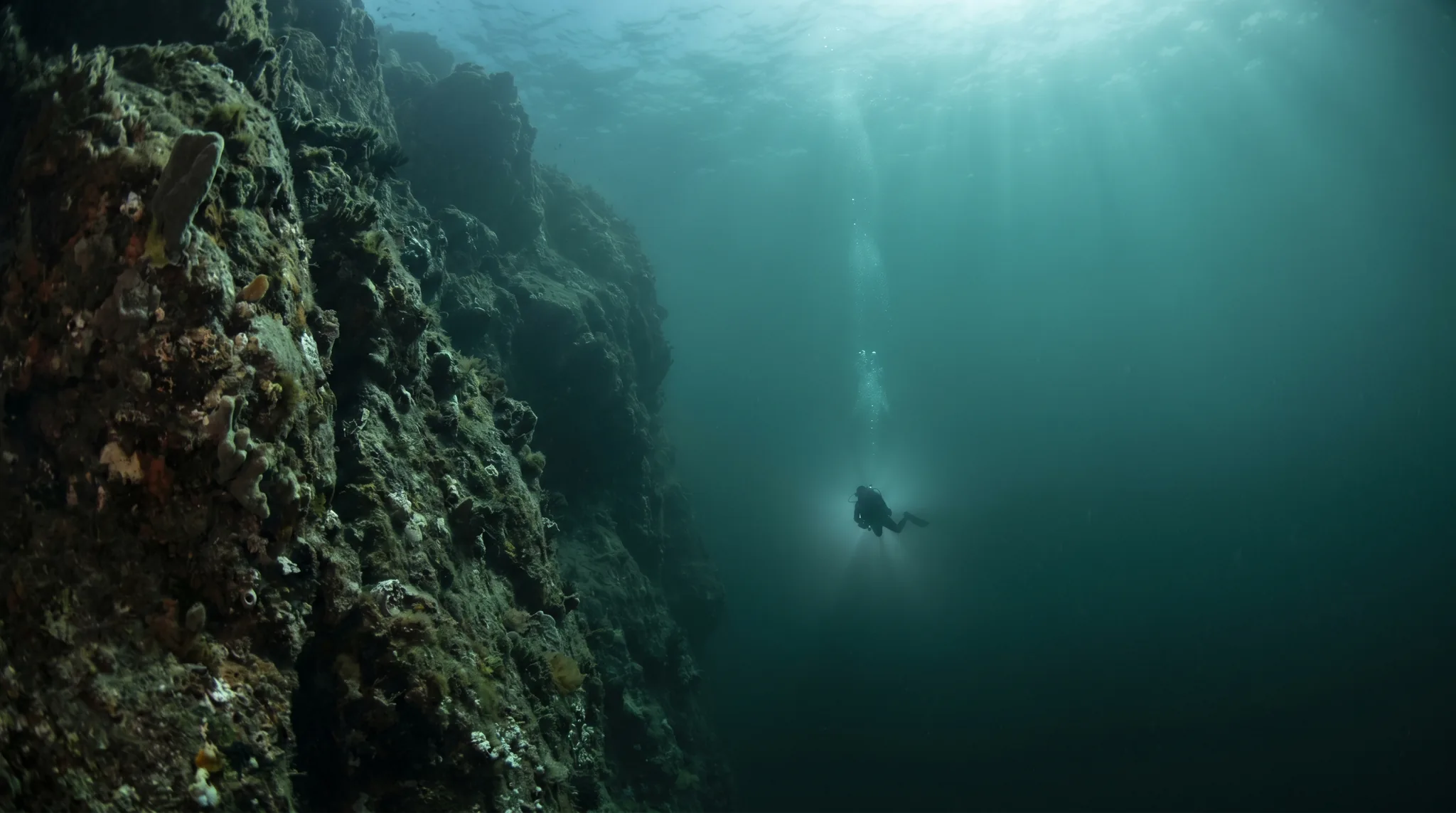
34Wreck-focused diving on the Bay of Biscay coast, with a German submarine, rich cephalopod life and occasional Ocean Sunfish sightings.
Monthly water temperature across Bay of Biscay's sites, from satellite sea-surface data corrected for depth. The band shows the site-to-site spread.
Water temperature climbs through late spring and peaks in summer, making July and August the warmest months for diving. Conditions are most settled from late spring through early autumn, with exposure and swell more pronounced outside those months on open stretches of coast. Visibility tends to be moderate rather than exceptional, rewarding divers who look closely at the structure and bottom life rather than expecting long open-water sightlines.
85 operators
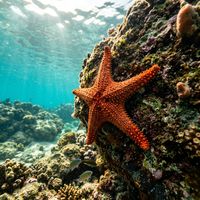
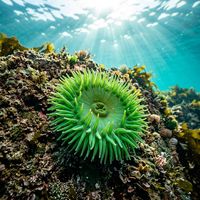
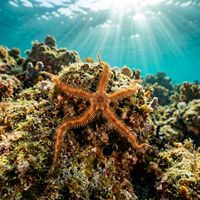
Wrecks and reef life off La Rochelle, with Conger Eel, Gorgonian and Sea Star among the most reliably spotted species.
Water temperature around Bay of Biscay ranges from about 12°C in January to 19°C in August, based on satellite sea-temperature data for its dive sites.
In the warm season (about 19°C) a 5mm suit is comfortable in Bay of Biscay; in the coldest months (about 12°C) step up to a 7mm or semi-dry suit.
Fin maps 142 sites in Bay of Biscay (110 scuba diving sites and 44 snorkelling spots, with some suited to both), organised into 6 areas.
Across Bay of Biscay's dive sites, May, June, July, August and September are most often reported as the best months to visit.
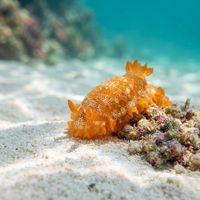
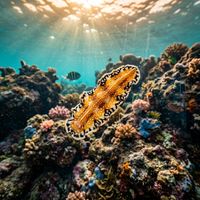
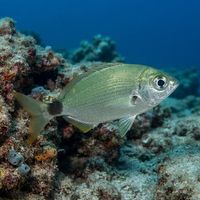
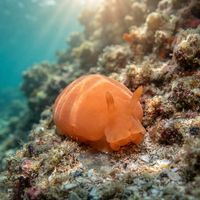
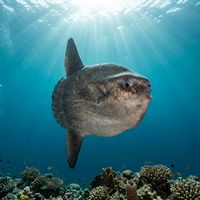
The region has a strong cephalopod presence, with Common Octopus and European Common Cuttlefish observed across a wide range of sites. Marbled Electric Ray and Torpedo Ray are regularly encountered on sandy or mixed bottoms, while Conger Eel, Scorpionfish and Tompot Blenny are very commonly reported. Less frequent but reliably observed species include Catshark, Gorgonian, John Dory and, occasionally, Ocean Sunfish and Gray Seal.
Yes, a good portion of the region's dive sites are rated for beginners. Shore-accessible sites such as Fosse la Teste and Digue de Socoa offer shallow, structured entry points, and artificial reefs in Arcachon Bay provide manageable conditions for those early in their diving experience. More advanced sites, including the deep wreck of the St. Sunniva and the submarine U 976, are reserved for experienced divers who are comfortable at greater depth.
Arcachon Bay has the largest concentration of sites and is particularly known for its wrecks, ranging from shallow beginner dives to deep advanced sites well offshore. The Basque Coast, centred around Hendaye, mixes natural reef and cave diving with artificial structures and includes both shore and boat entries. La Rochelle and Île de Ré and the Vendée Coast add further variety, while Gironde and Médoc and Biarritz have a smaller number of sites and suit those exploring the region more broadly.
Both shore and boat entries are represented across the region. Shore access is available at sites including Fosse la Teste and Digue de Socoa, making them convenient for independent divers. Many of the deeper wreck sites, such as Le Chariot, the Cairnstrath and L Afrique, are boat-only, and several operators based along the coast run regular boat dives. Some sites, including La Vigne and Digue d Artha, offer the flexibility of either entry method.