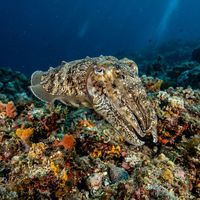
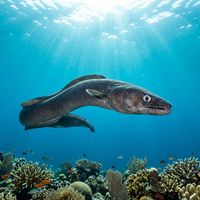
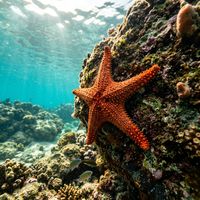
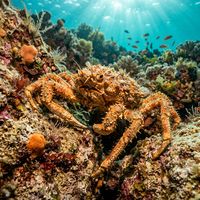
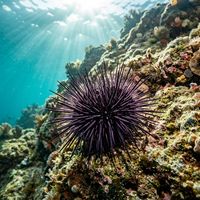
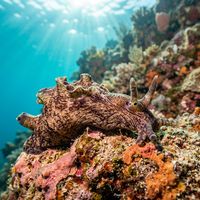
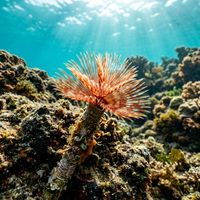
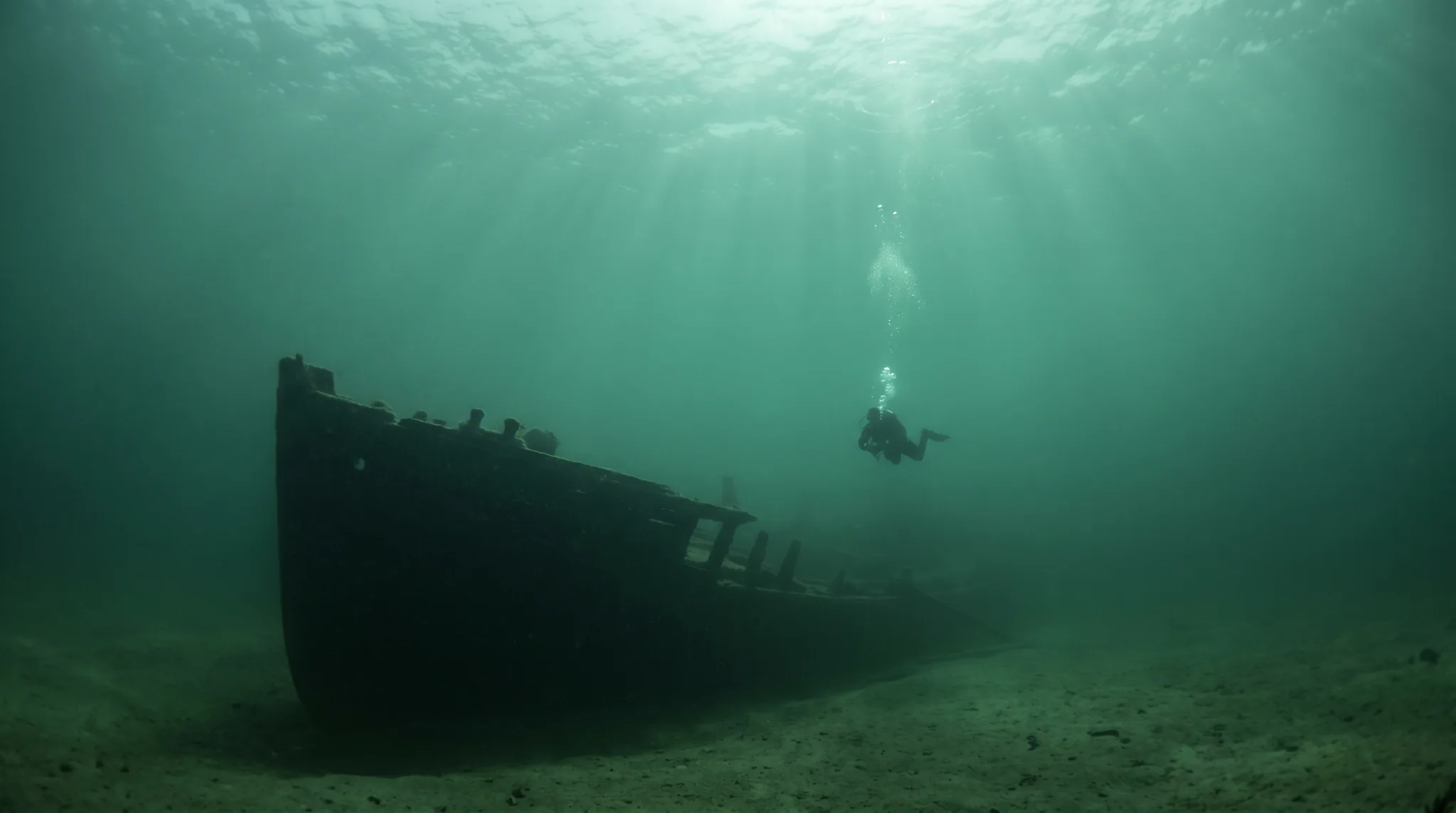
Normandy's underwater character is defined by wrecks and cold-water life. The dive sites lean heavily toward shipwrecks, ranging from intermediate-friendly boats to technically demanding deep hulks, all accessed by boat. The Conger Eel, Spiny Spider Crab, European Common Cuttlefish and Sea Star are regularly encountered, and the region's colder months keep visibility reasonable on exposed rocky ground. The Alabaster Coast and Cotentin hold the most sites, while Calvados and D-Day Coast and the Opal Coast offer a smaller but focused selection. Snorkelling is well represented across the region, particularly at shallower rocky and reef sites.
4 areas
 14
14Normandy wreck diving and rocky shore snorkelling, with cool temperate waters hosting Conger Eel, John Dory, and abundant crustaceans.
11Tidal waters off Cherbourg, combining a deep technical wreck with rocky shallows rich in invertebrates and Conger Eel.
8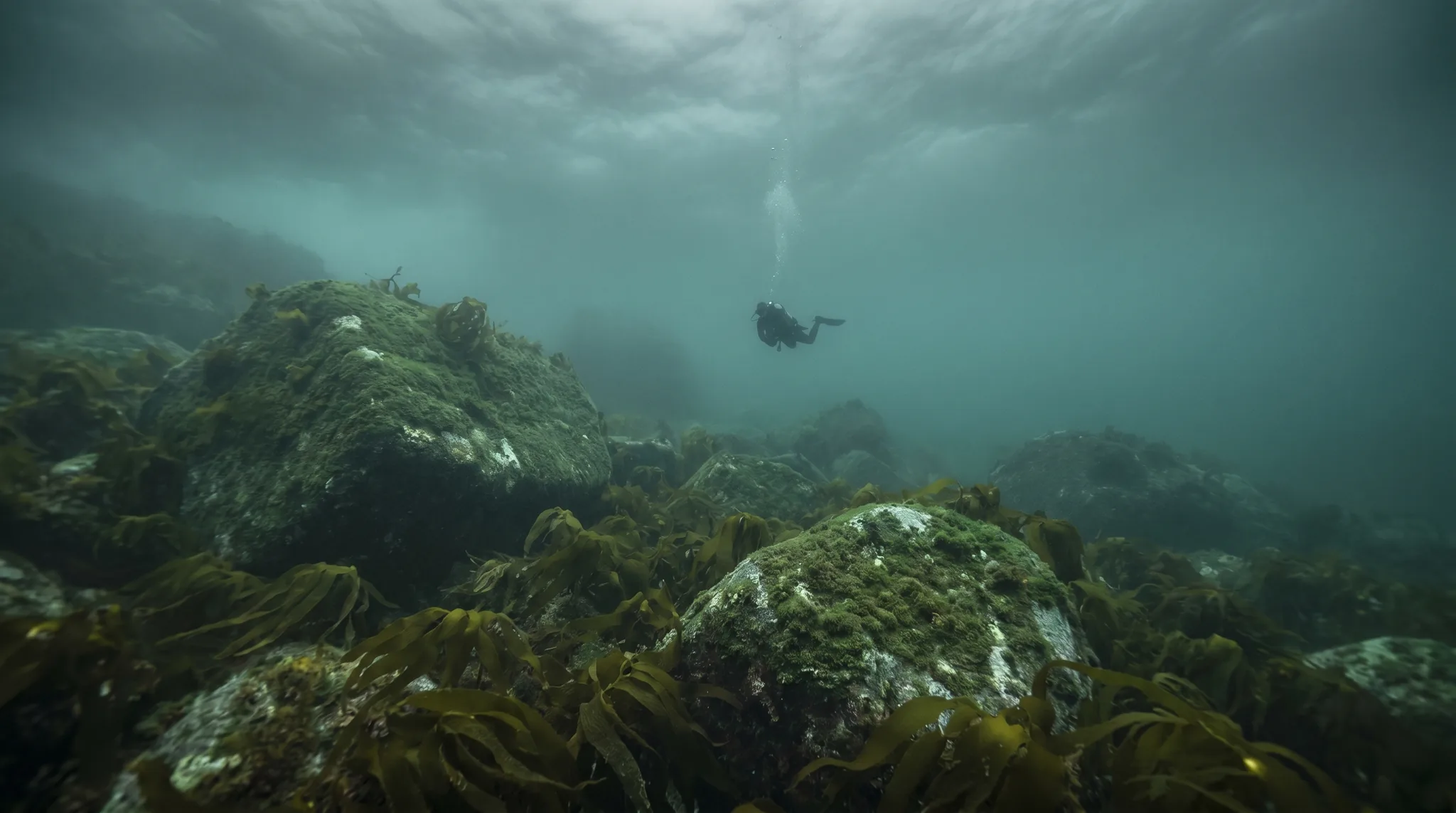 6
6Monthly water temperature across Normandy's sites, from satellite sea-surface data corrected for depth. The band shows the site-to-site spread.
Water is coldest through winter and early spring, warming gradually toward late summer when conditions are most comfortable for longer dives. The peak season runs from late spring through early autumn, with June and September seeing the strongest diver activity. Visibility is modest year-round, so good buoyancy and torch work pay dividends on the wreck sites.
14 operators
Caen, France
Mondeville, France
English Channel diving centred on WWII history, from the Mulberry Harbour caissons at Arromanches to offshore wrecks and sheltered harbour sites.
Water temperature around Normandy ranges from about 9°C in February to 18°C in August, based on satellite sea-temperature data for its dive sites.
In the warm season (about 18°C) a 5mm suit is comfortable in Normandy; in the coldest months (about 9°C) step up to a drysuit.
Fin maps 39 sites in Normandy (24 scuba diving sites and 18 snorkelling spots, with some suited to both), organised into 4 areas.
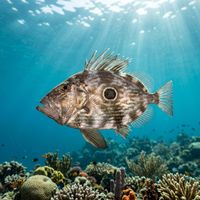
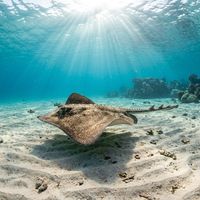
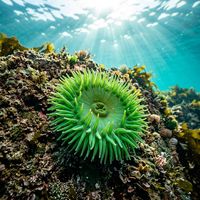
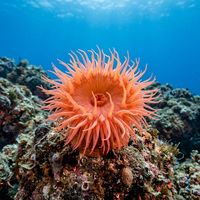
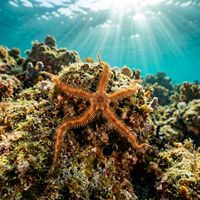
The most reliably observed species include Conger Eel, Spiny Spider Crab, European Common Cuttlefish and Sea Star. John Dory, Skate, Cod and Brittle Star are also regularly recorded. Wreck structures provide habitat for Sea Anemone and Tube Worm, and the European Green Crab is present across nearly all sites.
The region spans a wide range of diver experience. The Alabaster Coast and Cotentin offer the largest number of sites and include intermediate wreck dives such as HMS Daffodil and Le Gauss. The Opal Coast is home to HMS Hermes, which is strictly technical and requires trimix or rebreather experience. Calvados and D-Day Coast rounds out the offering with a smaller site selection.
The top wreck sites in Normandy are all boat-access only, reflecting how far offshore many of the wrecks lie. Snorkelling sites tend to be more accessible from shore, particularly along the shallower rocky stretches of the Alabaster Coast and Cotentin. Operators based across the region run regular boat departures to the key dive sites.
The Leopoldville Wreck is rated advanced and sits at considerable depth off Cherbourg, making it a serious undertaking. HMS Hermes is the most demanding site in the region, classed as technical and requiring specialist gas and equipment configurations. Both sites are boat-access only and not appropriate for recreational divers without the relevant qualifications.