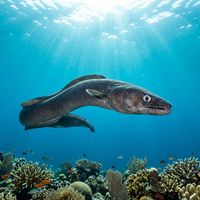
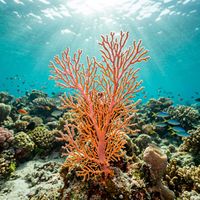
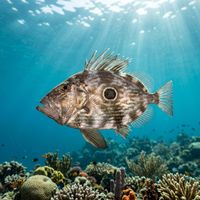
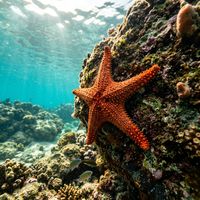
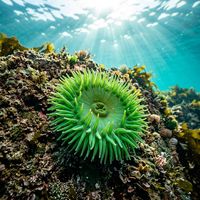
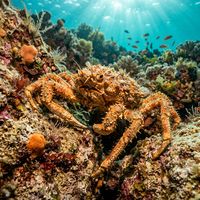
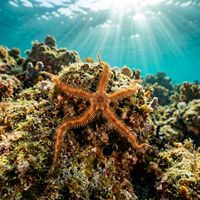
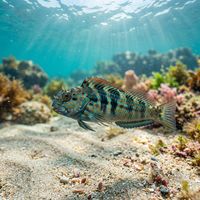
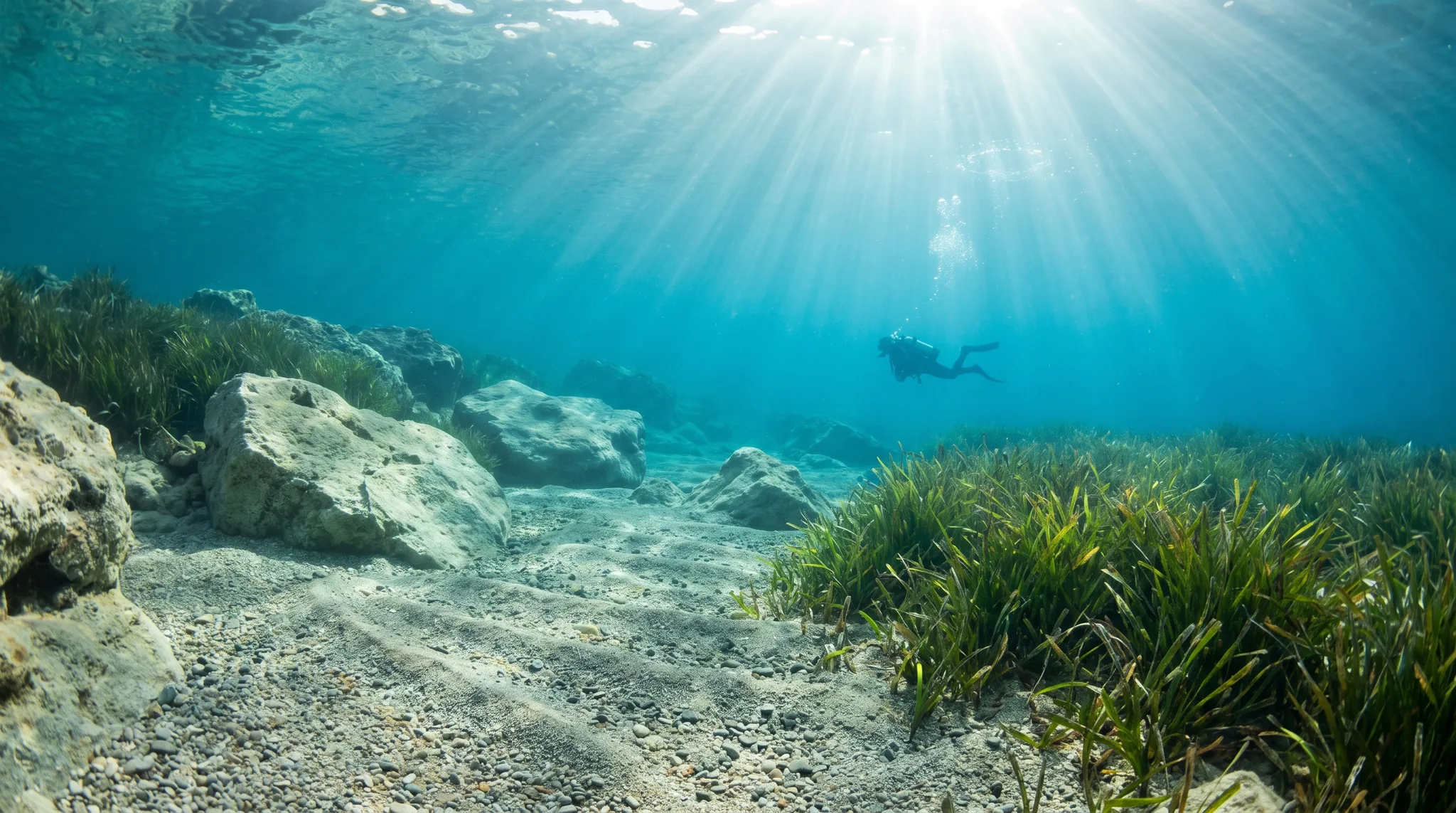
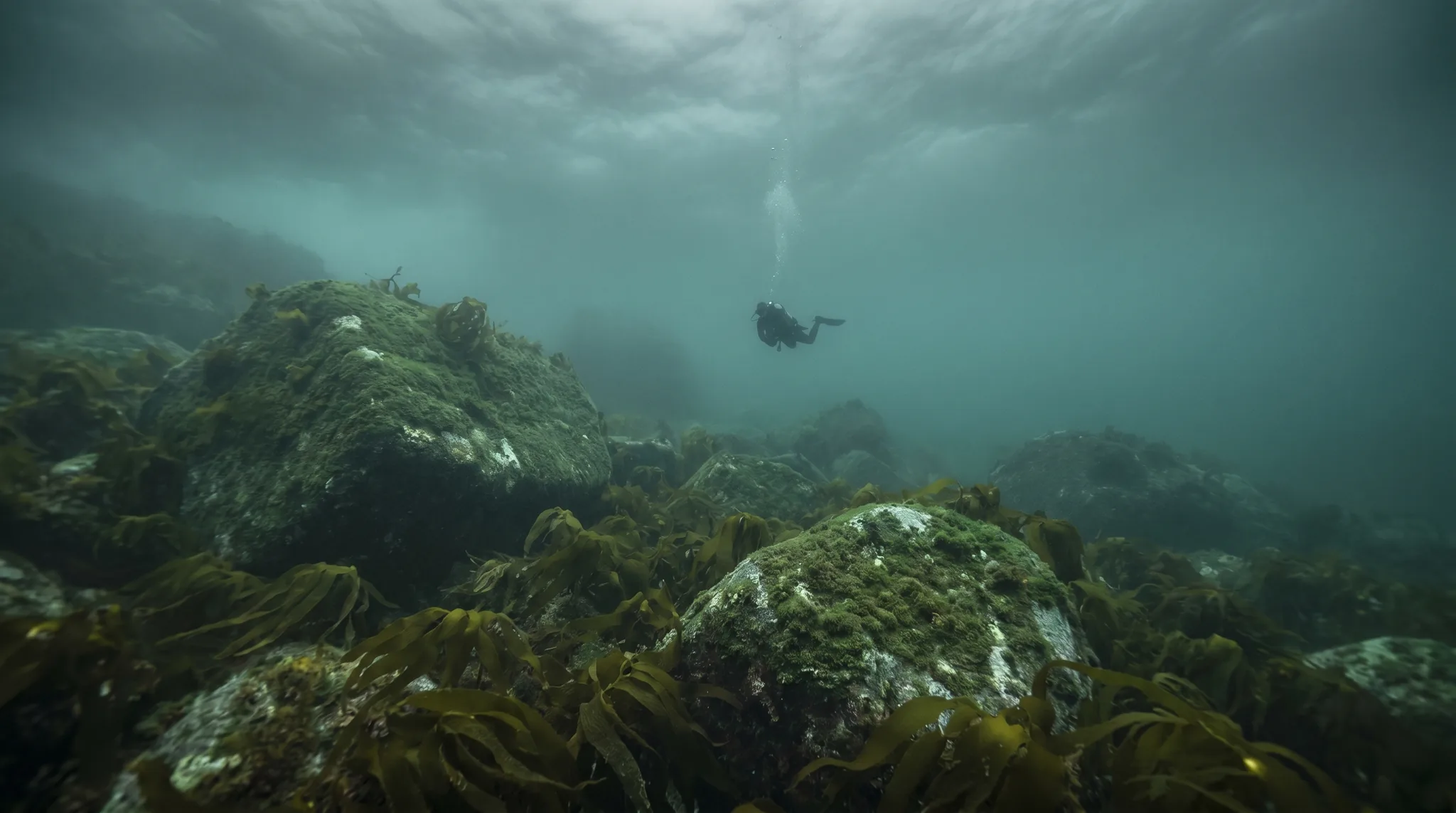
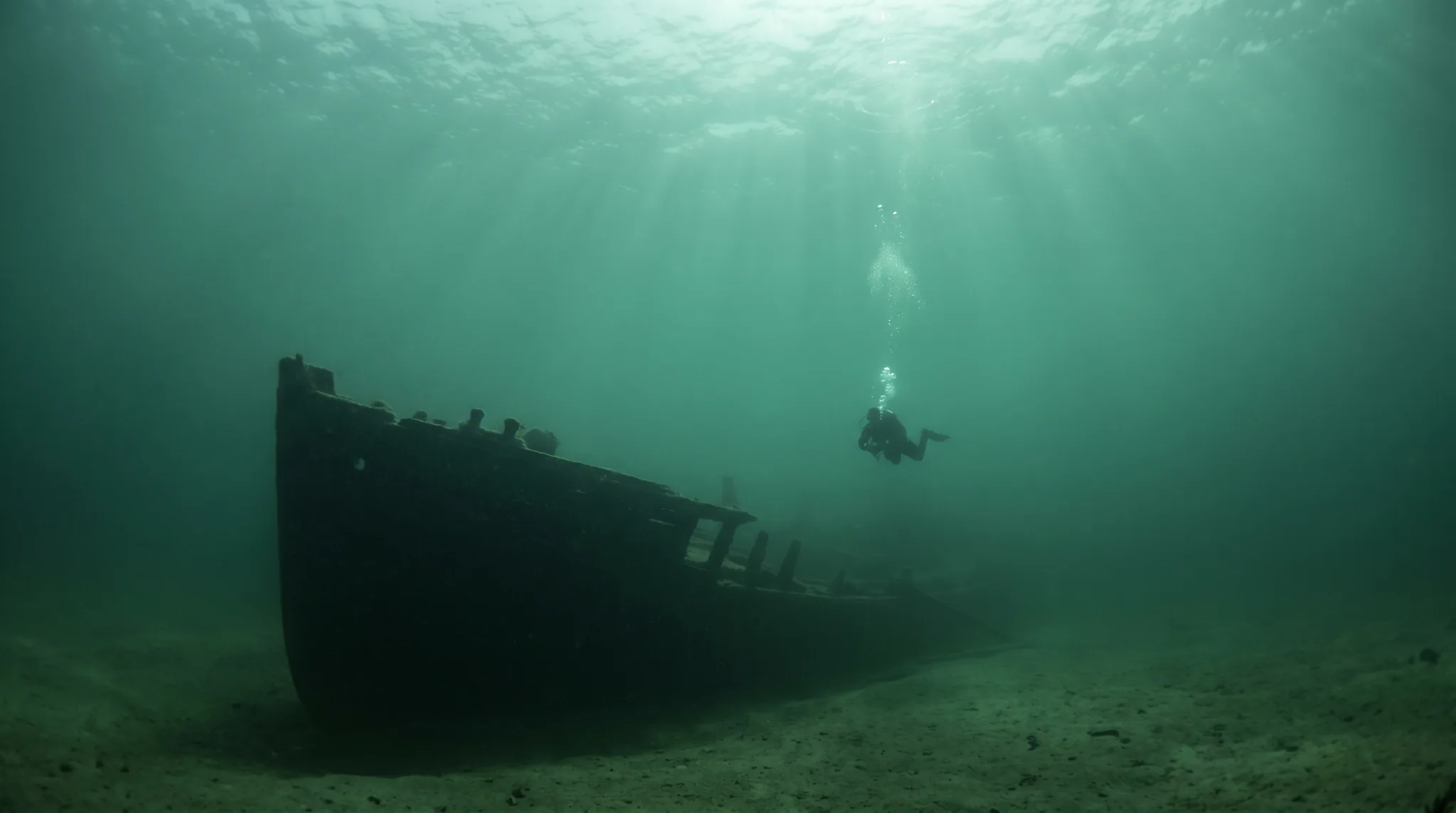
La Rochelle and Île de Ré offer a mix of wrecks, reefs and shallow rocky ground spread across dive and snorkel sites. Wrecks such as the Sauerland, U 263 and Le Nautilus draw intermediate divers, while shallower sections suit beginners. Sea Star, Brittle Star and Spiny Spider Crab are reliably encountered, alongside Conger Eel, Gorgonian and John Dory. Water is coolest in winter and peaks in late summer, shaping when most visitors choose to dive.
Monthly water temperature across La Rochelle & Île de Ré's sites, from satellite sea-surface data corrected for depth. The band shows the site-to-site spread.
Water temperatures rise steadily from spring into summer, reaching their peak through July, August and September before cooling again in autumn. The warmer months bring the most comfortable conditions and align with the strongest concentration of favourable diving days. Winter diving is possible but cold, and a well-rated wetsuit or drysuit becomes essential from late autumn onward.
11 operators
Soubise, France
Saint-Denis-d'Oleron, France
La Rochelle, France
Saint-Benoit, France
Saint-Martin-de-Re, France
Surgeres, France
21 more sites to explore
Water temperature around La Rochelle & Île de Ré ranges from about 10°C in January to 20°C in August, based on satellite sea-temperature data for its dive sites.
In the warm season (about 20°C) a 5mm suit is comfortable in La Rochelle & Île de Ré; in the coldest months (about 10°C) step up to a drysuit.
Fin maps 24 sites in La Rochelle & Île de Ré (16 scuba diving sites and 10 snorkelling spots, with some suited to both).
Across La Rochelle & Île de Ré's dive sites, May, June, July, August and September are most often reported as the best months to visit.
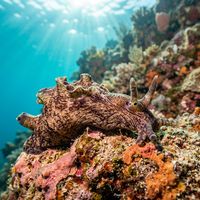
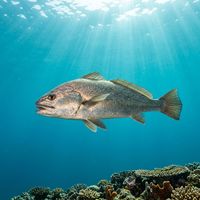
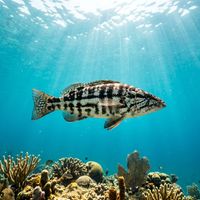
The region has a well-documented list of observed species. Conger Eel, Gorgonian and John Dory are common on the reefs and wrecks, while Sea Star and Brittle Star appear across nearly every site. Spiny Spider Crab, Meagre and Sea Bass round out the most frequently recorded encounters.
The site mix covers both beginner and intermediate levels. Le Nautilus, for example, has shallower sections accessible to beginners while its deeper extent suits more experienced divers. Wrecks like U 263 and the Sauerland are rated intermediate and require more experience and appropriate certification.
The top dive sites listed for this region are all boat-access sites. Some wrecks sit a significant distance offshore, so planning around boat availability and sea conditions is important. Snorkel sites in the region tend to be shallower and closer to shore, offering easier independent access.
Wrecks and artificial reefs are the defining site type for diving here, with the Sauerland, U 263 and Le Nautilus all featuring wreck or artificial-reef elements. Natural reef and rocky ground also feature, particularly at shallower sites that overlap with snorkelling. The variety means a single trip can take in both wildlife-rich reef habitats and more dramatic wreck dives.