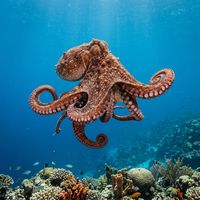
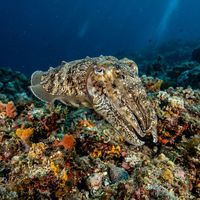
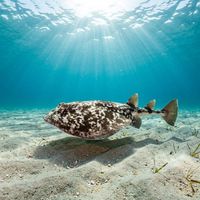
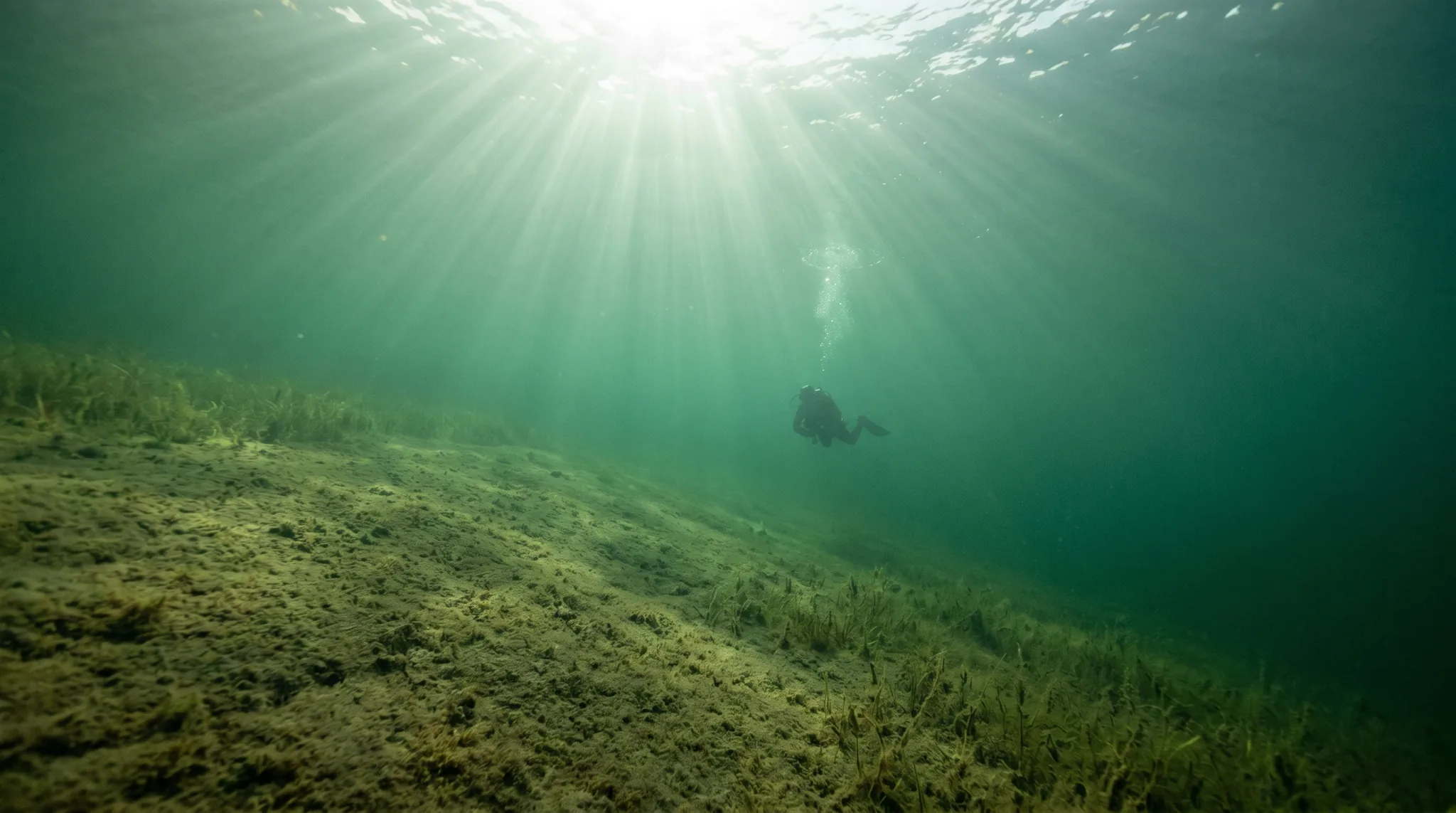
The Basque Coast divides between two sub-areas: Hendaye, which holds the majority of sites, and Saint-Jean-de-Luz. The underwater character is shaped by a mix of natural reefs, artificial structures, and one wreck, spread across a range from very shallow to truly deep. Cephalopods define the experience: Common Octopus and European Common Cuttlefish are observed consistently across sites, while the Marbled Electric Ray adds a distinctive surprise. The Tompot Blenny is the most reliably encountered fish of all.
2 areas
Monthly water temperature across Basque Coast's sites, from satellite sea-surface data corrected for depth. The band shows the site-to-site spread.
Water is coolest from winter into early spring, warming gradually from May and peaking in summer before easing through autumn. Diver activity clusters strongly in July and August, reflecting both warmer water and calmer seasonal conditions. Outside the summer peak, exposure to Atlantic swell can affect conditions at open sites, so checking sea state is worthwhile.
15 operators
France
28 more sites to explore
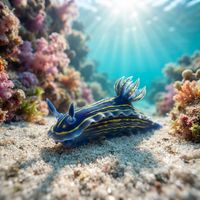
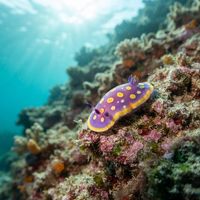
Basque Coast diving defined by extraordinary nudibranch variety, accessible reefs and a deep wreck for advanced divers.
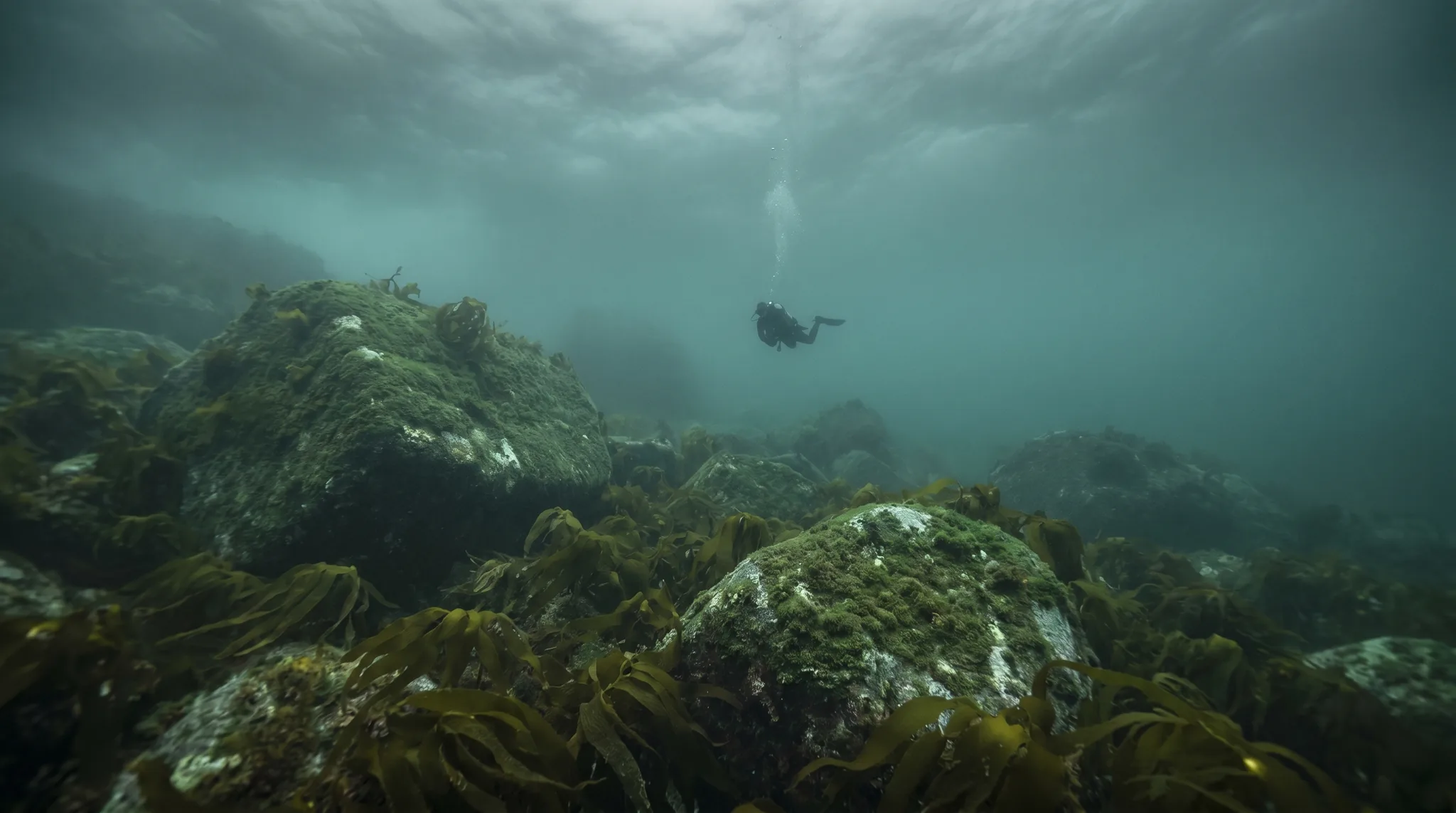
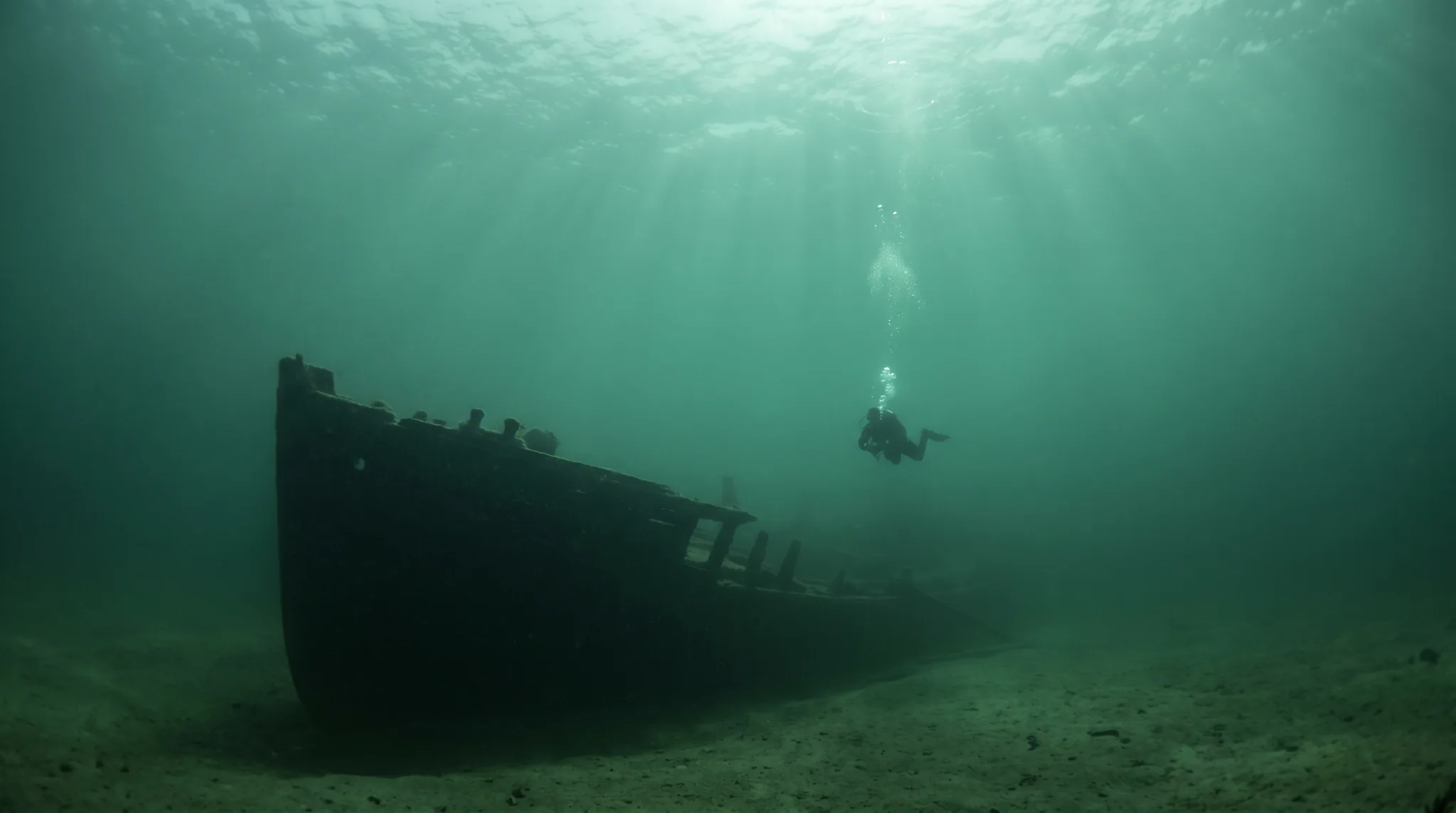
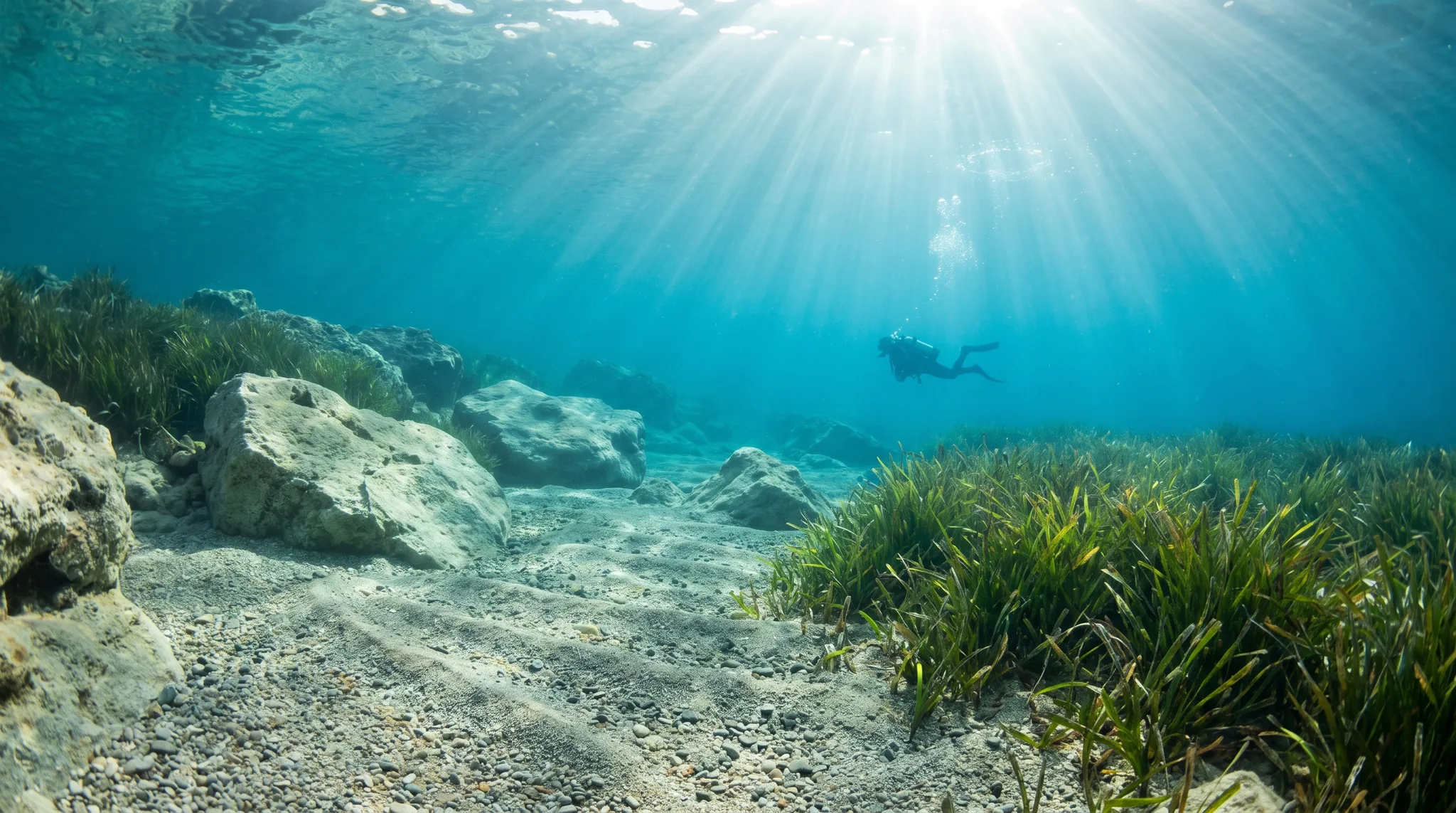
Water temperature around Basque Coast ranges from about 12°C in January to 19°C in August, based on satellite sea-temperature data for its dive sites.
In the warm season (about 19°C) a 5mm suit is comfortable in Basque Coast; in the coldest months (about 12°C) step up to a 7mm or semi-dry suit.
Fin maps 35 sites in Basque Coast (29 scuba diving sites and 11 snorkelling spots, with some suited to both), organised into 2 areas.
Across Basque Coast's dive sites, June, July, August and September are most often reported as the best months to visit.
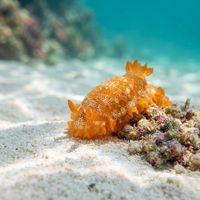
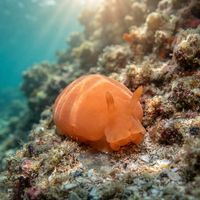
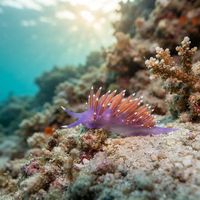
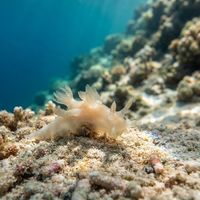
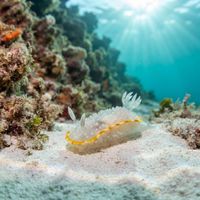
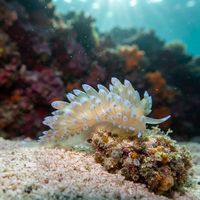
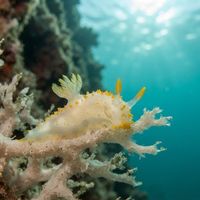
The signature species are Common Octopus, European Common Cuttlefish, and Marbled Electric Ray, all of which are observation-backed and seen consistently across sites. Scorpionfish and Tompot Blenny are among the most frequently encountered species of all. Nudibranch hunters will also find reward here, with Sea Slug, Tricolor Doris, and Felimare fontandraui regularly recorded.
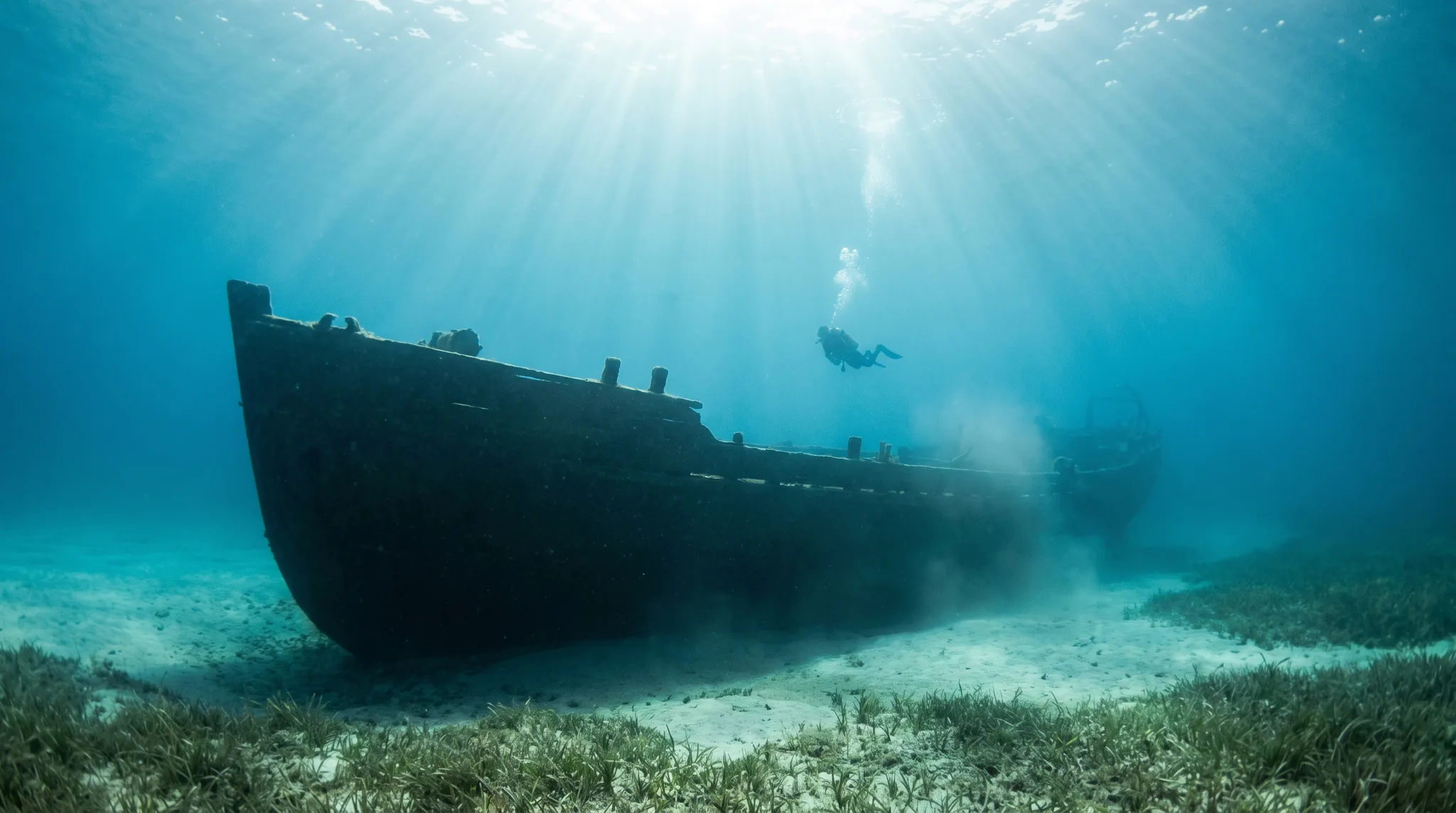
The majority of dive sites are rated for beginner level, including shore-entry reefs and shallow artificial structures in Hendaye. Sites like Digue de Socoa and Digue d'Artha offer manageable depths and a mix of natural and artificial reef. The St. Sunniva wreck is the main exception, reserved for advanced divers due to its depth.
Hendaye accounts for the larger share of sites and offers the widest variety, from shallow artificial reefs to deeper open-reef sites and the St. Sunniva wreck. Saint-Jean-de-Luz has a smaller selection but includes Plage du Port Vieux, a sheltered horseshoe reef well suited to both divers and snorkellers. Both sub-areas are served by local operators including Les Vieux Plongeurs, BAB Subaquatique, Atlantic Pirogue, and Plongévasion.
Several sites offer shore entry, including Digue de Socoa and Canal d'Hossegor, while Digue d'Artha can be reached by either shore or boat. Some of the deeper reef sites, such as Grotte à Balou and Illarguita, require a boat. The sheltered site at Plage du Port Vieux in Saint-Jean-de-Luz is a straightforward shore entry suitable for snorkellers and beginner divers alike.