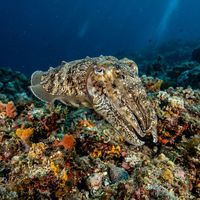
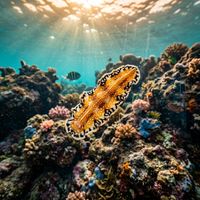
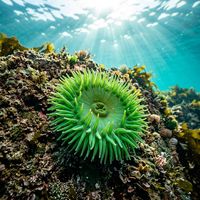
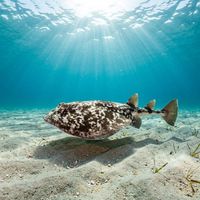
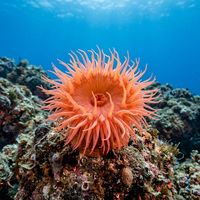
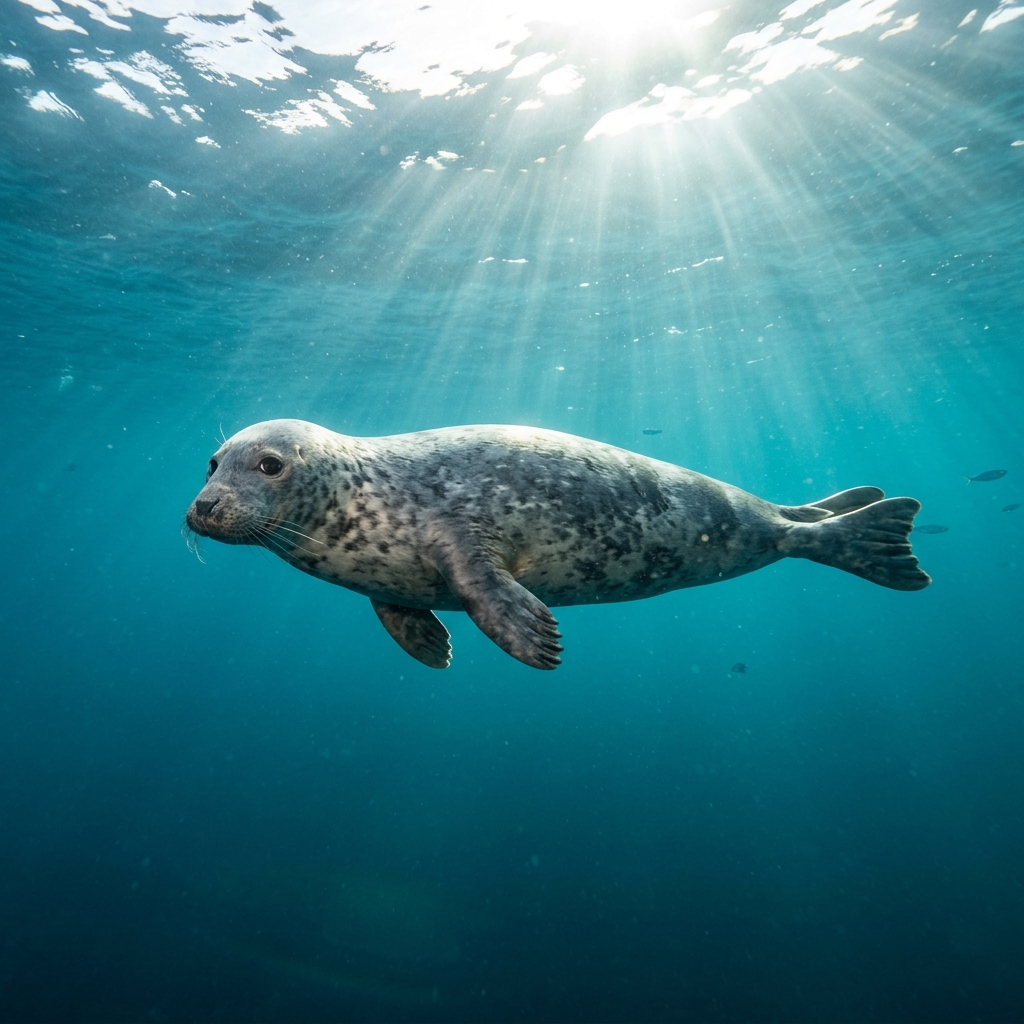
Brittany offers a diverse mix of wrecks, reefs, walls and drift dives shaped by powerful tidal currents and cool, productive water. The Molène Archipelago and Crozon Peninsula dominate the dive landscape, with sites ranging from shallow beginner wrecks to deep technical drops. Iroise and Finistère hold the greatest concentration of sites, while South Brittany and Morbihan add calmer reef diving near Houat and Hoëdic. The signature marine life leans temperate: European Common Cuttlefish, Spiny Spider Crab, Conger Eel and the occasional Gray Seal or Marbled Electric Ray. Current management and thermal exposure define the experience here more than depth alone.
4 areas
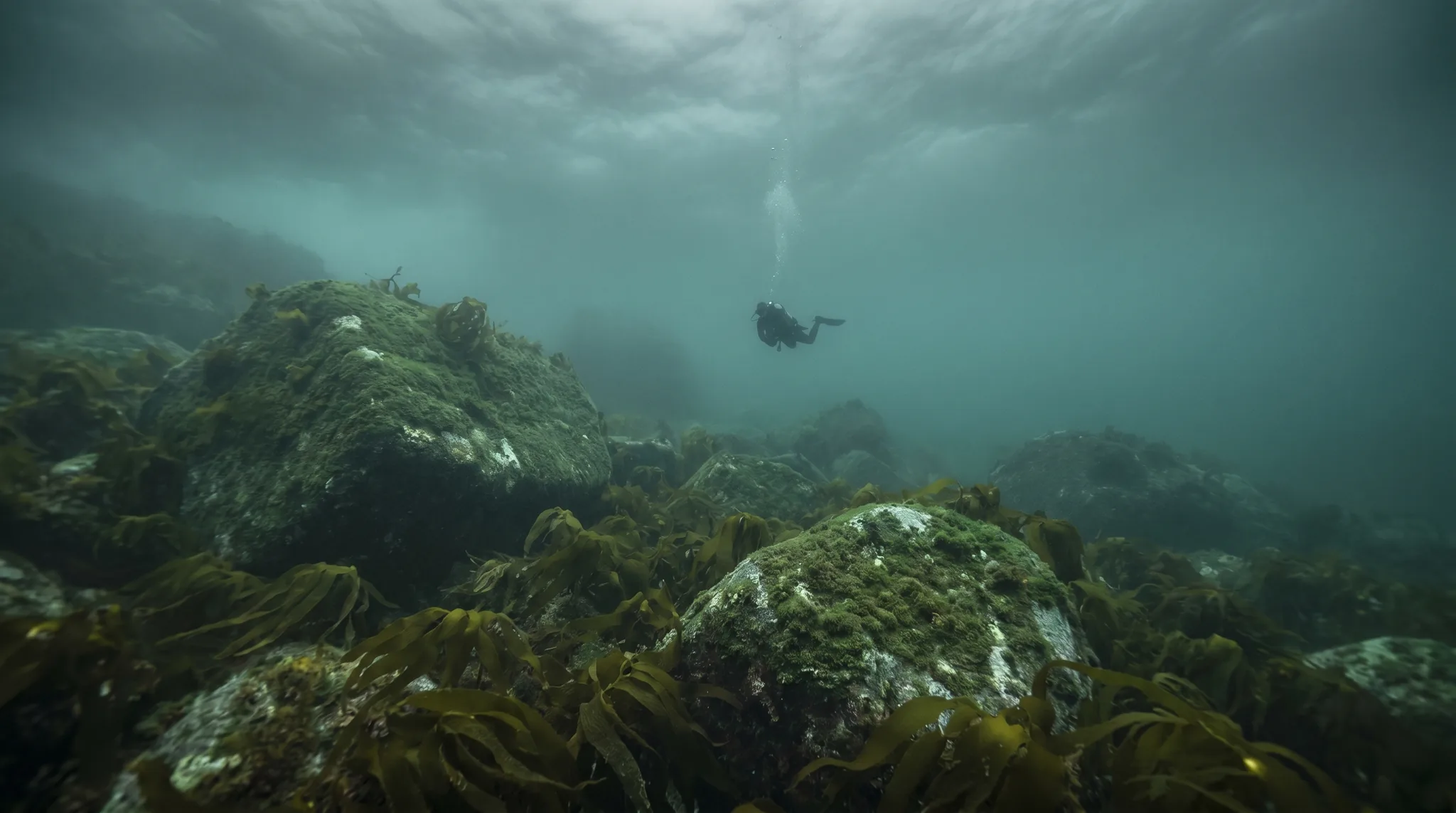 91
91Wrecks, walls, and seal encounters across two contrasting sub-areas off the western tip of Brittany.
87A wreck-rich, current-swept corner of Brittany where cuttlefish, conger eels and the odd Marbled Electric Ray reward divers across reef and wreck sites.
42Tidal reefs, historic wrecks and the European Common Cuttlefish define the diving off Saint-Malo and the Emerald Coast.
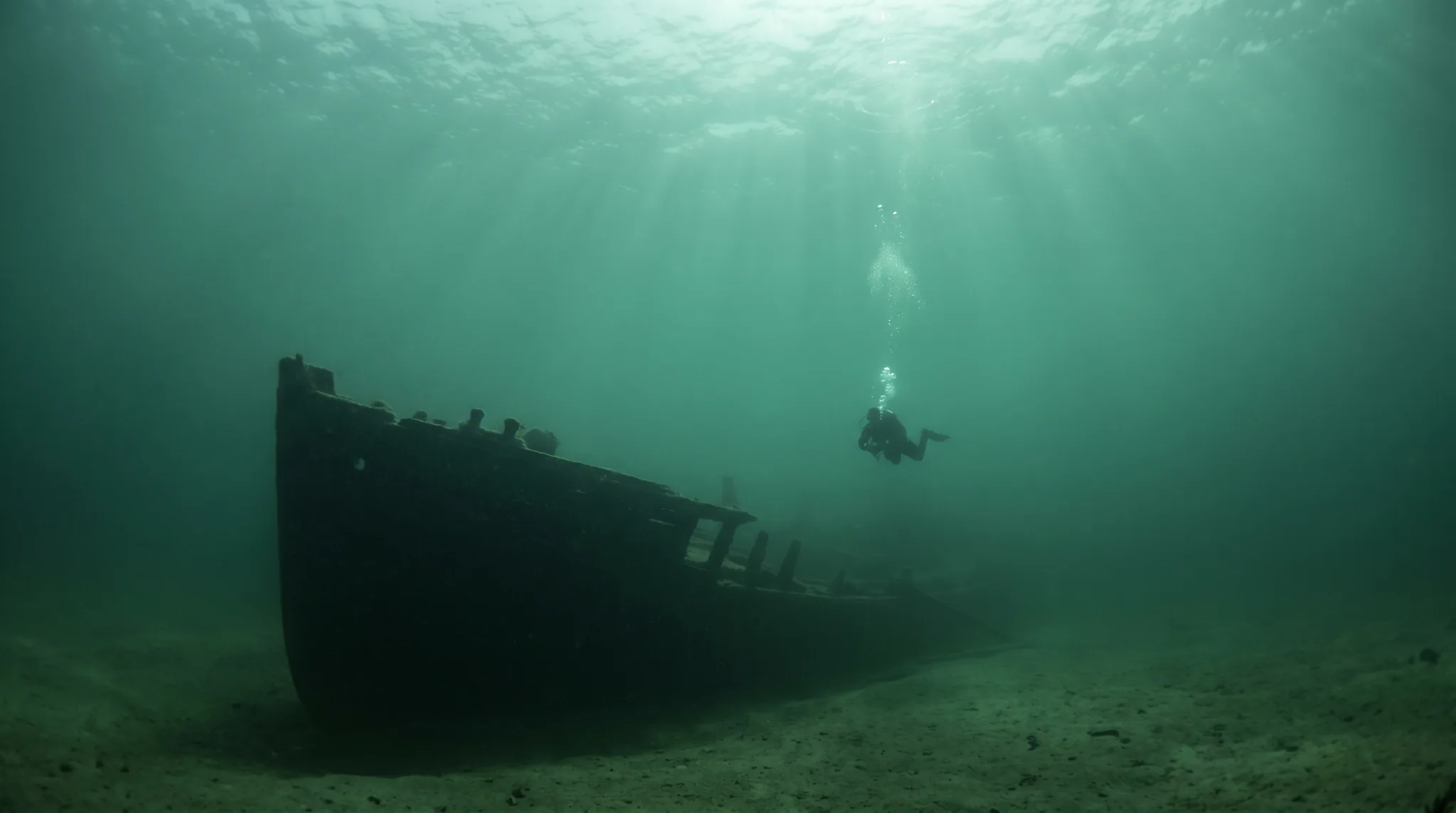
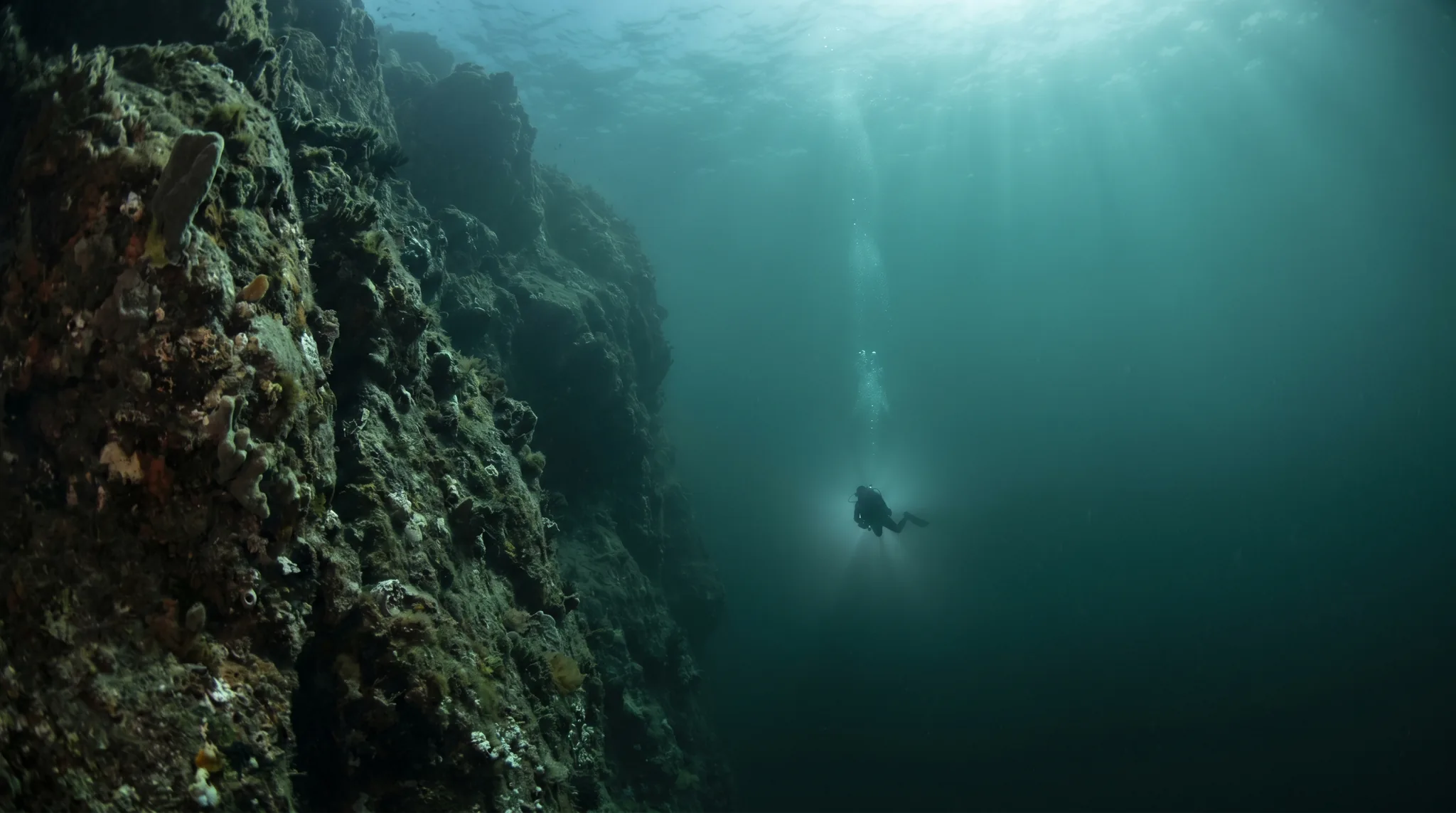
Monthly water temperature across Brittany's sites, from satellite sea-surface data corrected for depth. The band shows the site-to-site spread.
Water is coolest through winter and early spring, warming gradually from late spring into summer when conditions draw the most visitors. July through September offer the warmest temperatures and the busiest dive calendars, though strong currents run year-round at exposed sites and must be planned around tidal windows. From late autumn onward, conditions become more demanding and a drysuit becomes the practical choice for most divers.
100 operators

Cool-water reef and kelp diving with Gray Seal encounters and an exceptional variety of crustaceans along Brittany's granite coastline.
Water temperature around Brittany ranges from about 10°C in February to 16°C in July, based on satellite sea-temperature data for its dive sites.
In the warm season (about 16°C) a 7mm or semi-dry suit is comfortable in Brittany; in the coldest months (about 10°C) step up to a drysuit.
Fin maps 241 sites in Brittany (189 scuba diving sites and 59 snorkelling spots, with some suited to both), organised into 4 areas.
Across Brittany's dive sites, June, July, August and September are most often reported as the best months to visit.
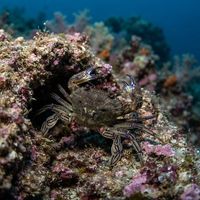
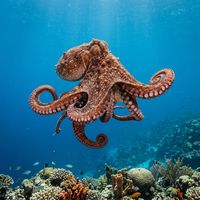
The most consistently observed species include European Common Cuttlefish, Spiny Spider Crab, Conger Eel, Brittle Star, Cod and Tompot Blenny. Occasional encounters with Gray Seal and Marbled Electric Ray are well documented across the region. Common Octopus and Catshark are also regularly seen, and Gorgonian growth appears on deeper reef and wall sites.
Yes, there are beginner-rated sites across the region, including shallow wrecks such as Canons Santa Rosa and Thuringen, as well as reef dives like Les Buharats off Saint-Malo. That said, currents are a real feature of many sites, so beginners should dive with an operator familiar with local tidal patterns. Many of the more challenging sites, including deep walls and drift dives, are reserved for intermediate and advanced divers.
Iroise and Finistère, centred on the Molène Archipelago and Crozon Peninsula, hold the largest concentration of sites and include some of the most exposed and current-swept diving in the region. South Brittany and Morbihan offer a broader mix of reef and wreck diving in somewhat more sheltered conditions. North Brittany and the Emerald Coast, including sites around Saint-Malo, are characterised by strong tidal influence and rocky reef topography. The Pink Granite Coast has fewer sites but distinctive rocky formations.
The majority of dive sites in Brittany require boat access, and the region has many operators equipped for this. Shore entry is available at select sites, including Carrière du Rocher Coupé, a freshwater quarry, and Cale de Jouvente in Saint-Malo. A handful of sites, such as Canons du Rhone in the Molène Archipelago, can be reached by either shore or boat depending on conditions.