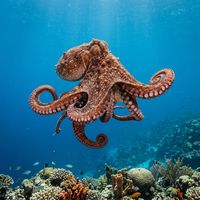
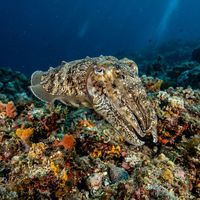
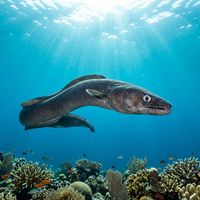
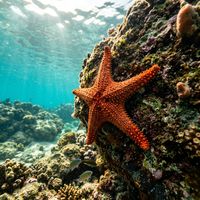
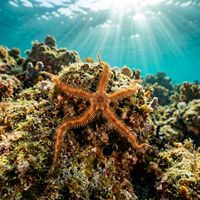
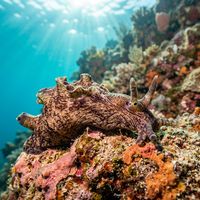
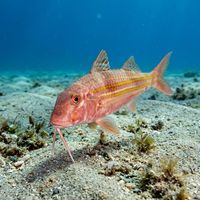
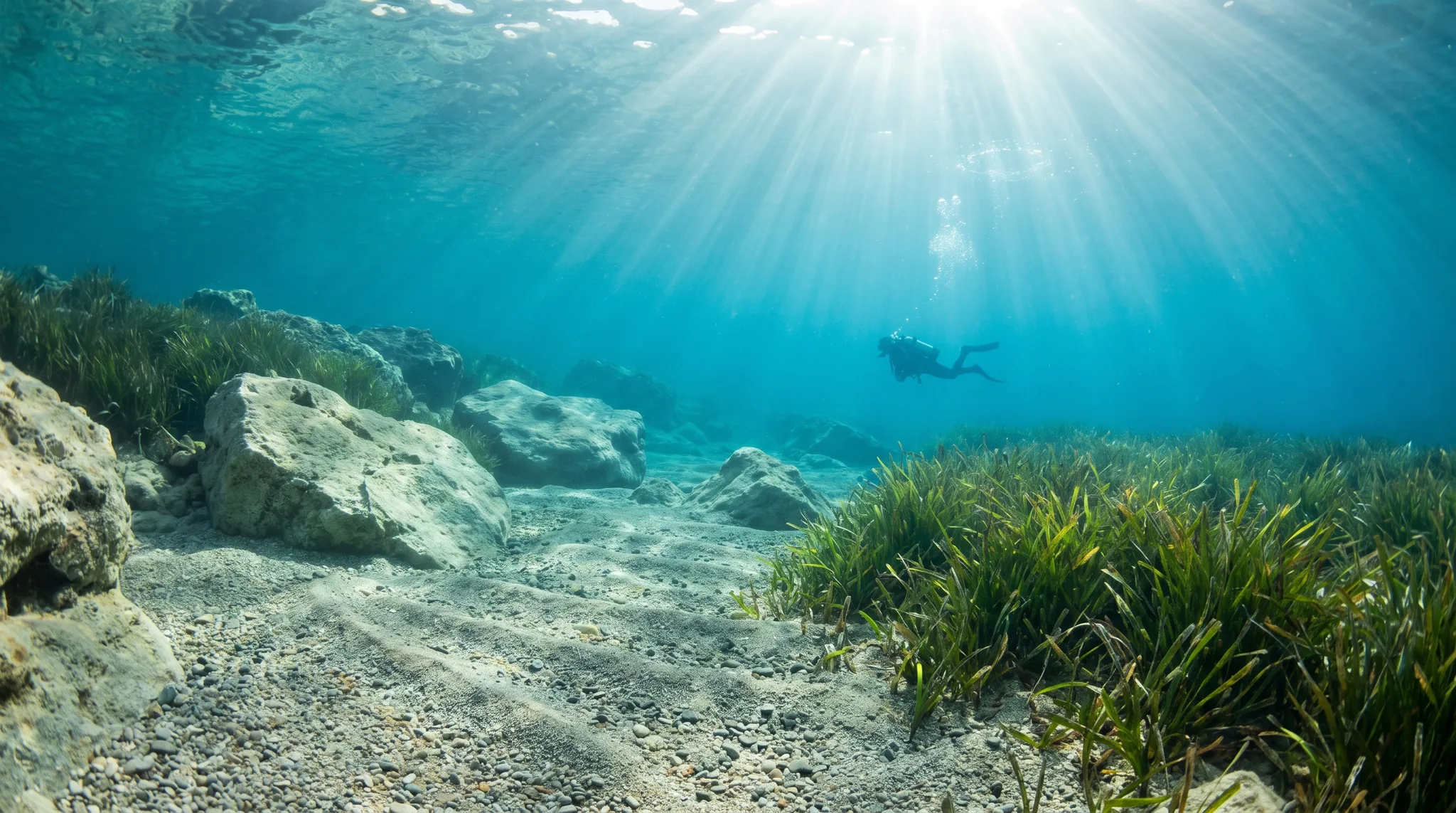
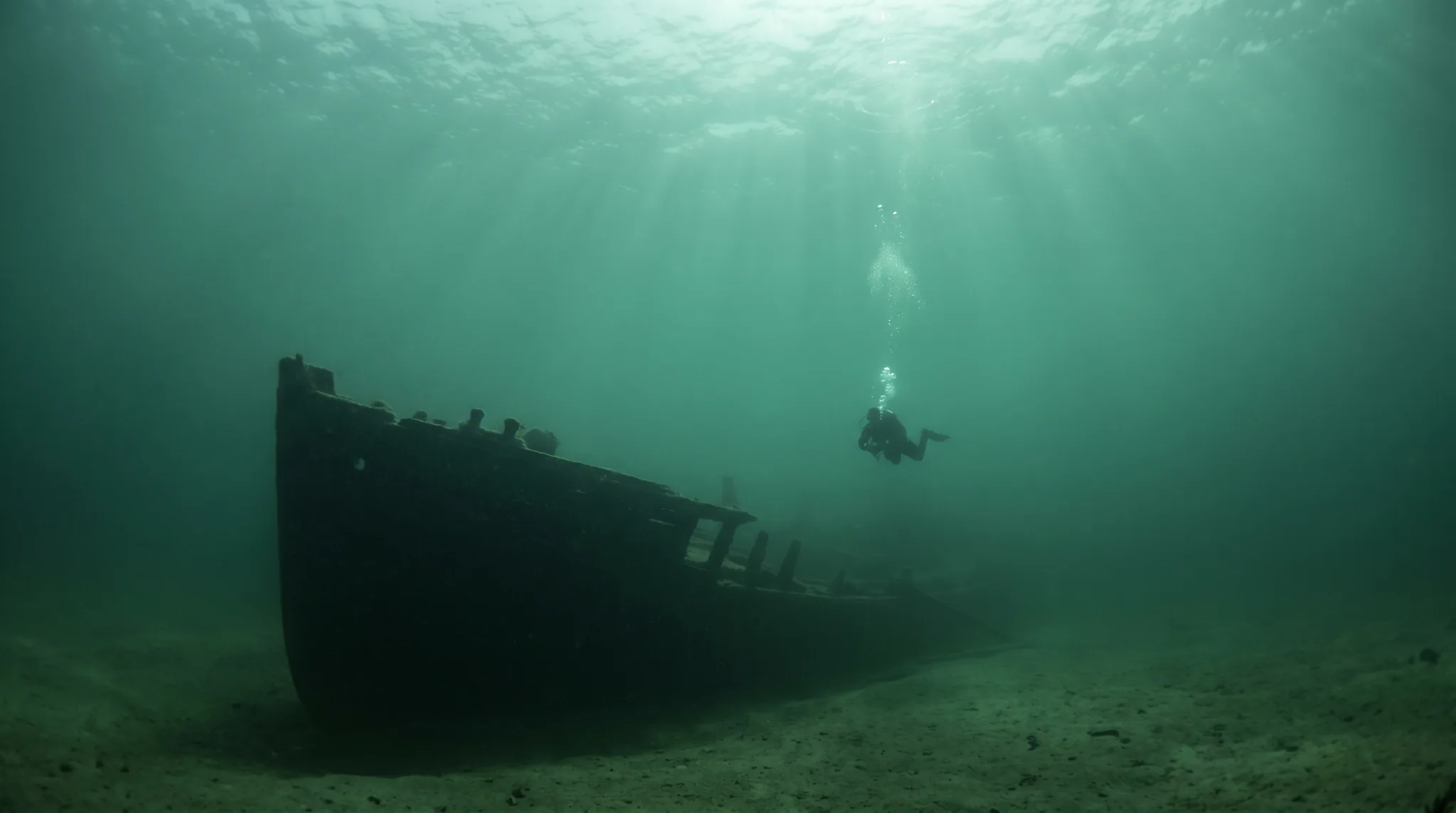
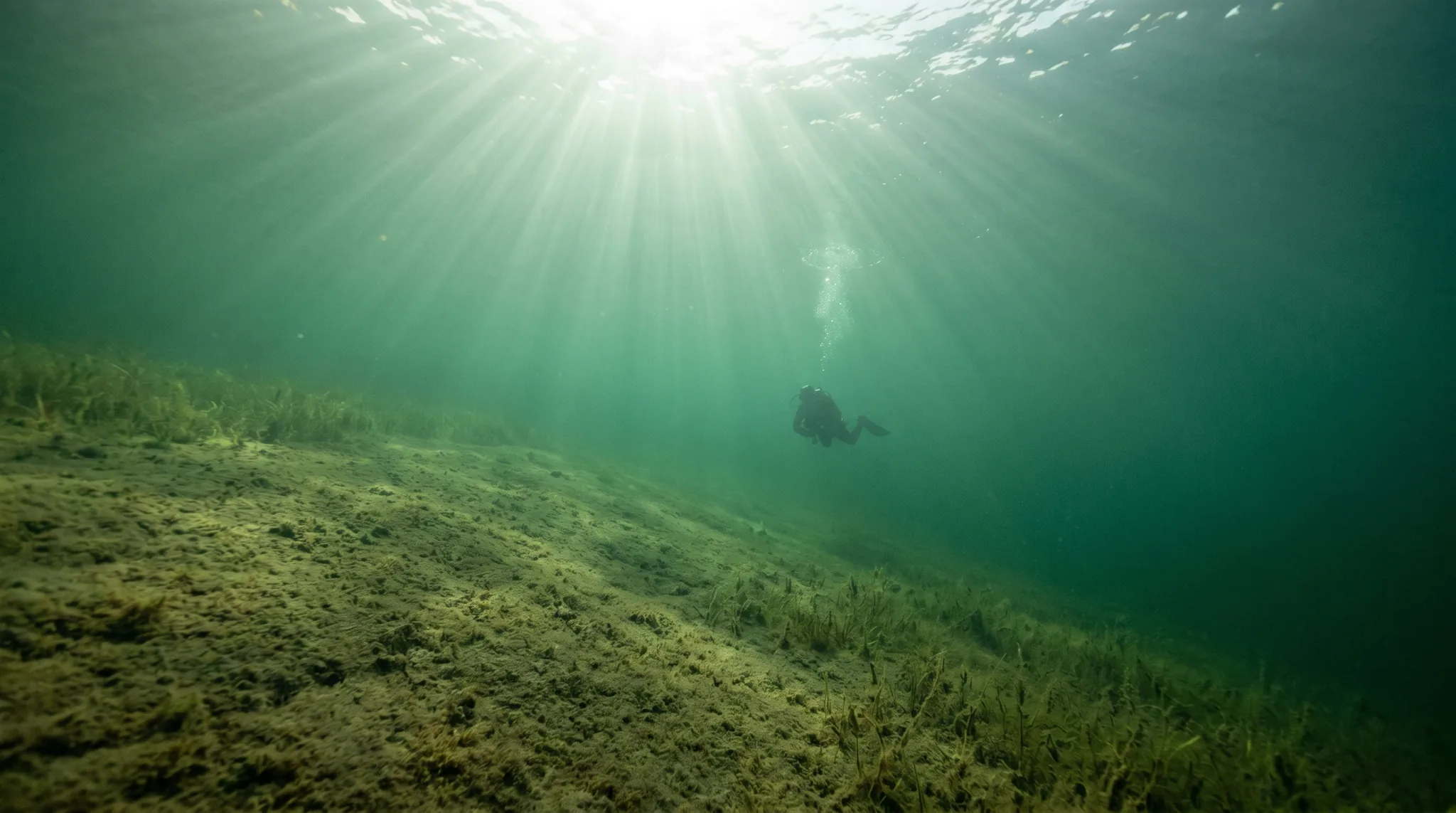
The Vendée Coast is defined by its wreck diving, with sites ranging from accessible intermediate dives to a deep, intact German submarine reserved for advanced divers. The seabed is rich with Conger Eel, Common Octopus, European Common Cuttlefish and Sea Star, while Cod and Striped Red Mullet are regular companions on most dives. Water is cool to cold outside summer, so conditions reward divers who plan around the warmer months when visibility and comfort align.
Monthly water temperature across Vendée Coast's sites, from satellite sea-surface data corrected for depth. The band shows the site-to-site spread.
Water temperatures rise through spring and peak through summer and early autumn, making those months the most comfortable for diving. Winter months bring notably cold water, which suits experienced divers in appropriate exposure protection. The best-months data points to spring as the sweet spot for combining reasonable temperatures with good site availability.
18 operators
La Gueriniere, France
Roussay, France
Becon-les-Granits, France
Water temperature around Vendée Coast ranges from about 10°C in January to 18°C in July, based on satellite sea-temperature data for its dive sites.
31 more sites to explore
In the warm season (about 18°C) a 5mm suit is comfortable in Vendée Coast; in the coldest months (about 10°C) step up to a drysuit.
Fin maps 34 sites in Vendée Coast (26 scuba diving sites and 8 snorkelling spots).
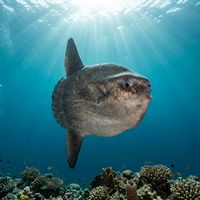
The most consistently recorded species are Sea Star, Conger Eel, Brittle Star, Cod, Sea Hare, Striped Red Mullet and Tompot Blenny. Common Octopus and European Common Cuttlefish are signature sightings across many sites. Ocean Sunfish appear occasionally, making them a notable encounter when conditions are right.
The top sites here lean intermediate to advanced, with wrecks at depth requiring solid buoyancy and dive management skills. The Cairnstrath suits intermediate divers, while the U 976 submarine is strictly advanced given its considerable depth. Beginners would benefit from building experience elsewhere before tackling the main wrecks.
All of the top-listed sites require boat access, as the wrecks sit well offshore. There are currently no listed operators in the region's data, so visiting divers should arrange boat charters independently before travel.
Wrecks are the defining feature of the Vendée Coast dive scene. The sites vary considerably in character, from a relatively approachable cargo wreck to a largely intact submarine resting at significant depth. This makes the region particularly appealing to divers with a specific interest in wreck diving rather than reef or wall diving.