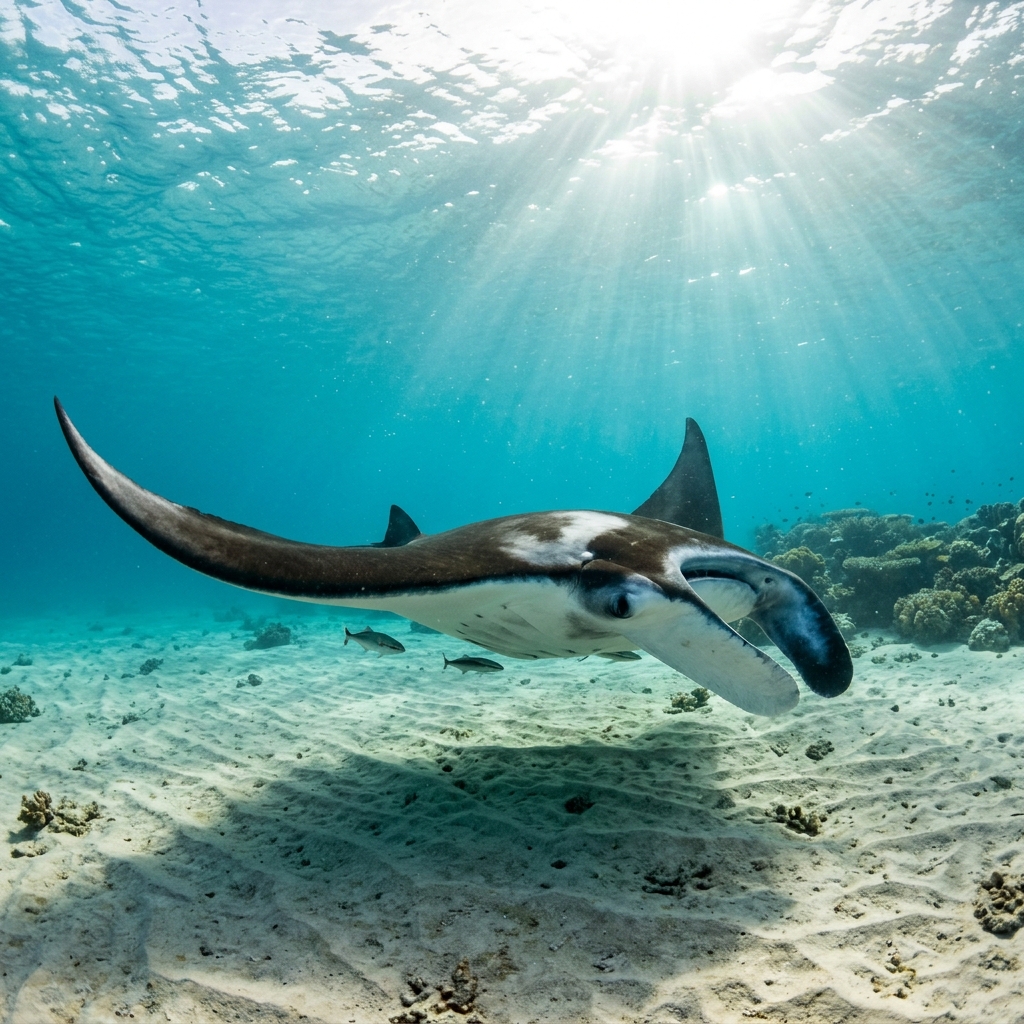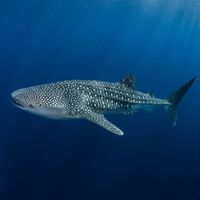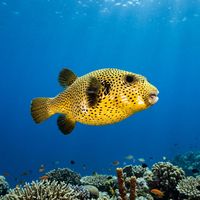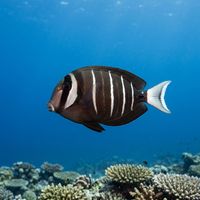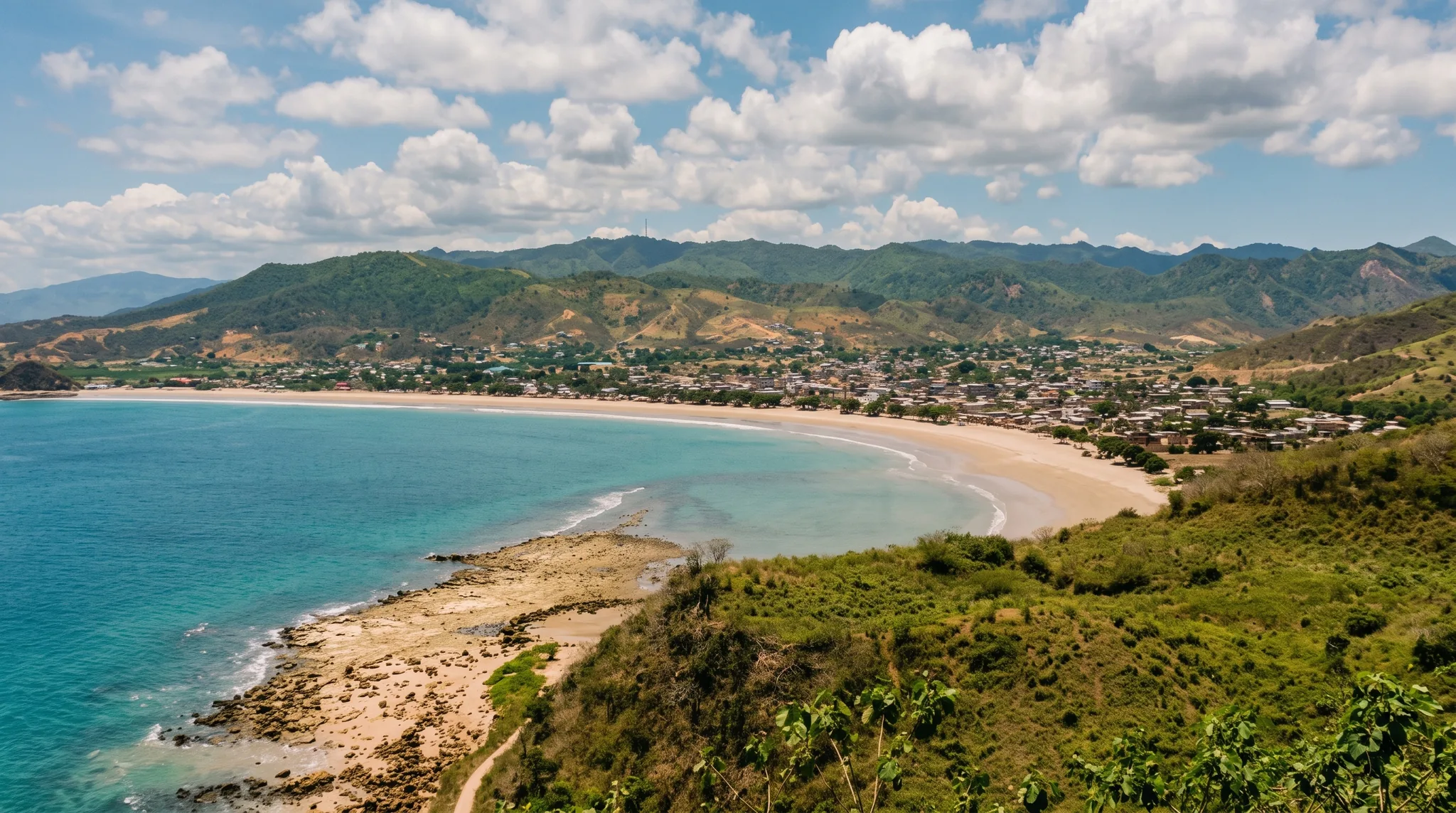
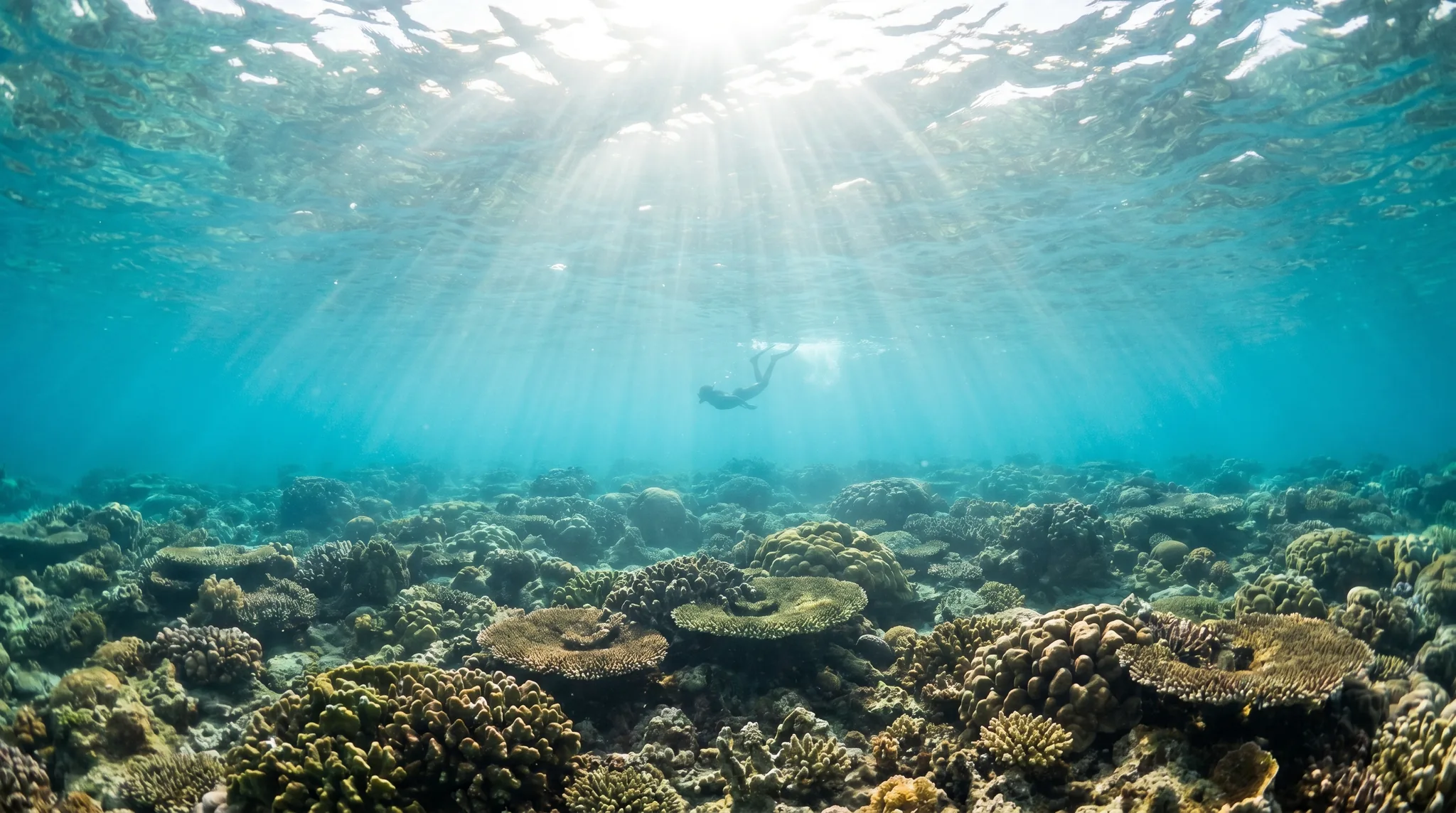
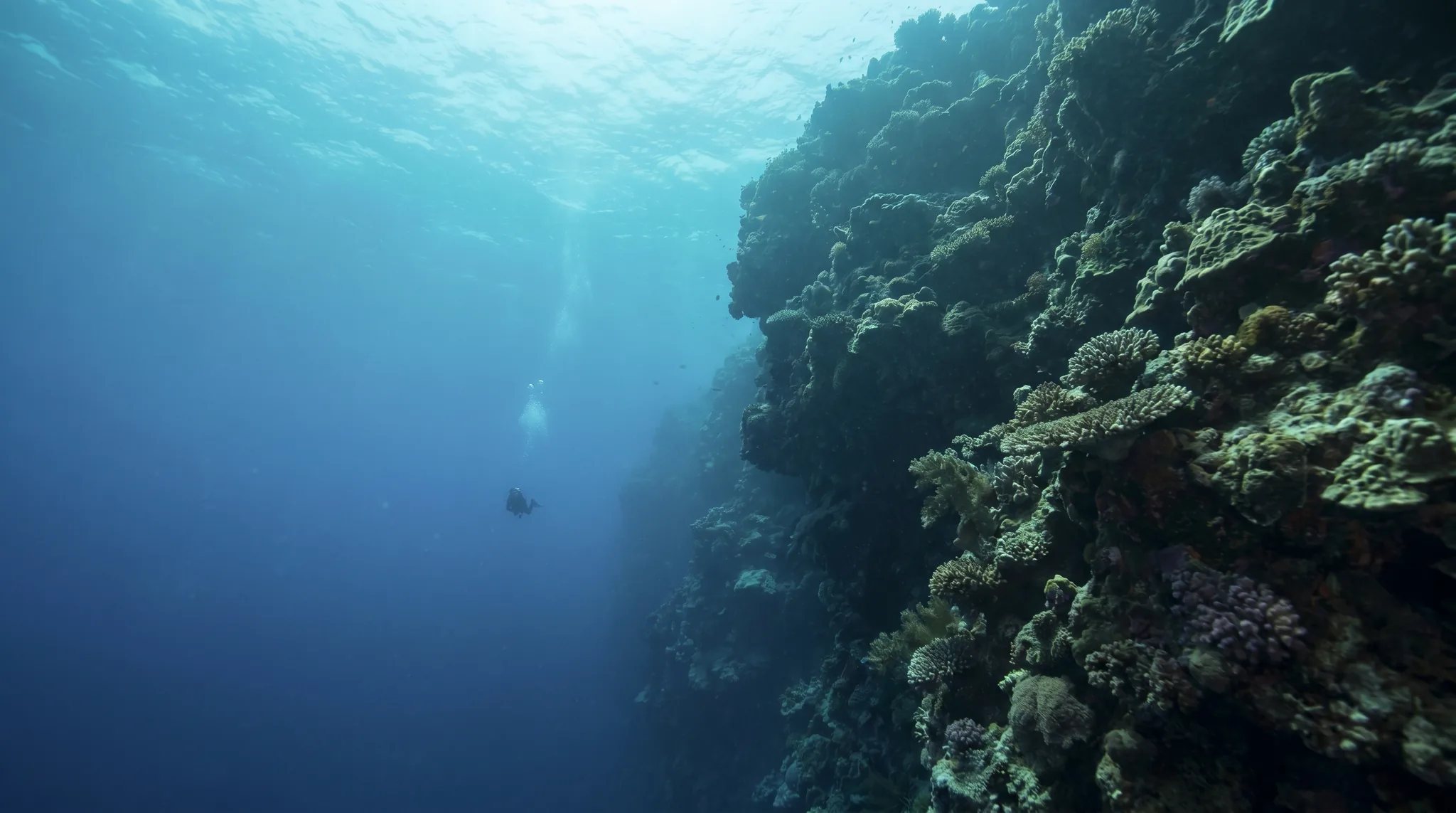
Ecuador's Pacific Coast packs a remarkable variety of dive terrain into four distinct sub-areas: Puerto López and Machalilla, Isla de la Plata, Salango, and Ayangue. Sites range from shallow beginner reefs to deep walls, pinnacles, and drift dives. The marine life is the defining draw: Oceanic Manta Ray, Whale Shark, Smooth Hammerhead, and Humpback Whale are all observation-backed signatures, alongside the near-ubiquitous Barberfish, Razor Surgeonfish, and Guineafowl Puffer. Water stays consistently warm across the year, with visibility varying considerably by season. Nearly all sites are boat-accessed, and conditions suit both newcomers and intermediate divers.
4 areas
 8
8Mainland Pacific reef and wall diving with seasonal manta rays, humpback whales, and sea turtles, suitable for beginners and intermediate divers.
7Pinnacles, reefs, and walls inside Machalilla National Park, known for seasonal manta ray aggregations and a varied mix of Pacific reef species.
3Boat-access reef, wall, and drop-off diving off Isla Salango with oceanic mantas, sea lions, and elkhorn coral gardens.
Monthly water temperature across Pacific Coast's sites, from satellite sea-surface data corrected for depth. The band shows the site-to-site spread.
Water temperature remains broadly warm throughout the year, dipping slightly in the second half of the year before recovering. The histogram of recommended months peaks strongly around June through October, suggesting this cooler period brings the clearest, most productive conditions. Visibility can vary widely depending on season, so divers targeting large pelagics such as Whale Shark or Smooth Hammerhead should time their visit to align with the peak window.
10 operators
Jipijapa, Ecuador

Jipijapa, Ecuador
Santa Lucia, Ecuador
Santa Elena, Ecuador
2 more sites to explore
Boat-access reef and wall diving near Ayangue with whale sharks, grey reef sharks, eagle rays, and humpback whales in season.
Water temperature around Pacific Coast ranges from about 21°C in September to 24°C in February, based on satellite sea-temperature data for its dive sites.
In the warm season (about 24°C) a 3mm full suit is comfortable in Pacific Coast; in the coldest months (about 21°C) step up to a 5mm suit.
Fin maps 22 sites in Pacific Coast (20 scuba diving sites and 6 snorkelling spots, with some suited to both), organised into 4 areas.
Across Pacific Coast's dive sites, June are most often reported as the best months to visit.
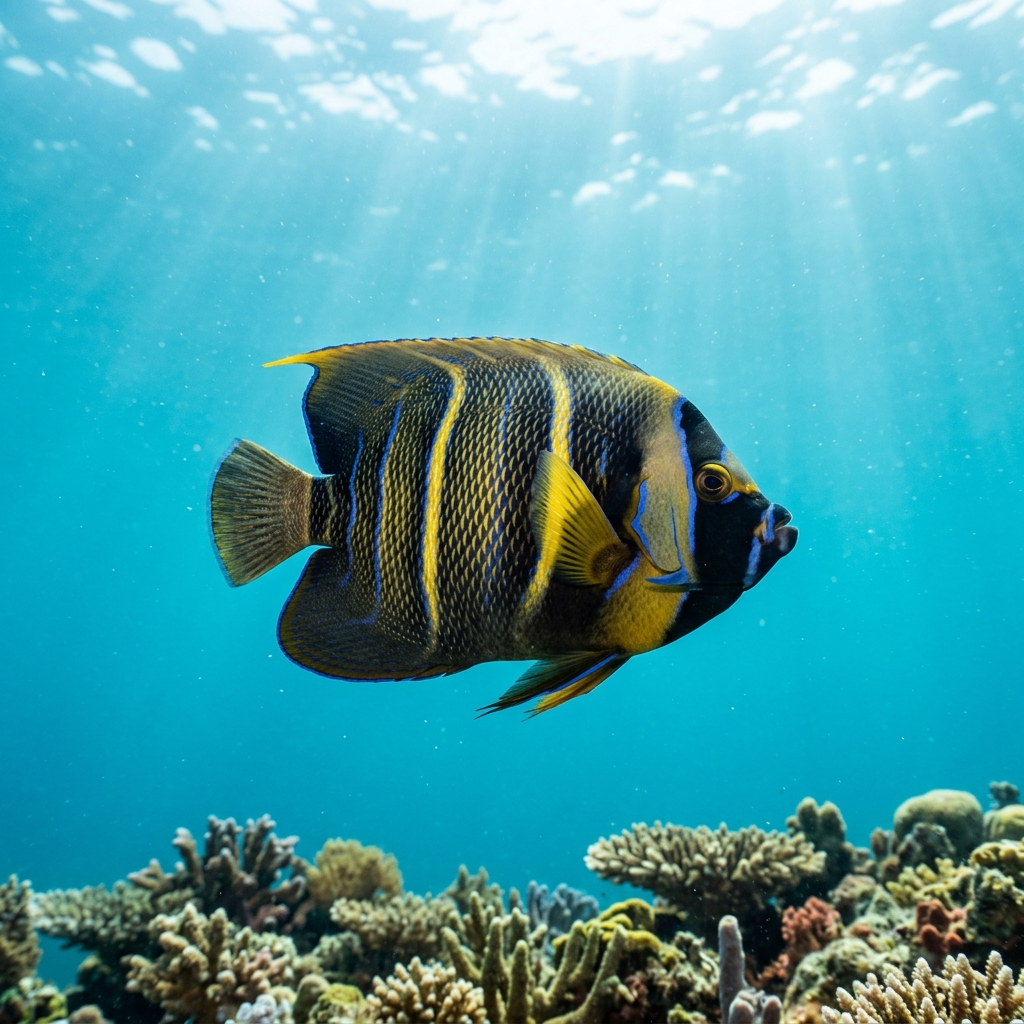
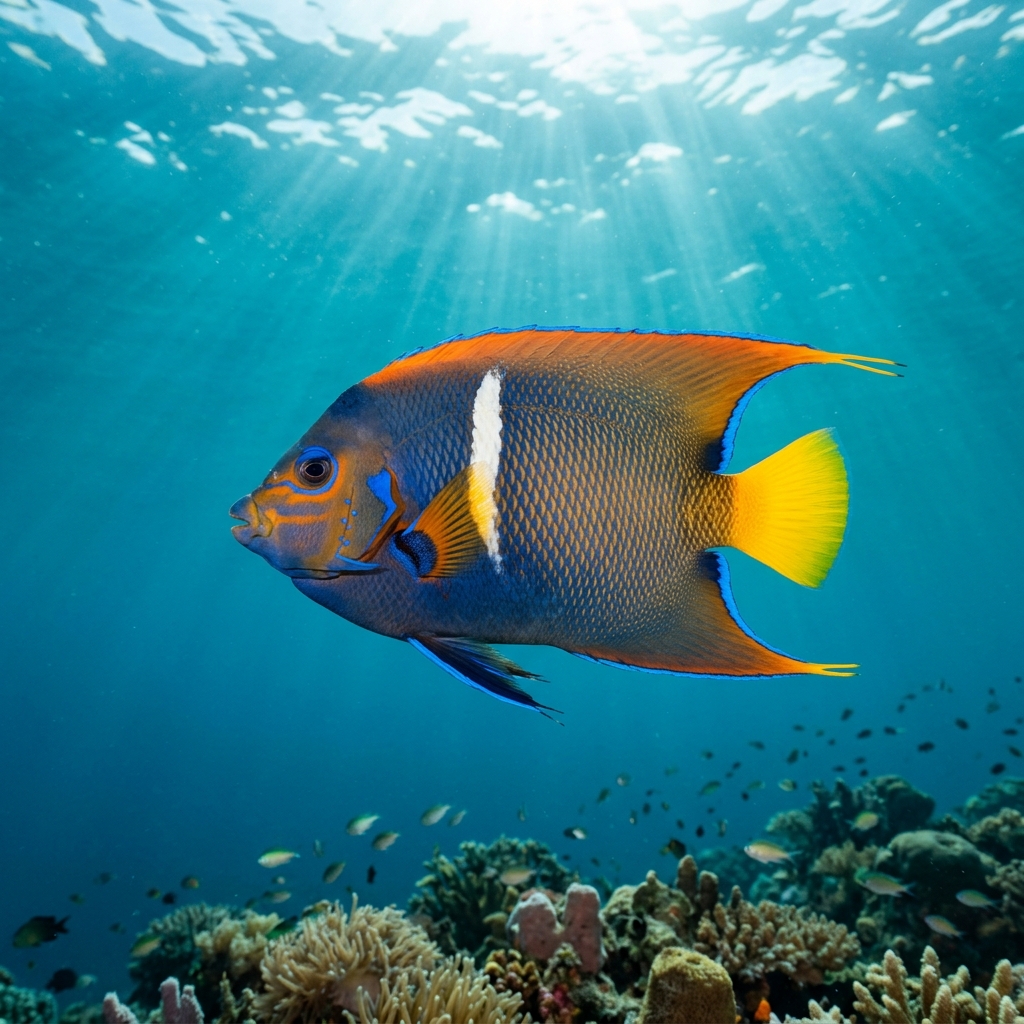
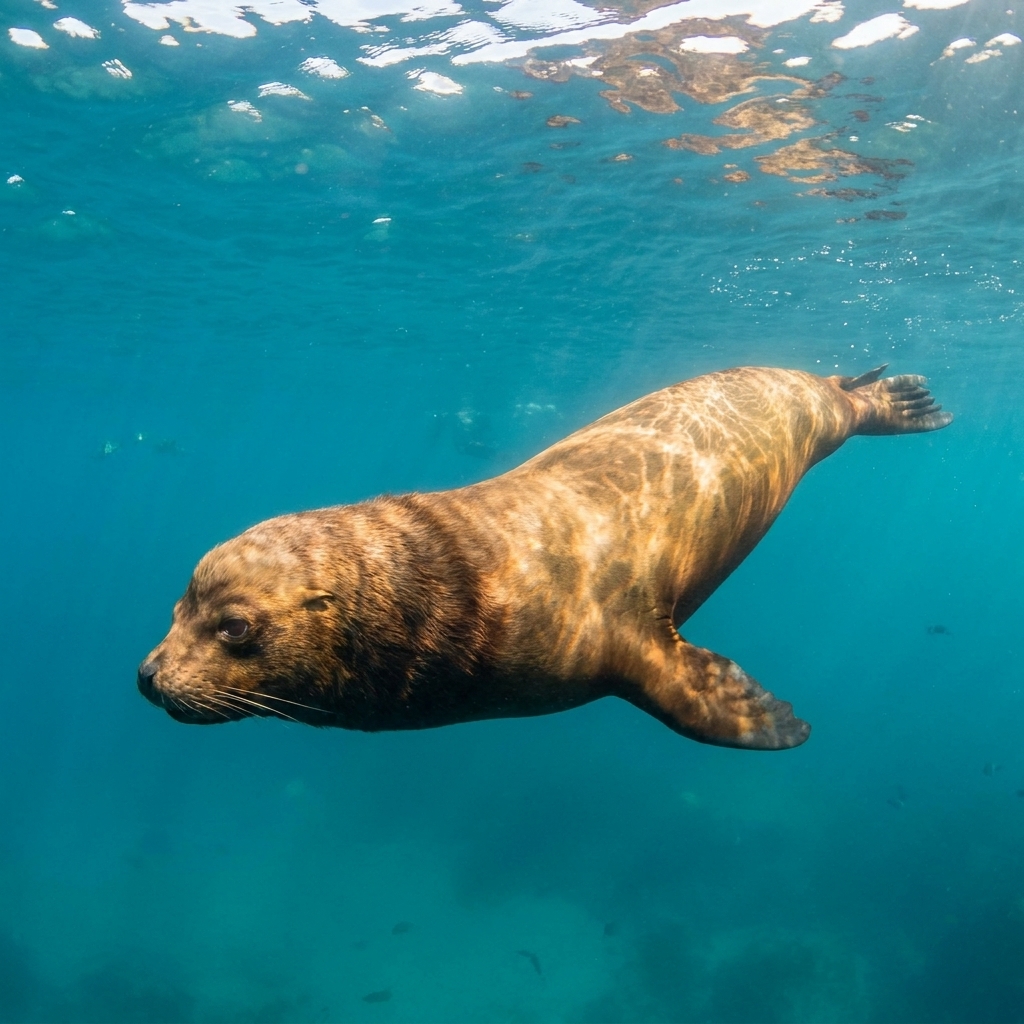
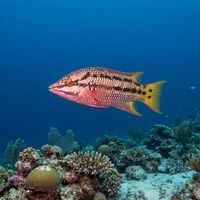
The Pacific Coast has observation-backed records of Oceanic Manta Ray, Whale Shark, Smooth Hammerhead, Spotted Eagle Ray, and Humpback Whale. Green Sea Turtle is seen occasionally, while South American Sea Lion is a common presence at several sites. Reef fish such as Barberfish, Razor Surgeonfish, Guineafowl Puffer, and King Angelfish are encountered very frequently across the site network.
A good portion of the sites are rated for beginners, including Parcela Marina in Salango, Punta Mala, Punta King Kong, and Bahia de Puerto Lopez, the last of which offers a shallow shore entry. Intermediate sites such as Bajo Cope and Islote Horno de Pan add drift diving, walls, and deeper terrain for those with more experience. The mix means divers at different skill levels can find appropriate sites within the same area.
Puerto López and Machalilla offer the largest cluster of sites and include offshore reef dives near Isla de la Plata. Isla de la Plata itself has a dedicated group of sites known for pelagic encounters. Salango features the diverse Bajo Cope, a multi-topography offshore site, alongside the beginner-friendly Parcela Marina reef. Ayangue rounds out the region with a smaller selection of sites in its own right.
Almost all sites in the region are accessed by boat, including offshore pinnacles, walls, and deeper reefs. The main exception is Bahia de Puerto Lopez, which offers a rare shore entry into shallow reef terrain. Operators such as Native Diving Ecuador, Exploramar Diving, Dive and Surf, and Scuba Dive Ecuador are among those serving the region and can arrange boat logistics.