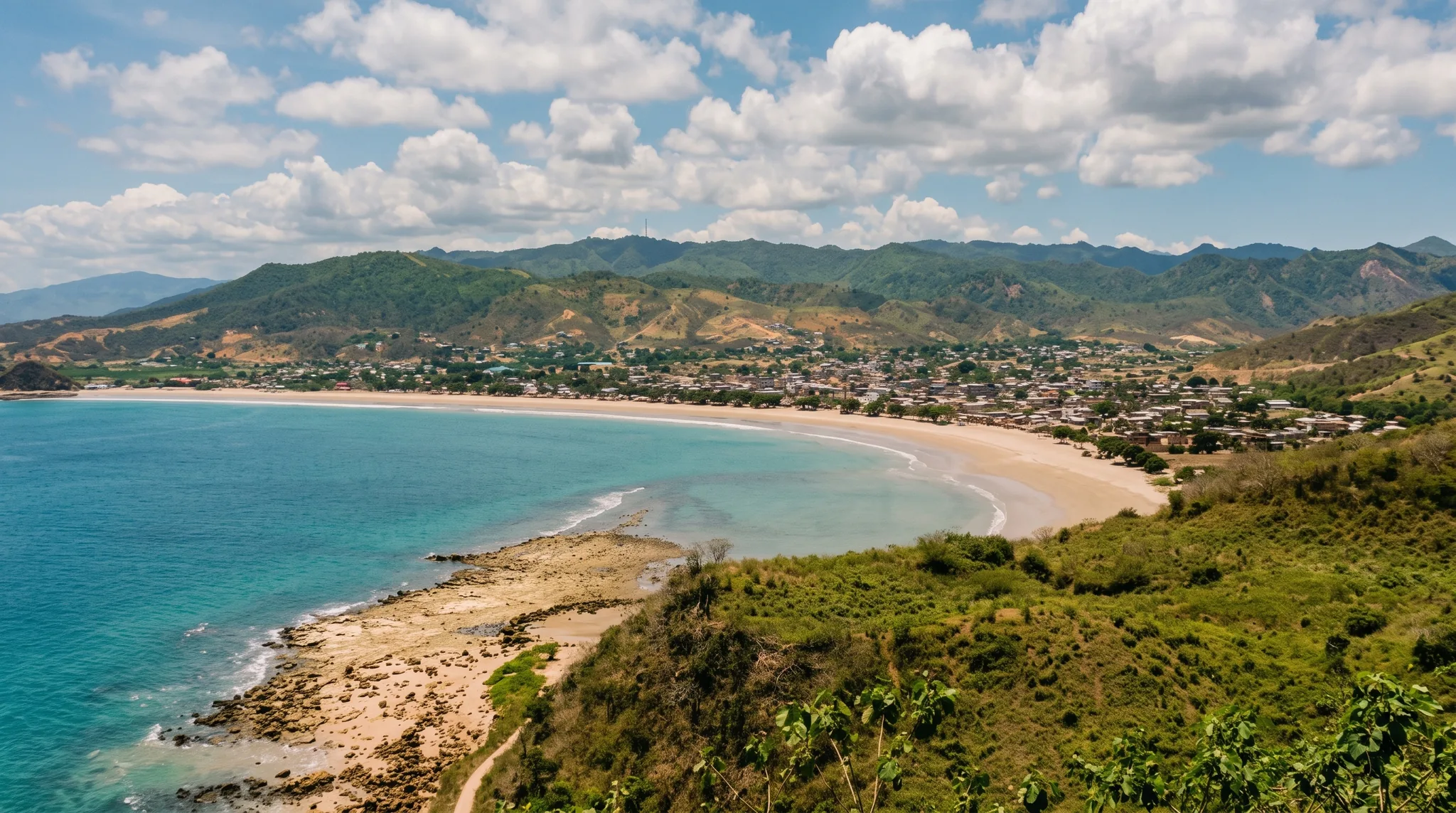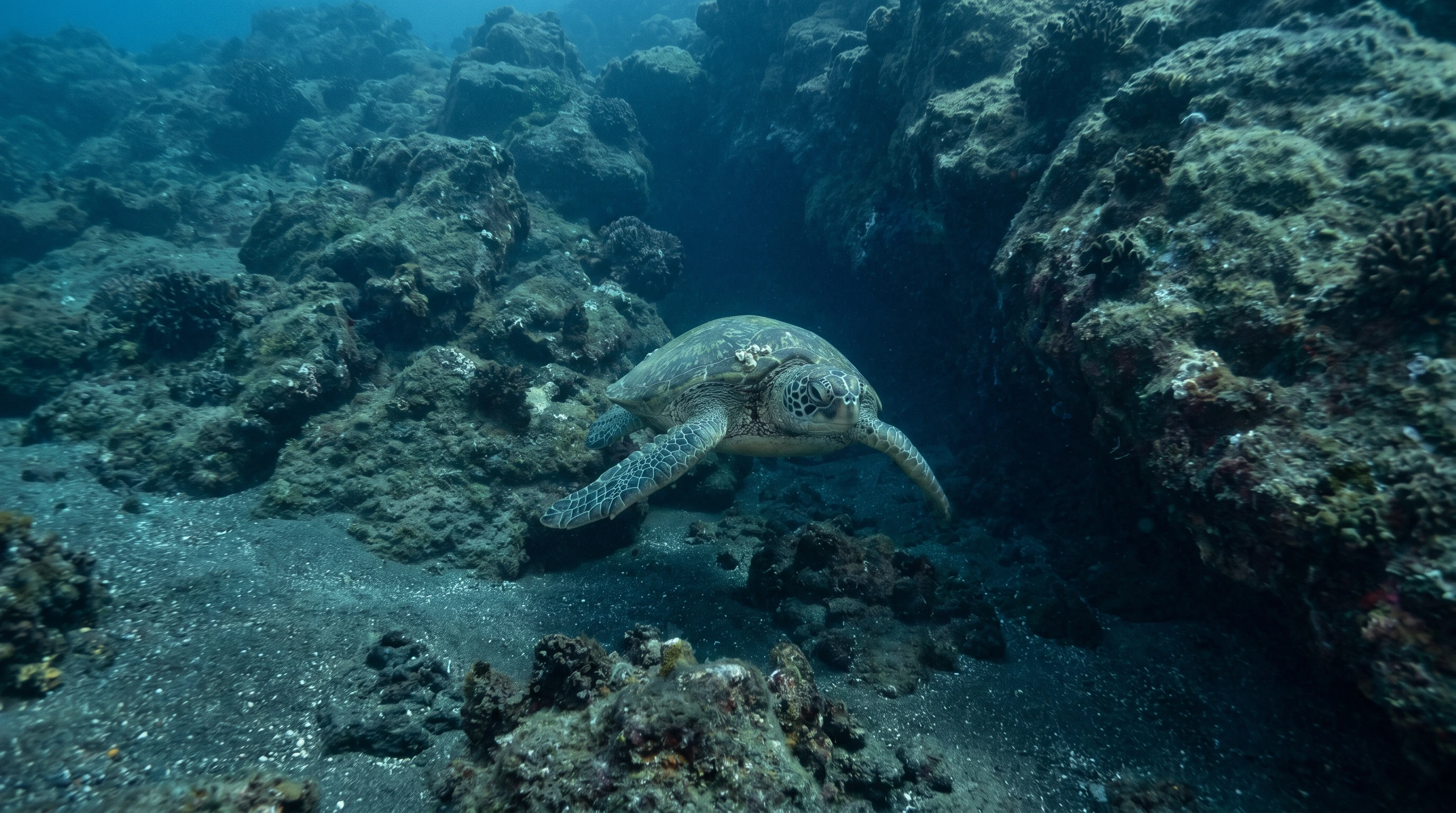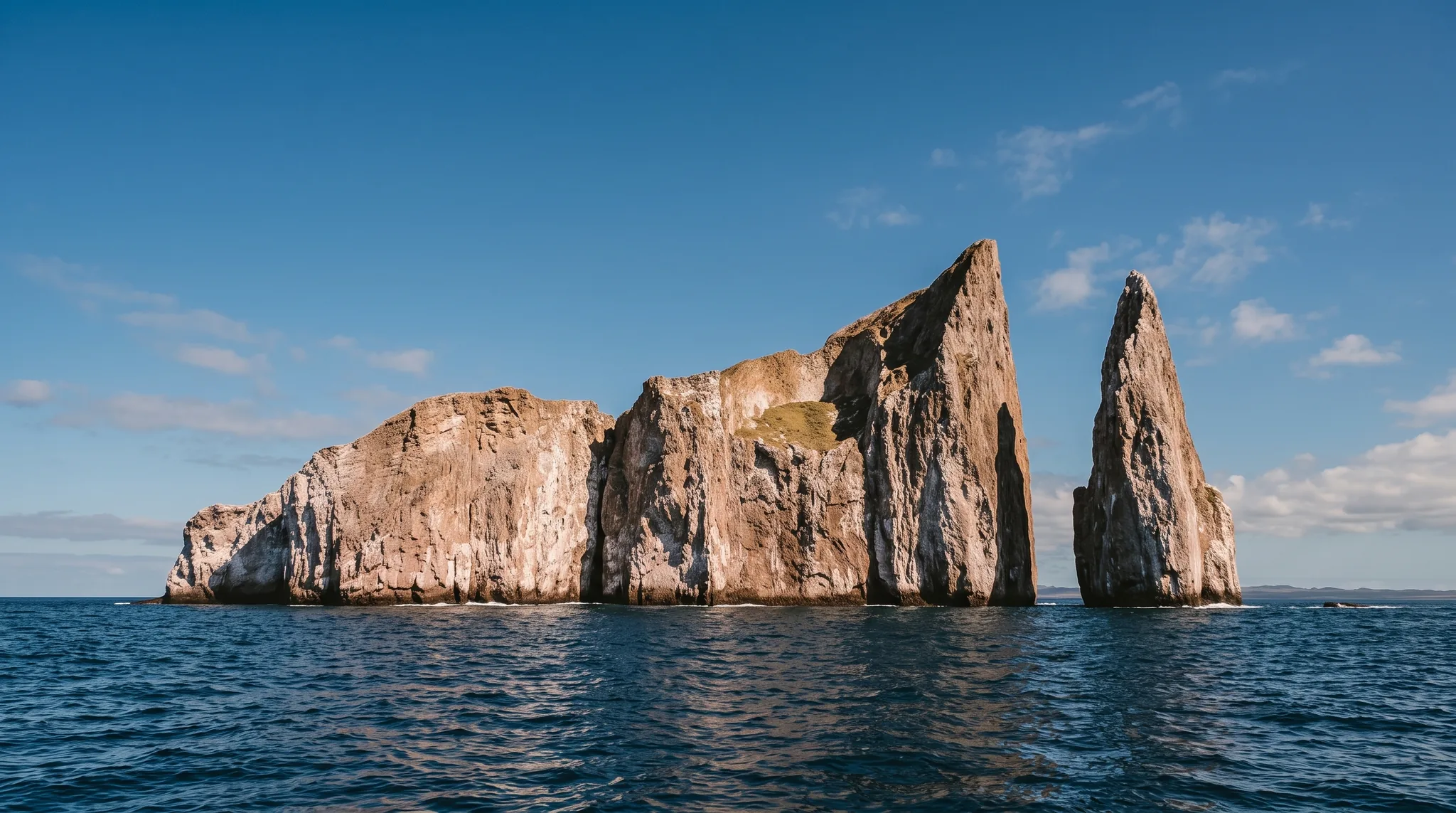
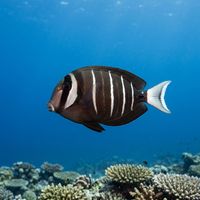
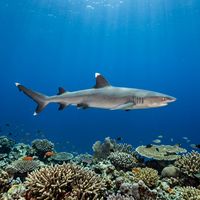
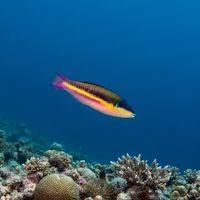
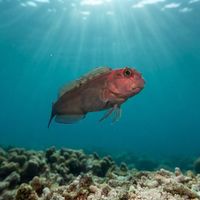
The Galápagos Islands offer a diving and snorkelling experience shaped by converging currents that drive cold, nutrient-rich water alongside warmer surface layers, producing remarkable marine diversity across five distinct sub-areas. Santa Cruz and San Cristóbal provide the broadest range of accessible sites, while Wolf and Darwin, in the far north, attract advanced divers chasing pelagic encounters. Isabela and Fernandina add dramatic volcanic terrain, and Floreana contributes reef and wall sites including the striking Corona del Diablo. Across the archipelago, the California Sea Lion, Spotted Eagle Ray, Whitetip Reef Shark and Green Sea Turtle are regularly observed alongside abundant Wrasse and Razor Surgeonfish.
5 areas
 34
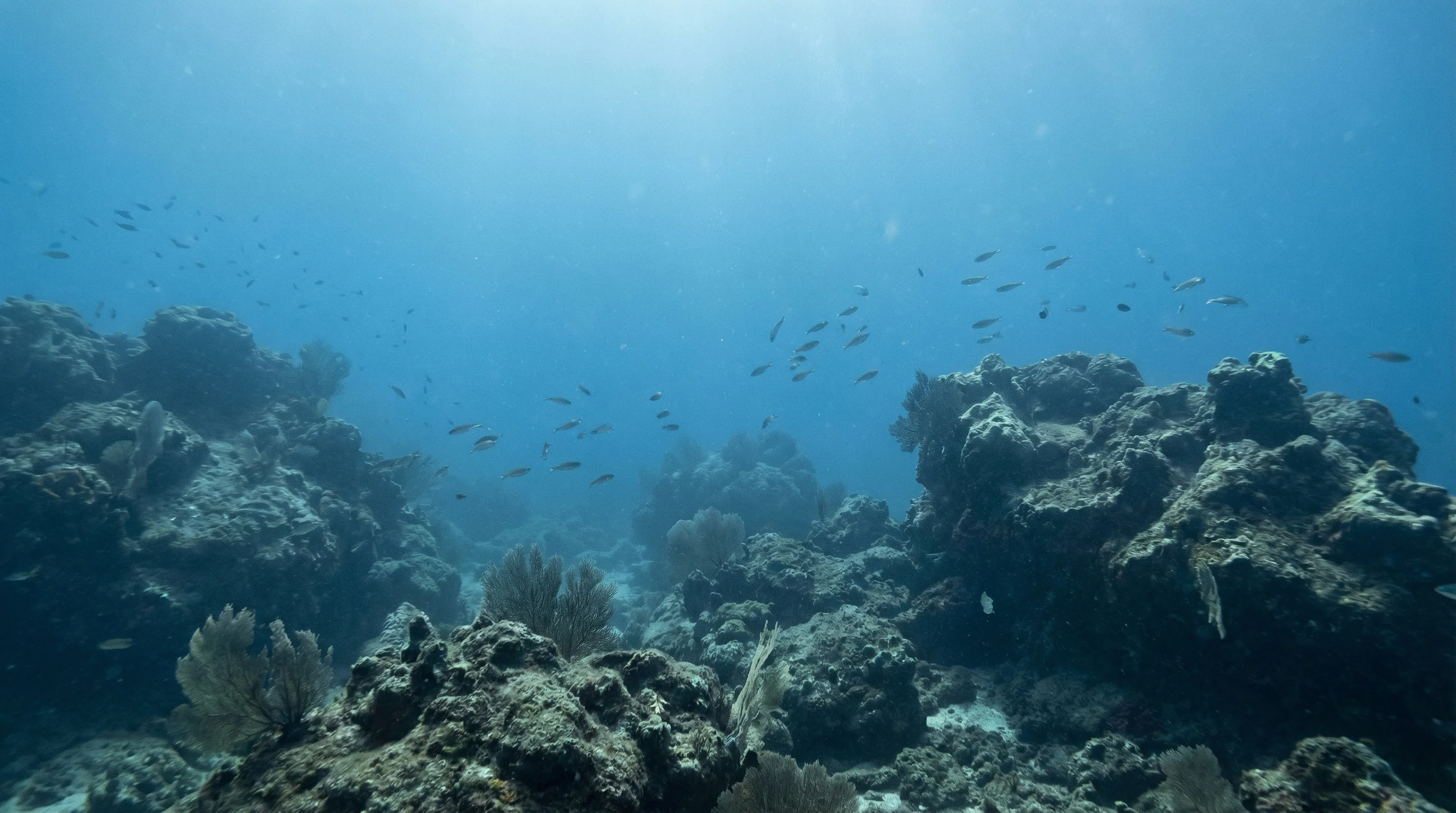
34Galápagos drift dives, walls, and reefs with sea lions, eagle rays, and reef sharks at nearly every site.
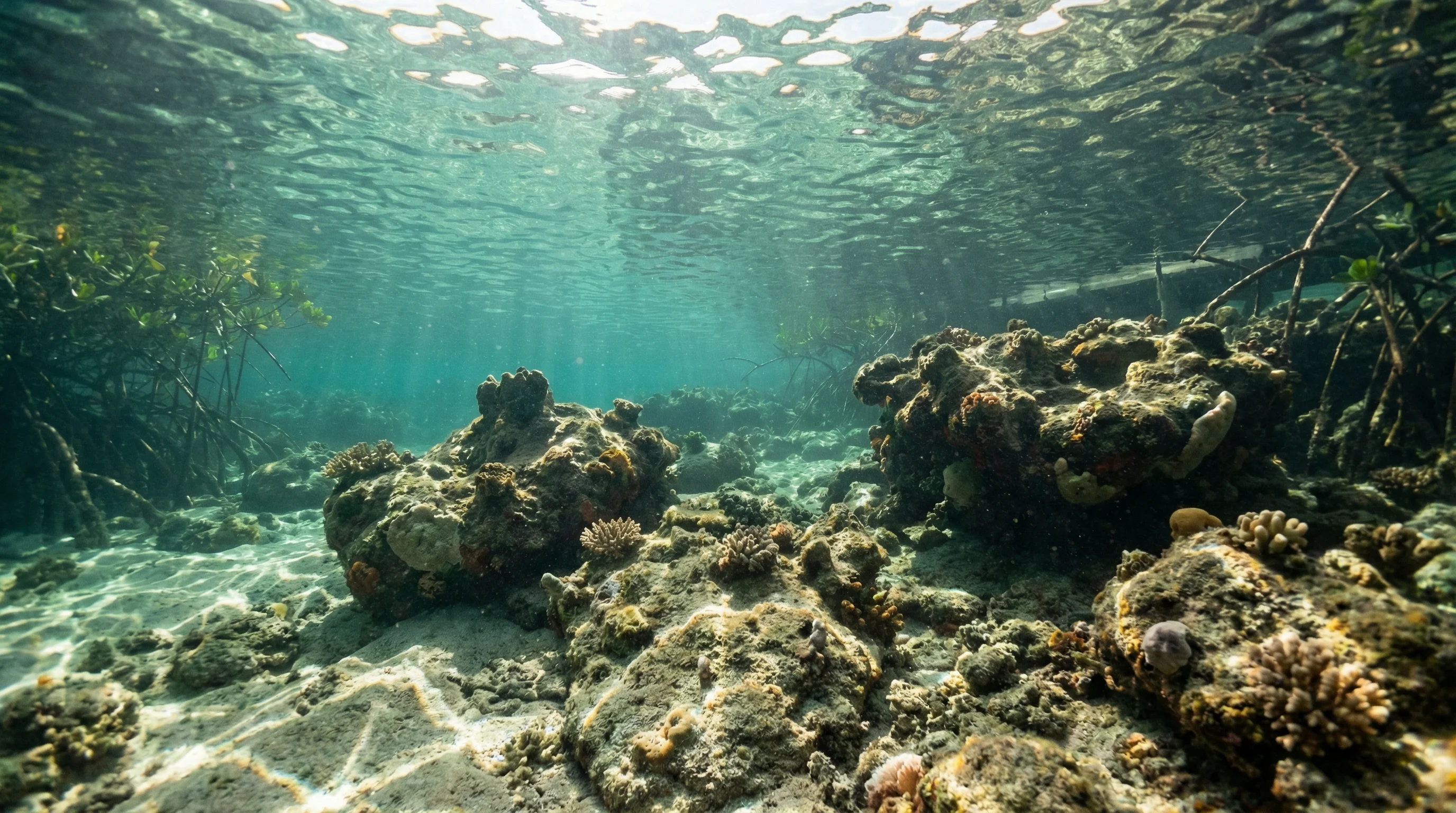 25
25Volcanic walls, lava tunnels, and drift sites where Scalloped Hammerhead and Whale Shark are observed alongside Green Sea Turtle and Spotted Eagle Ray.
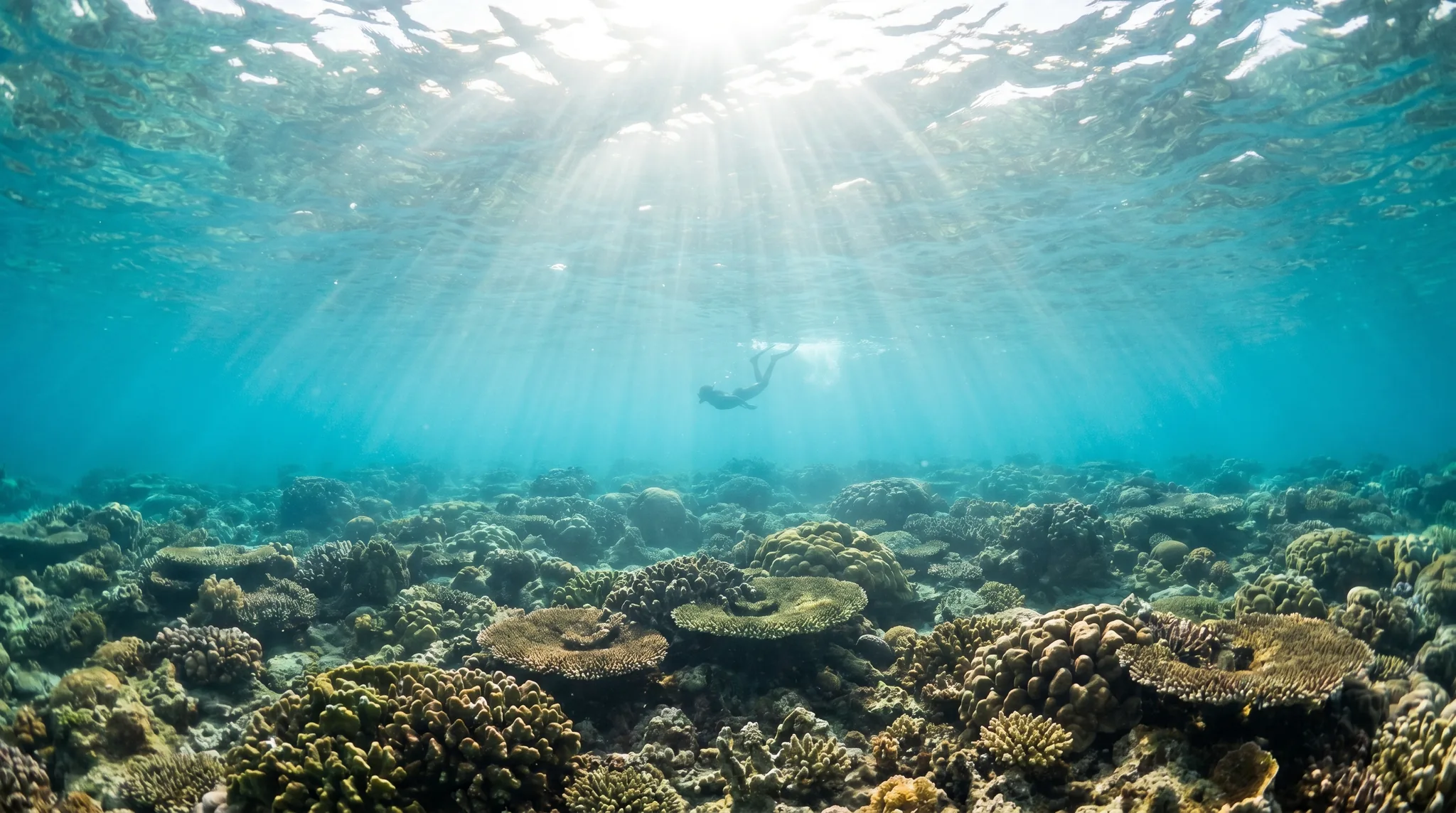 23
23Volcanic walls, drift dives and resident California Sea Lion across a varied mix of reef, wreck and cave sites.
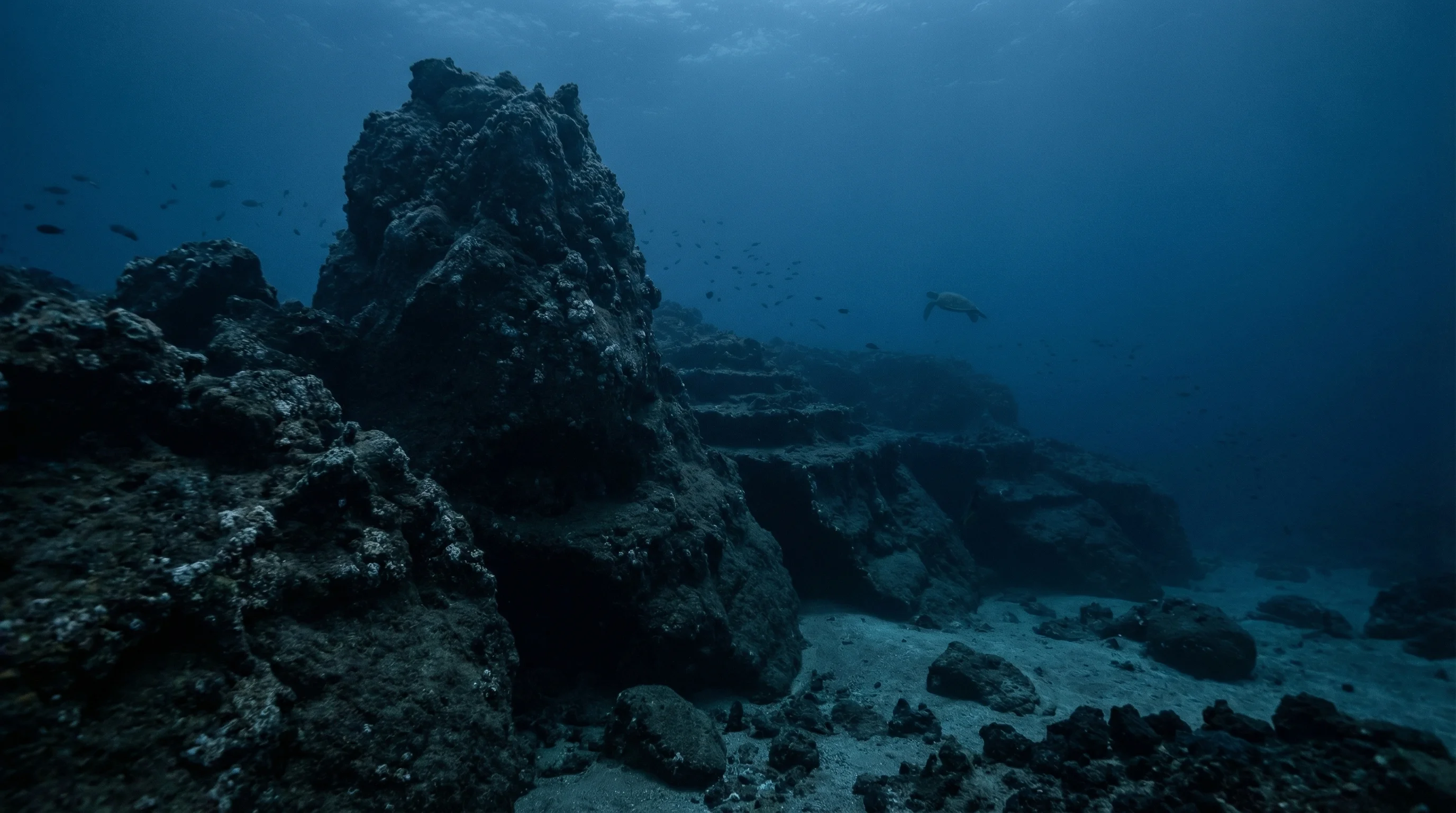
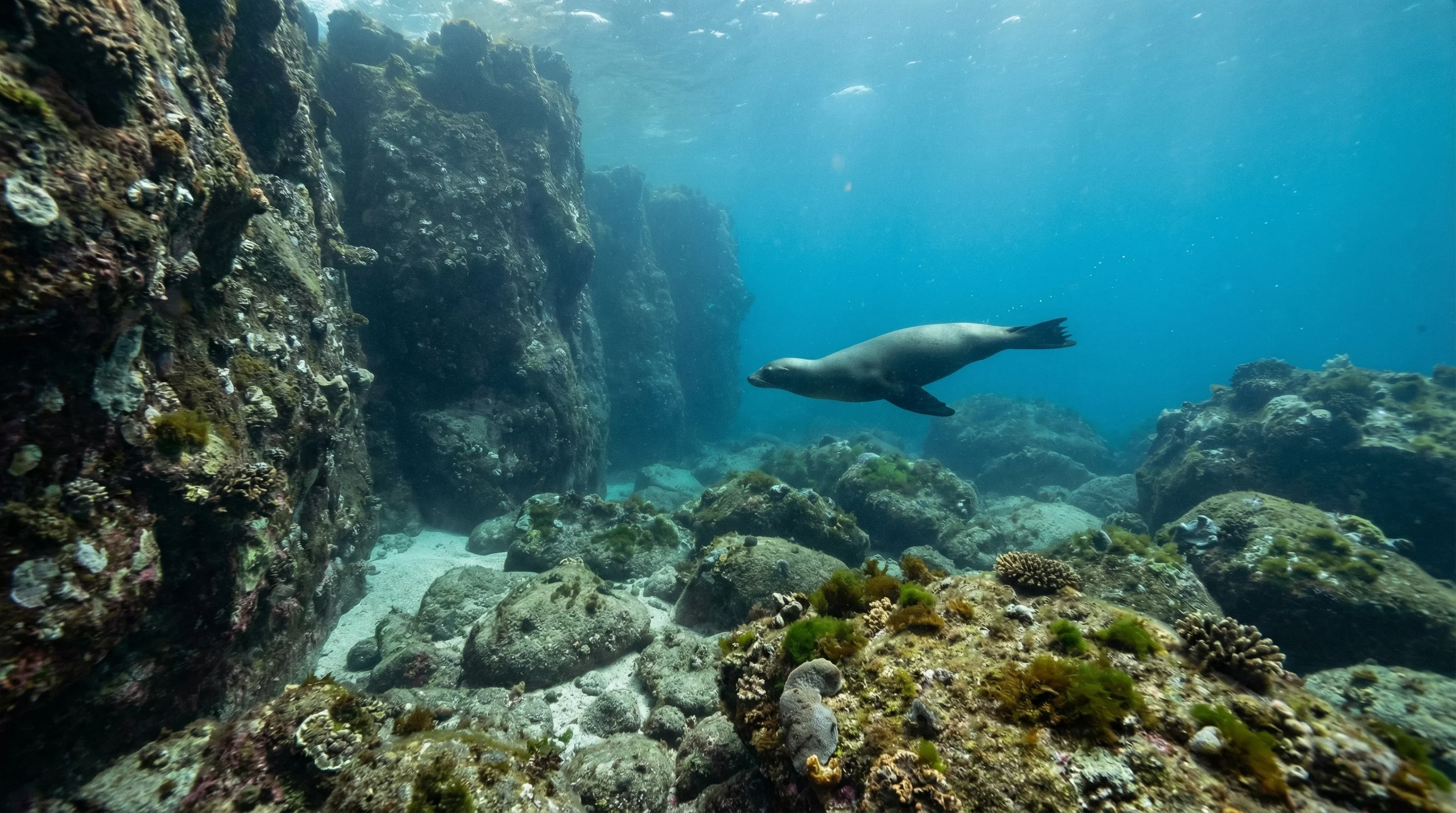
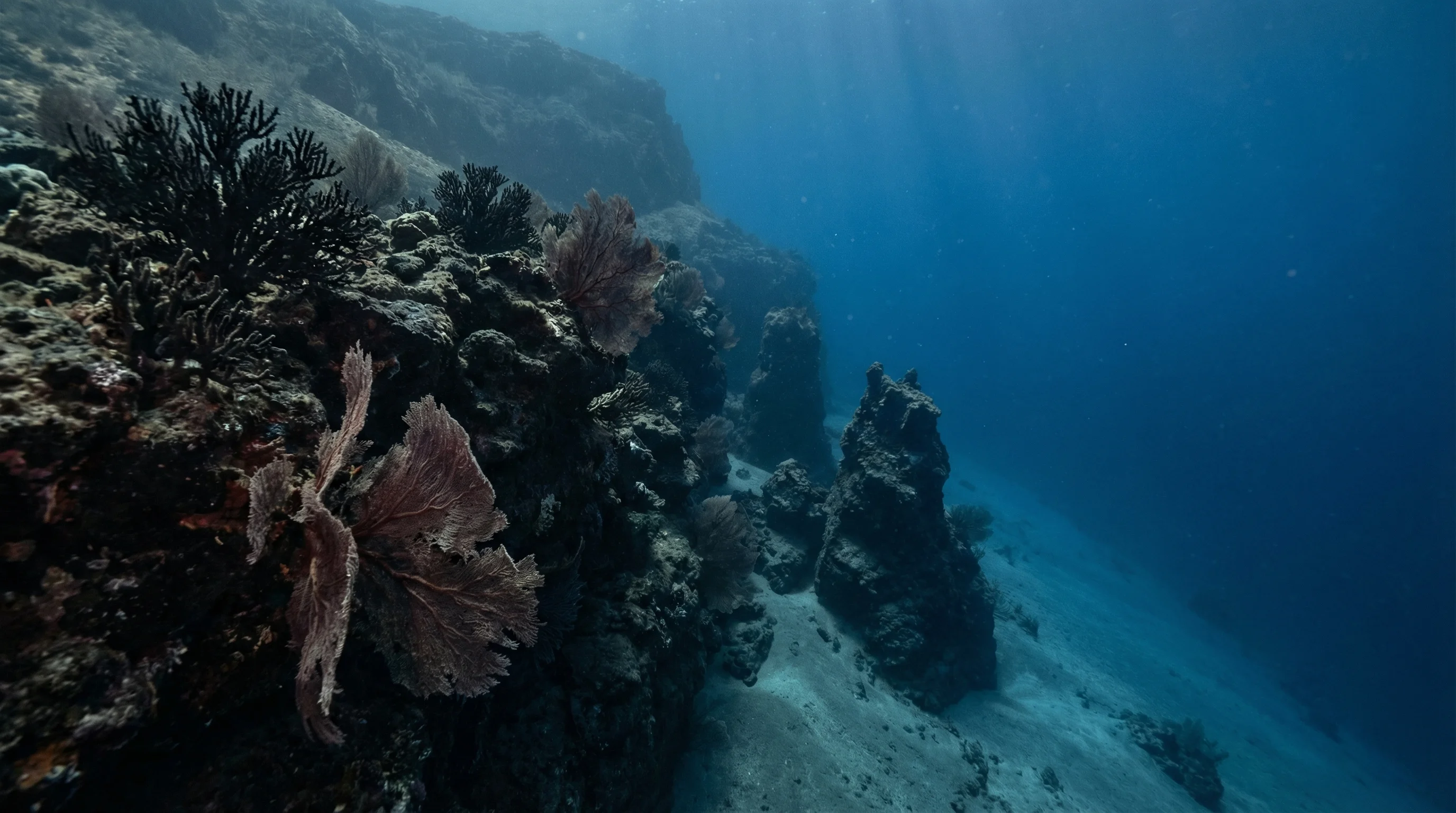
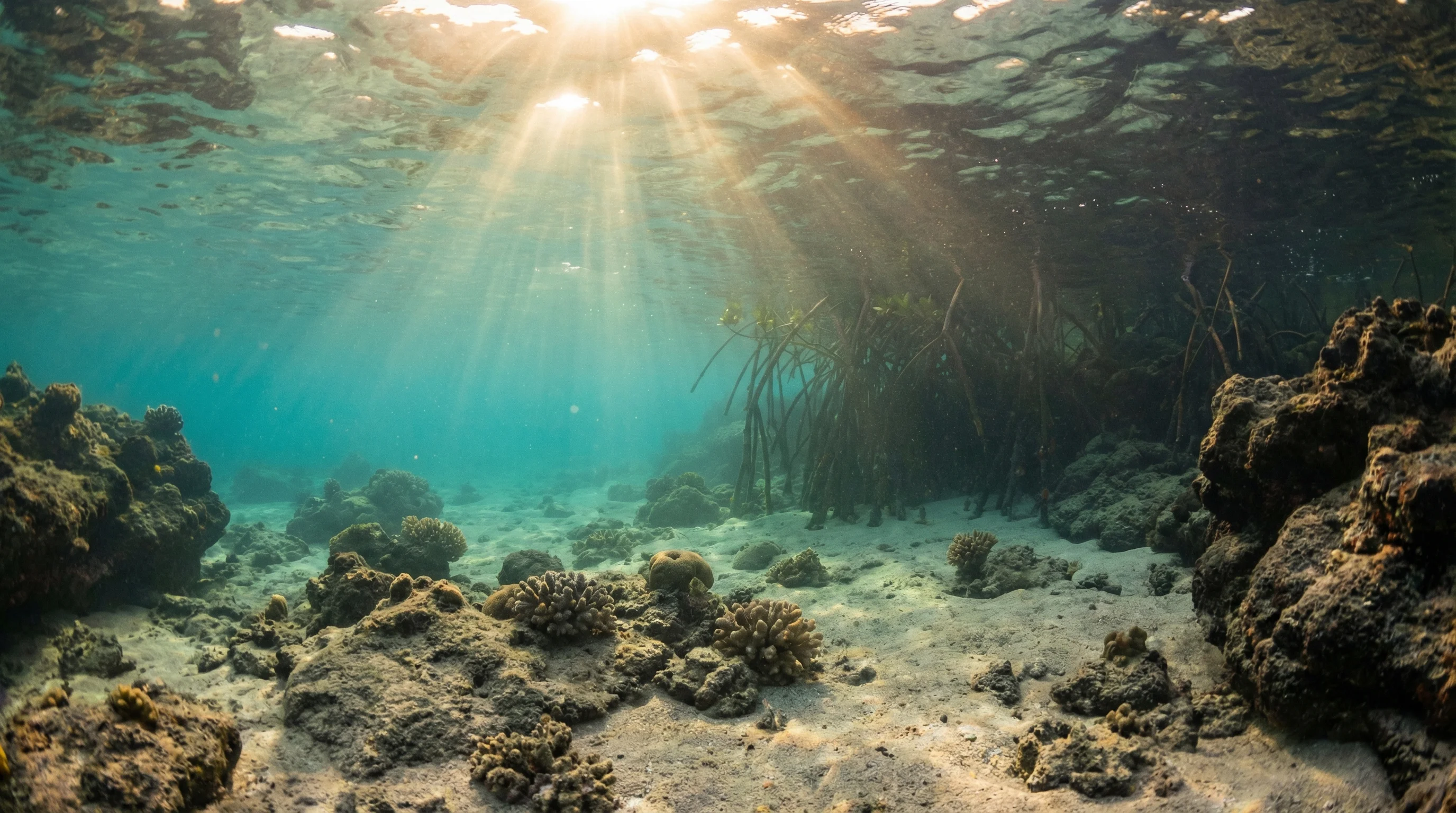
Monthly water temperature across Galápagos Islands's sites, from satellite sea-surface data corrected for depth. The band shows the site-to-site spread.
Water temperatures follow a clear seasonal pattern, cooling noticeably from mid-year through to late in the year as upwellings strengthen, then warming again from the start of the year through to early in the year. The cooler months bring improved chances of pelagic encounters at sites like Gordon Rocks and North Seymour, where currents can run strong and favour intermediate to advanced divers. Conditions vary considerably between the sheltered bays of Santa Cruz and the exposed, current-swept sites around Wolf and Darwin.
64 operators

Remote, current-swept walls and drop-offs at the Galápagos frontier, where Whale Shark and Spotted Eagle Ray are regular sightings.
Water temperature around Galápagos Islands ranges from about 20°C in August to 24°C in February, based on satellite sea-temperature data for its dive sites.
In the warm season (about 24°C) a 3mm full suit is comfortable in Galápagos Islands; in the coldest months (about 20°C) step up to a 5mm suit.
Fin maps 108 sites in Galápagos Islands (89 scuba diving sites and 39 snorkelling spots, with some suited to both), organised into 5 areas.
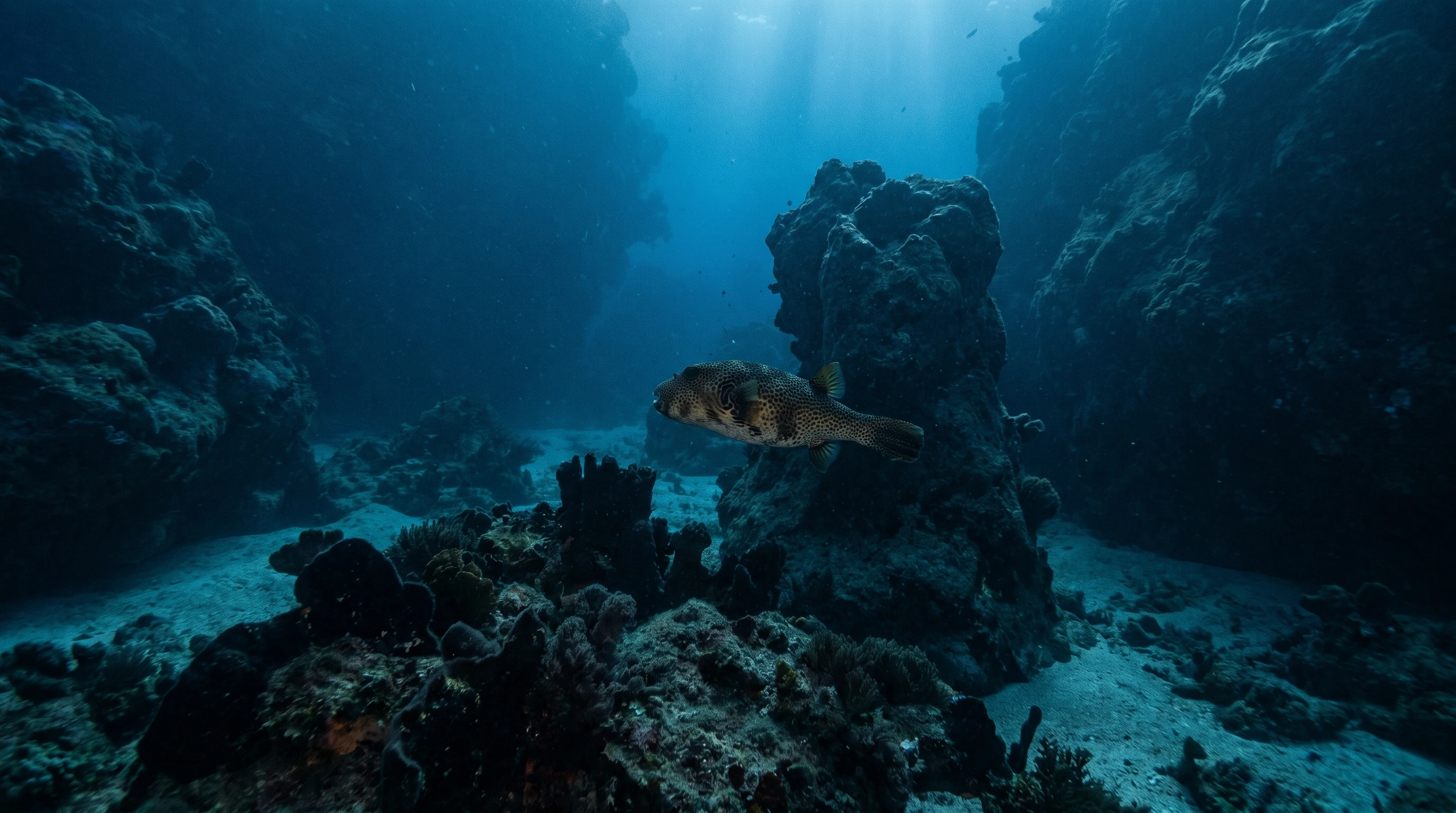
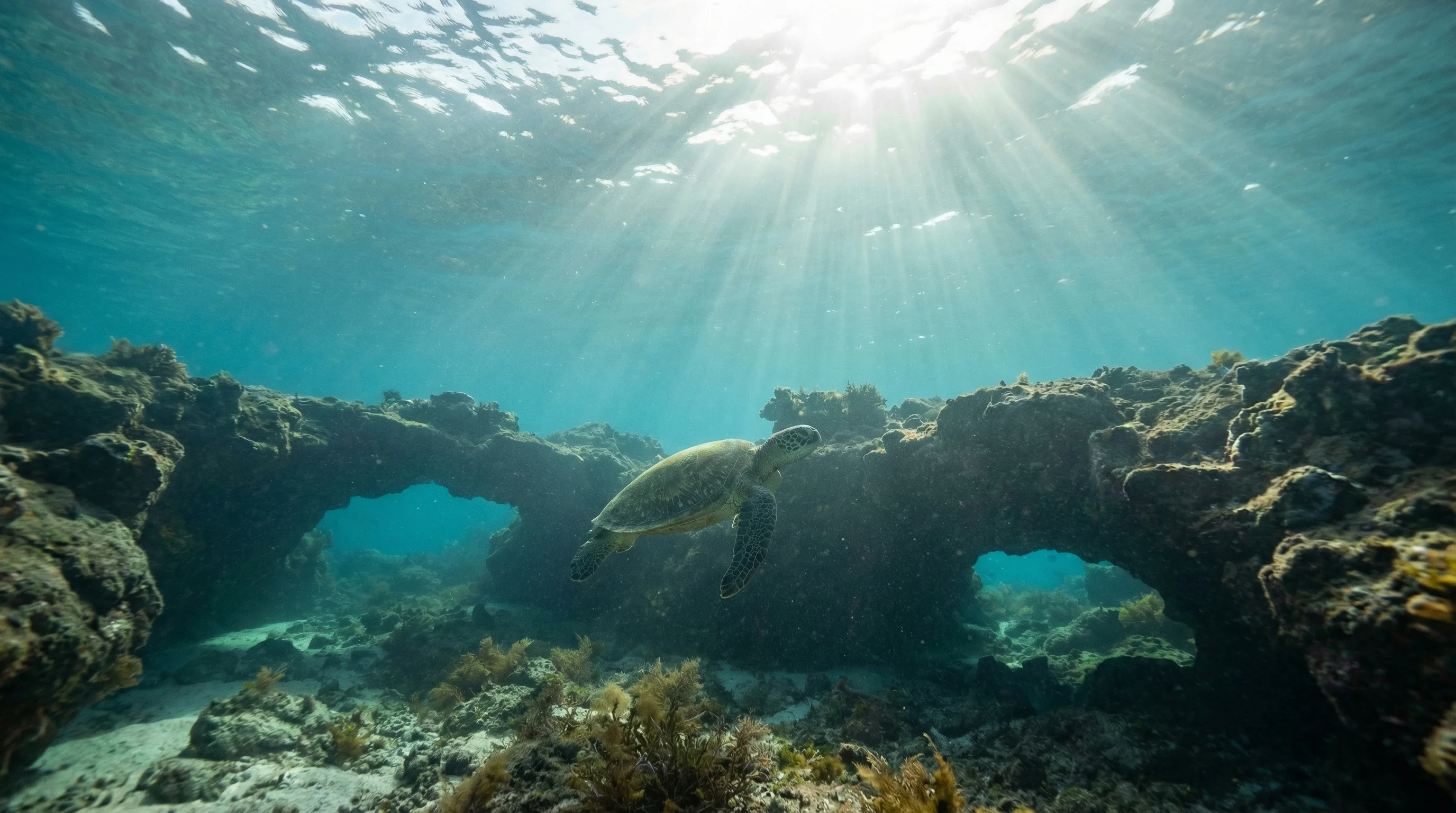
Observation-backed sightings include the Spotted Eagle Ray, Whitetip Reef Shark, Green Sea Turtle and California Sea Lion across a wide range of sites. The Whale Shark has also been recorded, most reliably at the remoter northern sites. Common Blacktip Shark and Whiptail Stingray add to the pelagic mix at drift and wall sites throughout the archipelago.
Several sites are rated beginner level, including Concha de Perla near Puerto Villamil, Los Túneles, and Darwin Bay on San Cristóbal, all of which offer shallow depths and calmer conditions. However, a significant portion of the site roster is rated intermediate, with strong currents and surge at places like Gordon Rocks and North Seymour. Beginners should discuss conditions with their operator before heading to exposed or current-prone sites.
Santa Cruz has the largest number of sites and caters to a broad range of skill levels, making it a natural base. San Cristóbal includes the iconic Kicker Rock wall and drift dive. Isabela and Fernandina offer volcanic terrain including lava tunnels at Los Túneles and the sheltered lagoon at Concha de Perla. Wolf and Darwin, the most remote sub-area, hold the fewest sites but are favoured by experienced divers seeking pelagic encounters in stronger currents.
Most sites require boat access, which is the norm across the archipelago. Shore-entry sites do exist, with Playa de la Estación and Concha de Perla being the clearest examples, both suited to snorkellers and beginner divers. Operators such as Wreck Bay Diving Center, Aquaventures Dive Center and Galapagos Dive Academy organise boat trips to the wider network of reef, wall, pinnacle and drift sites.