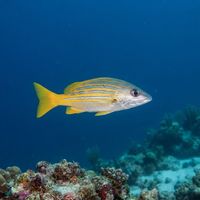
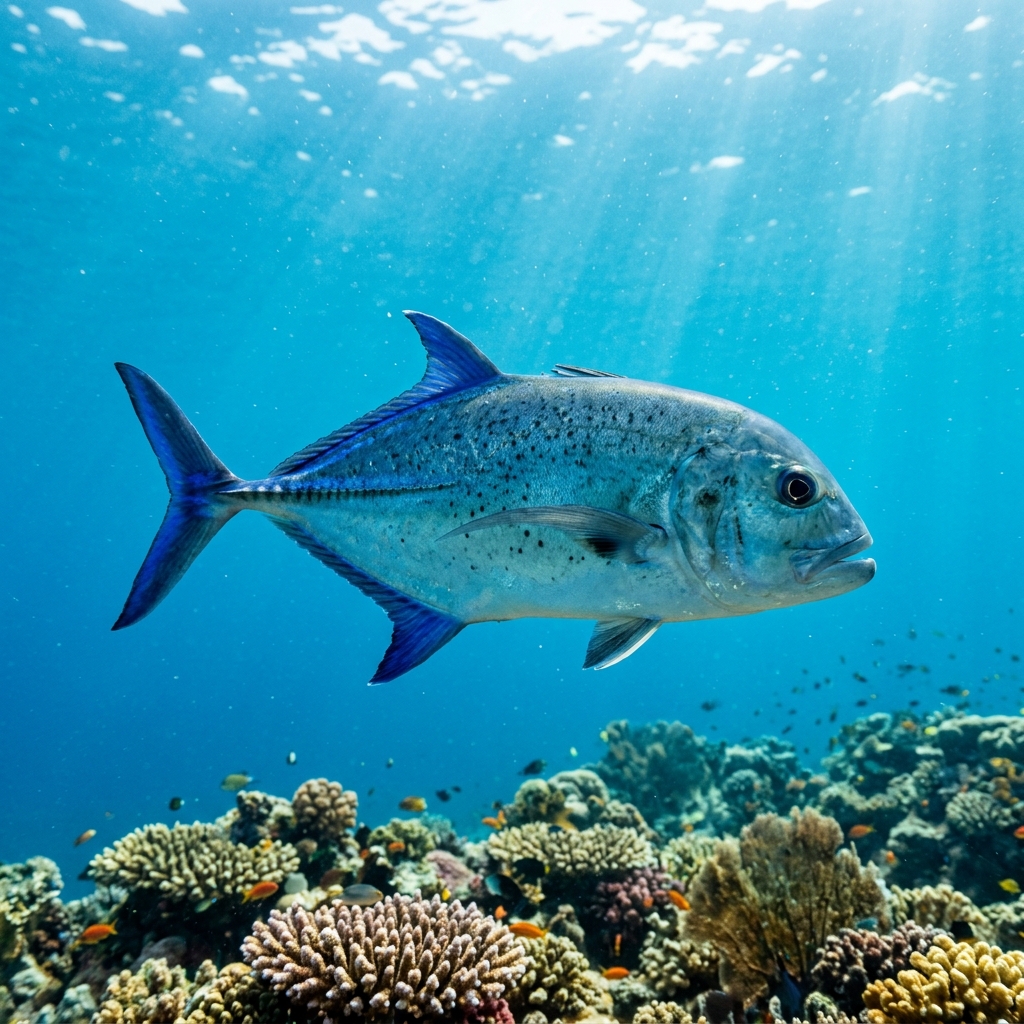
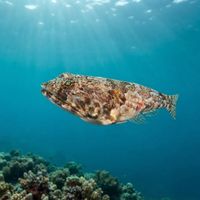
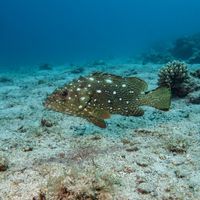
Gorgona is defined by its reef drift diving and the scale of life that current-swept water attracts. All sites are reached by boat, and the reef structures at El Remanso and La Tiburonera suit intermediate divers comfortable with strong currents and variable conditions. The signature draw is large pelagic encounters: Humpback Whale and Whale Shark have both been observed here alongside Grey Reef Shark and Whitetip Reef Shark. On the reefs themselves, Bluefin Trevally, Groupers, Panamic Green Moray, Spiny Lobster and Arrow Crab are regularly seen. Water stays warm throughout the year, with conditions peaking from August through October.

Monthly water temperature across Gorgona's sites, from satellite sea-surface data corrected for depth. The band shows the site-to-site spread.
Water temperatures remain warm across the year, dipping slightly in February and March before rising again through the middle months. The best-months data points clearly to August through October as the peak window for conditions, though July also scores well. Drift diving is the dominant format here, and current strength can be variable, so divers should be prepared for exposed, open-water conditions on every outing.
Water temperature around Gorgona ranges from about 24°C in March to 29°C in May, based on satellite sea-temperature data for its dive sites.
11 more sites to explore
In the warm season (about 29°C) a rash guard or 3mm shorty is comfortable in Gorgona; in the coldest months (about 24°C) step up to a 3mm full suit.
Fin maps 13 sites in Gorgona (11 scuba diving sites and 3 snorkelling spots, with some suited to both).
Across Gorgona's dive sites, August, September and October are most often reported as the best months to visit.
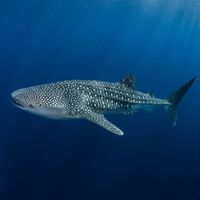
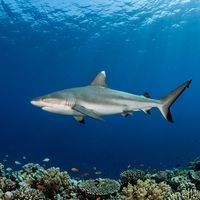
Gorgona has observation-backed records of Humpback Whale and Whale Shark, both listed as common across its sites. Grey Reef Shark is also commonly observed, and Whitetip Reef Shark appears occasionally. Eagle Ray features among the region's signature species as well.
The top sites, El Remanso and La Tiburonera, are both rated for intermediate divers. Strong and variable currents are a feature of the drift diving here, so a solid buoyancy foundation and previous drift experience are advisable before visiting Gorgona.
All dive sites in Gorgona are accessed by boat. There are no shore-entry sites listed in the region, so every dive requires a boat transfer to the reef.
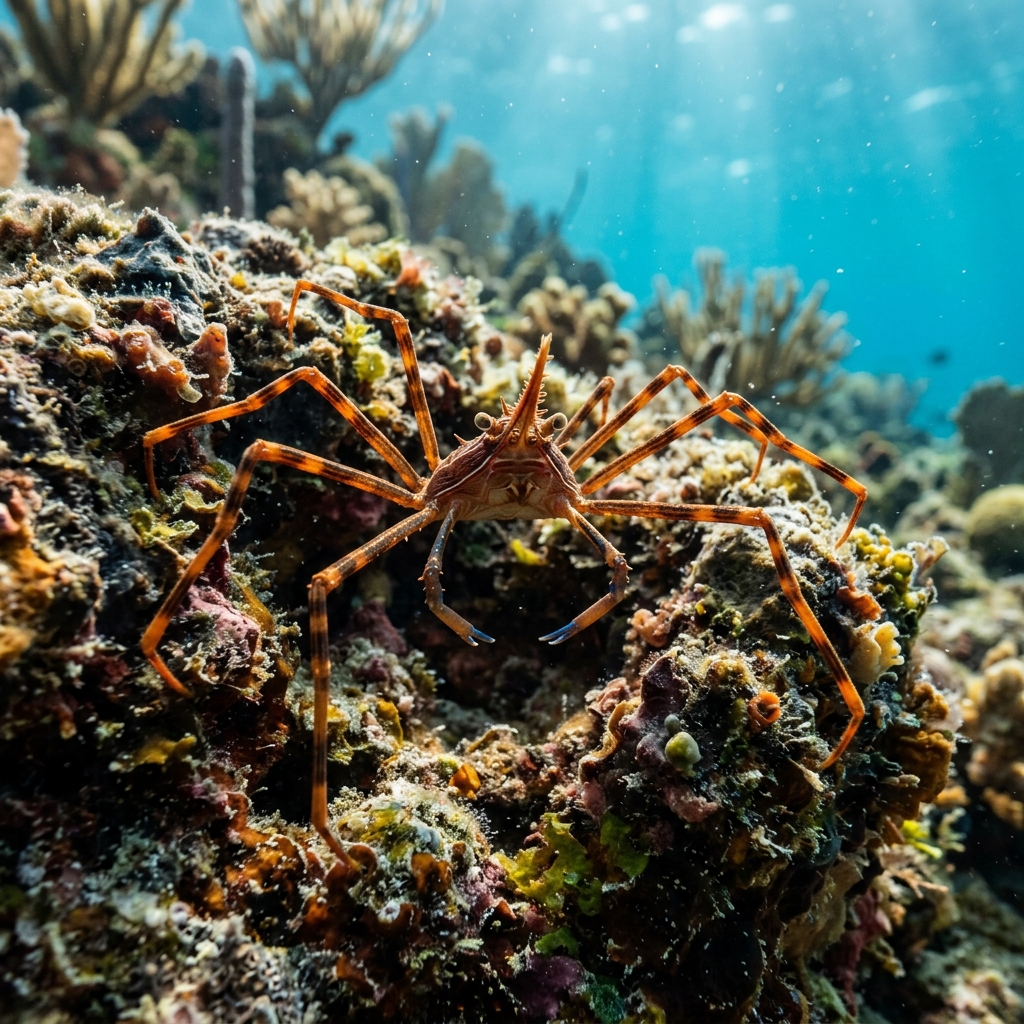
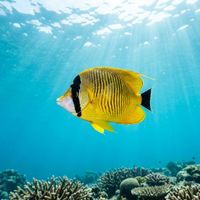
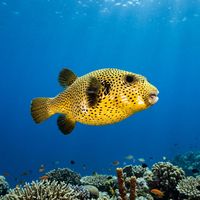
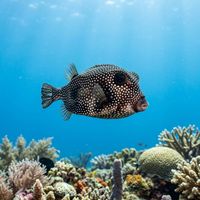
Beyond the large pelagics, Gorgona's reefs hold a strong cast of resident life. Bluefin Trevally, Groupers, Spiny Lobster, Arrow Crab, Panamic Green Moray, Spotted Boxfish, Guineafowl Puffer, Pixy Hawkfish and Barberfish have all been observed across the sites.