Bodianus diplotaenia
Common on Galápagos and Baja reefs in 20.6-28.9C water, Mexican Hogfish turn up year-round from Malpelo to Guanacaste.
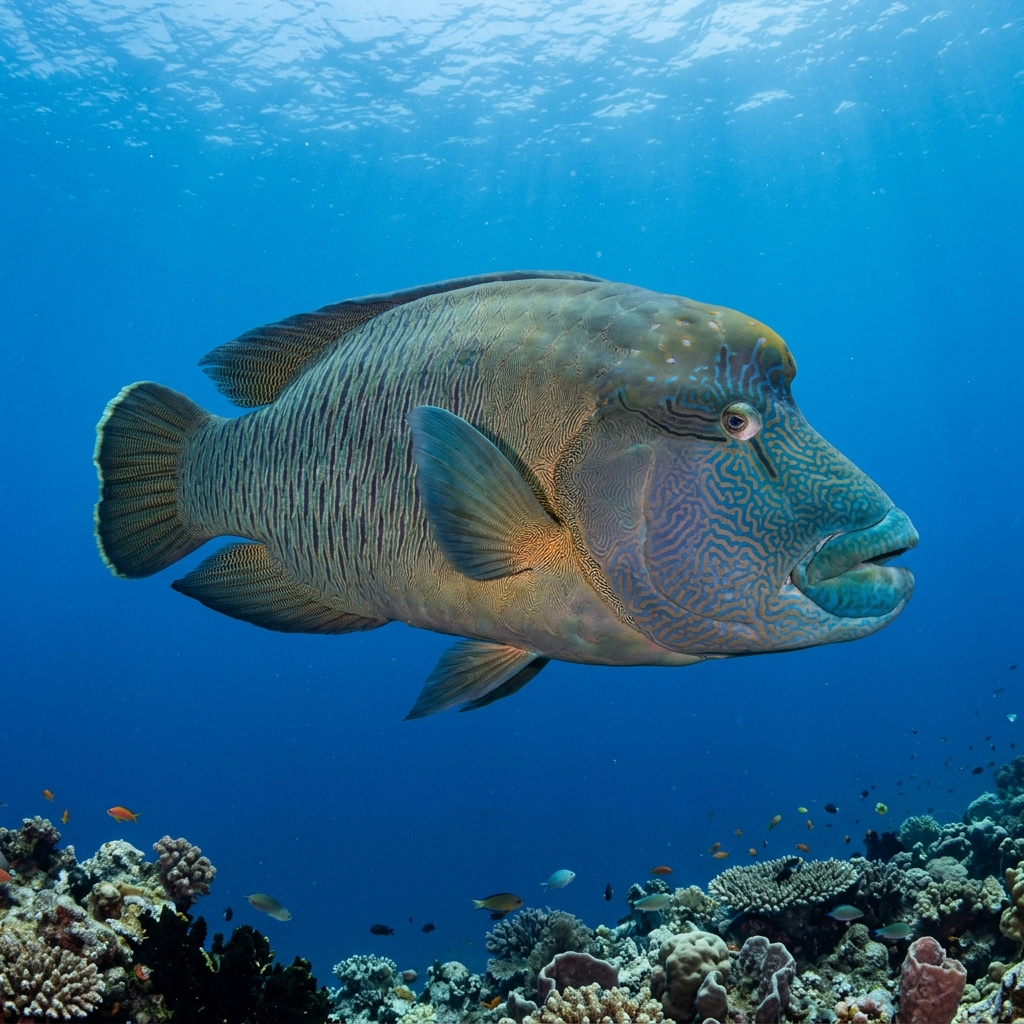
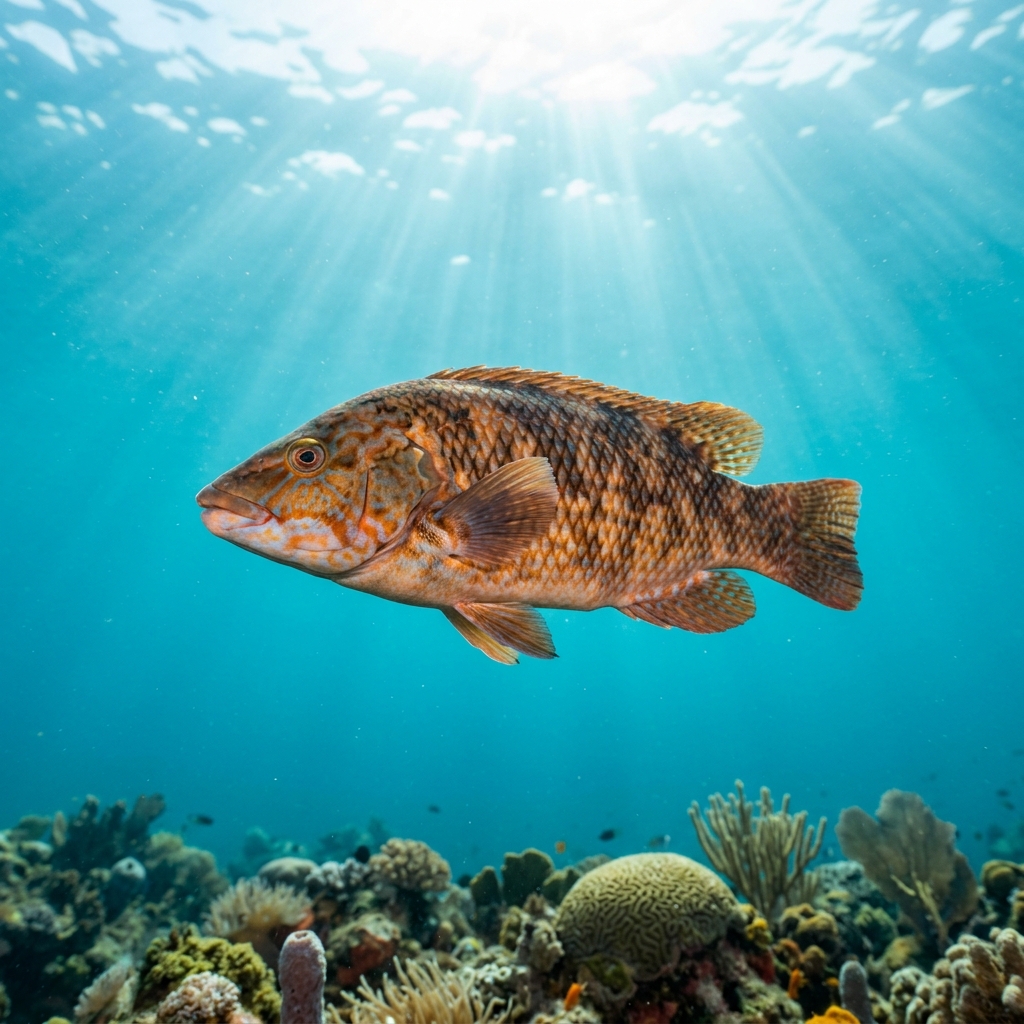
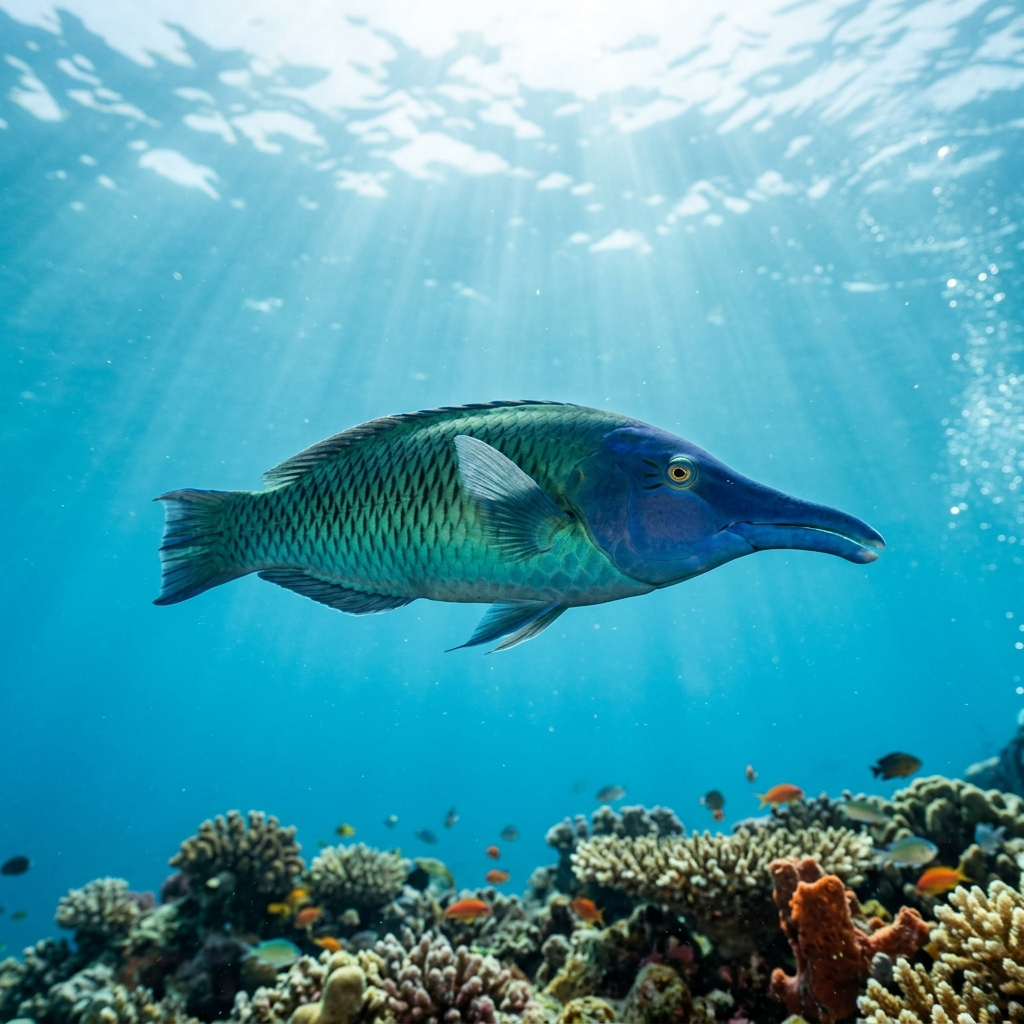
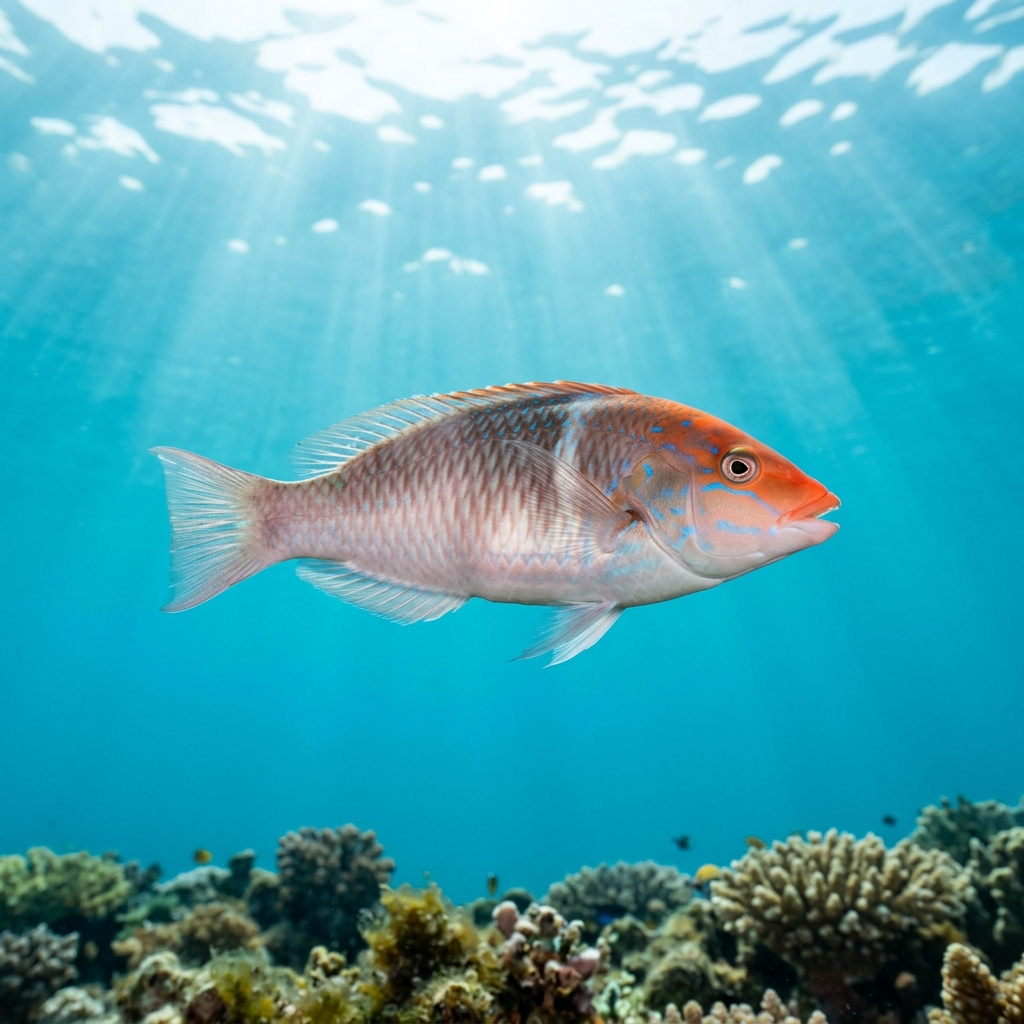
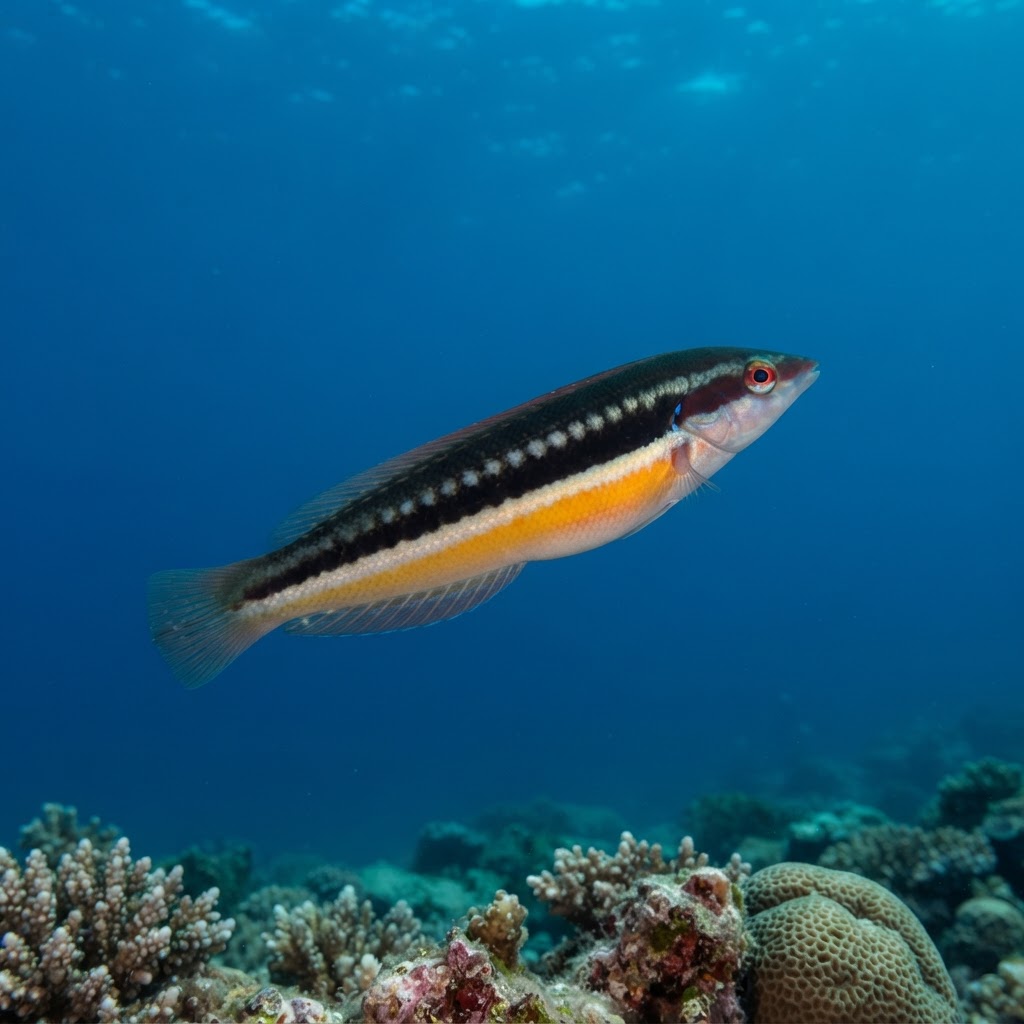
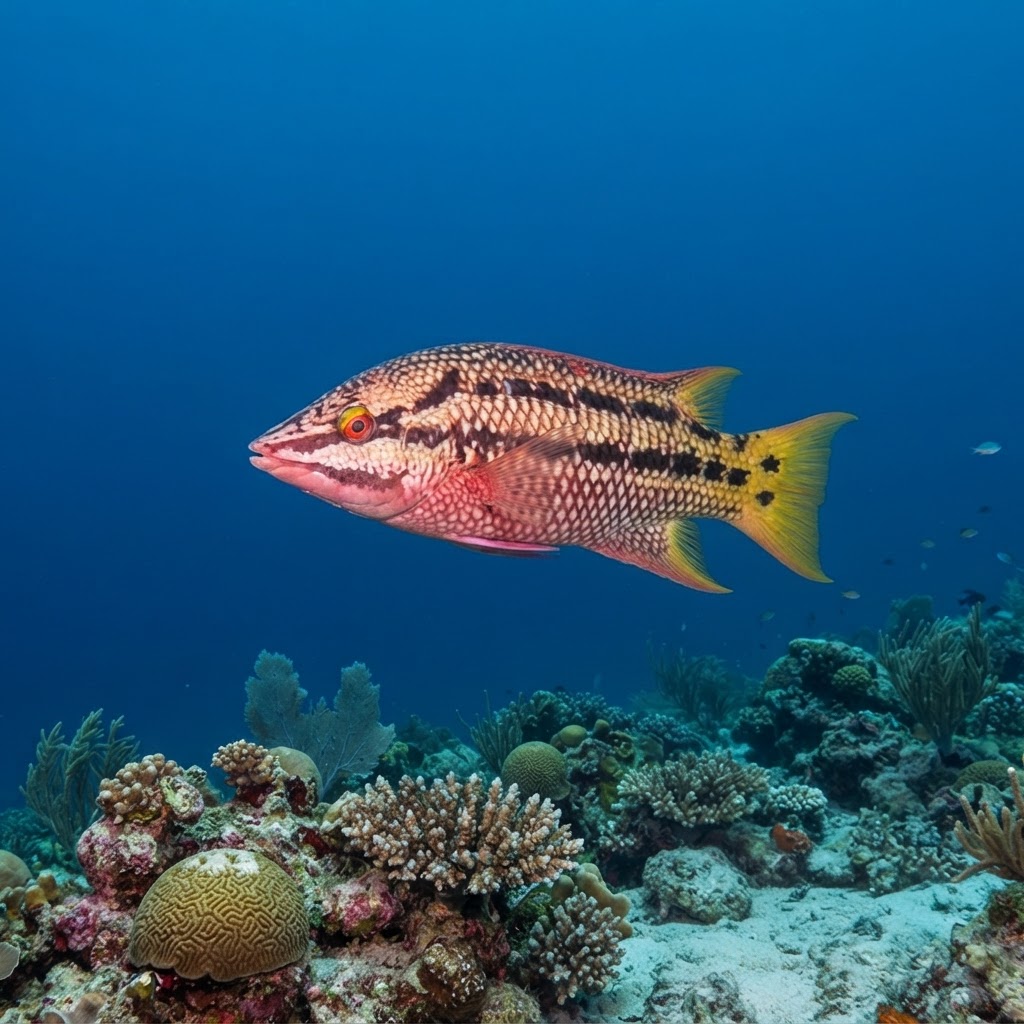
A chunky, elongated wrasse that grows to over half a metre, easily among the largest wrasses you'll see on Eastern Pacific reefs. Adults show a pale grey to pinkish body with two dark, sometimes broken, horizontal stripes running along the flanks and a blunt, slightly sloped head. Colour shifts with age and social status, some larger individuals turn blotchy with a paler mid-body saddle, but the thick-set wrasse shape and stripe pattern are the giveaway. Watch how it moves too, a rolling, deliberate swim close to rock and reef rather than open water.
Usually spotted nosing along rocky reef and boulder slopes, flipping small rocks and sand with its snout to hunt out crustaceans and molluscs. It's an unhurried swimmer that tends to hold its ground rather than bolt when divers approach, making it an easy one to get a good look at on a slow drift or muck-style dive. Look for it from shallow reef edges down well past recreational depths, often solo or loosely associating with cleaning stations.
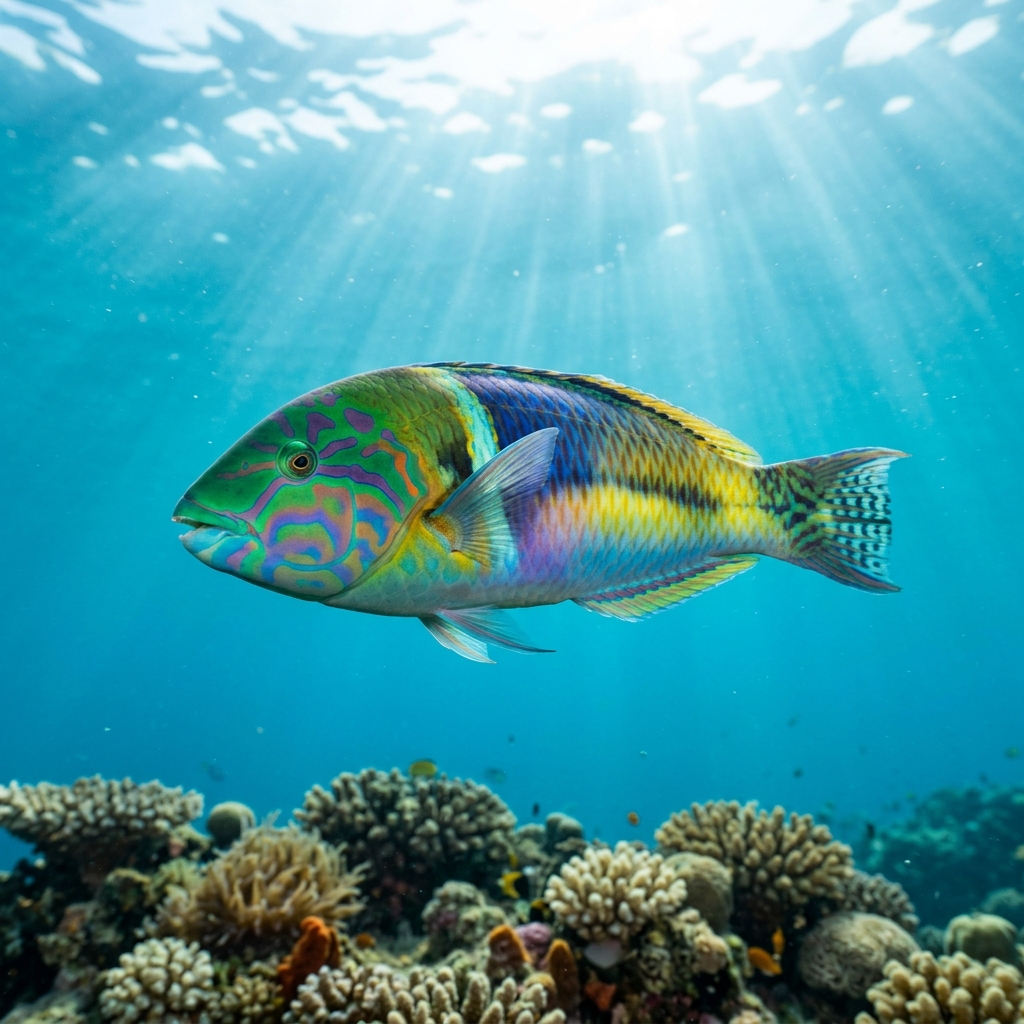
Like many wrasses, it changes sex and colour as it matures, so the same population can include smaller, striped individuals and larger, more uniformly coloured dominant fish.
Comfortable across a wide 20.6 to 28.9C range, so it's a year-round sighting on the reefs where it lives rather than a seasonal visitor. No strong month-to-month pattern shows up in the data, so plan around your destination's general dive season rather than the fish itself.
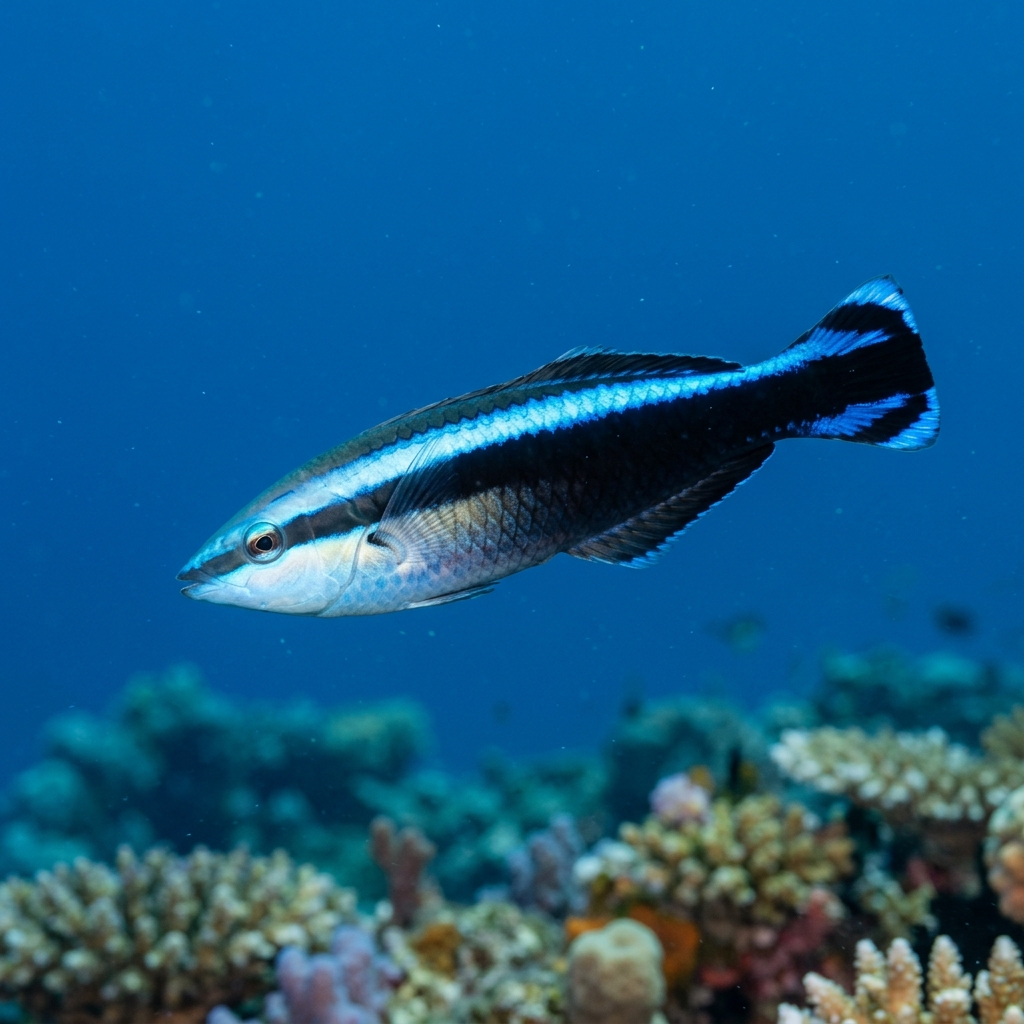
Reef neighbours a diver could mistake it for. Use the identification notes above to tell them apart.
Most reliably logged in Mexico, especially Baja California and the Pacific Coast, and in Ecuador's Galápagos Islands, with strong numbers also in Costa Rica's Guanacaste region. Colombia's Malpelo and Panama's Pacific Coast round out the range, making this a classic Eastern Pacific rock-and-reef species from Baja down to Malpelo.
Mapping where Mexican Hogfish is logged…
Best chances are in Mexico's Baja California and Pacific Coast, Ecuador's Galápagos Islands, and Costa Rica's Guanacaste region. Colombia's Malpelo and Panama's Pacific Coast are also solid options for this Eastern Pacific reef wrasse.
There's no strong season in the sighting data, and its comfort range of roughly 20.6 to 28.9C means it's present on reefs year-round. Time your trip around general conditions at the destination rather than a hogfish-specific window.
Look for a large, thick-bodied wrasse, often over 40cm, with a pale grey-pink body and two dark horizontal stripes along the sides. It swims with a slow, rolling motion close to rock and reef, usually while foraging over the bottom.
They typically reach around 53cm, making them one of the larger wrasses you'll encounter on Eastern Pacific reefs.
No, they pose no threat to divers. They're carnivorous reef foragers with no venom or aggressive behaviour towards people.
Like other wrasses, individuals can change sex and colour pattern as they grow, so striped younger fish and more uniformly coloured larger fish in the same area may actually be different life stages of the species.
Site and sighting data is aggregated from diver logs, iNaturalist and GBIF. For taxonomy and conservation status:
Bird Wrasses
3,632 sites