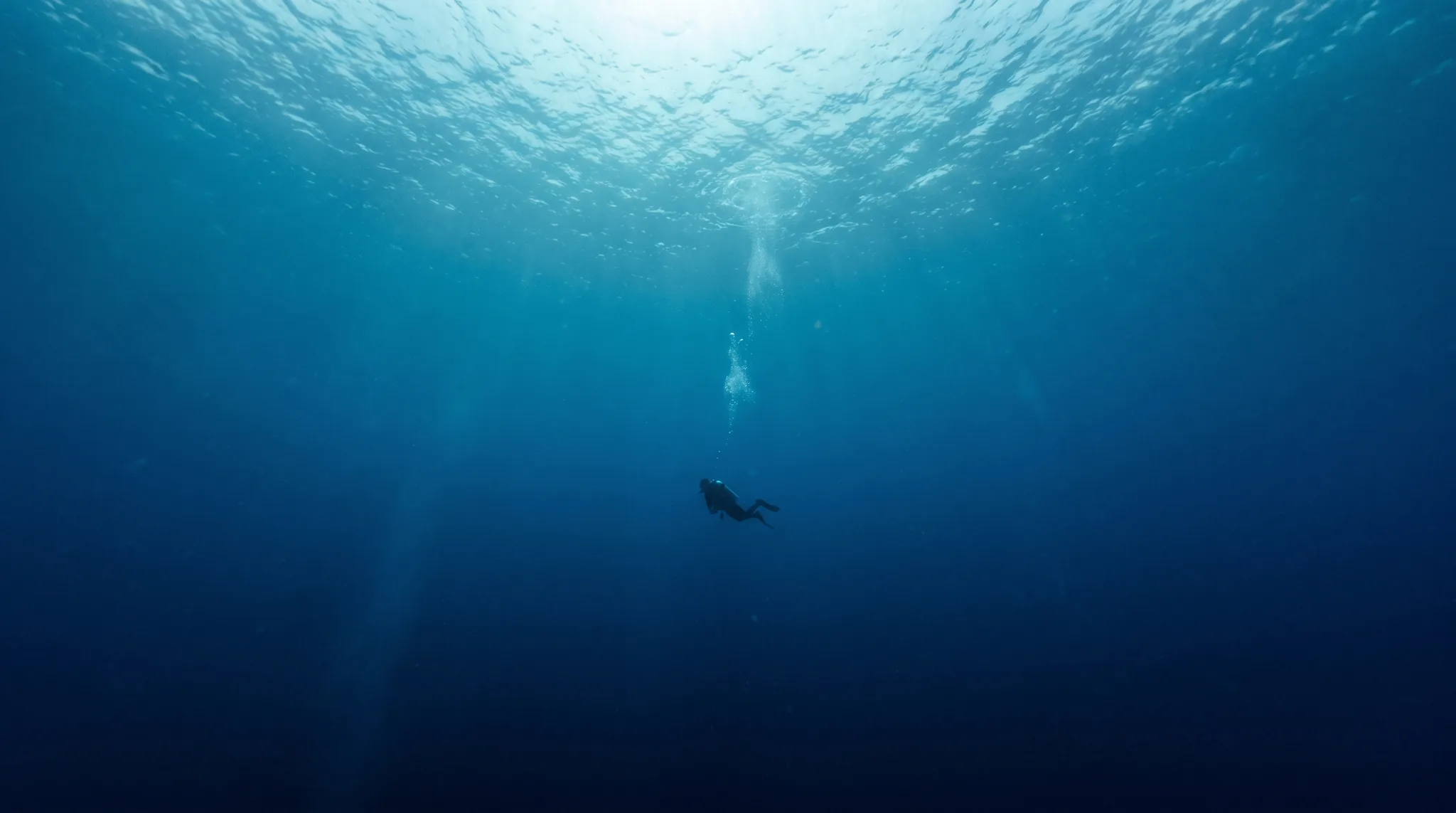
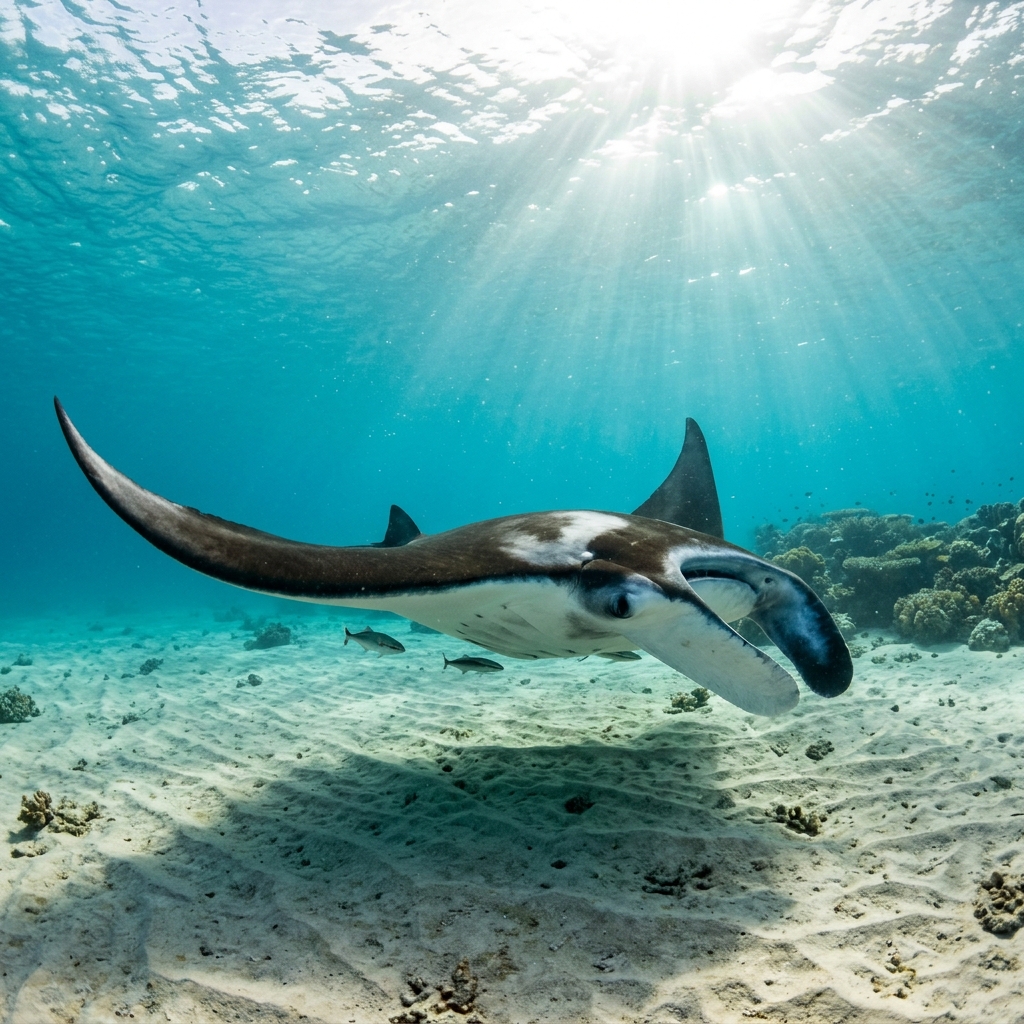
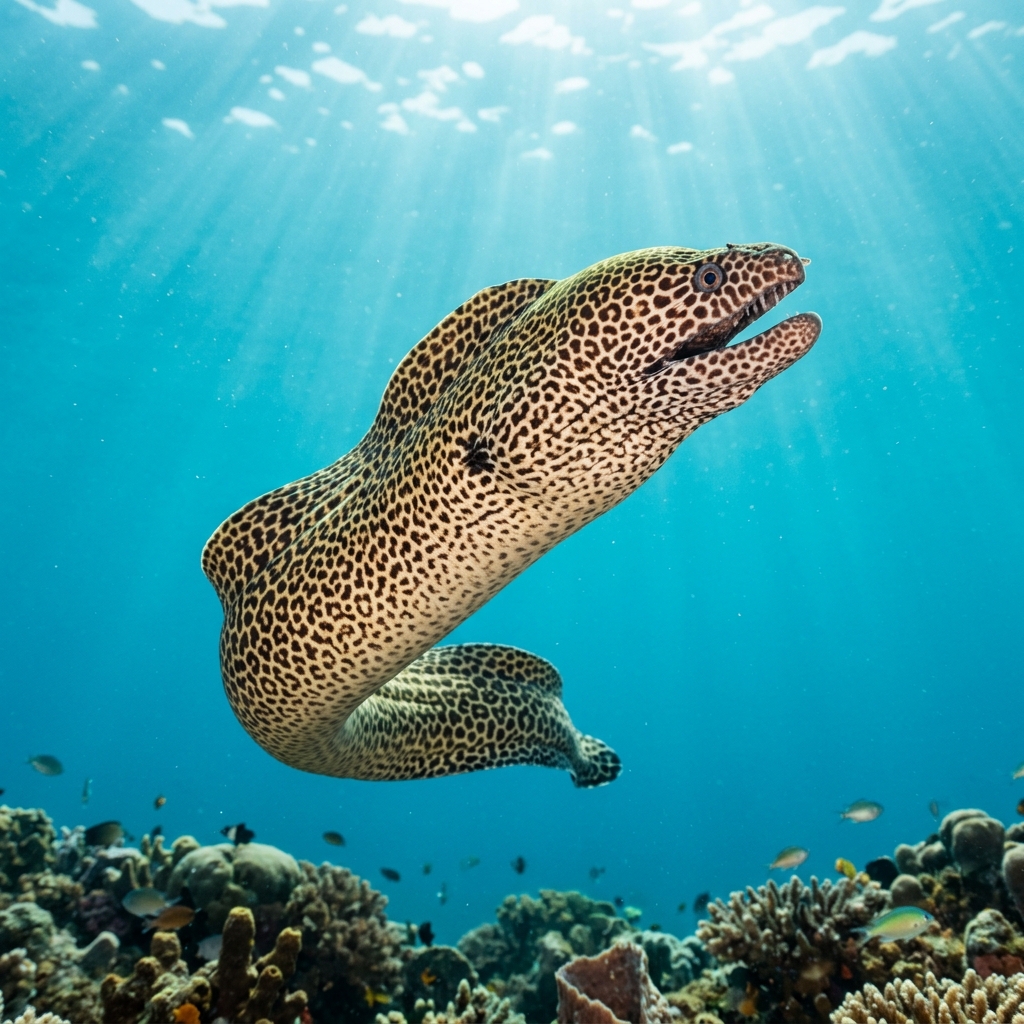
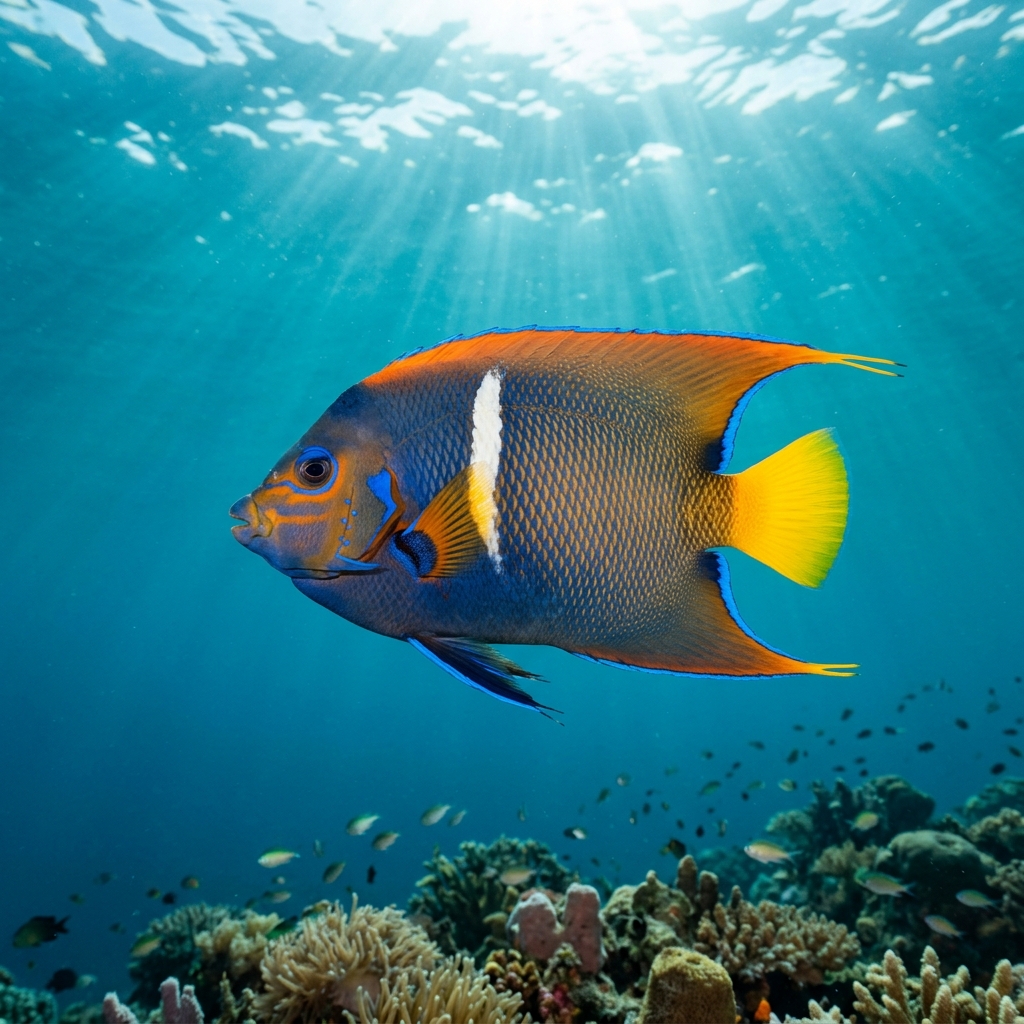
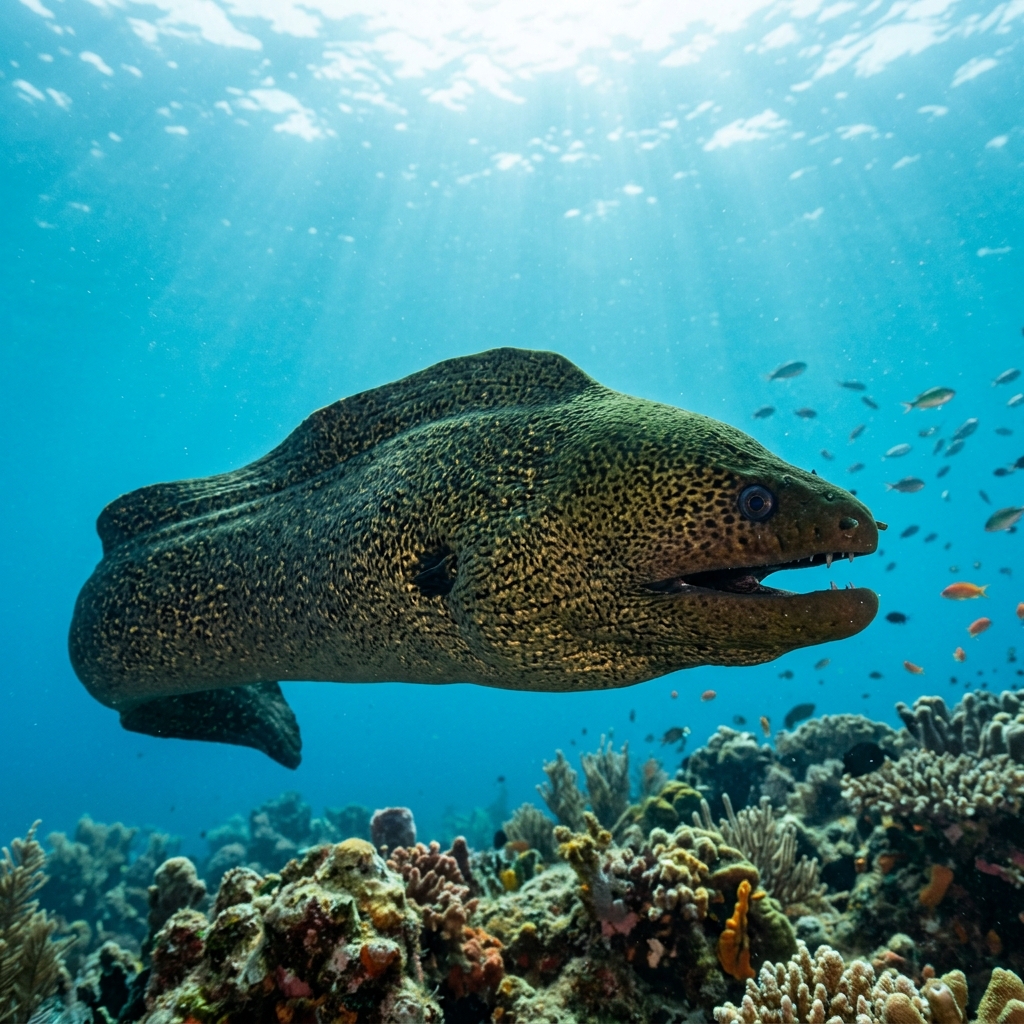
Isla de la Plata sits in the equatorial Pacific within Machalilla National Park, roughly forty kilometres off the Ecuadorian coast and reached by boat from Puerto López. The seven sites in Fin's database span pinnacles, reefs, and walls at depths accessible to beginners and intermediate divers. Palo Santo Reef on the island's eastern side offers sheltered, shallow diving, while offshore sites such as Bajo Cope and Roca Honda involve stronger currents and deeper terrain. Giant oceanic manta rays aggregate here from July to October, and the area supports green and Ridley turtles, eagle rays, scalloped hammerheads, and several moray species year-round. Water temperatures cool noticeably mid-year, making a wetsuit advisable during the manta season.
Monthly water temperature across Isla de la Plata's sites, from satellite sea-surface data corrected for depth. The band shows the site-to-site spread.
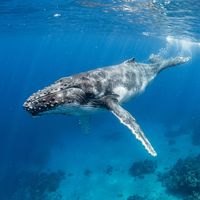
Temperatures sit in the low-to-mid twenties Celsius for most of the year, then dip into the low twenties and below during the cooler mid-year months. This cooler, nutrient-rich water from July to October coincides with the peak aggregation of giant oceanic manta rays and the presence of humpback whales in the broader area. A five-millimetre wetsuit is comfortable year-round and worth prioritising during the cooler season.
1 operator
Water temperature around Isla de la Plata ranges from about 21°C in July to 24°C in February, based on satellite sea-temperature data for its dive sites.
In the warm season (about 24°C) a 3mm full suit is comfortable in Isla de la Plata; in the coldest months (about 21°C) step up to a 5mm suit.
Fin maps 7 sites in Isla de la Plata (7 scuba diving sites and 2 snorkelling spots, with some suited to both).
Across Isla de la Plata's dive sites, June, July, August and September are most often reported as the best months to visit.
5 more sites to explore