

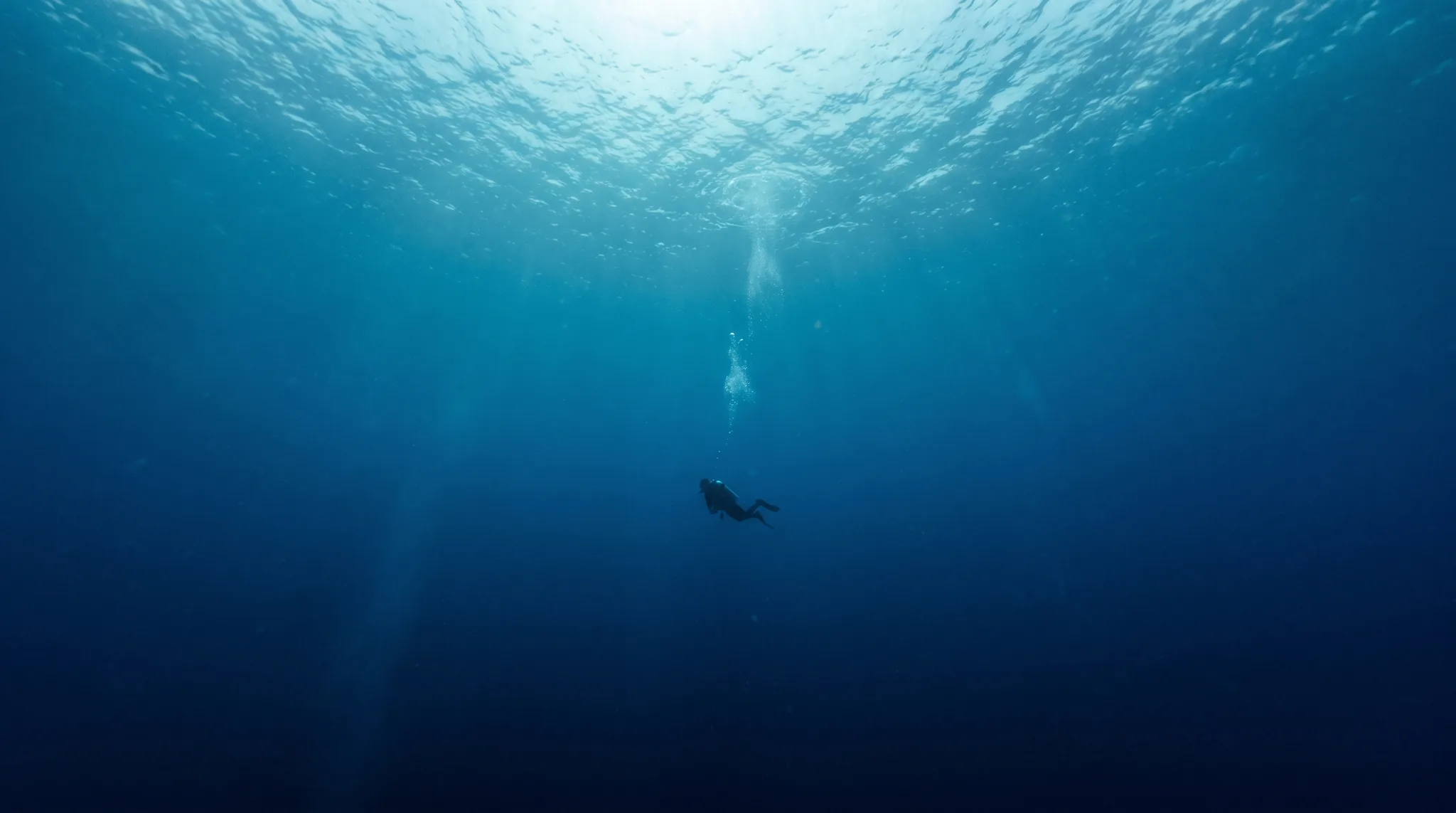
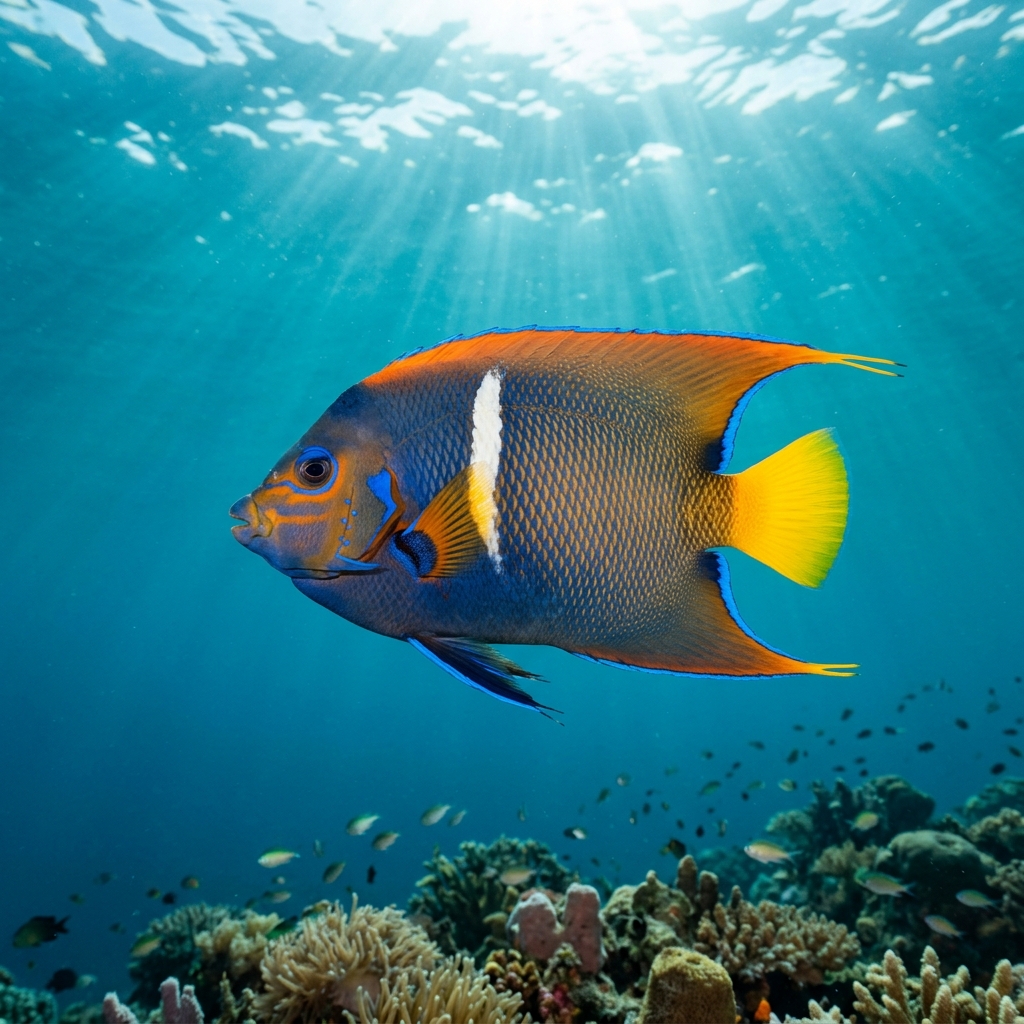
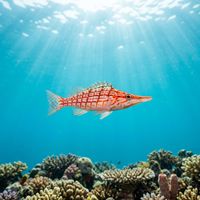
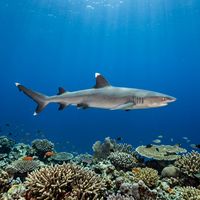
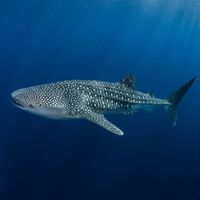
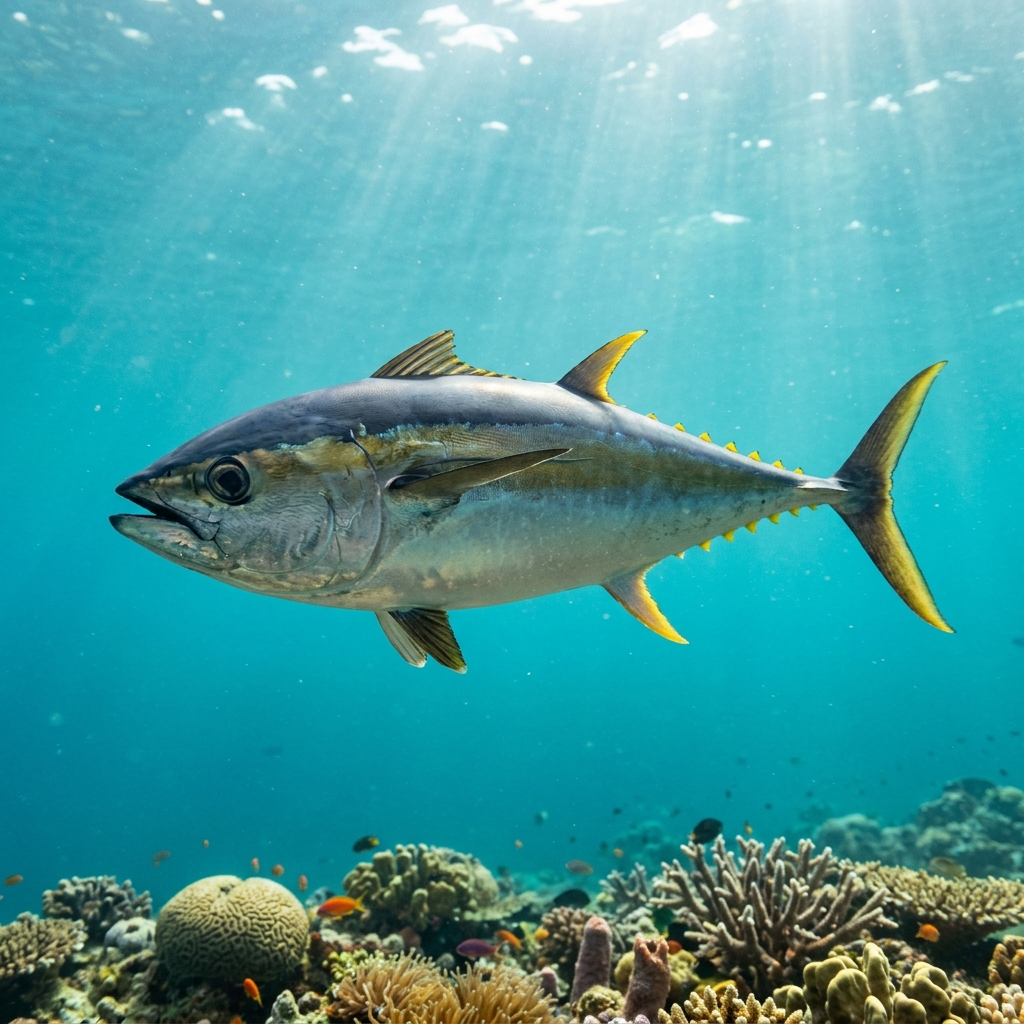
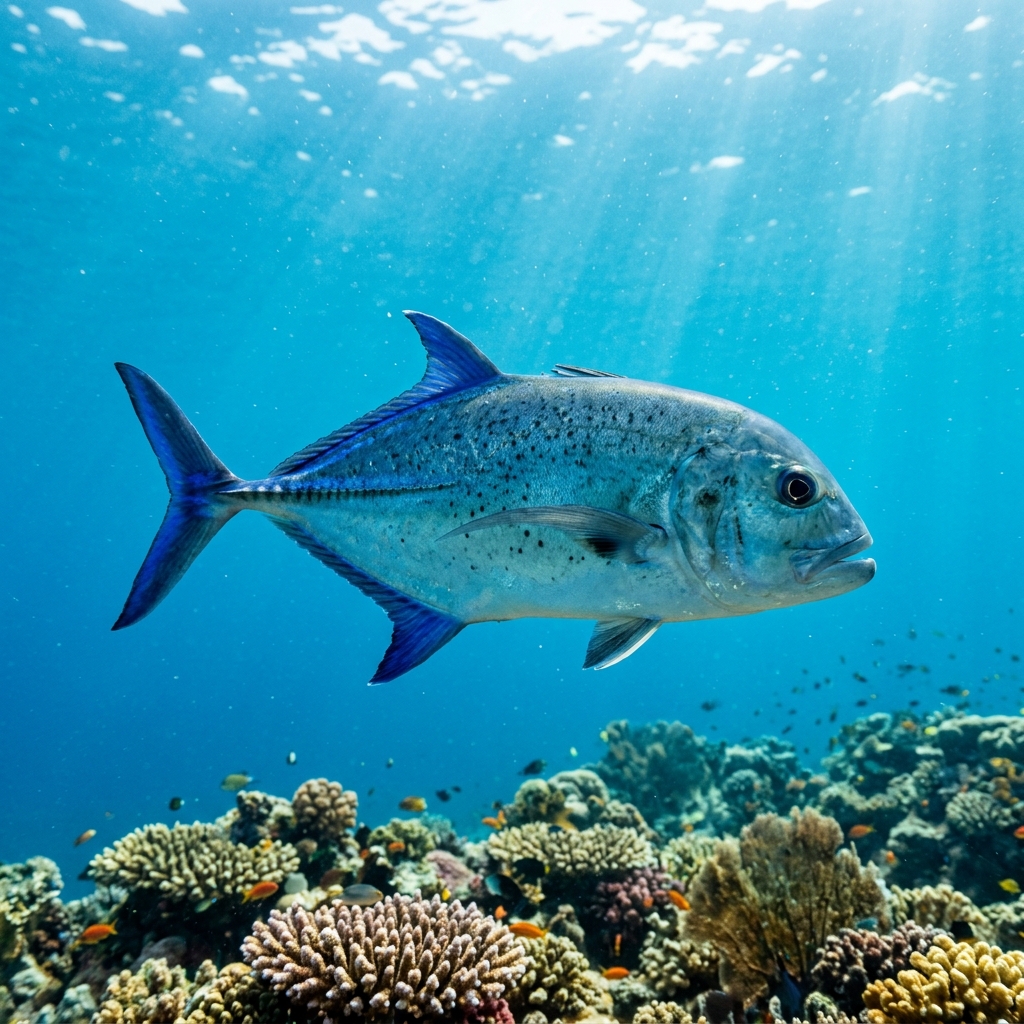
Malpelo is a remote oceanic destination off Colombia built entirely around advanced boat diving. Every site is reached by liveaboard, and the topography runs to walls, pinnacles, canyons, and drift dives across a wide depth range. The Scalloped Hammerhead is the defining species here, observed across all sites alongside the Whitetip Reef Shark, Spotted Eagle Ray, and occasional Whale Shark. Pelagic life mixes with reef residents: Bluefin Trevally, Horse Eye Jack, Allison Tuna, and Barracuda patrol open water while Panamic Green Moray, Longnose Hawkfish, and King Angelfish occupy the structure. Currents are strong and unpredictable, and thermoclines add to the challenge.

Monthly water temperature across Malpelo's sites, from satellite sea-surface data corrected for depth. The band shows the site-to-site spread.
Water temperature stays remarkably consistent year-round, varying by only a degree, though thermoclines beneath the surface can deliver a sudden chill mid-dive. Visibility is the variable to watch: conditions can shift from quite limited to very clear depending on current patterns and season. The histogram suggests May, July, and September draw the most experienced visitors, though worthwhile diving is reported across all months.
Water around Malpelo stays near 25°C all year, based on satellite sea-temperature data for its dive sites.
24 more sites to explore
With water around 24–25°C, a 3mm full suit works in Malpelo year-round.
Fin maps 26 sites in Malpelo (26 scuba diving sites).
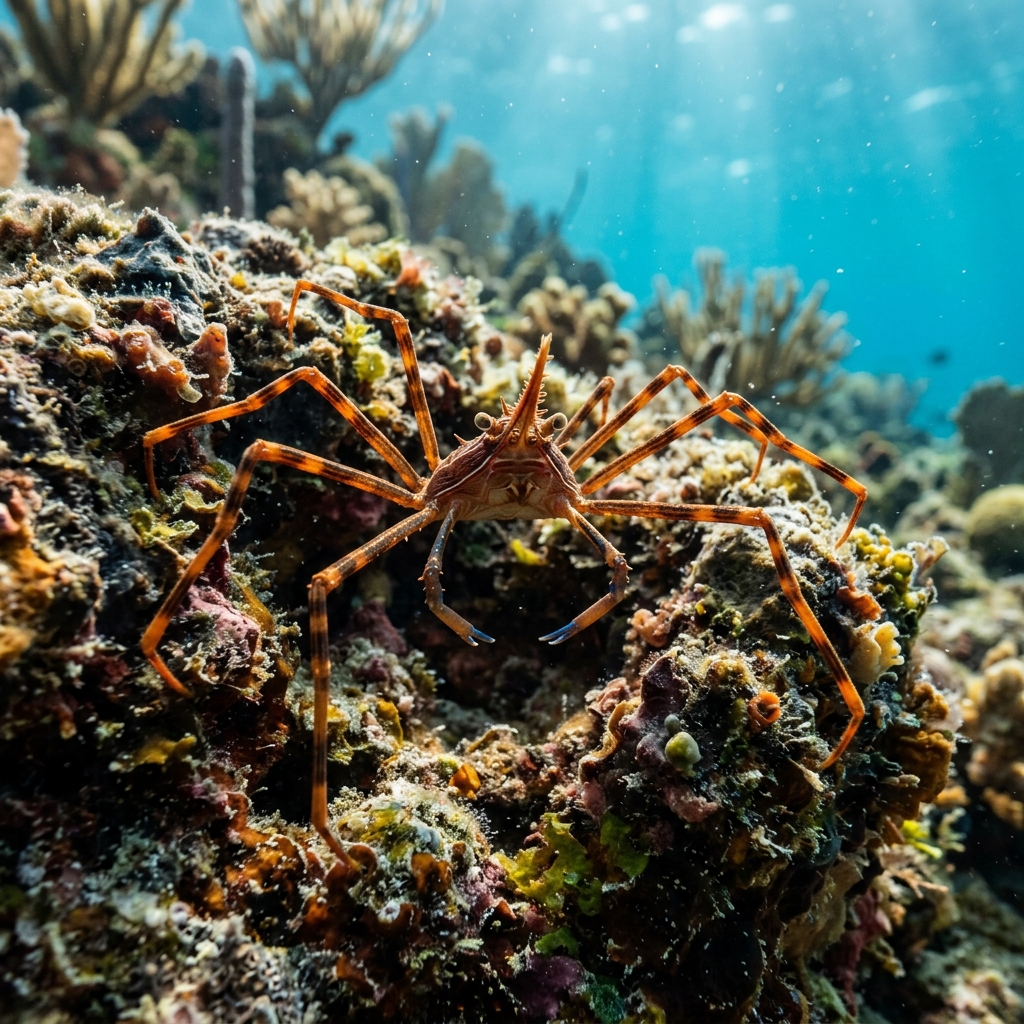
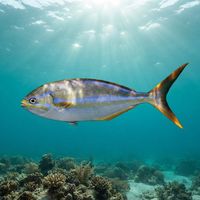
The Scalloped Hammerhead is observed across every site and is the species most associated with Malpelo. Alongside it, divers regularly encounter the Whitetip Reef Shark, Spotted Eagle Ray, and Whale Shark. Reef species include the Panamic Green Moray, King Angelfish, Longnose Hawkfish, Guineafowl Puffer, and Barberfish, while pelagic schools of Bluefin Trevally, Horse Eye Jack, Allison Tuna, and Barracuda are a constant feature.
Malpelo is not suited to beginners. Every recorded site is rated advanced, reflecting strong and unpredictable currents, significant thermoclines, and substantial depths. Divers should arrive with solid buoyancy control, experience managing drift conditions, and comfort at depth before planning a trip here.
All sites at Malpelo are boat-access only. The island is remote, with no shore diving recorded across any of its sites. In practice this means divers travel to Malpelo aboard a liveaboard vessel, which serves as the base for all diving operations throughout the trip.
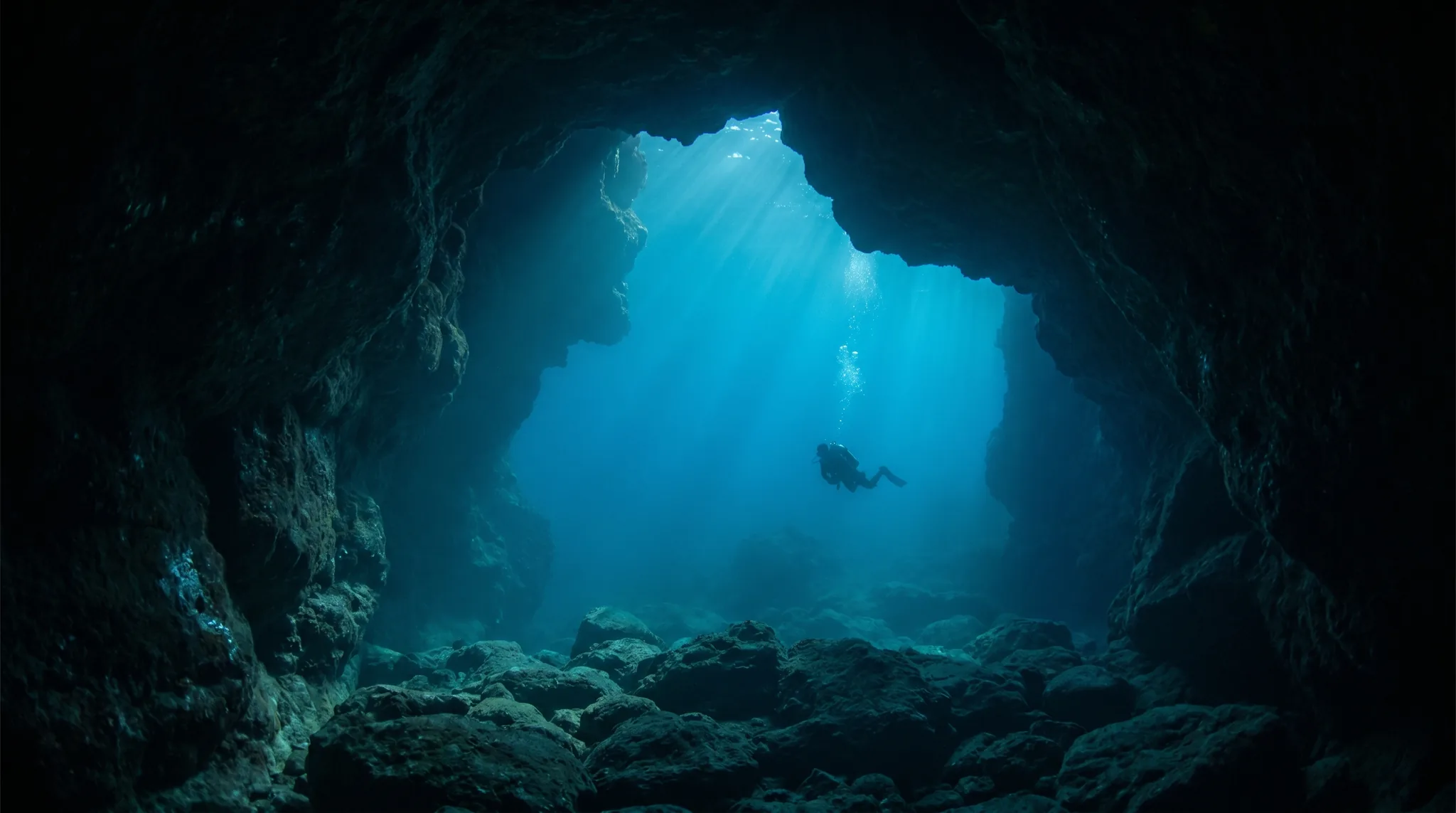
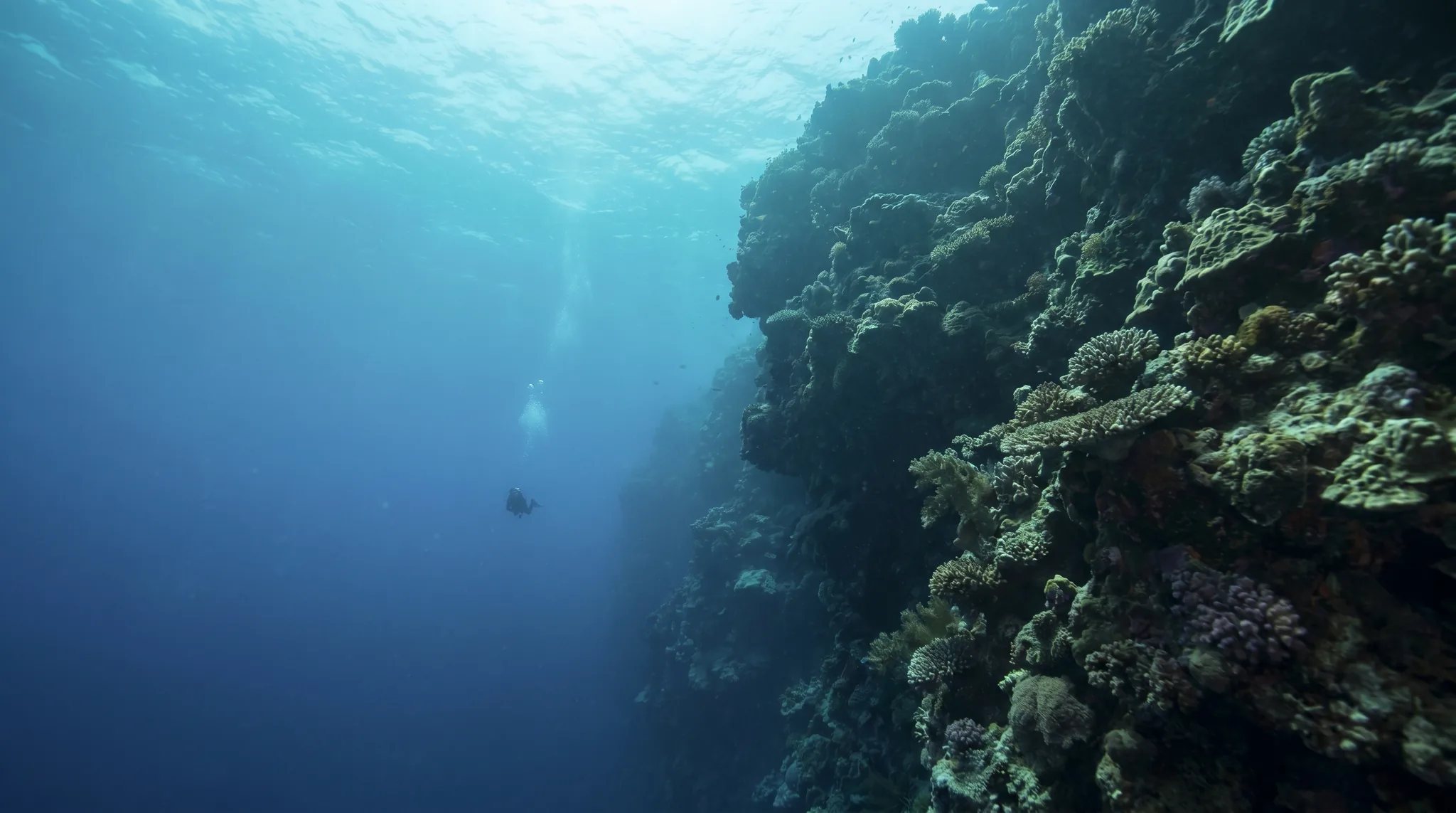
Malpelo diving is built around walls, pinnacles, drift dives, and reef structures. Sites such as El Arrecife add canyons and caves to that mix, creating complex topography that rewards repeated exploration. The combination of open-water pelagic action and intricate reef features means no two dives feel identical.


