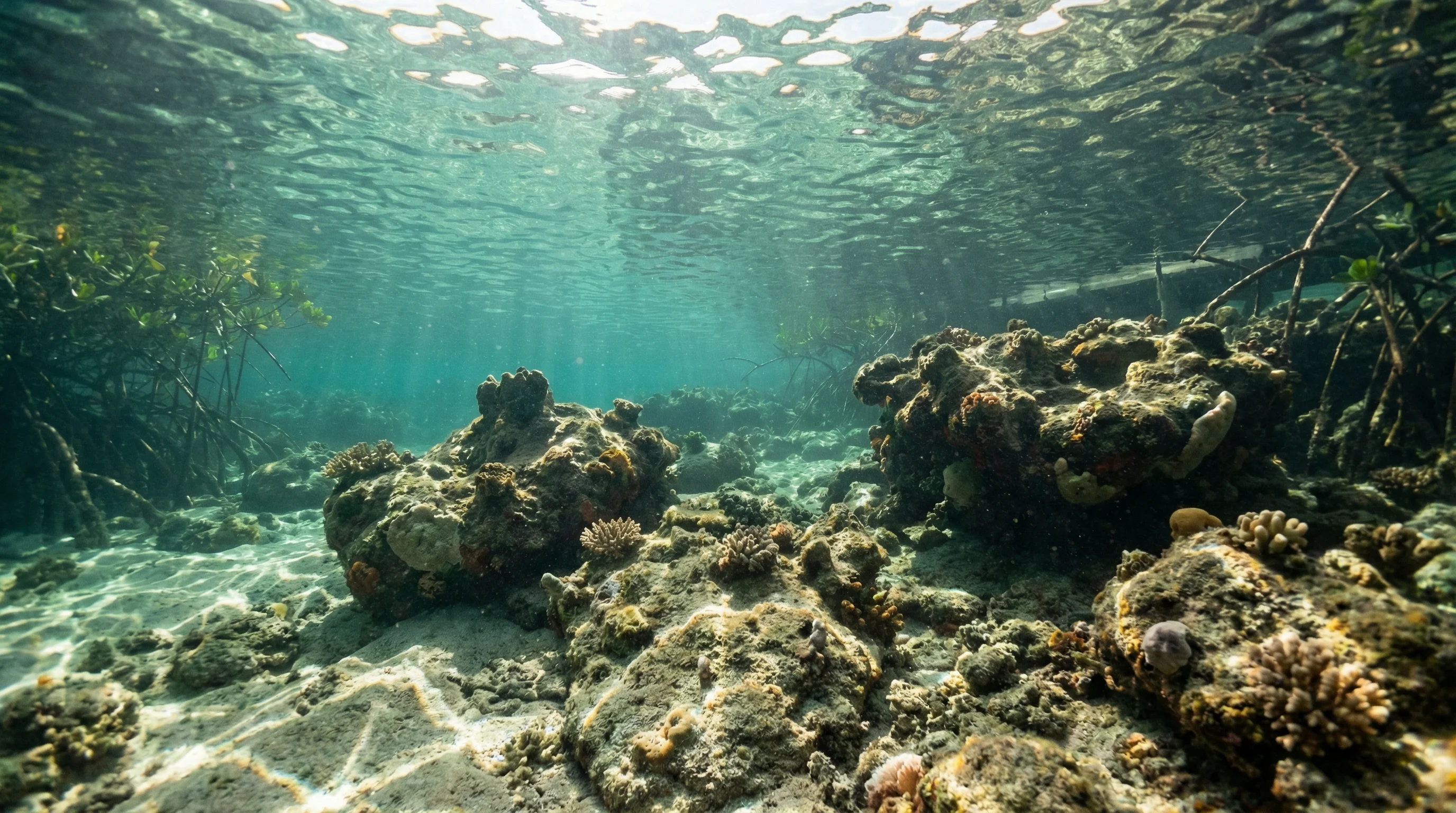
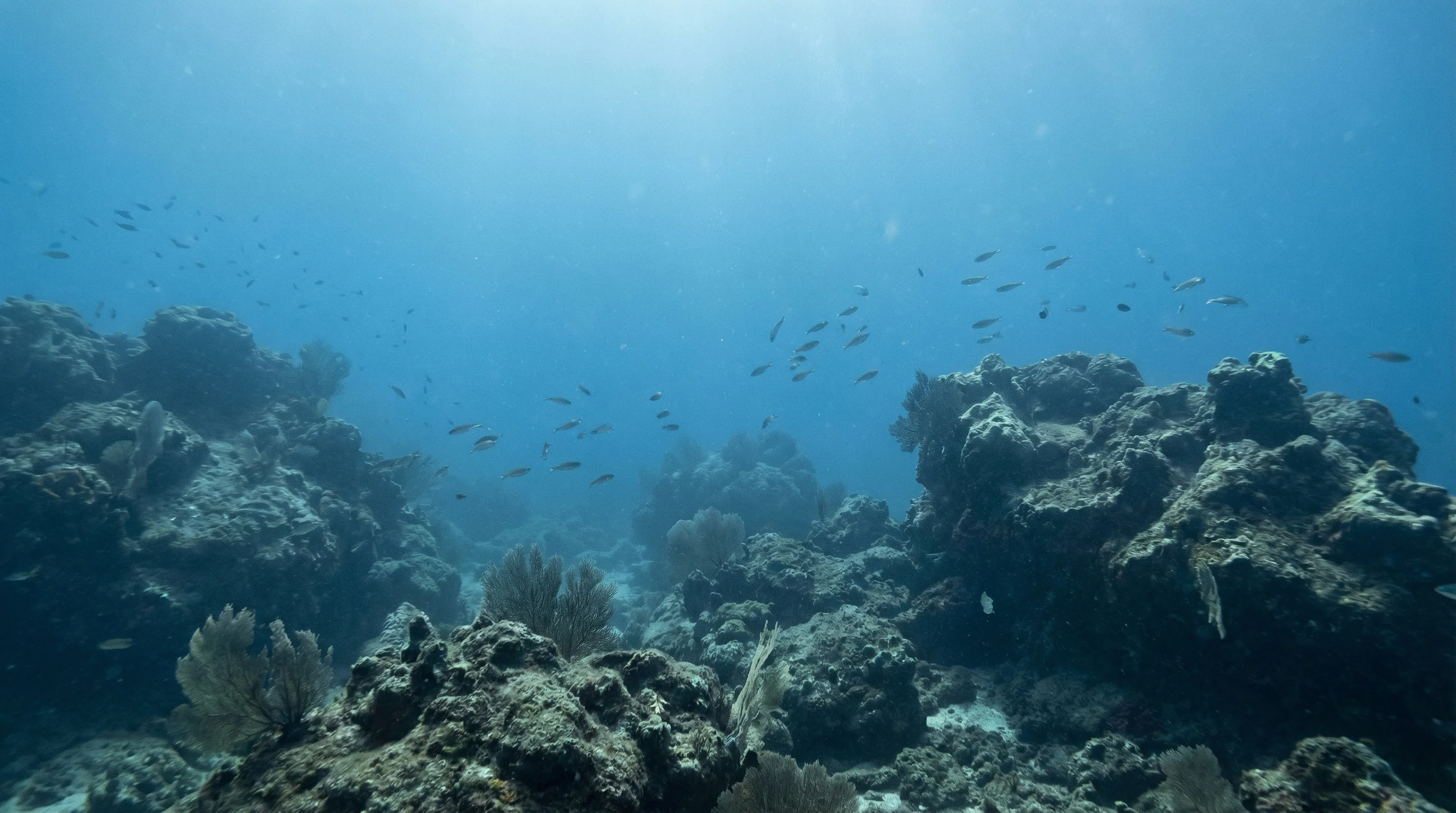
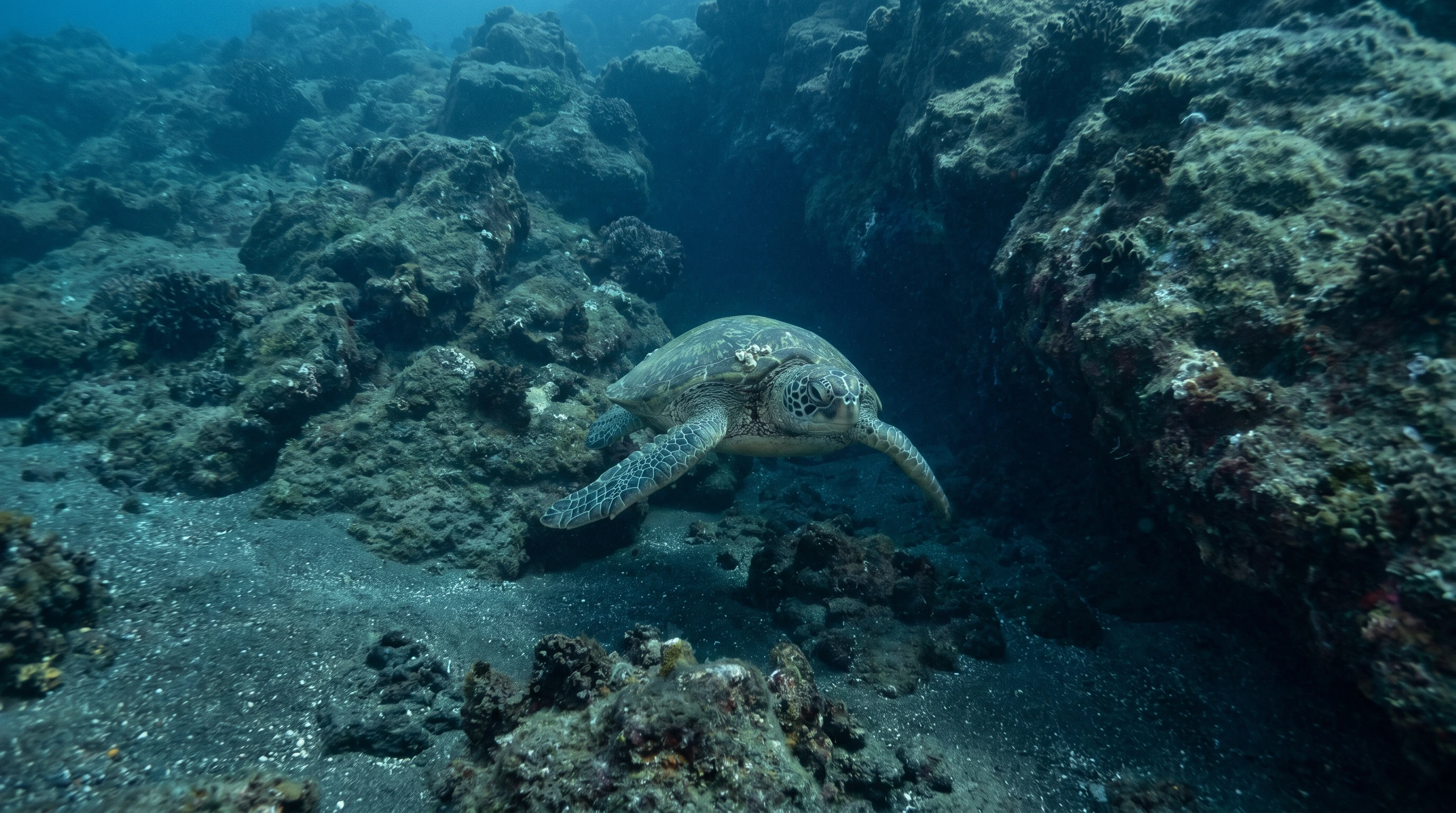
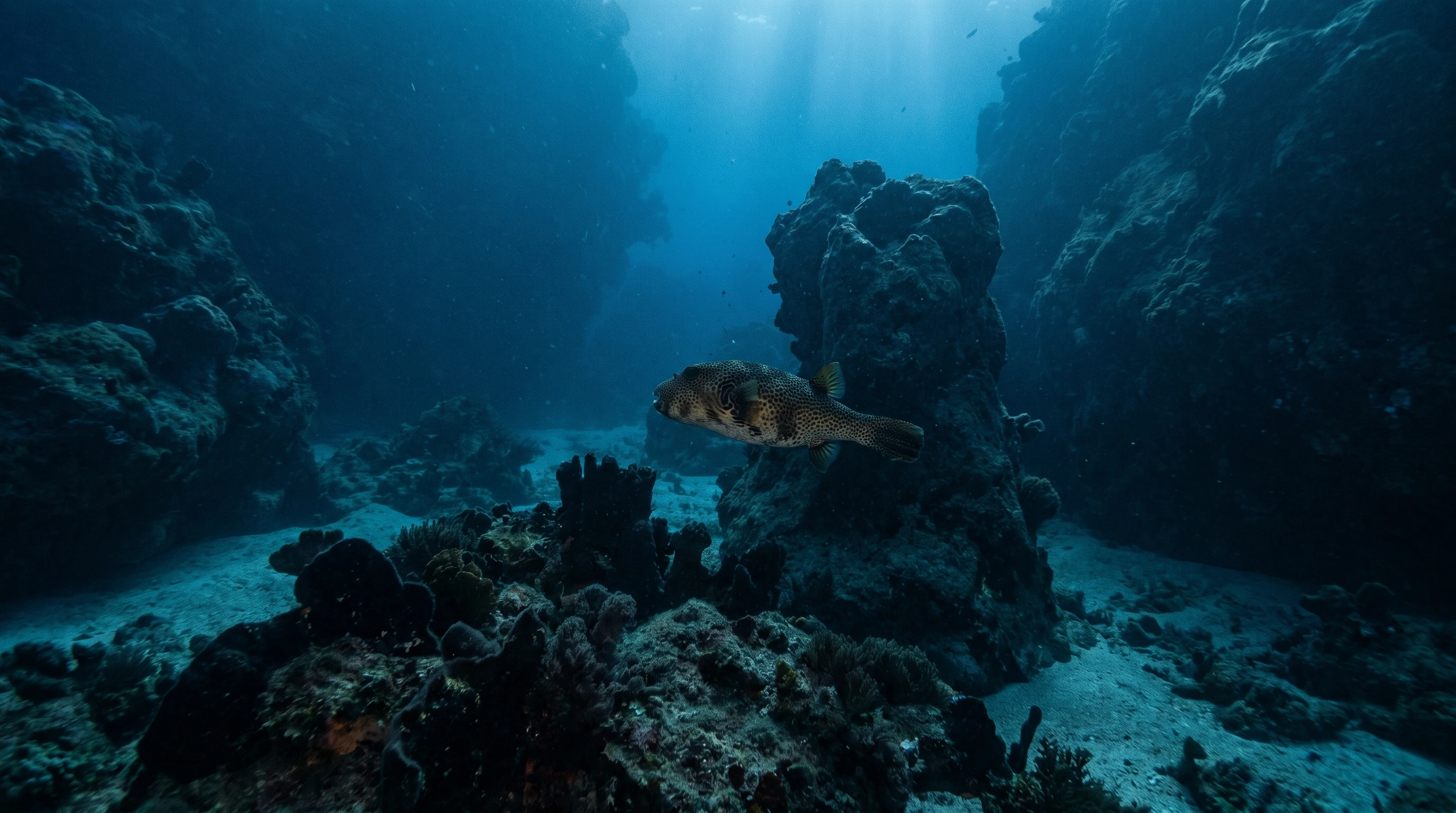
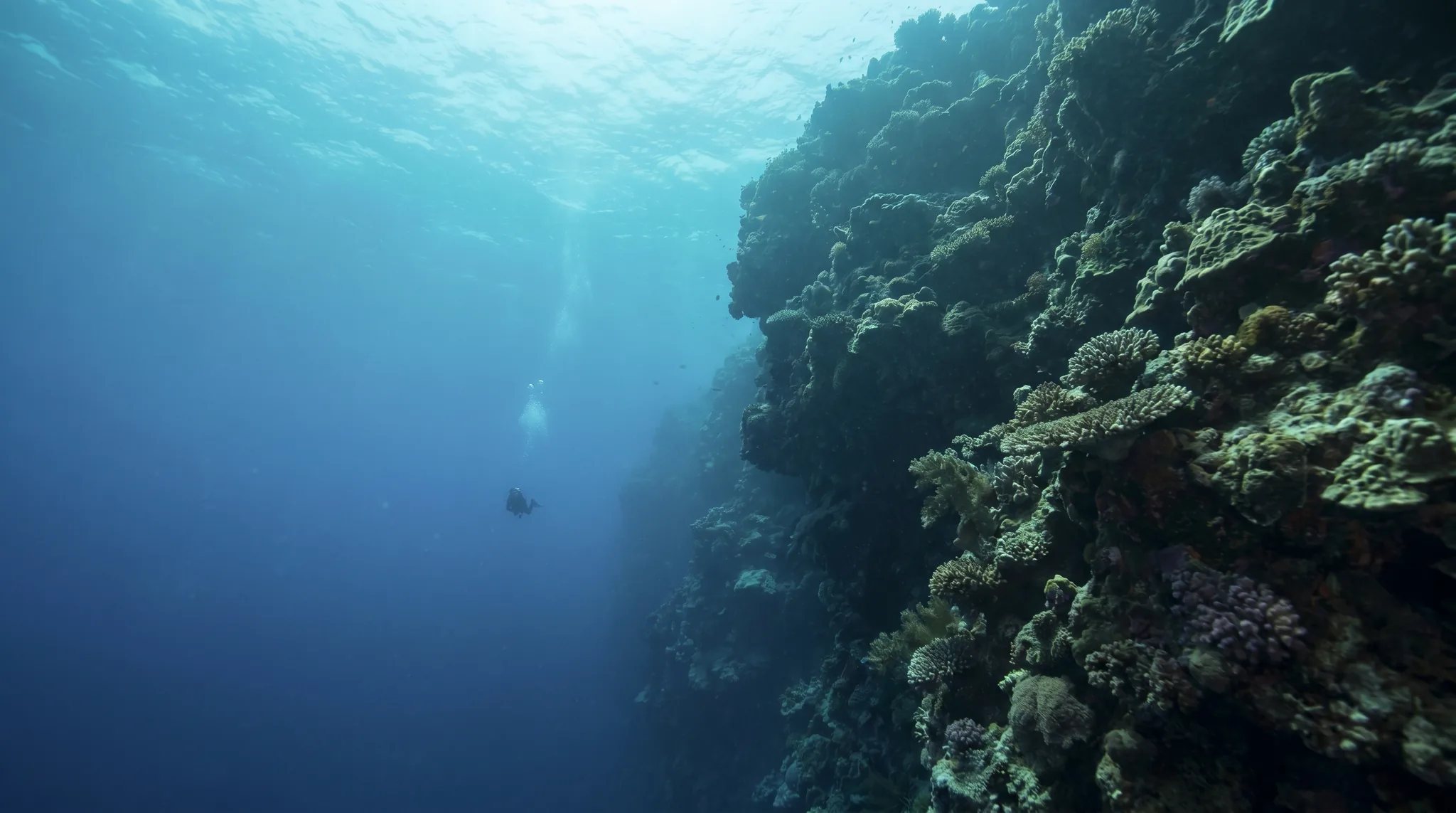
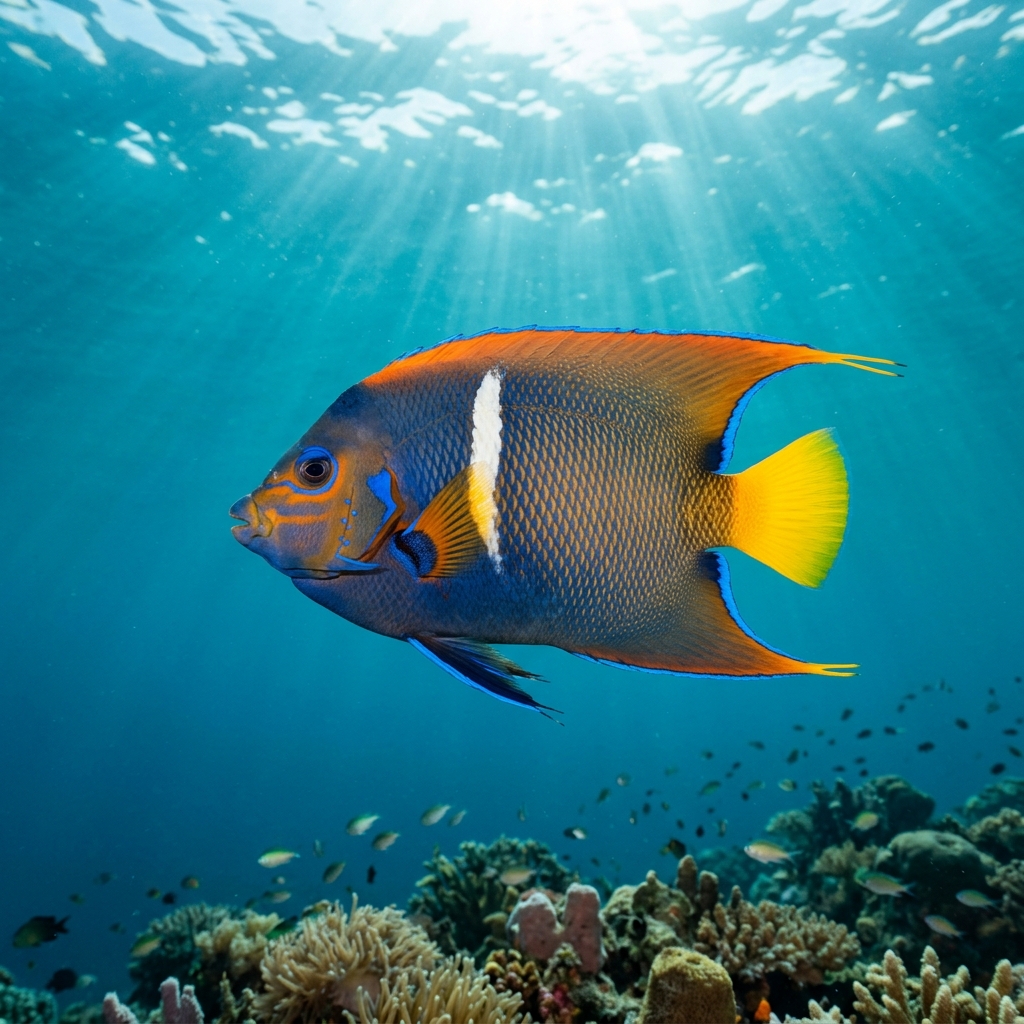
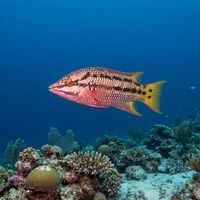
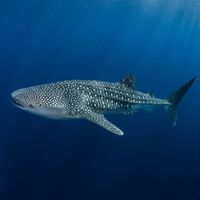
Wolf and Darwin are the most remote outposts in the Galápagos Islands, and their diving reflects that isolation. Every site is boat-access only, and the majority demand advanced skills: steep walls, drop-offs, strong currents, and surge define the character here. Darwin Island holds sites such as Pillars of Evolution, Tower Rock, and Channel, while Wolf Island offers Bahia Tiburones, The Rock, and Shark Bay. Whale Shark, Spotted Eagle Ray, and California Sea Lion are among the signature encounters, alongside reef-wide populations of King Angelfish, Bluefin Trevally, and Panamic Green Moray.

Monthly water temperature across Wolf & Darwin's sites, from satellite sea-surface data corrected for depth. The band shows the site-to-site spread.
Water temperatures sit at their warmest from February through April, easing back during the cooler months from July to October when upwellings strengthen and visibility can vary considerably. The histogram of preferred dive months points clearly to June through September as the peak window, when conditions favour large pelagic encounters despite cooler water. Exposed to open-ocean swells and persistent currents year-round, these sites reward divers who plan around the season rather than assume consistent conditions.
6 operators
6 more sites to explore
Water temperature around Wolf & Darwin ranges from about 22°C in July to 25°C in February, based on satellite sea-temperature data for its dive sites.
With water around 22–25°C, a 3mm full suit works in Wolf & Darwin year-round.
Fin maps 14 sites in Wolf & Darwin (14 scuba diving sites and 2 snorkelling spots, with some suited to both).
Across Wolf & Darwin's dive sites, June, July, August and September are most often reported as the best months to visit.
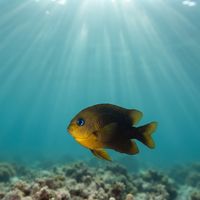
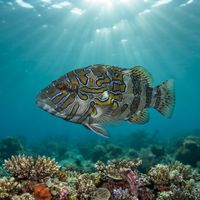
Whale Shark and Spotted Eagle Ray are both observation-backed signature species at Wolf and Darwin, making them the headline encounters. California Sea Lion and Ocean Sunfish have also been recorded across multiple sites. Reef species such as King Angelfish, Panamic Green Moray, and Bluefin Trevally are present across virtually every site in the region.
The majority of sites at Wolf and Darwin are rated advanced, with strong currents, surge, and deep water the norm at locations such as The Rock, Bahia Tiburones, Tower Rock, and Shark Bay. Anchorage is listed as intermediate, and Hat Island is noted as a site where divers can build buoyancy skills under milder currents. Beginners would find very limited options here.
Darwin Island is home to sites including Pillars of Evolution, Tower Rock, and Channel, with walls and drop-offs that descend to considerable depth. Wolf Island hosts Bahia Tiburones, The Rock, Anchorage, and Shark Bay, offering a similarly dramatic mix of reef, wall, drift, and cave topography. Both islands share the same remote, current-driven character, though Wolf Island's site list includes the slightly more accessible Hat Island.
Every site across Wolf and Darwin is accessed by boat, with no shore entries available. Given the remoteness of both islands within the Galápagos Islands, diving here is typically done as part of a liveaboard itinerary rather than a day trip. There are currently no locally listed operators, so divers should confirm arrangements before travel.