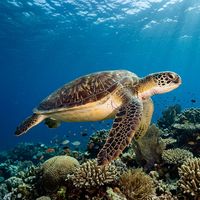
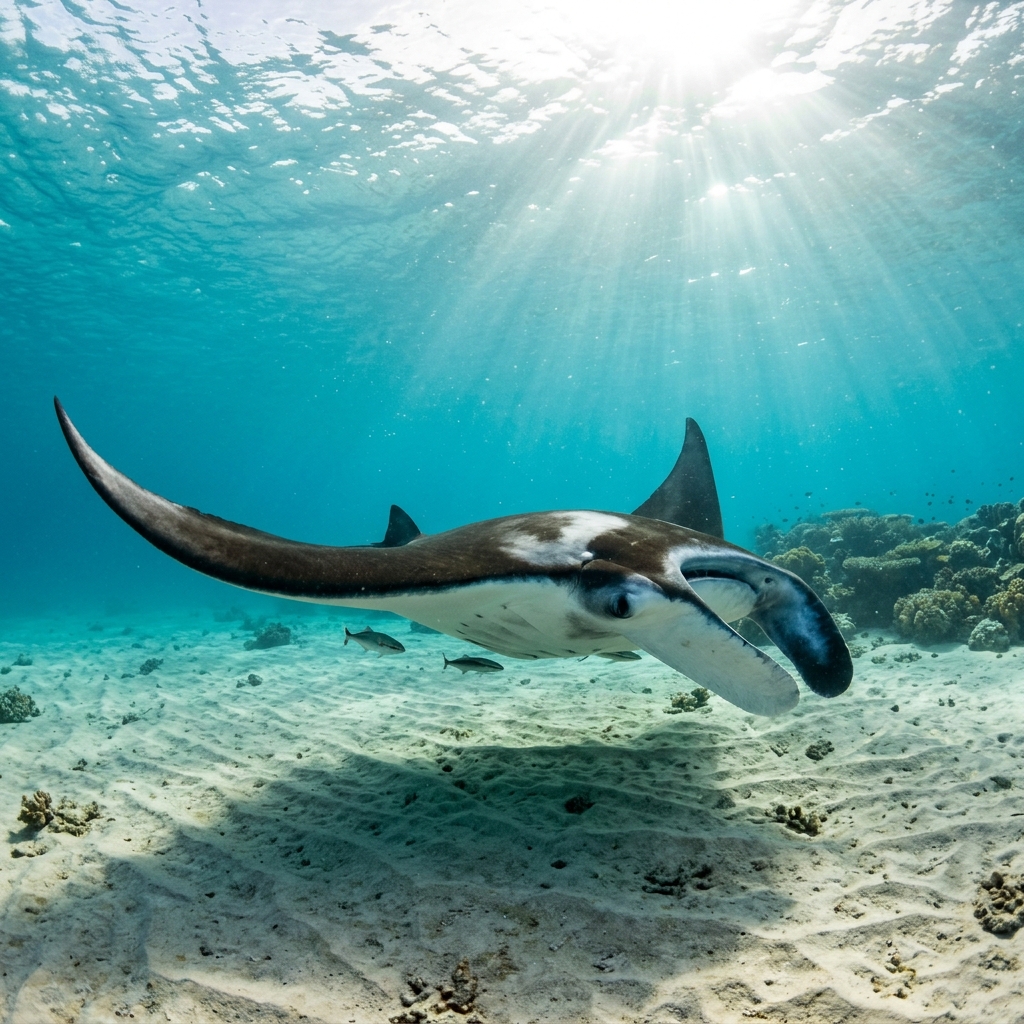
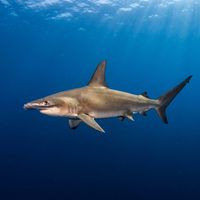
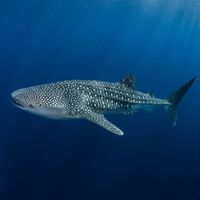
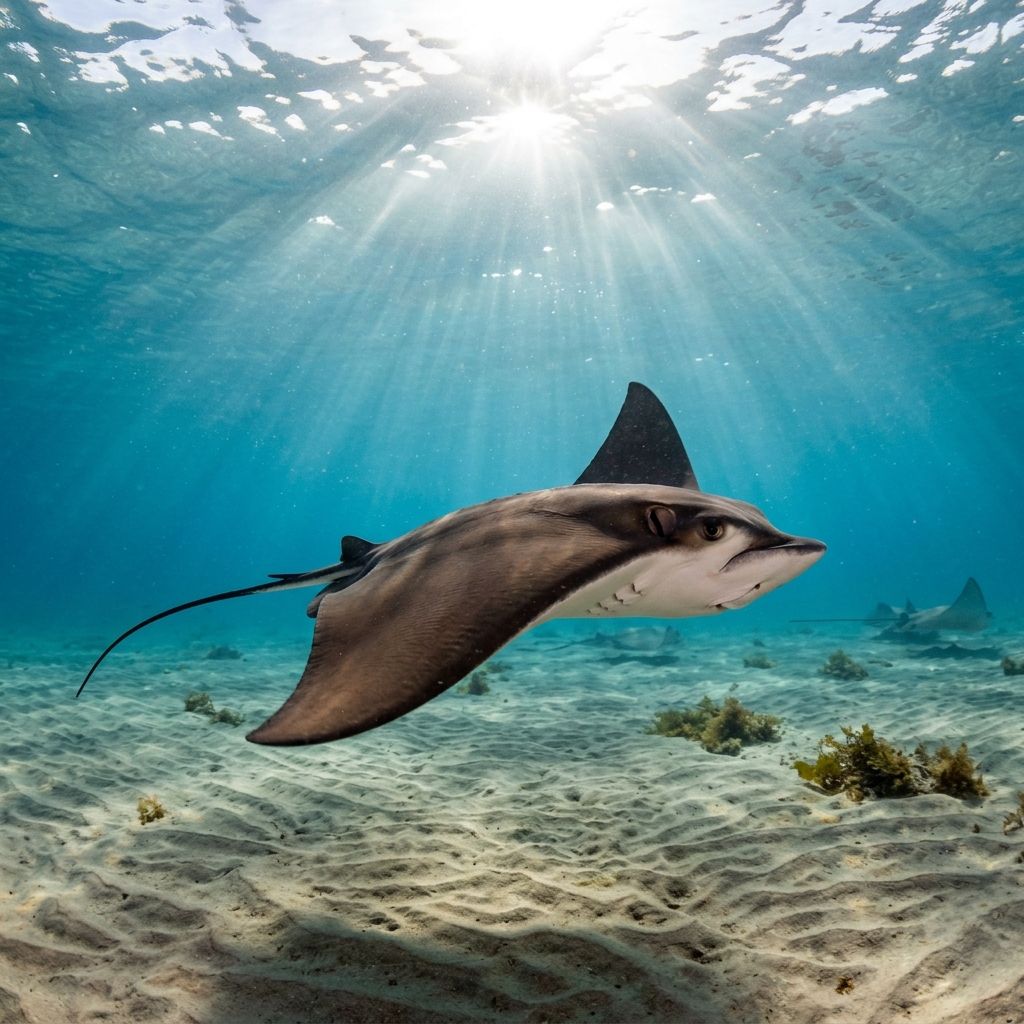
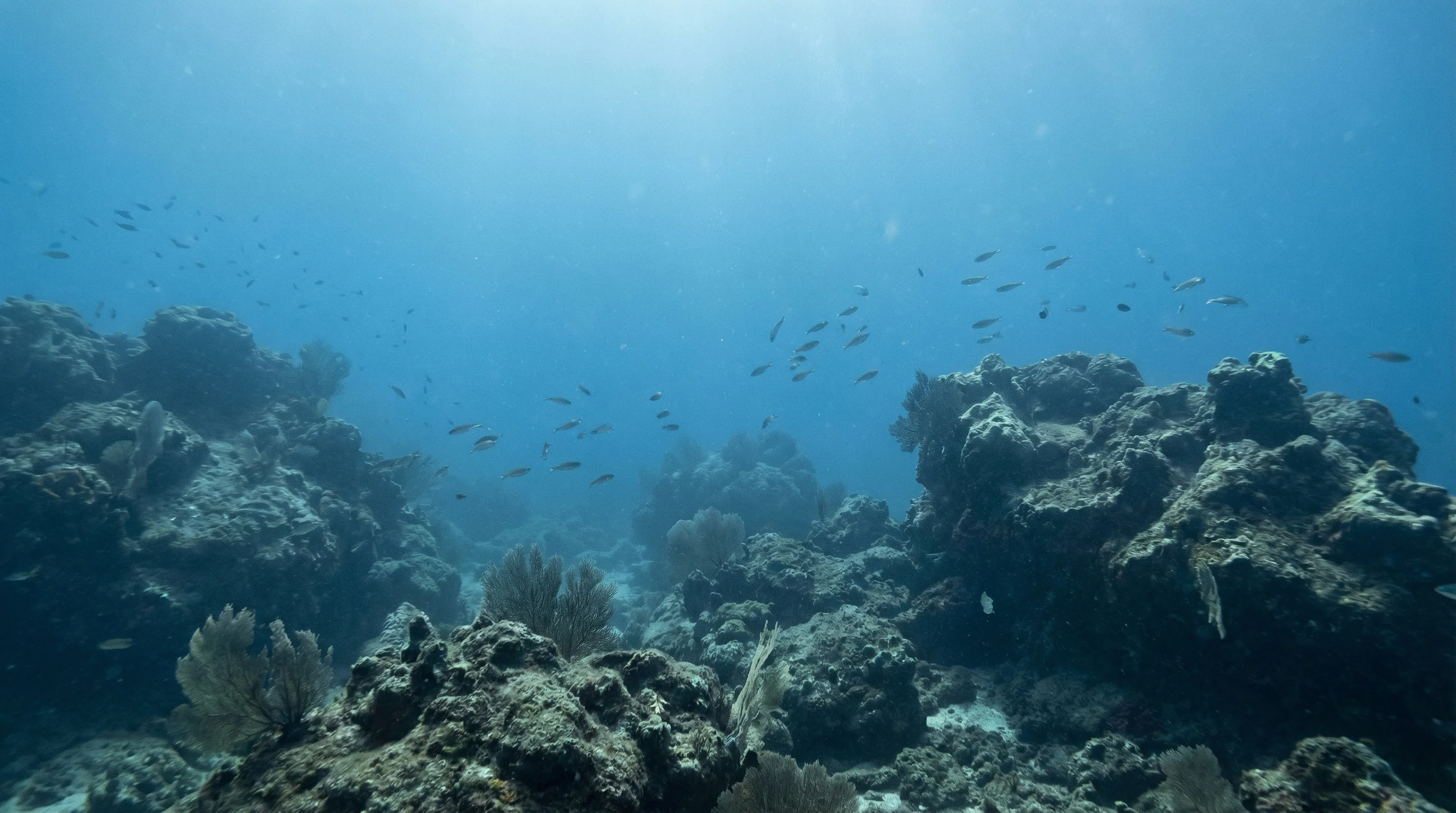
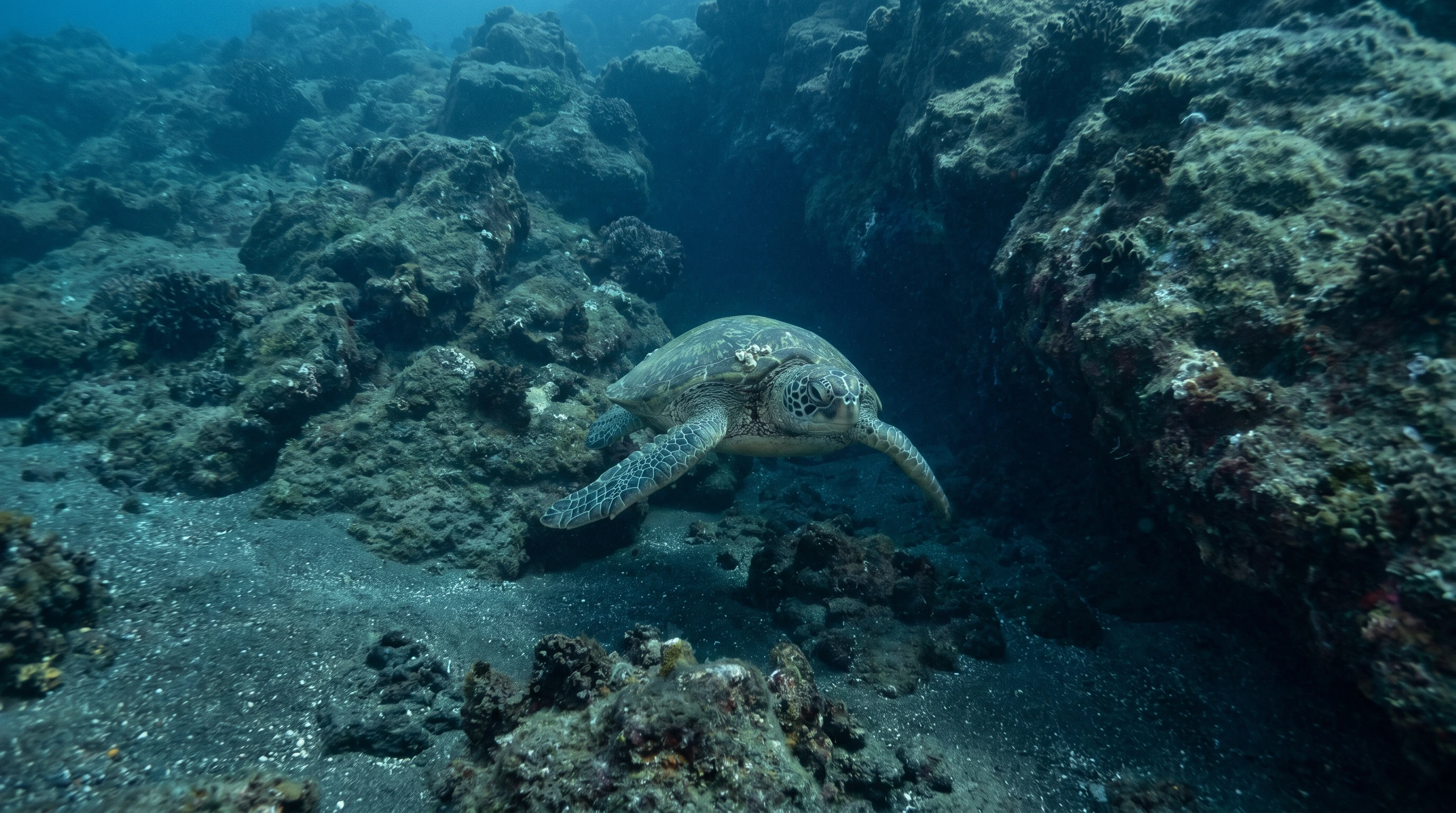
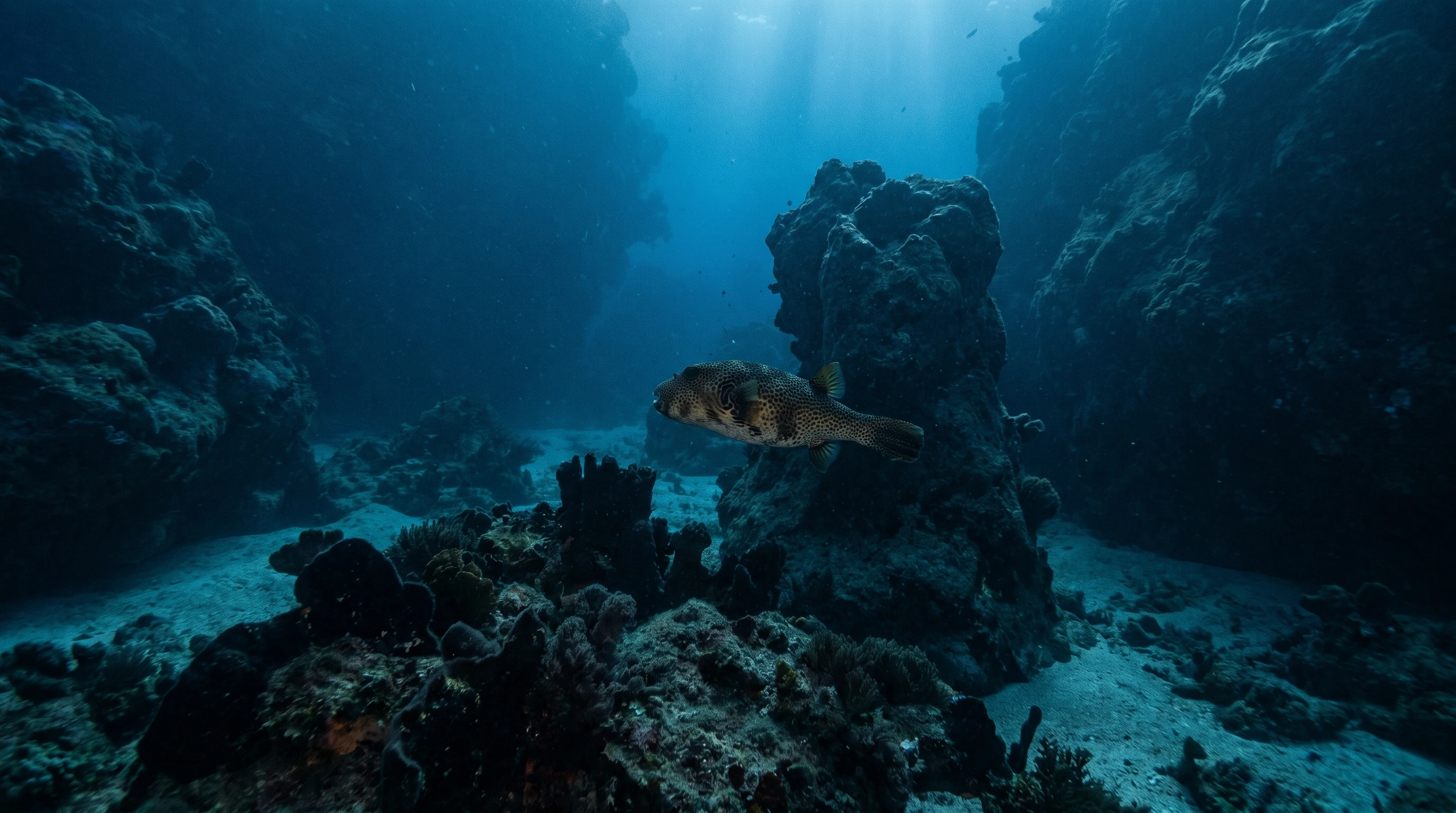
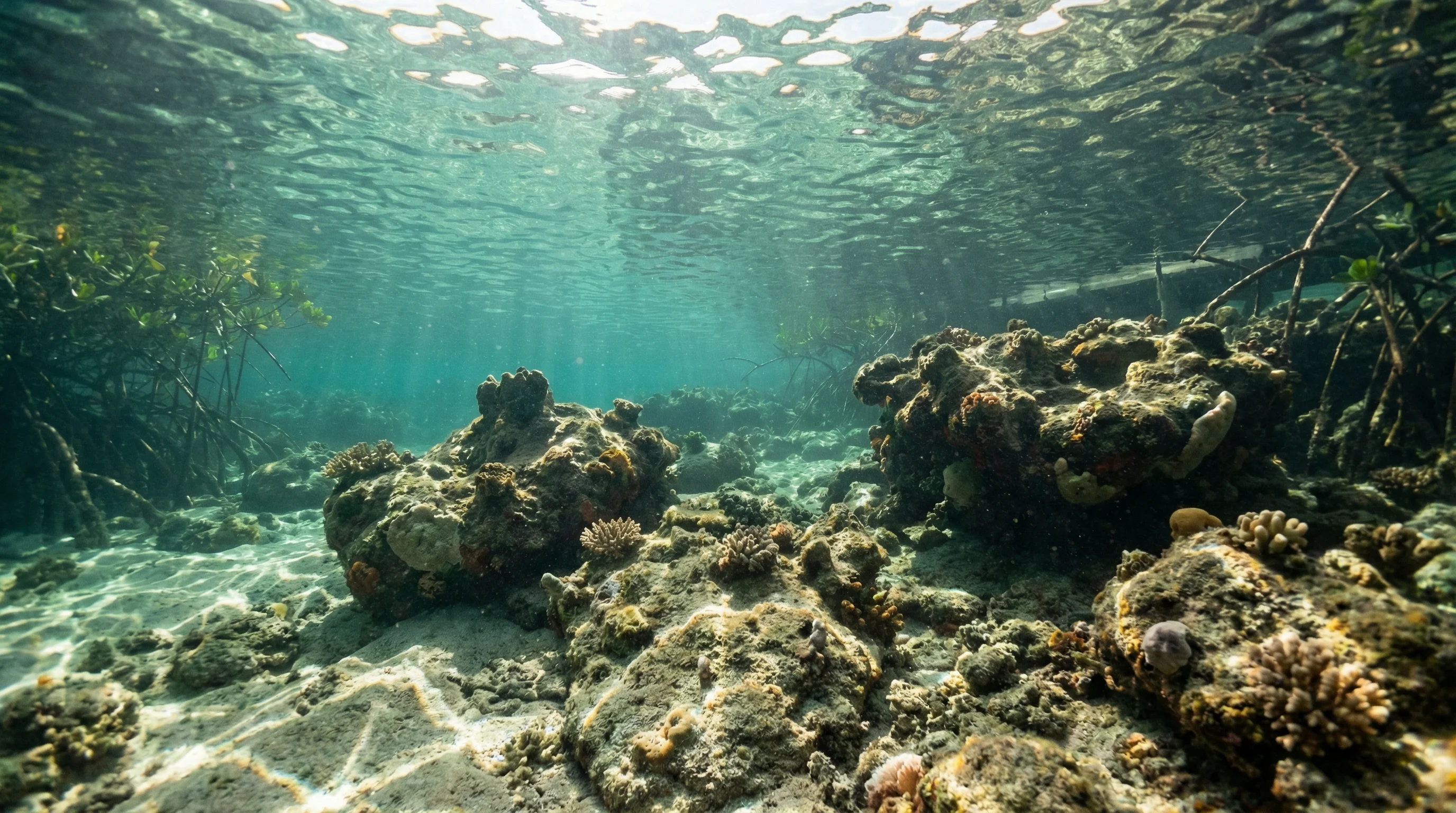
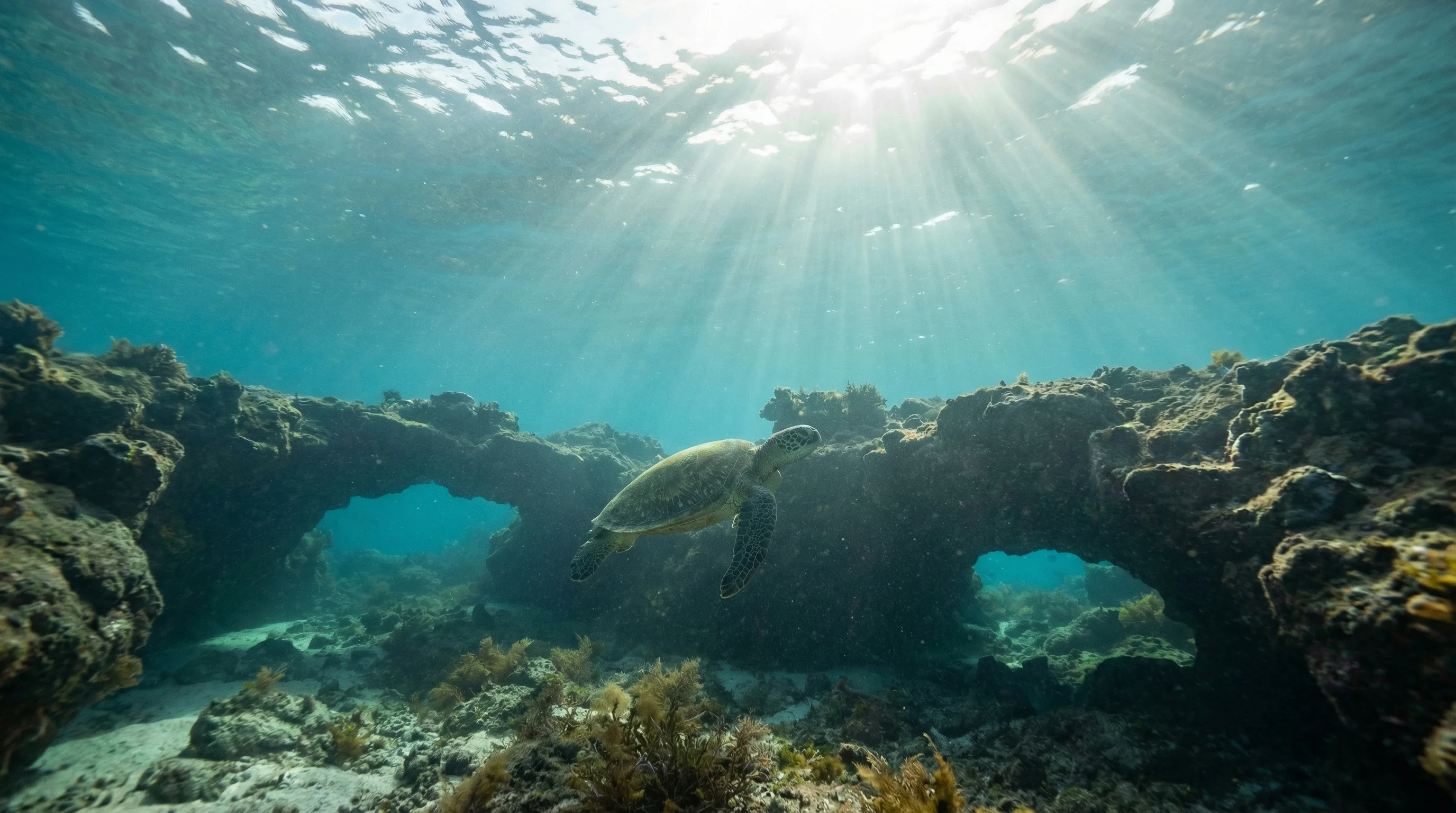
Isabela and Fernandina offer one of the most varied site mixes in the Galápagos, ranging from the shallow sheltered lagoon of Concha de Perla to deep walls and drift dives at Cape Douglas and Punta Albemarle. Volcanic formations shape the underwater world throughout: lava tunnels at Los Túneles, isolated pinnacles at Roca Redonda, and broad reef structures at Punta Espinoza. Green Sea Turtle, Spotted Eagle Ray, Scalloped Hammerhead, and Whale Shark are all observation-backed here. Conditions span beginner-friendly shallows to serious advanced drift sites, so the region suits a wide range of divers.

Monthly water temperature across Isabela & Fernandina's sites, from satellite sea-surface data corrected for depth. The band shows the site-to-site spread.
Water is warmest from January through April and cools noticeably from August into October, reflecting the seasonal shift in currents that also drives upwelling and pelagic activity. The cooler months from June to November score highest for diving conditions, likely because stronger currents bring larger animals to the walls and drift sites. Visibility varies widely depending on site and season, so divers should be prepared for anything from limited upwelling viz to clear open-water conditions.
6 operators
Ecuador
14 more sites to explore
Water temperature around Isabela & Fernandina ranges from about 20°C in August to 25°C in March, based on satellite sea-temperature data for its dive sites.
In the warm season (about 25°C) a 3mm full suit is comfortable in Isabela & Fernandina; in the coldest months (about 20°C) step up to a 5mm suit.
Fin maps 25 sites in Isabela & Fernandina (18 scuba diving sites and 9 snorkelling spots, with some suited to both).
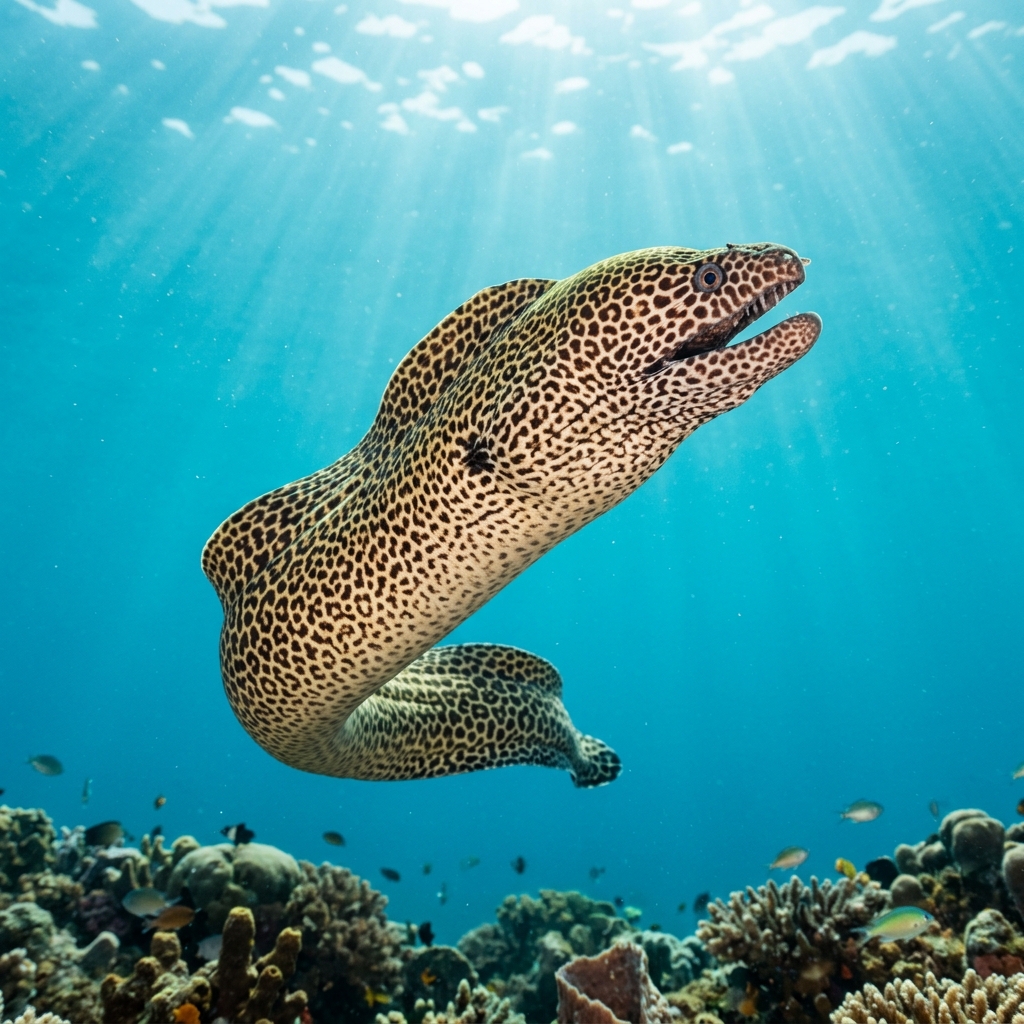
All signature species here are observation-backed rather than simply expected by range. Green Sea Turtle and Spotted Eagle Ray are commonly recorded across many sites, while Scalloped Hammerhead, Oceanic Manta Ray, and Whale Shark appear occasionally at the more exposed offshore sites. Whitetip Reef Shark and Marble Ray are also commonly sighted, particularly at wall and drift sites.
The region has a clear split in skill requirements. Sites like Concha de Perla and Los Túneles are rated beginner-friendly, with shallow depths and calm or sheltered conditions. Advanced sites such as Roca Redonda, Cape Marshall, and Cape Douglas involve deep walls, strong currents, and drift diving that require solid experience and buoyancy control.
The majority of dive sites here require boat access, including all of the deeper wall, drift, and pinnacle sites. Concha de Perla is the main exception, offering a shore entry near Puerto Villamil. Boat-based access allows divers to reach the more remote sites on Fernandina and along Isabela's northern and western coastlines.
Isabela offers the widest variety, from the shallow snorkel lagoon at Concha de Perla and the lava tunnels of Los Túneles through to deep drift and wall sites at Punta Albemarle and Cape Marshall along its northern coast. Fernandina's sites, Punta Espinoza and Cape Douglas, are oriented toward reef and wall diving with strong currents and significant depth, suiting intermediate to advanced divers making a dedicated boat trip.