

Cocos Island diving is defined by deep pinnacles, exposed walls, and powerful open-ocean currents that demand experience and reward it generously. The vast majority of sites are rated advanced, with only a handful offering calmer conditions for intermediate divers. Boat access is the only option across the entire site list. Whitetip Reef Shark and Spotted Eagle Ray are consistently observed, while Whale Shark encounters occur at sites such as Bajo Alcyone and Shark Fin Rock. The reef life is dense, with Panamic Green Moray, Guineafowl Puffer, King Angelfish, and Giant Frogfish recorded across many sites.

Monthly water temperature across Cocos Island's sites, from satellite sea-surface data corrected for depth. The band shows the site-to-site spread.
Water temperature stays warm year-round, dipping slightly during mid-year upwelling months and peaking in late dry season. The best-months data shows consistently high ratings from June through November, suggesting that the cooler, current-driven conditions of that period align with the most productive pelagic activity. Divers should expect variable visibility depending on current strength, with the wide visibility range reflecting the contrast between surge-affected drift dives and calmer reef sites like Manuelita Garden.
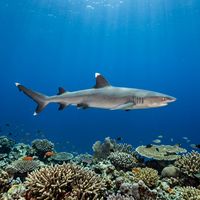
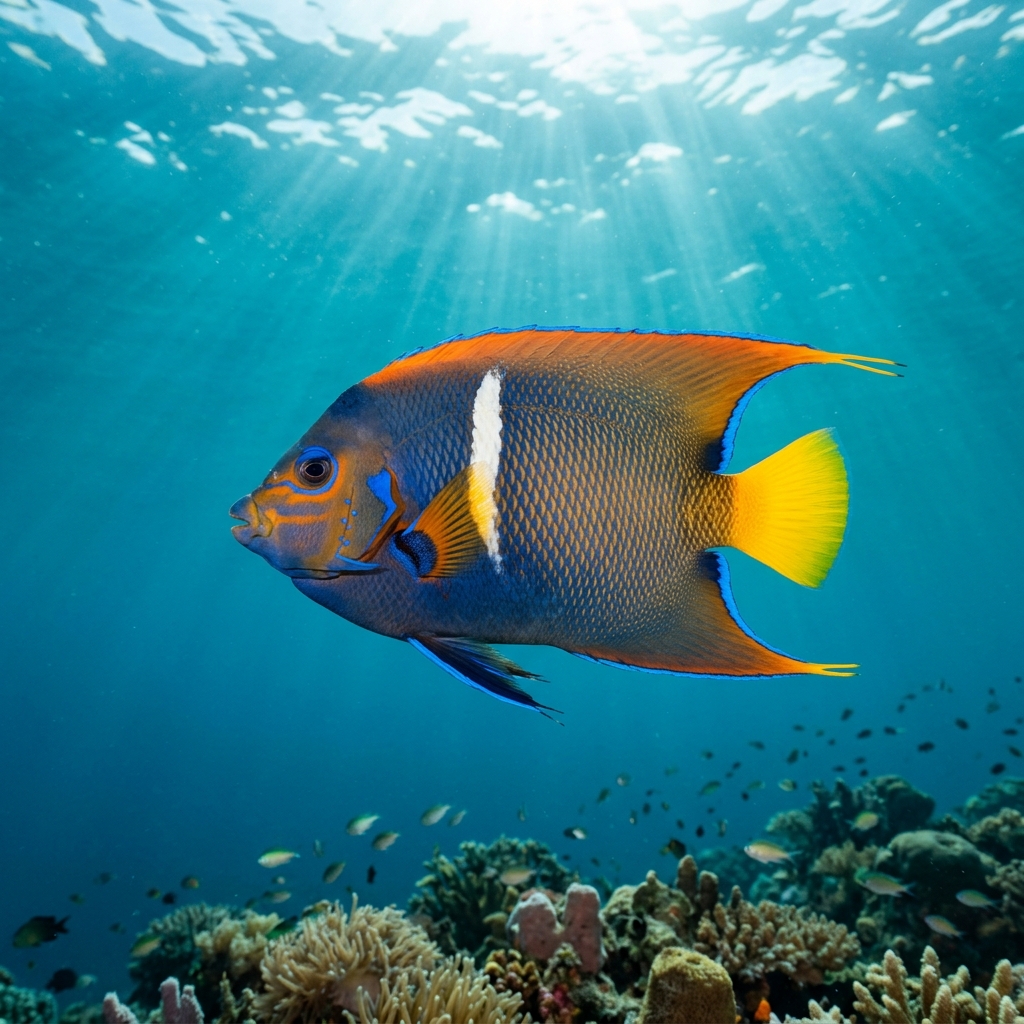
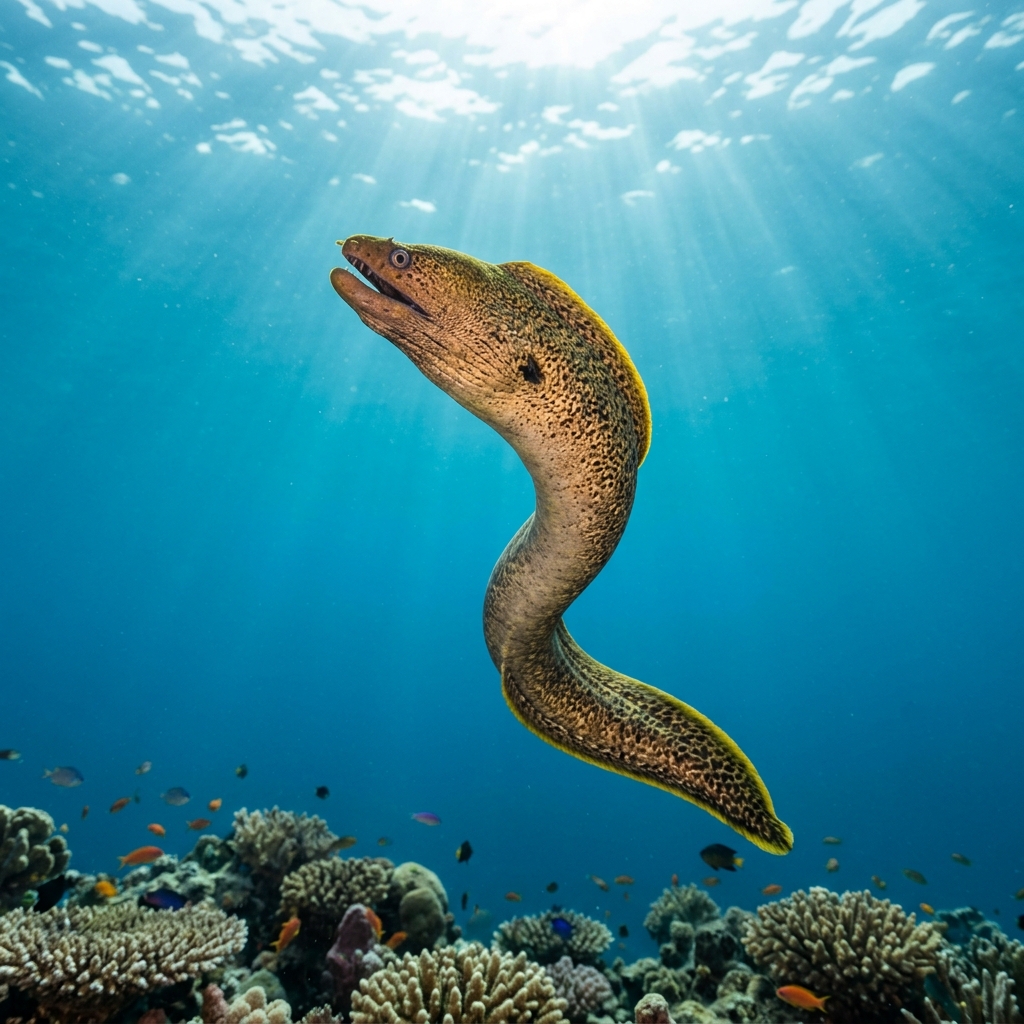
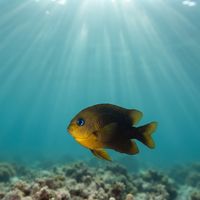
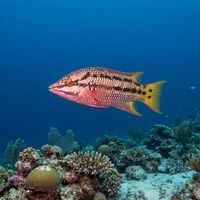
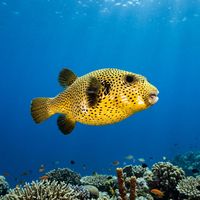
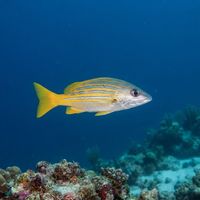
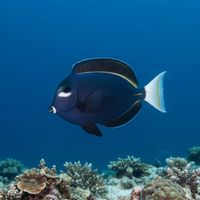
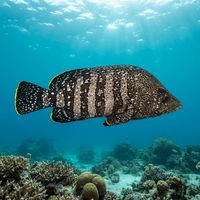
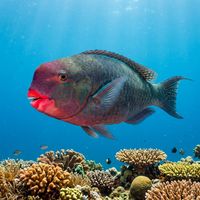
3 more sites to explore
Water temperature around Cocos Island ranges from about 25°C in June to 28°C in April, based on satellite sea-temperature data for its dive sites.
In the warm season (about 28°C) a rash guard or 3mm shorty is comfortable in Cocos Island; in the coldest months (about 25°C) step up to a 3mm full suit.
Fin maps 15 sites in Cocos Island (15 scuba diving sites).
Whitetip Reef Shark is observed across every site in the data and is the most consistently encountered large species. Spotted Eagle Ray appears at the majority of sites. Whale Shark sightings are recorded as occasional, concentrated at deeper pinnacle sites. Tiger Shark and Bottlenose Dolphin are listed among the island's signature species.
The overwhelming majority of sites at Cocos Island are rated advanced, driven by strong and often unpredictable currents, deep water, and exposed open-ocean conditions. Manuelita Garden and Silverado are rated intermediate, offering milder currents and shallower reef structure. Isla Cascara carries a beginner rating. Divers without solid drift and current experience will find their options very limited here.
Every site in the Cocos Island dive list requires boat access. At least one site, Alcyone, is noted as accessible only via liveaboard. Given the island's remote offshore location, liveaboard is the standard and practical means of visiting and diving here.
Pinnacles and reefs dominate, with drift and wall sites also well represented. Several sites combine multiple formations, such as Bait Balls which mixes reef, wall, pinnacle, and drift diving in a single location. Submerged Rock adds cave sections to open-water pinnacle diving. Site depth ranges vary considerably, from the shallower Silverado through to the deepest reaches of Submerged Rock.


